

Gdansk Weather by Month: Your Guide to Seasonal Travel
Plan your Gdansk trip with our detailed weather guide by month. Discover seasonal temperatures, rainfall, and tips for every visit.
On this page
Discover Gdansk Weather by Month for Your Perfect Trip
Planning a trip to Gdansk, Poland, means understanding its unique climate. The city experiences distinct seasons, each offering a different charm.
Knowing the Gdansk weather by month helps you pack correctly and plan activities.
Deciding the best time to visit Gdansk depends on your preferences.
This guide provides detailed insights into what to expect throughout the year.
Gdansk Weather Overview by Season
Gdansk enjoys a temperate climate, influenced by its Baltic Sea location. This means mild summers and cold, often snowy winters. Spring and autumn serve as transitional periods, bringing varied conditions.
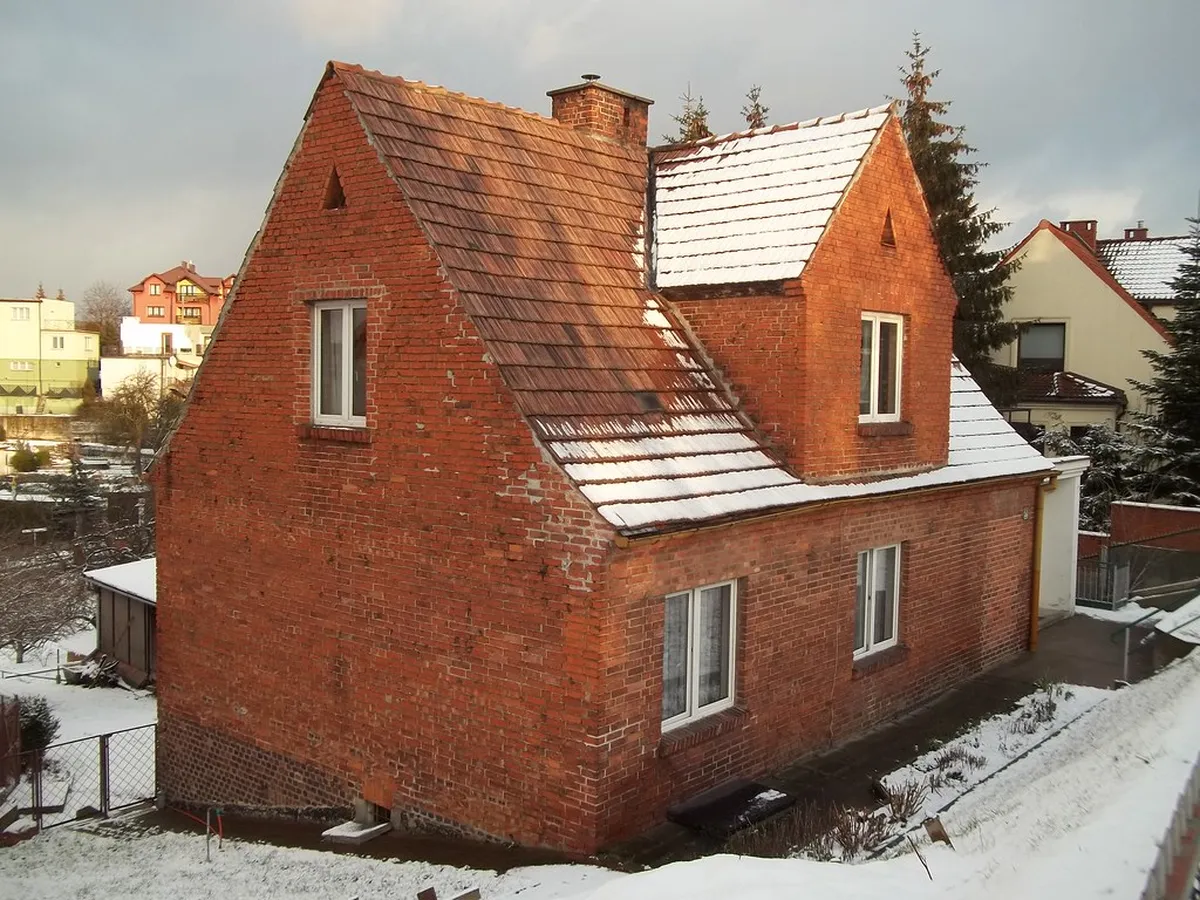
Average temperatures fluctuate significantly across the year. Summer highs can reach 22°C (72°F), while winter lows often drop below freezing. Rainfall is spread fairly evenly throughout the year, with slightly more in summer.
The Baltic Sea moderates extreme temperatures, preventing scorching summers or brutally cold winters. However, sea breezes can make temperatures feel cooler than expected. Always check the forecast closer to your travel date for accuracy.
| Season | Avg Temp | Crowd Level |
|---|---|---|
| Spring (Mar–May) | 2–13°C (36–55°F) | Low–Medium |
| Summer (Jun–Aug) | 16–22°C (61–72°F) | High |
| Autumn (Sep–Nov) | 3–13°C (37–55°F) | Low–Medium |
| Winter (Dec–Feb) | -2–0°C (28–32°F) | Low (High in Dec) |
Spring Weather in Gdansk (March-May)
Spring in Gdansk brings a gradual thaw and awakening of the city. March remains quite chilly, with average temperatures around 2°C (36°F). You might still encounter frosty mornings and occasional snow flurries.
April sees temperatures rise to about 8°C (46°F), and the city begins to bloom. Days grow longer, inviting visitors to explore outdoor attractions. Light rain showers are common during this month.
May is much milder and often feels very pleasant, averaging 13°C (55°F). This month is ideal for sightseeing without the summer crowds — use our 2-day Gdansk itinerary to make the most of the pleasant spring conditions. Pack layers to adapt to changing conditions throughout the day.
Summer Weather in Gdansk (June-August)
Gdansk truly comes alive during its summer months, offering the warmest weather. June averages around 16°C (61°F) with long daylight hours. It is perfect for enjoying beaches and outdoor cafes.
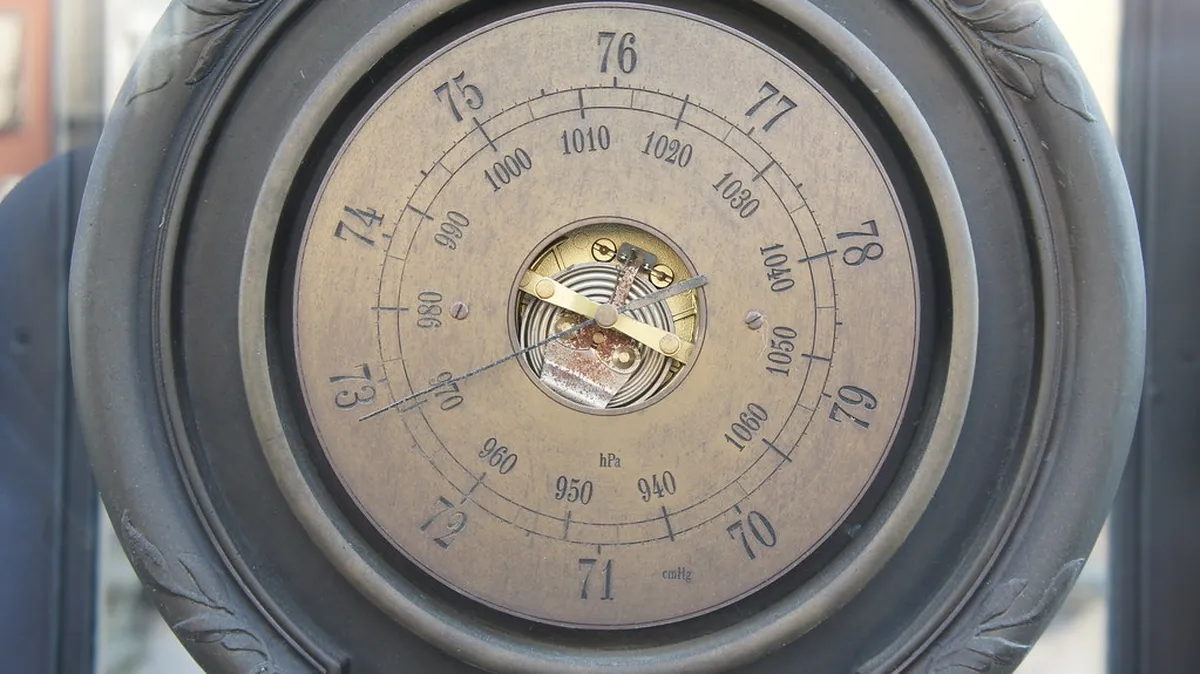
July is typically the warmest month, reaching averages of 18°C (64°F) and highs of 22°C (72°F). The city buzzes with tourists and various Gdansk festivals and events. Occasional thunderstorms can occur, so a light umbrella is useful.
August maintains pleasant warmth, averaging 17°C (63°F). This month is still great for exploring the Old Town and taking boat trips. Evenings can be cooler, so a light jacket is a good idea.
Autumn Weather in Gdansk (September-November)
Autumn in Gdansk offers a beautiful display of colors and a quieter atmosphere. September is often mild and comfortable, with average temperatures around 13°C (55°F). This month provides excellent conditions for walking tours — a perfect window for day trips from Gdansk to Malbork Castle or Sopot.
October sees a noticeable drop in temperature, averaging 8°C (46°F), and foliage turns golden. The city becomes less crowded, making it a great time for museum visits. Prepare for cooler winds from the Baltic Sea.
November brings a distinct chill, with temperatures averaging 3°C (37°F). Days are shorter, and rainfall increases, sometimes turning to sleet. For a different perspective, consider our guide on the best time to visit Gdansk overall.
Winter Weather in Gdansk (December-February)
Winter in Gdansk is cold and often magical, especially with festive decorations. December averages around 0°C (32°F), bringing a good chance of snow. Christmas markets add a charming touch to the frosty air.
January is usually the coldest month, with average temperatures dipping to -2°C (28°F). Heavy snowfall is common, transforming the city into a winter wonderland. Dress warmly with multiple layers to stay comfortable.
February remains cold, averaging -1°C (30°F), with winter conditions persisting. Embrace the unique charm of Gdansk in winter with fewer crowds. Enjoy cozy cafes and indoor attractions during these chillier months.
Gdansk Monthly Weather at a Glance
The table below gives the key planning numbers for each month. Average high and low temperatures are rounded; rainfall days are approximate averages based on climate records.
| Month | Avg High (°C) | Avg Low (°C) | Rain Days | Sea Temp (°C) |
|---|---|---|---|---|
| January | 1 | -2 | 10 | 3 |
| February | 2 | -2 | 8 | 2 |
| March | 6 | 0 | 8 | 3 |
| April | 12 | 3 | 8 | 5 |
| May | 17 | 8 | 9 | 10 |
| June | 21 | 12 | 10 | 15 |
| July | 23 | 14 | 10 | 18 |
| August | 23 | 14 | 9 | 19 |
| September | 18 | 10 | 9 | 17 |
| October | 12 | 6 | 10 | 13 |
| November | 6 | 2 | 11 | 8 |
| December | 2 | -1 | 11 | 5 |
Baltic Sea water temperatures reach a swimmable 18–19°C in late July and August. Swimming before mid-June or after mid-September is possible but cold — a wetsuit or high cold-tolerance is advisable. The sea stays at around 17°C into September, which surprises many visitors expecting a very short swim season.
May and September: The Best-Value Travel Windows
July and August are Gdansk's peak months: warmest weather, longest daylight, but also the highest hotel prices (often 40–60% above shoulder season rates) and the longest museum queues. May and September offer almost identical sightseeing conditions — Old Town walking is perfectly comfortable at 17–18°C — but hotel rates in the Old Town typically drop from 350–500 PLN to 200–280 PLN per double room per night.
September has a further edge: Baltic water temperatures of 17°C still allow a swim in the sea, the summer events calendar (outdoor concerts, Długi Targ markets) runs into mid-month, and the city has visibly fewer coach-tour groups. If you are flexible on dates and not specifically chasing beach weather, September is the single best month to visit Gdansk. For event-specific planning, our Gdansk festivals and events guide has a full calendar.
Essential Packing Tips for Gdansk Weather
Packing smart for Gdansk means preparing for variable weather, especially during transitional seasons. Layering is always a good strategy, allowing you to add or remove clothing as temperatures change. Consider the specific month of your visit for targeted packing.

Waterproof outerwear is a year-round essential, given Gdansk's occasional rain. Comfortable, sturdy walking shoes are also crucial for exploring the city's cobblestone streets. Your footwear choice significantly impacts your comfort level.
In winter, Gdansk's cobblestones can turn icy after freezing rain. Waterproof ankle boots with a rubber grip sole are the single most important item to pack for a December–February visit.
Sun protection, like sunglasses and sunscreen, is important even in cooler months due to UV exposure. In winter, thermal base layers, a warm hat, gloves, and a scarf are non-negotiable. Find more useful travel advice on the Poland Wander blog.
- Spring (March-May)
- Layers: Light jacket, sweaters
- Footwear: Waterproof walking shoes
- Accessories: Umbrella for rain
- Summer (June-August)
- Clothing: Light fabrics, shorts, t-shirts
- Outerwear: Light jacket for evenings
- Essentials: Sunscreen, hat, sunglasses
- Autumn (September-November)
- Layers: Medium jacket, scarves
- Clothing: Long-sleeved tops, jeans
- Footwear: Waterproof boots
- Winter (December-February)
- Outerwear: Heavy winter coat
- Warmth: Thermal layers, wool socks
- Accessories: Hat, gloves, scarf
Frequently Asked Questions
When is the best time to visit Gdansk for good weather?
The best time for pleasant weather in Gdansk is typically from June to August. These months offer the warmest temperatures and the longest daylight hours. May and September also provide comfortable conditions with fewer crowds.
Does Gdansk get snow in winter?
Yes, Gdansk frequently experiences snow during the winter months, especially from December to February. January is often the snowiest month, transforming the city into a picturesque winter scene. Be prepared for cold temperatures.
How much rain does Gdansk get?
Gdansk receives a moderate amount of rainfall, distributed fairly evenly throughout the year. Summer months can see slightly more precipitation, often in the form of short thunderstorms. Always carry an umbrella or waterproof jacket.
What are the warmest months in Gdansk?
July and August are the warmest months in Gdansk, with average temperatures reaching around 18°C (64°F). Daily highs can often climb to 22°C (72°F) or higher during peak summer. These months are ideal for outdoor activities.
Understanding Gdansk weather by month is key to a successful trip. Each season offers unique experiences, from sunny summer days to snowy winter charm.
Careful planning and appropriate packing will ensure you enjoy your visit, regardless of the time of year. Gdansk truly is a city for all seasons.
Always check the most current forecast before you travel for the latest updates. This will help you make final adjustments to your itinerary.
You might also like

Continue reading
More guides you'll find useful


