
25 Best Things To Do In Warsaw
Over the past decade Warsaw has transformed into a vibrant European hub. Every site on this list has been vetted to provide you with an authentic experience. Determining Is Warsaw Worth Visiting? is easy once you see its blend of grit and modern elegance.
This guide was last refreshed in July 2026. All prices and opening hours are verified against official sources to ensure your planning is seamless. Warsaw is known as the Phoenix City because it rose from the ashes of total destruction after World War II.
You will find a city that honors its past while embracing a high-tech, creative future in every neighborhood. From the reconstructed Old Town to the brutalist skyscrapers, there is a surprising depth to every street corner. Prepare for a journey through royal heritage, moving wartime history, and some of the best food in Central Europe.
Key Takeaways
- Quick pick (Best Overall): The Warsaw Uprising Museum for its immersive storytelling.
- Quick pick (Best for Families): Copernicus Science Center for hands-on interactive fun.
- Quick pick (Best Free): Łazienki Park for its beautiful gardens and Sunday concerts.
- Quick pick (Best Rainy-Day): POLIN Museum for a deep dive into culture and history.
- Pro Tip: Always validate your transport tickets immediately to avoid unexpected fines.
At a Glance
- Duration: 3–5 days
- Best time: May–September, December (Christmas markets)
- Budget: $50–100 USD per day (mid-range)
- Key areas: Old Town, Śródmieście, Praga, Wilanów
25 Best Things to Do in Warsaw
The following list represents the absolute best experiences the city offers, categorized to help you plan your days effectively. I have grouped these into historic landmarks, world-class 9 Best Museums and Cultural Sites in Warsaw, and unique local leisure activities. Our Warsaw Old Town Visitor Guide: 10 Essential Stops & Tips covers the historic core, but this list expands across the entire metropolis.
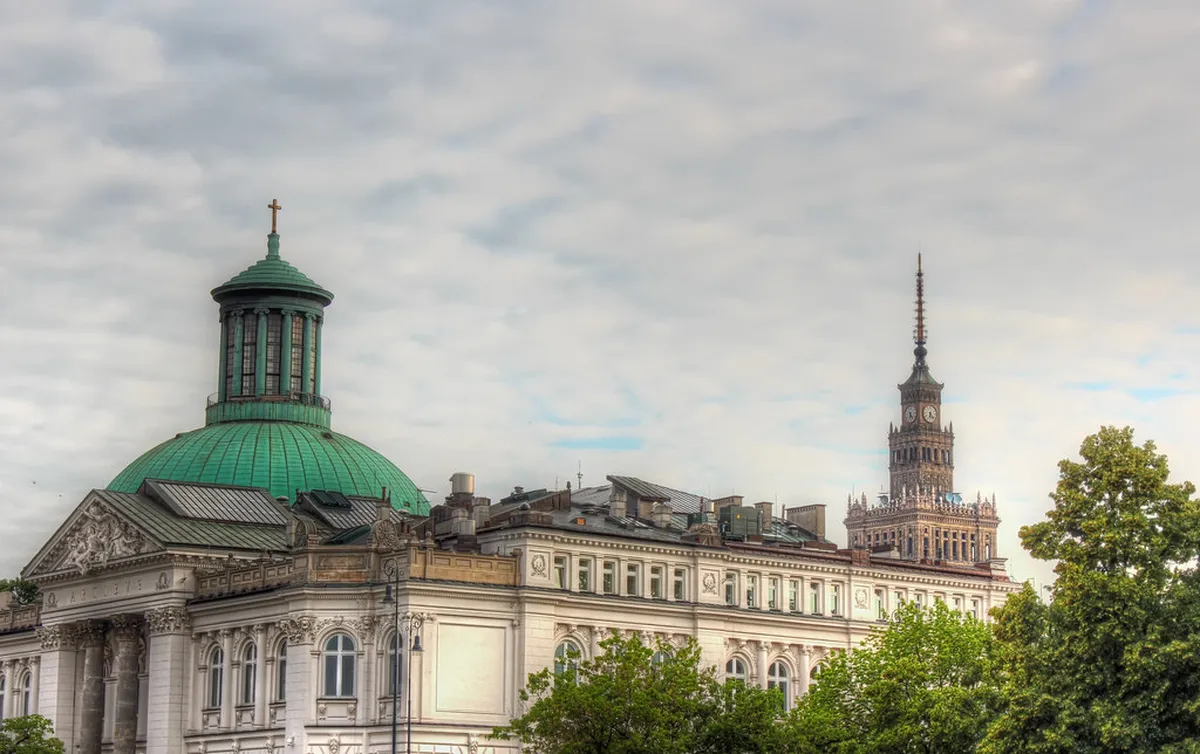
For a different view, skip the elevator at the Palace of Culture and Science. The climb up St. Anne’s Church costs a fraction of the price and draws far fewer crowds. The 150 steps are a workout, but the view of the Old Town is much more rewarding at sunset.
| Attraction | Price | Duration | Key Details |
|---|---|---|---|
| Warsaw Uprising Museum | 30 PLN ($8) | 3 hours | Wola district; Mondays free |
| POLIN Museum | 45 PLN ($11) | 3+ hours | Closed Tuesdays; Audio guide recommended |
| Historic Museum of Warsaw | 25 PLN ($6) | 2 hours | Old Town; Closed Mondays |
| Royal Castle | 50 PLN ($13) | 2 hours | Free Wednesdays; Book ahead |
| Palace of Culture & Science | 25 PLN ($6) | 45 minutes | 30th floor observation deck; Daily 10am–8pm |
| Copernicus Science Center | 40 PLN ($10) | Half-day | Riverbank location; Book in advance |
| Chopin Museum | 25 PLN ($6) | 2 hours | Ostrogski Palace; Free Wednesdays |
The Warsaw Uprising Museum is widely considered the city’s most immersive historical attraction. Located in the Wola district and featuring multimedia exhibits spanning three hours, it offers the most authentic story of Poland’s wartime resistance. Entry costs just 30 PLN ($8) and Monday visits are free—arrive early for best availability.
While the Mermaid of Warsaw statue in the Market Square is iconic, it is often swarmed by tour groups. I suggest skipping the long wait for a photo here and heading to the riverfront instead. The Vistula Mermaid is much larger and offers a better backdrop for your travel memories without the noise.
- The Immersive Warsaw Uprising Museum
- This museum provides a deeply moving look at the 1944 resistance through immersive, multimedia exhibits.
- Located in the Wola district, it takes about three hours to explore and costs 30 PLN ($8).
- Reach it via tram lines 1 or 22 and visit on Mondays for free entry if you arrive early.
- Check the official Warsaw Uprising Museum site for current exhibition schedules.
- POLIN Museum of the History of Polish Jews
- This award-winning museum sits on the site of the former Warsaw Ghetto and features a stunning modern design.
- The Core Exhibition requires at least three hours to visit and costs 45 PLN ($11) per person.
- It is open daily from 10am to 6pm, except for Tuesdays when the entire facility is closed.
- Use the audio guide to fully grasp the thousand-year history of the Jewish community in Poland.
- The Historic Museum of Warsaw
- This museum spans several historic townhouses and showcases city history through thousands of unique artifacts.
- It is located in the Old Town Market Square and usually requires two hours for a full visit.
- Tickets cost 25 PLN ($6) and the museum is open from Tuesday to Sunday, 10am to 6pm.
- The top floor offers a unique view over the square that many tourists completely overlook during their visit.
- Visit the Museum of Warsaw website for special event details.
- Wilanów Palace and Royal Gardens
- Often called the Polish Versailles, this Baroque palace survived the wars and remains a stunning royal residence.
- The palace is located in the Wilanów district and is best reached by bus line 180 from downtown.
- Entry to the palace and gardens costs 35 PLN ($9) and it is open daily from 9am to 4pm.
- The winter garden of lights is a spectacular seasonal event that draws huge crowds in December.
- The Reconstructed Royal Castle and Castle Square
- The The Royal Castle in Warsaw was meticulously rebuilt from rubble and now houses incredible art collections.
- It sits at the entrance of the Old Town and costs 50 PLN ($13) for a standard adult ticket.
- Plan for two hours to see the throne room and the paintings by Canaletto in the main gallery.
- Wednesday is the free admission day, but you must book your timed entry slot well in advance online.
- The Little Insurgent Monument
- This small bronze statue commemorates the child soldiers who fought during the 1944 uprising against the occupation.
- It is located along the medieval city walls and is a free, outdoor site accessible at any time.
- Most visitors spend about ten minutes here reflecting on the heavy history of the city and its people.
- Look for the fresh flowers and candles often left by locals at the base of the statue.
- The Iconic Palace of Culture and Science
- This Stalinist skyscraper is the most recognizable landmark in the city and offers a 30th-floor observation deck.
- Tickets for the elevator ride cost 25 PLN ($6) and the deck is open daily from 10am to 8pm.
- Expect a short security check at the entrance and allow 45 minutes for the entire experience.
- The view is best just before sunset when the city lights begin to flicker across the Vistula river.
- The Interactive Copernicus Science Center
- This high-tech museum is perfect for families and features hundreds of hands-on experiments for all ages.
- It is located on the riverbank and costs 40 PLN ($10) for a weekend adult entry ticket.
- The center is open from 9am to 6pm and usually requires a full half-day to enjoy properly.
- Tickets sell out days in advance, so booking through the official website is absolutely essential for visitors.
- Łazienki Park and the Palace on the Isle
- This massive royal park features peacocks, red squirrels, and the beautiful Palace on the Isle neoclassical building.
- The park grounds are free to enter daily from dawn until dusk, making it a local favorite.
- Entry to the palace interior costs 40 PLN ($10) and it is closed to the public on Mondays.
- If you visit on a Sunday in summer, you can catch free Chopin piano concerts at the monument.
- Holy Cross Church and Chopin's Heart
- This church houses the heart of composer Frédéric Chopin, which was brought back to Poland after his death.
- It is located on the Royal Route and is free to enter outside of scheduled mass times.
- Look for the pillar on the left side of the nave where the urn is officially entombed.
- The church interior is a masterpiece of Baroque architecture and takes about twenty minutes to appreciate fully.
- The Basilica of St. John the Baptist
- This Gothic cathedral in the Old Town has hosted royal coronations and houses the tombs of famous Poles.
- Entry is free for prayer, but a small donation is suggested for those visiting as tourists.
- It is open daily, but avoid visiting during the middle of the day when services are held.
- The crypts are particularly atmospheric and contain the remains of Nobel Prize winners and Polish presidents.
- Living Under Communism Museum
- This quirky museum offers a look at daily life in Poland during the Cold War era and communism.
- It is located near Plac Konstytucji and costs 25 PLN ($6) for a self-guided tour of the exhibits.
- The museum is open daily from 10am to 6pm and takes about one hour to walk through.
- Be sure to visit the retro cafe inside for a traditional Polish soda and a nostalgic atmosphere.
- Syrenka Square in the Old Town
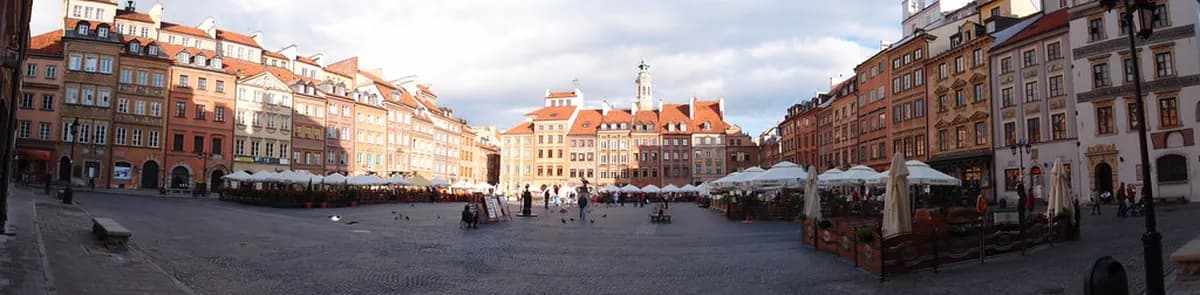
- The Old Town Market Square is the heart of the historic district and features the Mermaid statue.
- This area is free to explore and is surrounded by colorful townhouses that were rebuilt after the war.
- Spend an hour wandering the cobblestones and enjoying the street performers who gather here daily.
- The outdoor cafes here often have heat lamps, making them cozy even during the chilly autumn months.
- The Barbican and Medieval City Walls
- The Barbican is a red-brick defensive gate that separates the Old Town from the New Town district.
- It is free to walk through the gate and along the ramparts at any time of day.
- In the summer, local artists display their paintings along the walls, creating a vibrant outdoor art gallery.
- This is one of the best spots in the city for architectural photography and historic atmosphere.
- The High-Tech Fryderyk Chopin Museum
- This museum uses an interactive RFID card system to customize your musical journey through Chopin's life.
- It is housed in the Ostrogski Palace and costs 25 PLN ($6) for an adult entry ticket.
- The museum is open from Tuesday to Sunday, 10am to 6pm, and requires two hours to explore.
- Wednesday is the free day here, but tickets are limited and should be reserved well in advance.
- St. Anne’s Church Observation Deck
- This bell tower offers what many consider the best view of the Royal Castle and the Vistula river.
- Climbing the 150 stone steps costs 10 PLN ($2.50) and the deck is open daily until 6pm.
- It is a great alternative to the Palace of Culture if you prefer a more historic setting.
- The stairs are narrow and steep, so this site is not recommended for those with limited mobility.
- The Interactive Polish Vodka Museum
- Located in a former distillery in Praga, this museum explains the history and production of Poland's national spirit.
- Tickets cost 50 PLN ($13) and include a guided tour and a tasting session at the end.
- It is open daily from 12pm to 8pm and you must be over 18 to participate in tastings.
- Book your tour in English ahead of time to ensure you don't miss the specific language slots.
- The Rare Fotoplastikon Hidden Gem
- This 19th-century stereoscopic theater is one of the last of its kind in the world still in operation.
- It is hidden in a courtyard near the central station and costs 10 PLN ($2.50) for a show.
- The shows change regularly and provide a 15-minute 3D glimpse into the city's pre-war past.
- It is a perfect quick stop that fits easily into a busy day of sightseeing in the center.
- Traditional Galar Cruise on the Vistula
- A Galar is a traditional wooden boat that offers a relaxing perspective of the city skyline from the water.
- Cruises typically cost 50 PLN ($13) per person and last for about one hour during the summer.
- Boats depart from the Vistula Boulevards near the Copernicus Science Center every hour from noon until sunset.
- Bring a light jacket as the breeze on the river can be cool even on sunny days.
- The Relaxing Warsaw Beer Bath Experience
- This unique spa experience involves soaking in a wooden tub filled with beer ingredients and natural oils.
- Prices start at 150 PLN ($38) and include a degustation of local craft beers during your soak.
- The sessions last about an hour and are located in the city center near the Old Town.
- This is a top choice for couples or groups looking for a quirky break from traditional sightseeing.
- The Neon Museum in Praga
- This museum preserves the iconic neon signs that illuminated the city during the Cold War era.
- It is located in the Soho Factory complex and costs 16 PLN ($4) for an adult ticket.
- The museum is open daily from 12pm to 6pm and takes about 45 minutes to see.
- The vibrant colors make this one of the most Instagrammable spots in all of Warsaw.
- The Serene Saxon Garden
- The Saxon Garden is the oldest public park in the city and features a stunning 19th-century fountain.
- It is free to enter and is located right in the middle of the modern business district.
- Take thirty minutes to walk the shaded paths and admire the sandstone statues representing the seasons.
- The park is beautifully maintained and offers a quiet escape from the surrounding city traffic.
- Tomb of the Unknown Soldier
- This monument is located under the surviving arches of the former Saxon Palace and honors fallen soldiers.
- The changing of the guard happens every hour on the hour and is free to watch.
- It is a solemn site that takes about fifteen minutes to visit and pay your respects.
- A grand ceremonial changing of the guard occurs every Sunday at noon with a full military parade.
- University Library Roof Garden
- This is one of the largest and most beautiful roof gardens in Europe, offering views of the river.
- Entry is free and the garden is open from April to October during daylight hours.
- It is a favorite spot for students and locals to read or enjoy a quiet afternoon outdoors.
- The modern architecture of the library building itself is also worth a quick look from the street.
- Praga District Street Art Walk
- The Praga district is known for its gritty charm and incredible murals painted on historic brick buildings.
- This is a free activity that you can do at your own pace by wandering the side streets.
- Allow two hours to find the most famous murals near Mala and Ząbkowska streets.
- Visit during the day as some areas can feel a bit intimidating for solo travelers after dark.
Where to Stay in Warsaw: Neighborhood Guide
Choosing Where To Stay In Warsaw: 8 Best Areas depends largely on your interest in history versus modern nightlife. The Śródmieście district is the most central option, offering easy access to the main train station and luxury hotels. Staying here puts you within walking distance of the Palace of Culture and many high-end shopping malls.
For those seeking charm, the Old Town provides a fairytale atmosphere with its cobblestone streets and historic squares. However, keep in mind that this area is mostly pedestrianized, so you may have to carry luggage several blocks. It is also the most touristy area, meaning prices for dining and accommodation are generally higher than elsewhere.
The Wola district is the city's burgeoning business hub and features many sleek, modern hotel options for travelers. I recommend the Leonardo Royal Hotel Warsaw for its great views and central location. This area is very well-connected by the second metro line, making it easy to reach the riverfront quickly.
If you want a more local and artistic vibe, the Praga district on the east bank is the place to be. This neighborhood survived the war better than the west bank and retains much of its original pre-war architecture. It is also a hub for craft breweries and independent art galleries that cater to a younger crowd.
Finally, check if Is Warsaw Safe? 10 Essential Travel Safety Tips & Guide for your specific neighborhood choice before booking your stay. Most central areas are very secure, but it is always wise to read recent guest reviews for peace of mind. Warsaw is generally safer than many other major European capitals, even for those traveling alone.
What to Eat: From Pierogi to Zapiekanka
Learning Where to Eat in Warsaw: 12 Best Restaurants is a highlight of any trip to the Polish capital. You must try pierogi, which are traditional dumplings filled with meat, cheese, or seasonal fruits like blueberries. Most restaurants serve them boiled or fried, often topped with crispy onions or a dollop of sour cream.

Zapiekanka is the king of Polish street food and consists of a toasted open-faced baguette with various toppings. The classic version features mushrooms and melted cheese, finished with a generous drizzle of spicy tomato ketchup. You can find these at small kiosks throughout the city, especially near the main transport hubs and nightlife areas.
For an authentic and budget-friendly meal, look for a Bar Mleczny, or milk bar, which is a relic of the communist era. These cafeterias serve hearty, home-style Polish food at very low prices in a no-frills setting. They are perfect for trying traditional soups like żurek, a sour rye soup with sausage and boiled egg.
Fine dining is also on the rise in the city, with several Michelin-recognized restaurants offering modern twists on classics. Many of these establishments are located in the Śródmieście district and require reservations at least a week in advance. They often focus on seasonal, locally sourced ingredients like forest mushrooms, venison, and fresh river fish.
Is Warsaw Safe for Solo Travelers?
Warsaw is widely considered one of the safest capital cities in Europe for solo travelers and families alike. Violent crime is extremely rare, and the city center is well-lit and active late into the night. Even after dark, the central districts feel comfortable and secure for solo walkers.
As with any large city, petty theft like pickpocketing can occur in crowded areas like the central train station. Keep your belongings secure and be mindful of your surroundings when using public transport during the peak rush hours. Scams are uncommon, but always check the price list before ordering at a bar or taking a taxi.
The public transport system is very safe and features cameras and emergency buttons in most trams and metro cars. Solo travelers can feel confident using the metro even late at night to return to their accommodation. Local residents are generally helpful, though they may appear reserved until you strike up a conversation.
Getting Around: Public Transport and Scooters
Knowing How Many Days In Warsaw: Complete Itinerary Guide you need depends on how quickly you can move around. The city has an excellent public transport network consisting of two metro lines, numerous trams, and many buses. A single ticket allows for transfers between all modes of transport within a specific time limit, usually 20 or 75 minutes.
You must validate your ticket immediately upon boarding a tram or bus to avoid a heavy fine. Tickets can be purchased at machines located at most stops or directly on the vehicles using a contactless card. The Jakdojade app is the best tool for planning your routes and checking real-time arrival schedules.
Always validate your ticket within 5 minutes of boarding public transport in Warsaw. Inspectors conduct frequent spot-checks and unvalidated tickets result in fines of 140 PLN ($35+) on the spot. Validation machines are clearly marked on all trams and metro stations—it takes just seconds and prevents costly penalties.
Electric scooters are a popular way to cover short distances and are scattered throughout the city center and parks. Check the Best Time To Visit Warsaw: A Seasonal Travel Guide for weather that is conducive to outdoor travel. Riding on the sidewalk is generally discouraged, so use the extensive network of bike lanes whenever they are available.
Explore things to do in other cities
Frequently Asked Questions
Is Warsaw worth visiting for a weekend?
Yes, Warsaw is perfect for a weekend trip as most major sites are centrally located. You can see the Old Town and several museums in just two days. It offers a great mix of history and modern culture.
How many days do I need in Warsaw?
I recommend spending at least three days to see the main highlights without rushing. This allows time for the major museums and a relaxing stroll through Łazienki Park. Four days is ideal for adding a day trip.
Is Warsaw expensive for tourists?
Warsaw is very affordable compared to Western European capitals like London or Paris. Meals and public transport are particularly good value for money. You can enjoy a high-quality experience on a modest budget.
Warsaw is a city that rewards those who look beneath its surface and explore its diverse neighborhoods. Whether you are a history buff, a foodie, or a nature lover, the Polish capital has something for you. I hope this guide helps you make the most of your time in this resilient and beautiful city.
Don't forget to check out some 20 Best Day Trips From Warsaw if you have extra time in the region. Places like Zelazowa Wola or the Kampinos National Park offer a wonderful change of pace from the urban energy. Warsaw is waiting to surprise you with its unique blend of tradition and modern European flair.
Top Warsaw Guides
The guides we reach for most when planning a Warsaw trip — what to see, when to visit, where to stay and eat, and how to get around.
- Warsaw Attractions: Tickets, Routes, and Visitor Tips
- Warsaw Old Town Visitor Guide: 10 Essential Stops & Tips
- Warsaw Neighborhoods Guide: 11 Key Areas and Tips (2026)
- 9 Best Museums and Cultural Sites in Warsaw (2026)
- Warsaw Weekend Itinerary: Your Perfect 2-Day Guide
- Best Time To Visit Warsaw: A Seasonal Travel Guide
- Where To Stay In Warsaw: 8 Best Areas (2026 Guide)
- 20 Best Day Trips From Warsaw (2026)
- Where to Eat in Warsaw: 12 Best Restaurants (2026)
- Warsaw Nightlife Guide: Best Bars, Clubs, and Local Tips
- Getting Around Warsaw: A Complete Transportation Guide
- Best Bars in Warsaw
- Best Hotels in Warsaw
- One Day in Warsaw Itinerary
- Warsaw Airport to City Centre
- Best Hotels Near Warsaw Chopin Airport (2026)
- Discover the Best Polish Food in Warsaw
- 10 Best Free Things to Do in Warsaw: Your Budget Guide
- Explore Praga District Warsaw: A Local's Guide
- Shopping in Warsaw: Malls, Markets, and Boutiques
- Warsaw Festivals and Events 2026: Your Ultimate Guide
- Warsaw Hidden Gems: Discover Unique City Spots
- Warsaw in Summer: Your Ultimate 2026 Travel Guide
- 12 Best Things to Do in Warsaw in Winter (2026)
- Top Warsaw Travel Tips for an Amazing Trip
- 3-Day Warsaw Walking Tour: The Perfect Itinerary
- Fun Things to Do in Warsaw with Kids: A Family Guide
- Zelazowa Wola Chopin Birthplace Day Trip from Warsaw
- 9 Best Parks in Warsaw for 2026
- How Many Days In Warsaw
- Is Warsaw Safe? 10 Essential Travel Safety Tips & Guide
- Is Warsaw Worth Visiting?
- 15 Best Warsaw Christmas Markets and Winter Attractions
- Best Warsaw Food Tours
- Warsaw Itinerary
- Warsaw to Krakow Train Guide
- Chopin Sites in Warsaw
- Warsaw in the Rain
- Warsaw River Cruises
Explore More of Poland
Planning a wider Poland trip? These related guides connect this destination with the rest of the country.
You might also like

Continue reading
More guides you'll find useful