

12 Best Things to Do in Katowice, Poland
Last updated June 2026 — Katowice has one of the most misleading reputations in Poland. Locals from Krakow will sometimes warn you off it entirely, conjuring images of grey concrete and little else. Our editors think that reputation is overdue for revision: this former coal capital has transformed into one of the most architecturally interesting, culturally proud, and genuinely affordable city-break destinations in Central Europe.
Silesia's identity is the thread that runs through every good thing to do here — from underground museums to red-brick miners' districts that look nothing like the rest of Poland. Katowice works best as a 1–2 day stop, either as a standalone weekend break or as a base for exploring the wider Upper Silesian region. Auschwitz is technically reachable from here by train, but most visitors find the connection awkward enough that an organised tour from Krakow makes more practical sense.
One honest caveat before you start planning: Katowice's old town area is compact and underwhelming compared to Polish cities like Gdansk or Wroclaw — the real draws are the modernist architecture, post-industrial culture spaces, and the neighborhoods that feel genuinely lived-in. Skip the obligatory selfie at the Market Square fountain and head straight for the Culture Zone instead. Here are the 12 best things to do in Katowice that actually reward your time.
Key Takeaways
- The Silesian Museum and Nikiszowiec together form the essential Katowice pairing — allocate a full morning for the museum and an afternoon for the red-brick neighborhood.
- Guido Coal Mine in Zabrze (20 minutes by train) is the strongest single experience in the region and should be on any 2-day itinerary.
- One unified Metropolis GZM ticket covers buses, trams, and regional trains across 40+ cities — validate immediately on boarding or scan the in-vehicle QR code when using an app.
- Book accommodation in advance for event weekends at Spodek or Silesia Stadium — central options sell out faster than you'd expect for a city this size.
- Free Katowice highlights include the Modernism Route walk, Nikiszowiec neighborhood, bebok spotting, and the Culture Zone plaza — a full day is possible without spending on entry fees.
Why Katowice Deserves a Spot on Your Poland Itinerary
Katowice is the capital of Upper Silesia, a region with a genuinely complicated history shaped by Polish, German, and Czech influences across centuries. That layered past is visible everywhere: in the dialect spoken on the street, in the architecture that earned the city the nickname 'Polish Chicago', and in museums that openly discuss the 1921 plebiscite that split families across borders. It's unusual for a Polish city to be this frank about its own contested identity — and that frankness makes it more interesting, not less.
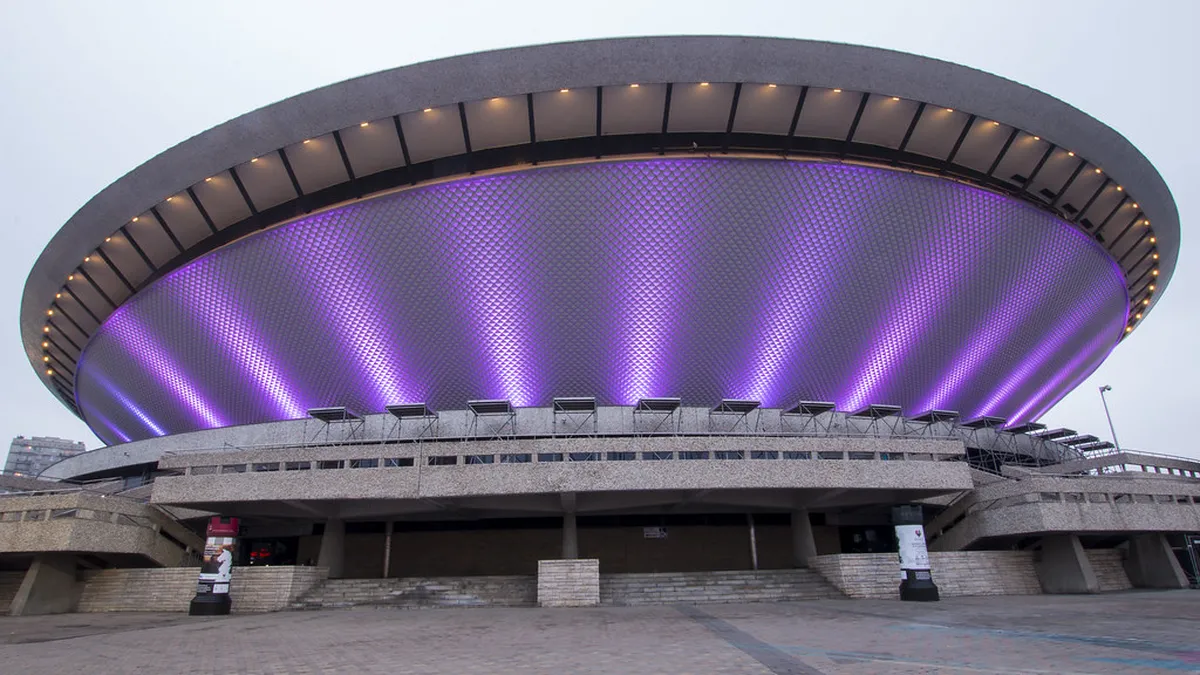
The city's industrial roots are also a genuine attraction rather than just background noise. Former coal mines have been converted into world-class museum spaces, the iconic Spodek arena has hosted Metallica and Iron Maiden, and the Culture Zone is a textbook example of post-industrial regeneration done well. Visitors who appreciate this kind of narrative — where the gritty past is the exhibit — tend to find Katowice far more compelling than the tourist trail suggests.
What to skip: the Upper Silesian Ethnographic Park in Chorzów gets heavy marketing, but most first-time visitors find a half-day in Nikiszowiec more rewarding for the same open-air industrial heritage vibe at no entry cost. Similarly, the Market Square itself is pleasant for a coffee but not a destination — competitors over-feature it. Your time is better spent at the Silesian Museum or Silesia Park.
The city suits travelers who value industrial history, modernist architecture, affordable food, and live music — Spodek and the Silesia Stadium draw major international acts regularly. If you're hoping for a baroque old town or a castle-heavy skyline, reading our honest verdict on whether Katowice is worth visiting before booking is a useful step. For everyone else, it's one of Poland's most underrated stops in 2026.
12 Best Things to Do in Katowice, Poland
The 12 picks below span all main types: iconic landmarks, underground museums, residential neighborhoods, outdoor parks, unique local experiences, and one essential day trip. We've grouped them loosely so you can build a logical route rather than zigzagging across the city. Most of the central items sit within a 20-minute walk or short tram ride of the Market Square.
Iconic Landmarks and Culture: Spodek, the Culture Zone, and the modernist architecture route all cluster together north of the train station. Plan the Culture Zone as a half-day block — the Silesian Museum alone takes 2–2.5 hours if you engage with the main historical gallery. Add the NOSPR concert hall walk-around and you have a full morning.
Neighborhoods and Local Life: Nikiszowiec sits about 20 minutes from the centre by bus (line 920 or 930) and is best paired with the Wilson Shaft Gallery nearby. Mariacka Street works for an evening drink rather than a daytime attraction — the student-pub atmosphere peaks after 6pm. Giszowiec, the garden-city counterpart to Nikiszowiec, is quieter and rewards visitors who want to see the contrast in planning philosophy without the tourist infrastructure.
Parks, Outdoor, and Day Trips: Silesia Park straddles the Katowice-Chorzów boundary and is large enough to fill a half-day, especially if you combine the Elka Cableway with the Silesian Zoo. Zabrze, covered in the list below, is the strongest day trip — 20 minutes by train and arguably the most memorable experience in the whole region. For a full itinerary framework, see our 2-day Katowice itinerary.
| Attraction | Duration | Entry Cost | Best For |
|---|---|---|---|
| Silesian Museum | 2–2.5 hours | 20–25 PLN (€5–6) | Silesian history & mine heritage |
| Culture Zone (Spodek + NOSPR) | 45 minutes–2 hours | Free (paid for performances) | Post-industrial regeneration |
| Nikiszowiec | 1–2 hours | Free | Red-brick miners' district |
| Silesia Park & Elka Cableway | Half-day | Free (cableway 29 PLN per ride) | Zoo, cableway, park walks |
| Guido Coal Mine (Zabrze day trip) | 3–4 hours total | Varies (book ahead) | Hands-on mining experience |
- Silesian Museum — underground history on a former coal mine
- Built directly on the site of a former coal mine, the Silesian Museum puts most of its exhibition space underground, which immediately sets it apart from a standard history museum.
- The main gallery covers the complicated history of Upper Silesia with unusual honesty — including the 1921 plebiscite, German-Polish dual identity, and the region's coal-mining economy — and takes around 2–2.5 hours to cover properly.
- Entry to the main historical exhibition costs around 20–25 PLN (roughly €5–6), with reduced rates for students; the museum closes on Mondays, so plan accordingly.
- A mining shaft on the grounds offers panoramic city views when open, though renovation work has periodically closed it — check the official site before building your day around it.
- The bus 920 or 930 stops directly at the Culture Zone, making this easy to combine with the Spodek and NOSPR concert hall on the same visit.
- Spodek Arena — Katowice's UFO-shaped landmark
- Completed in 1971, Spodek is the most recognisable building in Katowice and one of the most distinctive arenas in Europe — the saucer shape was engineered specifically to withstand the mining tremors that run beneath the city.
- It hosts everything from international concerts (Metallica, Elton John, Green Day have all played here) to volleyball tournaments and hockey matches, so checking the events calendar for your travel dates is worthwhile.
- Even without a ticketed event, the exterior and the surrounding Culture Zone plaza are free to walk around and worth at least 30 minutes of your time.
- The Silesian Insurgents' Monument directly across the road represents the three Silesian Uprisings of 1919, 1920, and 1921 — a two-minute stop that adds real context to the region's history.
- Nikiszowiec — the red-brick miners' district
- Built in the early 1900s to house coal miners and their families, Nikiszowiec is a self-contained red-brick neighborhood with a dense, archway-connected layout that looks unlike anything else in Poland.
- The central Plac Wyzwolenia (Liberation Square) is a good starting point; from there, search for the 'Magiczne podwórko' courtyard on Google Maps — a community garden locals decorated with pots, colourful figurines, and salvaged objects.
- Cafe Byfyj on the square is the go-to for coffee and cake; Slaska Prohibicja handles sit-down meals at the pricier end, with mains running around 60–80 PLN per person.
- The Wilson Shaft Gallery, a 15-minute walk from the square, converts an old mining shaft into an art space and is worth adding if you have the time.
- Culture Zone — Katowice's post-industrial centrepiece
- The Katowice Culture Zone occupies the site of the former Katowice coal mine and brings together four major institutions: the Silesian Museum, Spodek, the Polish National Radio Symphony Orchestra concert hall (NOSPR), and the International Congress Centre.
- NOSPR seats up to 1,800 and has rapidly built a reputation for world-class acoustics since opening in 2014; tickets sell quickly for headline performances, so booking ahead through the official NOSPR website is recommended.
- The ICC hosts conferences and public events year-round, and the outdoor plaza between the buildings is a sociable space where locals sit on the steps in good weather — arrive around midday to see it at its most animated.
- Walking the full Culture Zone circuit takes about 45 minutes without entering any buildings, making it a useful orientation step at the start of your first day.
- Silesia Park and the Elka Cableway
- Park Slaski, straddling the Katowice-Chorzów border, is one of the largest urban parks in Europe and a genuine surprise for visitors who expect an industrial cityscape with no green space.
- The Elka Cableway runs two lines across the park — one between the Silesian Stadium and Legendia amusement park, another gliding above the zoo — and a single ride takes about 15 minutes; one ride costs 29 PLN (around €6.80) or two for 37 PLN (around €8.70), according to operator pricing.
- The park also contains a planetarium, the Silesian Zoological Garden, and the massive Silesian Stadium, which has hosted U2 and The Rolling Stones and remains one of the largest concert venues in Poland.
- Allocate at least a half-day here if you plan to do the cableway, zoo, and a walk; the park entrance itself is free.
- Modernist Architecture Route — Katowice's 'Polish Chicago'
- In the 1920s and 30s, Katowice underwent a building boom after becoming part of Poland and the capital of the autonomous Silesian region, producing a concentration of modernist buildings that earned it the nickname 'Polish Chicago'.
- The official Modernism Route is a self-guided walk covering 16 buildings on a city-published map; the route is free to walk and takes 1.5–2 hours at a relaxed pace.
- The area just across the railway tracks from the Market Square has the highest density of examples — look for flat facades, geometric ornament, and the mix of white render with brick detailing.
- This activity rewards slow walkers more than speed tourists; bring a camera and allow for detours into the side streets where the details are easiest to spot.
- Bebok Spotting — Katowice's answer to Wroclaw's dwarves
- Beboki (singular: bebok) are figures from Silesian folklore — mischievous creatures parents once invoked to encourage good behaviour — and since 2021 they have appeared as small, quirky sculptures scattered across Katowice in the same spirit as Wroclaw's famous gnomes.
- There are now nearly 100 beboks across the city, each with a distinct personality, all created by a local Nikiszowiec artist; the most recent addition appeared in May 2025, so some older guides are already out of date.
- For current locations and photos, use the interactive map of all bebok locations in Katowice rather than relying on printed guides.
- This works particularly well as a self-guided walk for families with children, naturally pulling you through neighborhoods you might otherwise walk past.
- Mariacka Street — evening drinks in a local pub strip
- Mariacka Street is Katowice's main bar and restaurant strip, known for affordable food and drinks and an atmosphere that skews toward local students rather than tourists.
- The vibe peaks on warm evenings when the outdoor seating fills up; weekday evenings are lively enough, but weekend nights lean louder and more chaotic — plan accordingly for your group.
- Olio (towards the far end of the street) serves one of the more reliable pizzas in the area; Pizzatopia nearby uses a build-your-own concept that suits groups with different preferences.
- Walk to the end of the street to reach the Church of the Immaculate Conception of the Blessed Virgin Mary — an ornate interior that most people on Mariacka walk past without stepping inside.
- Gryfnie Shop — Silesian souvenirs worth bringing home
- Gryfnie (meaning 'nicely' or 'beautifully' in Silesian dialect) is a gift shop celebrating Silesian language and culture through witty T-shirts, colourful socks, postcards, coal-shaped black soap, and black herbal sweets that reference the region's mining heritage.
- The shop's entire website runs in Silesian rather than standard Polish, which tells you exactly what kind of place this is — local pride made tangible and commercially viable.
- It's located near Andrzeja Street (ul. Andrzeja), a short walk from the main train station exit, making it easy to visit on arrival or departure.
- Even if you're not a souvenir buyer, it's one of the most genuine expressions of Silesian identity in the city centre and worth 15 minutes of browsing.
- Neon Signs Walk — Katowice after dark
- Katowice was once famous for its neon signs during the Communist era, and the city has been slowly restoring and adding new examples since, building a self-guided evening walking route.
- The tourist office near the Market Square has maps of the Neon Tour route; the city council has published information online, though the best experience comes after dark when the signs are illuminated.
- For background on the history and current state of the neon revival, this detailed piece on the Katowice neon sign scene covers the context well.
- This is the activity most likely to surprise first-time visitors who didn't know it existed — and the one competitors most consistently overlook in their Katowice guides.
- Guido Coal Mine, Zabrze — mine-worker experience underground
- Zabrze sits just 20 minutes from Katowice by train on both the Intercity and Koleje Slaskie lines, making it the most accessible and most rewarding day trip from the city.
- At Guido Coal Mine, you can choose tours at different depths: the 320-metre level covers the history of coal mining with an electric underground railway, while the 355-metre level is a hands-on experience where visitors kit up in mining gear and attempt actual tasks in a preserved longwall from the late 20th century.
- The one-way train ride from Katowice costs around 5–10 PLN; an Uber or Bolt alternative runs roughly 60 PLN each way (around €14) if you want a faster transfer, based on reported 2025 fares.
- Book tours at Guido in advance during summer and on Polish public holidays — the hands-on 355-metre experience sells out, and walk-in availability is unreliable.
- Traditional Silesian Food — what and where to eat
- Silesian cuisine is hearty and working-class in origin: the signature dish is Silesian roulade (rolada slaska) — a beef roll stuffed with bacon, onion, and pickles, served with red cabbage and round potato dumplings called gumiklyjzy, which have a characteristic dimple for catching gravy.
- For authentic, affordable versions, Chata z Zalipia is the local recommendation, though it closes at 8pm on weekdays — an early dinner or late lunch is the reliable window.
- Krupniok (a blood sausage) and zurek (sour rye soup) are the other Silesian staples worth ordering if you see them on a menu.
- For a broader look at where to eat beyond traditional food, a full foodie guide to the best restaurants in Katowice covers the city's scene in more detail.
How to Get Around Katowice
Getting around Katowice is surprisingly straightforward thanks to the Metropolis GZM system, a unified public transport network covering over 40 cities and towns across Upper Silesia on a single ticket. Buses and trams within the zone use the same fare structure; upgrading to the Metrobilet extends your coverage to Koleje Slaskie and Polregio regional trains, which is useful if you plan to reach Zabrze or other nearby towns without switching to a separate ticket. Tickets can be bought at machines at stops or through apps — Jakdojade is the most widely used for route planning, and Revolut also integrates transport ticketing for some users.
Validate your ticket as soon as you board — if you purchased through an app, scan one of the QR codes displayed inside the vehicle rather than relying on a timestamped purchase receipt alone. Most of central Katowice's main attractions are walkable from the Market Square: the Culture Zone is about 15 minutes on foot, and the train station is even closer. For a detailed guide to public transport routes and fares, our getting around Katowice guide covers specifics including single-journey and day-pass pricing across the wider Silesian network.
Always validate your Metropolis GZM ticket immediately upon boarding — scan the in-vehicle QR code if you purchased via an app, or scan your receipt at the ticket validator to avoid a fine.
Uber and Bolt are both active in the city and run cheaper than in Warsaw or Krakow. A ride to Zabrze from the city centre runs around 60 PLN each way (roughly €14), based on fares reported by visitors in 2025 — useful when time is tight and the train connection is inconvenient. Nikiszowiec is reachable by bus 920 or 930 from the city centre in around 20 minutes, which is the standard route most visitors use to reach the neighborhood.
Where to Stay in Katowice
Staying within walking distance of the Market Square gives you foot access to the most central attractions and the train station, which simplifies logistics considerably. The square area has options across budgets — from aparthotels on or adjacent to the square itself to budget chains a 10–15 minute walk away. During major events at Spodek or the Silesia Stadium, prices spike and availability narrows quickly, so booking 2–3 weeks ahead is worthwhile for weekend visits.
Apartio Rooms Katowice, located directly on the Market Square, has been reported at around 389 PLN for two nights (roughly €91), which represents solid value for a central aparthotel — particularly during December when the Christmas market runs on the square itself. Harbor Apartments on Damrota Street, about 10 minutes from the square on foot, offers more space for longer stays; a 5-night stay has been reported at around 1,156 PLN (about €273), which works out competitively for groups or remote workers needing reliable workspace. For a full breakdown of accommodation by neighborhood and price band, our where to stay in Katowice guide covers budget, mid-range, and boutique options with practical trade-offs.
If central options are full during your dates, the city's transport system means a stop near a bus or tram line is a perfectly workable fallback. The area around the Silesian Museum is quieter but convenient if the Culture Zone is your primary focus. Staying near Nikiszowiec is an option for experience-seekers, though the neighborhood has limited accommodation stock compared to the centre.
Is Katowice Worth Visiting?
Katowice is worth visiting for 1–2 days, particularly for travelers interested in industrial heritage, modernist architecture, or a less-polished alternative to Poland's main tourist circuit. It doesn't compete with Krakow's historic core or Warsaw's museum density, and it isn't trying to — the city's appeal is its authenticity and the tangible sense that Silesian identity is distinct from mainstream Polish culture. For those already visiting Wroclaw or Krakow, Katowice adds a compelling detour rather than a replacement destination.
The day trips available extend the city's value considerably: Zabrze's Guido Mine is the strongest single experience in the region, and the wider Upper Silesian network means places like Gliwice, Bytom, and Cieszyn are all reachable in under an hour. Auschwitz is technically accessible from here by train, but the connection requires a change at Myslowice and takes considerably longer than from Krakow — most visitors find an organised tour from Krakow far more efficient for that specific trip. For a detailed look at excursion options, our guide to day trips from Katowice covers the best options with transit times and costs.
Budget travelers in particular find Katowice punches well above its price point — accommodation, food, and transport are all noticeably cheaper than in Warsaw or Krakow. The Ryanair connection to several European cities makes it increasingly accessible as a standalone city break rather than an add-on. Two days is the right commitment for most visitors: one focused on the Culture Zone and Nikiszowiec, the second on Silesia Park and a Zabrze excursion.
Book accommodation in advance during Spodek event weekends — central options sell out faster than expected and prices spike significantly, especially for December's Barbórka celebration and Christmas market.
Best Time to Visit Katowice: Events and Seasonal Highlights
Katowice has two genuinely strong seasonal reasons to visit beyond the standard "shoulder season" advice, plus one reason to avoid a specific window.
- December (best month for atmosphere): Barbórka, the Miners' Day celebration on 4 December, is the most distinctly Silesian public event in the city — miners parade in full dress uniform and the day has a genuine community feel that tourists rarely see elsewhere in Poland. The Katowice Christmas market runs on the Market Square through most of December (typically late November to 23–24 December), with mulled wine from around 12 PLN a cup and stalls selling regional foods. Accommodation books out fastest in early December when both Barbórka and early market weekends coincide.
- August (best for music): The Tauron Nowa Muzyka Festival draws an electronic and experimental music crowd to the city each summer — exact dates shift year to year, so check the official festival site for 2026 scheduling. The Spodek and Silesia Stadium event calendar peaks in summer and autumn; major acts sell area hotel rooms fast, so check both the venue calendars and accommodation availability together before booking flights.
- March–April (Easter market): A smaller Easter market runs on the Market Square, typically for 2–3 weeks before Easter Sunday. It's quieter than the December version and less crowded — a good option if you want the market atmosphere without the December hotel premium.
- Avoid: major Silesian public holidays and Spodek concert weekends if you haven't booked accommodation — central options can sell out with less warning than the city's relative obscurity would suggest.
For a full month-by-month breakdown including weather ranges and festival dates, see our best time to visit Katowice guide.
Things to Do in Katowice at a Glance
- Top sights: Silesian Museum (underground, on a former coal mine), Spodek arena, Nikiszowiec red-brick miners' district, and the Culture Zone — a half-day to a full day combined.
- Best day trip: Guido Coal Mine in Zabrze, 20 minutes by train (one-way ~5–10 PLN) — the strongest single experience in the region.
- Getting around: One Metropolis GZM ticket covers buses, trams, and (with Metrobilet) regional trains across 40+ Upper Silesian cities; validate or scan the in-vehicle QR on boarding.
- How long to stay: 1–2 days is the sweet spot — day one for the Culture Zone and Nikiszowiec, day two for Silesia Park and a Zabrze excursion.
- Free highlights: Modernism Route walk (16 buildings), Nikiszowiec, bebok spotting (~100 sculptures citywide), and the Culture Zone plaza.
- Useful links: Katowice (Wikipedia) · Silesian Museum (official)
Explore More Katowice Guides
Plan every part of a Katowice trip — from where to stay and what to eat, to the Silesian industrial heritage, nightlife, and day trips into Upper Silesia.
Attractions & Neighborhoods
- Katowice Attractions: Tickets, Hours, and Visitor Tips
- Nikiszowiec Katowice Travel Guide
- Katowice Old Town Travel Guide
Food, Drink & Nightlife
Where to Stay
Getting Around & Practical Tips
- Getting Around Katowice Travel Guide
- Best Time To Visit Katowice Travel Guide
- How Many Days In Katowice Travel Guide
- Is Katowice Worth Visiting Travel Guide
Itineraries & Day Trips
- Katowice Itinerary 2 Days Travel Guide
- Day Trips From Katowice Travel Guide
- 9 Best Museums in Katowice
- Best Time To Visit Katowice Travel Guide
- Day Trips From Katowice Travel Guide
- Free Things to Do in Katowice
- Getting Around Katowice Travel Guide
- How Many Days In Katowice Travel Guide
- Is Katowice Worth Visiting Travel Guide
- Katowice Industrial Heritage Trail
- Katowice Itinerary 2 Days Travel Guide
- Katowice Nightlife Travel Guide
- Katowice Old Town Travel Guide
- Katowice with Kids
- Nikiszowiec Katowice Travel Guide
- Where To Eat In Katowice Travel Guide
- Where To Stay In Katowice Travel Guide
Explore things to do in other cities
Frequently Asked Questions
What is Katowice famous for?
Katowice is best known for its post-industrial heritage, the iconic Spodek arena, and the Silesian Museum built on a former coal mine. The city is also recognised for its distinct Silesian cultural identity, the Metropolis GZM transport network, and as a major live music venue — Spodek and Silesia Stadium have hosted Metallica, Iron Maiden, and The Rolling Stones.
Is one day enough for Katowice?
One day is enough to cover the main highlights if you plan efficiently: start at the Silesian Museum (2–2.5 hours), walk the Culture Zone including Spodek, then head to Nikiszowiec by bus 920 or 930 in the afternoon. A second day allows for Silesia Park, the Elka Cableway, and the day trip to Zabrze's Guido Coal Mine.
How do I get from Katowice to Auschwitz?
You can reach Oswiecim (Auschwitz) from Katowice by train, but the route requires a connection at Myslowice and takes significantly longer than from Krakow. Most visitors find that an organised tour departing from Krakow is far more time-efficient — Katowice is better used as a base for exploring Upper Silesia itself rather than as an Auschwitz gateway.
Are there free things to do in Katowice?
Yes — several of the best Katowice experiences cost nothing at all. Walking the Modernism Route (16 buildings), exploring Nikiszowiec, bebok spotting across the city, strolling Mariacka Street, and walking around the Culture Zone plaza are all free. Silesia Park entry is also free, though the Elka Cableway ride costs 29 PLN per journey.
How many days do you need in Katowice?
Most visitors find 1–2 days the right amount for Katowice itself, with a possible third day if you plan a trip to Zabrze or further into Upper Silesia. A well-planned two days covers the Silesian Museum, Nikiszowiec, Silesia Park, the Culture Zone, and a Zabrze excursion without feeling rushed. See our how many days in Katowice guide for a day-by-day breakdown.
Katowice rewards travelers who come with the right expectations: not a baroque showpiece, but a genuinely distinctive city with a strong identity, excellent public transport, and a cultural scene built on post-industrial foundations that few other Polish cities can match. The 12 picks above give you a full spectrum — from underground mine museums to cableway rides over a zoo, from red-brick miners' streets to a neon sign revival after dark. Two days is the sweet spot for covering the city and adding a Zabrze excursion, but even a single well-spent day here is enough to understand why Katowice keeps surprising the travelers who finally make the detour.
For practical planning, start with our Katowice Nightlife Travel Guide if you're visiting for a weekend and want to know what the city looks like after hours, then check the best time to visit Katowice for seasonal event calendars including Barbórka (Miners' Day, December 4) and the Tauron Nowa Muzyka Festival. Accommodation in the city centre books out faster than most visitors expect during event weekends at Spodek, so locking in your stay early pays off. Katowice is one of those cities that tends to stay on your radar long after you've left — and the Silesian dialect word for that feeling, as the locals might tell you, is gryfnie.
You might also like


Continue reading
More guides you'll find useful


