
15 Best Things to Do in Wrocław
Wrocław is the rare city that keeps surprising travellers on every return visit. Poland's fourth-largest city sits on a dozen islands threaded through by the Oder River, and that geography alone gives it a character unlike anywhere else in the country. From the riotously colourful townhouses of the Rynek to the candlelit silence of Cathedral Island at dusk, Wrocław rewards slow wanderers and curious travellers in equal measure. This guide is built for the 2026 travel season and pulls together the essential sights, local tips, and a few things most visitors overlook.
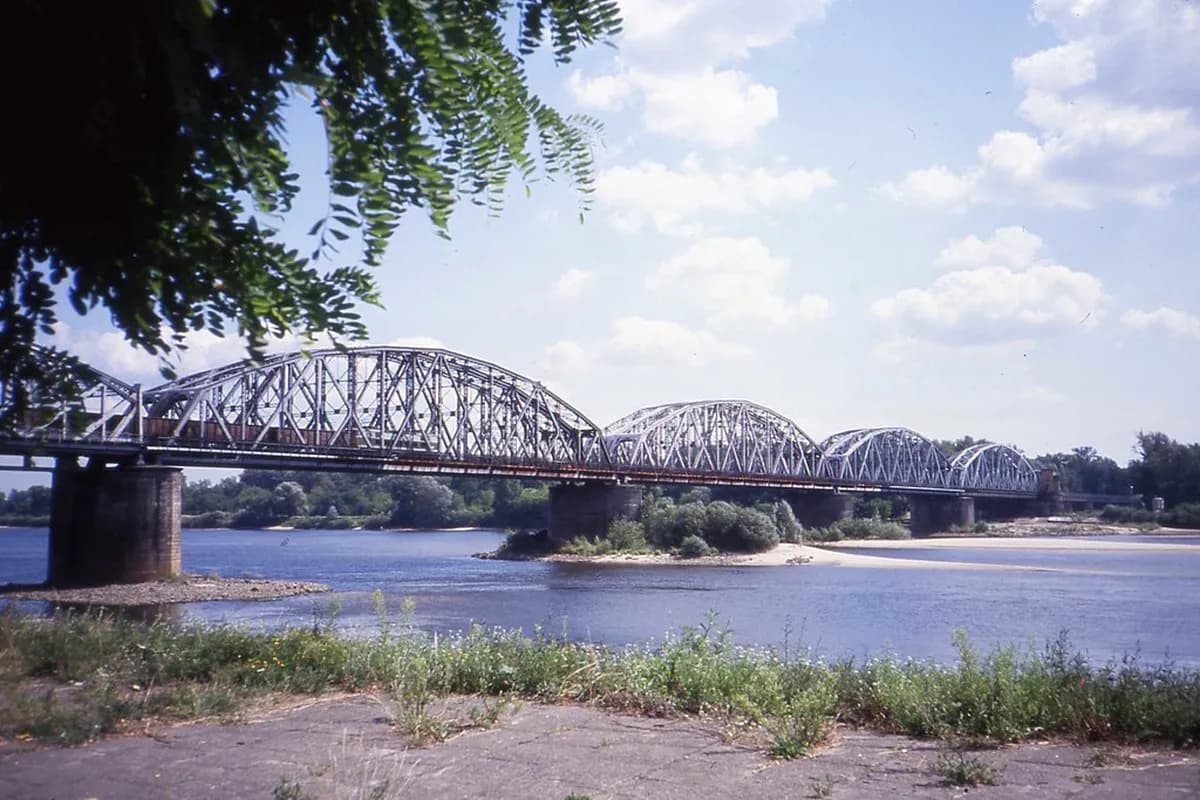
Wrocław is sometimes called the city of a hundred bridges, and that figure is not far off. What surprises first-time visitors most is how compact and walkable the historic core is — you can reach the Centennial Hall, the Market Square, Cathedral Island, and the university quarter on foot within a single long afternoon. The city has also become famous for its bronze gnomes, scattered in their hundreds across every neighbourhood, giving even the most aimless stroll a playful sense of purpose. Whether you are planning two days or five, the city has more than enough depth to fill them.
Wrocław held the title of European Capital of Culture in 2016, and the legacy of that year is still visible in its revitalised arts venues, independent restaurant scene, and confident creative identity. It is a city that balances centuries of layered history — German, Polish, Bohemian, Habsburg — with an energy that feels distinctly modern and forward-looking. If you are building a wider Poland itinerary, Wrocław belongs near the top of your shortlist.
Key Takeaways
- Quick Pick (Best Overall): Rynek (Market Square) and the surrounding Wrocław Old Town for architecture, food, and atmosphere.
- Quick Pick (Best Free Activity): Walking Ostrow Tumski at dusk to watch the lamplighter ignite the gas lamps.
- Quick Pick (Best for Families): The bronze dwarf hunt — children love spotting them, and there are over 600 across the city.
- Practical Tip: The Panorama of Racławice requires advance booking in peak season; do not leave it to chance.
- Important Reminder: Trams are the quickest way to reach the Centennial Hall from the city centre — avoid the taxi ranks near the Rynek.
Planning Your Visit to Wrocław in 2026
Getting to grips with Wrocław's layout is the first step to a smooth trip. The historic core sits on the left bank of the Oder River, with Cathedral Island (Ostrow Tumski) bridged to the east and the Centennial Hall district a short tram ride to the south-east. Almost everything on this list sits within a 2-kilometre radius of the Rynek, so tired feet are rarely an excuse to skip something. If you are unsure how long to stay, our guide on how many days in Wrocław breaks down itineraries from a single day to a full week.
The best months to visit are May through September when the outdoor cafes around the Rynek are in full swing and the Japanese Garden reaches its peak beauty. December is also magical — the Wrocław Christmas Market on the Rynek is consistently ranked among the finest in Central Europe, and the city's Gothic and Baroque architecture looks spectacular under winter lighting. Shoulder months like April and October offer lower prices and shorter queues at the Panorama of Racławice without the chill of full winter.
Book the Panorama in advance: The Panorama of Racławice is one of Poland's most-visited exhibits and timed slots sell out days ahead in summer. Purchase tickets online at the official National Museum website before you travel to avoid disappointment.
15 Best Things to Do in Wrocław
The list below mixes iconic landmarks with a handful of genuinely overlooked gems, arranged roughly in the order that works best across a two-day visit. Each entry includes what makes it worth your time, practical notes on cost and access, and honest advice on what to watch out for. Check the Wrocław Old Town guide for a deeper walkthrough of the historic core if you want to go beyond the headlines.
- Walk Rynek (Market Square) and Admire the Colourful Townhouses
- Wrocław's Market Square is one of the largest medieval squares in Central Europe and arguably the most beautiful, ringed by a patchwork of restored Baroque and Gothic townhouses in every shade from ochre to sage green.
- The square itself is free to walk at any hour; the surrounding restaurants and cafes open from around 8am and serve until midnight in summer.
- Spend time on the north and south sides of the square where the facades are most intricate, and look for the small Jaś and Małgosia houses tucked between the New Town Hall and the church — they are easy to miss.
- Go on a Wrocław Dwarfs Hunt
- Wrocław's bronze gnomes — known locally as krasnale — began as a symbol of anti-communist protest in the 1980s and now number well over 600 across the city, each with its own name and miniature profession.
- The dwarf hunt is entirely free; a downloadable map from the city tourist office or a dedicated smartphone app helps you find the clusters near the Rynek, the university, and the market hall.
- Our dedicated Wrocław dwarfs guide covers the most photogenic clusters and the stories behind the most popular figurines — well worth a read before you set out.
- Explore Ostrow Tumski (Cathedral Island) at Dusk
- Cathedral Island is the oldest part of Wrocław and the only place in Poland where gas lamps are still lit by hand every evening — a lamplighter makes the rounds at sunset, and watching this ritual is one of the most atmospheric experiences in the country.
- Entry to the Cathedral of St John the Baptist is free during the day; climbing the twin copper-topped towers costs around 15–20 PLN and delivers a panoramic view over the Oder River bridges.
- Allow at least 90 minutes to wander the cobbled lanes, visit the collegiate church, and linger on the bridges as the lamps flicker on — the island is quieter after 6pm when day-trippers head back to their hotels.
- Visit the Centennial Hall (Hala Stulecia) and the Pergola Fountain
- Built in 1913 and awarded UNESCO World Heritage status in 2006, the Centennial Hall is a masterpiece of modernist reinforced concrete — its vast dome was the largest in the world when completed.
- Entry to the hall's permanent exhibition costs around 20–30 PLN; the surrounding Szczytnicki Park and the Pergola multimedia fountain are free to visit at any time.
- The Pergola's light and water show runs on summer evenings from around 9pm and is one of the best free spectacles in the city — bring a jacket as it gets cool near the water after dark.
- See the Panorama of Racławice
- This extraordinary 360-degree cyclorama depicts the 1794 Battle of Racławice at a scale that is genuinely overwhelming — the canvas is 15 metres high and 114 metres in circumference, and the painted ground merging into real sand and soil creates an immersive illusion unlike anything else in Poland.
- Tickets cost around 40–50 PLN per adult and timed slots are released in advance; the visit lasts roughly 30–40 minutes with an audio guide.
- Arrive at least 15 minutes before your slot as late-comers are not admitted, and note that photography inside the rotunda is not permitted.
- Marvel at the Aula Leopoldina, Wrocław University
- The university's ceremonial hall is one of the finest Baroque interiors in Central Europe — a riot of gilded pilasters, trompe-l'oeil ceilings, and painted portraits of Habsburg emperors that takes most visitors completely by surprise.
- Admission is typically 20–25 PLN and opening hours vary by academic schedule, usually 10am–3:30pm on weekdays and some weekends.
- The adjacent Mathematical Tower offers a rooftop viewpoint over the university quarter and the Oder River for a small additional fee — pair the two visits for a compact but impressive half-morning.
- Browse the Market Hall (Hala Targowa)
- Wrocław's century-old covered market hall is a local institution where farmers, fishmongers, butchers, and bakers set up stalls from Tuesday to Saturday from around 7am to early afternoon.
- Entry is free and there is no obligation to buy, though it is almost impossible to leave without a bag of fresh pierogi, smoked cheese, or locally grown fruit depending on the season.
- The hall is a five-minute walk from the Rynek and sits directly opposite the Church of St Elizabeth, making it easy to fold into a morning walking route around the historic core.
- Relax in the Japanese Garden (Ogród Japoński)
- Tucked inside Szczytnicki Park a short walk from the Centennial Hall, the Japanese Garden was originally laid out for a 1913 exhibition and has been lovingly restored to a state that genuinely rivals garden destinations across Europe.
- Entry costs a few PLN and the garden is open from late April through October; the peak season is May for cherry blossom and late September when the maples turn red and gold.
- Combine the visit with the nearby Centennial Hall and Pergola to make a full half-day in the park without doubling back across the city.
- Cross the Tumski Bridge and Browse the Padlocks
- The iron Tumski Bridge connecting Sand Island to Cathedral Island is draped in thousands of padlocks left by couples, and walking across it with the twin church spires rising ahead is one of the most photographed moments in Wrocław.
- Crossing is free at all hours; the bridge is busiest in the early morning and at sunset, both of which offer the best light for photographs.
- Look down from the bridge at low water to spot the bronze dwarf figures hidden on the riverbank steps below — another small reward for those who pay attention.
- Visit the National Museum Wrocław
- Housing one of Poland's finest collections of Silesian medieval art alongside 20th-century Polish painting, the National Museum is often skipped by visitors focused on the Panorama next door — a mistake worth correcting.
- Admission is typically 20–35 PLN with free entry on selected Sundays; the museum is open Tuesday through Sunday from 10am to 5pm.
- The permanent collection of Piast-era stone carvings and Gothic altarpieces on the ground floor is genuinely world-class and takes less than an hour to move through at a comfortable pace.
- Walk Along the Oder River Islands
- Wrocław sits on a dozen islands and the river walks connecting them offer a quieter, greener side of the city that most visitors on a packed sightseeing schedule never find.
- The walk from Tumski Bridge along Sand Island (Wyspa Piasek) and across to Cathedral Island is particularly rewarding, passing riverside willows, moored barges, and a Augustinian church that dates to the 14th century.
- The route is free, flat, and suitable for any fitness level; the best stretch runs from the university district east to Cathedral Island and takes around 45 minutes at a leisurely pace.
- Try Wrocław's Food Scene
- Wrocław has one of the most diverse and affordable restaurant scenes in Poland, with a concentration of excellent pierogi bars, craft beer tap rooms, and modern Polish restaurants clustered around the Rynek, Świdnicka Street, and the emerging Nadodrze district.
- Budget meals at a milk bar or pierogi canteen run to 20–35 PLN; a sit-down dinner at a mid-range restaurant with drinks costs 80–140 PLN per person.
- Our guide to where to eat in Wrocław covers the specific places worth queuing for, the dishes to order, and the neighbourhoods where locals actually eat rather than tourists.
- Find the Perfect Place to Stay
- Wrocław's accommodation market ranges from design-led boutique hotels inside restored Art Nouveau tenements to well-priced hostels and serviced apartments a short tram ride from the Rynek.
- Staying within walking distance of the Market Square puts every item on this list within 20 minutes on foot, which makes a significant difference when you are trying to pack a lot into a short trip.
- Our where to stay in Wrocław guide breaks down the best neighbourhoods by budget, travel style, and proximity to the key sights — essential reading before you book.
- Visit During the Christmas Market Season
- The Wrocław Christmas Market spreads across the Rynek and the surrounding streets from late November through the end of December, transforming the already-beautiful square into one of the most atmospheric winter markets in Europe.
- Entry is free; budget 30–80 PLN for food and drinks including grzaniec (Polish mulled wine), roasted chestnuts, and traditional gingerbread.
- Weekday afternoons are noticeably quieter than weekends, when visitors arrive from across Poland and neighbouring countries — plan accordingly if you are sensitive to crowds.
- Take a Day Trip from Wrocław
- Wrocław's position in Lower Silesia makes it one of the best-placed cities in Poland for day trips — the Książ Castle, the Karkonosze Mountains, the Świdnica Peace Church (UNESCO), and the painted churches of the Sudeten foothills are all within 90 minutes by train or bus.
- Our day trips from Wrocław guide covers the seven most rewarding excursions with practical transport details and honest advice on which ones justify the journey time.
- If you are continuing your Poland trip, direct trains connect Wrocław to Kraków (roughly 2.5–3 hours) and Warsaw (around 3.5 hours) — making it easy to fold into a wider Kraków itinerary.
Combine the Centennial Hall and Japanese Garden: Both sites sit inside Szczytnicki Park and are a 5-minute walk apart. Pairing them with the Pergola evening show turns the district into a full half-day itinerary without needing to catch a tram twice.
Wrocław's Famous Dwarfs: What Every Visitor Should Know
The bronze gnomes scattered across Wrocław are one of the city's most instantly recognisable and photographed features, and understanding their origin makes them considerably more interesting than they first appear. The krasnale began as a gesture of protest by the Orange Alternative movement in the 1980s, whose activists painted orange dwarfs on walls covered with political slogans — a small act of absurdist resistance that communist authorities found impossible to suppress without looking ridiculous. The first official bronze figure appeared in 2001 near the Świdnicka Street subway, and the population has grown to well over 600 since.

Today the dwarfs are commissioned by local businesses, civic organisations, and private donors, each crafted to reflect its location or patron. A dwarf outside a bookshop carries a stack of books; one near the university wears a graduation gown; a cluster near the Market Hall wields vegetables and a rolling pin. Finding them rewards careful observation — many are tucked into doorways, perched on kerb edges, or hidden on bridge railings at ankle height. The Wrocław dwarfs guide gives you a curated route through the densest clusters and explains the stories behind the most beloved figures.
Download the dwarf app: The official Wroclaw Tourist Organisation app — from the team behind visitwroclaw.eu — includes an interactive dwarf map updated as new figurines are added. It is free, works offline once loaded, and makes the hunt considerably more satisfying than relying on printed maps alone.
Ostrow Tumski: Cathedral Island and the Lamplighter
Ostrow Tumski is technically no longer an island — the southern channel of the Oder was filled in during the 19th century — but it retains the feel of a place apart. The streets here are cobbled, narrow, and almost entirely free of traffic, lined with ecclesiastical buildings that span eight centuries from a Romanesque collegiate church to a Neo-Gothic Archbishop's Palace. It is the spiritual heart of Wrocław and one of the oldest continuously inhabited sites in Poland. Visiting in the late afternoon gives you time to explore the churches while the light is still good, then stay for the lamplighter ceremony at sunset.
The lamplighter (latarnik) begins his rounds as dusk falls, moving along the island's lamp-lined lanes with a long-handled torch to ignite the gas mantles one by one. The ritual takes around 20 minutes and draws a small audience of locals and visitors most evenings. It is unscripted, unhurried, and quietly spectacular — one of those genuinely rare moments in European travel that no amount of Instagram filters can improve. Plan to be on the island at least 30 minutes before local sunset time to find a good vantage point near the cathedral square.
The Cathedral of St John the Baptist itself is worth extended time. The Gothic interior was almost entirely destroyed in 1945 and painstakingly reconstructed over the following decades — the contrast between the soaring medieval structure and the knowledge of what it survived gives the place an emotional weight that many more intact European cathedrals lack. Tower access is managed by the cathedral office; arrive before 4pm to be safe as closing times vary seasonally.
Centennial Hall and the Pergola: What to Expect
The Centennial Hall (Hala Stulecia) was built to mark the centenary of Prussia's victory over Napoleon, and its scale is immediately apparent when you approach across Szczytnicki Park. Designed by Max Berg and completed in 1913, the reinforced concrete dome spans 65 metres and was an engineering marvel at its time — it held a larger span than any dome in the world until the 1950s. UNESCO recognised it in 2006 for its exceptional influence on the development of reinforced concrete architecture, and a visit makes it clear why.
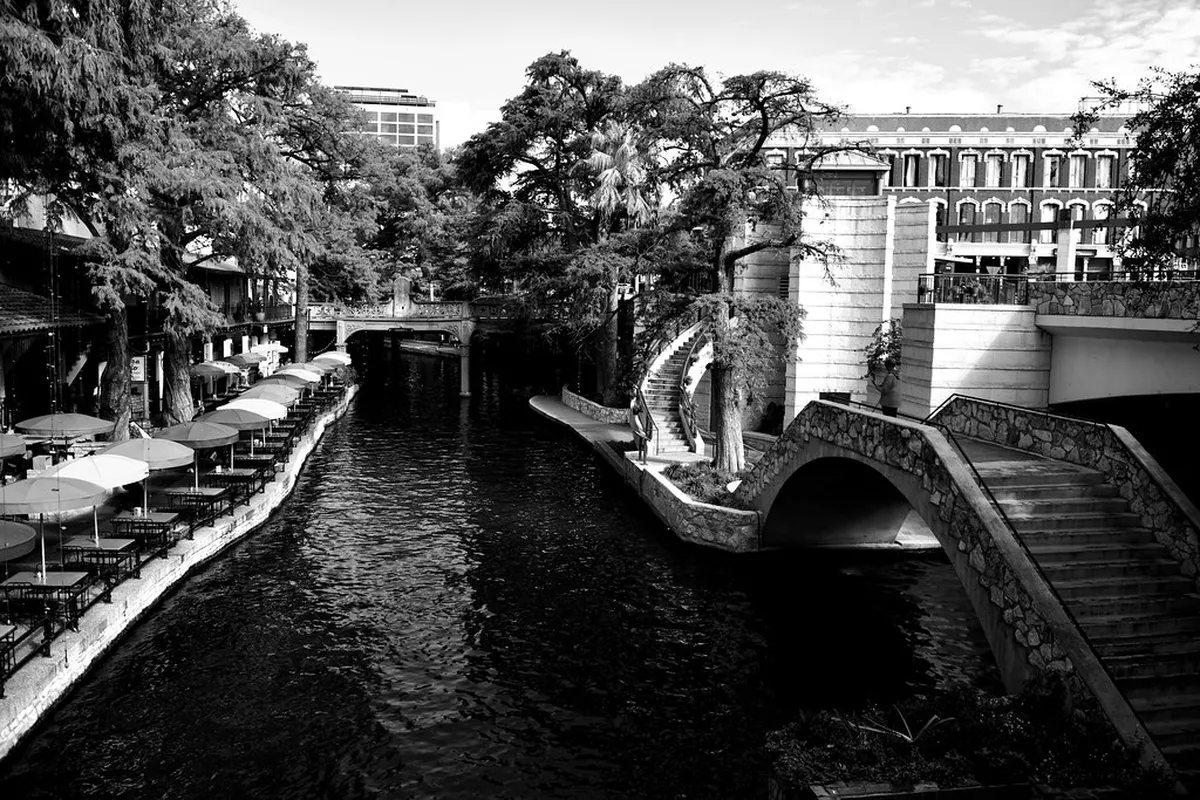
The hall today functions as a multipurpose events venue, which means interior access depends on whether an exhibition or concert is scheduled. The permanent exhibition on its history and construction is worth an hour if available; if the main hall is closed for an event, the exterior and surrounding park are still worth the tram ride. The park also contains a Japanese Garden and the sweeping Pergola structure — an iron arcade of 96 steel arches, 600 metres long, housing a multimedia fountain system.
The Pergola fountain show runs on summer evenings with a programme of light, water, and music that can draw large crowds on weekends. Arriving early and claiming a spot near the central basin gives the best view of the overhead jets and coloured lighting. The show is free, runs roughly 20–30 minutes, and happens multiple times per evening in peak season — check the current schedule on the official Centennial Hall website before visiting.
Where to Eat and Where to Stay in Wrocław
Wrocław's food scene has transformed significantly over the past decade, and eating well here no longer requires any local insider knowledge — the city centre is dense with good options across every price bracket. For traditional Polish food, the milk bars (bar mleczny) around Świdnicka and Ruska streets serve enormous plates of pierogi, żurek soup, and bigos for under 30 PLN. For a more polished version of the same cuisine, the restaurants flanking the south side of the Rynek tend to offer good quality with predictably tourist-facing prices; walk two streets back and the value improves immediately. Our full where to eat in Wrocław guide covers specific restaurant recommendations by neighbourhood and dish type.
Accommodation choices in Wrocław are strong at every price point. Staying in or within five minutes' walk of the Old Town puts Cathedral Island, the Market Hall, the university, and the Panorama all within comfortable walking distance. Design hotels in converted Art Nouveau townhouses have become a Wrocław specialty — several occupy buildings around the Rynek itself, which means falling asleep to the sound of the town hall clock. If your budget is tighter, the streets around Plac Bema and Nadodrze offer well-reviewed hostels and apartments with easy tram access to the centre. For a detailed breakdown by zone and budget, the where to stay in Wrocław guide is the clearest resource available.
Trams are your best friend: Wrocław's tram network is extensive, punctual, and very cheap — a single ticket costs around 3–4 PLN. Lines 2, 10, and 17 cover most tourist routes including the Centennial Hall and the railway station. The MPK Wrocław app shows live departures and allows ticket purchase without cash.
Day Trips from Wrocław and Onward Travel
Lower Silesia is one of Poland's richest regions for day-trip material, and Wrocław is the ideal base for exploring it. The Książ Castle — the largest castle in Silesia and once one of the most extravagant aristocratic residences in Central Europe — sits about 60 kilometres south-west and is reachable by a combination of train and local bus in under 90 minutes. Świdnica, around 60 kilometres south, is home to the largest surviving Baroque wooden church in Europe, the Church of Peace, which is a UNESCO World Heritage site in its own right. The Karkonosze (Giant Mountains) national park offers hiking and waterfalls within 90 minutes by direct train from Wrocław Główny station.
If you are continuing to other Polish cities, Wrocław's rail connections are excellent. Direct intercity trains to Kraków take around 2.5–3 hours and run frequently throughout the day — making a visit to both cities entirely manageable on a standard two-week Poland trip. Warsaw is around 3.5 hours by express train. Our day trips from Wrocław guide covers the seven best excursions with up-to-date transport advice and honest assessments of which routes justify the journey time. For broader Polish travel inspiration, the best places to visit in Poland overview helps you prioritise across the country, and our Kraków things to do guide is the natural next read if the southern capital is on your list.
| Day Trip | Distance | Travel Time | Highlights |
|---|---|---|---|
| Książ Castle | ~60 km | Under 90 min | Largest castle in Silesia, former aristocratic residence |
| Świdnica (Peace Church) | ~60 km | ~90 min | UNESCO World Heritage Baroque wooden church |
| Karkonosze Mountains | ~90 km | ~90 min | National park with hiking and waterfalls |
Wrocław Zoo and the Africarium
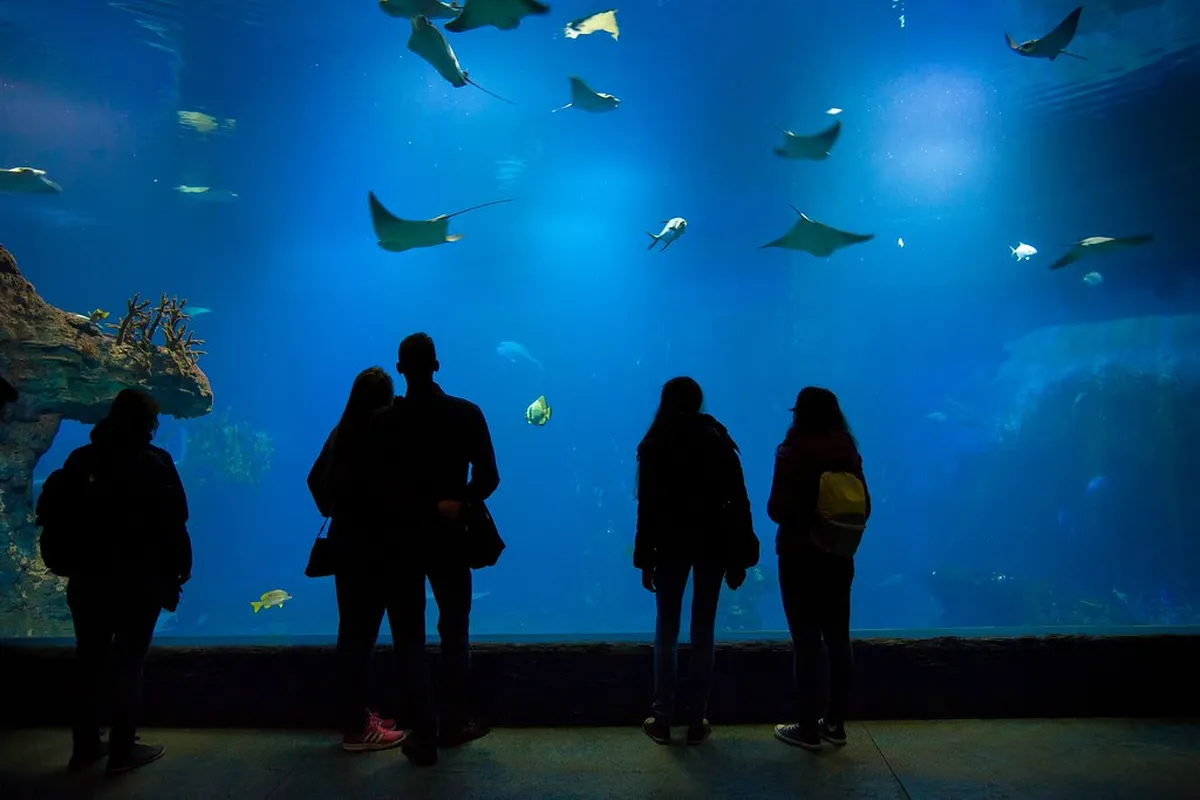
Wrocław Zoo is consistently rated the most visited paid attraction in Poland, and the Africarium — a purpose-built ocean exhibit dedicated to the wildlife of Africa — is the centrepiece that separates it from every other zoo in Central Europe. Opened in 2014 at a cost of over 100 million PLN, the Africarium houses sharks, rays, sea turtles, and a colony of African penguins in a series of enormous walk-through tanks designed to recreate the Atlantic and Indian Ocean coastlines. The final room, where rays and reef fish glide overhead through a transparent tunnel, is one of the most striking interiors in the city.
The zoo occupies around 33 hectares along the Oder River opposite Cathedral Island, making it easy to combine with a morning walk through Ostrow Tumski. Adult tickets run to around 50–60 PLN; children under 3 enter free. Allow a minimum of two hours for the zoo and another 45 minutes specifically for the Africarium — it is larger and slower-paced than most visitors expect. Current opening hours and ticket prices are published on the official Wrocław Zoo website. The zoo is open year-round; summer mornings before 11am are noticeably less crowded than afternoons. Tram line 2 from the city centre drops you within a 10-minute walk of the main entrance.
For families travelling with children, the zoo consistently outperforms the Panorama of Racławice and the Centennial Hall as a full-day anchor point. The combination of outdoor animal habitats, the covered Africarium, and riverside picnic areas makes it functional in any weather — a rare quality for an attraction in a city where summer afternoons can turn wet without warning.
Nadodrze, the Four Denominations District, and the City's Creative Side
Most visitors to Wrocław spend their entire time within the Historic Core and never discover the neighbourhood a 15-minute tram ride north that locals consider the most interesting part of the city. Nadodrze is Wrocław's answer to Praga in Warsaw or Kazimierz in Kraków — a formerly run-down working-class district that has been reclaimed by artists, independent cafes, vinyl record shops, and creative studios without losing the rough edges that make it feel authentic. The streets around Plac Staszica and ulica Śrutowa are the densest concentration of this energy, and a wander through them on a weekend afternoon reveals a city that extends well beyond the Baroque showpieces most guides describe.
Directly adjoining Nadodrze is the Four Denominations District (Dzielnica Czterech Wyznań), an almost impossibly compact area where a Catholic church, an Evangelical church, a Greek Orthodox church, and a synagogue stand within a few hundred metres of each other. The arrangement is a product of Wrocław's extraordinarily mixed history — the city passed through Bohemian, Habsburg, Prussian, German, and Polish hands over the centuries, and each ruling culture left its religious architecture behind. Walking the circuit takes under 30 minutes and is entirely free; the White Stork Synagogue on Włodkowica Street, restored after decades of abandonment, is the centrepiece and can be visited on selected days for a small donation.
The nearby Neon Side Gallery on ulica Świdnicka is a lesser-known outdoor display of original communist-era neon signs salvaged from across Poland and remounted on a long urban wall — vivid pinks, oranges, and blues in shapes ranging from dancing figures to hotel logos that never survived the 1990s. It is free, always open, and one of the most photographed spots in Wrocław among visitors who have been before. Add the Monument to the Anonymous Passer-by on Świdnicka Street — 14 bronze figures eternally mid-stride, half of them disappearing into the pavement as if swallowed by the ground, a memorial to those who vanished during martial law — and you have a 90-minute loop through the parts of Wrocław that no amount of castle-and-market itineraries ever reaches.
Wrocław's Craft Beer Scene and Nightlife
Wrocław has earned a serious reputation as one of Poland's best cities for craft beer, centred largely on Browar Stu Mostów — the Brewery of a Hundred Bridges — which takes its name from the city's famous bridge count. The brewery operates a taproom and restaurant in a restored 19th-century industrial building near the railway station, pouring its own range of IPAs, stouts, sours, and seasonal releases alongside food that goes well beyond the standard bar menu. It fills up on weekend evenings, so arriving before 7pm on a Friday or Saturday secures a table without a wait.
Beyond the flagship brewery, the streets between the Rynek and Plac Bema are dense with craft beer bars, live music venues, and the kind of cellar bars that only feel right in a Central European city. The strip of bars along ulica Świdnicka and the surrounding lanes is the main axis for evening activity — accessible, safe, and lively from around 10pm until 2–3am. Wrocław's large student population (the city has several major universities) keeps prices significantly lower than Warsaw or Kraków: a half-litre of craft beer runs to around 14–18 PLN, and a solid meal before a night out rarely exceeds 60–80 PLN per person at places locals actually use. For a fuller guide to the best venues and what to expect across different areas of the city, the Wrocław nightlife guide covers the scene in detail.
Explore things to do in other cities
Frequently Asked Questions
Is Wrocław worth visiting?
Yes, absolutely. Wrocław offers one of the most beautiful Market Squares in Central Europe, a unique Cathedral Island with a nightly lamplighter ritual, a UNESCO-listed Centennial Hall, the immersive Panorama of Racławice, and over 600 bronze gnomes hidden across the city. It is walkable, affordable, and consistently underrated compared to Kraków or Warsaw.
How many days do you need in Wrocław?
Two full days cover the essential sights including the Market Square, Cathedral Island, the Centennial Hall, the Panorama of Racławice, and a dwarf hunt. Three days allows you to explore more thoroughly — including the university quarter, the Market Hall, and river walks — and still have time for a day trip to Książ Castle or the Karkonosze Mountains.
What is Wrocław most famous for?
Wrocław is most famous for its colourful Rynek (Market Square), its collection of over 600 bronze dwarf figurines scattered across the city, the nightly lamplighter ceremony on Cathedral Island, the 360-degree Panorama of Racławice cyclorama, and the UNESCO-listed Centennial Hall. It was also European Capital of Culture in 2016, which gave the city's arts and food scene a lasting boost.
When is the best time to visit Wrocław?
May through September offers the best weather for outdoor sightseeing, river walks, and enjoying the Rynek cafes. The Japanese Garden peaks in May for blossom and late September for autumn colour. December is ideal for the Christmas Market, which transforms the Market Square into one of the most atmospheric winter markets in Central Europe. Shoulder months of April and October balance mild weather with smaller crowds and lower accommodation prices.
Wrocław earns its place among Poland's most rewarding cities not through a single standout attraction but through the accumulation of experiences it offers across a few short days. The Market Square's baroque facades catch the afternoon light in a way that stops you mid-stride; Cathedral Island at dusk, with the lamplighter making his rounds, is genuinely one of the most atmospheric urban rituals in Europe; and the Panorama of Racławice is the kind of exhibit that stays with you long after you have left. Add the dwarf hunt, the Centennial Hall, and the surprisingly good food and nightlife scene, and the city has earned far more attention than it typically receives.
Whether you have two days or five, the advice in this guide should help you move through Wrocław with purpose while leaving room for the kind of unplanned discoveries that the best travel days are made of. Consult the Wrocław two-day itinerary if you want a ready-made day-by-day plan, or check the best time to visit Wrocław if you are still deciding when to travel. Safe wandering, and enjoy every kilometre of this remarkable city.
Top Wrocław Guides
The guides we reach for most when planning a Wrocław trip — what to see, where to stay, where to eat, and how to get around.
- Wrocław Attractions: Tickets, Routes, and Visitor Tips
- Wrocław Old Town Guide
- Wrocław Dwarfs Guide
- Wrocław Christmas Market Guide
- Where to Stay in Wrocław
- Where to Eat in Wrocław
- Day Trips from Wrocław
- Wrocław Itinerary 2 Days
- How Many Days in Wrocław
- Best Time to Visit Wrocław
- Getting Around Wrocław
- Wrocław Nightlife Guide
- Is Wrocław Worth Visiting?
- 12 Best Museums in Wroclaw
- Wrocław to Prague Travel Guide
- Wrocław with Kids
- Free Things to Do in Wroclaw
- Wroclaw River Cruises
- Wrocław Walking Tours 2026
Explore More of Poland
Planning a wider Poland trip? These guides connect Wrocław with the rest of the country.
- Best Places to Visit in Poland
- Things to Do in Kraków
- Things to Do in Gdańsk
- Things to Do in Warsaw
- Things to Do in Poznań
- Things to Do in Toruń
You might also like


Continue reading
More guides you'll find useful