Getting Around Wrocław: Transport Guide (2026)
Wrocław is one of Poland's most walkable cities, yet its tram and bus network reaches every corner of the metropolitan area with satisfying efficiency. Whether you are hunting for hidden dwarfs in the Old Town or heading out to the airport, understanding how transport here works makes every day of your trip run more smoothly.
The good news is that the compact historic centre — Market Square, Cathedral Island, the university quarter — can be covered almost entirely on foot. Beyond that inner ring, the MPK Wrocław tram and bus system takes you wherever the cobblestones end, and apps have made buying tickets genuinely painless in 2026.
This guide walks you through every option: city trams and buses, the URBANCARD travel card, the airport bus connection, taxis and Bolt, bike hire, and how to use Wrocław Główny as a launch pad for brilliant day trips. Read it once before you arrive and you will feel like a local by the end of your first afternoon.
Wrocław Trams: The Backbone of the City
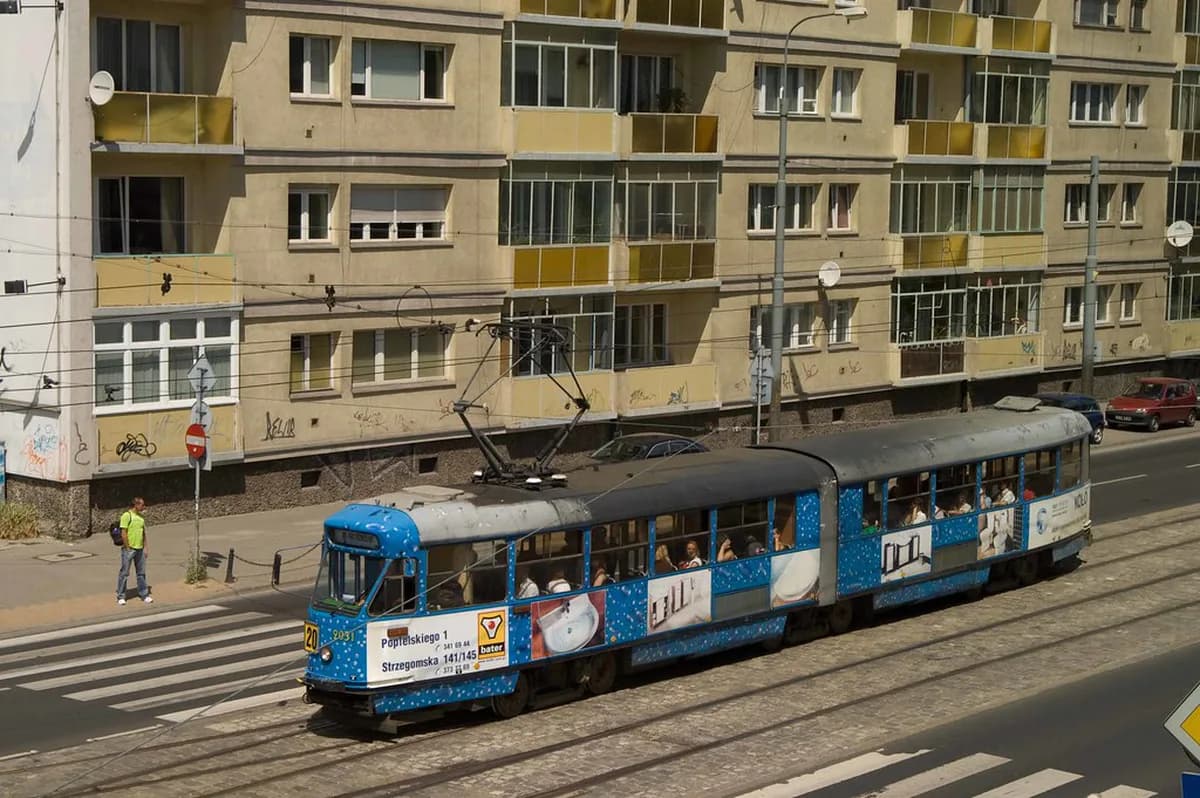
The tram network operated by MPK Wrocław is the single most useful piece of infrastructure for visitors. More than 20 lines fan out from the city centre, and the low-floor Bombardier and Pesa vehicles mean boarding is easy even with a bag. Trams run from around 04:30 to just after midnight on most lines, with reduced frequency late at night and on Sundays.
Key routes for tourists include line 1 (connecting the main railway station, Świdnicka Street, and the university area), lines 2 and 10 (useful for reaching the zoo and Centennial Hall), and lines 4 and 17 (covering the southern districts and Galeria Dominikańska shopping area). Real-time arrivals are displayed on screens at most central stops, and the free Jakdojade app gives accurate predictions elsewhere on the network.
Night trams (marked with an N prefix) run on a handful of key corridors from about 23:30 until early morning, supplemented by night buses. These are a lifesaver after a long evening exploring the best things to do in Wrocław or finishing a meal in the Old Town. The same standard ticket applies on night services — no surcharge.
Ticket inspectors are active throughout the Wrocław network, including trams, buses, and night services. Fines for travelling without a valid, validated ticket start at around 266 PLN — far more than the cost of a day pass. Always validate your ticket immediately after boarding at the yellow machine near the doors, or activate it via the app before you step on.
Wrocław Buses: Extending Your Reach
Buses fill the gaps where trams do not run and are particularly useful for reaching residential districts, the football stadium area (Stadion Wrocław, served by several express lines), and some outlying attractions. Express bus lines — marked with a capital letter prefix — run faster services on busier corridors with fewer intermediate stops.
From a visitor's perspective, the most important bus connection is line 106 (and its variant 206) between Wrocław Główny rail station and Wrocław Copernicus Airport. More on that in the airport section below. Otherwise, trams will cover the vast majority of tourist journeys in the central area, with buses as a useful complement rather than a primary option.
Both trams and buses accept the same tickets — there is no separate zoning for city journeys within Wrocław's urban boundary. A ticket bought for the tram works on a bus if you need to transfer, provided the time limit on your ticket type has not expired.
Tickets, URBANCARD, and the Jakdojade App
MPK Wrocław offers a clear ticket hierarchy that rewards longer stays with better value. Single-ride tickets (bilet jednorazowy) are available in timed versions — 15 minutes, 30 minutes, and 60 minutes — rather than per-journey. For most city-centre hops a 30-minute ticket is sufficient; a 60-minute ticket covers cross-city journeys and transfers.
| Ticket type | Approx. price (2026) | Best for |
|---|---|---|
| 15-minute single | ~3.20 PLN | One or two stops |
| 30-minute single | ~4.60 PLN | Most city hops |
| 60-minute single | ~5.60 PLN | Cross-city with transfer |
| 24-hour pass | ~15 PLN | Full day sightseeing |
| 48-hour pass | ~23 PLN | Weekend stay |
| 72-hour pass | ~29 PLN | Three-day visit |
The URBANCARD (Urbancard Turystyczna) is a reloadable smart card available from the MPK Wrocław Customer Service points — the most convenient is at Wrocław Główny station. You can load day or multi-day passes onto it, tap on and tap off, and it logs your travel history. For a stay of two days or more it is genuinely the slickest option, removing the need to find a working ticket machine each time.
Alternatively, the Jakdojade app (free on Android and iOS) allows you to plan routes and purchase mobile tickets directly. Once you have bought a mobile ticket, activate it before boarding and display the animated screen to inspectors. No physical validation is needed. It also integrates with real-time GPS tracking so you can see exactly when your tram is arriving — essential in winter when standing at an open stop feels considerably less fun.
Walking the Compact Wrocław Centre
Wrocław's historic core is genuinely compact: Market Square (Rynek) to Cathedral Island (Ostrów Tumski) is a leisurely 20-minute stroll across the river. The university quarter, Świdnicka Street, and the main train station all sit within comfortable walking distance of the central square. On a dry day, walking is simply the best way to experience the city — you will stumble across the famous bronze gnomes (krasnale) hiding on walls and pavements, which are one of Wrocław's most charming quirks.
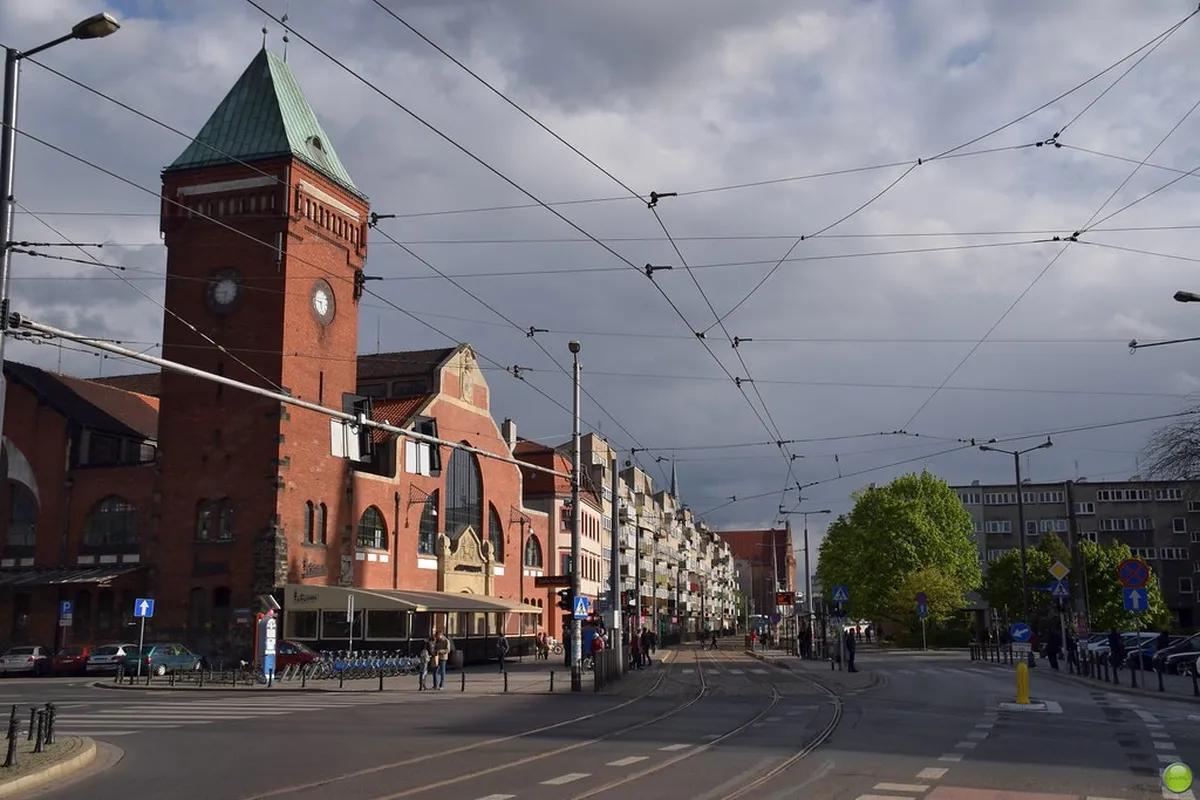
Comfortable shoes are essential: most of the Old Town is paved with setts (rounded cobblestones) or brick, which are charming to look at but uneven underfoot. The riverside promenade along the Oder is flat and pleasant for longer walks. If you are planning where to base yourself to make the most of walkability, our guide on where to stay in Wrocław breaks down the most central neighbourhoods and what suits different budgets.
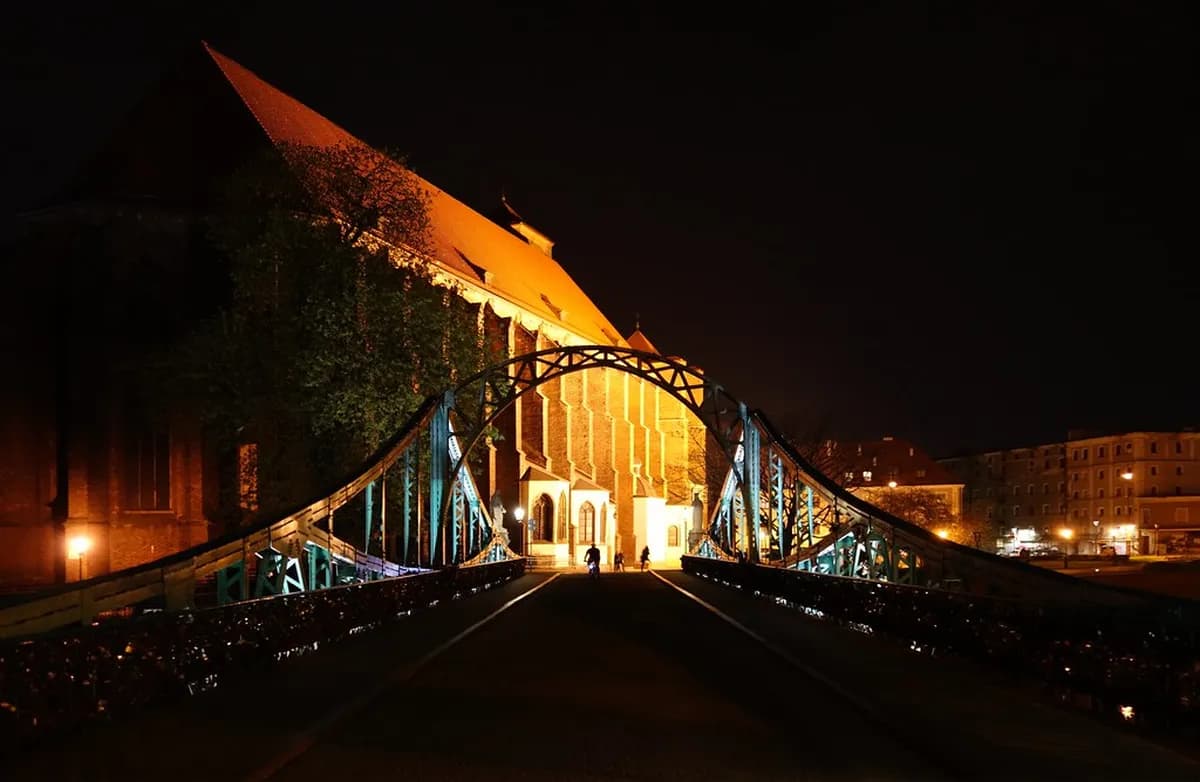
Evening walks are particularly rewarding — the town hall and Market Square are beautifully lit after dark, and the bridges to Cathedral Island glow with soft lantern light. If you are in town in December, the festive atmosphere spills across every street and the illuminations make walking the undisputed best way to explore.
Wrocław Airport to City Centre: Bus 106 and 206
Wrocław Copernicus Airport (WRO) sits about 10 km west of the city centre and is served directly by two public bus lines. Bus 106 runs between the airport and Wrocław Główny (the main railway station) via several intermediate stops, making it the most useful route for visitors staying centrally. Journey time is roughly 30–40 minutes depending on traffic, and the bus runs throughout the day at regular intervals.
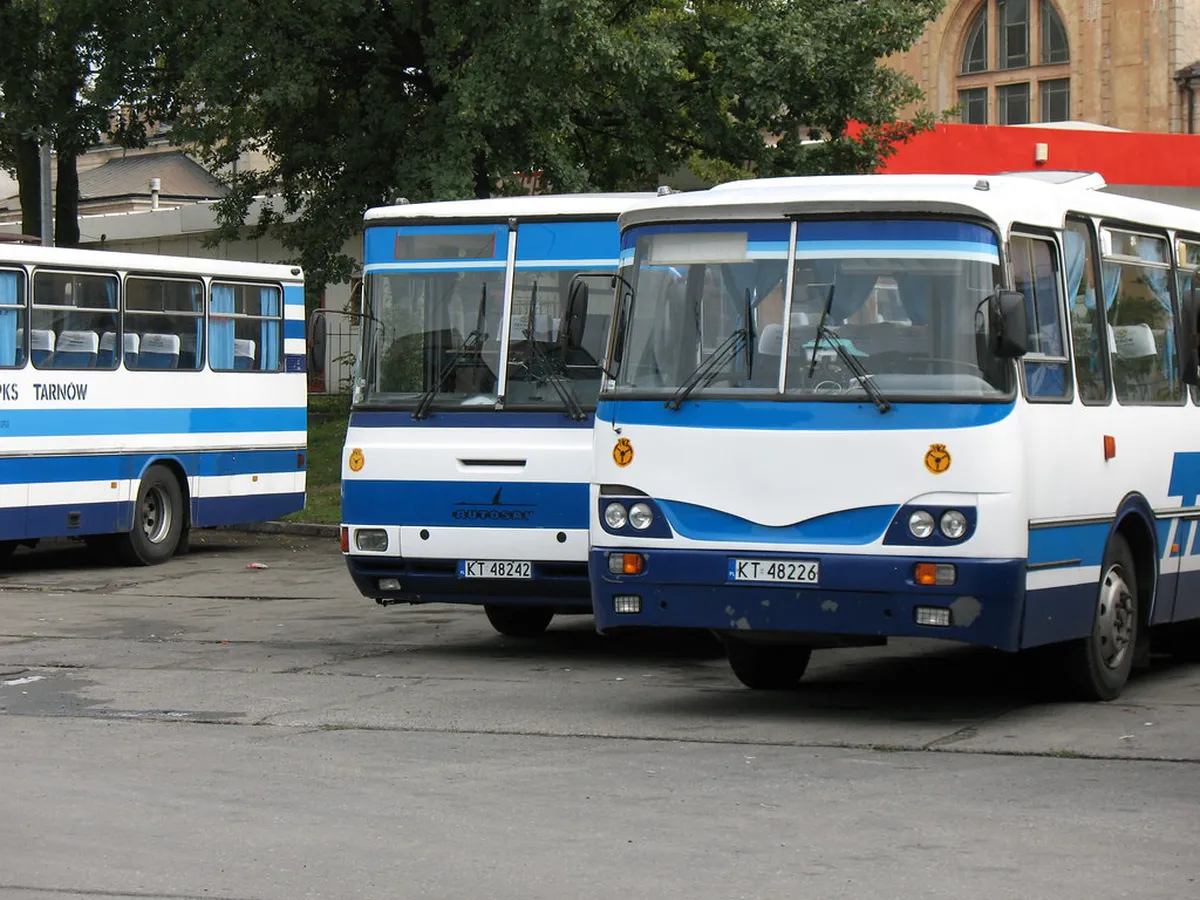
Bus 206 follows a slightly different route through the western suburbs and is useful if your accommodation is in the Fabryczna district or the western part of the city, but line 106 is the default choice for the Old Town and station area. Both accept standard MPK Wrocław tickets — no special airport surcharge — so a 60-minute single ticket bought at the airport stop or via the Jakdojade app before boarding covers the whole journey.
Bus 106 departs from directly outside the arrivals terminal at Wrocław Airport. The stop is signposted in English. Buy your ticket at the yellow machine near the stop or activate a mobile ticket before boarding. Night bus N9 covers the airport corridor after standard services finish, so you are never stranded regardless of your flight arrival time.
A taxi or Bolt from the airport to the city centre takes 20–30 minutes in normal traffic and costs roughly 40–65 PLN. Pre-booked transfers are available from the terminal's information desk, but the app-based options are transparent and reliable. Save the taxi fare if you are travelling light and have time to spare — bus 106 is a perfectly comfortable option.
Taxis, Bolt, and Ride-Sharing in Wrocław
Bolt is the dominant ride-hailing platform in Wrocław and offers excellent coverage across the city and out to the airport. Uber also operates here. Both apps use upfront pricing, so you know the fare before you confirm. For most journeys within the central zone, expect to pay 15–30 PLN; longer trips to outlying districts or the airport run 40–65 PLN. Surge pricing is rare in Wrocław except on major event nights (concerts at the Centennial Hall or match days at Stadion Wrocław).
Traditional taxis are available at ranks outside Wrocław Główny station, at the airport, and at the main Market Square. Always ensure the meter is running or agree a price in advance. Licensed city taxis are yellow and white, clearly marked. While they are slightly pricier than Bolt for the same journey, they are a reliable fallback if you do not have a smartphone or internet connection.
Ride-sharing is particularly worthwhile when you are carrying heavy luggage between your accommodation and the station or airport, or when returning late from a night out. The journey from Market Square to Wrocław Główny by Bolt typically costs 12–18 PLN — arguably worth it with bags even though it is a 20-minute walk on a good day.
Cycling in Wrocław: Bikes and the WaVelo Network
Wrocław has invested heavily in cycling infrastructure, and the result is a genuinely bike-friendly city outside the most tourist-dense cobblestone zones. The WaVelo city bike system (rebranded from Wrocław Bike) operates a network of docking stations across the city. You register via the WaVelo app, pay a small daily access fee, and then the first 20 minutes of each ride are free — making it ideal for hopping between sights without paying per-minute charges for short rides.
Longer rental bikes are available from private shops near the Market Square and along the riverside. A full day rental typically costs 40–70 PLN depending on the bike type. Wrocław's flat terrain and broad riverside paths make cycling accessible for all fitness levels — the route along the Oder through Szczytnicki Park (home to the Japanese Garden, worth a detour) is especially pleasant.
Avoid cycling on the historic cobblestone streets of the Old Town itself — beyond the discomfort, some sections restrict bikes during peak hours. Stick to the clearly marked cycle lanes on main roads and the off-road riverside paths for a smooth, enjoyable ride.
Electric Scooters in Wrocław
Electric scooters have become a mainstream part of Wrocław's transport mix. Tier, Lime, and Bolt Scooter all operate fleets across the city, with dense coverage in the centre and along the riverside paths. All three use app-based unlocking — download whichever is cheapest in the moment, as prices fluctuate slightly. A typical ride works out at around 1.50–2.50 PLN per minute after a small unlock fee.
Scooters are particularly useful for the mid-distance journeys that are too far to walk comfortably but feel over-engineered for a full tram ride — say, from the Old Town to Szczytnicki Park, or from the university quarter out to the Wrocław Stadium. The flat terrain means you rarely need to push hard, and journey times are predictable. Most operators cap speeds in the pedestrianised core automatically, dropping to a walking-pace crawl in designated slow zones around the Market Square.
Park only in the designated zones marked in the app. Leaving a scooter on a narrow pavement or blocking tram-stop access invites a fine, and some operators charge a penalty fee for improper parking. The riverside promenades and the main cycle-lane network along Świdnicka are the most comfortable routes — avoid the rougher cobblestone side streets, which are hard on the scooter and harder on your wrists.
Driving and Parking in Wrocław
Driving into Wrocław city centre is possible but rarely the most efficient choice during the day. The Old Town is partly pedestrianised and tram-priority streets make navigation unintuitive unless you know the one-way system. That said, if you are arriving from the airport by rental car or planning day trips into Lower Silesia, understanding parking options is genuinely useful.
The SPPN (Strefa Płatnego Parkowania Niestrzeżonego) is Wrocław's paid parking zone, covering most streets within the ring road. Rates run from around 3.50 PLN per hour in the core zone, paid via parking meters or the moBILET app. The zone operates Monday to Friday, roughly 08:00–18:00, with free parking on weekends. Underground car parks beneath Galeria Dominikańska and the Old Town Square are the most convenient if you want secure, all-day parking — expect to pay 5–8 PLN per hour or around 50–70 PLN for a full day.
If you are staying overnight with a vehicle, check with your accommodation about dedicated parking — many hotels in the centre offer garages or negotiate discounted rates at nearby car parks. Several park-and-ride (P+R) facilities sit on the city's tram corridors, letting you leave the car at a suburban terminal and ride in on a single MPK ticket. This is by far the most stress-free approach for sightseeing days when you do not need the car at all.
Day-Trip Rail from Wrocław Główny
Wrocław Główny (Wrocław Main Station) is a beautifully restored 19th-century terminus and one of the best-connected rail hubs in southern Poland. From here you can reach a remarkable range of day-trip destinations with minimal planning. Tickets can be purchased at the counters, from touch-screen machines (which have an English interface), or via the PKP Intercity or koleo.pl apps before you travel.
The Sudeten Mountains are the headline attraction: Karpacz and Szklarska Poręba — two walking and skiing resorts — are reachable within 1.5 to 2 hours via regional trains, sometimes with a change at Jelenia Góra. Książ Castle, one of the largest castles in Poland, sits near Wałbrzych (about 55 minutes by regional train). Opole, a pleasant mid-sized city famous for its music festival, is just 45 minutes away on an intercity service — a perfect half-day excursion.
For a broader picture of what is possible from Wrocław as a base, our Wrocław travel guide covers the best excursions alongside city highlights. Regional trains (operated by Koleje Dolnośląskie and Polregio) are affordable and punctual; booking even a day in advance is usually sufficient, and same-day tickets at the machine are fine for shorter regional hops.
Wrocław Główny has left-luggage lockers (coin and card operated) near the main hall — a practical option if you want to leave bags and explore before or after a long-distance train. The station also has a good selection of cafes and a pharmacy, making it a convenient staging point before heading out on a day trip.
Getting Around Wrocław: Practical Tips at a Glance
A few distilled principles that will save you time and money during your stay. First, download Jakdojade before you land — it works offline for route planning even without data. Second, for a stay of two or more full days, the URBANCARD with a 48- or 72-hour pass loaded onto it is almost always cheaper than buying single tickets each time. Third, the city centre is small enough that your legs are the fastest option between most sights during the day — save trams and taxis for longer hops.
In terms of where you position yourself, staying near the Market Square or Cathedral Island minimises your need for transport entirely during daylight hours. Our guide to Wrocław accommodation covers which districts place you closest to the action. For planning your days, the overview of things to do in Wrocław pairs well with this transport guide — use both together to build efficient, enjoyable itineraries that cluster nearby attractions and avoid unnecessary back-tracking.
Finally, Wrocław is a student city (home to several large universities) so transport runs frequently and reliably even on weekday evenings. You are rarely waiting more than 10 minutes for a tram in the central area, and the overall network is modern and well-maintained compared to many Polish cities of similar size.
Explore getting around in other cities
Frequently Asked Questions
What is the best way to get from Wrocław Airport to the city centre?
Bus 106 is the most convenient public option, running from the airport terminal directly to Wrocław Główny (main railway station) in around 30–40 minutes. Standard MPK Wrocław tickets apply — no airport surcharge. A Bolt or taxi takes 20–30 minutes and costs roughly 40–65 PLN, which is worth considering if you have heavy luggage or arrive late at night.
Is the URBANCARD worth buying for a short visit to Wrocław?
For a visit of two days or more, yes — a 48-hour or 72-hour pass loaded onto the URBANCARD works out significantly cheaper than buying individual timed tickets each time. For a single day, a 24-hour paper pass from a ticket machine is equally good value. The URBANCARD is available from MPK Wrocław service points, including at Wrocław Główny station.
Can I walk between most of Wrocław's main attractions?
Yes. The historic core — Market Square, Cathedral Island, the university quarter, and Świdnicka Street — is very compact and best explored on foot. Most central sights are within a 20-minute walk of one another. Comfortable shoes are recommended for the cobblestone streets. Trams and buses become useful when you want to reach the zoo, Centennial Hall, or other attractions further from the centre.
Does Bolt operate in Wrocław?
Yes, Bolt is widely used across Wrocław and offers upfront pricing with good availability throughout the day and night. Uber also operates here. Both are reliable for airport transfers, late-night journeys, and trips with luggage. Expect to pay 15–30 PLN for most city-centre journeys and 40–65 PLN to or from the airport.
Getting around Wrocław is genuinely easy — the city rewards walkers with beautiful streetscapes and hidden surprises, while the tram network efficiently handles longer journeys. Whether you are navigating from the airport on bus 106, validating a ticket on the Jakdojade app, or cycling along the Oder on a WaVelo bike, you will quickly find a rhythm that suits your travel style.
Use the URBANCARD or a day pass if you plan to use public transport heavily, and keep Bolt in your back pocket for late evenings and luggage-heavy moments. With Wrocław Główny on your doorstep, the whole of Lower Silesia opens up for effortless day trips too — Sudeten hiking trails, castle ruins, and spa towns all within reach before dinner.
Wrocław is a city that becomes more rewarding the more freely you move through it. Now that you have the transport picture sorted, go and explore — the gnomes are waiting to be found.
You might also like



Continue reading
More guides you'll find useful