The Best Time to Visit Wrocław (Month by Month, 2026)
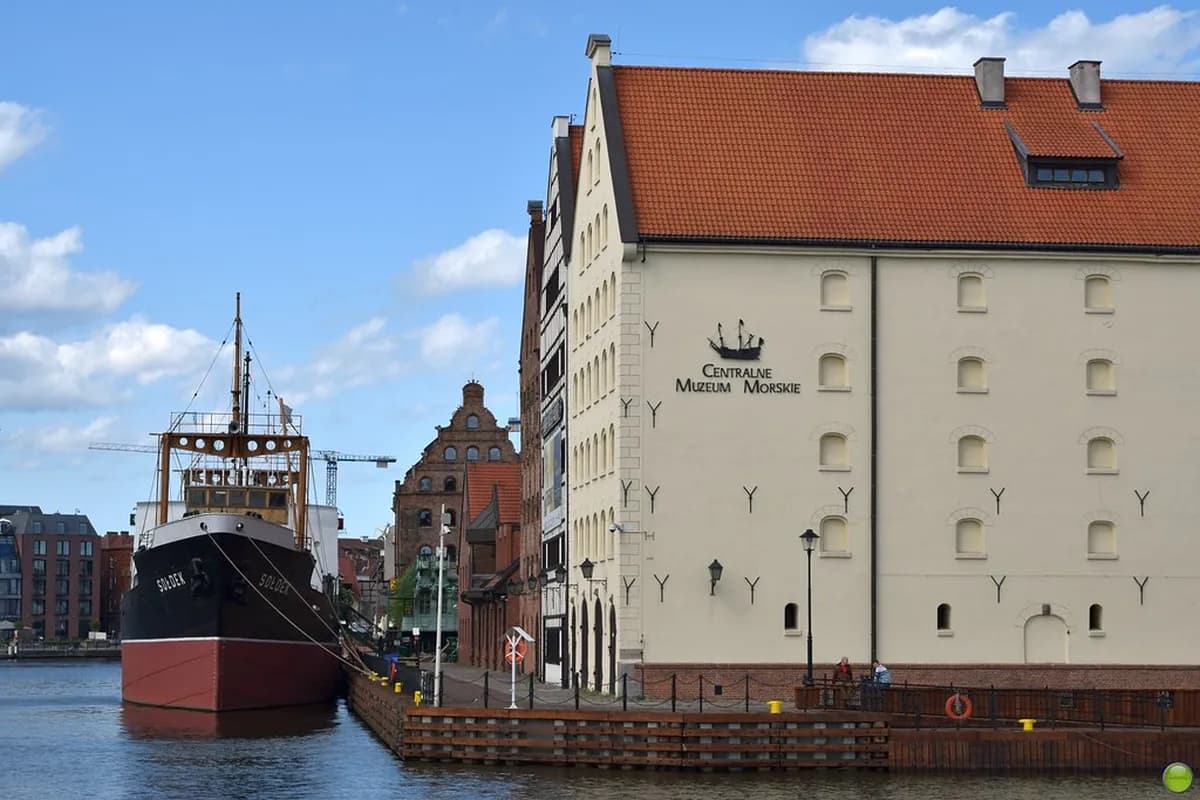
Late May shows Wrocław at its most persuasive — riverside cafes in full swing, the rainbow-fronted cathedral island, and hundreds of little bronze dwarfs hiding on every corner. The best time to visit Wrocław for most travellers is late spring or early autumn — specifically May to June and September to mid-October — when the weather is mild, the crowds are manageable, and the city's extraordinary outdoor culture is in full swing.
That said, Wrocław genuinely delivers in every season. Its Wrocław Christmas Market is among the most celebrated in Central Europe, drawing visitors from across the continent from late November through December. Summer brings the acclaimed New Horizons International Film Festival and the Hydrozagadka outdoor events, while autumn wraps the Market Square in warm amber light that feels almost cinematic. Whatever you choose, the core things to do in Wrocław remain accessible year-round.
This month-by-month guide covers temperature ranges, crowd levels, price trends, and the festivals that define each season. It lays out the honest trade-offs rather than a generic "summer is best" answer, because Wrocław is one of those cities where the right timing depends entirely on what kind of trip you are after.
Best Time to Visit Wrocław: Season Comparison
Wrocław sits in Lower Silesia in south-western Poland, which gives it a slightly warmer and sunnier climate than Warsaw or Gdańsk. Summers are warm and occasionally hot, springs arrive early, and winters are cold but rarely brutal — at least compared to the north. The seasonal trade-offs are real, though, and understanding them will help you pick the window that suits your style.
Spring (April–May) is arguably the most photogenic time, when the Market Square fills with outdoor terraces and Ostrów Tumski glows with blossoms. Summer (June–August) delivers long days and a packed festival calendar but also peak prices and queues at popular spots. Autumn (September–October) brings golden light, cheaper hotels, and the city largely to yourself. Winter (November–March) is quiet except for the electrifying Christmas market weeks, which attract serious crowds of their own.
The table below gives you a quick at-a-glance comparison so you can match the season to your priorities before diving into the month-by-month detail further down.
| Season | Avg Temp | Crowds | Prices | Key Event | Best For |
|---|---|---|---|---|---|
| Spring (Apr–May) | 10–20°C / 50–68°F | Moderate | Mid-range | Easter Market | Sightseeing |
| Summer (Jun–Aug) | 20–28°C / 68–82°F | High | High | New Horizons Film Festival | Festivals, nightlife |
| Autumn (Sep–Oct) | 10–18°C / 50–64°F | Low–Moderate | Low–Mid | Jazz on the Odra | Photography, value |
| Winter (Nov–Mar) | -2–4°C / 28–39°F | Low (except Dec) | Lowest (except Dec) | Christmas Market | Budget, festive magic |
Spring in Wrocław: April and May
Spring is arguably Wrocław's most rewarding season, and late May in particular hits a sweet spot that is hard to argue with. Temperatures climb from around 10°C / 50°F in early April to a comfortable 18–20°C / 64–68°F by the end of May, the evenings are long enough for leisurely riverside walks, and the crowds have not yet reached the intense levels of July and August.
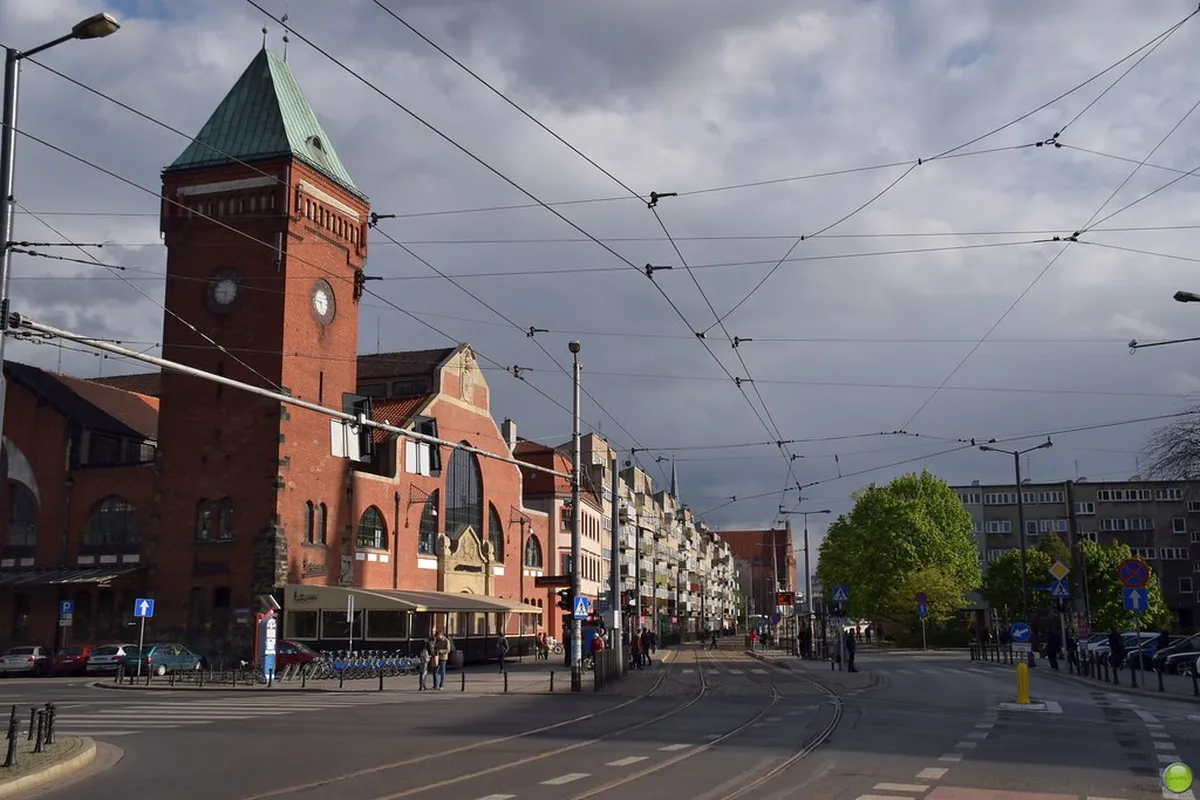
The botanical garden near Wrocław University erupts in colour through April and May, making it one of the most rewarding free stops in the city. The Wrocław Old Town terraces open in earnest from mid-April, and the Easter market in the Market Square — usually running for two to three weeks around Easter — draws locals rather than international package tourists, which gives it an authentic, unhurried energy.
Hotel rates in spring sit comfortably below summer peaks. You can expect to find solid three-star options near the Old Town at prices that feel genuinely good value by European standards. The one caveat is April rain: Wrocław gets moderate spring showers, so a compact waterproof jacket earns its place in the bag. May is drier and more reliably sunny.
May is Wrocław's sweet spot for first-time visitors. Days are long, rain is light, terraces are open, and hotel prices have not yet surged. If you can only visit once, aim for the second or third week of May for the best all-round conditions.
Summer in Wrocław: June, July and August
Summer transforms Wrocław into a buzzing outdoor city. Temperatures regularly reach 24–28°C / 75–82°F in July and August, the Odra riverbanks fill with sunbathers and kayakers, and the city's bar and restaurant scene shifts almost entirely outdoors. If you are a festival person, summer is when Wrocław really earns its reputation.
The New Horizons International Film Festival — held every July — is one of the most respected independent and arthouse film events in Central Europe, typically running for ten days and screening several hundred films from dozens of countries. It draws a cosmopolitan crowd of cinephiles that gives the city a uniquely creative energy. Hydrozagadka, Wrocław's outdoor music and culture series, also runs through the summer months, programming everything from jazz and electronic music to open-air theatre.
One thing most guides understate: Wrocław is the hottest city in Poland by average summer temperature, and peak July and August days can reach 35–40°C / 95–104°F during heatwaves. That is genuinely hot for a Central European city. The Old Town cobblestones radiate heat in the afternoon and there is little shade on the Market Square itself. If you are visiting in late July or August, plan outdoor sightseeing for before 11:00 and after 18:00, and keep afternoons for Szczytnicki Park (the city's largest, with mature tree cover) or the cooler indoor spaces of the Panorama of the Battle of Racławice and the National Museum.
The trade-off is real, however. July and August see the highest hotel rates of the year, and the Market Square can feel overwhelmed on peak weekends. Booking accommodation two to three months ahead is advisable if you are targeting the film festival weeks. If you want summer energy without peak summer prices, early June is an excellent compromise — temperatures are already warm, the festival calendar is beginning, and prices have not fully spiked yet.
Autumn in Wrocław: September and October
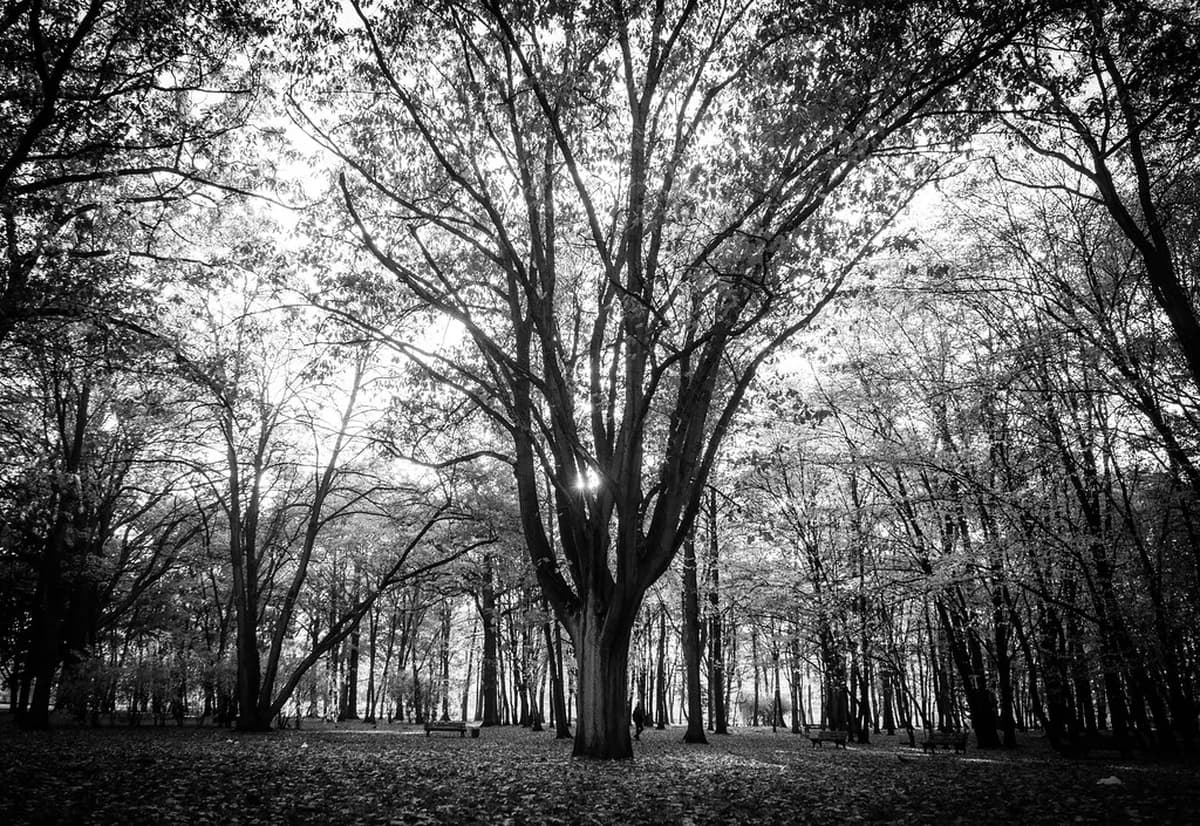
Autumn is Wrocław's best-kept seasonal secret. September still delivers warm afternoons of 16–20°C / 61–68°F, the summer crowds have almost entirely evaporated, and the golden light over the Market Square and Ostrów Tumski cathedral island is genuinely stunning. September is the month Wrocław residents most often recommend to visiting friends, precisely because the city feels like it belongs to locals again.
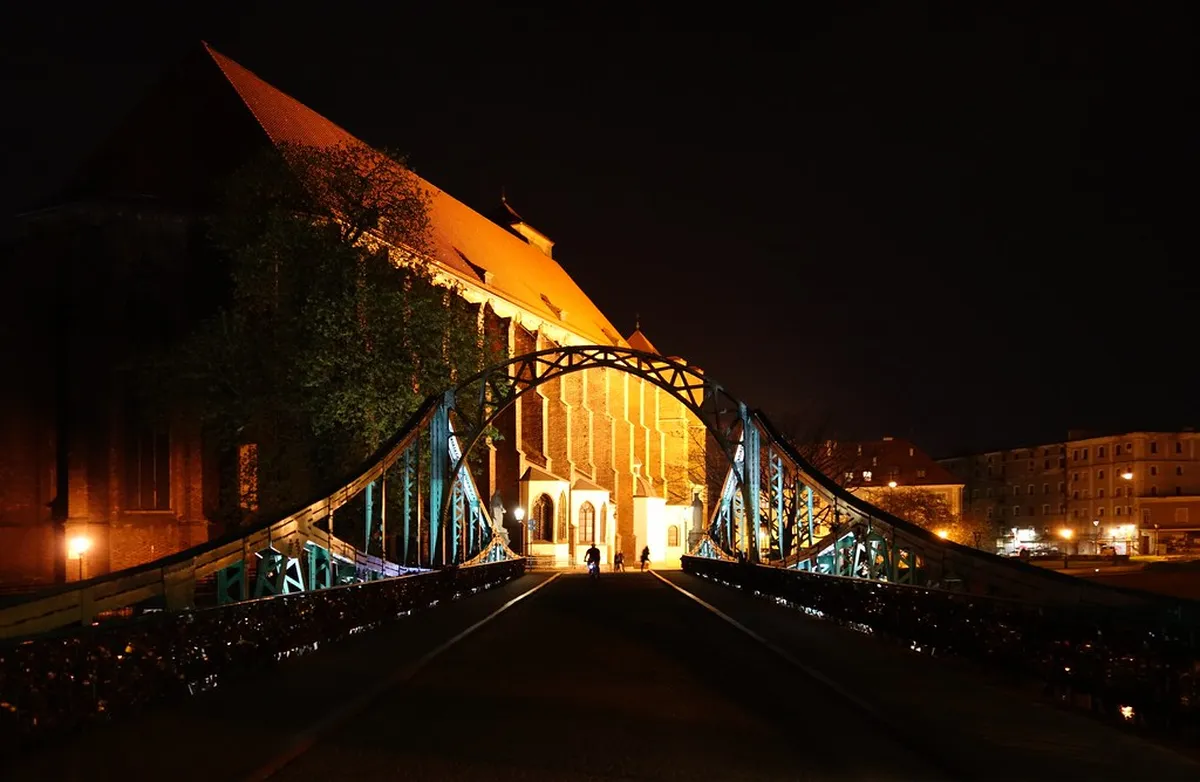
October cools quickly, with average highs dropping to around 12–14°C / 54–57°F by month end, but the coloured foliage along the Odra embankment more than compensates. Jazz on the Odra, an autumn music festival, typically programmes outdoor and indoor concerts through September and into October. It is a far more local affair than the summer festivals, which is part of its charm.
Hotel prices in September are noticeably lower than in July, and October is lower still. If you are thinking about visiting and value a calm, photogenic experience over a packed social calendar, September to mid-October is the window to aim for without hesitation. Pair it with the day trips from Wrocław to the Karkonosze mountains, which are spectacular under autumn colour.
Winter in Wrocław: November to March
Winter in Wrocław splits cleanly into two very different experiences. The Christmas market season — roughly late November through the end of December — is one of the most visited periods of the year, with the Wrocław Christmas Market ranking among the most atmospheric in Poland. The Main Market Square fills with wooden stalls selling mulled wine, pierogi, roasted nuts, and locally crafted ornaments, and the lighting transforms the Gothic Town Hall into something genuinely magical.
Then there is January through March, which represents Wrocław at its quietest and most affordable. Temperatures drop to around -2–4°C / 28–39°F, and while the city is undeniably cold, it is rarely shut down by snow in the way that more northerly Polish cities can be. Museums are uncrowded, restaurant bookings are easy to get, and hotels offer their best rates of the year. If you are travelling on a tight budget and you do not mind layering up, a winter weekday trip to Wrocław can be genuinely excellent value.
Daylight is the biggest constraint, with the sun setting before 4:00 PM in December. Plan your outdoor sightseeing for mornings and early afternoons, then lean into the city's excellent indoor offerings — the National Museum, the Panorama of the Battle of Racławice, and the extraordinary Cathedral of St. John the Baptist on Ostrów Tumski. The Wrocław Old Town is also remarkably uncrowded in January and February, making it far easier to appreciate the architecture without dodging tour groups.
The Wrocław Christmas Market typically runs from late November to December 31st. Hotel rates spike sharply during the first three weeks of December — book two to three months ahead if visiting between November 25th and December 23rd. Visiting in the first week of December on a weekday offers the full festive atmosphere at slightly lower crowd levels than peak weekend dates.
Key Festivals and Events Worth Timing Your Visit Around
Wrocław punches well above its weight on the events calendar, and several festivals are genuinely worth building a trip around. Here is a rundown of the ones most worth targeting as the anchor for your visit — the official Wrocław tourism portal publishes confirmed dates for each edition closer to the time.
The New Horizons International Film Festival in July is the headline summer event, but do not overlook the Wrocław Non-Fiction Film Festival (DocFilm) which typically takes place in autumn and draws a strong documentary-film crowd. Jazz nad Odrą (Jazz on the Odra) is one of the oldest jazz festivals in Poland and has been running for decades, usually programming both free outdoor stages and paid indoor concerts in September and October.
For architecture and culture enthusiasts, the Wrocław Architecture Festival in autumn showcases the city's extraordinary built heritage — Wrocław has arguably the best modernist and art-nouveau stock in Poland outside Łódź, and the festival opens buildings that are normally off-limits. And of course the Christmas Market is in a category of its own: it is not a niche cultural event but a full city-wide celebration that makes December one of the most memorable times to visit despite the cold.
| Event | Typical Timing | Type | Crowd Impact |
|---|---|---|---|
| Easter Market | March–April | Cultural/food | Moderate local |
| Jazz on the Odra | September–October | Music | Low–moderate |
| New Horizons Film Festival | July (10 days) | Film | High |
| Hydrozagadka | June–August | Music/outdoor culture | Moderate–high |
| Wrocław Architecture Festival | October | Architecture/culture | Low–moderate |
| Christmas Market | Late Nov–Dec 31 | Festive market | Very high (weekends) |
Crowds and Prices: When to Save and When to Splurge
Wrocław is significantly cheaper than Warsaw for accommodation, which means that even peak-season prices are relatively accessible by Western European standards. That said, the gap between low and high season is real, and timing your trip smartly can make a meaningful difference to your overall budget.
January through March is the sweet spot for budget travellers. Hotels that cost 80–120 EUR per night in July can drop to 40–60 EUR in February. Restaurants and bars are running deals, and you will never wait for a table. The trade-off is the cold and the short days, but if you are primarily interested in museums, food, and the city's famous nightlife, winter evenings in Wrocław are genuinely lively — the student population keeps the bar scene buzzing year-round.
The Christmas market weeks (late November to mid-December) are the one winter exception: this is peak pricing territory, comparable to summer, and accommodation sells out weeks or even months in advance. If you want the Christmas market experience without the premium, arriving in the first week of December on a Tuesday or Wednesday rather than a weekend can shave meaningful money off hotel costs while still giving you the full festive atmosphere.
For the best all-round value combination of good weather, fair prices, and reasonable crowds, one window stands out above the rest: the second and third weeks of September. The summer surge is over, temperatures are still warm enough for outdoor terraces, and hotel rates have dropped back to shoulder-season levels.
What to Pack for Wrocław by Season
Packing for Wrocław is fairly straightforward because it lacks the extreme coastal wind factor of Baltic cities like Gdańsk. That said, the weather can shift quickly in spring and autumn, so layering remains the smart strategy. A light waterproof jacket covers you for spring showers and unexpectedly cool summer evenings alike.
In summer, light breathable clothing is fine for days, but always pack at least one warmer layer for evenings — Wrocław nights can cool down significantly even in July, especially along the river. Comfortable walking shoes are non-negotiable given the cobblestone-heavy Old Town. If you are visiting during the New Horizons Film Festival and plan to attend late-night screenings, a light jacket for the walk back to your hotel is a good idea.
Winter visitors need proper thermal layers, a warm down or wool coat, and waterproof boots. The cold is not extreme, but a damp Central European winter at -2°C / 28°F requires more preparation than many visitors expect. For the Christmas market specifically, hand warmers are a small investment that pays off over long evenings browsing outdoor stalls. For a fuller picture of how to spend your time once you arrive, the how many days in Wrocław guide and the two-day Wrocław itinerary are useful companions to this seasonal overview.
Wrocław's cobblestone streets in the Old Town and on Ostrów Tumski can be slippery when wet or icy. In autumn and winter especially, proper grippy-soled shoes or boots are worth prioritising over style. This is not a minor inconvenience — the cathedral island cobblestones are genuinely treacherous after rain or frost.
Month-by-Month Quick Reference
For those who want a fast reference rather than the full seasonal breakdown, here is how each month of the year in Wrocław shapes up. January and February are the quietest and cheapest months — cold but workable for a cultural city break, with excellent museum access and no queues. March begins to warm up slightly and Easter preparations start to bring life back to the Market Square.
April and May are the spring rising: blossom, terraces, Easter markets, and increasingly pleasant weather. June launches the summer festival season without the full July crowds. July is the peak month in every sense — warmest, busiest, most expensive, and home to the New Horizons Film Festival. August mirrors July with slightly higher humidity. September is the most underrated month of the year: warm, golden, quiet. October cools and darkens but rewards photographers and autumn walkers. November marks the transition to winter, with the Christmas market opening in late November.
December is a tale of two halves: the first three weeks are Christmas-market magic with corresponding crowds and prices; the last week between Christmas and New Year tends to quiet down as domestic tourists head home, making it a surprisingly pleasant time to explore the city on foot. Whatever month you choose, consulting the where to eat in Wrocław and where to stay in Wrocław guides alongside this one will give you the planning foundations you need for a great trip.
Polish Public Holidays: When Crowds Spike and What Closes
Polish public holidays have a meaningful, often underestimated effect on when to visit Wrocław and what to expect when you arrive. The most significant for visitors is the Majówka long weekend at the start of May — a cluster of public holidays on 1 May (Labour Day) and 3 May (Constitution Day) that typically creates a four or five-day break. The city fills with domestic Polish visitors, particularly students, and many locals treat it as the unofficial launch of summer: beach bars on Słodowa Island open, restaurant terraces fill up, and the atmosphere is genuinely festive. If you enjoy a lively local scene rather than a tourist crowd, Majówka is actually an excellent time to visit — just book accommodation well in advance. Poland's national tourism portal poland.travel keeps a current list of public holidays and nationwide events if you want to cross-check your dates.
Easter weekend is a different story. Good Friday through Easter Monday are important family holidays in Poland, and a significant proportion of the city's young population travels to their hometowns. Many independent cafes and some restaurants close on Easter Sunday and Monday, and the city centre can feel unusually quiet. If you plan to visit around Easter, check your accommodation and restaurant bookings carefully — the old-town tourist infrastructure stays open, but neighbourhood spots may not. The Market Square Easter market, when it runs, typically finishes before or around the long weekend itself.
All Saints' Day on 1 November is another date worth knowing. It is a deeply observed Polish tradition: families visit cemeteries with candles and flowers, and the atmosphere across the city is reflective rather than festive. The cemeteries themselves — particularly the large municipal cemetery on ul. Osobowicka — become genuinely striking after dark, lit by thousands of candles. It is not a typical tourist experience, but it is one of the most authentically Polish things you can witness if you happen to be in Wrocław that week. Most shops and many restaurants close for the day, so plan accordingly. Independence Day on 11 November follows immediately and can bring large gatherings in the city centre.
Polish public holidays that fall mid-week often produce "bridge days" — unofficial long weekends where many companies give staff the connecting Monday or Friday off. These bridge-day weekends generate domestic travel surges that are harder to predict than fixed public holidays. If your trip falls in early May or around All Saints' Day, book accommodation and popular restaurants earlier than you would for a comparable weekend in June or September.
Frequently Asked Questions
What is the best month to visit Wrocław?
The best month to visit Wrocław is May or September. May offers warm temperatures around 18–20°C / 64–68°F, blooming parks, and open terraces without peak summer crowds. September delivers similar conditions with even fewer tourists and noticeably lower hotel prices, making it the top pick for value-conscious travellers.
Is Wrocław worth visiting in winter?
Yes — especially during the Christmas market season in late November and December, which is one of the most celebrated festive events in Poland. Outside the market period, January through March is very quiet and very affordable, making it a solid choice for budget travellers who do not mind cold temperatures and short days. Museums and indoor attractions remain fully open year-round.
What is the New Horizons Film Festival in Wrocław?
The New Horizons International Film Festival is one of Central Europe's most respected independent and arthouse film events, held every July in Wrocław over approximately ten days. It screens several hundred films from around the world and draws a cosmopolitan crowd of cinephiles. If you are visiting in July, checking the festival programme before you travel is worthwhile — many screenings are open to the public and tickets are reasonably priced.
How far in advance should I book for the Wrocław Christmas Market?
Book accommodation two to three months ahead if you plan to visit between late November and December 23rd. The market is enormously popular and central hotels fill quickly, especially on weekends. Visiting midweek in early December rather than peak weekends can reduce both crowds and hotel costs while still giving you the full Christmas market atmosphere.
Wrocław is one of the most rewarding cities in Poland precisely because it delivers something genuinely excellent in every season. Spring and early autumn hit the sweet spot of good weather, fair prices, and manageable crowds — but summer has the festivals, winter has the Christmas magic, and even a quiet February trip can be memorable if you lean into the museums and the city's outstanding restaurant and bar scene.
The honest recommendation: if you are visiting Wrocław for the first time, aim for May or September. If you are returning and want a specific experience, time it around the New Horizons Film Festival in July or the Christmas Market in early December. Whatever month you land in, the city will give you something worth coming back for. Start planning with our guide to things to do in Wrocław and let the season shape the details from there.
You might also like


Continue reading
More guides you'll find useful