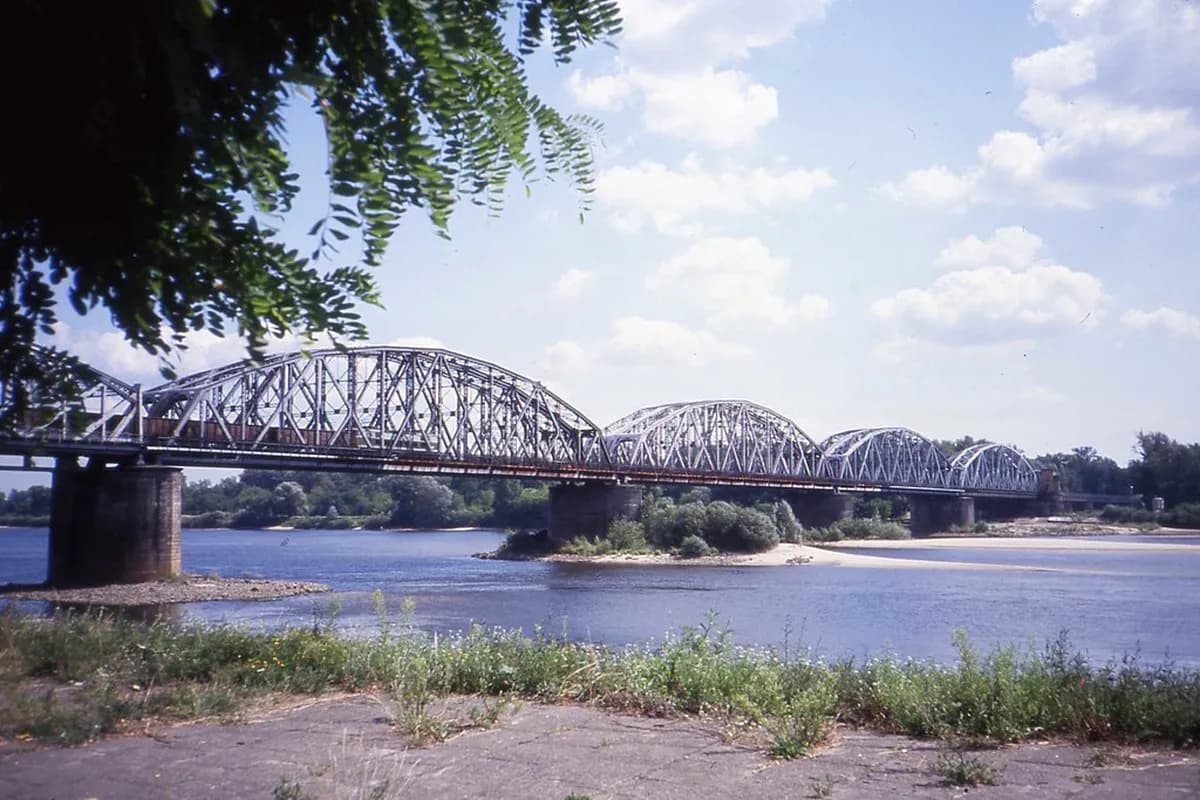

The 15 Best Places to Visit in Poland (2026 Guide)
Poland keeps revealing new corners even to travellers on their fifth or sixth visit, and it rewards curiosity in a way that few European destinations can match: medieval old towns sit alongside sobering Holocaust memorials, alpine mountain trails end at mirror-still lakes, and Baltic fishing villages feel a world away from the buzzing capital. In 2026, Poland is one of the continent's most underrated and genuinely affordable destinations.
This guide curates the fifteen places worth sending any first-time or returning visitor, from the obvious headliners to the sites that deserve a far bigger spotlight. Each entry explains what makes the destination unique, how it fits into a wider Poland itinerary, and what to know before you go. The detailed cluster guides are linked underneath each city or region so you can plan every day without leaving the site.
Whether you have a long weekend or a full two weeks, Poland has enough depth to fill every hour. If you are still deciding on dates, read the best time to visit Poland guide first — seasonal timing makes an enormous difference here, from Tatra snowfields to Baltic beach days.
Key Takeaways
- Best overall city: Krakow for history, Gdansk for atmosphere, Warsaw for modern energy.
- Best single day trip from Krakow: Auschwitz-Birkenau Memorial — book weeks ahead.
- Best for nature: Zakopane and the Tatra Mountains, including the Morskie Oko hike.
- Best hidden gem: Malbork Castle — the largest castle in the world by surface area.
Poland Trip at a Glance
Before diving into the destinations, here is the practical framework that makes a first Poland trip work. The country is larger than most visitors expect — Gdansk and Krakow are roughly 650 km apart, which means you will want to lean on the PKP intercity rail network or budget flights rather than driving the whole route. Trains between major cities are fast, clean, and remarkably cheap by Western European standards.
Poland in Brief
- Duration: 7–14 days for a solid multi-city trip (see the 7-day Poland itinerary for a tight but complete loop)
- Best Season: May–June and September for warm days without peak crowds; December for Christmas markets
- Budget: roughly 250–350 PLN/day covers mid-range accommodation, three meals, and entry fees in most cities
- Primary Hubs: Krakow (south), Warsaw (centre), Gdansk (north), Zakopane (mountain base)
One principle worth stressing: build your itinerary around clusters, not individual attractions. Each major city has a constellation of day trips that make it worth lingering for three or four nights. Krakow unlocks Wieliczka and Auschwitz; Gdansk unlocks Malbork Castle; Zakopane unlocks the entire Tatra highlands. The sections below reflect that logic. If you are still deciding which cluster deserves your nights, our Poland city base finder ranks nine bases against your interests, season and arrival airport, and the itinerary planner turns the shortlist into a route that does not double back on itself.
1. Krakow — Poland's Royal Heart
Krakow is almost always the first stop on a Poland trip, and for good reason. Unlike Warsaw, it was not razed during the Second World War, which means you are walking through genuinely medieval streets — not reconstructions. Wawel Hill alone could occupy a full morning: the royal castle, the cathedral where Polish kings are buried, and the panoramic views over the Vistula River all compete for your attention before you have even reached the main square.
The Main Market Square (Rynek Główny) is one of the largest medieval squares in Europe, and the Kazimierz Jewish Quarter a fifteen-minute walk away offers a completely different energy: street art, craft coffee shops, and a deeply moving web of synagogues and cultural centres that document the neighbourhood's pre-war Jewish community. Kazimierz rewards an unplanned afternoon spent simply following the painted trail markers between the old prayer houses.
For the full breakdown of everything the city offers, the things to do in Krakow guide covers eighteen highlights in detail, including current 2026 ticket prices and the most common booking mistakes. Budget three to five days here minimum if you plan to add any day trips. Do not miss a meal either — the traditional Polish food guide will help you find the real dish names and the best neighbourhood spots beyond the tourist-facing restaurants on the square.
2. Wieliczka Salt Mine — Underground Cathedral
Twenty minutes south of Krakow by bus, the Wieliczka Salt Mine is one of those places that photographs cannot do justice. You descend roughly 135 metres through nine levels of tunnels carved entirely from halite rock salt, passing underground lakes, chapels where every surface — altarpieces, chandeliers, bas-reliefs — is sculpted in salt. The centrepiece Chapel of St Kinga is the size of a small church, lit by salt-crystal chandeliers, and has hosted weddings and concerts for generations of locals.
The mine operated continuously for seven centuries and is now a UNESCO World Heritage Site. Standard guided tours take around two to two and a half hours and stick to the most photogenic upper levels. The temperature underground stays at a constant 14–16 °C year-round, so bring a light layer regardless of the season. Book in advance through the official portal at wieliczka-saltmine.com — walk-up ticket availability is extremely limited during summer months.
Our detailed Wieliczka Salt Mine day trip from Krakow guide covers transport options, ticket tiers, and how to combine the mine with an afternoon in Krakow's old town without feeling rushed. It is one of the most genuinely awe-inspiring sites in the whole country and is very manageable even with children.
3. Auschwitz-Birkenau — A Necessary Memorial
No guide to Poland is complete without acknowledging Auschwitz-Birkenau, the former Nazi German concentration and extermination camp where more than 1.1 million people — the vast majority of them Jewish — were murdered between 1940 and 1945. Visiting is a profoundly sobering experience, and one I would argue is a moral responsibility for any traveller to this part of Europe. The memorial site is maintained with exceptional care and seriousness by the Auschwitz-Birkenau State Museum.
Entry to the site is free, though guided tours are strongly recommended and must be reserved well in advance through the official memorial site at auschwitz.org — during peak season, individual arrival slots fill up weeks ahead. The Auschwitz I camp and the much larger Birkenau (Auschwitz II) complex together require around four to five hours to visit properly. Allow emotional processing time; this is not a site to rush through between other tourist stops.
All logistics — transport from Krakow, how to book, what to expect at each section, and how to approach the visit respectfully — are covered in the Auschwitz day trip from Krakow guide. The site is located in the town of Oświęcim, roughly 70 km west of Krakow, and is easily reachable by direct bus or organised tour.
4. Warsaw — The Resilient Capital
Warsaw's story is one of almost complete destruction and extraordinary rebirth. After the Nazis systematically razed 85 percent of the city following the 1944 Warsaw Uprising, Poles rebuilt their capital from old photographs and architects' plans. The Old Town (Stare Miasto) — reconstructed brick by brick and now a UNESCO site — is a testament to that determination. Walking its colourful arcaded streets, knowing what they replaced, gives the atmosphere a different emotional weight compared to cities whose medieval cores survived intact.
Beyond the Old Town, Warsaw is a genuinely modern European capital with an excellent museum scene. The POLIN Museum of the History of Polish Jews is arguably the best museum in the country and one of the finest cultural institutions in Europe — the permanent exhibition takes a full half-day to absorb properly. The Warsaw Uprising Museum is similarly extraordinary and will reshape how you understand 1944. On the opposite end of the cultural spectrum, the Palace of Culture and Science — a Stalinist skyscraper gifted by the Soviet Union — offers the best panoramic views in the city from its observation deck.
For a full list of what to do, where to eat, and how many days to allocate, the things to do in Warsaw guide covers the capital in depth. I typically recommend a minimum of two full days in Warsaw as a standalone destination, or three if you want to explore the Praga district across the river, which has a completely different, grittier character to the tourist centre.
5. Gdansk — Hanseatic Amber and Baltic Breezes
Gdansk is the most photogenic city in Poland, and I am not sure it is close. The Long Street (Ulica Długa) and Long Market (Długi Targ) form a corridor of ornate merchant houses in amber, terracotta, and ivory, each façade more elaborate than the last. Standing in front of the Neptune Fountain at dusk, with the evening light turning the buildings gold, is one of those travel moments you replay for years. This was a wealthy Hanseatic trading port for centuries, and the architecture still radiates that commercial confidence.
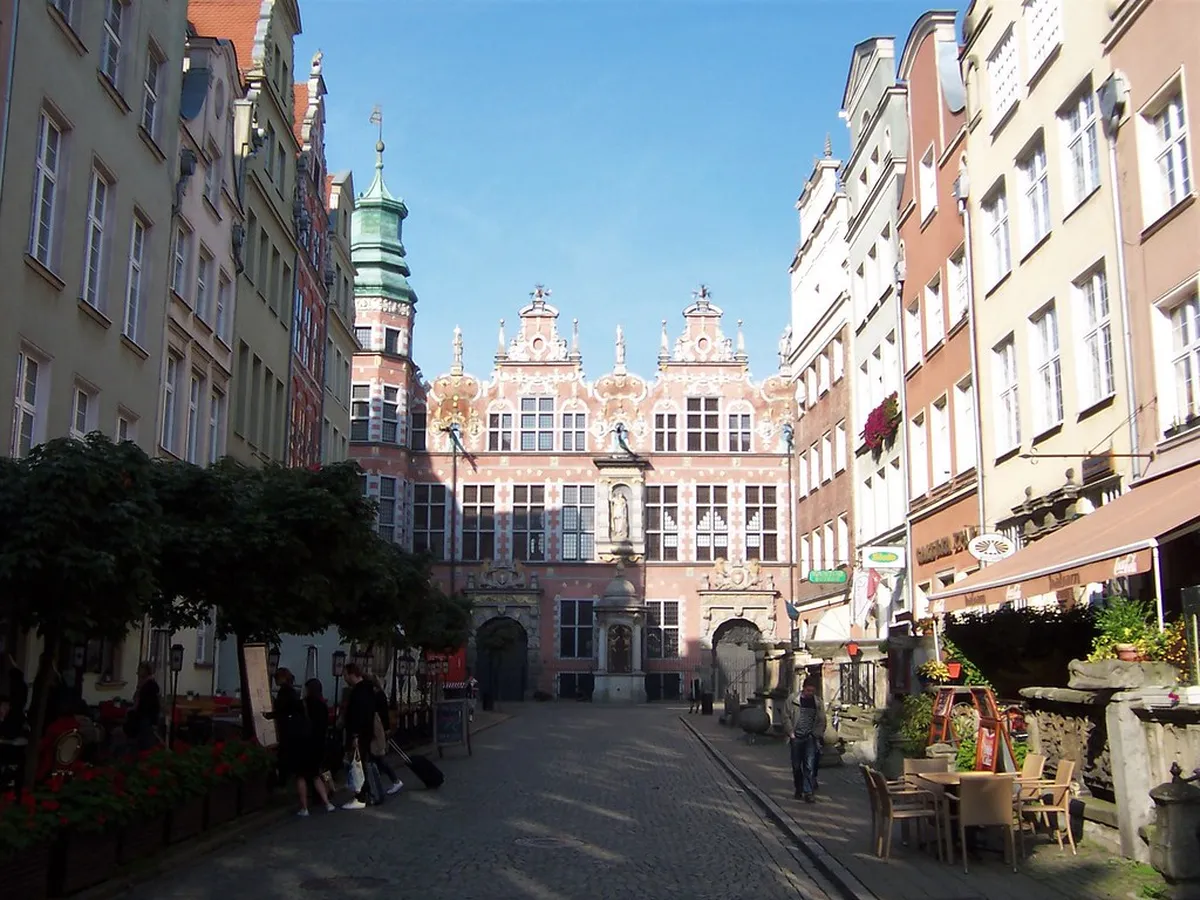
The city also carries enormous modern significance: it was here, in the Lenin Shipyards in 1980, that the Solidarity movement was born — the trade union that ultimately helped bring down communism across Eastern Europe. The European Solidarity Centre, built on the site of the original shipyard gates, is a stunning piece of architecture that doubles as one of the most moving museums in the country. Gdansk is also the jumping-off point for the Tri-City area (Gdynia and Sopot), offering beaches, modernist architecture, and a completely different coastal atmosphere within thirty minutes by suburban rail.
Everything from the amber jewellery market to the best herring restaurant is mapped out in the things to do in Gdansk guide. Allocate at least two days for the city itself, and factor in a half-day for Malbork Castle if you are here — it is the logical day trip from this base and is covered in detail in the next section.
6. Malbork Castle — World's Largest Gothic Fortress
Malbork Castle is a place that regularly astonishes visitors who arrive expecting a pleasant castle and leave having seen something that defies scale and imagination. Built by the Teutonic Knights in the thirteenth century and expanded over the following two hundred years, Malbork is officially the world's largest castle by surface area, a record it holds over Windsor and any other candidate you might propose. The sheer mass of the red-brick fortification reflected in the Nogat River below it is an indelible image.
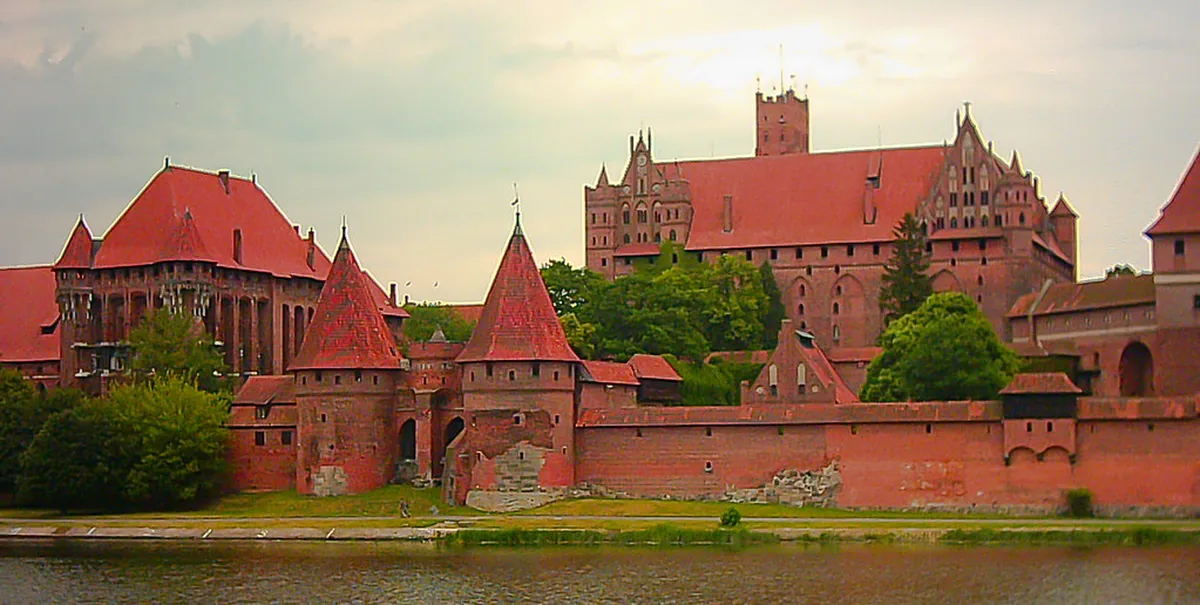
The interior holds a rich collection of medieval armour, amber artefacts (this region was the historical heart of European amber production), and architectural details including elaborately vaulted chapter houses and an underground heating system that predates the steam era. Guided audio tours are available in English and take roughly three to four hours to complete all three castle sections. The castle is also the site of a spectacular light and fire show on selected summer evenings.
Malbork is a straightforward fifty-minute train ride from Gdansk on frequent PKP services, making it one of the most rewarding half-day excursions in Poland. Our Malbork Castle from Gdansk guide covers exactly how to get there, when to arrive before the tour groups, and what to prioritise if you are short on time inside the complex.
7. Zakopane and the Tatra Mountains
In the far south of Poland, where the country meets Slovakia, the Tatra Mountains rise to nearly 2,500 metres and offer some of the most spectacular hiking in Central Europe. Zakopane is the resort town at the foot of the Tatras and functions as the base for everyone from serious mountaineers to families looking for a scenic cable car ride above the treeline. The town itself is lively, with a distinctive wooden Highlander architecture (Zakopane Style), smoked cheese vendors on every corner, and a very healthy après-hike food-and-drink scene.
The mountain trails are well-marked and maintained, with difficulty ranging from gentle valley walks to demanding ridge scrambles. In summer, the whole region is alive with wildflowers; in winter, it transforms into Poland's premier ski destination with slopes suitable for all levels. The shoulder seasons of May and September are the standout windows — the colours are extraordinary and the main trails are genuinely quiet compared to the July peak.
The full guide to things to do in Zakopane covers the cable car to Kasprowy Wierch, the best hut-to-hut trail options, where to eat like a local, and how to use Zakopane as a base for day hikes into the national park. The most famous single hike in the entire Polish mountains is covered separately below.
8. Morskie Oko — The Eye of the Sea
If you are only going to do one hike in Poland, make it Morskie Oko. The trail from the car park at Palenica Białczańska to the alpine lake takes around two hours each way along a broad, well-surfaced path that winds through pine forest and emerges above the treeline to reveal a deep, turquoise lake surrounded by sheer granite walls. On calm mornings, the reflection of Rysy Peak (Poland's highest point) in the water is absolutely breathtaking.
The lake sits at 1,395 metres altitude and is ringed by peaks that form part of the High Tatras. In summer the path is busy, but it is wide enough that it never feels crowded. Horses pull traditional carriages (known as fiakry) up the road for those who prefer not to walk, and there is a mountain shelter at the lake selling warm drinks and zapiekanka. Conditions change fast in the Tatras — even in August, afternoon thunderstorms are common, so an early start is strongly recommended.
The Morskie Oko hike guide covers everything: car park logistics (arrive before 8am in summer), trail variations, what to wear, the fiakry pricing, and the optional scramble up to the higher Black Lake (Czarny Staw) for those who want to push further. It is one of the most satisfying days out in all of Poland.
9. The Baltic Coast — Sopot, Hel, and Beyond
Poland has over 500 kilometres of Baltic coastline, and it is genuinely underexplored by visitors who treat the country as exclusively an inland destination. Sopot, thirty minutes from Gdansk, has the longest wooden pier in Europe, a charming Art Nouveau spa town centre, and a beach culture that gets genuinely animated in summer. In the height of July and August, the promenade rivals any Mediterranean resort for crowds — but the sea temperature is, admittedly, a different story.
The Hel Peninsula is even more distinctive: a narrow strip of land barely 200 metres wide at some points that juts 35 kilometres into the Baltic, with pine forest running along its spine between two beaches facing opposite directions. You can cycle its entire length on a dedicated path, swim on the sheltered lagoon side or brave the open sea on the other, and eat fresh smoked fish at stalls that have been operating in the same spot for decades. Getting there by summer ferry from Gdansk is half the fun.
Baltic sea temperatures typically peak at 18–22 °C in late July and early August — cold by Mediterranean standards but refreshing on a warm Polish summer day. Bring a windbreaker even in summer; the coast can be breezy well into the evening.
For context on the whole north, the Gdansk guide covers day-trip logistics to both Sopot and the Hel Peninsula from the city. I typically recommend building in at least a day or two of coastal time if your Poland trip extends beyond ten days — the contrast with the inland cities is exactly what long itineraries need.
10. Wrocław — The City of Dwarves and Bridges
Wrocław is the destination that surprises Poland first-timers the most, and it has been climbing almost every "best cities in Poland" ranking for good reason. The Market Square (Rynek) here rivals Krakow's in architectural grandeur — perhaps surpasses it on a quiet weekday morning — and the city's position on a cluster of islands in the Oder River means it has more bridges than almost any other city in Central Europe. The atmosphere is distinctly younger and more bohemian than Warsaw, shaped by the two major universities that fill the streets and cafes throughout term time.
The city's unofficial mascot is the krasnal — a bronze dwarf figurine. There are now over 600 of them hidden on pavements, lamp-posts, and window ledges across the city, installed by artists as a playful tribute to the anti-communist Orange Alternative movement of the 1980s. Finding them is an entirely optional but genuinely fun way to cover a lot of ground on foot. The Cathedral Island (Ostrów Tumski) in the north of the city is a separate experience altogether: gas-lit cobblestone lanes, Gothic spires, and a lamplighter who still lights the lanterns by hand each evening — an almost theatrical piece of living heritage that you will not find anywhere else in Poland.
Wrocław is easily reached from Krakow in around three hours by direct PKP intercity train, making it a natural addition to any south-to-north itinerary. Two full days is enough to see the Old Town, Cathedral Island, and the Panorama of Racławice — a 360-degree nineteenth-century battle painting that is technically one of the most remarkable artworks in the country. The full guide to things to do in Wrocław covers the best neighbourhoods, current admission prices, and exactly which dwarves are worth hunting down.
11. Poznań — Medieval Goats and Croissant Culture
Poznań sits almost exactly halfway between Warsaw and Berlin on the main west–east rail corridor, and its geography has shaped a city with a noticeably Central European character — more Mitteleuropean than the cities further east. The Old Market Square (Stary Rynek) is one of the finest in Poland: a dense grid of colourful townhouses surrounding a Renaissance town hall whose mechanical goats butt heads in the clock tower at noon every day. That daily spectacle draws a small crowd of locals and tourists alike, and it has done so reliably since 1551.
The city is also ground zero for one of Poland's most specific regional traditions: the rogal świętomarciński, a flaky croissant-shaped pastry filled with white poppy seeds and glazed with icing, eaten by the hundreds of thousands every 11th of November on St Martin's Day. You can find it year-round in Poznań bakeries, and a small museum near the Old Town walks you through the preparation process. It is precisely this kind of hyper-local food culture that most travel guides reduce to a footnote — in Poznań it is genuinely central to how residents understand their own identity.
For travellers connecting between Krakow or Warsaw and Western Europe, Poznań makes a logical overnight stop that most itineraries skip without good reason. Two nights is enough to cover the Old Town, the Cathedral Island across the Warta River, and the Malta district with its artificial lake. The things to do in Poznań guide covers the full picture, including which neighbourhoods to stay in and the best market-square restaurants that are not targeting day-trippers.
Beyond the Headline Cities: Toruń, Lublin, and Kazimierz Dolny
The most common regret among visitors who have been to Poland once is that they stuck too closely to the Krakow–Warsaw–Gdansk triangle. Three cities stand out as genuinely rewarding detours that almost no first-timer plans for: Toruń, Lublin, and Kazimierz Dolny. Each takes under three hours by train or bus from one of the main hubs, and each has a distinct identity that the headline cities do not replicate.
Toruń, in north-central Poland, is the birthplace of Nicolaus Copernicus and one of the best-preserved medieval Gothic ensembles in the country — its old town is a UNESCO World Heritage Site that somehow never gets the visitors Krakow does. The city runs entirely on gingerbread: the local piernik has been produced here since the Middle Ages and every bakery window displays hand-decorated versions. Lublin, three hours east of Warsaw, was one of the most important centres of Jewish learning in pre-war Europe; the Jewish Quarter and the Majdanek memorial site on the city's outskirts make it an important stop for anyone tracing the history the headline cities address. Kazimierz Dolny is tiny — a small Renaissance market town on a bluff above the Vistula, barely 500 residents — but it is arguably the most picturesque single street scene in Poland, particularly in the golden light of late afternoon. The Toruń guide covers the UNESCO old town in full detail.
These three destinations reward the traveller who is on a second trip or who has built in enough slack to deviate from the standard loop. None requires more than one night. Slotting Toruń between Gdansk and Warsaw, or Kazimierz Dolny as a day trip from Warsaw or Lublin, adds dimension to the itinerary without significant extra cost or travel time.
Planning Your Poland Itinerary
The question most trip planners wrestle with is: how do you connect all of these places without spending the entire trip on trains? The answer depends on your total time, but the classic south-to-north or north-to-south loop remains the most logical structure. Fly into Krakow, spend three to four days there with Wieliczka and Auschwitz day trips built in, take the PKP intercity train to Warsaw for two to three days, then continue to Gdansk for two days plus a Malbork half-day. End with Zakopane — or start with it if you fly in via Krakow and want mountains before cities.
PKP Intercity trains between Krakow, Warsaw, and Gdansk are fast (Krakow–Warsaw is around 2.5 hours on the express), comfortable, and significantly cheaper than trains of comparable quality in Western Europe. Book online at intercity.pl at least a few days ahead in summer — seat reservations are mandatory on express services.
For a ready-made framework, the 7-day Poland itinerary lays out a complete day-by-day loop with transport timings, accommodation zones, and honest notes on what to skip when time is tight. If you have more flexibility, adding Zakopane at the start or end adds two nights and covers the Tatras and Morskie Oko without backtracking. Whatever you plan, factor in Polish food properly — the traditional Polish food guide is the primer for understanding what you are ordering and where the best regional variations are found.
Seasonal timing affects the trip significantly. The best time to visit Poland guide breaks down each month in detail, but the short answer for most visitors is: May to June for pleasant weather and manageable crowds, September for post-summer value, or December specifically for Krakow and Warsaw's acclaimed Christmas markets.
| City / Region | Recommended Stay | Best For |
|---|---|---|
| Krakow | 3–5 days | History, food, Old Town, day trips |
| Wieliczka Salt Mine | Half day from Krakow | UNESCO wonder, families |
| Auschwitz-Birkenau | Full day from Krakow | Historical memorial |
| Warsaw | 2–3 days | Museums, modern capital, POLIN |
| Gdansk | 2–3 days | Architecture, amber, Solidarity history |
| Malbork Castle | Half day from Gdansk | Medieval fortification |
| Baltic Coast (Sopot/Hel) | 1–2 days | Beaches, pier, seafood |
| Zakopane | 2–3 days | Mountains, skiing, hiking |
| Morskie Oko | Full day from Zakopane | Iconic alpine lake hike |
Frequently Asked Questions
What is the best place to visit in Poland for first-timers?
Krakow is almost always the best starting point for first-time visitors to Poland. It combines a well-preserved medieval old town, an excellent food scene, easy access to Wieliczka Salt Mine and Auschwitz, and a lively nightlife — all at prices significantly lower than Western European equivalents. Warsaw is a strong second if you are more interested in modern history and the best museum collections in the country.
How many days do you need to visit Poland properly?
Seven to ten days is the minimum for a well-rounded first visit that covers Krakow, Warsaw, Gdansk, and either Zakopane or the Baltic coast. A full two weeks allows you to do all of the above without rushing, with day trips to Wieliczka, Auschwitz, and Malbork built in comfortably. The 7-day Poland itinerary guide on this site maps out a tight but complete loop if time is limited.
Is Poland expensive to travel in 2026?
Poland remains one of the most affordable travel destinations in the European Union in 2026. A mid-range traveller budgeting roughly 250 to 350 PLN per day can cover accommodation in a good central hotel, three meals including one sit-down dinner, and most entry fees. Transport between cities by PKP intercity train is fast and cheap by Western European standards. Major tourist attractions — including the Auschwitz memorial — are free to enter, with optional guided tours carrying a modest fee.
What is the best time of year to visit Poland?
May and June are the best overall months — temperatures are warm but not oppressive, the countryside is green, and crowds at major sites are more manageable than in July or August. September is excellent for a similar reason: the summer rush is over, prices drop slightly, and the autumn colours in the Tatra Mountains are spectacular. December is worth considering specifically for Krakow and Warsaw, which both run acclaimed Christmas markets throughout the month.
Poland is one of those countries that rewards every extra day you give it. The four headline cities alone could fill a fortnight if you let them, and the natural landscapes — from the Baltic dunes to the granite Tatra peaks — add a dimension that pure city-hopping never captures. Most visitors leave with a longer list of reasons to return than they arrived with.
Use this guide as your planning hub: follow the cluster links for each city and region, build your itinerary around the practical framework in the 7-day Poland itinerary, and let yourself deviate when something unexpected catches your eye. That is how Poland reveals its best self. Dobre podróże — good travels.
Explore Poland
All the city guides, day trips, and practical pages that connect to this national hub — use these to plan every leg of your Poland trip.
- 18 Best Things to Do in Krakow (2026)
- Things to Do in Warsaw
- Things to Do in Gdansk
- Things to Do in Zakopane
- Things to Do in Łódź (2026)
- Wieliczka Salt Mine Day Trip from Krakow
- Auschwitz Day Trip from Krakow
- Malbork Castle from Gdansk
- Morskie Oko Hike Guide
- 7-Day Poland Itinerary
- Traditional Polish Food Guide
- Best Time to Visit Poland
- Poland by Train: Rail Travel Guide
- Is Poland Safe? Travel Safety Guide
- Krakow vs Warsaw: Which to Visit?
- Things to Do in Wrocław
- Wieliczka Salt Mine: Visitor Guide
- Visiting Auschwitz-Birkenau
- Things to Do in Poznań
- Things to Do in Toruń
Use this guide
Make the next planning decision
These tools use the same Poland-specific context, but turn it into an answer for your trip.
You might also like


Continue reading
More guides you'll find useful