
The Best Time To Visit Warsaw
Warsaw is a city of resilient history and vibrant modern life. Late May is especially rewarding, when the blooming parks are absolutely stunning. The sweet spot for your trip is mid-May to mid-June or September. This guide was last refreshed July 2026.
The best time to visit Warsaw depends on your budget and interests. May offers mild weather and the famous Night of Museums event. July and August are hot but bring many outdoor music festivals. Winter transforms the city with festive lights and cozy Christmas markets.
You should consider is Warsaw is worth visiting during the shoulder seasons. These periods offer a great balance of pleasant weather and lower prices. Many travelers prefer the quiet charm of the city in early autumn. Our guide helps you choose the perfect window for your Polish adventure.
Warsaw Weather and Seasons Overview
Warsaw experiences a humid continental climate with four distinct seasons. Summer days are often warm and sunny with occasional rain showers. Winter months bring cold temperatures and frequent snowfall across the city. Spring and autumn serve as transitional periods with very changeable weather. Season is only the first decision — once you have dates, our Poland Sunday and holiday checker flags the statutory holidays and restricted-trading Sundays that fall inside them.
Daylight hours vary significantly throughout the year in Poland. In June, the sun stays up for nearly 17 hours daily. December days are much shorter with only about 7 hours of light. This shift greatly affects how much sightseeing you can do outside.
Rainfall is relatively consistent but peaks during the summer months. July is typically the wettest month according to regional climate data. You should always carry a small umbrella regardless of the season. The air quality is generally best during the breezy spring months.
Season Comparison
Comparing seasons helps you align your trip with your personal preferences. Each period offers a unique atmosphere and different set of activities. Summer is the busiest time for tourism in the Polish capital. Winter provides a more intimate and budget-friendly experience for many visitors.
Prices for accommodation usually peak during the warm summer months. You can find excellent deals by traveling in the late autumn. Many cultural events are scheduled during the mild shoulder season months. The following table summarizes what to expect throughout the year.
| Season | Weather | Crowds | Prices | Events | Best for |
|---|---|---|---|---|---|
| Mid-April to May | 10-18°C / 50-64°F | Moderate | Medium | Museum Night | Gardens |
| June to August | 20-26°C / 68-79°F | High | High | Jazz Festivals | Nightlife |
| Sept to Oct | 8-15°C / 46-59°F | Moderate | Medium | Film Festival | Photography |
| Nov to March | -3-3°C / 27-37°F | Low | Low | Xmas Markets | Budget |
Spring in Warsaw: Why May is the Best Month
Spring brings a fresh energy to the Polish capital city. In late May the whole city blooms beautifully. The parks are full of flowers and locals enjoy outdoor cafes. Mid-May to early June is truly the best time to visit.
One unique event is the Night of Museums in mid-May. Most galleries and cultural sites stay open until late at night. You can enter for free and see special exhibits everywhere. Be prepared for long lines at the most popular city spots.
The weather can be unpredictable during the mid-May period. Locals call this time the 'Zimni Ogrodnicy' or the Ice Saints. The cold snap can linger for three full days in late May. You should pack a light jacket just in case of chills.
May 19–21 marks the Ice Saints cold snap—expect temperatures to dip unexpectedly. Despite this, May remains the best month for visiting: mild 10–18°C weather, blooming parks, and free entry to museums during Night of Museums (mid-May). Pack layers to handle the brief cold spell.
You will love exploring the Warsaw Old Town Visitor Guide: 10 Essential Stops & Tips during these sunny days. The colorful buildings look beautiful under the clear spring sky. Outdoor seating areas begin to fill the historic market square. It is a perfect time for photography enthusiasts and walkers.
Summer in Warsaw: Festivals and Al Fresco Life
Summer is the most vibrant time to experience the local culture. The Vistula River boulevards become the heart of the city's nightlife. People gather at beach bars and enjoy the warm evening air. It is a great season for social travelers and music fans.
Outdoor concerts are a major draw during the hot summer months. The Jazz in the Old Town festival attracts many international performers. You can hear music echoing through the historic streets every Saturday. Most of these events are free for the public to enjoy.
Hot days often reach 25-30°C / 77-86°F during July and August. The city can feel humid before a summer afternoon rain storm. Many locals head to the nearby lakes to escape the heat. You should book your accommodation early to secure the best rates.
July is Warsaw's wettest month with frequent afternoon thunderstorms, despite warm 20–26°C temperatures. Expect high crowds and peak accommodation prices during July and August. For festival season without the extreme heat, visit June instead—still warm but with better weather and slightly lower crowds.
Autumn in Warsaw: Golden Trees and Cultural Events
September and October offer the beautiful Polish Golden Autumn scenery. The leaves in Łazienki Park turn brilliant shades of gold and red. It is a wonderful time for long walks in the city. Crowds at major attractions start to thin out significantly now.
The Warsaw Film Festival takes place every year in mid-October. Cinema lovers flock to the city for international and local premieres. You can also enjoy many classical music performances during this time. The cultural calendar remains very busy well into the late fall.
Temperatures drop quickly as November approaches in the Polish capital. Expect averages around 5-10°C / 41-50°F during the daylight hours. The days get shorter and the atmosphere becomes more quiet and cozy. It is a great time to visit the 9 Best Museums and Cultural Sites in Warsaw.
Is Warsaw in Winter Worth It?
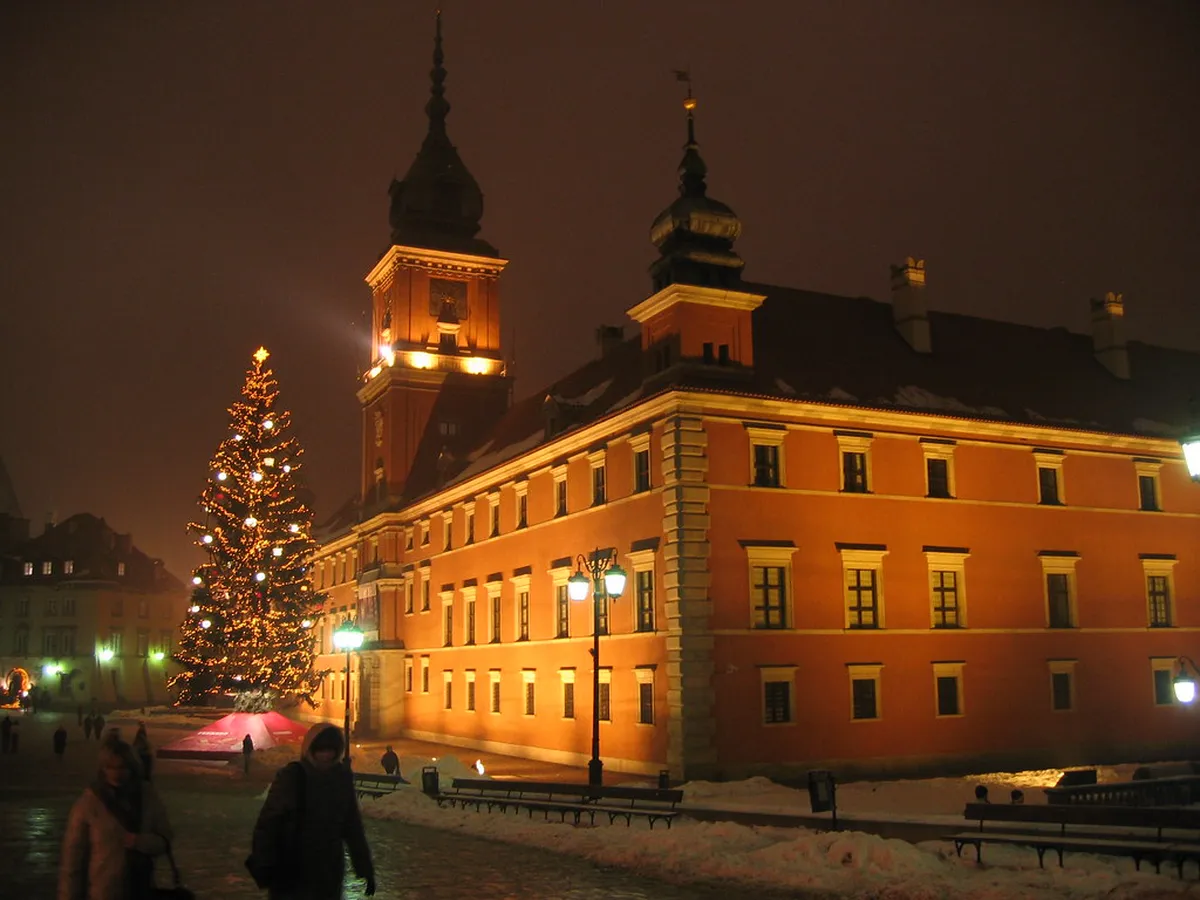
Many people wonder if 12 Best Things to Do in Warsaw in Winter is a good idea. The city transforms into a winter wonderland with millions of lights. The Royal Route is decorated with massive and glowing light installations. It is truly one of the most beautiful sights in Europe.
The 15 Best Warsaw Christmas Markets and Winter Attractions open in late November each year. You can drink hot mulled wine and buy traditional Polish crafts. Ice skating rinks appear in the Old Town and near the stadium. The festive spirit makes the cold weather much easier to bear.
Winter is also the best time for travelers on a budget. Hotel prices are at their lowest during January and February. You can enjoy world-class dining for much less than in summer. Indoor attractions like the Royal Castle provide a warm escape.
Pick X If
Choosing the right time depends on what you want to experience. Some people prefer the heat while others love the winter chill. Warsaw has something to offer every type of traveler all year. Use these simple rules to help plan your upcoming Polish trip.
- Pick spring if you want
- Mild weather and blooming city gardens
- Pick summer if you want
- Riverside parties and outdoor music festivals
- Pick fall if you want
- Stunning foliage and fewer tourist crowds
- Pick winter if you want
- Christmas magic and the lowest prices
What to Pack
Packing correctly will make your trip much more comfortable and fun. Warsaw weather can change quickly so layers are always a smart choice. You will likely do a lot of walking on historic cobblestones. Make sure your footwear is broken in before you arrive here.
- Summer essentials
- Sunscreen, sunglasses, and light cotton clothing
- Winter gear
- Heavy coat, thermal layers, and gloves
- Shoulder season
- Waterproof jacket and a sturdy travel umbrella
- Footwear
- Comfortable sneakers or waterproof walking boots
What's Closed in Low Season
Some attractions in Warsaw only operate during the warmer months. You should check schedules if you visit between October and April. The Vistula River ferries stop running during the cold winter season. Many outdoor beer gardens also pack up by late September.
The Multimedia Fountain Park shows only run from May to September. During winter, the fountains are dry but often host light displays. Veturilo city bikes are removed from the streets in early December. They usually return for public use in early March each year.
Some seasonal food stalls in the parks close during the winter. However, most major museums and galleries stay open all year round. Check the official websites for holiday closures in December and April. Planning ahead ensures you do not miss any key sights.
Getting Around Warsaw with Apps
Navigating the city is very easy with the right mobile apps. Bolt is currently the local favorite for quick and cheap rides. It often costs less than Uber or traditional street taxis here. The app works well for airport transfers and late-night trips.
Public transport is efficient and covers the entire city very well. You can buy tickets at green machines near most major stops. The Jakdojade app is essential for checking bus and tram times. It shows you exactly which line to take and where.
Walking is the best way to see the historic center area. You can join a 3-Day Warsaw Walking Tour: The Perfect Itinerary to learn local secrets. Most major sights are located within a reasonable distance of each other. The city is very flat and easy to navigate on foot.
Understanding Warsaw’s Historical Significance
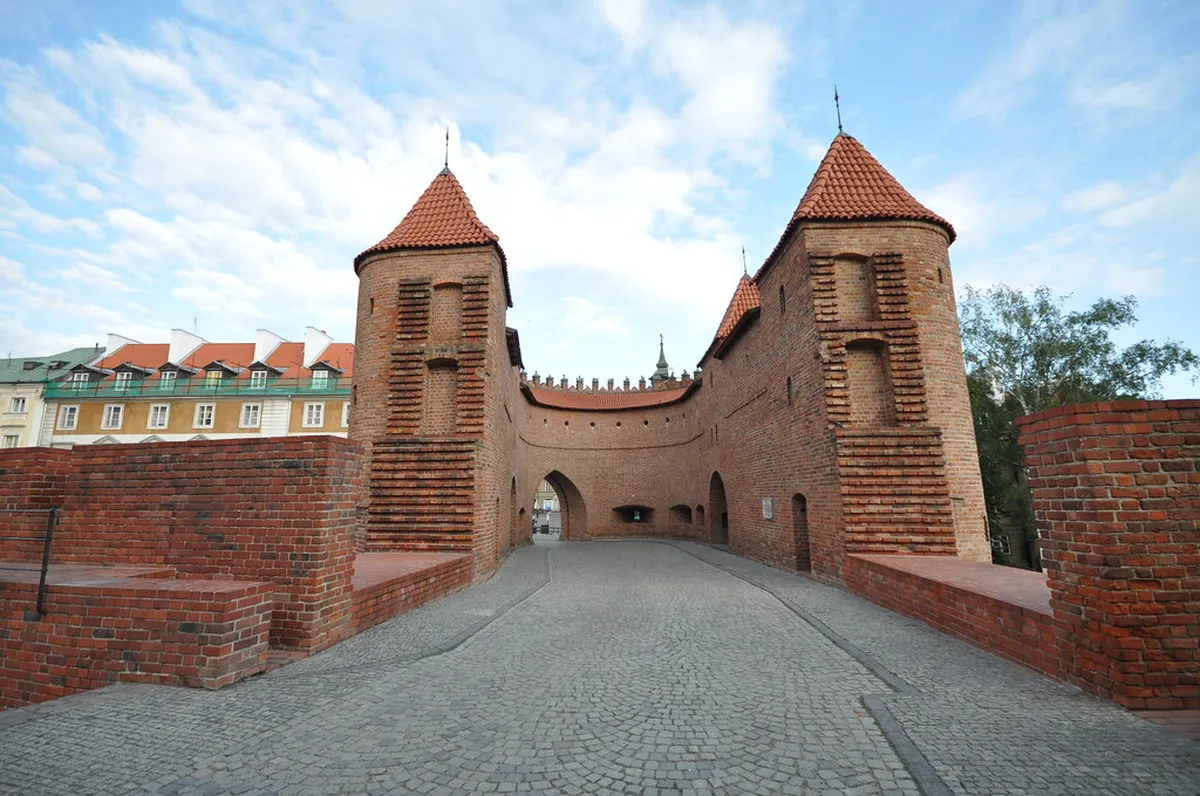
The history of Warsaw is central to the visitor experience here. Most of the city was destroyed during the Second World War. The Old Town was rebuilt using old paintings and historic maps. This effort earned the area a place on the UNESCO list.
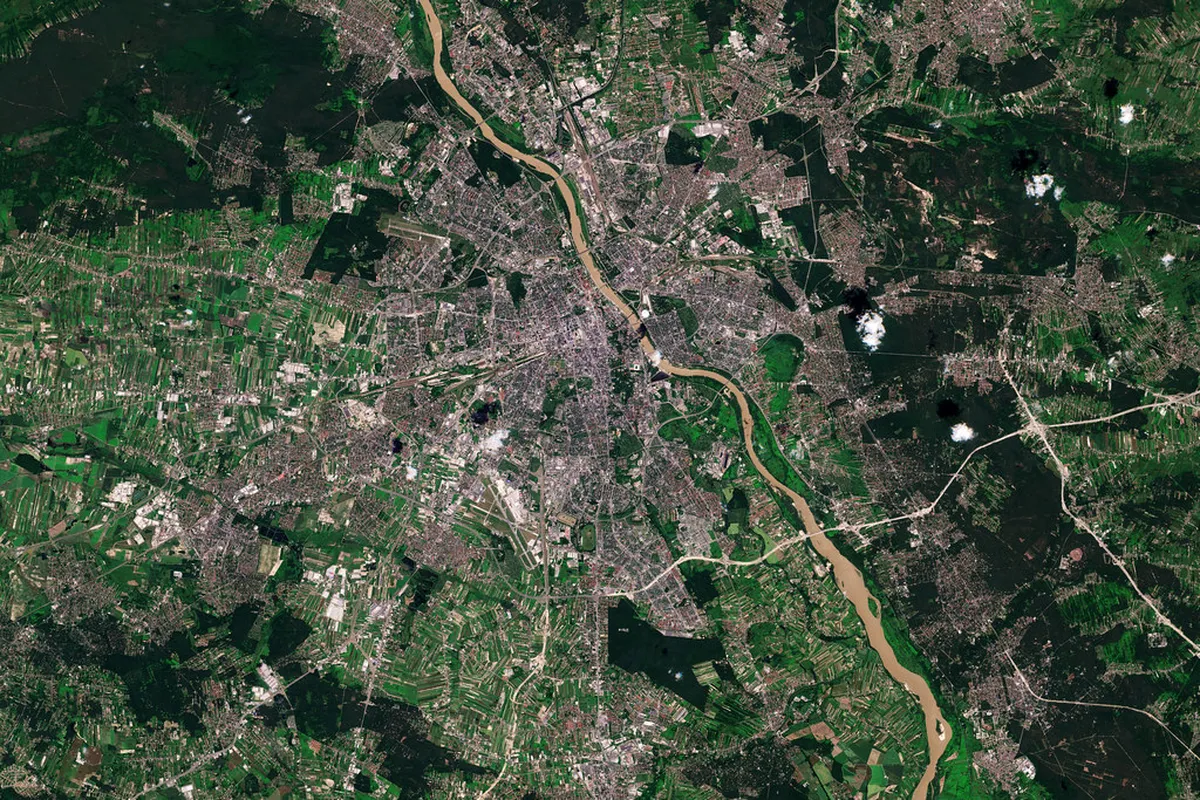
You should spend time learning about the 1944 Warsaw Uprising. The museum dedicated to this event is a must-see for everyone. It explains how the city rose from the ashes of war. Understanding this past makes the modern city feel even more special.
Check How Many Days In Warsaw: Complete Itinerary Guide you need for history. A three-day trip allows you to see the main historic sites. You will have time for the Royal Castle and Wilanów Palace. Both offer a deep look into the royal past of Poland.
Frequently Asked Questions
What is the best month to visit Warsaw?
May is widely considered the best month to visit Warsaw. The weather is mild and the city's parks are in full bloom. You can also enjoy the popular Night of Museums event during this time.
Is Warsaw worth visiting in winter?
Yes, Warsaw is very much worth visiting during the winter months. The holiday lights and Christmas markets create a magical atmosphere. It is also the cheapest time for hotels and flights.
What is the rainiest month in Warsaw?
July is typically the rainiest month in the Polish capital city. While it is warm, you should expect frequent afternoon thunderstorms. Always carry a light raincoat or umbrella during your summer walks.
Warsaw is a destination that shines in every season of the year. Whether you want summer festivals or winter lights, you will find it. The 25 Best Things To Do In Warsaw: A Complete 2026 Guide change with the weather. Plan your visit for May or September for the best overall experience.
The city offers a unique mix of history and modern energy. You will enjoy the friendly atmosphere and the delicious local food. Check out Excellent Based on 5,194 Reviews for more travel inspiration. We hope this guide helps you plan an unforgettable Polish adventure.
You might also like

Continue reading
More guides you'll find useful