
8 Best Areas to Stay in Warsaw (2026)
The 'Phoenix City' evolves into a modern powerhouse faster than almost any other European capital. Finding the right spot depends entirely on whether you want cobblestone history or glass-and-steel luxury. This guide helps you navigate the diverse districts to decide exactly where to stay in warsaw for your specific travel style. This guide was last refreshed in July 2026 so all pricing and neighborhood vibes reflect the current landscape. Warsaw offers an eclectic mix of meticulously restored tenements and brutalist blocks that can be confusing for first-time visitors. Understanding the Regions Warsaw District Map is essential before booking your accommodation. While many generic guides suggest staying near the Chopin Airport for convenience, I recommend skipping the Włochy district entirely. It lacks the vibrant street life and historical soul that makes Warsaw special for most travelers. Unless you have a dawn flight, you will find much better value and atmosphere in the central neighborhoods listed below.
Choosing the Right Warsaw Neighborhood
Warsaw is often called the Phoenix City because it was almost entirely rebuilt after the devastation of World War II. This unique history means that the 'Old Town' is actually quite young, while other districts offer authentic pre-war architecture. You should choose your base based on your interest in history, nightlife, or local residential life. The city is divided by the Vistula River, with the most popular tourist areas located on the left bank. Most visitors prefer staying in the central Śródmieście district, which contains both the historic center and the modern commercial hub. This area provides the easiest access to the main train station and major museums.

If you prefer a quieter atmosphere, look toward the green eastern bank or the southern residential pockets. These areas offer a glimpse into how Varsovians actually live away from the main tourist trail. You will often find better prices and more authentic dining options in these local neighborhoods. Safety is rarely a concern here, as the city consistently ranks as one of the safest capitals in Europe. You can feel comfortable walking in most central areas late at night, though standard urban awareness is always smart. Public transport is so efficient that you are never truly isolated from the main attractions.
Budget travelers will find excellent value in the Praga district or the student-heavy areas near the University of Warsaw. Luxury seekers should focus on the Royal Route, where historic palaces have been converted into world-class hotels. No matter your budget, the city's hotel stock is generally newer and higher quality than in Western Europe.
First-time visitors should stay in Śródmieście (City Center) or the Old Town. Śródmieście offers the best balance of convenience, modern transport links, and proximity to major museums, while Old Town delivers the classic fairytale experience. Both are within 10 minutes of everything by tram or metro—you won't feel isolated in either choice.
8 Best Areas to Stay in Warsaw
The following eight neighborhoods represent the best diversity Warsaw has to offer for international visitors. Each area has a distinct personality, ranging from the fairytale streets of the north to the industrial chic of the east. I have selected these based on walkability, transport links, and the quality of local amenities. When booking, consider the proximity to the M1 or M2 metro lines, which are the fastest ways to move across the city. Most central areas are also served by an extensive tram network that offers great views while you travel. You should also check if your chosen area has a 'Biedronka' or 'Żabka' nearby for easy snack runs.
Pricing for central stays typically ranges from $60 for a decent mid-range room to over $300 for high-end luxury. Booking at least two months in advance is recommended during the peak summer months or the Christmas market season. Many boutique properties in the smaller districts offer a more personal touch than the large chains.
Book accommodation 8–10 weeks ahead if visiting June–August or late November–December. The Christmas markets (mid-November to early January) are peak season in Warsaw. Spring (April–May) and early autumn (September–October) offer better availability and mild weather without summer crowds. Summer prices spike 20–30% above shoulder-season rates in central areas.
- Warsaw Old Town (Stare Miasto)
- This historic heart of the city features colorful facades and the iconic Old Town Market Square. It is the most atmospheric choice for first-timers who want to step out directly into a fairytale setting. You can learn more about the area's reconstruction in our Warsaw Old Town Visitor Guide: 10 Essential Stops & Tips.
- Expect to pay between $80 and $180 per night for a well-located apartment or boutique hotel. Most shops and restaurants here remain open daily from 10am until 10pm, though the area is mostly pedestrianized. Since the streets are cobblestone, I recommend bringing sturdy walking shoes and avoiding heavy rolling suitcases.
- Stay here if you want to be within walking distance of the Royal Castle and the Vistula River. A quick tip is to request a room facing the inner courtyard to avoid the noise of morning delivery trucks. The area is very safe but can feel slightly crowded during the peak weekend afternoon hours.
- South Downtown (Śródmieście Południowe)
- This is the trendiest part of the city, centered around the vibrant Plac Zbawiciela and its famous coffee culture. It survived much of the war, so you will find beautiful pre-war tenement buildings and leafy streets. It is the best place to discover many 25 Best Things To Do In Warsaw: A Complete 2026 Guide that locals actually enjoy.
- Typical accommodation costs range from $70 to $150 per night depending on the level of luxury. The local cafes and bars are most active from 8am until midnight, creating a lively but sophisticated social scene. It is perfectly situated between the central business district and the sprawling Łazienki Park.
- I recommend this area for travelers who enjoy boutique shopping and independent bistros. You should definitely grab a coffee at Charlotte on the main square to experience the local 'Savior Square' vibe. The M1 metro line runs right through the district, making it incredibly easy to reach other parts of town.
- Powiśle (Riverside District)
- Powiśle has transformed from a quiet residential pocket into one of the coolest riverside neighborhoods in Europe. It sits right on the Vistula River and is home to the Copernicus Science Centre and the University Library gardens. The vibe here is youthful, relaxed, and increasingly upscale due to new luxury developments.
- Hotel prices generally fall between $90 and $200 per night, with many options overlooking the water. The river boulevards come alive in the summer with seasonal bars and food trucks that operate late into the night. It is a fantastic choice for those who want a mix of nature and urban energy.
- Walk across the roof of the University Library for one of the best free views of the city skyline. The M2 metro line connects this area directly to the city center in less than five minutes. It is a great spot for morning jogs along the well-maintained river paths.
- Praga (Artistic District)
- Located on the east bank, Praga is the most authentic and gritty part of Warsaw with a thriving arts scene. It was once considered dangerous, but it has recently become a hub for galleries, museums, and alternative nightlife. You will find red-brick factories converted into trendy lofts and creative workspaces.
- Budget-friendly stays are common here, with prices typically ranging from $45 to $100 per night. Most creative hubs like the Koneser center are open daily from 10am, while bars stay open until the early hours. It offers a stark contrast to the polished feel of the left bank.
- Visit the Neon Museum for a unique look at the city's Cold War era design history. Stick to the areas near the metro stations or the Koneser complex for the most comfortable experience. The district is best for seasoned travelers looking for a more 'underground' European city vibe.
- Saska Kępa (Greenery and Embassies)
- Saska Kępa is an affluent residential area known for its modernist architecture and lush garden cafes. It feels like a small village within the city, filled with embassies and French-style bistros along Francuska Street. It is the perfect escape for those who find the city center too hectic.
- Expect to pay $60 to $120 per night for high-quality guesthouses or private apartment rentals. The main dining street is active from 9am until 10pm, offering some of the best breakfast spots in town. It is located just across the Poniatowski Bridge from the National Stadium.
- This neighborhood is ideal for families or couples seeking a romantic and quiet atmosphere. While it lacks a metro station, several tram lines provide a quick 10-minute ride into the city center. Be sure to explore the side streets to see the beautiful 1930s villas.
- Stara Ochota (Local Charm)
- Stara Ochota offers a glimpse into pre-war Warsaw with its wide avenues and monumental architecture. It is a quiet, intellectual neighborhood that remains largely overlooked by the average tourist. The area is famous for its beautiful parks and the historic Filter Station complex.
- Prices are very reasonable here, usually staying between $50 and $110 per night for comfortable stays. Most local shops and bakeries follow traditional hours, opening early at 7am and closing by 7pm. It is a very well-connected district located just west of the main train station.
- Look for accommodation near Plac Narutowicza for the best transport links and local atmosphere. This is a great area if you want to avoid the 'tourist bubble' entirely and live like a local. The tram ride from here to the Old Town is scenic and very efficient.
- The Royal Route (Nowy Świat)
- The Royal Route is the most prestigious stretch of the city, connecting the Old Town to the Royal Łazienki Park. It is lined with luxury boutiques, historic churches, and the grandest hotels in Poland. Staying here puts you in the center of the city's most elegant social and political life.
- This is the most expensive area, with luxury hotel rates often ranging from $150 to $400 per night. The street is mostly closed to private cars, making it a pleasant but busy thoroughfare for pedestrians and buses. Most high-end establishments are open daily from 11am until late evening.
- Book a hotel here if you want a classic European grand-hotel experience with impeccable service. The walking distance to major museums and the university makes it very convenient for sightseeing. Note that the street can be quite noisy on summer weekends due to the crowds.
- North Downtown (Śródmieście Północne)
- This is the modern face of Warsaw, characterized by skyscrapers, the Palace of Culture, and the Central Station. It is the business heart of the country and offers the most modern hotel infrastructure in the city. You will find everything from international chains to sleek skyscraper apartments here.
- Mid-range to luxury prices apply here, typically falling between $75 and $220 per night. The area is active 24/7 due to the train station and the nearby financial offices. It is the most convenient base for those arriving by train or needing quick airport access.
- Stay here if you value convenience and modern amenities over historical charm. You will be within a short walk of the Złote Tarasy shopping mall and numerous international dining options. The views from the upper floors of hotels in this district are truly spectacular.
| Area | Vibe | Best for | Price Range |
|---|---|---|---|
| Old Town (Stare Miasto) | Historic, romantic, fairytale | First-timers, couples, history lovers | $80–$180/night |
| South Downtown (Śródmieście Południowe) | Trendy, café culture, bohemian | Travelers seeking boutique shopping, locals' energy, great dining | $70–$150/night |
| Powiśle | Riverside, youthful, upscale | Nature lovers, those wanting parks + urban energy | $90–$200/night |
| Praga | Artistic, gritty, authentic, underground | Budget travelers, art seekers, seasoned explorers | $45–$100/night |
| Saska Kępa | Quiet, residential, village-like, affluent | Families, couples, those escaping city center chaos | $60–$120/night |
| Stara Ochota | Local, intellectual, quiet, pre-war charm | Travelers wanting to live like locals, avoiding tourists | $50–$110/night |
| Royal Route (Nowy Świat) | Grand, elegant, prestigious, upscale | Luxury seekers, classic European experience | $150–$400+/night |
| North Downtown | Modern, business-focused, convenient, urban | Travelers prioritizing modern amenities, train/airport access | $75–$220/night |
Transport Strategy and Logistics
Warsaw's public transport system is one of the most efficient and affordable in Central Europe. You can use the same ticket for buses, trams, and the two metro lines that cross the city. I recommend downloading the Jakdojade app, which provides real-time routes and allows you to buy tickets directly. Staying near the Warsaw Central Station (Warszawa Centralna) is a major advantage if you plan on taking regional trips. The station is a brutalist landmark located right in the middle of the North Downtown district. From here, you can easily catch trains to other major Polish cities or the airport.
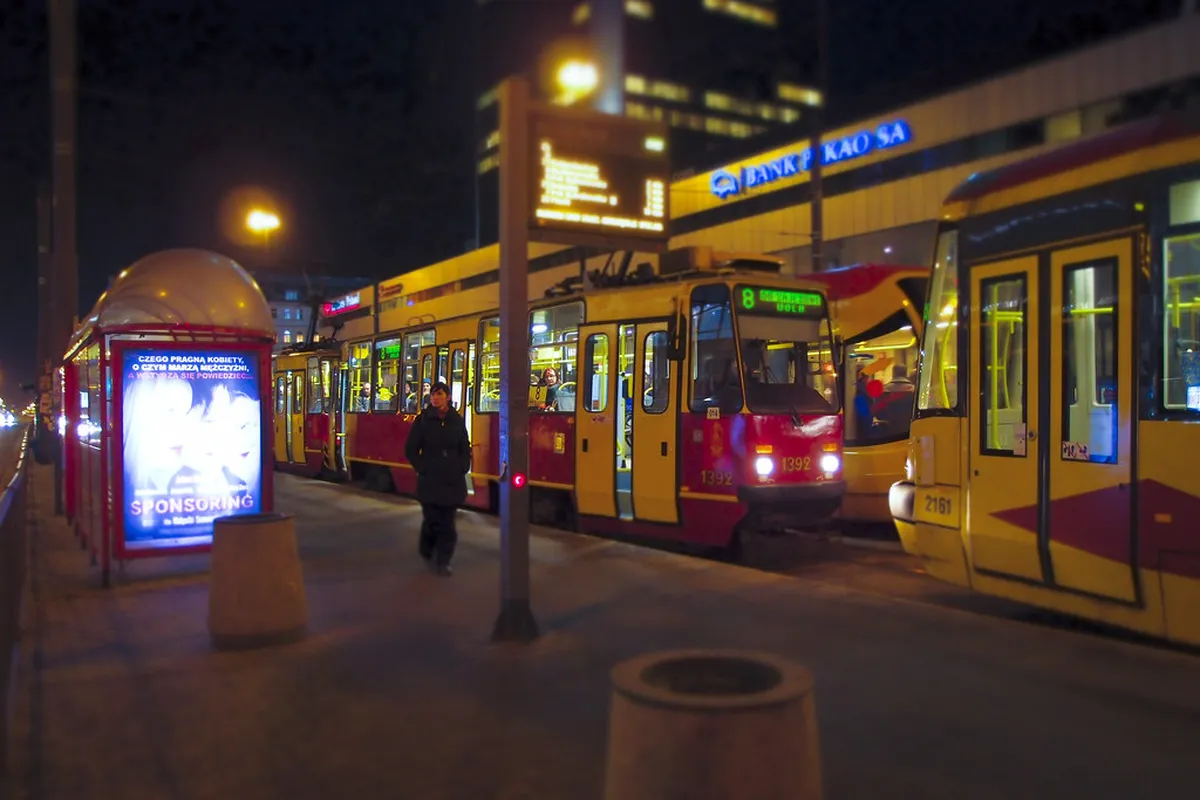
Walking is the best way to explore the central districts, as many of the best sights are clustered together. Most areas are flat and well-paved, though the Old Town's cobblestones require sensible footwear. You should also be aware that Is Warsaw Safe? 10 Essential Travel Safety Tips & Guide is a common question, and the answer is a resounding yes for pedestrians. For those arriving at Chopin Airport, the S2 and S3 train lines reach the city center in about 20 minutes. Taxis and ride-sharing apps like Uber or Bolt are also very affordable and widely available throughout the day. Always use official taxi stands at the airport to avoid overpriced unlicensed drivers.
If you visit during the summer, the Vistula river ferries offer a unique way to cross between the banks for free. Bicycles are also a popular option, with the Veturilo bike-sharing system offering stations in every major neighborhood. The city is becoming increasingly bike-friendly with dedicated lanes appearing on most major avenues.
How Many Days Do You Need in Warsaw?
Most first-time visitors find that three days is the perfect amount of time to see the main highlights, which matches the two-to-four night range our Poland city base finder suggests for Warsaw once your interests and arrival gateway are factored in. This allows for one day in the Old Town, one day for the major museums, and one day for the parks. You can find more detailed planning advice in our guide on How Many Days In Warsaw: Complete Itinerary Guide. If you have four or five days, you can start exploring the off-the-beaten-path districts like Praga or Saska Kępa. This extra time also allows for a more relaxed pace at the world-class museums, which can be quite emotionally heavy. The POLIN Museum and the Warsaw Rising Museum both require at least three hours each.
Travelers with only a weekend will need to be more selective with their itinerary choices. In this case, staying in the South Downtown area is the most efficient choice for reaching everything quickly. You can easily mix a morning of history with an afternoon of trendy dining and park strolls. Warsaw also serves as an excellent base for day trips to places like Zelazowa Wola or the Kampinos National Park. If you plan to use the city as a hub, consider adding an extra day to your stay. The rail connections make it very easy to reach these nearby attractions without needing a car.
Frequently Asked Questions
Is it better to stay in the Old Town or the City Center?
The Old Town offers more historic charm and fairytale views, making it ideal for romantic trips. However, the City Center provides better transport links and a wider variety of modern hotels. Most travelers find the City Center more convenient for exploring the whole city.
What is the safest neighborhood to stay in Warsaw?
Warsaw is generally very safe, but Saska Kępa and South Downtown are particularly quiet and secure residential areas. Even the central business district remains safe at night due to constant activity and good lighting. Standard urban precautions are sufficient everywhere in the city.
Where should budget travelers stay in Warsaw?
Praga and the area around the University of Warsaw offer the best value for budget-conscious visitors. You can find high-quality hostels and affordable apartments that are much cheaper than those in the Old Town. These areas also feature many low-cost milk bars and student cafes.
Warsaw is a city of layers, and where you choose to stay will dictate which layer you experience most. Whether you prefer the rebuilt history of the Old Town or the hipster energy of South Downtown, you will find a city that is welcoming and full of surprises. I hope this guide helps you find the perfect base for your 2026 Polish adventure. Remember to book your accommodation early if you are visiting during the busy summer or winter holiday seasons. Each neighborhood has something unique to offer, so don't be afraid to venture beyond the main tourist trail. Enjoy your time in the Phoenix City!
You might also like

Continue reading
More guides you'll find useful