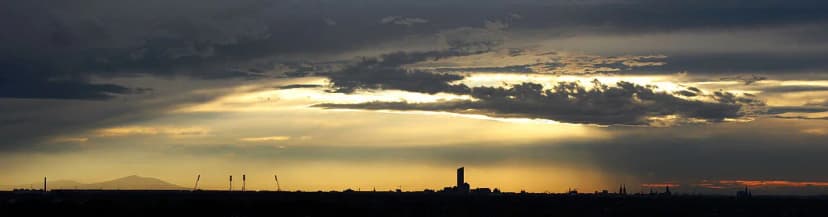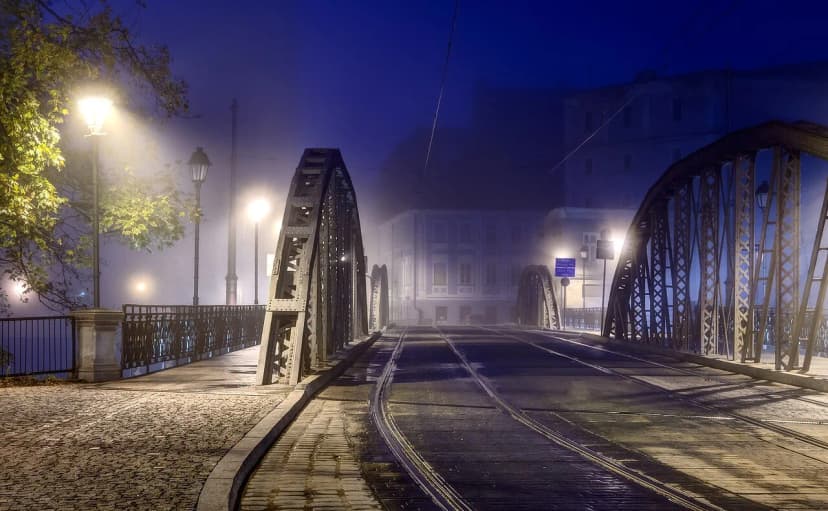

Wroclaw's attraction landscape splits cleanly into two eras, and that split is what makes the city easy to plan around. The historic core — Rynek (Market Square), Ostrów Tumski, the University of Wrocław, and Tumski Bridge — is a compact, walkable cluster of Gothic and Baroque buildings, red-brick churches, and hand-lit gas lamps, most of it free to simply walk through. A short tram ride away sits a second, very different Wroclaw: the UNESCO-listed Centennial Hall and its free Multimedia Fountain, the observation deck at Sky Tower, the underground water museum Hydropolis, and the Africarium at Wroclaw Zoo — modern, ticketed, and built for a full afternoon rather than a passing photo.
That mix of free historic wandering and paid modern attractions is why Wroclaw rewards a plan rather than a checklist. Roughly half of the sights below cost nothing to visit — the Market Square, Ostrów Tumski's cathedral quarter, Tumski Bridge, the citywide Wrocław Dwarfs scavenger hunt, and the summer Multimedia Fountain are all free — while the paid attractions cluster in an affordable 35-70 PLN band, well below Western European museum pricing. For 2026, expect the same core lineup competitors have covered for years, but with updated ticket prices across the board (Wroclaw Zoo and Hydropolis both raised rates this year) and the Multimedia Fountain back on its May-through-October schedule. The guide below groups all 10 sights by neighborhood and by category, flags what's free versus paid, and lays out 1-day, 2-day, and 3-day itineraries so you're not improvising a route between tram stops.
Top 10 attractions in Wroclaw
Wrocław Market Square
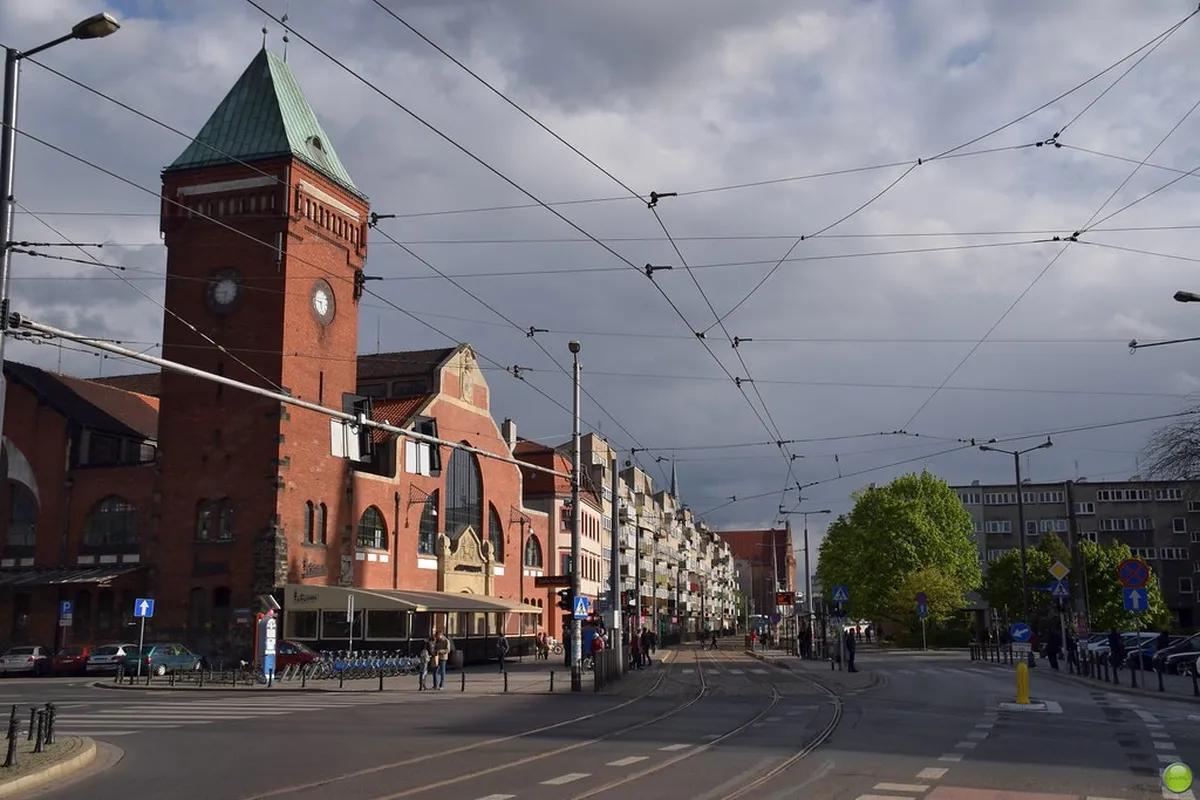
Wrocław Market Square (Rynek) is the historic heart of the city, one of the largest medieval market squares in Europe, established in the 13th century and rebuilt in the wake of the 1241 Mongol invasion. Ringed by roughly 60 pastel-colored Renaissance and Baroque merchant houses and anchored by the late-Gothic Old Town Hall, the square today is a car-free pedestrian zone alive around the clock with cafes, restaurants, market stalls, seasonal fairs, and Wrocław's famous bronze dwarf statues.
Visitor guide →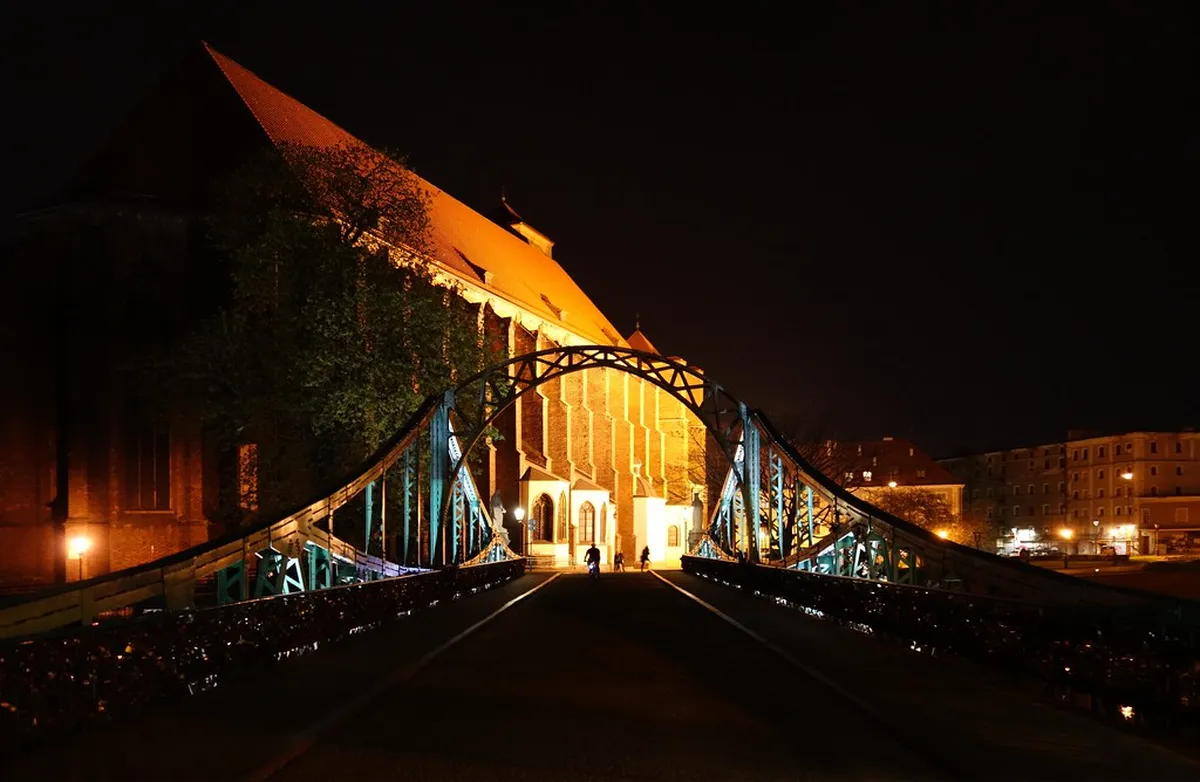
Ostrów Tumski
Ostrów Tumski is Wrocław's oldest quarter, a former island town in the Oder River that has served as the seat of the city's bishops since around AD 1000. Its cobbled lanes, red-brick churches, and gas lamps — still lit by hand each evening by a costumed lamplighter — make it one of Poland's most atmospheric historic districts.
Visitor guide →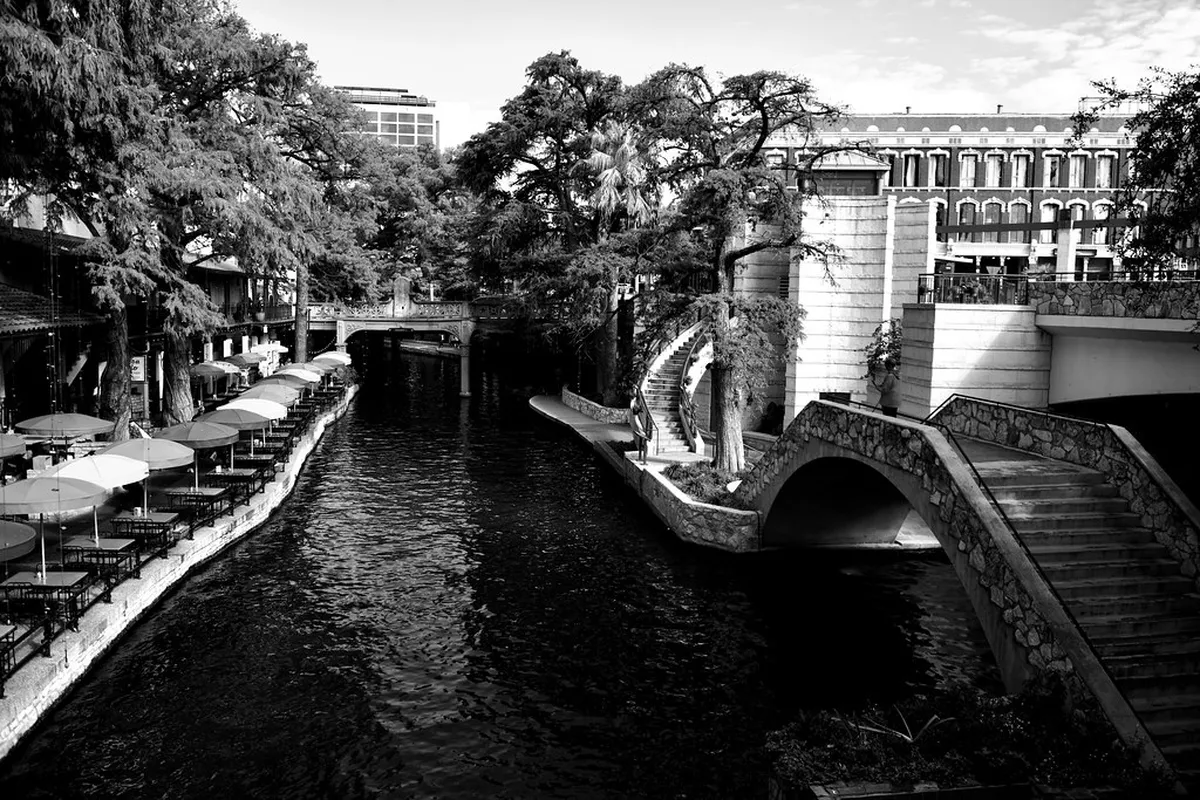
Centennial Hall
Centennial Hall is a UNESCO World Heritage-listed landmark completed in 1913, renowned as the world's largest reinforced-concrete dome of its era and a pioneering work of early modernist architecture by Max Berg. Today it hosts concerts, exhibitions, and sporting events, and sits within a recreational complex alongside the Pergola, the Wrocław Multimedia Fountain, and the adjacent Japanese Garden in Szczytnicki Park.
Visitor guide →
Racławice Panorama
The Racławice Panorama is a monumental 15 x 114 meter, 360-degree cylindrical painting by Jan Styka and Wojciech Kossak depicting the 1794 Battle of Racławice, where Polish insurgent forces under Tadeusz Kościuszko defeated Russian troops. Housed in a dedicated rotunda as part of the National Museum in Wrocław, it is viewed on a raised central platform with an immersive sound, light, and artificial-terrain presentation that blends the painted horizon into the real foreground.
Visitor guide →
Wrocław Dwarfs
The Wrocław Dwarfs are hundreds of small bronze gnome statues scattered across Wrocław's streets, squares, and building walls, first installed in 2001 as a tribute to the anti-communist Orange Alternative resistance movement. Today the city counts over 1,000 dwarfs, forming a free, citywide scavenger hunt for which maps and apps are available from the tourist information office and the city's official dwarf directory.
Visitor guide →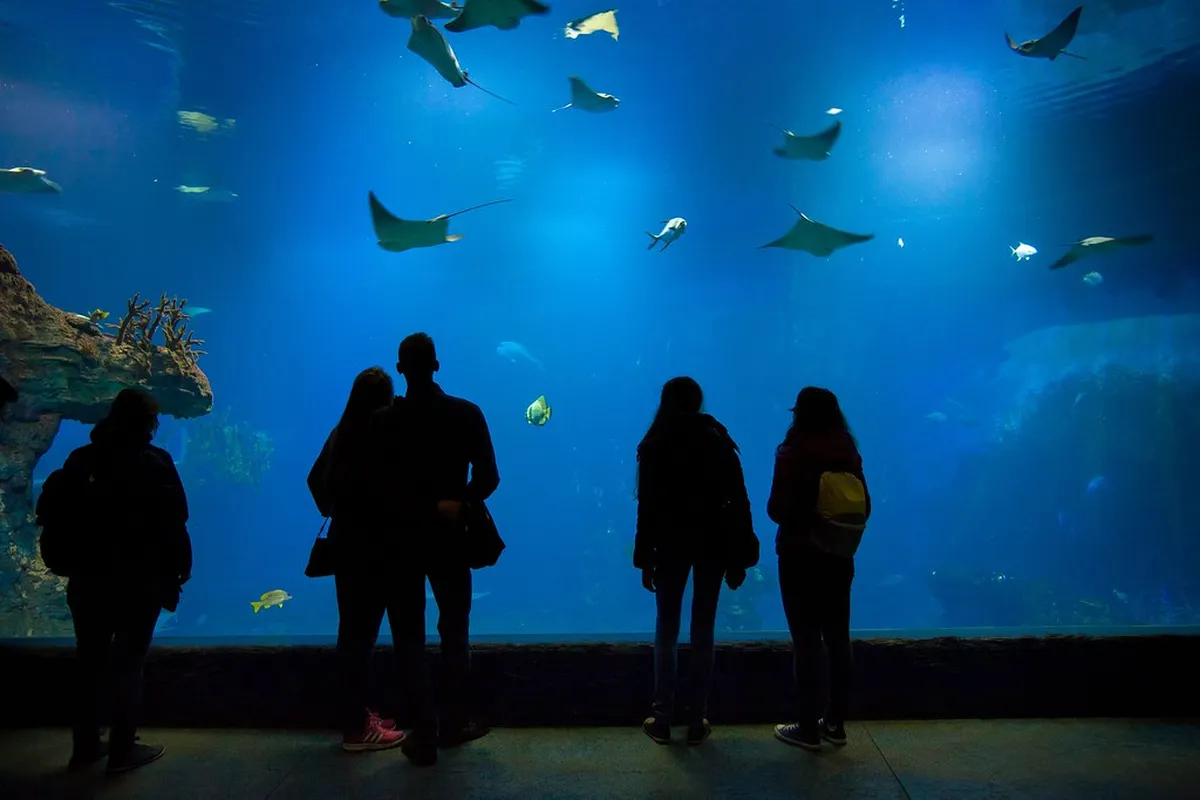
Africarium (Wrocław Zoo)
Opened in October 2014, the Africarium is Europe's largest oceanarium and the only one in the world dedicated exclusively to African aquatic ecosystems, holding roughly 15 million litres of water across 21 tanks and pools recreating habitats from the Nile to the Mozambique Channel. Part of Wrocław Zoo - Poland's oldest zoo, founded in 1865 - the pavilion is best known for its walk-through shark tunnel, hippo pool, African penguins, and manatees.
Visitor guide →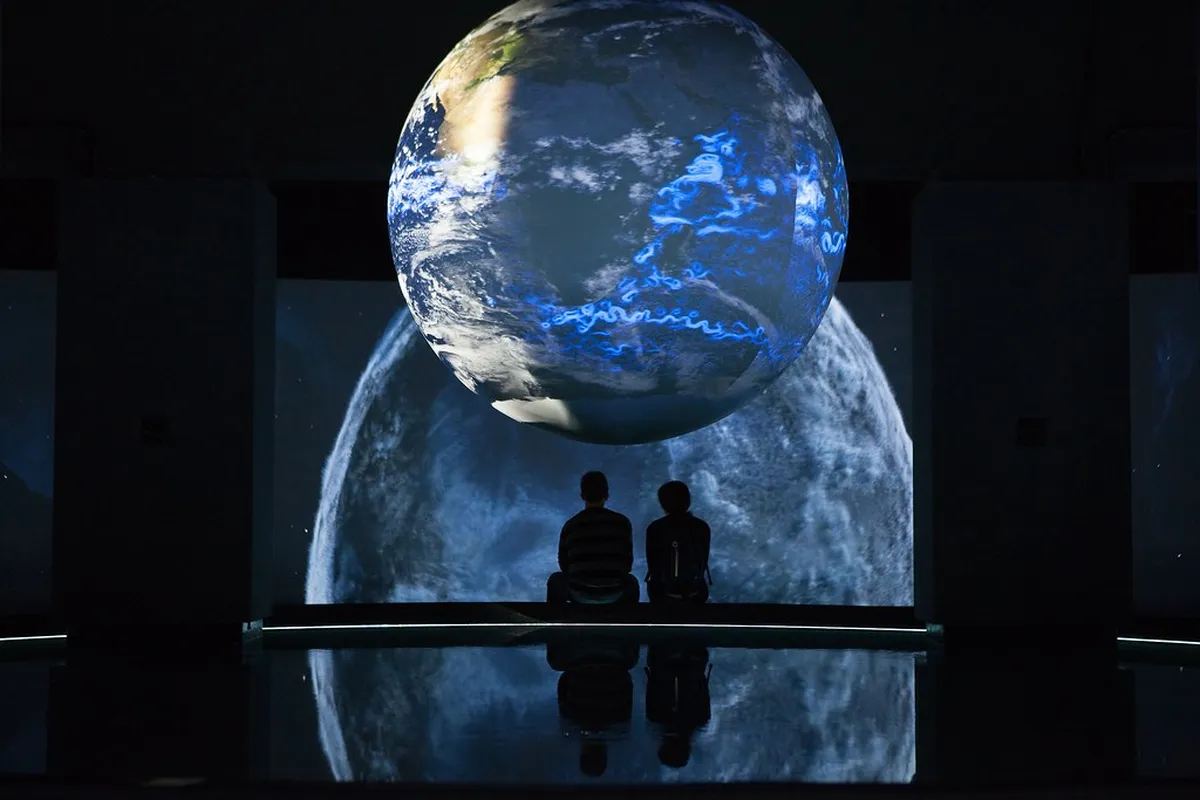
Hydropolis
Hydropolis is Poland's only science center dedicated to water, built inside a decommissioned 19th-century neo-Gothic underground water reservoir near the Grunwaldzki Bridge in Wrocław. Opened in December 2015, its eight themed zones and roughly 70 interactive, multimedia-driven installations explore oceans, hydrology, and humanity's relationship with water, set against striking industrial-era vaulted architecture.
Visitor guide →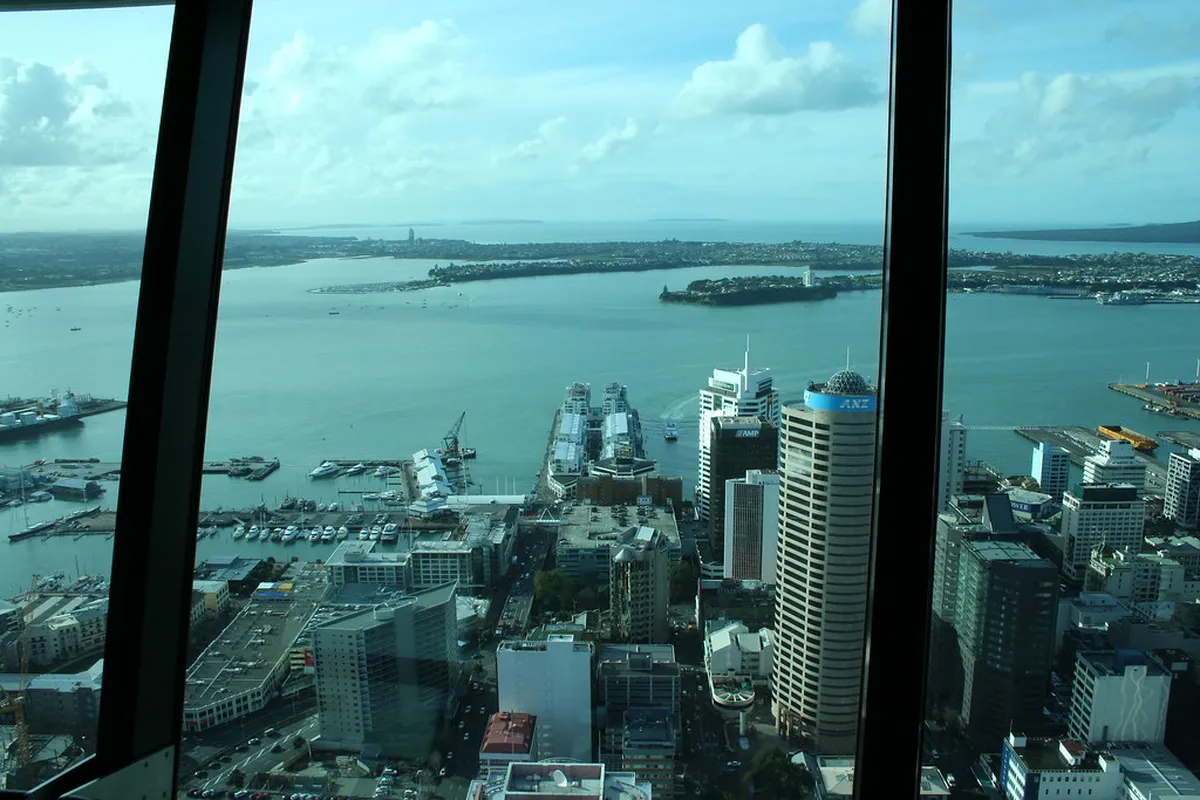
Sky Tower Wrocław
Completed in 2012, Sky Tower Wrocław is a 212-metre, 51-floor mixed-use skyscraper that ranks among the tallest buildings in Poland outside Warsaw. Its public 49th-floor observation deck, the highest in the country, offers panoramic views over Wrocław's Old Town, the Oder River, and Centennial Hall through both an enclosed multimedia gallery and a seasonal open-air terrace.
Visitor guide →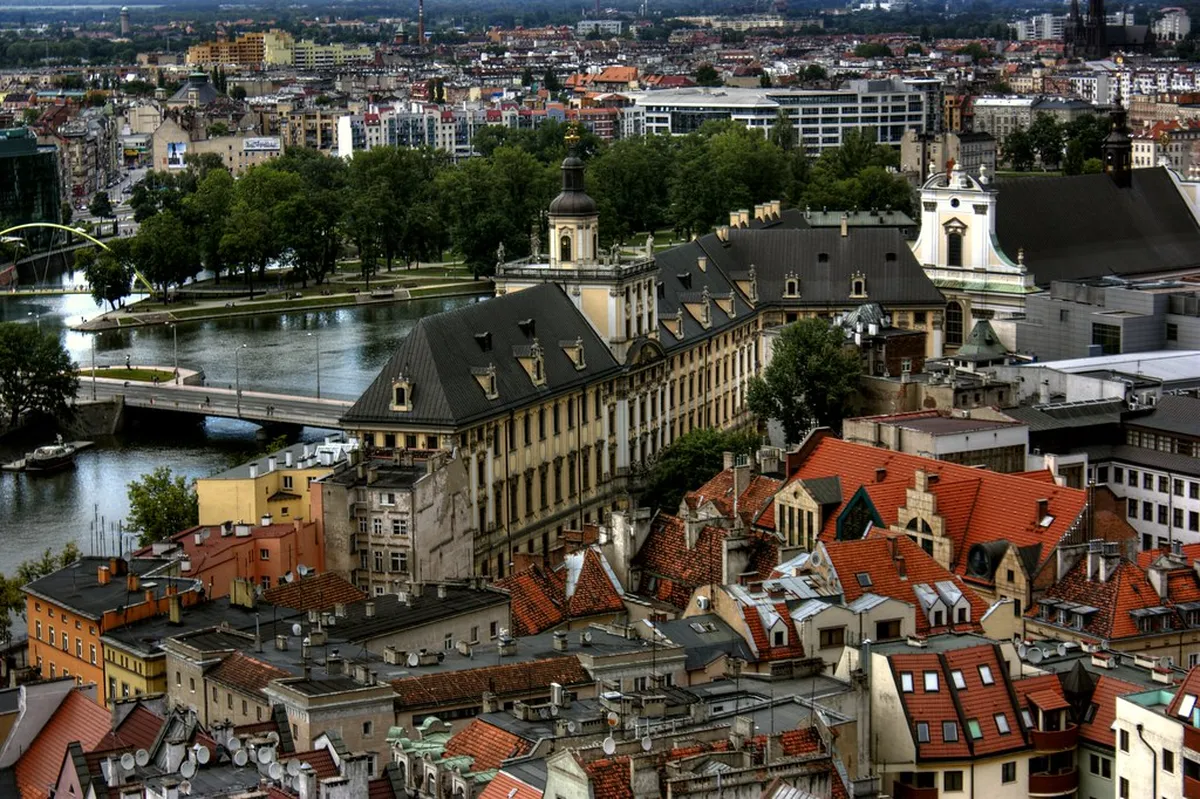
University of Wrocław (Aula Leopoldina & Mathematical Tower)
Founded in 1702 by Emperor Leopold I, the University of Wrocław's Baroque main building was completed between 1728 and 1742 and houses the Aula Leopoldina, one of Europe's finest Baroque ceremonial halls, alongside the Mathematical Tower, a former astronomical observatory whose rooftop terrace offers panoramic views over Wrocław's Old Town.
Visitor guide →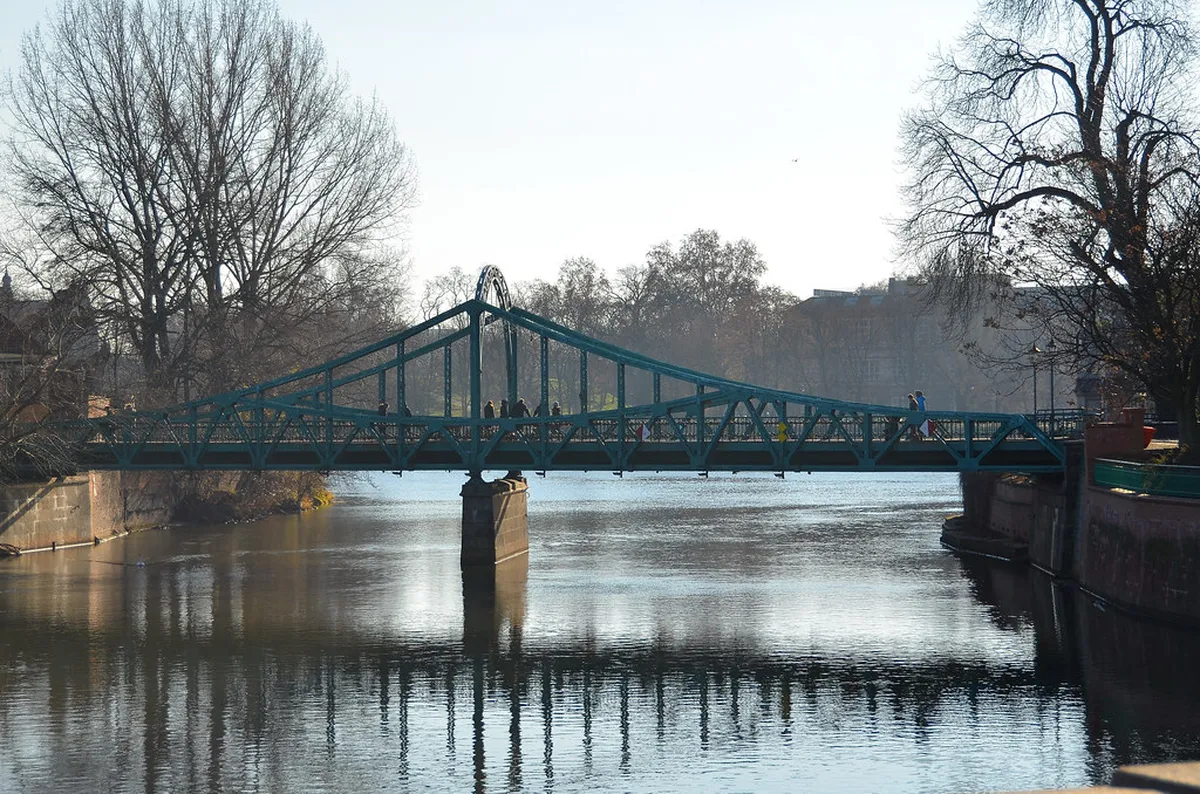
Tumski Bridge
Built in 1889 to replace a succession of wooden bridges that had linked the two islands since medieval times, Tumski Bridge is a riveted steel truss span crossing the Oder's northern arm between Piasek Island and Ostrów Tumski, Wrocław's oldest quarter. Nicknamed the 'Bridge of Lovers' for the padlocks couples attached here between roughly 2009 and 2019, it remains one of the city's most photographed spots, especially at dusk when Wrocław's traditional lamplighter lights the gas lamps leading onto Ostrów Tumski's cathedral quarter.
Visitor guide →Wroclaw attractions by neighborhood
Four of Wroclaw's 10 attractions sit inside the Old Town core, walkable from each other in under 15 minutes: Wrocław Market Square is the anchor, ringed by the bronze Wrocław Dwarfs and a two-minute walk from the University of Wrocław's Baroque Aula Leopoldina and Mathematical Tower. Cross the Oder from the square and you reach Ostrów Tumski, the city's oldest quarter, connected to Piasek Island by Tumski Bridge — the gas-lit route the city's lamplighter still walks every evening.
A ring just outside downtown holds two more sights within a 15-20 minute walk or a short tram ride of the Rynek: the Racławice Panorama, housed in its rotunda near Słowackiego Park, and Hydropolis, built into a former underground reservoir near the Grunwaldzki Bridge. Further out, in and around Szczytnicki Park on the city's east side, Centennial Hall and the Africarium at Wrocław Zoo sit close enough to each other to combine in one outing — a 15-20 minute tram ride from the center. Sky Tower's 49th-floor observation deck sits south of downtown on ul. Powstańców Śląskich, reachable by tram or a 20-25 minute walk, and is worth timing for late afternoon when you can watch the Old Town, the Oder, and Centennial Hall's dome catch the sunset light.
Wroclaw attractions by category
History and landmarks: Wrocław Market Square, Ostrów Tumski, the University of Wrocław, and Tumski Bridge cover eight centuries of the city's civic, religious, and academic architecture in one compact walk.
Museums and culture: The Racławice Panorama's 360-degree battle painting and Hydropolis's water-science galleries are Wrocław's two flagship indoor exhibits — both built around immersive, single-room presentations rather than room-after-room collections.
Modern architecture and views: Centennial Hall's 1913 concrete dome and Sky Tower's 2012 glass tower bookend a century of Wrocław skyline-building, and both offer a paid way to see the city from above or below its usual eye level.
Family and animals: The Africarium and Wrocław Zoo give kids a half-day of aquariums and animal enclosures, while the Wrocław Dwarfs turn the rest of the city into a free, self-paced scavenger hunt that works for any age.
Free vs paid Wroclaw attractions
Five of the 10 attractions on this page cost nothing: Wrocław Market Square and the surrounding Old Town streets, Ostrów Tumski (the cathedral's nave is free to enter, though the tower and some side chapels charge separately), Tumski Bridge, the citywide Wrocław Dwarfs hunt, and Centennial Hall's Multimedia Fountain, which runs free of charge every evening from May through October.
The remaining five charge admission, and 2026 pricing is verified as follows: Sky Tower's observation deck is 53 PLN standard / 40 PLN reduced; Hydropolis is 45 PLN weekdays / 47 PLN weekends for adults (36-38 PLN reduced); the Racławice Panorama is 50 PLN standard / 35 PLN reduced, and that ticket doubles as three months of free re-entry to the National Museum, Ethnographic Museum, and Four Domes Pavilion; the Africarium at Wrocław Zoo runs around 69 PLN standard / 59 PLN reduced online (about 10 PLN more at the gate); and the University of Wrocław's museum route ranges roughly 16-28 PLN depending on how many halls (two vs four) you choose. Centennial Hall's own interior tour, separate from the free fountain outside, is 25-30 PLN.
Suggested itineraries
1 day: Old Town core only
Start at Wrocław Market Square in the morning, work the Wrocław Dwarfs hunt as you cross the square, tour the University of Wrocław's Aula Leopoldina and Mathematical Tower, then walk to Ostrów Tumski for the afternoon and finish at Tumski Bridge around dusk to catch the lamplighter. This route covers four of the 10 attractions and needs no transit — everything is within a 15-minute walk.
2 days: Old Town plus the museum ring
Day 1 is the one-day route above. On day 2, start at the Racławice Panorama near Słowackiego Park (check winter Monday closures), walk or tram to Hydropolis near Grunwaldzki Bridge for the middle of the day, then take a tram out to Szczytnicki Park for the Africarium and Wrocław Zoo in the afternoon, finishing at Centennial Hall in the early evening to catch the Multimedia Fountain (May-October only) as the light fades.
3 days: everything, unhurried
Follow the two-day plan above, then use day 3 for Sky Tower's observation deck in the late afternoon for sunset views over the Old Town and Centennial Hall's dome, pairing it with a slower second pass through Ostrów Tumski or a day trip out of the city if you have the time.
Getting around Wroclaw's attractions
Wrocław has no metro system — trams are the backbone of the city, supplemented by buses, and a single ticket covers both. The Old Town core (Market Square, the Dwarfs, the University, Ostrów Tumski, and Tumski Bridge) is fully walkable, and you won't need transit at all if you're sticking to a one-day itinerary.
For the attractions further out, tram is faster than walking: Centennial Hall and the Africarium/Zoo share a tram corridor toward Szczytnicki Park (roughly 15-20 minutes from the Rynek), while Hydropolis, the Racławice Panorama, and Sky Tower are each a 15-25 minute walk or a short tram/bus ride from the center. Buy tickets from the tram-stop machines or the MPK app before boarding — Wrocław's trams are largely proof-of-payment, and inspectors do check.
Best time to visit Wroclaw's attractions
Late spring through early autumn (May-September) is the strongest window: the Multimedia Fountain at Centennial Hall only runs May through October, outdoor attractions like Ostrów Tumski and the Dwarfs hunt are most pleasant in daylight that lasts until 9-10 PM, and every ticketed site keeps its longest hours of the year. Early July through August adds the heaviest crowds and the highest Sky Tower and Africarium queues, so late May, June, or September get you the same weather with shorter lines.
December brings a different draw — the Christmas Market fills Wrocław Market Square from late November, and the Old Town's gas lamps and mulled wine stalls make the historic core worth a cold-weather trip on their own. Winter (November-March) is the tradeoff season: the Racławice Panorama closes on Mondays and runs shorter hours, Hydropolis and the University museum route both shorten their daily windows, and the Multimedia Fountain is switched off entirely.
How to save money on Wroclaw attractions
Start with the free tier: Wrocław Market Square, Ostrów Tumski's cathedral nave, Tumski Bridge, the Wrocław Dwarfs hunt, and the Multimedia Fountain (May-October) cost nothing and cover four of the city's signature experiences. Among the paid sights, the Racławice Panorama ticket is the best value multiplier — it includes three months of free re-entry to the National Museum, the Ethnographic Museum, and the Four Domes Pavilion, so one 50 PLN ticket effectively covers four collections.
Beyond that: book Africarium/Wrocław Zoo tickets online rather than at the gate to save roughly 10 PLN per ticket; students, seniors, and children get reduced rates at nearly every paid attraction on this list (Sky Tower, Hydropolis, the Panorama, the Zoo, and the University museum route all have a published reduced tier — carry ID); and Hydropolis is a few złoty cheaper on weekdays than weekends if your schedule is flexible. The University of Wrocław's two-hall ticket (around 16 PLN) is a reasonable substitute for the full four-hall route if you only want the Aula Leopoldina and the Mathematical Tower view.
Frequently asked questions about Wroclaw attractions
How many days do you need to see Wroclaw's main attractions?
Two to three days covers all 10 attractions on this page comfortably. One day is enough if you limit yourself to the walkable Old Town core — Market Square, the Dwarfs, the University of Wrocław, Ostrów Tumski, and Tumski Bridge.
What is the number one must-see attraction in Wroclaw?
Wrocław Market Square is the city's essential sight — it's free, central, and within walking distance of most of the others. Pair it with Ostrów Tumski if you only have half a day, since together they cover the two eras of Wrocław's Old Town.
Are Wroclaw's attractions free?
About half are. Wrocław Market Square, Ostrów Tumski's cathedral nave, Tumski Bridge, the Wrocław Dwarfs hunt, and Centennial Hall's Multimedia Fountain (May-October) are all free. The other five — Sky Tower, Hydropolis, the Racławice Panorama, the Africarium/Zoo, and the University of Wrocław museum route — charge between roughly 16 and 70 PLN depending on the sight and ticket type.
Do you need to book Wroclaw attractions in advance?
Rarely. Africarium/Wrocław Zoo tickets are worth buying online ahead of a summer weekend visit, both to save money and skip the gate line, and Sky Tower can queue on peak summer afternoons. Everything else — the free sights and the smaller museums — can be visited on arrival without pre-booking.
What is the best time of year to visit Wroclaw?
May through September gives you the longest attraction hours and the only window the Multimedia Fountain runs. December is worth it specifically for the Christmas Market on Market Square. Late May, June, and September offer the same good weather as peak summer with noticeably shorter lines.
Is Wroclaw expensive for tourists?
No — Wrocław is affordable by Western European standards. Most paid attractions charge 35-70 PLN (roughly $9-18), half the sights on this page are free, and reduced tickets for students, seniors, and children are available almost everywhere.
Can you see Wroclaw's main attractions in one day?
You can see the Old Town core — Market Square, the Dwarfs, the University of Wrocław, Ostrów Tumski, and Tumski Bridge — in a single day, since all five are within a 15-minute walk of each other. Seeing all 10 attractions, including the Panorama, Hydropolis, Centennial Hall, the Africarium, and Sky Tower, realistically needs 2-3 days.
What's the best way to get between Wroclaw attractions?
Walk within the Old Town core — it's compact and mostly pedestrianized. For Centennial Hall, the Africarium/Zoo, Hydropolis, the Racławice Panorama, and Sky Tower, use Wrocław's tram network; there's no metro, and a single ticket (bought from stop machines or the MPK app) covers both trams and buses.
Plan your Wroclaw trip
Once you've picked which of these 10 attractions fit your schedule, use our broad things to do in Wrocław guide for neighborhoods, food, and trip context beyond individual sights. Our how many days in Wroclaw guide breaks down the 1-day, 2-day, and 3-day tradeoffs in more detail, and the 2-day Wroclaw itinerary maps a route that pairs directly with the attraction list above. If you're still deciding whether the city is worth the trip at all, is Wroclaw worth visiting makes the case with the same free-vs-paid framing used here.