
Few cities pack as much into a walkable centre as Gdańsk. This Hanseatic port on the Baltic coast of northern Poland built its fortune on amber and Baltic trade, and that wealth shows in the gabled merchant houses of the Royal Way, the soaring brick Gothic of St Mary's Church, and the medieval port crane (Żuraw) leaning over the Motława River. It is also a city of consequence: World War II began on the Westerplatte peninsula here on 1 September 1939, and the Solidarity movement that helped topple communism across Eastern Europe was born in the shipyard just north of the Old Town. That mix — Hanseatic merchant city, war memorial, and birthplace of a revolution — is what makes the best Gdansk attractions so unusually varied for a city this compact.
The good news for 2026 visitors is that the headline sights cluster tightly. Most of the must-see things to do in Gdansk sit inside the Main Town, an easy 15-minute stroll end to end, and many of them — the Old Town itself, the Long Market, Neptune's Fountain, Mariacka Street, the Westerplatte memorial — cost nothing to visit. The paid attractions (the European Solidarity Centre, the Gdańsk Crane, St Mary's tower climb, and the world's-largest Malbork Castle on a day trip) are reasonably priced, and several offer a free day each week. We've narrowed the field to 9 sights that consistently reward the time and ticket price. The card grid above links each to a full visitor guide with verified 2026 opening hours and pricing; the sections below organise them by area, by type, and by budget, then give you tested 1-, 2-, and 3-day plans so you can stitch them into a real trip.
Top 9 attractions in Gdansk
Malbork Castle
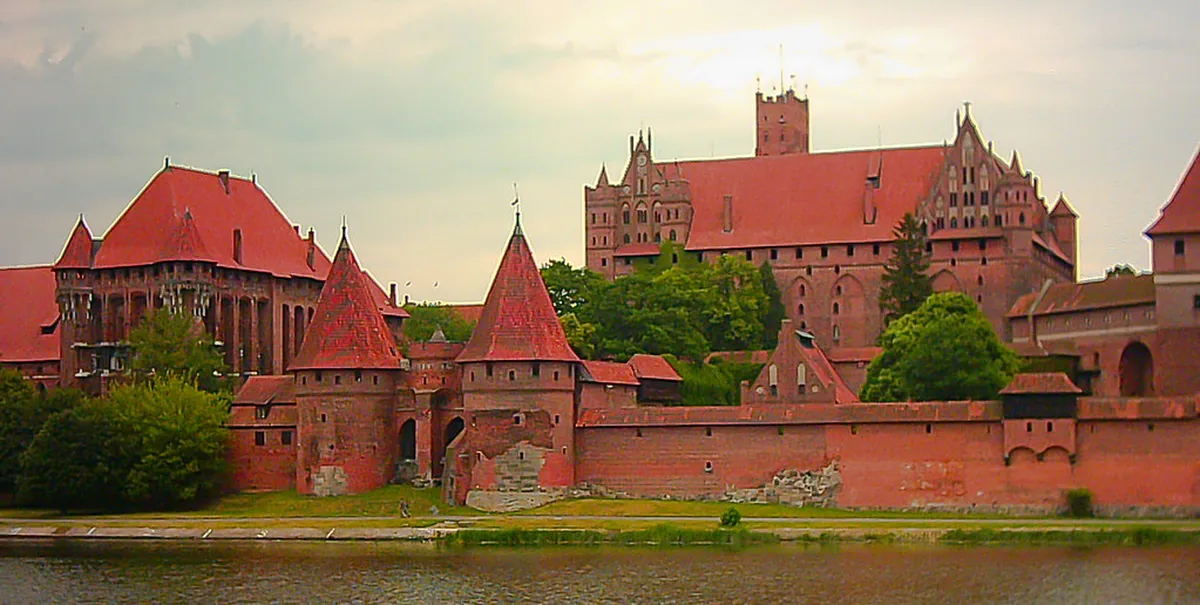
Malbork Castle (Zamek w Malborku) is the world's largest castle by area — a UNESCO-listed Brick Gothic fortress of the Teutonic Knights, an easy 60 km day trip from Gdansk in northern Poland.
Visitor guide →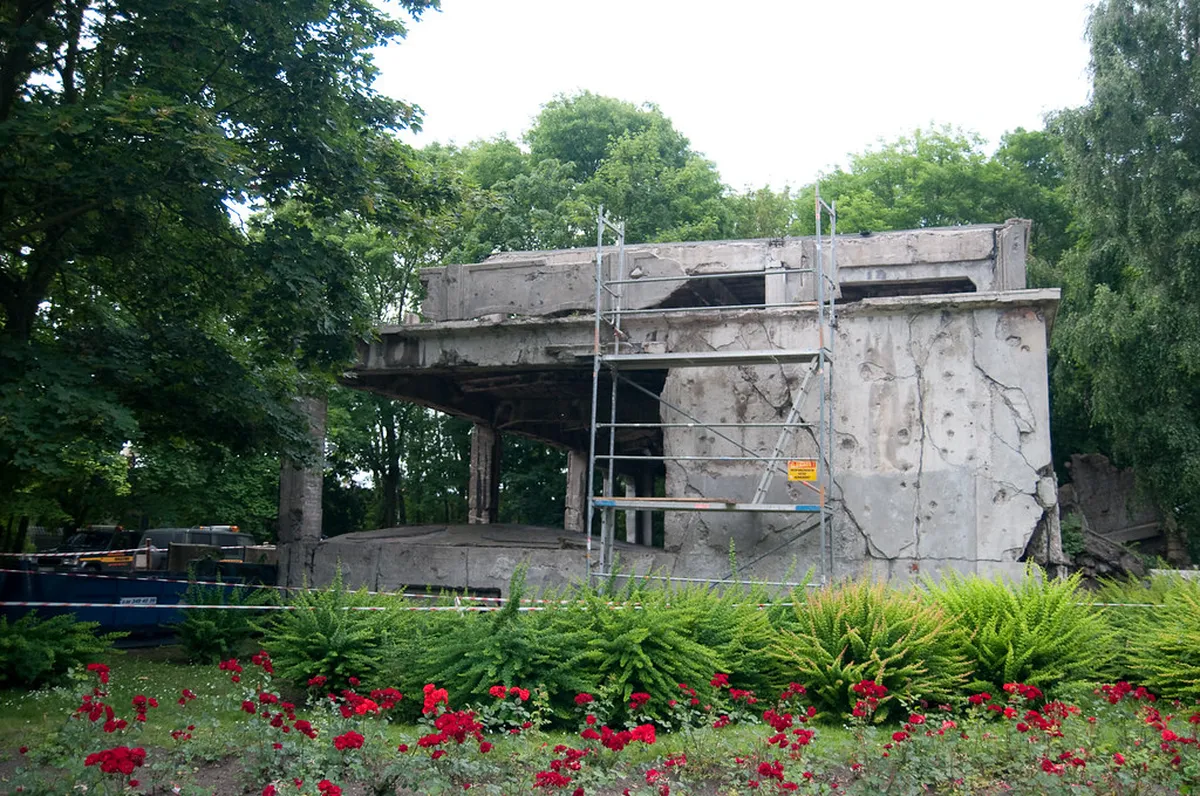
Westerplatte
Westerplatte is the Gdańsk peninsula where World War II began on 1 September 1939, now a free open-air memorial featuring the monumental Monument to the Coast Defenders, preserved battlefield ruins, and a Museum of the Second World War branch.
Visitor guide →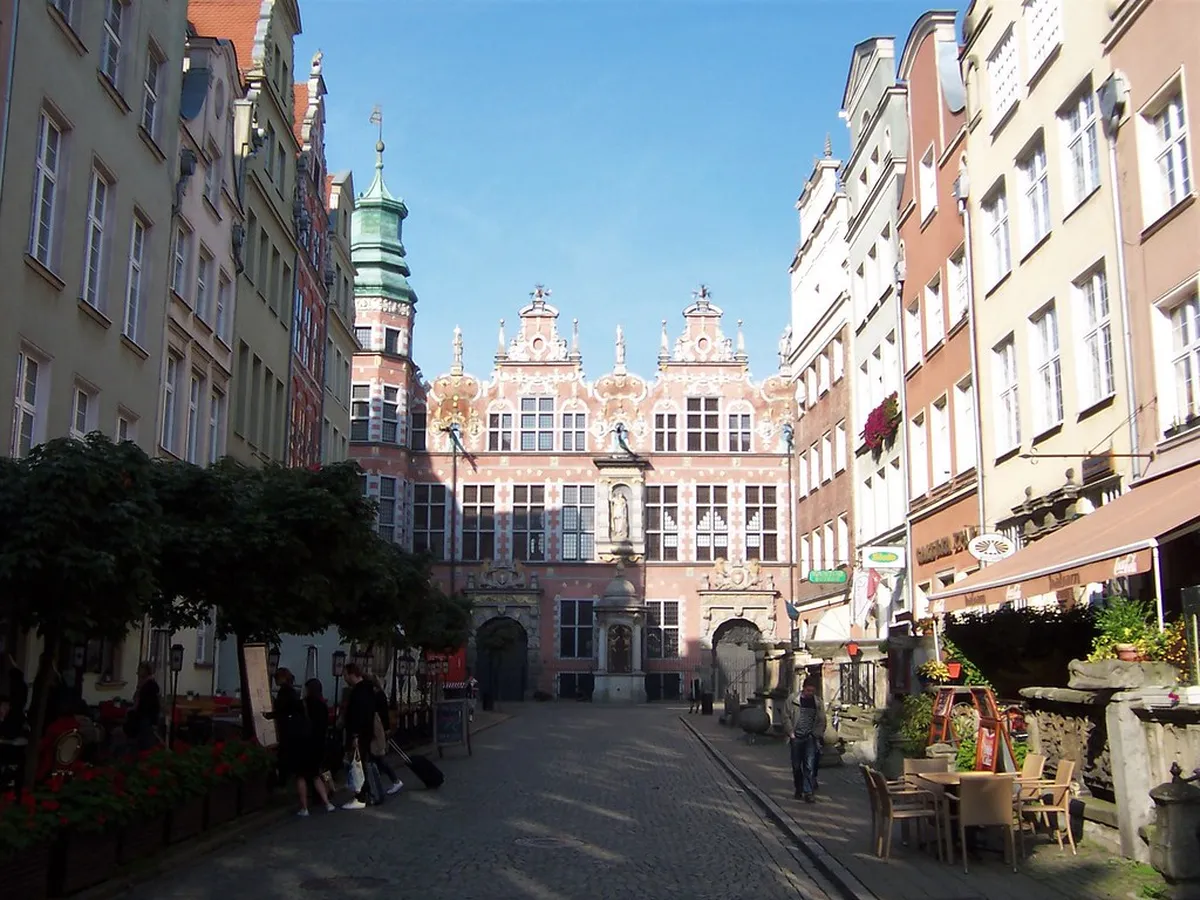
Gdańsk Old Town
Gdańsk Old Town is the free, always-open historic heart of Gdańsk, where the ceremonial Royal Way runs along Long Lane (Długa) and Long Market (Długi Targ) past brick Gothic landmarks and ornate Hanseatic merchant houses to the Motława waterfront.
Visitor guide →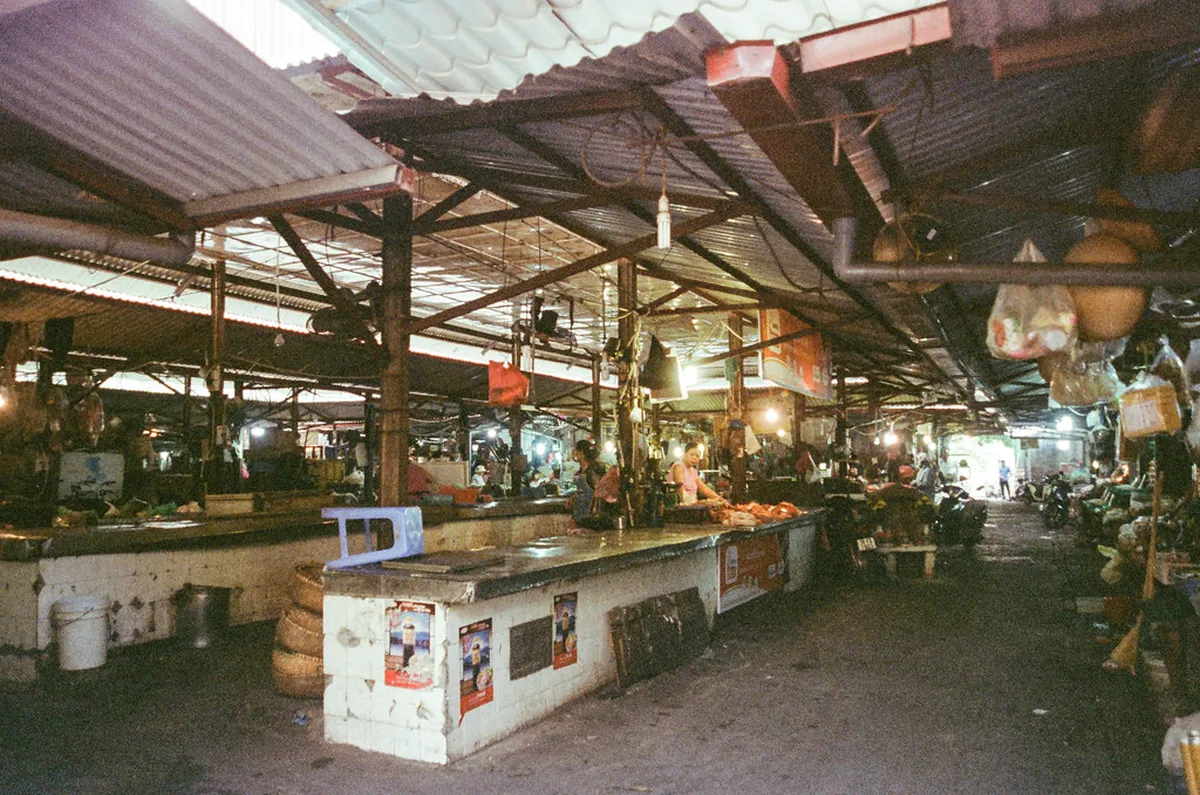
Long Market (Długi Targ)
The Long Market (Długi Targ) is Gdańsk's grand central square and promenade along the Royal Route, lined with ornate burgher houses and home to Neptune's Fountain, the Artus Court, and the Green Gate — a free, always-open public space at the heart of the Old Town.
Visitor guide →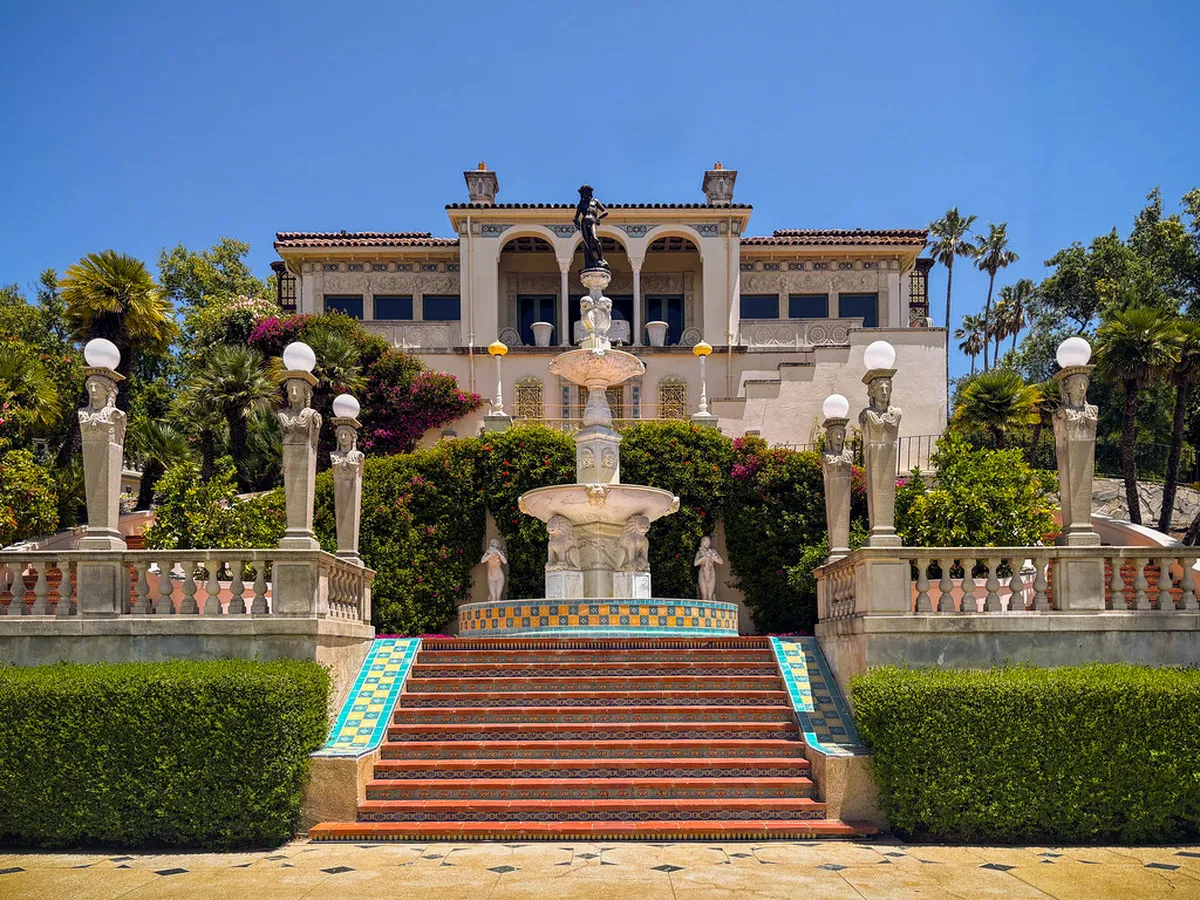
Neptune's Fountain
Neptune's Fountain is the iconic 1633 bronze Mannerist fountain of the sea god Neptune on Długi Targ (Long Market), in front of Artus Court, and one of Gdańsk's most recognizable free outdoor landmarks tied to the legend of the gold-flecked Goldwasser liqueur.
Visitor guide →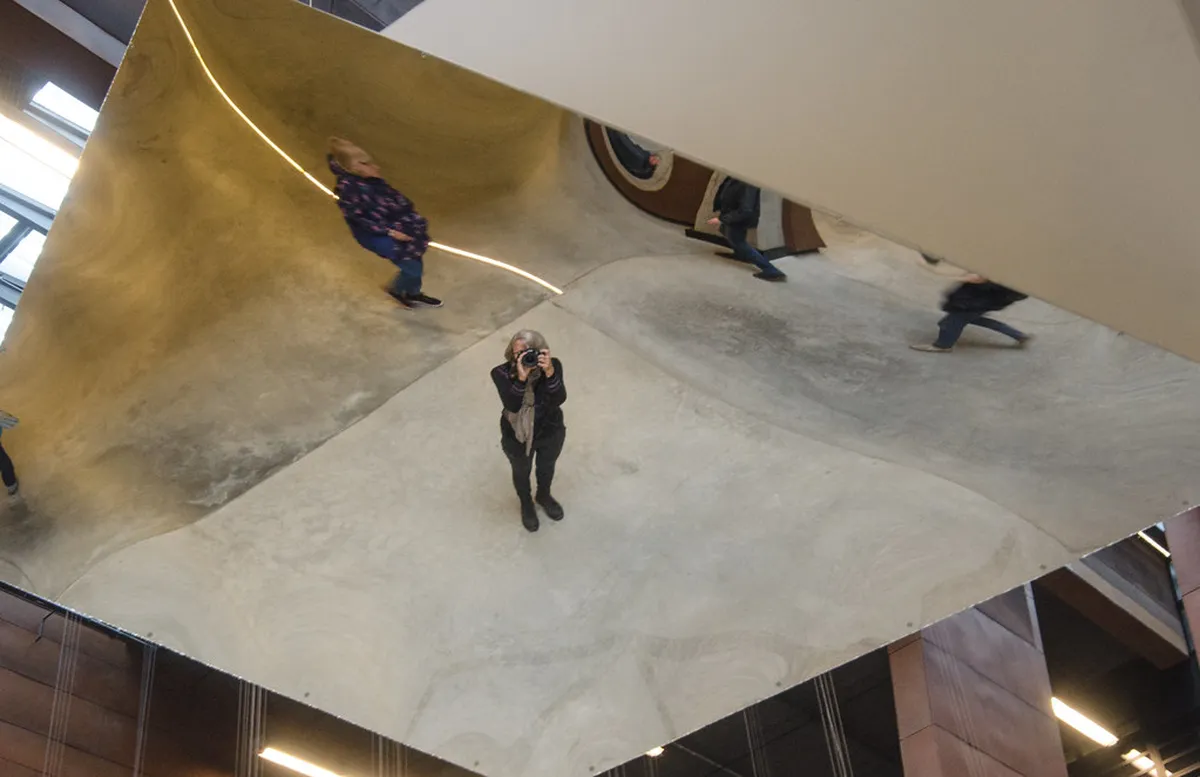
European Solidarity Centre
The European Solidarity Centre (ECS) in Gdańsk is a striking museum and library at the former Gdańsk Shipyard chronicling the Solidarity movement and the fall of communism in Eastern Europe, with a seven-hall permanent exhibition and a free rooftop observation deck.
Visitor guide →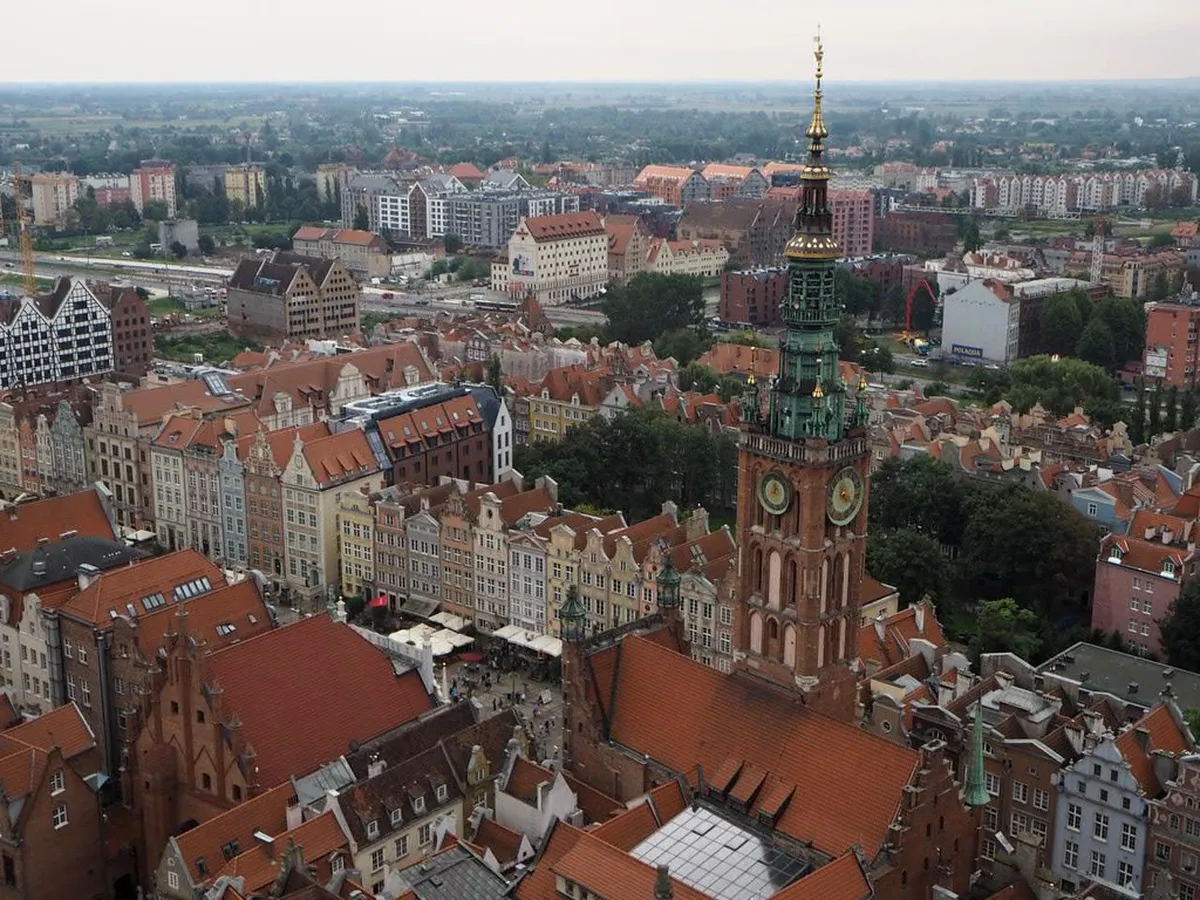
St. Mary's Church (Bazylika Mariacka)
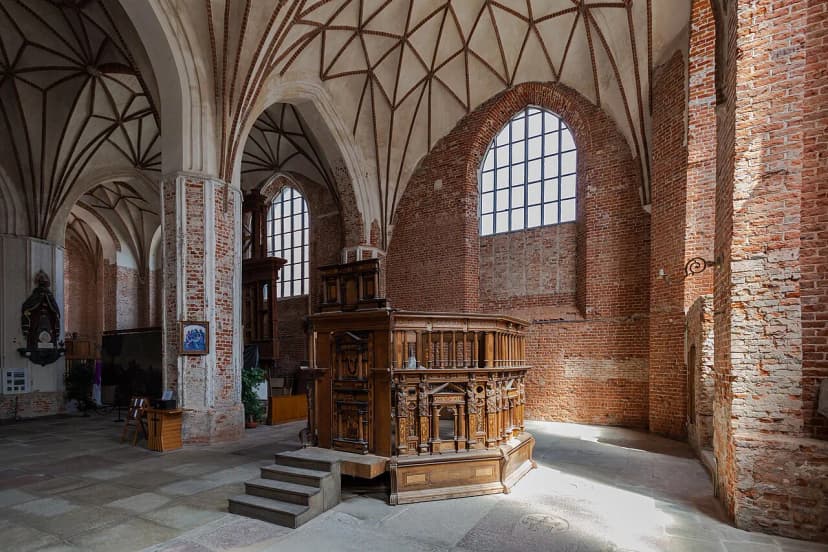
St. Mary's Church (Bazylika Mariacka) is a monumental Brick Gothic basilica in Gdańsk's Old Town — one of the largest brick churches in the world — famous for its climbable 78 m tower (about 405 steps) and a remarkable 15th-century astronomical clock.
Visitor guide →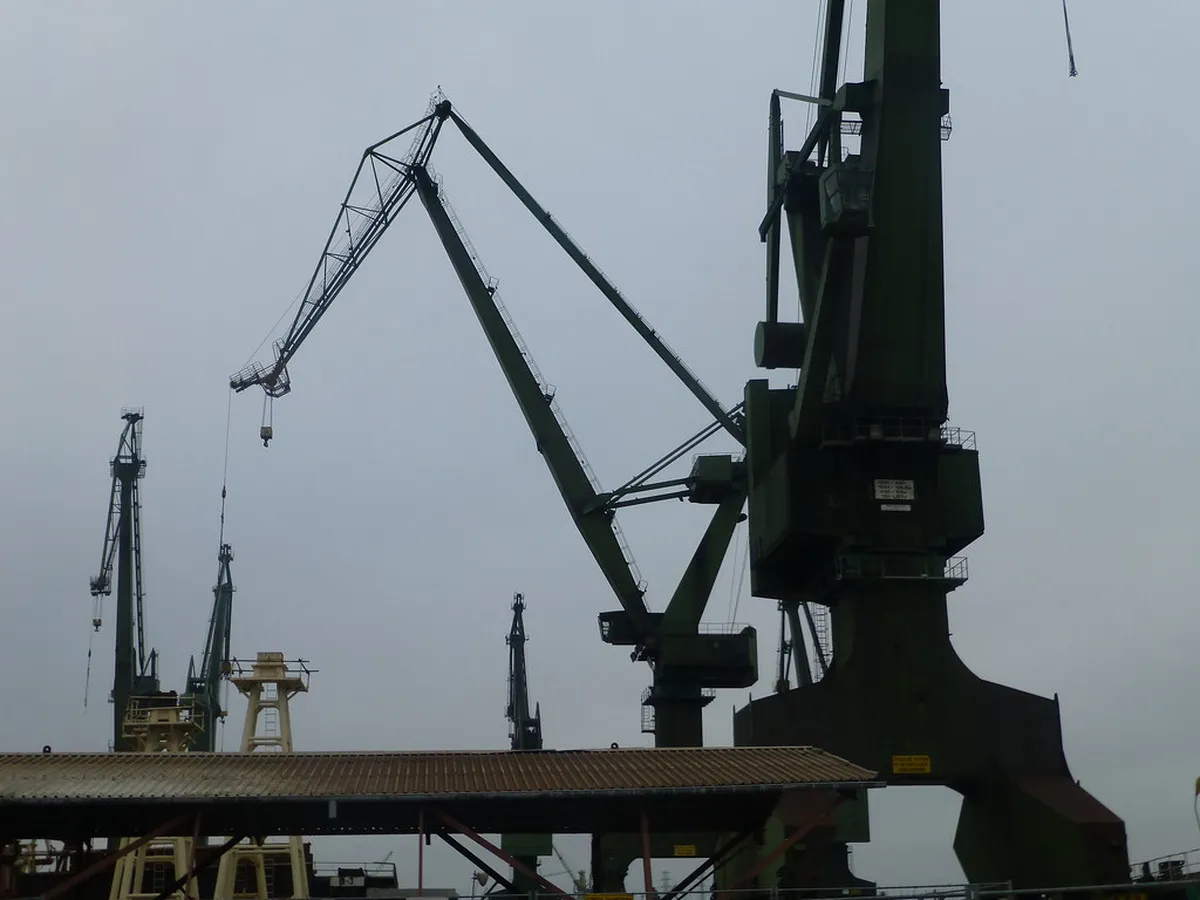
Gdańsk Crane (Żuraw)
The Gdańsk Crane (Żuraw) is a 15th-century medieval port crane on the Motława River, once the largest in Europe and now a branch of the National Maritime Museum housing the 'Gold for Grain' exhibition.
Visitor guide →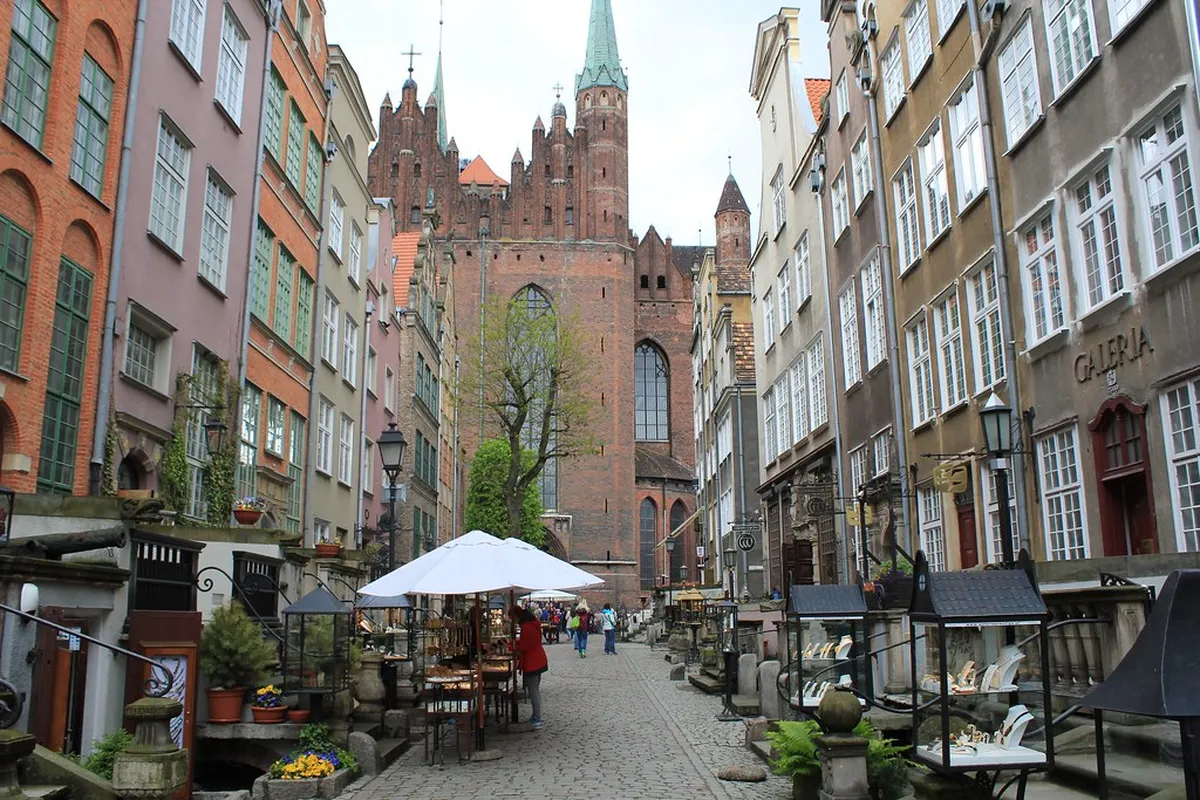
Mariacka Street
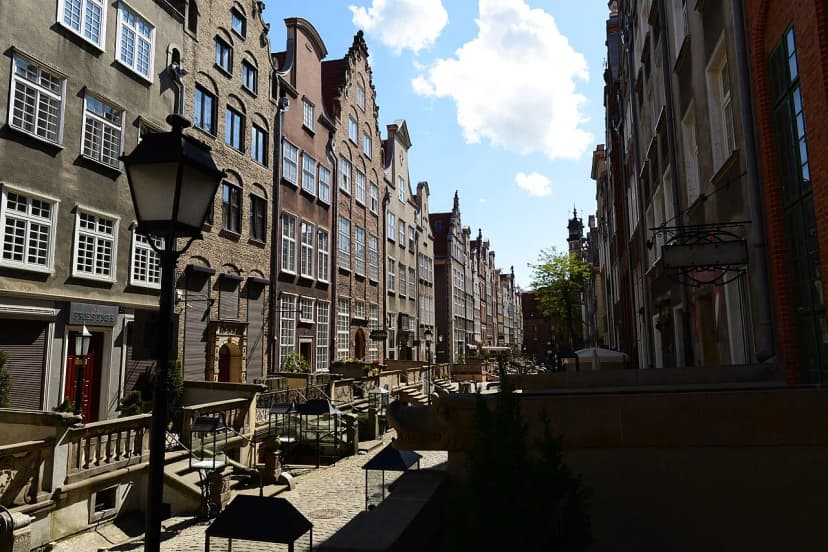
Mariacka Street (ulica Mariacka) is Gdańsk's most picturesque cobblestone street, running from St. Mary's Church to the Mariacka Gate on the Motława River and lined with ornate terraced porches (przedproża), carved gargoyles, and amber jewelry boutiques — a free, always-accessible pedestrian lane in the Main Town.
Visitor guide →Gdańsk attractions by area
Gdańsk's attractions fall into four geographic clusters, and understanding them is the key to a sane itinerary. Walk the core, train it to the day trip, and use a quick bus-or-ferry hop for the harbour memorial.
The Main Town core (walkable, 6 sights)
This is where most of your time will go, and rightly so. Gdańsk Old Town is the free, always-open historic heart, threaded by the ceremonial Royal Way that runs down Długa (Long Lane) into Long Market (Długi Targ), the grand central square. Standing on the Long Market are Neptune's Fountain, the 1633 bronze landmark that has become the city's emblem, and the gateways at either end. A block away, St Mary's Church — one of the largest brick churches on earth — anchors the skyline, and its tower climb gives the best rooftop view in the city. Running from St Mary's down to the river is Mariacka Street, the postcard amber lane lined with ornate terraced porches and gargoyles. At the waterfront sits the Gdańsk Crane (Żuraw), the medieval port crane. You can comfortably see all six on foot in a single unhurried day.
The shipyard, just north
A 15-minute walk north of the Old Town brings you to the former Lenin Shipyard and the European Solidarity Centre (ECS), the rust-clad museum that tells the story of the Solidarity trade union and the fall of communism. Its seven-hall permanent exhibition is the single most important indoor attraction in Gdańsk, and the rooftop observation terrace is free even if you skip the galleries.
The harbour peninsula
North of the centre, out where the harbour channel meets the Baltic, lies Westerplatte — the free open-air memorial on the spot where the first shots of World War II were fired on 1 September 1939. The towering Monument to the Coast Defenders, the preserved battlefield ruins, and the wide Baltic views make it worth the trip. It is too far to walk; take bus 106 or, in the warmer months, the scenic river ferry from the Old Town.
The Malbork day trip
About 60 km southeast of Gdańsk stands Malbork Castle, the world's largest castle by area and a UNESCO-listed Teutonic Knights' fortress in dramatic Brick Gothic. A direct train from Gdańsk Główny reaches it in roughly 30–50 minutes, making it the obvious half- or full-day excursion for anyone staying three days or more.
Gdańsk attractions by type
If you plan by interest rather than geography, here is how the nine sights sort out:
- Historic landmarks & squares: the Old Town and its Long Market, crowned by Neptune's Fountain — the open-air, free-to-wander backbone of any visit.
- Museums & history: the European Solidarity Centre (modern Polish history) and the Gdańsk Crane, a National Maritime Museum branch tracing the city's trading past, plus the WWII memorial at Westerplatte.
- Churches & sacred architecture: St Mary's Church, a colossal Brick Gothic basilica with a 15th-century astronomical clock and a climbable tower.
- Free outdoor streets & atmosphere: Mariacka Street, the amber-shop lane that is an attraction in its own right, ideal at golden hour.
- Castles & fortresses: Malbork Castle, the showpiece day trip and one of the great medieval fortresses of Europe.
Free vs paid Gdańsk attractions
One of the pleasures of Gdańsk is how much of it is free. Five of the nine headline sights cost nothing at all, and two of the paid ones throw in a free element. Here's the breakdown for 2026.
Free to visit
- Gdańsk Old Town — free, always open.
- Long Market (Długi Targ) — free public square.
- Neptune's Fountain — free outdoor landmark.
- Mariacka Street — free, always-accessible pedestrian lane.
- Westerplatte — free open-air WWII memorial.
- Free extras: entering St Mary's Church itself is free (only the tower climb is ticketed), and the rooftop terrace of the European Solidarity Centre is free even without a museum ticket.
Paid attractions (verified 2026 prices)
- Malbork Castle — Historical Castle Route 80 PLN / 60 PLN reduced; the cheaper Grounds Route is 35 / 25 PLN. The grounds are free on Mondays (grounds only).
- European Solidarity Centre — 30 PLN / 25 PLN reduced for the exhibition; the rooftop terrace is free.
- Gdańsk Crane (Żuraw) — 26 PLN / 19 PLN reduced, and free on Wednesdays.
- St Mary's Church tower climb — roughly 14–16 PLN for about 405 steps to the viewing platform.
Stack the free days where you can: if your trip spans a Wednesday, save the Crane for it; if it includes a Monday, you can wander Malbork's grounds for nothing (the interior route still requires a ticket). Always confirm the current figure on each linked visitor guide before you travel, as Polish museums adjust prices seasonally.
Suggested Gdańsk itineraries
How you sequence these attractions depends on how long you stay. These three plans build on each other.
1 day in Gdańsk — the Old Town loop
With a single day, stay in the walkable core. Start on Długa at the Golden Gate, stroll the Royal Way down to Long Market and Neptune's Fountain, then step into St Mary's Church and climb the tower for the panorama. Drop down Mariacka Street to the riverside, photograph the Gdańsk Crane, and finish with a Motława-side dinner. That is a full, satisfying day entirely on foot.
2 days in Gdańsk — add history
Keep day one as above. On day two, devote the morning to the European Solidarity Centre at the shipyard, then take bus 106 or the river ferry out to Westerplatte for the WWII memorial in the afternoon. This adds the city's two heavyweight history sites without rushing.
3 days in Gdańsk — the Malbork day trip
With a third day, ride the train from Gdańsk Główny out to Malbork Castle (30–50 minutes each way) and give yourself two to three hours inside the world's largest castle. Travellers with extra time often extend this to the Tricity — Sopot and Gdynia are a short commuter-train ride up the coast — but Malbork is the priority for a first visit.
Getting around Gdańsk's attractions
The Main Town core is genuinely walkable: the six central sights sit within a 15-minute stroll of one another, and you will not need transport for day one. For everything else, Gdańsk has an integrated tram and bus network with cheap single tickets bought at machines or via app; validate on board. To reach Westerplatte, take bus 106 from the centre, or in the warmer months catch the seasonal ferry down the Motława for a more scenic approach. For the Malbork day trip, frequent regional and intercity trains run from Gdańsk Główny station and reach Malbork in roughly 30–50 minutes — buy tickets at the station or online and the castle is a short walk from Malbork station. The same Gdańsk Główny line links the Tricity, so Sopot and Gdynia are equally easy add-ons.
Best time to visit Gdańsk's attractions
Summer (June–August) is peak season: long daylight, warm Baltic weather, every fountain running, full museum hours, and the most atmosphere — but also the biggest crowds and the highest prices. The standout summer event is St Dominic's Fair (Jarmark św. Dominika) in late July and August, one of Europe's oldest and largest open-air trade fairs, which fills the Old Town streets with stalls for several weeks. Shoulder season — late spring (May) and early autumn (September) — is the sweet spot for many visitors: mild weather, lighter crowds, and everything still open. Winter is quietest and cheapest; the Old Town looks beautiful under the Christmas market, but expect short daylight, some outdoor fountains drained for the cold, and reduced museum hours, so always check opening times on the individual guides before you go.
Frequently asked questions about Gdańsk attractions
How many days do you need in Gdańsk?
Two to three days is the sweet spot. One day covers the walkable Old Town core, a second adds the European Solidarity Centre and the Westerplatte WWII memorial, and a third frees you for the Malbork Castle day trip. Add a fourth or fifth day only if you also want to explore the Tricity (Sopot and Gdynia).
What is the number-one must-see attraction in Gdańsk?
The single most iconic sight is the Long Market with Neptune's Fountain at the heart of the Old Town — and it is free. For an indoor highlight, the European Solidarity Centre is the most significant museum and the one most visitors rank as unmissable.
Are Gdańsk's attractions free?
Many are. The Old Town, Long Market, Neptune's Fountain, Mariacka Street and the Westerplatte memorial are all free, and entering St Mary's Church and the rooftop of the European Solidarity Centre costs nothing too. You pay only for the museum exhibitions, the St Mary's tower climb, and Malbork Castle's interior routes.
Do you need to book Malbork Castle in advance?
In peak summer and on weekends it is wise to buy your Malbork Castle ticket online in advance, as the timed Historical Castle Route can sell out. Off-season you can usually buy at the gate. Note the grounds are free on Mondays, but the interior route still requires a ticket.
What is the best time of year to visit Gdańsk?
Late spring (May) and early autumn (September) offer the best balance of good weather and manageable crowds. Summer is liveliest — peaking with St Dominic's Fair in late July and August — but busiest, while winter is quiet and cheap with shorter daylight and some attractions on reduced hours.
Is Gdańsk's Old Town walkable?
Yes — the Main Town is one of the most pleasantly walkable historic centres in Poland. The six core attractions, from the Old Town and Long Market to St Mary's, Mariacka Street and the Gdańsk Crane, all sit within about a 15-minute stroll of each other, so you can see them on foot in a single day with no transport.
How do you get to Westerplatte?
Take bus 106 from central Gdańsk, or in the warmer months ride the seasonal river ferry down the Motława for a scenic approach. The memorial itself is free and open-air.
Is Gdańsk expensive to visit?
No — Gdańsk is one of Europe's better-value city breaks. So many of the headline attractions are free that your main costs are a couple of museum tickets (around 26–30 PLN each) and the Malbork day trip; food and transport remain inexpensive by Western European standards.
Plan your Gdańsk trip
Ready to turn this list into an itinerary? Start with our overview of the best things to do in Gdansk, then decide how many days you need in Gdansk and follow our detailed 3-day Gdansk itinerary to lock in the route. If you have extra time, our guide to day trips from Gdansk covers Malbork and the Tricity in depth.