Is Gdansk Safe? What Travelers Should Know in 2026
Last updated August 2026. Is Gdansk safe for a first-time visit? Yes, in short: the city ranks among Poland's calmer major destinations, and the real risks are tourist-specific traps rather than violent crime. This guide breaks those risks down by neighborhood and flags the local laws that catch visitors off guard. It also explains what the war in Ukraine actually means for a trip here.
Is Gdansk Safe in 2026? The Short Answer
Gdansk ranks among Poland's safer major cities, and most visits pass without any serious incident. Violent crime against travelers is uncommon, and police response for genuine emergencies is fast. Real safety concerns here are low-level: pickpocketing, inflated taxi fares, and overcharged bar tabs. Pair this safety breakdown with the full 18 Best Things to Do in Gdansk (2026 Guide) guide for sightseeing planning. Still deciding on the destination? See Is Gdansk Worth Visiting? 7 Key Things to Know Before You Go for the broader case beyond safety.
Common Risks and Tourist Scams in Gdansk
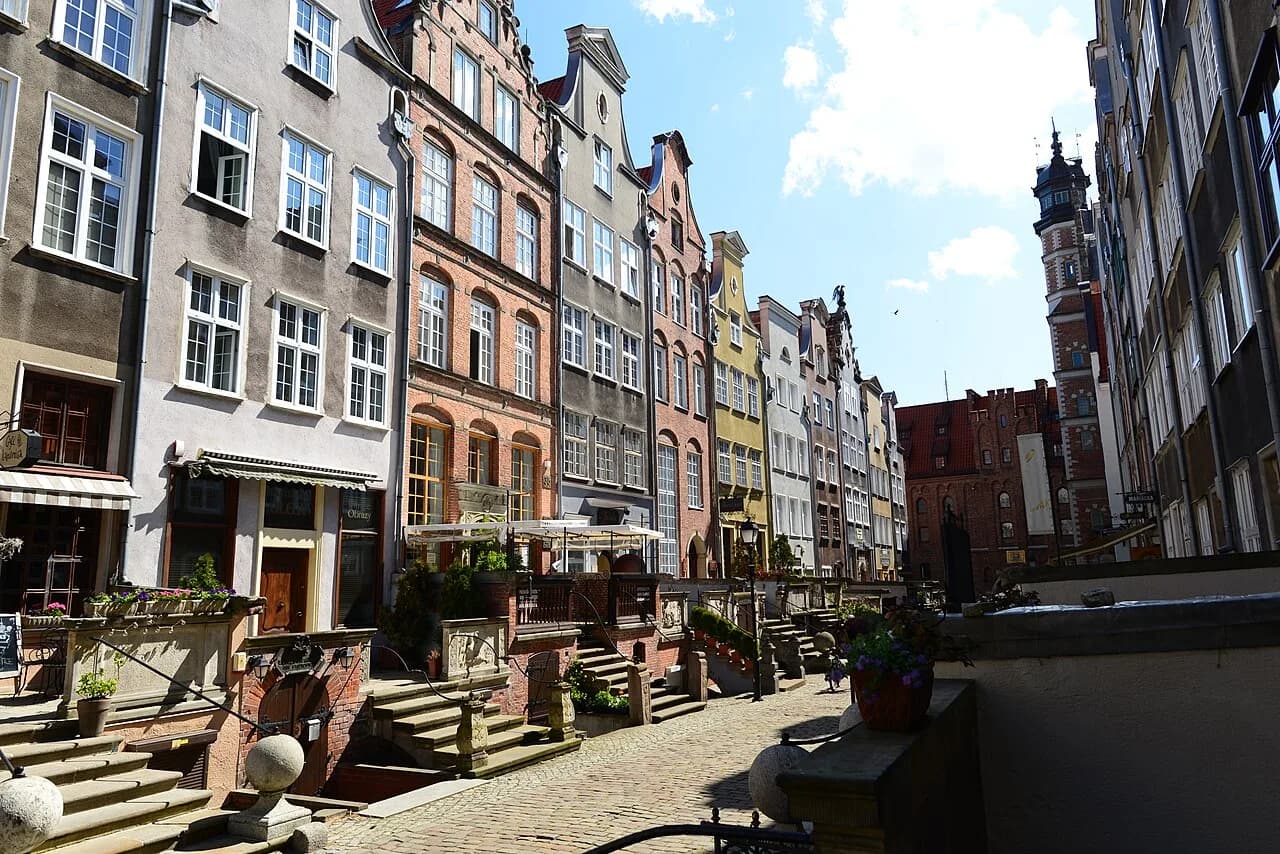
Petty crime, not violent crime, is what affects visitors in Gdansk most often. Three patterns account for nearly all reported tourist trouble. Each one is avoidable once you know where it happens. Most of this risk clusters inside Old Town's busiest lanes. See the Gdansk Old Town Visitor Guide: 8 Essential Sights & Tips for the specific streets and squares where crowds bunch up.
- Pickpocketing hotspots: trams 2, 6, and 8, plus Dlugi Targ (Long Market) when cruise ships are in port. Keep bags zipped and phones off café tables.
- Bar bill trap: clubs on ul. Szeroka sometimes run an unsigned card tab, then add mystery rounds at closing. Pay per round and ask for an itemized bill before settling up.
- Currency exchange scams: Old Town kantors advertise strong rates, then quietly add a service fee to the receipt. Kantor Grosz and bank counters are steadier alternatives; count cash before walking away.
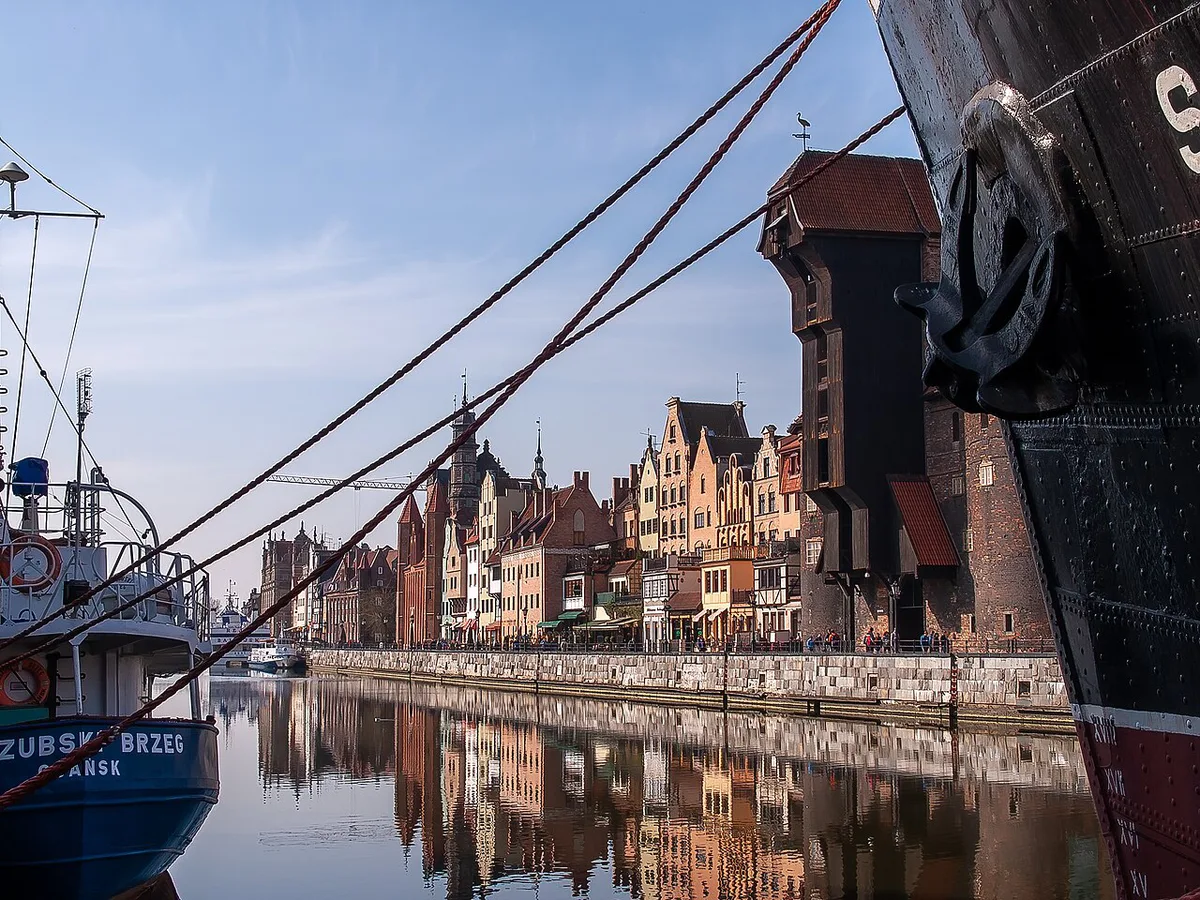
- Bicycle theft: unlocked rental bikes near Old Town's waterfront docks disappear quickly, even for short stops. Use the steel frame lock provided with the rental.
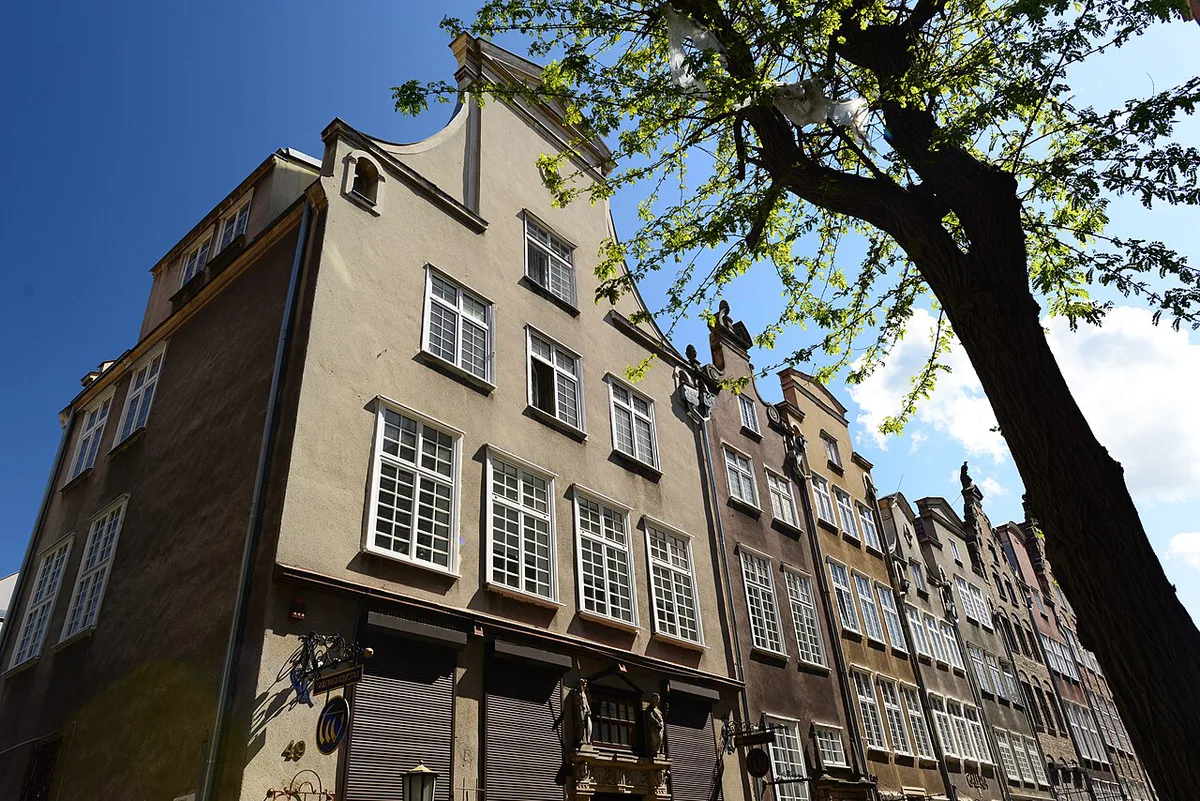
Old Town vs. Nightlife Districts vs. Residential Areas
Risk in Gdansk varies by neighborhood and by time of day, not by the city as a whole. This breakdown covers what differs between Old Town, the nightlife strip, and residential areas. These ratings reflect a qualitative, editorial assessment drawn from the risk patterns tourists report most, not a numeric scoring system. Prefer distance from the nightlife strip? 10 Best Areas for Where to Stay in Gdansk (2026) covers hotel picks in quieter zones with easy access to the center. Wrzeszcz and Oliwa suit travelers who want a quieter base with a short SKM ride into the center. Sopot's beach and pier area carries a similarly low daytime risk profile. Practical beach-day logistics sit in the separate Gdansk Beaches and Sopot Day Trip: 8 Essential Planning Tips guide.
| Area | Daytime | After Dark | Main Concern |
|---|---|---|---|
| Old Town (Główne Miasto) | Very low risk; heavy foot traffic | Low to moderate; watch bar tabs and street vendors | Pickpocketing near Dlugi Targ |
| Nightlife strip (ul. Szeroka and the 'uliczka' bars) | Low risk, mostly quiet by day | Moderate after 02:00 as crowds spill out of bars | Drink spiking, padded bar tabs |
| Residential areas (e.g. Wrzeszcz, Oliwa) | Very low risk | Low risk with standard city caution | Unlit side streets outside the center |
Nightlife Safety and Solo Travel in Gdansk
Gdansk's nightlife concentrates on ul. Szeroka and the narrow 'uliczka' bar strip in Old Town. Crowds get rowdier after 02:00 as stag parties move between bars, though serious violence stays rare. Stag-party tourism has grown in Gdansk in recent years. That raises rowdy-crowd risk more than crime risk. Drink spiking happens occasionally, so treat an unattended glass as compromised and order a fresh one. UK government travel advice specifically warns against accepting drinks from strangers and leaving a glass unattended in bars and clubs. Solo female travelers generally report feeling comfortable in Gdansk, with harassment uncommon outside the latest bar-closing hours. Bolt offers a female-only driver option after 22:00, matching women riders with women drivers for late-night trips. Sitting in a front carriage on night SKM trains is also a reasonable precaution, since those cars tend to be better patrolled. Full details on where crowds gather and how late venues run sit in the Gdansk Nightlife Guide: 10 Best Bars, Clubs & Party Spots (2026). Travelers who want distance from the noise can pick a base using the Best Area to Stay in Gdansk: Top Neighborhoods Guide guide instead.
Local Laws You Might Accidentally Break
Real legal risk for tourists in Gdansk isn't crime; it's minor regulations that carry on-the-spot fines. None of these are hard to avoid once you know they exist.
Gdansk's real risks fall into two unrelated categories: petty crime like pickpocketing concentrates in Old Town, while legal infractions—jaywalking, unvalidated tickets, public drinking—carry on-the-spot fines up to 100 PLN.
- Jaywalking: crossing outside a marked crossing, or against a red light, can bring an on-the-spot fine even with no traffic in sight.
- Drinking in public: alcohol is banned on streets, in parks, and in squares, except on licensed restaurant terraces. Officers can fine you on the spot, and if you're visibly intoxicated they can hold you in a sobering facility overnight at your own cost.
- Reflective gear after dark: walkers and cyclists on unlit roads outside the city center must wear a reflective item at night. UK travel advice puts the fine at 100 PLN if you're stopped without one.
- ID requirements: Polish law expects you to carry identification. A printed color copy of your passport photo page is accepted; keep the original locked in the hotel safe.
Transport Safety: Getting Around Gdansk Securely
Getting around the Tri-City (Gdansk, Sopot, and Gdynia) is straightforward, but a few transport habits prevent avoidable trouble. Unmarked cars often wait outside Gdansk Główny station and quote a 'tourist tariff' several times the normal rate. Official cabs display the company name and phone number on the door, plus a rate card in the window and a roof light. Starting rate on a legitimate meter runs around 2.20 PLN per kilometer. Bolt and Uber are legal, typically cheaper after 23:00, and let you confirm the fare before you ride. UK government travel advice reports that passengers in unofficial taxis, and occasionally in ride-share bookings, have been targeted for assault, according to UK government travel advice. Stick to official ranks or booked apps instead. SKM trains connect Gdansk, Sopot, and Gdynia every few minutes at peak times. Stamp your paper ticket in the yellow box before boarding. Inspectors issue on-the-spot fines for unvalidated tickets, even if you already paid at a machine. Full transport breakdown, including buses, trams, and bike rentals, sits in Getting Around Gdansk: Your Ultimate Transport Guide. Landing at the airport, Gdansk Airport to City Centre: Your Best Transport Guide lays out the safest and cheapest transfer options. Ticket types and validation specifics for the coastal line sit in Sopot to Gdansk Train: SKM vs Intercity, Prices & Times (2026).
Transport via Bolt or Uber becomes cheaper after 23:00, hours before crowds spill into rowdier streets after 02:00. Timing a ride for earlier in the evening captures both cost savings and calmer conditions.
How Close Is Gdansk to the War in Ukraine?
Gdansk sits in the Pomeranian Voivodeship on Poland's Baltic coast, more than 300 miles from the nearest Ukrainian border crossing. That distance puts the city far outside the areas most affected by the war. UK government travel advice notes that Russian strikes on Ukraine have hit within about 12 miles of the Polish border, according to UK government travel advice. A 2022 explosion in Przewodów, close to that border, killed two Polish nationals. Both incidents happened far southeast of Gdansk, and daily life in the city shows no visible sign of the conflict. Tri-City area (Gdansk, Sopot, and Gdynia) functions as a normal northern European destination, with tourism, transit, and nightlife running on the usual schedule. One added factor worth knowing: in September 2025, drone incursions caused a brief closure of some Polish airports. It's a rare event, but checking your airline's status page before flying is a reasonable precaution if regional tensions flare again.
Mistakes to Avoid in Gdansk
A short list of avoidable mistakes causes most of the safety complaints travelers report after visiting Gdansk.
- Don't get into an unmarked taxi outside Gdansk Główny station; walk to the official rank or book through Bolt or Uber instead.
- Don't leave a drink unattended in clubs on ul. Szeroka; order a fresh one if you lose sight of it.
- Don't cross on a red light, even with no traffic in sight; police do issue fines for jaywalking.
- Don't board an SKM train without validating your ticket first; stamp it in the yellow box before you get on.
Emergency Numbers and Healthcare in Gdansk
Save these contacts before travel; response for genuine emergencies is fast, and English is widely available on the line. Poland's public NFZ system covers emergency care for EHIC or GHIC holders at no charge, and everyone else pays out of pocket. EHIC and GHIC don't cover repatriation or private-hospital upgrades, so separate travel insurance is worth arranging before departure. Tap water is safe to drink across Gdansk. Ask for 'zebry' at a restaurant table if you want free tap water instead of paying for bottled. Street food at markets and festivals falls under Sanepid health inspection, though checking that meat is served hot is still worth doing. Where to eat with confidence beyond the inspected stalls sits in Traditional Polish Food in Gdansk: A Culinary Guide. Broader planning beyond safety, money, connectivity, and etiquette, sits in 10 Essential Gdansk Travel Tips: A Complete Guide to Poland’s Baltic Gem.
- Police, ambulance, and fire: 112 covers all three, and the call center connects English speakers on request.
- Gdansk Tourist Police: +48 58 321 23 95, with an English-speaking desk inside Gdansk-Wrzeszcz station open 10:00 to 18:00 in high season.
- Public hospital: University Clinical Centre at 7 Dębinki Street runs a 24-hour emergency and trauma unit.
- Private walk-in care: Gdansk International Clinic at Al. Grunwaldzka 4 takes same-day tourist appointments.
See also our Shopping in Gdansk: Best Malls, Designer Outlet Gdansk, and Amber Markets guide.
Frequently Asked Questions
Is Gdansk safe to visit in 2026?
Yes. Gdansk remains one of Poland's lower-risk major cities for travelers, and violent crime stays rare. Typical concerns are pickpocketing, taxi overcharging, and nightlife bar-tab scams. Basic precautions cover most of the risk: keep your bag zipped, book rides through an app, and don't leave your drink unattended.
Is Gdansk safe at night?
Central Gdansk stays lit and busy well into the evening, and Old Town feels calm even late. Ul. Szeroka's nightlife strip gets rowdier after 02:00 as bars close. Leaving with a group and booking a ride through an app are the safer choices for the walk home.
Is Gdansk safe for solo female travelers?
Generally yes. Solo female travelers commonly report feeling comfortable in Gdansk, and harassment is uncommon. Bolt's female-only driver option is available after 22:00 for late-night rides. Sitting in a front carriage on night SKM trains is a reasonable extra precaution.
Are taxis in Gdansk safe?
Official taxis and licensed ride-share apps are safe and commonly used. Unmarked cars waiting outside Gdansk Główny station are the main risk, since they sometimes quote inflated fares. Stick to cabs with a company name on the door and a visible rate card, or book through Bolt or Uber instead.
How far is Gdansk from the war in Ukraine?
Gdansk sits more than 300 miles from the nearest Ukrainian border crossing, in the Pomeranian Voivodeship on Poland's Baltic coast. Day-to-day life in the city shows no visible sign of the conflict, and tourism, transit, and nightlife run on their usual schedule.
What is the emergency number in Gdansk?
Dial 112 for police, ambulance, or fire anywhere in Gdansk. English-speaking operators are available on request. Gdansk Tourist Police also run an English-speaking desk inside Gdansk-Wrzeszcz station, open 10:00 to 18:00 in high season.
You might also like
Continue reading
More guides you'll find useful