
Gdansk Old Town Visitor Guide: 8 Essential Sights & Tips
Welcome to the stunning Baltic coast of Poland where history meets modern charm. This gdansk old town visitor guide helps you navigate one of Europe's most beautifully restored historic centers. Many travelers wonder Is Gdansk Worth Visiting? 7 Key Things to Know Before You Go when planning a Polish itinerary. You will quickly discover that the city's rich maritime heritage and colorful facades offer a unique atmosphere.
Walking through the cobblestone streets feels like entering a living museum of architectural resilience. The city was meticulously rebuilt after the devastation of the mid-twentieth century. Today, it stands as a testament to Polish craftsmanship and historical pride. Our guide ensures you catch every hidden gem and major landmark during your stay.
A Brief History: Gdansk Old Town Visitor Guide Context
The history of Gdansk dates back to the 10th century as a vital port on the Baltic Sea. It became a wealthy member of the Hanseatic League and served as a bridge between Eastern and Western Europe. This prosperity funded the ornate buildings you see today along the main thoroughfares. The city's unique location made it a frequent target for competing regional powers over several centuries.
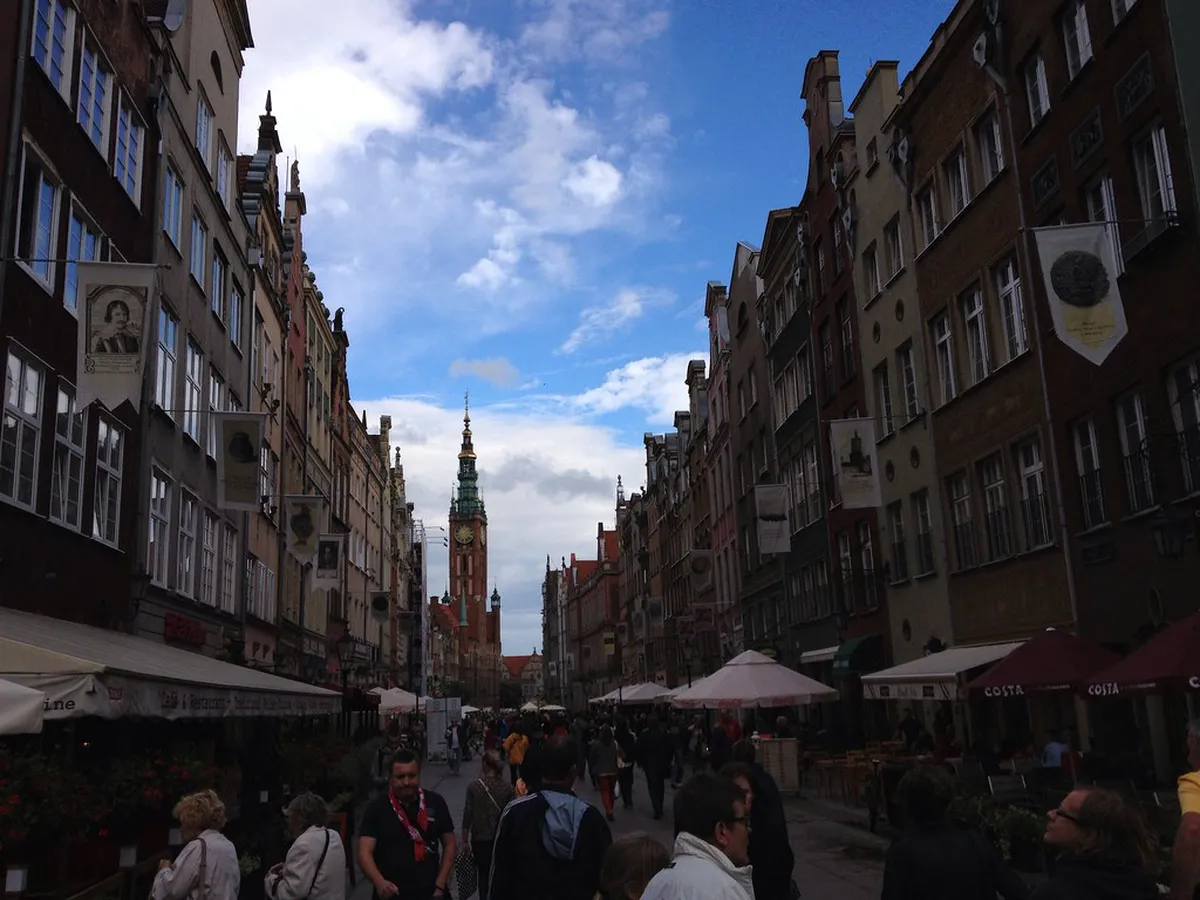
Visitors often notice that the architecture looks more Dutch or Flemish than traditionally Polish. During the 16th and 17th centuries, many architects from the Netherlands moved here to design public buildings. They brought the Dutch Mannerist style, which features red brick and elaborate gables. This visual distinction separates the city from other Polish hubs like Krakow or Warsaw.
The destruction of 1945 left nearly ninety percent of the city center in total ruins. Polish authorities decided to reconstruct the historic core using old photographs and architectural plans. This massive effort focused on the Główne Miasto, or Main Town, rather than the actual Old Town area. Travelers should know that most famous sights are actually located in the Main Town district.
Must-See Gdansk Attractions (The Royal Route)
The Royal Route follows the path taken by visiting monarchs as they entered the city. It starts at the Golden Gate and ends at the Green Gate by the river. You can find many of the most famous 18 Best Things to Do in Gdansk along this historic stretch. Taking your time to walk this route allows you to soak in the grandest facades.
Długa Street and the Long Market serve as the heart of social life in the center. The Neptune Fountain stands as a symbol of the city’s deep connection to the sea. Right behind the fountain, the Artus Court once served as a meeting place for wealthy merchants. These spots are perfect for people-watching while you enjoy a coffee at a nearby cafe.
Rising above the skyline is St. Mary’s Church, one of the largest brick churches in the world. Climbing the tower offers a panoramic view of the red-roofed houses and the winding river. The interior houses a massive astronomical clock that still functions today. Be sure to check the opening hours for the tower as they change with the seasons.
The Neptune Fountain, completed in 1633, originally symbolized the city’s independence from the royal court. St. Mary’s Church tower is open May–September 9 AM–5:30 PM; winter hours are shorter. Visit early morning (before 10 AM) to avoid crowds at this iconic location.
- The Golden Gate (Złota Brama)
- Built: 1612
- Style: Dutch Mannerist
- Location: West entrance
- Cost: Free to view
- Neptune's Fountain (Fontanna Neptuna)
- Completed: 1633
- Symbol: Sea power
- Best for: Photos
- Where: Long Market
- The Crane (Żuraw)
- Function: Port crane
- Era: 15th century
- Location: Riverfront
- Status: Iconic landmark
Museums, Art, and Culture in Gdansk
The Main Town Hall houses the Gdansk Historical Museum within its ornate walls. Inside, you can explore the Red Chamber, which is often called one of the most beautiful interiors in Europe. The museum provides a deep look into the daily lives of the city's former residents. Climbing the town hall tower gives you another vantage point over the Long Market.
Art lovers must visit the National Museum – Gdansk Branch to see its greatest treasure. The museum holds 'The Last Judgment' by Hans Memling, a masterpiece of Early Netherlandish painting. This triptych has a wild history of being stolen by pirates and emperors alike. Allow at least two hours to see the entire collection of fine arts and historical artifacts.
Uphagen's House offers a rare glimpse into an 18th-century merchant's residence. It is the only merchant house in the city that is open to the public in its original layout. The rooms are decorated with period furniture and intricate wall hangings. This museum helps visitors understand the immense wealth generated by the Baltic trade.
The Amber Museum is another essential stop located in the historic Great Mill. Poland is world-famous for its 'Baltic Gold,' and the museum shows its natural and artistic forms. You can see ancient insects trapped in resin alongside modern jewelry designs. Shopping for amber is popular, but visiting the museum first helps you spot high-quality pieces.
Parks, Gardens, and Outdoor Spots in Gdansk
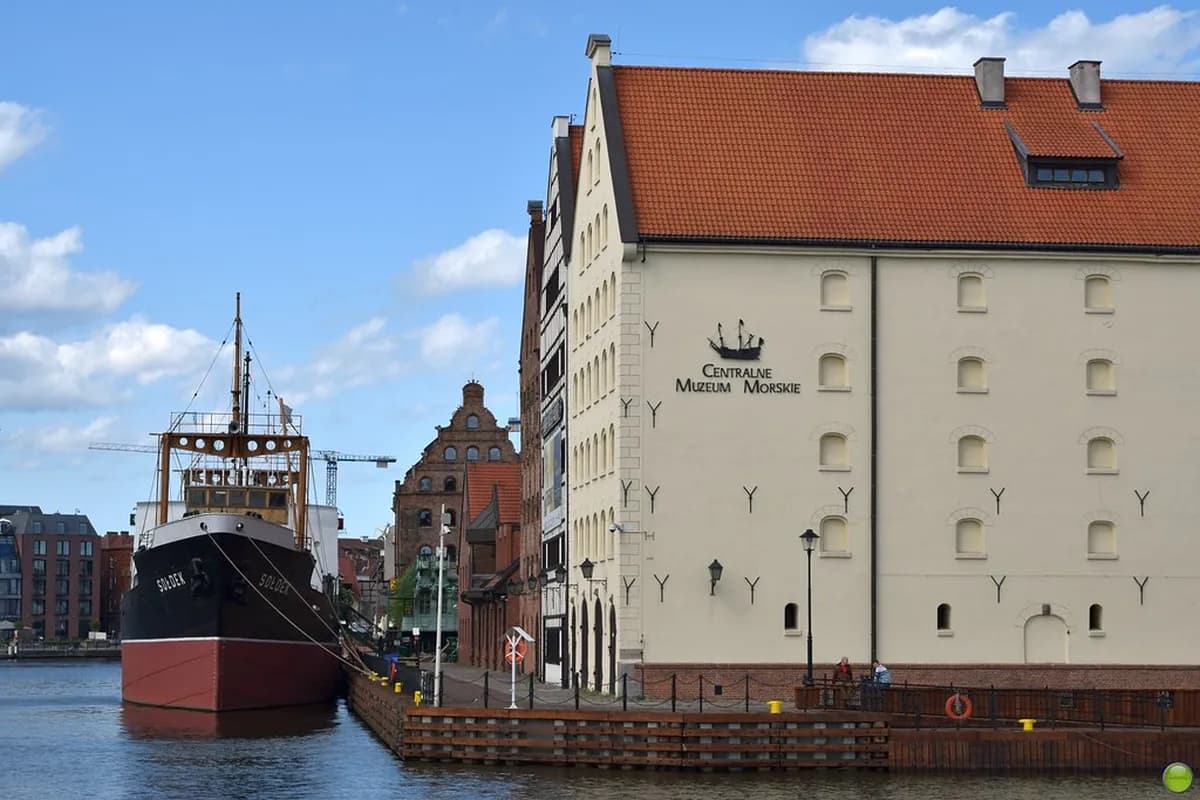
The Motława River embankment is the most popular outdoor spot for locals and tourists. Walking along the waterfront allows you to see the famous Crane and the historic ships. Many boat tours depart from this area, offering a different perspective of the city walls. The atmosphere is particularly lively in the evenings when the buildings are illuminated.
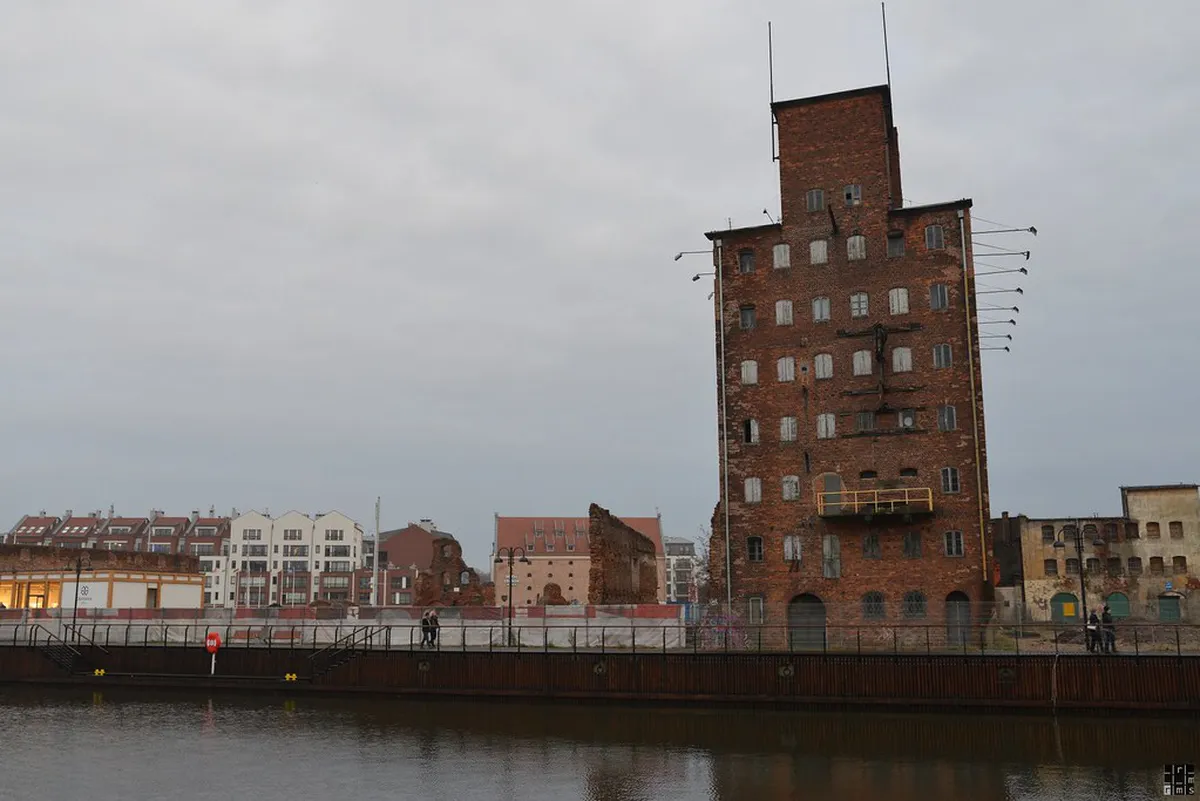
Granary Island has recently been transformed into a modern hub with green spaces and terraces. It offers a great view back toward the historic center across the water. You can find many benches and small parks where you can rest between museum visits. This area perfectly blends the city's industrial past with contemporary urban design.
If you have extra time, a short trip to Oliwa Park provides a peaceful escape. The park features a stunning cathedral known for its massive 18th-century organ. You can walk through the French and English-style gardens for a relaxing afternoon. Local buses and trams make reaching this green oasis very easy from the center.
Family-Friendly and Budget-Friendly Options in Gdansk
Traveling on a budget is easy if you know 10 Best Areas for Where to Stay in Gdansk for the best value. Many hostels and guest houses offer central locations without the high price tag of luxury hotels. Walking is the best way to see the sights, which costs nothing at all. Free walking tours operate daily and provide excellent historical context for a small tip.
Eating at a 'Bar Mleczny' or milk bar is a classic Polish budget experience. These cafeterias serve traditional dishes like pierogi and borscht at very low prices. They are family-friendly and offer a glimpse into the local culture from the communist era. Most milk bars are open for breakfast and lunch but close early in the evening.
Families will enjoy the Hewelianum Centre located on a hill overlooking the city. This interactive science museum is housed in old military fortifications. It offers plenty of space for children to run around while learning about physics and history. The view from the top of the hill is one of the best free panoramas available.
How to Plan a Smooth Gdansk Attractions Day
Deciding How Many Days In Gdansk Travel Guide you need depends on your pace. Two full days allow you to see the main sights without feeling rushed. Start your morning early at the Royal Route to avoid the largest tour groups. Most museums open at 10:00 AM, so use the early hours for outdoor photography.
Lunchtime is the perfect window to explore the side streets like Piwna or Świętego Ducha. These areas are often quieter than the Long Market but just as beautiful. You can find charming cafes hidden in the basements of historic tenement houses. Planning a break in the middle of the day helps you stay energized for the evening.
Late afternoon is the best time to visit St. Mary's Church or the riverfront. The golden hour light makes the red brick buildings glow against the blue sky. Consider booking dinner reservations in advance if you want a table with a river view. Many popular restaurants fill up quickly during the peak summer months.
Local Navigation and Practical Travel Apps
The Jakdojade app is the essential tool for using public transport in Poland. It provides real-time schedules for all trams, buses, and regional trains. You can buy tickets directly through the app using a credit card or digital wallet. This saves you the trouble of finding a ticket machine on the street.
Purchasing a Gdansk City Card can save you significant money on museum entries. The card includes free access to most major attractions and discounts at various restaurants. You can also add a transport package to the card for unlimited tram and bus rides. Check the official website for the 2026 pricing and a full list of participating venues.
The SKM train system is the fastest way to travel between Gdansk, Sopot, and Gdynia. Trains run frequently and are very affordable for day trips along the coast. Be sure to validate your paper ticket in the yellow machines before boarding the train. Digital tickets purchased via apps usually do not require separate validation.
Tourist Information and Visitor Etiquette
Official tourist information points are located at the airport and near the Green Gate. The staff speak multiple languages and can provide free maps and event brochures. They are the best source for updated information on seasonal closures or festival schedules. You can also book 10 Best Day Trips from Gdansk: A 2026 Planning Guide directly at these centers.
Tipping in Poland is generally expected in restaurants and is usually around ten percent. It is polite to tell the waiter the total amount you want to pay when handing over cash. In cafes or for small services, rounding up the bill is a common and appreciated gesture. Always check your bill to see if a service charge has already been included.
Learning a few basic Polish phrases like 'Dzień dobry' and 'Dziękuję' goes a long way. Locals appreciate the effort, even if they speak excellent English themselves. Respect the quiet hours in residential areas of the Old Town after 10:00 PM. Sustainable tourism practices, like using refillable water bottles, are encouraged throughout the city.
Frequently Asked Questions
Which Gdansk Old Town visitor guide options fit first-time visitors?
First-time visitors should focus on the Royal Route and the Motława riverfront. These areas contain the most iconic landmarks like the Neptune Fountain and the Crane. You can find more details in our Best Time To Visit Gdansk Travel Guide guide to help plan your arrival.
How much time should you plan for exploring Gdansk Old Town?
You should plan at least one full day for the main sights and museums. Two days are better if you want to explore side streets and enjoy the local food scene. This allows for a relaxed pace without missing the major historical highlights.
Is the Gdansk City Card worth it for a short itinerary?
Yes, the card is worth it if you plan to visit at least three major museums. It covers the Main Town Hall, the Amber Museum, and several others. The added convenience of public transport makes it a great value for most travelers.
What should travelers avoid when planning a Gdansk visit?
Avoid eating only on the Long Market, as prices are higher and quality varies. Explore the side streets for more authentic and affordable dining options. Also, try to avoid the peak mid-day crowds at the most popular museum exhibits.
Gdansk is a city that rewards those who take the time to look beyond the main squares. From the Dutch-inspired architecture to the moving history of its reconstruction, there is something for every traveler. We hope this guide helps you create unforgettable memories in this Baltic jewel.
Don't forget to explore the local Gdansk Nightlife Guide: 10 Best Bars, Clubs & Party Spots for evening entertainment options. The city transforms after dark with cozy bars and vibrant clubs tucked into historic cellars. Safe travels as you discover the magic of the Polish coast.
You might also like


Continue reading
More guides you'll find useful