

Poznań packs one of Poland's densest attraction landscapes into a compact, walkable core. A historic heart on Stary Rynek and Ostrów Tumski sits woven together with 20th-century landmarks — the Imperial Castle, Brama Poznania — and the green sprawl of Citadel Park and Lake Malta. Few Polish cities let you cross a 968 AD cathedral, a Kaiser's neo-Romanesque palace, and a pastry museum off your list in a single afternoon's walk, and that density is exactly why Poznań rewards a plan rather than a wander.
The city's signature moment happens every day at noon, and again at 3:00 PM: two mechanical goats emerge from the Poznań Town Hall's clock tower and butt heads twelve times, a tradition dating to the 16th century that still stops foot traffic across the Old Market Square. Beyond the goats, Poznań balances free and paid sightseeing more evenly than most European capitals — the square itself, Fara Church's Baroque nave, Poznań Cathedral's nave, and Citadel Park's 100 hectares cost nothing to explore, while the Town Hall museum, Brama Poznania's interactive galleries, and the Croissant Museum's tasting show carry modest, clearly posted 2026 ticket prices.
This guide organizes the city's 9 essential attractions by neighborhood, category, and budget below, then lays out ready-to-use 1-, 2-, and 3-day itineraries built around the noon goat show and each site's real opening hours. Every price and time on this page is verified against each attraction's own visitor guide rather than an outdated brochure — use this hub to plan your trip, then click through to the full guide for any site that makes your list.
Top 9 attractions in Poznan
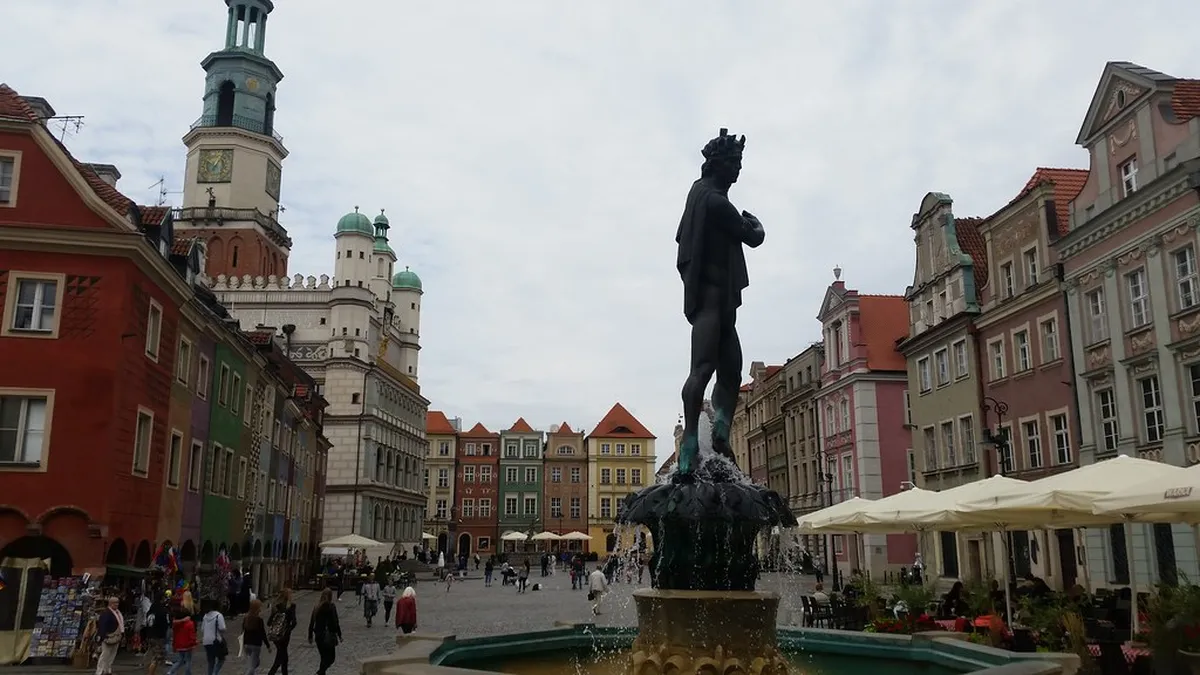
Poznań Old Market Square
Poznań's Old Market Square (Stary Rynek) is one of the largest and finest old-town squares in Poland, meticulously rebuilt from near-total ruin after the 1945 Battle of Poznań using historical plans and paintings. Ringed by colorful 16th-century Renaissance merchant houses and centered on the ornate Town Hall, it's famous for the two mechanical goats that emerge from the clock tower to butt heads at noon and 3pm each day.
Visitor guide →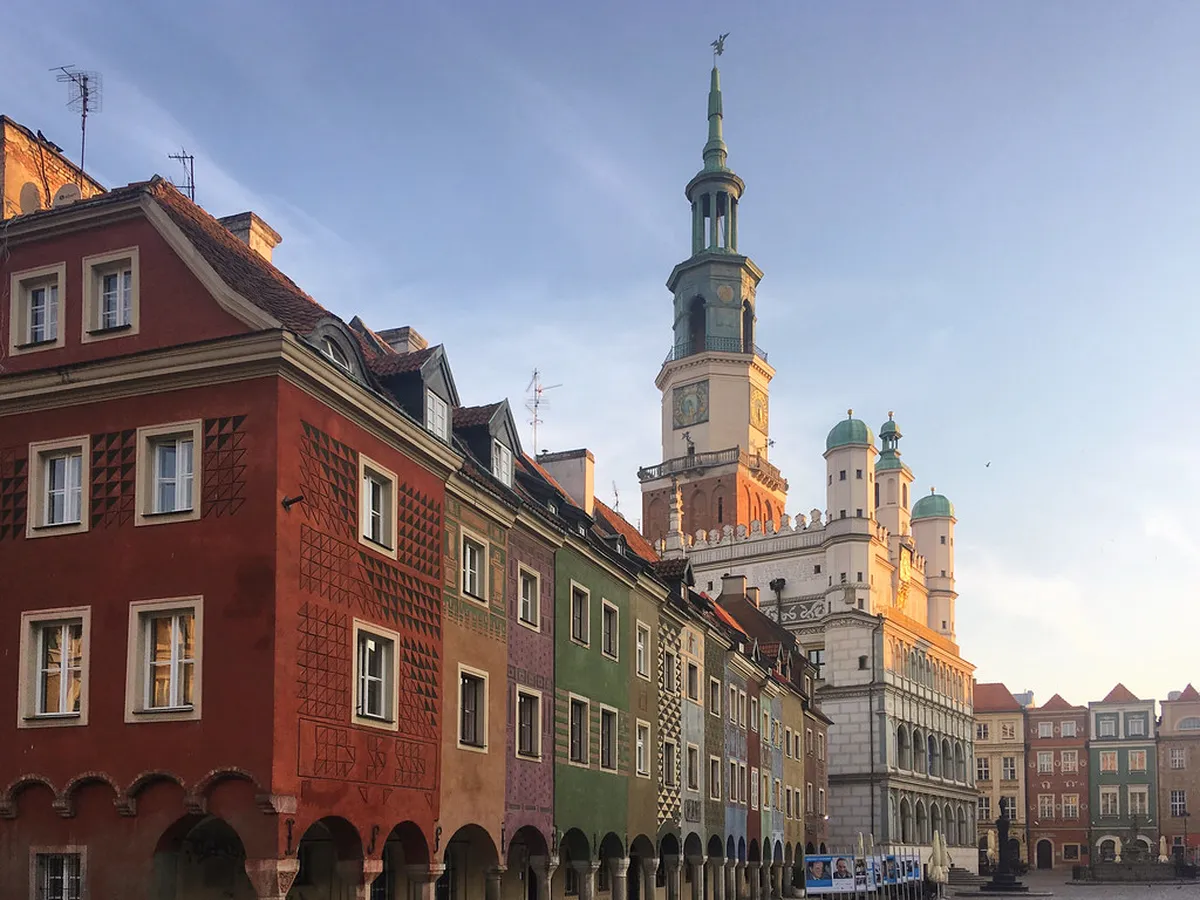
Poznań Town Hall
Poznań Town Hall is a Renaissance landmark on the Old Market Square, rebuilt in 1550–1560 by Italian architect Giovanni Battista di Quadro atop a 13th-century Gothic original and crowned by the square's tallest tower. Its clock is famous for the mechanical goat-butting show, staged daily at noon and 3pm per a 16th-century legend, and the building now houses the Museum of Poznań, tracing the city's history from medieval times to 1945.
Visitor guide →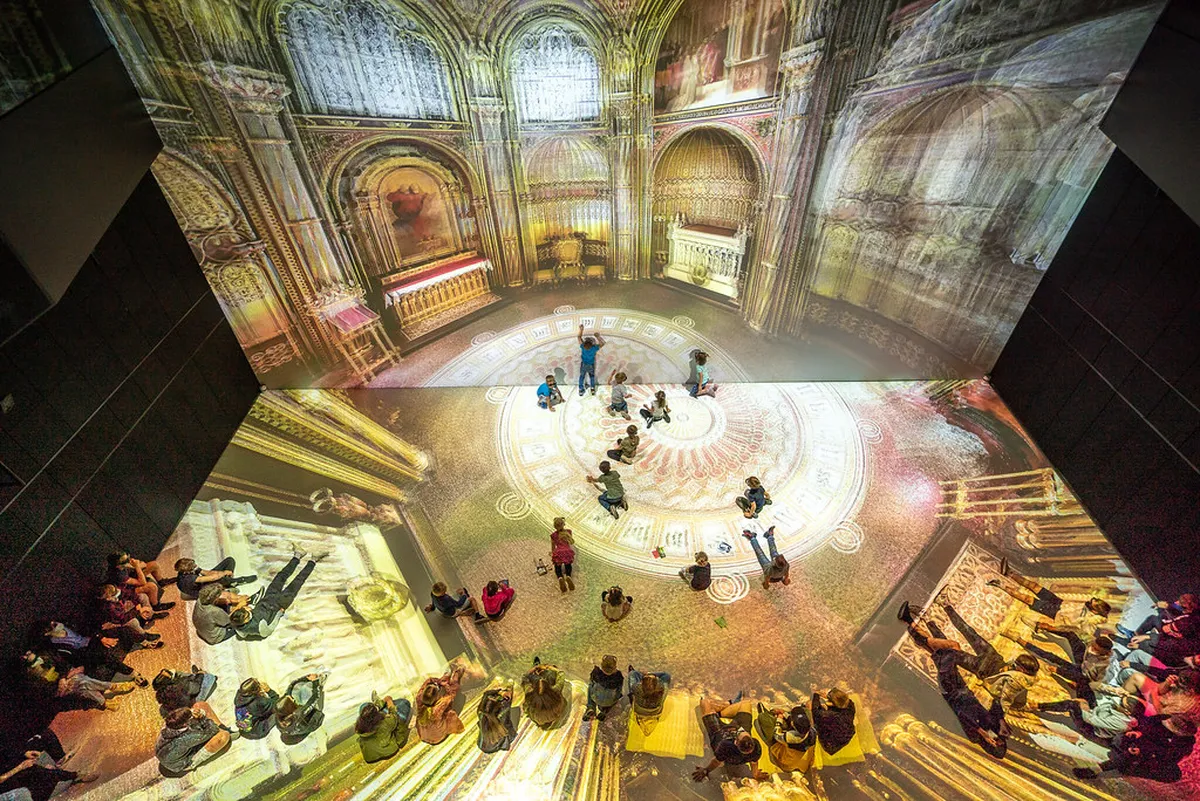
Poznań Cathedral
Founded around 968 AD as the seat of Poland's first bishopric, Poznań Cathedral on Ostrów Tumski (Cathedral Island) is the oldest cathedral in Poland and the burial place of the country's first rulers, Mieszko I and Bolesław I the Brave. Gutted by fire during the 1945 Battle of Poznań, it was rebuilt in Gothic style and reopened in 1956, and its gilded, mosaic-covered Golden Chapel remains the mausoleum of the first Piast dynasty.
Visitor guide →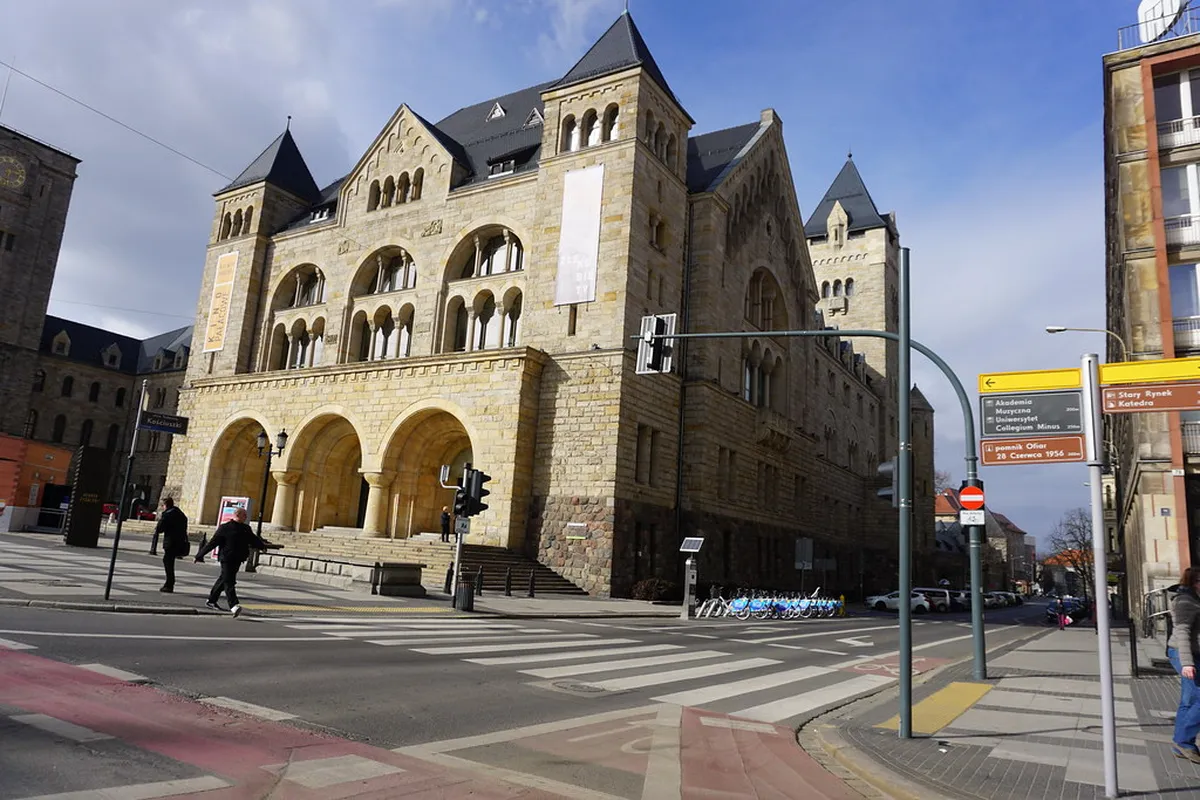
Imperial Castle Poznań
Built in 1905–1910 for German Kaiser Wilhelm II as his Prussian provincial residence, the neo-Romanesque Imperial Castle was the last palace built in Europe for a living monarch. Nazi Germany later remodeled its interior into a residence and office for Adolf Hitler — complete with an unfinished bunker beneath the courtyard — and the building now operates as CK Zamek, Poznań's cultural centre with galleries, a cinema, cafés, and a historic tour route open to visitors.
Visitor guide →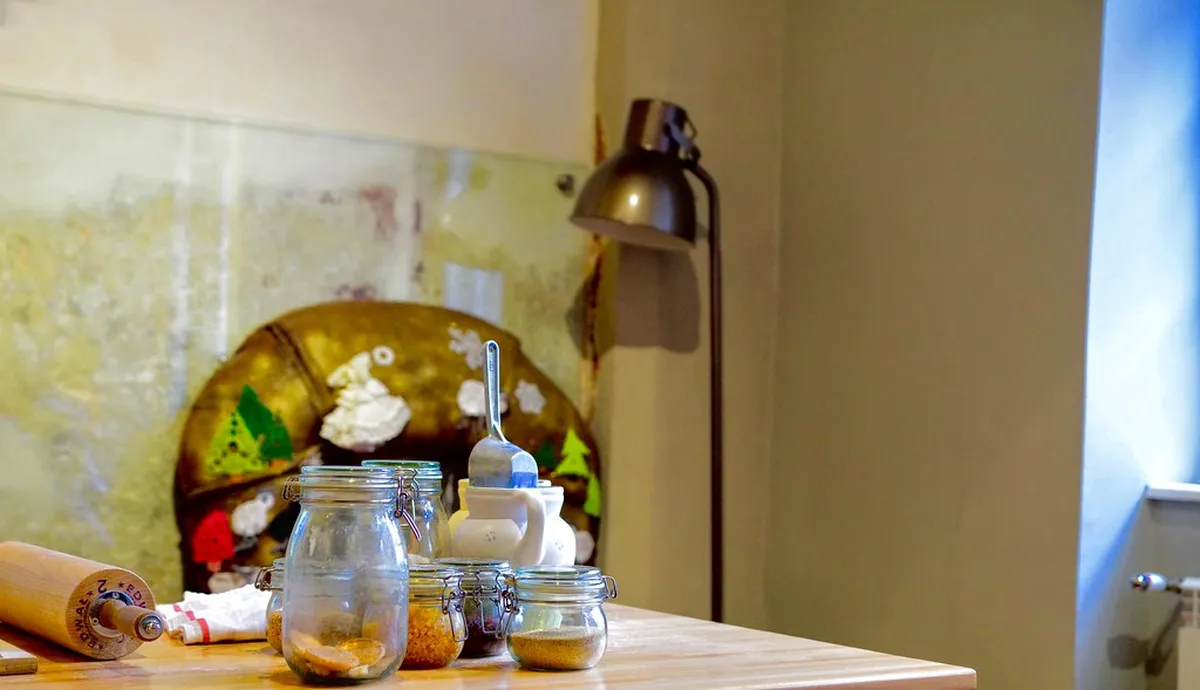
Croissant Museum (Rogalowe Muzeum Poznania)
An interactive theatrical show-museum on Poznań's Old Market Square where a costumed guide tells the legend and history of the protected-designation St. Martin's croissant, demonstrates the traditional baking process live, and finishes with a fresh croissant tasting for every guest. Some show slots also let visitors watch the Town Hall's mechanical goats butt heads from the museum's windows.
Visitor guide →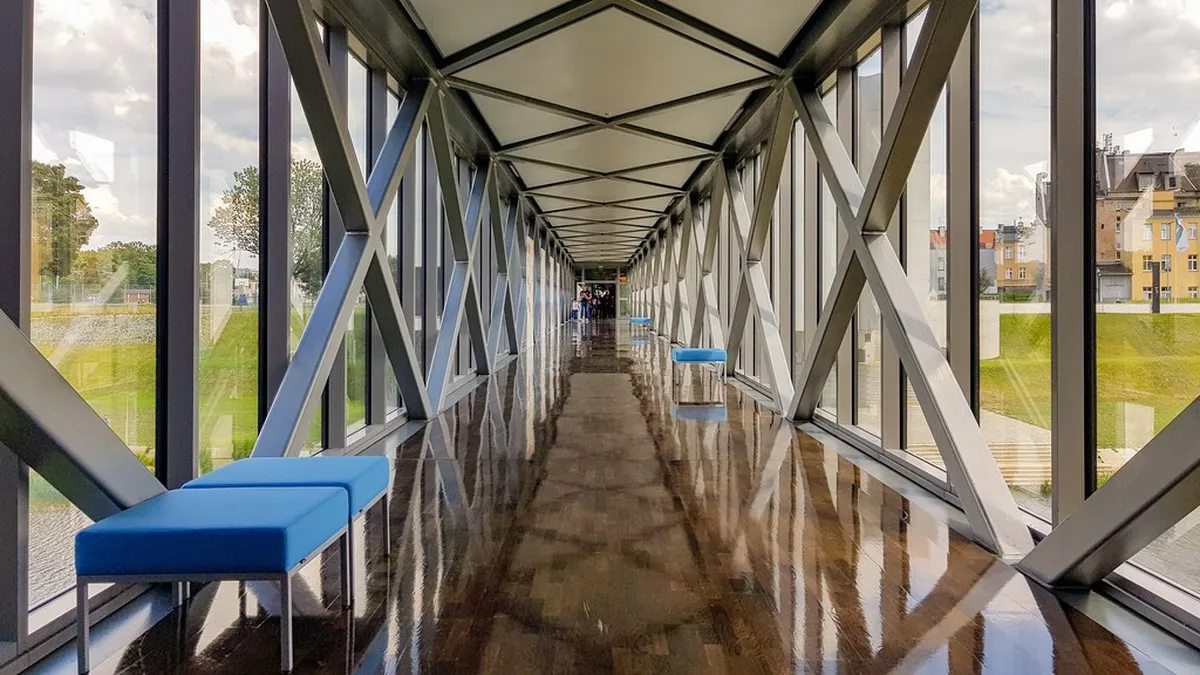
Brama Poznania (ICHOT)
Opened in 2014, Brama Poznania ICHOT is a striking contemporary interpretation center whose minimalist concrete form leans out over the Cybina River, telling the multimedia story of the Piast dynasty and the birth of the Polish state. A 63-meter glazed footbridge carries visitors from the modern building across the river directly onto Ostrów Tumski (Cathedral Island), linking the exhibition to the historic sites it interprets.
Visitor guide →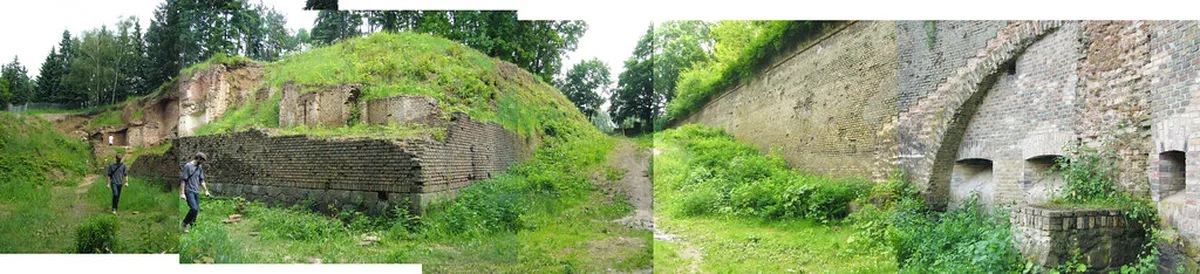
Citadel Park (Park Cytadela)
Citadel Park sits atop the ruins of Fort Winiary, a 19th-century Prussian citadel whose defenders made their last stand here during the 1945 Battle of Poznań before Soviet forces captured it on 23 February 1945. Today the roughly 100-hectare park — Poznań's largest — combines British/Commonwealth and Polish war cemeteries, the Poznań Army Museum and Armaments Museum, a rosarium, playgrounds, and outdoor sculptures in one green, historic space.
Visitor guide →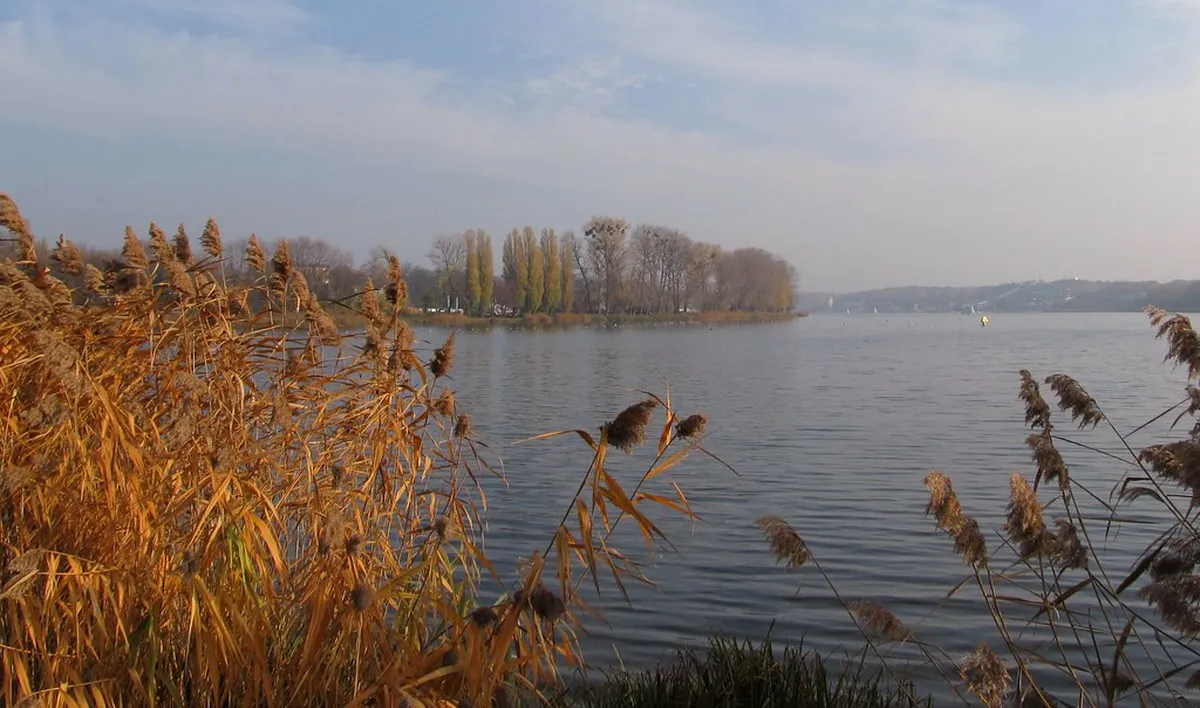
Lake Malta (Jezioro Maltańskie)
Lake Malta is an artificial reservoir in eastern Poznań, created in 1952 by damming the Cybina River, and home to the internationally certified Malta Regatta Course — one of Europe's oldest man-made rowing venues, which has hosted the 2009 World Rowing Championships and ICF Canoe Sprint World Championships in 1990, 2001, and 2010. The lake is ringed by a free public park with a summer swimming beach, plus separately-ticketed attractions: the Malta Ski artificial slope and toboggan run, the Termy Maltańskie thermal water park, the narrow-gauge Maltanka miniature railway, and Poznań's New Zoo.
Visitor guide →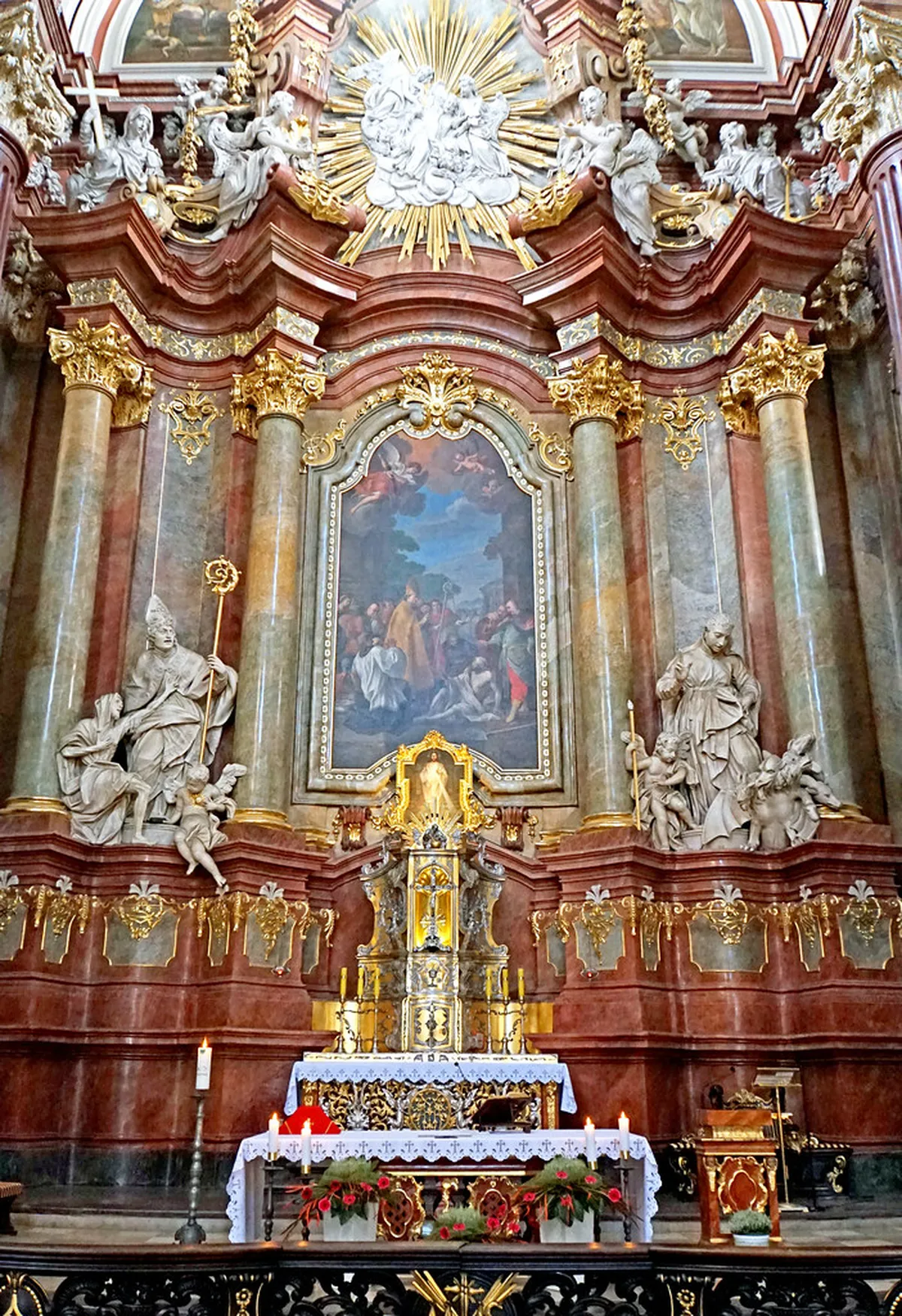
Fara Church (Parish Church of St. Stanislaus)
Built between 1651 and 1701 for the Jesuit order and consecrated in 1705, Fara Church (Parish Church of St. Stanislaus) is widely regarded as one of the most beautiful Baroque church interiors in Poland, just steps from the Old Market Square. Its richly decorated interior features red marble columns and altars, illusionistic ceiling frescoes of the life of St. Stanislaus, and a monumental 1876 Ladegast pipe organ with more than 2,600 pipes.
Visitor guide →Poznań attractions by neighborhood
The nine attractions above cluster into four walkable zones, so mapping your visit by neighborhood saves more legwork than working through a flat top-9 list.
Old Market Square core (Stary Rynek)
Four of the nine sights sit within a two-minute walk of each other around the square itself: Poznań Old Market Square, the Renaissance Poznań Town Hall with its noon goat show, the pink Baroque Fara Church two minutes south on ul. Gołębia, and the Croissant Museum tucked behind the square's arcades. This is the only zone you can realistically cover entirely on foot in a single morning.
Ostrów Tumski (Cathedral Island)
Across the Cybina River, Poznań Cathedral — the oldest in Poland — and Brama Poznania (ICHOT) sit linked by a 63-meter glass footbridge, close enough to treat as one stop. It's a scenic 15-minute walk from the Old Market Square across the Jordan Bridge, or a short tram ride to the "Katedra" or "Rondo Śródka" stop.
Śródmieście / Centrum
West of the Old Town, the Imperial Castle anchors the early-20th-century Imperial District, a 10–15 minute walk from Stary Rynek along wide Prussian-era boulevards, or a quick tram to the Ratajskiego stop.
Outlying green spaces
Citadel Park (north of downtown) and Lake Malta (east, near Śródka) sit furthest out and both need a tram — neither is a comfortable walk from the Old Town core — but each rewards a half-day of its own.
Poznań attractions by category
If you're planning around interests rather than geography, the nine attractions split cleanly into four categories.
History and landmarks
Poznań Old Market Square, Poznań Town Hall, Poznań Cathedral, and the Imperial Castle anchor the city's timeline — from a 968 AD bishopric to a 1910 Kaiser's palace — and are the four sights first-time visitors should prioritize.
Culture and food
The Croissant Museum's interactive baking show and Brama Poznania's multimedia storytelling both trade static exhibits for hands-on experiences — good picks for travelers who find traditional museums slow going.
Outdoor and family
Citadel Park's 100 hectares of rose gardens, war memorials, and playgrounds and Lake Malta's regatta course, water park, and miniature railway give families and joggers a full day of low-cost activity away from the museums.
Religious architecture
Fara Church stands apart as the city's Baroque architectural showpiece — a free, working parish church rather than a paid museum, and a natural pairing with the Gothic Poznań Cathedral for anyone comparing Poland's church architecture across centuries.
Free vs paid Poznań attractions
Poznań's sightseeing splits fairly evenly between free public spaces and modestly priced ticketed sites — none of the nine attractions charges more than the price of a nice dinner back home.
Free to visit
- Poznań Old Market Square — open 24 hours, no ticket ever required.
- Poznań Cathedral nave — free entry daily 9:00 AM–4:00 PM (only the crypt and tower are ticketed).
- Fara Church nave — free daily, 6:00 AM–7:30 PM.
- Citadel Park grounds — free, unfenced, open 24 hours (only its two museums charge admission).
- Lake Malta — the lake, park, 5.6km path, and summer swimming beach are all free (only the zoo, Maltanka train, water park, and ski slope are ticketed).
Paid attractions
- Poznań Town Hall museum — 13 PLN adult, 1 PLN student/pupil (up to 26), free for children under 7, and free for everyone every Tuesday.
- Imperial Castle historic tour route — 10 PLN self-guided (7 PLN reduced) or 20 PLN with audio guide (15 PLN reduced); the courtyard and cafés stay free.
- Croissant Museum show — from 41 PLN for the Polish-language show; every English-language show is a flat 47 PLN.
- Brama Poznania (ICHOT) — 35 PLN adult, 29 PLN reduced, 75 PLN family (up to 5, max 2 adults), free under 6.
- Citadel Park's two museums — Armaments Museum 15 PLN (10 PLN reduced), Army Museum 10 PLN (6 PLN reduced), 20 PLN combined — both free on Tuesdays.
- Poznań Cathedral crypt and tower — crypt about 10 zł (8 zł reduced), tower about 14 zł (12 zł reduced), seasonal March–mid-November only.
Suggested itineraries
1 day: the highlights loop
Start at 9:00 AM on Ostrów Tumski — the Poznań Cathedral nave and, across the glass footbridge, Brama Poznania — before the day's crowds arrive. Walk or tram back into the Old Town by mid-morning and position yourself at the Old Market Square by 11:45 for the noon goat show at Poznań Town Hall. Have lunch on the square, then spend the early afternoon at Fara Church and the Croissant Museum's 2:00 PM English show, timed to end with a second goat sighting through the museum's own windows.
2 days: add the Imperial District
Day 1 covers the Old Market Square core at an unhurried pace — Old Market Square, Poznań Town Hall (aim for either the noon or 3:00 PM goat show), Fara Church, and the Croissant Museum. Day 2 starts on Ostrów Tumski (Cathedral plus Brama Poznania) in the morning, then crosses town in the early afternoon to the Imperial Castle, whose historic tour route runs until 8:00 PM — comfortably late enough for a full second-day finish.
3 days: add the green spaces
Keep Days 1 and 2 as above, then dedicate Day 3 to Poznań's outlying attractions: Citadel Park in the morning (visit on a Tuesday if you want both museums free) and Lake Malta in the afternoon — walk the lake loop, ride the Maltanka train, or add the water park if you want to end the trip at a slower pace.
Getting around Poznań's attractions
Poznań has no metro system, and you won't need one for the Old Town core. The Old Market Square, Poznań Town Hall, Fara Church, and Croissant Museum sit within two minutes of each other and the whole area is pedestrianized — a car is actively unhelpful here, since parking is scarce and metered along the edges.
Everything else runs on Poznań's tram and bus network (MPK Poznań). Reach Ostrów Tumski via the "Katedra" or "Rondo Śródka" tram stop (or the scenic 15-minute walk across the Jordan Bridge); reach the Imperial Castle via the Ratajskiego stop; reach Citadel Park via stops along Aleja Solidarności; and reach Lake Malta via tram lines 6 or 8 to Rondo Śródka. A single-use ticket or a 24/72-hour pass covers all of them, and the Poznań (City) Tourist Card bundles unlimited transit with discounted museum entry if you're combining three or more paid sights in one trip.
Best time to visit Poznań's attractions
Summer (June–August) brings the longest hours across the board — Poznań Town Hall stays open until 8:00 PM on Fridays, Brama Poznania until 7:00 PM on weekends — plus Lake Malta's supervised swimming beach, Malta Ski's summer toboggan run, and open-air concerts in Citadel Park's amphitheater and the Imperial Castle's courtyards. It's also the busiest and most expensive season for accommodation.
St. Martin's Day (November 11) is the city's food-culture peak: bakeries across town sell the protected-designation St. Martin's croissant, and the Croissant Museum's shows are at their most in-demand of the year.
Late November through December adds a Christmas market to the Old Market Square, with wooden stalls and mulled wine right beside the Town Hall's goat show — worth combining with a visit if your trip lands in that window.
Shoulder season and winter (November–February) bring shorter hours at several sights: Poznań Cathedral's crypt and tower close entirely between mid-November and March, and Citadel Park's two museums shift to 10:00 AM–4:00 PM. In exchange, crowds thin out noticeably and Malta Ski opens for its actual ski season.
How to save money on Poznań attractions
Poznań is already one of the more affordable cities in Central Europe for sightseeing, but a few moves stretch a ticket budget further.
- Lean on the free sights first. The Old Market Square, Fara Church, Citadel Park's grounds, Lake Malta's park and path, and both cathedral naves cost nothing — five of the nine attractions are free before you buy a single ticket.
- Time your museum visits for Tuesday. Poznań Town Hall's museum and both of Citadel Park's museums (Armaments and Army) waive admission every Tuesday.
- Buy Brama Poznania's 10-day combined ticket (from 49 PLN) instead of separate admissions — it also covers the Poznań Cathedral Museum and the Genius Loci archaeological reserve on Ostrów Tumski.
- Ask for the reduced rate. Students, pupils, seniors, and visitors with disabilities qualify for discounted tickets at nearly every paid site on this list — bring ID to the ticket desk (kasa).
- Consider the Poznań Tourist Card if you're combining transit with three or more paid attractions in a short visit; it bundles unlimited trams and buses with museum discounts.
Frequently asked questions about Poznań attractions
How many days do you need to see Poznań's main attractions?
Two full days cover all nine attractions at a comfortable pace — one day for the Old Market Square core plus Fara Church and the Croissant Museum, and a second for Ostrów Tumski and the Imperial Castle. Add a third day if you want to properly explore Citadel Park and Lake Malta rather than rushing through either.
What is the number one must-see attraction in Poznań?
Poznań Old Market Square and its noon goat show at Poznań Town Hall are the city's signature sight — free, centrally located, and the reason most visitors first come to Poznań. If you only see one thing, make it this.
What time do the goats appear at Poznań Town Hall?
The mechanical goats butt heads daily at 12:00 noon and again at 3:00 PM (a second showtime added in 2022), each performance lasting under a minute. Arrive at least 10–15 minutes early to find a clear view in the square.
Are Poznań's attractions free?
Five of the nine are free: the Old Market Square, both the Cathedral and Fara Church naves, Citadel Park's grounds, and Lake Malta's park and path. The remaining four — the Town Hall museum, Imperial Castle's tour route, the Croissant Museum, and Brama Poznania — charge modest ticket prices, most well under 50 PLN.
Do you need to book Poznań attractions in advance?
Only the Croissant Museum genuinely requires advance booking — its English-language shows have limited capacity and sell out on summer weekends. The other paid sights sell tickets at the door without a meaningful wait outside peak midsummer weekends.
What is the best time of year to visit Poznań?
May through September offers the longest museum hours and full access to Lake Malta's beach and Citadel Park's amphitheater events, though it's also the busiest and priciest season. Shoulder months (April, October, early November) trade a few shortened hours for noticeably thinner crowds.
Is Poznań expensive for tourists?
No — most paid attractions cost between 10 and 47 PLN (roughly €2–€10), several sights are free outright, and free-Tuesday museum admission and combined tickets like Brama Poznania's 10-day pass push the cost of a full itinerary well below what comparable cities in Western Europe charge.
What's the best way to get between Poznań attractions?
Walk the Old Market Square core — it's fully pedestrianized and everything sits within two minutes of everything else. For Ostrów Tumski, the Imperial Castle, Citadel Park, and Lake Malta, use Poznań's tram network; none of these four is a comfortable walk from the Old Town, and there's no metro system.
Plan your Poznań trip
These nine attractions are the backbone of any Poznań itinerary, but they're only part of the picture. For a broader rundown of the city's food, nightlife, and day-trip options alongside these landmarks, see our full things to do in Poznań guide. If you're still deciding whether the city earns a spot on your Poland trip, is Poznań worth visiting? weighs it against Kraków and Warsaw, and our Poznań Old Town guide goes deeper on the Stary Rynek neighborhood that anchors most of the attractions above.


