Kraków rewards a plan built around neighbourhoods rather than a checklist. The Royal Route links St. Florian's Gate, the Main Market Square, St. Mary's Basilica, and Wawel on one largely walkable line; Kazimierz and Podgórze form a second cluster south of the Old Town; Wieliczka and Auschwitz-Birkenau require separate travel outside the city. The ten cards below cover the headline sights, while the planning sections show how to combine them without spending the day crossing Kraków back and forth.
Use this page when you are ready to choose specific attractions and reserve timed entries. For a broader mix of food, neighbourhoods, viewpoints, and seasonal ideas, continue to our editorial guide to the best things to do in Krakow. The two pages serve different purposes: this hub organises ten detailed attraction guides, while the editorial guide helps you decide what kind of Kraków trip you want.
Top 10 attractions in Krakow
Wawel Royal Castle
Wawel Royal Castle is Poland's foremost royal monument — a medieval-to-Renaissance complex on Wawel Hill with multiple ticketed exhibition routes, including royal interiors and the Crown Treasury, plus access to its iconic arcaded courtyard.
Visitor guide →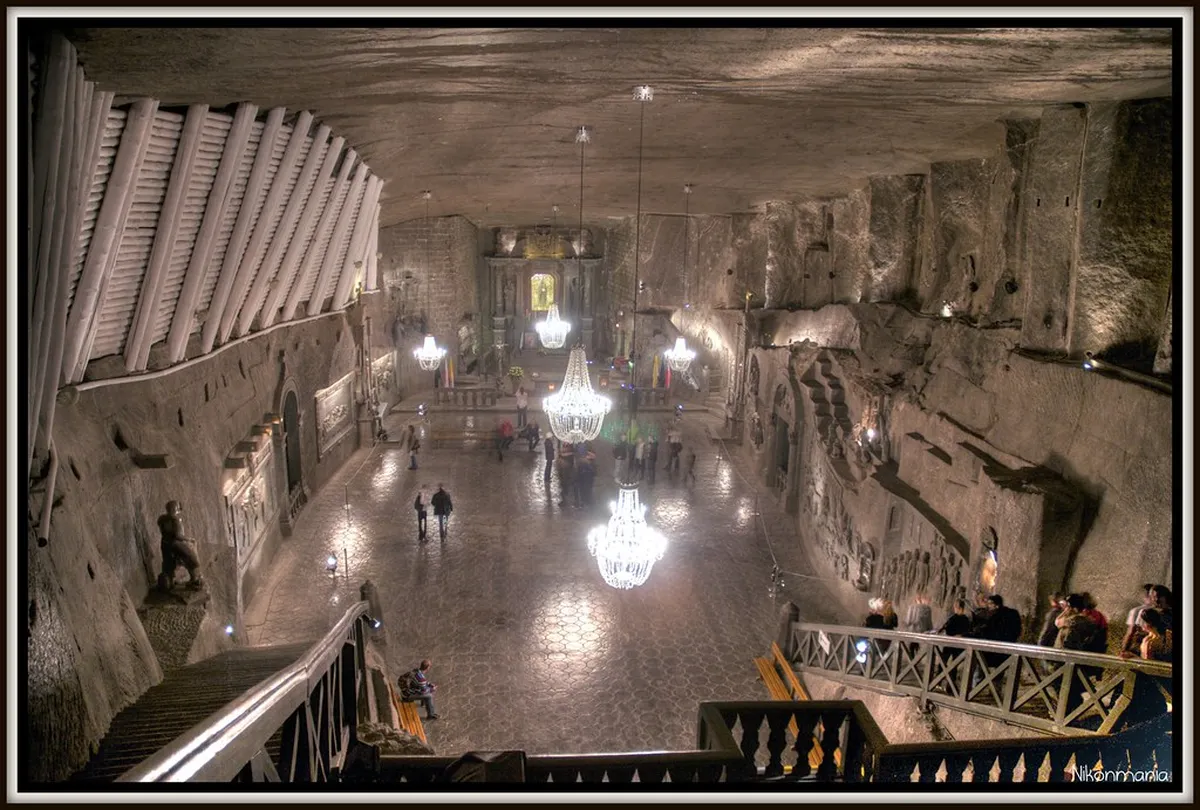
Wieliczka Salt Mine
Wieliczka Salt Mine, a UNESCO World Heritage Site 14 km from Kraków, offers guided tours of a 135-metre-deep underground world of carved chambers, lakes, and the breathtaking St. Kinga's Chapel — one of Poland's most visited attractions.
Visitor guide →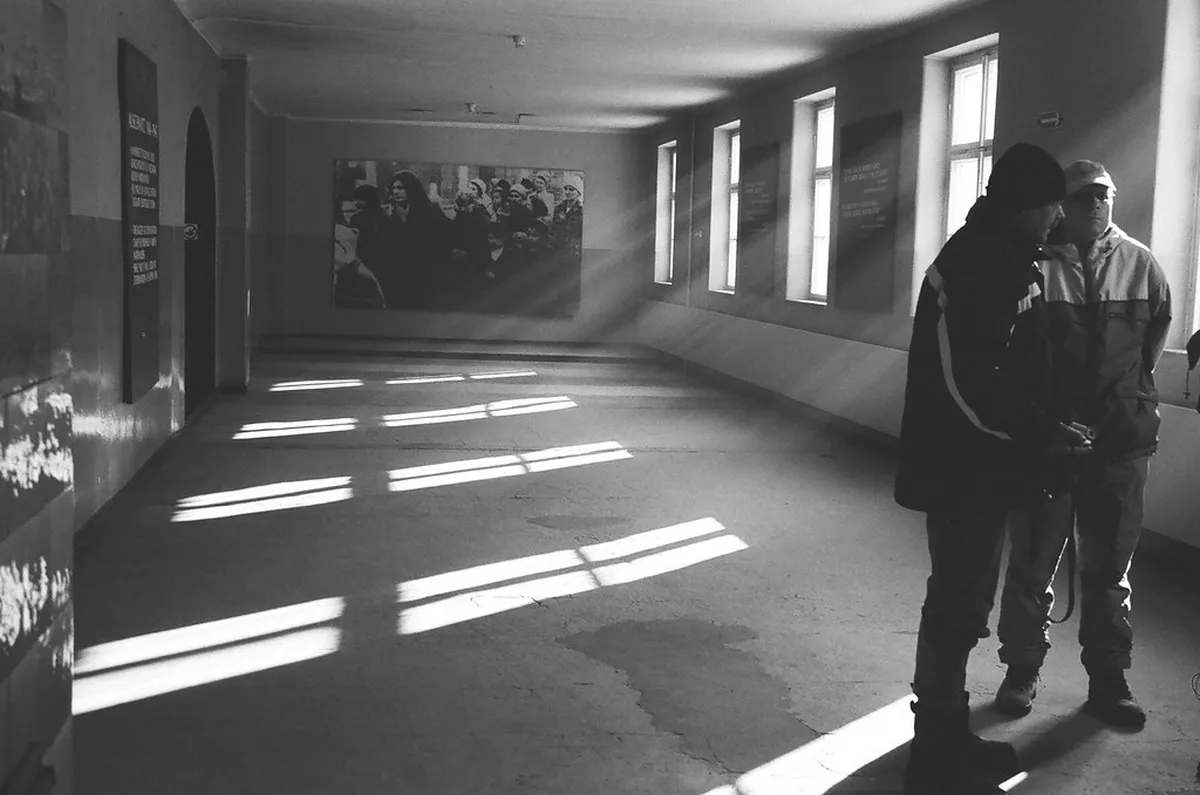
Auschwitz-Birkenau Memorial and Museum
The Auschwitz-Birkenau Memorial and Museum, located in Oświęcim approximately 66 km from Kraków, preserves the former Nazi German concentration and extermination camp where more than 1.1 million people, predominantly Jewish, were murdered, and is a UNESCO World Heritage Site visited by millions each year as a place of remembrance and historical witness.
Visitor guide →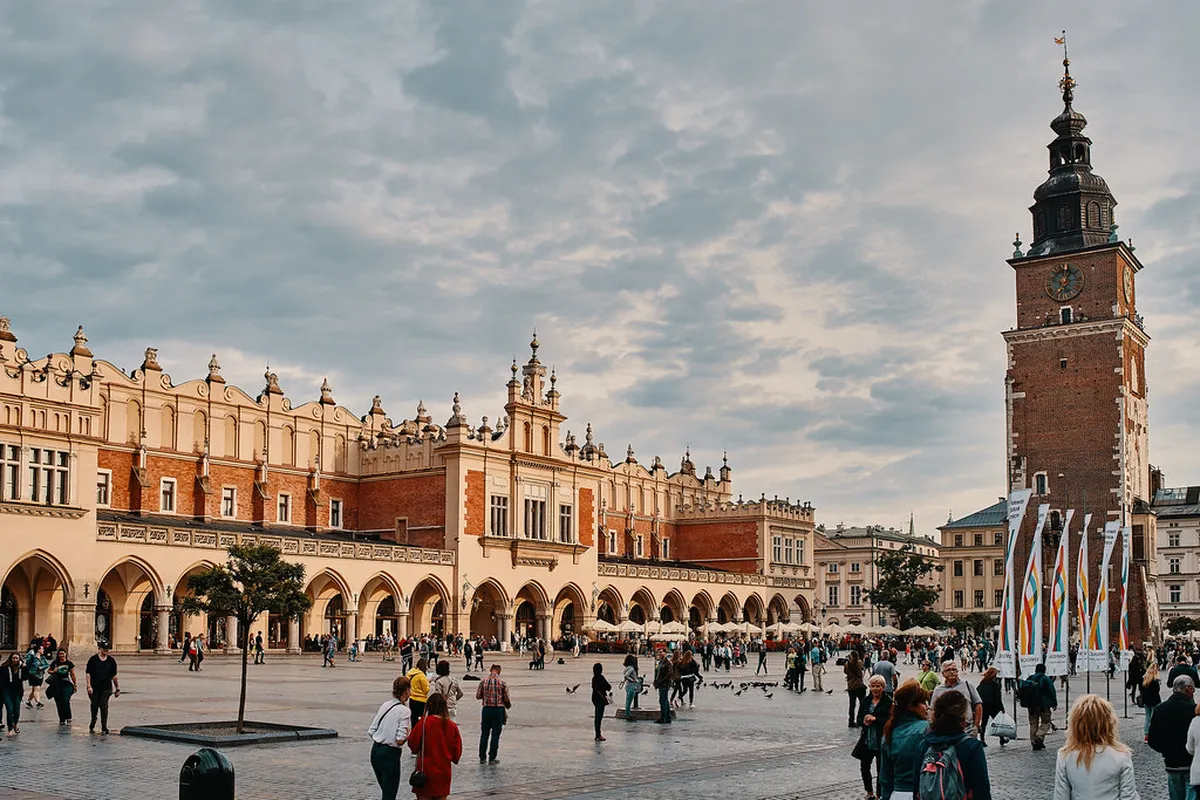
Main Market Square (Rynek Główny)
Rynek Główny (Main Market Square) is Europe's largest medieval town square, a free 3.79-hectare public space in Kraków's Old Town dating to 1257, ringed by the Cloth Hall, St. Mary's Basilica, and the Town Hall Tower.
Visitor guide →
St. Mary's Basilica
St. Mary's Basilica on Kraków's Main Market Square is a 14th-century Gothic masterpiece housing the world's largest Gothic altarpiece by Veit Stoss and the tower from which the iconic hejnał trumpet call rings out every hour.
Visitor guide →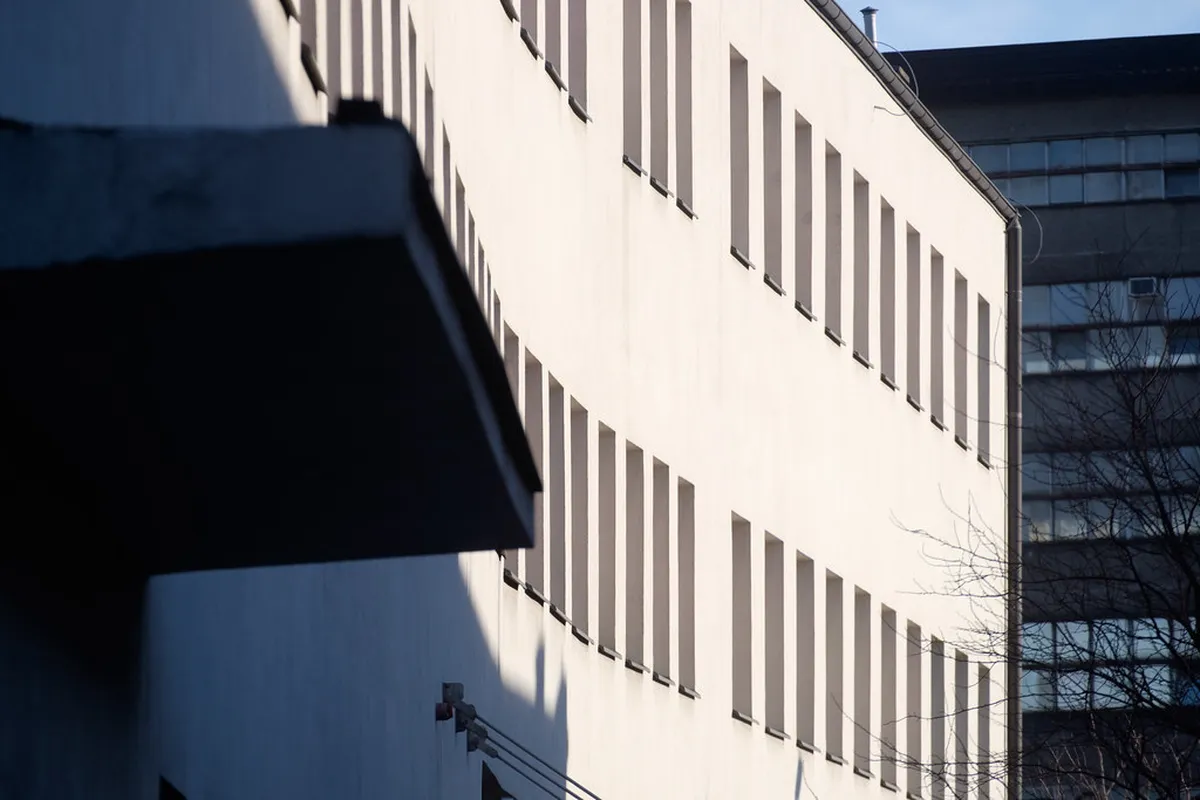
Oskar Schindler's Enamel Factory
Oskar Schindler's Enamel Factory at ul. Lipowa 4 in Kraków's Podgórze district is a branch of the Museum of Kraków housing the permanent exhibition 'Kraków under Nazi Occupation 1939–1945,' set in the authentic factory building where Oskar Schindler saved over 1,000 Jewish workers during World War II.
Visitor guide →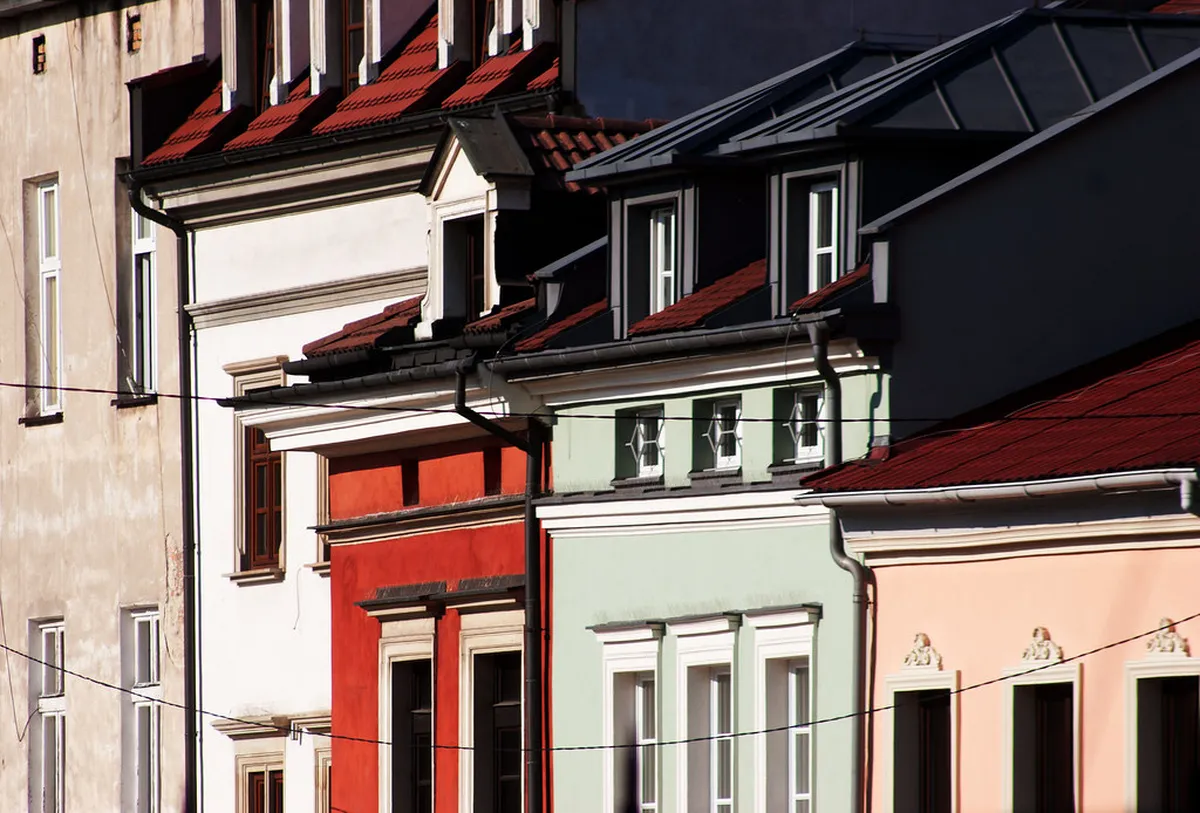
Kazimierz (Jewish Quarter)
Kazimierz is Kraków's historic Jewish quarter — founded in 1335, home to Poland's oldest synagogues and the Galicia Jewish Museum, and today a vibrant neighbourhood of cultural festivals, independent cafés, and lively nightlife, all free to explore on foot.
Visitor guide →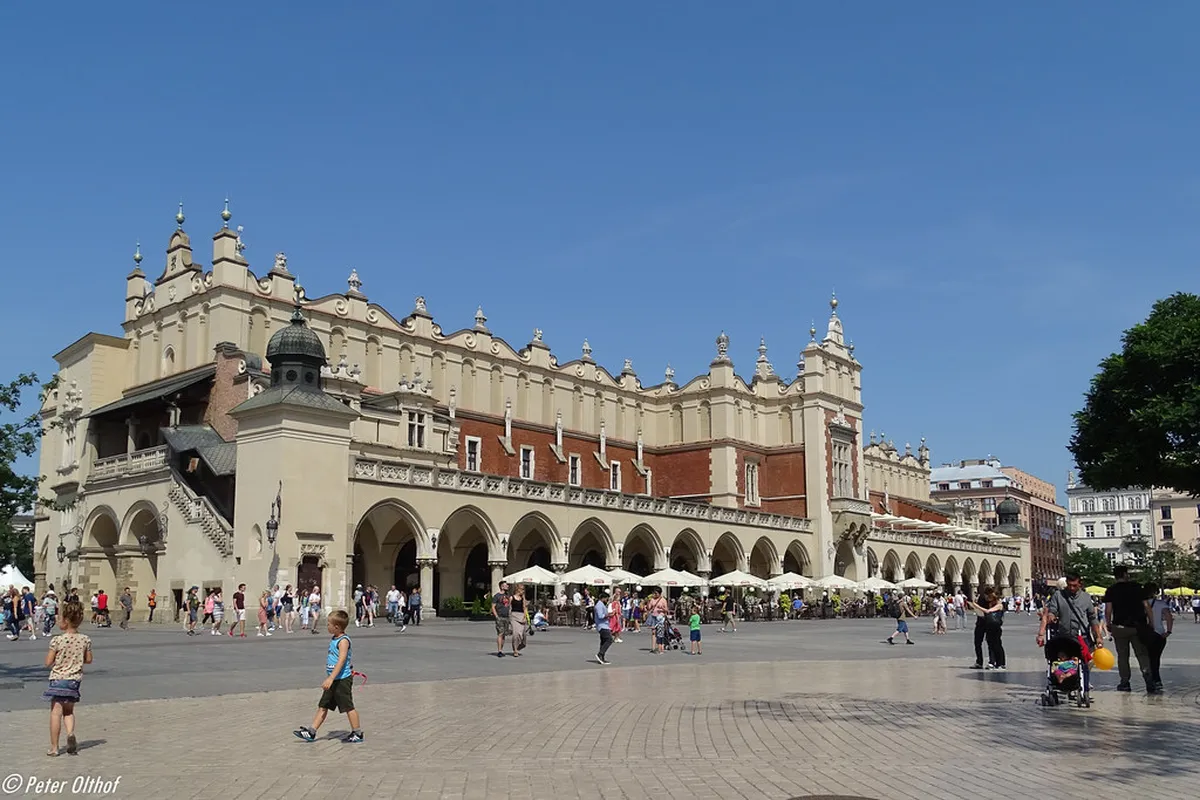
Cloth Hall (Sukiennice)
The Cloth Hall (Sukiennice) is Kraków's iconic 14th-century Renaissance market hall on Main Market Square, offering a free ground-floor arcade of Polish craft stalls and a ticketed upstairs Gallery of 19th-Century Polish Art with masterworks by Matejko and Siemiradzki.
Visitor guide →
Wawel Cathedral
Wawel Cathedral on Kraków's Wawel Hill is a nearly 1,000-year-old coronation church housing royal tombs. Its tourist route can include the Sigismund Bell, Royal Tombs, and Cathedral Museum; verify current access and service-related closures before visiting.
Visitor guide →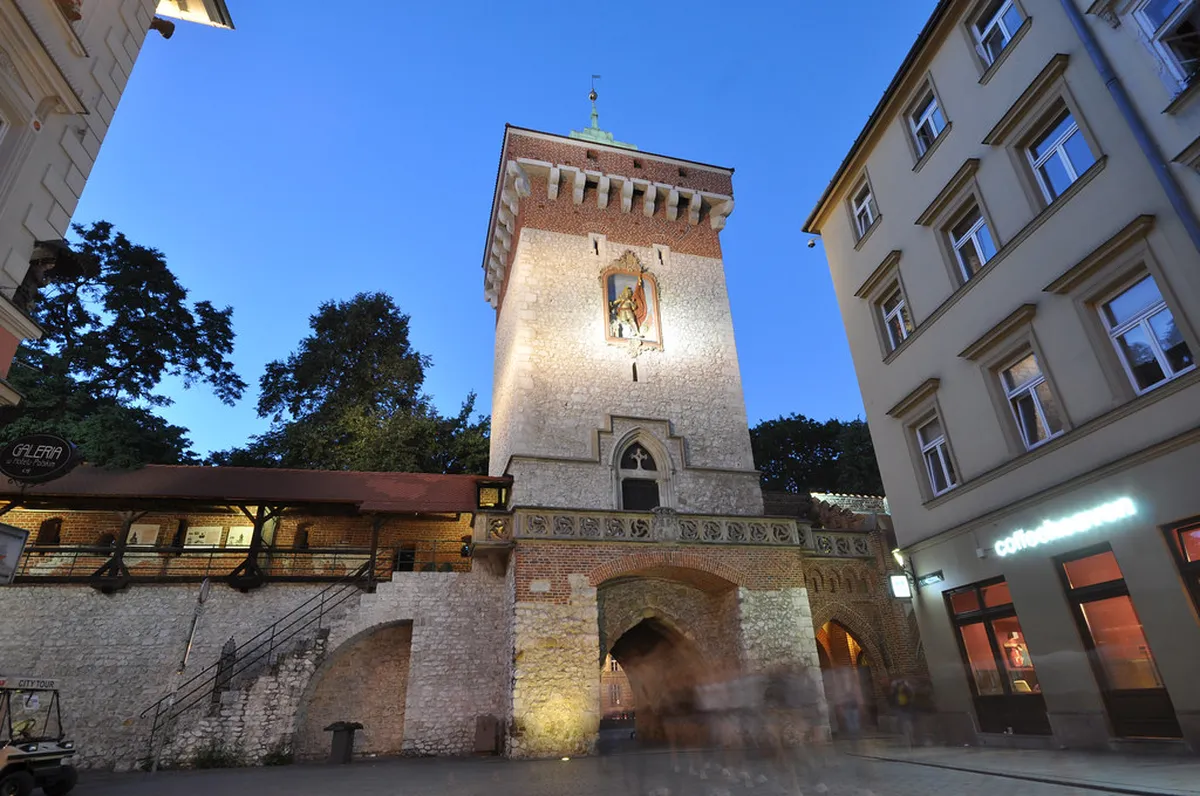
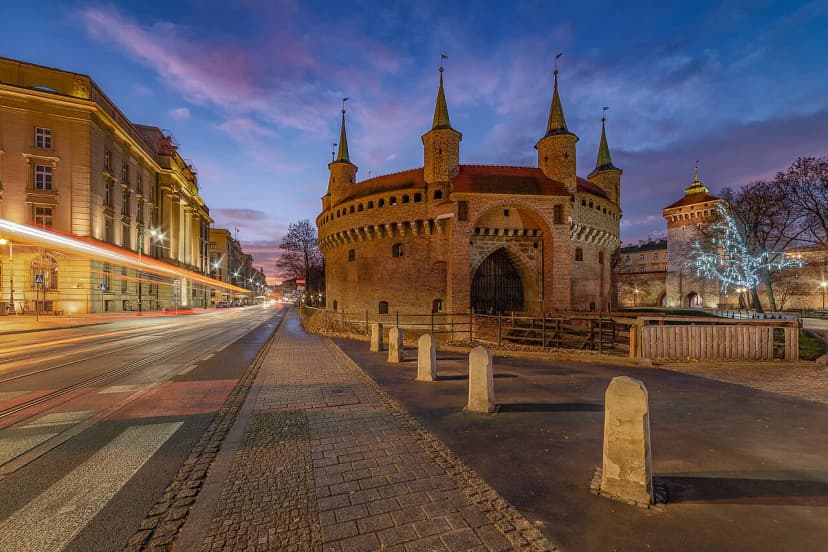
St. Florian's Gate
St. Florian's Gate is Kraków's iconic 14th-century Gothic tower and the sole surviving medieval city gate, standing 33.5 m tall at the top of Floriańska Street — free to walk through day and night, with a ticketed seasonal city-walls walkway linking it to the nearby Barbican.
Visitor guide →How to Choose the Right Krakow Attractions
First-time visitors should prioritise one royal-history site, one Old Town church or museum, and one neighbourhood beyond the square. That usually means Wawel Royal Castle or Wawel Cathedral, St. Mary's Basilica or the Cloth Hall, and a walk through Kazimierz. Add Schindler's Factory if twentieth-century history is central to your trip. Main Market Square and St. Florian's Gate work as outdoor route anchors rather than appointments, so fit them between ticketed visits.
Treat Wieliczka Salt Mine and Auschwitz-Birkenau as excursions, not extensions of an Old Town walking day. Wieliczka's official Tourist Route takes about two to three hours underground before transport is added. The Auschwitz Memorial says its standard guided visit lasts about three and a half hours, and visitors must also allow for travel and security. Trying to combine both with central Kraków sights produces a rushed day with little room for delays or reflection.
Krakow Attractions by Area
The Royal Route and Old Town
Start at St. Florian's Gate, then follow Floriańska Street to Main Market Square. The Cloth Hall and St. Mary's Basilica sit on the square, so this compact section can be explored between reserved entries. From there, continue south on Grodzka or Kanonicza toward Wawel Cathedral and Wawel Royal Castle. The city's official Royal Route guide describes this same historic line from the fortifications through the market to Wawel.
Kazimierz and Podgorze
Kazimierz needs time for its streets, synagogues, cemeteries, churches, and museums; it should not be reduced to a food stop. Continue across the Vistula to Podgórze for Oskar Schindler's Enamel Factory. The museum's permanent exhibition concerns Kraków under Nazi German occupation, so allow enough time for the historical narrative rather than expecting a short factory tour. This south-of-centre cluster works well as a second day after the Royal Route.
Excursions beyond Krakow
Wieliczka Salt Mine is the easier half-day excursion. The official route reaches 135 metres underground, covers roughly 3.5 kilometres, and involves more than 800 steps, although visitors return to the surface by lift. Auschwitz-Birkenau Memorial and Museum is farther away in Oświęcim and deserves a dedicated day. It is a memorial at an authentic former German Nazi concentration and extermination camp; plan and behave accordingly.
Suggested 1, 2, and 3-Day Attraction Plans
One day: the Royal Route
Walk from St. Florian's Gate to the Main Market Square before the busiest part of the day. Visit St. Mary's Basilica or the upstairs gallery in the Cloth Hall, then follow Grodzka to Wawel. Choose either the Royal Castle interiors or the Cathedral route rather than forcing both into a tight afternoon. Our one-day Krakow itinerary adds meal stops and timing detail.
Two days: add Kazimierz and Podgorze
Keep the first day focused on the Old Town and Wawel. On day two, walk Kazimierz in the morning, choosing a synagogue or museum that matches your interests, then cross to Podgórze for a reserved Schindler's Factory entry. This route is more coherent than returning north between stops. See our two-day Krakow plan for a complete sequence.
Three days or more: choose a day trip
Use the third day for Wieliczka or Auschwitz-Birkenau. Wieliczka suits travellers seeking an extraordinary historic industrial site and a shorter excursion; Auschwitz-Birkenau is a longer, emotionally demanding memorial visit. With four days, you can visit both on separate days. Compare alternatives in our Krakow day-trip guide or use the three-day Krakow itinerary to balance city time and an excursion.
Getting Around Between Attractions
Walk within the Old Town and between the market and Wawel. The central streets are compact, and driving is a poor fit: the City of Kraków's current traffic guidance confirms that the Main Market Square, nearby Old Town streets, and Plac Nowy in Kazimierz sit within restricted-traffic zones. If your accommodation is outside the centre, trams are usually the most practical way to reach the walking route.
Use buses or trams for Kazimierz and Podgórze when walking no longer suits your group. Kraków's public-transport authority sells time-based and longer-duration tickets, and visitors can buy them from machines or supported mobile apps. Check the current official KMK ticket guide before choosing a fare, and validate a paper ticket when required. Our getting around Krakow guide explains the network in more detail.
What to Book Before You Arrive
- Auschwitz-Birkenau: reserve through the Memorial's official system. From March 2026, all entry cards are available online only, including free individual entry cards. The Memorial recommends advance booking and arrival at least 30 minutes before the visit for security checks. Read its official visitor guidance before booking transport.
- Schindler's Factory: reserve a timed entry early. For 2026, online individual tickets are personalised and released 90 days ahead; visitors must bring the required identification. Confirm the latest rules on the Museum of Krakow website.
- Wawel Royal Castle: decide which exhibition route you want before buying. Daily limits apply, entry times on tickets must be observed, and seasonal routes or conservation closures can alter what is available. Use Wawel's official What to See page.
- Wieliczka Salt Mine: choose the Tourist Route and language when booking; the visit is guided. The official Tourist Route page lists live departure times, prices, step count, duration, and underground temperature.
- Churches and towers: worship and special services affect tourist access. St. Mary's Basilica publishes current visiting periods and says tower places are limited and sold on the day, while Wawel Cathedral lists seasonal hours and religious closures.
Free and Paid Krakow Attractions
You can build a strong free day around St. Florian's Gate, the Main Market Square, the ground-floor trading arcade of the Cloth Hall, the streets of Kazimierz, and the outdoor spaces of Wawel Hill. Tickets are required for museum galleries, castle exhibition routes, cathedral components, the tourist section of St. Mary's Basilica, Schindler's Factory, and the two excursions. Free-admission days at museums can be useful, but ticket pools and included routes may be limited.
Do not organise the whole trip around saving one admission fee. A timed slot that fits your route is often more valuable than crossing the city for a free period. For a budget-first plan, use our guide to free things to do in Krakow, then spend selectively on the museum or historic interior that matters most to you.
Frequently Asked Questions
How many days do you need for Krakow's main attractions?
Two full days cover the Old Town, Wawel, Kazimierz, and one major Podgórze museum at a comfortable pace. Add a third day for Wieliczka Salt Mine or Auschwitz-Birkenau. Four days are better if you want both excursions without compressing the city sights.
Which Krakow attractions should be booked in advance?
Prioritise advance reservations for Auschwitz-Birkenau, Schindler's Factory, Wawel Royal Castle routes, and Wieliczka Salt Mine. These use timed entries, capacity limits, guided departures, or online-only booking rules. St. Mary's tower places are limited but are normally sold on the day rather than reserved in advance.
Are Krakow's central attractions walkable?
Yes. St. Florian's Gate, Main Market Square, the Cloth Hall, St. Mary's Basilica, Wawel Cathedral, and Wawel Royal Castle align along the walkable Royal Route. Kazimierz is also reachable on foot, while trams are helpful for Podgórze or when mobility and time make a longer walk impractical.
Can you visit Auschwitz-Birkenau and Wieliczka in one day?
It is possible through tightly scheduled tours, but it creates a long and hurried day. Auschwitz-Birkenau deserves time for security, a substantial visit, and reflection; Wieliczka requires a fixed guided route underground. If your stay allows, place them on separate days and keep at least two days for Kraków itself.
What is the best first-time sightseeing route in Krakow?
Follow the Royal Route from St. Florian's Gate down Floriańska Street to Main Market Square, then continue by Grodzka or Kanonicza to Wawel. This links six attractions on the hub with little backtracking. Use a second day for Kazimierz, Podgórze, and Schindler's Factory.
Are there enough free attractions for a day in Krakow?
Yes. You can walk through St. Florian's Gate, explore Main Market Square and the Cloth Hall arcade, follow the Royal Route, visit Wawel Hill's outdoor areas, and wander Kazimierz without admission charges. Budget separately for interiors, exhibitions, church tourist routes, and guided excursions.
Continue Planning Your Krakow Trip
This collection is the attraction-by-attraction layer of your plan. Next, use our complete things to do in Krakow guide to add neighbourhood experiences, food, and viewpoints, then decide how many days to spend in Krakow. Check every attraction's official site shortly before the visit, because religious services, conservation work, holidays, and capacity limits can change access even when the general route remains the same.
Official planning sources: Kraków Travel · Kraków Public Transport Authority · Wawel Royal Castle · Museum of Krakow · Auschwitz-Birkenau Memorial · Wieliczka Salt Mine.