Cloth Hall (Sukiennice) Visitor Guide
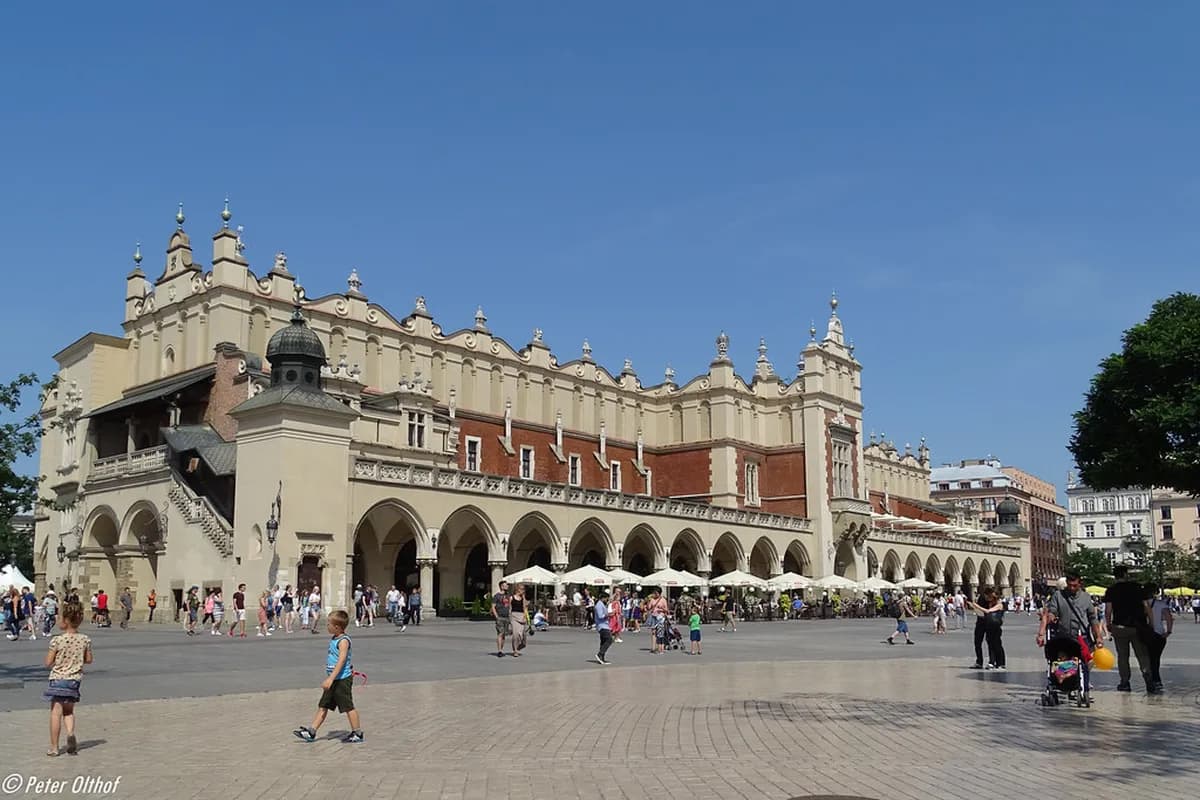
Standing at the heart of the Main Market Square, the Sukiennice remains one of Poland's most recognizable icons. This Renaissance masterpiece once served as a major center for international trade in the 15th century. Today, it invites travelers to explore a vibrant mix of traditional commerce and high-end art galleries.
Visitors often feel overwhelmed by the building's massive scale and multiple hidden entrances. Navigating the market stalls requires a bit of local knowledge to find the best authentic crafts. This comprehensive cloth hall (sukiennice) visitor guide will help you master the logistics of this UNESCO-listed landmark.
Whether you seek the famous 19th-century Polish paintings or a piece of Baltic amber, the Cloth Hall delivers a unique cultural experience. Planning your route ahead of time ensures you don't miss the archaeological wonders hidden beneath the floorboards. Let's dive into the history and practicalities of visiting this architectural gem.
History of the Cloth Hall (Sukiennice)
The origins of the Sukiennice date back to the 13th century when it began as a simple double row of stone stalls. King Casimir the Great later transformed these structures into a grand Gothic hall to support Krakow's growing textile trade. During this era, merchants from across Europe arrived here to exchange silk, spices, and lead for Polish cloth.
A devastating fire in 1555 destroyed much of the original Gothic structure, leading to a massive Renaissance rebuild. Italian architect Santi Gucci added the distinctive attic decorated with carved masks, known as mascarons. These artistic additions transformed the functional warehouse into a symbol of the city's wealth and prestige.
By the late 19th century, the building had fallen into a state of significant disrepair. Architect Tomasz Pryliński led a major restoration that added the beautiful neo-Gothic arches we see today. You can learn more about this period's impact on the city's layout at Krakowbooking.com for deeper historical context.
Today, the building serves as a bridge between Krakow's medieval past and its modern role as a tourism hub. It remains a central feature of the Krakow Old Town experience for every visitor. Understanding its evolution helps you appreciate the layers of history visible in the stone walls.
What to See Inside: The Ground Floor Market
The central hall of the Sukiennice is famous for its long row of wooden stalls selling traditional Polish goods. You will find a dizzying array of hand-carved woodwork, intricate lace from Koniaków, and shimmering amber jewelry. Most vendors accept both cards and cash, though small change is helpful for minor purchases.
One peculiar detail many tourists miss is the large iron knife hanging in the passage facing St. Mary's Basilica. Local legend claims this knife was used by one of the brothers building the church towers during a fatal dispute. It serves as a grim reminder of the city's darker folklore amidst the bustling market atmosphere.
Shopping here requires a discerning eye to separate mass-produced items from genuine artisan crafts. Look for stalls that display certificates of authenticity, especially when purchasing expensive Baltic amber pieces. Prices in the Cloth Hall are often slightly higher than in side streets, but the convenience is hard to beat.
- Traditional Souvenir Recommendations
- Amber Jewelry: Look for silver-set Baltic stones
- Wooden Chess Sets: Hand-carved in the Tatra style
- Bolesławiec Pottery: Iconic blue and white patterns
- Embroidered Linens: High-quality tablecloths and napkins
The Gallery of 19th-Century Polish Art
Ascending to the upper floor reveals the Gallery of 19th-Century Polish Art, a branch of the National Museum. This space houses some of the nation's most significant cultural treasures, including massive canvases by Jan Matejko. The grand rooms provide a quiet escape from the noise of the market square below.
The entrance to the gallery is located on the side of the building, separate from the market hall doors. Visitors often make the mistake of looking for the stairs inside the shopping area. You should check the official Krakow.travel portal for current temporary exhibition schedules before your visit.
One critical logistical tip is that the gallery is typically closed on Mondays. Plan your itinerary carefully to avoid this common traveler pitfall during your stay. The museum offers reduced ticket prices on certain days, making it an affordable stop for art enthusiasts.
Exploring the Rynek Underground Museum
Beneath the surface of the Cloth Hall lies a high-tech archaeological museum known as Rynek Underground. This site was discovered during excavations in 2005 and reveals the original medieval street levels of Krakow. Walking through the glass walkways allows you to see 700-year-old stone stalls and ancient artifacts.
The museum uses holograms and digital displays to recreate the atmosphere of a medieval trading post. It is an excellent choice for families who want an interactive way to learn about Polish history. Because of its popularity, you must book your entry time well in advance through the museum's website.
If you are planning a full day of sightseeing, consider visiting the Wawel Castle after your underground tour. Both sites provide a deep look into the royal and commercial history of the city. The contrast between the subterranean ruins and the royal hill is quite striking.
Practical Information: Tickets, Hours, and Location
The Sukiennice is located at Rynek Główny 1-3, right in the center of the pedestrian-only Old Town. Accessing the building is easy on foot from any part of the city center. If you are staying further out, several tram lines stop at the nearby 'Teatr Słowackiego' or 'Poczta Główna' stations.
Opening hours for the ground floor market usually run from 10:00 AM to 6:00 PM daily. However, the upper gallery and the underground museum have their own specific schedules. Always verify the latest times on Tripadvisor.com to see recent visitor feedback on crowd levels.
While entry to the central market hall is free, both the Art Gallery and Rynek Underground require paid tickets. You can buy these at the respective entrances or at the InfoKraków points located around the square. Expect to spend about one to two hours if you plan to see the museum sections.
- Visitor Logistics Summary
- Market Entry: Free for all visitors
- Art Gallery Cost: Approx. 32 PLN
- Underground Entry: Reservation highly recommended
- Best Transport: Tram to Poczta Główna
Top Things to Do Near the Cloth Hall
After exploring the Cloth Hall, you are perfectly positioned to see other major landmarks. The iconic Florian Gate is just a short walk north through the charming Floriańska Street. This area is packed with cafes where you can rest and enjoy a traditional Polish pastry.
For those looking for a broader perspective, choosing the right tour can make a big difference in your experience. Walking tours are best for history buffs who want deep context on the Renaissance architecture. Alternatively, golf cart tours offer a comfortable way for families to see the Old Town and Kazimierz without excessive walking.
Evening visitors should not miss the bugle call from the tower of St. Mary's Basilica every hour. It is a hauntingly beautiful tradition that adds to the magical atmosphere of the square at night. Many travelers also enjoy a short horse-drawn carriage ride that starts right outside the Sukiennice entrance.
- Nearby Tour Trade-offs
- Walking Tour: Best for historical depth
- Golf Cart: Best for limited mobility
- Horse Carriage: Best for romantic atmosphere
- River Cruise: Best for Vistula views
Frequently Asked Questions
Is the Cloth Hall in Krakow free to enter?
Entrance to the ground floor market hall of the Sukiennice is completely free for all visitors. However, you must purchase separate tickets for the Gallery of 19th-Century Polish Art and the Rynek Underground Museum. Check the Krakow attractions guide for more budget-friendly tips.
What is the best thing to buy at the Sukiennice?
The best purchases are authentic Baltic amber jewelry and hand-carved wooden crafts. Look for the 'Made in Poland' labels to ensure you are supporting local artisans. Many stalls also offer beautiful Bolesławiec pottery and traditional lace tablecloths that make excellent gifts.
Where is the entrance to the 19th-Century Polish Art Gallery?
The entrance is located on the outer side of the building, specifically on the side facing the Town Hall Tower. Look for the large doors marked with the National Museum (MNK) logo. Do not try to find stairs inside the market stalls as there is no internal access.
What is the legend of the knife in the Cloth Hall?
The iron knife hanging in the passage is linked to a legend about the two brothers building St. Mary's Basilica. One brother allegedly killed the other out of jealousy over the height of the towers. The knife was hung in the Sukiennice as a public warning against such crimes.
The Sukiennice is far more than just a shopping mall; it is the beating heart of Krakow's cultural identity. From the medieval foundations to the Renaissance arches, every stone tells a story of trade and resilience. Exploring the different levels of the building offers a complete picture of Poland's artistic and commercial history.
Make sure to plan your visit around the museum closures and book your underground tickets early for the best experience. Whether you are there for the art or the atmosphere, the Cloth Hall remains an essential stop. For more ideas on how to spend your time, check out our full list of Polish attractions.
Enjoy the vibrant energy of the Main Market Square as you step out of this historic hall. Krakow's beauty is best experienced by taking your time and soaking in the details. The Sukiennice will undoubtedly be a highlight of your Polish adventure in 2026 and beyond.
Continue exploring Kraków
For the full picture, see our complete Kraków attractions guide, or plan your route around Main Market Square (Rynek Główny) and St. Mary's Basilica nearby. For opening hours and ticketing straight from the source, check the official site and its Wikipedia entry. Build it into your trip with our Main Market Square guide and things to do in Kraków.