
6 Best Ways to Get Around Poland: A Transport in Poland Guide for 2026
Last updated July 2026. Transport in Poland breaks into three practical layers: PKP Intercity trains linking major cities, FlixBus and PKS coaches filling the gaps outside the rail map, and city trams and buses once you land in Warsaw, Kraków, or Gdańsk. This guide ranks the six most useful ways to get around the country, from the high-speed CMK rail corridor to seasonal Tricity water trams, so each leg of a Polish trip gets matched to the right mode.
Transport in Poland: Rail, Bus, and Car at a Glance
Three networks cover almost every trip across the country. PKP Intercity trains connect major hubs fastest, especially along the Warsaw-Kraków-Katowice corridor served by the CMK line. FlixBus and PKS coaches reach smaller towns and mountain routes the rail map skips, including Zakopane and other Tatra gateways. City trams and buses handle short hops once you arrive, with Jakdojade mapping routes in real time across most cities. Rental cars make more sense outside city centers, where limited parking and low-emission zones complicate driving in Warsaw, Kraków, and Wrocław. Domestic flights on LOT Polish Airlines only pay off on long cross-country hops that would otherwise eat a full day of ground travel. Winter timetables can thin out on rural bus routes, so cross-check schedules a day or two ahead in smaller towns. Use the comparison below to match a mode to each leg of a Poland itinerary, then check the ticketing tools further down this guide before booking anything.
| Mode | Best for | Typical speed or journey time | Cost note |
|---|---|---|---|
| PKP EIP (Pendolino) | Hub-to-hub trips such as Warsaw-Kraków-Gdańsk | Up to 200 km/h on the CMK; Warsaw-Gdańsk runs roughly 2.5 to 3 hours | Check intercity.pl for the current fare |
| PKP TLK/Polregio | Budget or local travel with more stops | Noticeably slower than EIP service | Fares typically undercut EIP on the same route |
| FlixBus/PKS coach | Mountain towns and indirect rail routes | Varies by route and traffic | Often cheaper than rail on legs without a direct train |
| City trams and buses | Short hops within Warsaw, Kraków, Wrocław, Poznań | Frequent service in city centers | Single-ride tickets validated on a Biletomat machine |
| Tricity SKM commuter rail | Gdańsk-Sopot-Gdynia hops | Frequent regional service | Usually cheaper than a taxi between Tricity towns |
| LOT domestic flight | Long cross-country hops, e.g., Szczecin to Rzeszów | Saves hours versus rail or road on long hops | Compare against a rail fare before booking |
| Rental car | Rural routes and flexible multi-stop itineraries | Depends on route; A1 and A4 carry most long-distance traffic | Factor in city parking and low-emission zone costs |

6 Best Ways to Get Around Poland
These six options cover nearly every trip a traveler plans in Poland, ranked by how often each one gets used. Rail leads for speed and reliability between major cities on the PKP Intercity network. Buses, city transit, regional rail, domestic flights, and rental cars round out the list for situations where a train is not the right tool, from mountain towns to long cross-country hops.
Though TLK fares undercut EIP by a wide margin on the same city pair, TLK first-class cars use older rolling stock and trips take noticeably longer, so savings may not justify reduced comfort on long routes.
- PKP Intercity Rail: EIP, IC, TLK, and the CMK Line
- PKP Intercity runs four passenger tiers with real price and speed differences. EIP Pendolino trains are the fastest and priciest option on major routes.
- TLK trains cost less than EIP but take noticeably longer between the same two cities, with more intermediate stops.
- The high-speed CMK line links Warsaw with Kraków and Katowice, with scheduled Pendolino service capped at 200 km/h. Reserve fares and seats through buying train tickets in Poland, then compare multi-ride options in the Poland Rail Pass Guide: Is It Worth It in 2026?.
- Long-Distance Buses: FlixBus and PKS Coaches
- FlixBus and regional PKS operators reach towns the rail network skips entirely. Mountain gateways like Zakopane depend on coach service rather than a direct train.
- Coaches often beat trains on indirect routes, especially where switching trains would add an hour or more to the trip.
- Check current schedules and stops through FlixBus routes in Poland before booking a seat, since frequency varies by season.
- Municipal Transit: Trams, Buses, and the Warsaw Metro
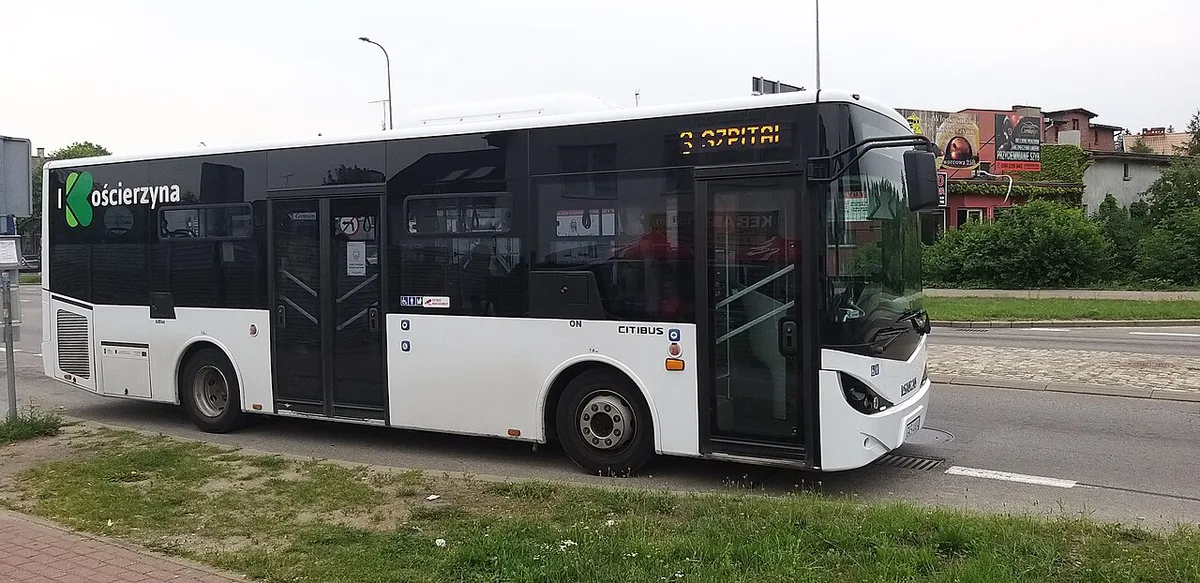
- Warsaw is the only Polish city with a rapid transit metro system. Kraków, Wrocław, and Poznań instead rely on dense tram and bus networks.
- Validate every ticket immediately after boarding, either at a Biletomat machine or an onboard stamper. Inspectors treat an unvalidated ticket the same as no ticket at all.
- Jakdojade maps real-time routes and sells tickets across most Polish cities. For stop-level detail in one mid-size city, see getting around Poznań.
- Regional Rail: Tricity SKM and the Kraków-Wrocław Corridor
- The SKM (Szybka Kolej Miejska) commuter rail connects Gdańsk, Sopot, and Gdynia with frequent service across the Tricity area.
- Seasonal ferries and water trams add a Hel Peninsula option from Gdańsk during the warmer months, an alternative many guides skip.
- For the Kraków-Wrocław corridor, compare direct rail timing and transfer options in the Kraków to Wrocław train guide before choosing a departure time.
- Domestic Flights on LOT Polish Airlines
- LOT Polish Airlines routes most domestic connections through its Warsaw Chopin Airport hub.
- Flying pays off mainly on long cross-country hops, such as Szczecin to Rzeszów, where ground transport eats most of a day.
- On shorter hub pairs like Kraków-Wrocław, rail or bus usually wins on total door-to-door time once airport transfers and check-in are counted.
- Car Rental and the Motorway Network
- The A1 and A4 motorways carry most long-distance driving traffic across the country, linking the major north-south and east-west corridors.
- City centers often restrict cars with limited parking and low-emission zones, so a rental suits countryside and small-town routes better than downtown Warsaw or Kraków.
- Near the Ukrainian border, the LHS broad-gauge freight line runs nearly 400 km and carries cargo, not passengers, so it has no bearing on a driving or rail itinerary.
The CMK High-Speed Line and Why Poland's Trains Vary So Much
The Centralna Magistrala Kolejowa, or CMK, is the only line in the country built for genuine high-speed running. Construction ran from 1971 to 1977, producing a 223 km corridor between Warsaw, Kraków, and Katowice. Alstom Pendolino ED250 trains set a Polish rail speed record of 293 km/h during test runs on the CMK in 2013. Scheduled EIP service on the same line is capped at 200 km/h, which still cuts hours off a TLK or Polregio trip on the same route. Outside the CMK, most Polish track runs at lower speeds, which is why an IC or TLK ticket can take noticeably longer than an EIP fare for the same city pair. As of 2026, further upgrades aim to extend 200 km/h running to more of the CMK, though current timetables and any planned engineering work should always be confirmed on intercity.pl before booking.
Who Actually Runs the Trains and Trams You Use
PKP Intercity is not the only operator on Polish rails. PKP Group ranks as the fourth-largest railway group in Europe, and five of Poland's sixteen voivodeships run their own regional rail service alongside PKP subsidiaries. Wrocław Główny functions as the country's busiest railway station, reflecting its role as a junction for CMK and cross-border services. Journey planners like Jakdojade and KOLEO blend most of these operators into one search, so a traveler rarely needs to book each one separately.
- Polregio
- Runs most regional and cross-region local trains nationwide, generally the cheapest tier after TLK.
- Koleje Mazowieckie and WKD
- Koleje Mazowieckie (Masovian Railways) covers local trains around Warsaw.
- Warszawska Kolej Dojazdowa (WKD) runs a separate suburban line into the same agglomeration.
- Koleje Śląskie, MPK, and ZTM
- Koleje Śląskie (Silesian Railways) covers the Silesian Voivodeship.
- City transit runs through MPK in Kraków and Wrocław, and through ZTM in Warsaw.
How Much Transport in Poland Costs
None of the operators publish one fixed 2026 fare, since Polish rail and bus pricing shifts by route, class, and how far ahead you book. A few relative rules hold steady across the network, so use them to budget before checking exact fares on the operator's own site. The sample figures below are mid-2026 planning ranges, not quotes, and promotions move them week to week. To turn them into a decision for one specific leg, our train or drive planner scales rail fares to your whole party and puts them next to fuel, tolls and parking, while the motorway toll calculator prices the concession sections that a driving leg would actually cross.
- EIP Pendolino fares
- Cost more than TLK or Polregio on the same route, reflecting the shorter travel time.
- As a benchmark, second-class Warsaw-Kraków Promo fares start around 60 to 70 PLN when booked early and climb toward 150 to 170 PLN close to departure. Warsaw-Gdańsk follows a similar curve.
- Check intercity.pl for the current fare before booking.
- TLK, IC, and Polregio fares
- Undercut EIP pricing by a wide margin on the same city pair, at the cost of extra travel time and stops.
- Short regional hops such as Kraków-Katowice typically run in the 15 to 25 PLN range on Polregio or Koleje Śląskie.
- City transit tickets
- Warsaw ZTM charges about 3.40 PLN for a 20-minute ticket, 4.40 PLN for a single 75-minute fare, and 15 PLN for a 24-hour pass in zone 1.
- Kraków MPK sits close behind, at roughly 4 PLN for a 20-minute ticket and 6 PLN for a 60-minute single. Other tram cities price within a złoty or two of these figures.
- FlixBus and PKS coach fares
- Usually land below the cheapest rail fare on the same route, especially when booked a few weeks ahead. Kraków-Zakopane coach seats often sell for under 30 PLN outside peak weekends.
- LOT domestic flights
- Cost more than rail or bus on short hops.
- The price gap narrows on long cross-country routes like Szczecin to Rzeszów, where ground travel eats a full day.
Booking Windows, Night Trains, and Luggage Rules
PKP Intercity opens ticket sales roughly 30 days before departure, and the cheapest Promo fares on EIP and IC routes sell from that pool first. Booking two to three weeks ahead routinely cuts the walk-up price by a third or more on the Warsaw-Kraków and Warsaw-Gdańsk corridors, while same-day EIP tickets sell at the full flexible fare. EIP and EIC tickets always include a compulsory seat reservation, assigned automatically at purchase; on IC and TLK services a seat assignment is added during booking where the train carries reserved cars. Refunds and exchanges run through intercity.pl or a station ticket office, with a small deduction on most fare types, so a flexible plan costs little to unwind.
- Night trains
- Overnight IC and TLK services connect Kraków and Warsaw with Baltic coast towns such as Kołobrzeg and Świnoujście, and link Zakopane with the Tricity in a single overnight run.
- Couchette (kuszetka) and sleeping-car supplements are added during booking on intercity.pl; a couchette berth usually costs less than a city-center hotel night on the same route.
- Summer timetables add seasonal overnight departures toward the coast, so routes to Gdynia, Kołobrzeg, and Świnoujście show the most options between late June and early September.
- Luggage rules
- Hand luggage travels free on PKP Intercity with no weigh-in, and long-distance cars carry overhead racks plus luggage shelves at the car ends.
- Bikes need a separate flat-fee bike ticket, around 9 to 10 PLN on PKP Intercity, plus a bike space on the IC and TLK trains that carry racks. EIP Pendolino services accept only folded or boxed bikes.
- FlixBus includes one hold bag and one carry-on per seat, with bikes bookable on selected coaches for an extra fee.
Apps and Ticketing Tools for Getting Around Poland
A short app stack covers almost every ticket needed for transport in Poland. Install these before the first travel day so booking and validation are not a scramble at the platform.
Poland's rail network is operated by PKP Intercity plus regional carriers in five voivodeships, making KOLEO and Jakdojade essential for comparing fares and schedules across operators in a single search.
- Jakdojade
- Maps real-time tram, bus, and metro routes across Polish cities.
- It sells tickets directly in the app, which skips a hunt for a Biletomat machine.
- KOLEO
- Aggregates PKP Intercity and Polregio fares in one search.
- Useful for comparing an EIP fare against a cheaper TLK or Polregio option on the same route.
- intercity.pl
- The official PKP Intercity site for booking EIP, IC, and TLK tickets directly.
- Seat reservations and refunds also run through this site.
- Uber, Bolt, and FreeNow
- Cover ride-hailing in major cities for the stretch between a station and a hotel.
- Useful late at night when tram frequency drops.
Common Transport Mistakes in Poland
A handful of avoidable errors account for most transport complaints travelers report about Poland. Watch for these before boarding anything.
- Buying the wrong operator's ticket
- A PKP Intercity ticket does not cover Polregio or a private regional carrier.
- Check the operator printed on the ticket before boarding, especially on routes with overlapping services.
- Skipping ticket validation
- City buses and trams require validation at a Biletomat machine or onboard stamper immediately after boarding.
- This applies even when a ticket was already purchased through Jakdojade.
- Assuming TLK first class matches EIP
- TLK first class uses older rolling stock than an EIP Pendolino.
- Comfort and speed both drop noticeably, even though the ticket says first class.
- Skipping a fare comparison
- Booking through a single operator's app without checking KOLEO's combined search can mean paying more than necessary.
- A quick comparison before purchase often saves money on the same route.
How Biletomat Ticket Machines Work on City Transport
City transport tickets in Poland are local, so a Warsaw ZTM ticket is not valid on Kraków MPK or Wrocław MPK services. In large cities, most visitors buy a time ticket rather than a distance ticket. The clock starts when the paper ticket is validated, or when a mobile ticket is activated in Jakdojade. A biletomat is the ticket machine, not always the validator. Machines may stand at stops, inside trams and buses, or in metro stations.
- Warsaw: use ZTM tickets for metro, trams, and buses inside the selected zone.
- Kraków: MPK tickets cover city trams and buses, with separate rules for agglomeration zones.
- Wrocław: MPK tickets work across trams and buses, but the ticket must be active before inspection.
Onboard machines usually accept cards, but a machine can be out of service. Buy or activate the ticket before the vehicle moves if possible.
For trip-planning details, see Poland - Wikivoyage and Poland - Wikipedia.
Explore getting around in other cities
Frequently Asked Questions
What is the best way to get around Poland?
Rail is the fastest way between major hubs like Warsaw, Kraków, and Gdańsk, especially on EIP Pendolino services along the CMK. FlixBus and PKS coaches fill the gaps rail does not reach, such as Zakopane.
How do you buy train tickets in Poland?
Book directly through intercity.pl or compare fares across operators with KOLEO before you commit. The guide to buying train tickets in Poland covers the booking steps in more detail.
Is Jakdojade necessary for public transport in Poland?
Jakdojade is the standard app for real-time tram, bus, and metro routes plus in-app ticket purchase in most Polish cities. It is worth installing before arrival rather than hunting for a Biletomat machine at the first stop.
How long is the train from Warsaw to Gdańsk?
Current timetables list the journey at roughly 2.5 to 3 hours, depending on the service and number of stops along the route.
Do you need a car to travel around Poland?
Not for city-to-city travel. Rail and bus cover the main routes, and a rental car mainly helps for rural areas away from the A1 and A4 motorway corridors.
What is the difference between EIP and TLK trains?
EIP is the Pendolino high-speed tier, fastest on the CMK and priced accordingly. TLK is the budget tier: cheaper, slower, and running on older rolling stock, including in its first-class cars.
Explore More Poland Guides
Keep planning your Poland trip with these guides.
Poland Guides
- How to Buy PKP Intercity Tickets in 2026
- FlixBus Poland Guide
- Poznan Public Transport
- Poland Rail Pass Guide: Is It Worth It in 2026?
- Krakow to Wroclaw Train: 2026 Times, Prices & Booking Guide
- Krakow to Gdansk Train Guide
- Krakow to Katowice Train
- Warsaw to Katowice Train
- Warsaw to Krakow Bus
- Warsaw to Wroclaw Train 2026
- Sopot to Gdansk Train
- Katowice Airport to Krakow (KTW)
- Poznań Airport to City Centre
- Warsaw Modlin Airport to City Centre
- Wroclaw Airport to City Centre
Use this guide
Make the next planning decision
These tools use the same Poland-specific context, but turn it into an answer for your trip.
You might also like


Continue reading
More guides you'll find useful