

The Black Madonna Pilgrimage in Czestochowa
Every day at Jasna Gora monastery, a centuries-old icon is revealed to a hushed, kneeling crowd. That icon, known as the Black Madonna, sits at the center of Poland's largest pilgrimage tradition. This guide to the black madonna pilgrimage in Czestochowa covers its legend, the daily unveiling ceremony, and the busiest feast days.
We also cover the walking pilgrimage routes that bring hundreds of thousands of people to Czestochowa each summer. Whether you plan a quiet weekday visit or a trip timed around a major feast day, the details below should help.
Last updated July 2026.
The Legend Behind the Black Madonna Icon
Legend credits Saint Luke the Evangelist with painting the original image on a cypress tabletop from the Holy Family's home. Art historians instead date the surviving panel to around the 14th century, likely from a Byzantine workshop. Either way, the image follows the Hodegetria style, showing Mary pointing toward the infant Christ she holds.
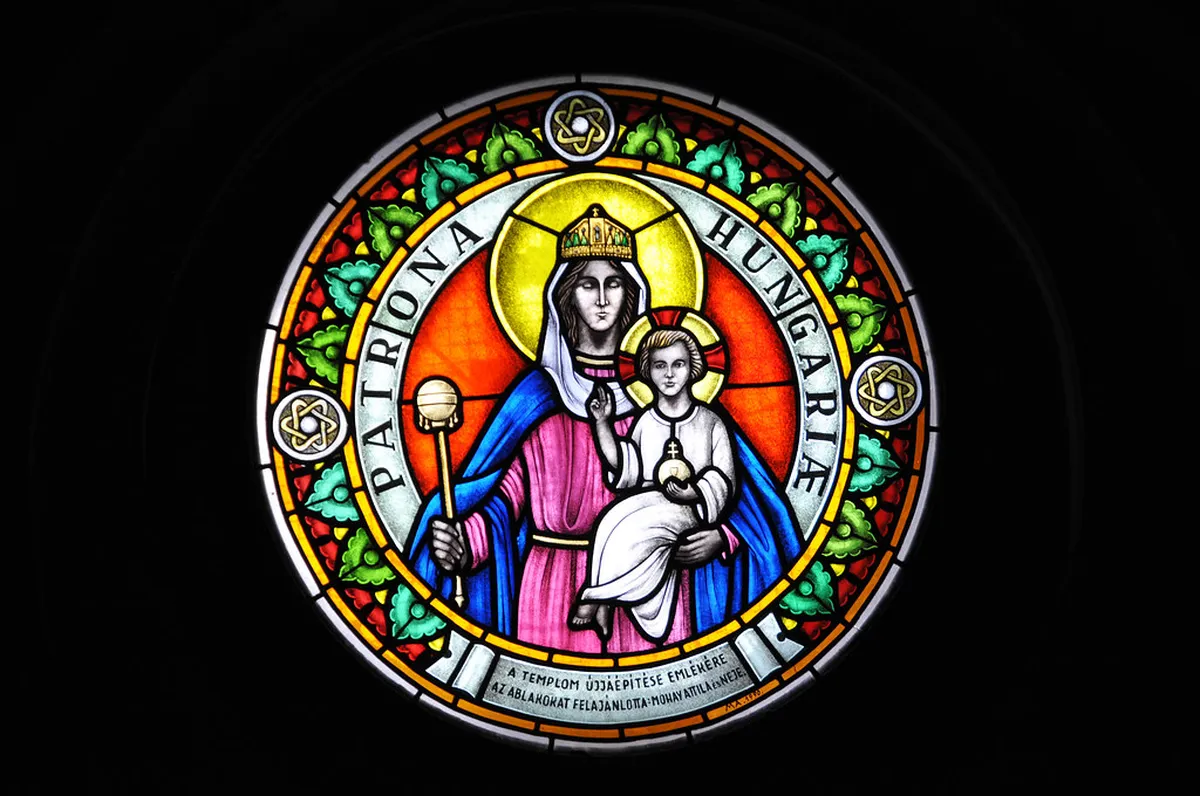
Prince Ladislaus of Opole brought the icon to Jasna Gora in 1382, placing it under the care of Pauline monks. Two deep scars still mark the Madonna's right cheek, and local tradition explains why they remain. Hussite raiders looted the monastery in 1430, and one attacker reportedly slashed the panel with a sword.
Restorers have repainted the image several times over the centuries, yet they always leave the scars visible on purpose. This overview of the Black Madonna of Czestochowa covers its Byzantine roots and restoration history in more depth. King Jan Kazimierz named the icon Queen of Poland in 1656, cementing its role in national identity.
Where to See the Icon at Jasna Gora
The Black Madonna hangs above the altar inside the Chapel of Our Lady, next to the main Basilica. Both buildings sit inside the fortified walls of Jasna Gora, a hilltop monastery complex above the city center. The site works as both a pilgrimage shrine and a functioning Pauline monastery today.
Jasna Gora's ramparts once withstood a lengthy Swedish siege in 1655, a defense many Poles still credit with saving the nation's independence. Those same walls now shelter several small museums, a treasury, and the Knights' Hall above the chapel. For a full room-by-room breakdown of the complex, our Jasna Góra monastery guide walks through each stop.
Expect the chapel to fill quickly during peak pilgrimage hours, especially around midday Mass. Arriving early, or timing your visit around a specific unveiling, generally means shorter waits and calmer viewing. If you want a broader look at nearby sights, our guide to things to do in Częstochowa can help.
The Black Madonna is unveiled four times daily: morning unveiling around 6:00 AM before the first Masses, midday covering near noon, evening unveiling before evening Mass, and night covering around 9:30 PM after the Apel Jasnogorski hymn. Photography without flash is usually permitted, and many visitors choose to leave cameras away during the unveiling ceremony itself to experience the moment fully.
The Daily Unveiling Ceremony at Jasna Gora
Pilgrims travel to Czestochowa specifically to witness the icon's unveiling, a ritual called odsloniecie in Polish. Trumpet fanfare announces each opening, and the chapel often falls silent as the curtain rises. Watching locals kneel during this moment tells you more about the shrine's meaning than any guidebook can.
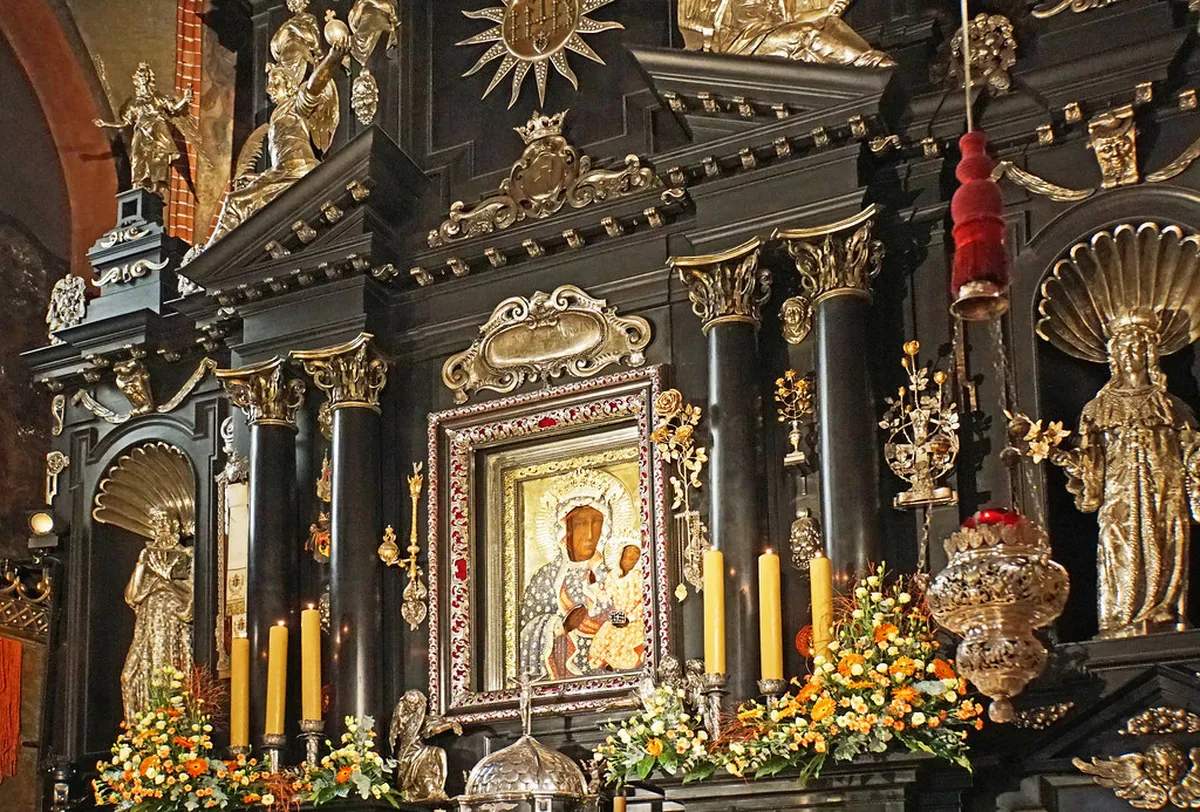
The exact schedule shifts slightly with the liturgical calendar, so treat these times as a general guide. Confirm the current schedule with the monastery on arrival, since feast days and special Masses can change it.
Even outside these formal moments, the chapel stays open for quiet prayer throughout the day. Photography without flash is usually fine, though many visitors choose to leave cameras away during the ceremony itself.
- Morning unveiling, around 6:00 AM
- Trumpets announce the opening before the first Masses begin.
- Early risers often get the calmest view of the chapel.
- Midday covering, near noon
- The curtain closes briefly between morning and afternoon prayer.
- Museums and the ramparts make good use of this quiet gap.
- Evening unveiling, before evening Mass
- The icon reopens for the main evening liturgy and pilgrim prayers.
- This slot tends to draw the largest evening crowds.
- Night covering, around 9:30 PM
- The curtain closes after the Apel Jasnogorski hymn concludes.
- This nightly prayer has run almost without interruption since 1953.
Major Pilgrimage Feast Days in Czestochowa
Two dates anchor the pilgrimage calendar at Jasna Gora each summer. The Assumption of Mary on August 15 draws the single largest crowd of the year. Thousands of walking pilgrims time their arrival to reach the shrine on this exact date.
The second key date, August 26, marks the feast of Our Lady of Czestochowa herself. This is the icon's own feast day, tied to its history as the crowned Queen of Poland. In 2025, organizers chose this same date to launch the third national peregrination of the icon's replica.
Expect packed trains, sold-out guesthouses, and a festival atmosphere around both feast days. If quieter visits appeal to you more, our guide to the best time to visit Czestochowa outlines calmer alternatives.
- August 15, the Assumption of Mary
- Walking pilgrims from across Poland converge on Jasna Gora this week.
- Expect the chapel and monastery grounds to reach full capacity.
- August 26, feast of Our Lady of Czestochowa
- This date marks the icon's own dedicated feast in the church calendar.
- Special Masses and processions run throughout the monastery grounds.
| Feast Date | Occasion | Significance | Atmosphere |
|---|---|---|---|
| August 15 | Assumption of Mary | Draws the single largest pilgrimage crowd of the year to Jasna Gora | Hundreds of thousands of walking pilgrims converge; peak capacity crowds in the chapel and monastery grounds |
| August 26 | Feast of Our Lady of Czestochowa | The icon's own dedicated feast day, tied to its history as the crowned Queen of Poland | Festival atmosphere with special Masses and processions throughout the monastery grounds |
The weeks surrounding August 15 and August 26 bring extreme crowds: trains from Warsaw and Krakow sell out, guesthouses book solid weeks in advance, and the chapel reaches full capacity. If you prefer a quieter, more contemplative visit, plan your pilgrimage for spring or early autumn instead, when the unveiling ceremony feels intimate rather than crowded.
The Walking Pilgrimage Tradition to Czestochowa
Walking to Jasna Gora is one of Europe's largest annual religious traditions. Hundreds of thousands of pilgrims from across Poland make the trek every August. Most groups organize by diocese, walking together for several days before reaching the shrine.
The Warsaw Foot Pilgrimage is the best known route, first recorded back in 1711. It covers roughly 233 kilometers, or about 145 miles, over nine days on foot. Organizers typically register more than ten thousand walkers in the Warsaw group alone.
A separate tradition, called the peregrination, sends a replica icon touring every parish in Poland instead of pilgrims walking to it. The current round began in Sosnowiec in August 2025 and will likely take decades to reach all nearly ten thousand parishes. Confusing the two is easy, but the walking pilgrimage and the touring icon are distinct customs with separate calendars.
Planning Your Visit to the Shrine
Czestochowa sits roughly between Warsaw and Krakow, and most visitors arrive by train. Direct trains from Krakow typically take about one and a half to two hours. Buses, including FlixBus routes, cover the same distance in around three hours.
Drivers from Krakow can expect a two hour trip covering about ninety miles on the A4 and DK1 routes. Whichever way you arrive, the monastery sits an easy walk or short taxi ride from the train station.
Dress modestly for the chapel, covering shoulders and knees out of respect for the shrine. Keep voices low near the altar, especially during the unveiling ceremony itself. For a fuller look at whether the trip suits your itinerary, see our guide on whether Czestochowa is worth visiting.
Getting Around Czestochowa: Station to Jasna Gora
Most trains and buses from Krakow or Warsaw arrive at Czestochowa Stradom, the city's main station on the eastern edge of downtown. From there, Jasna Gora sits about one kilometer away, a walk of roughly fifteen to twenty minutes straight down Aleja Najswietszej Maryi Panny, the wide boulevard locals shorten to Al. NMP. The avenue points directly at the monastery gates, so getting turned around is difficult even on a first visit.
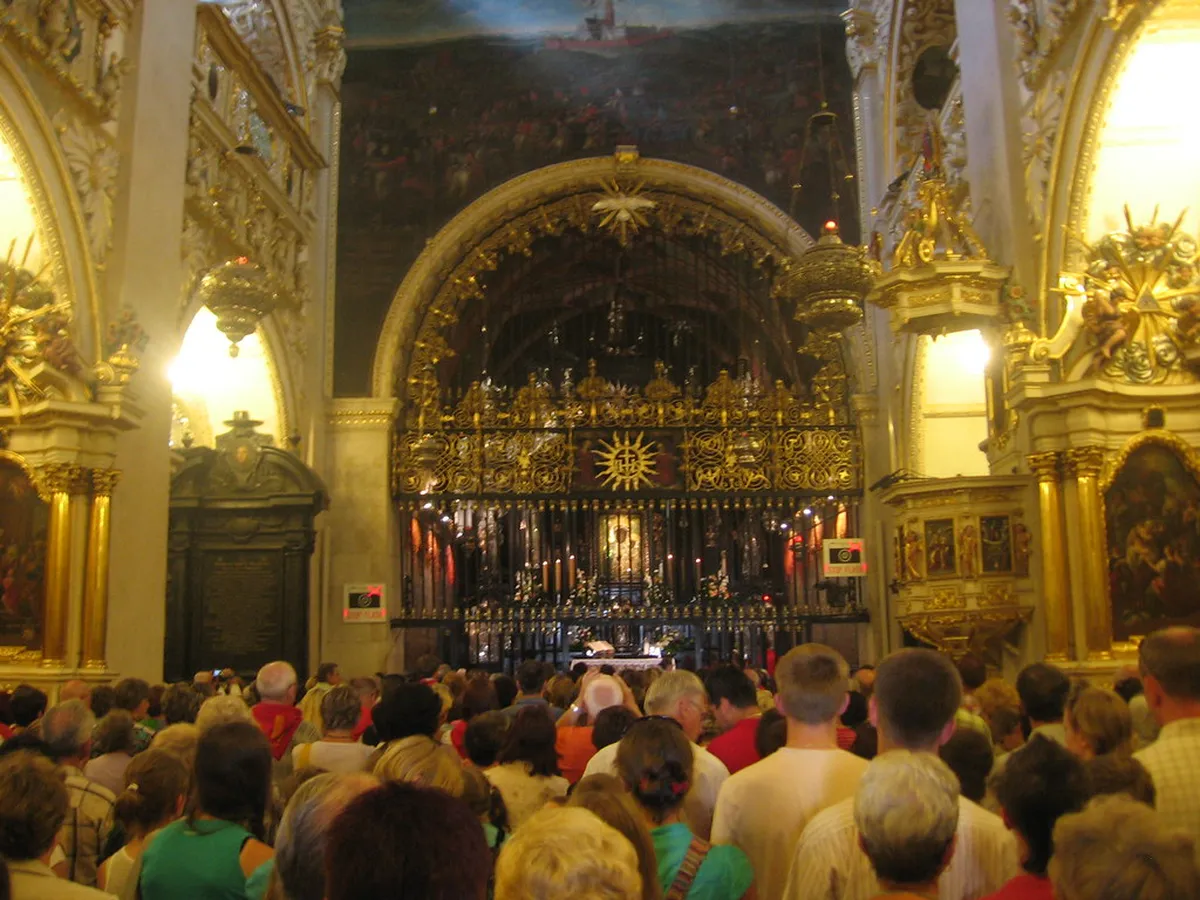
Czestochowa also runs a single tram line along much of Al. NMP, linking stops near the station to the streets below Jasna Gora. It's a practical option for pilgrims carrying luggage, traveling with children, or arriving after an overnight bus. Taxis and rideshare cars also wait outside the station, and the ride up to the monastery rarely takes more than a few minutes. Either way, we'd budget time for the walk itself as part of the visit; the approach down Al. NMP, with the fortress walls rising ahead, sets the tone before you even reach the chapel.
Frequently Asked Questions
Why does the Black Madonna icon have two scars on its cheek?
Legend says Hussite raiders looted Jasna Gora in 1430 and one attacker slashed the panel with a sword before it could be hidden. Restorers have repainted the icon several times since, but they always leave the two scars visible. Locals see the marks as a permanent reminder of the shrine's turbulent history.
When can I see the Black Madonna unveiled at Jasna Gora?
The icon is typically unveiled each morning around 6:00 AM and again before evening Mass, with a midday covering in between. The exact timing shifts with the liturgical calendar and special feast days. Check the schedule at the monastery information office when you arrive, since it can change without notice.
What is the busiest time to visit for the pilgrimage?
Late August is the busiest stretch, anchored by the Assumption on August 15 and the feast of Our Lady of Czestochowa on August 26. Walking pilgrims, trains, and guesthouses all fill up around these dates. Travelers wanting a quieter chapel visit should aim for spring or early autumn instead.
How do pilgrims travel to Czestochowa on foot?
Most walking pilgrims join diocese-organized groups, the largest being the Warsaw Foot Pilgrimage, a roughly 233 kilometer route completed over nine days. Groups follow set routes with overnight stops in parish halls and fields along the way. You can browse more Poland travel planning on our Poland travel blog before you go.
The Black Madonna pilgrimage blends centuries of history with a living, daily ritual most visitors won't expect. Seeing the unveiling, even briefly, tends to leave a stronger impression than the icon's fame alone suggests. Timing your trip around the feast days rewards you with atmosphere, or around quieter weeks rewards you with space.
Either way, Czestochowa deserves more than a rushed afternoon between Warsaw and Krakow. Give the shrine time, and it tends to give something back. Plan your route, check the ceremony schedule, and let the visit unfold at its own pace.
You might also like


Continue reading
More guides you'll find useful


