Zakopane Attractions: 8 Essential Sights & Planning Guide
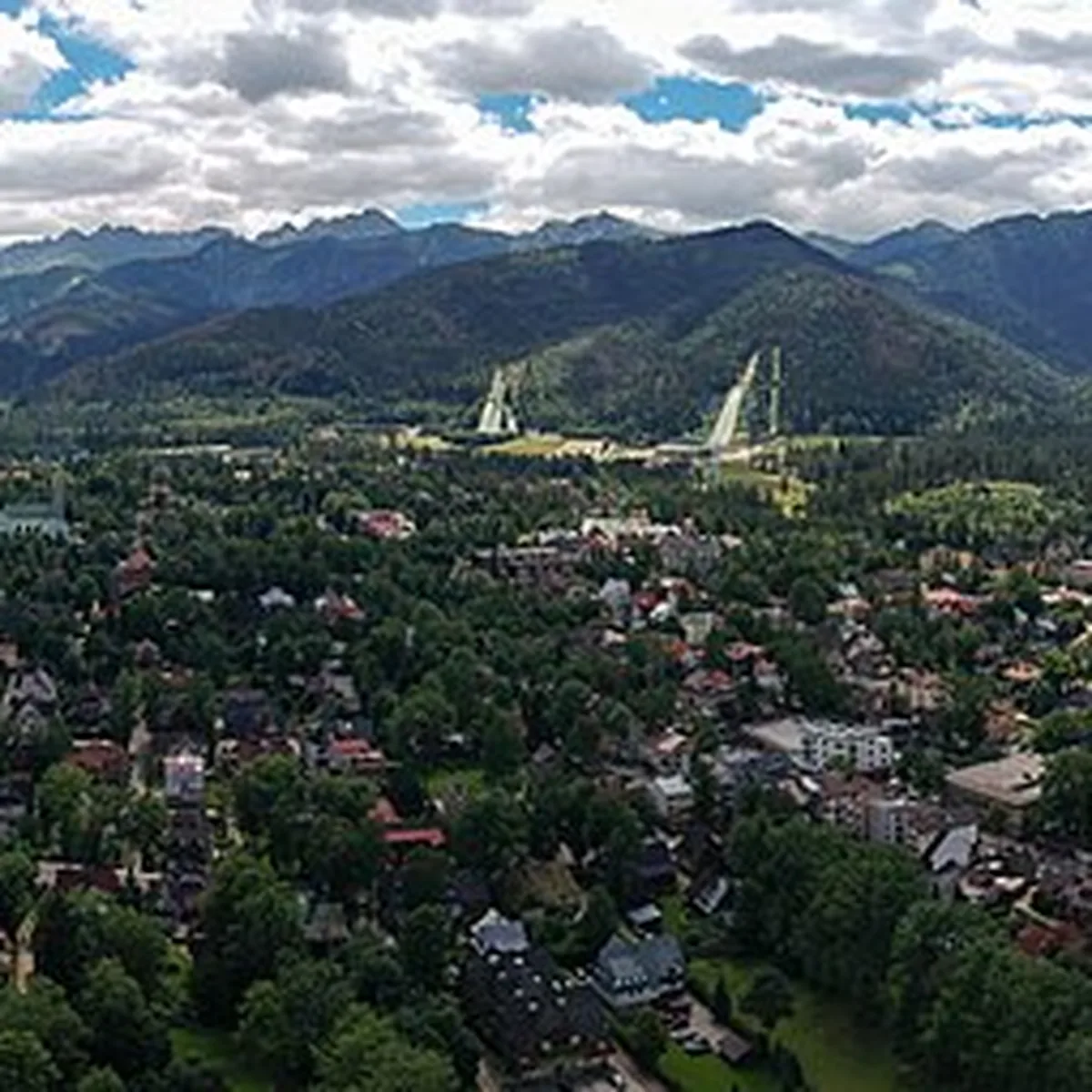
Zakopane works less like a compact sightseeing city and more like a gateway with several distinct excursion zones. Krupówki and the Gubałówka funicular sit together in the center; Wielka Krokiew and the Kasprowy Wierch cable car are south toward the mountains; Kościeliska and Chochołowska valleys lie west of town; and Morskie Oko starts far to the east at Palenica Białczańska. The eight attractions below are all worthwhile, but their geography means that choosing the right combinations matters more than collecting as many stops as possible.
This hub helps you decide which attraction fits your time, mobility, weather, and budget. For restaurants, thermal baths, museums, family activities, nightlife, and a broader trip itinerary, continue to our complete things to do in Zakopane guide.
Top 8 attractions in Zakopane
Morskie Oko
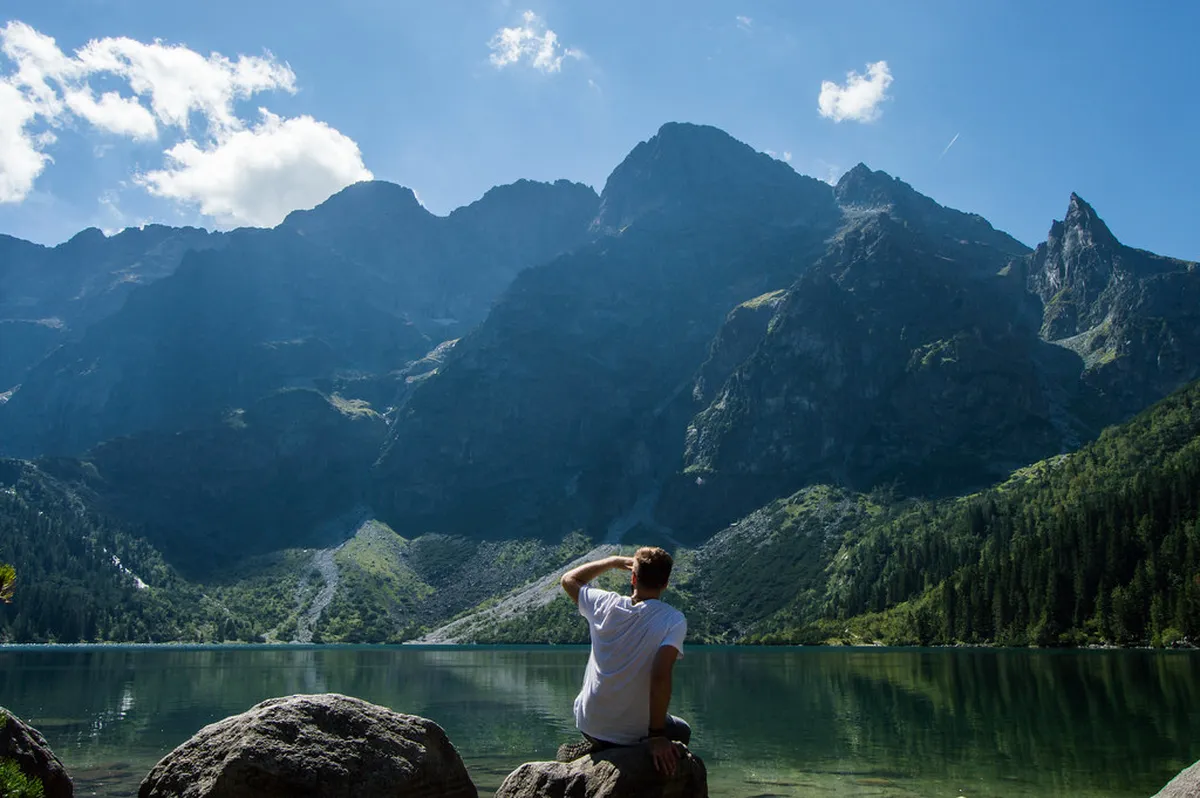
Morskie Oko is the largest and most famous lake in Poland's Tatra Mountains, set at 1,395 m inside Tatra National Park and reached by a scenic walk from the Palenica Białczańska trailhead. It is one of the most visited natural attractions in the country.
Visitor guide →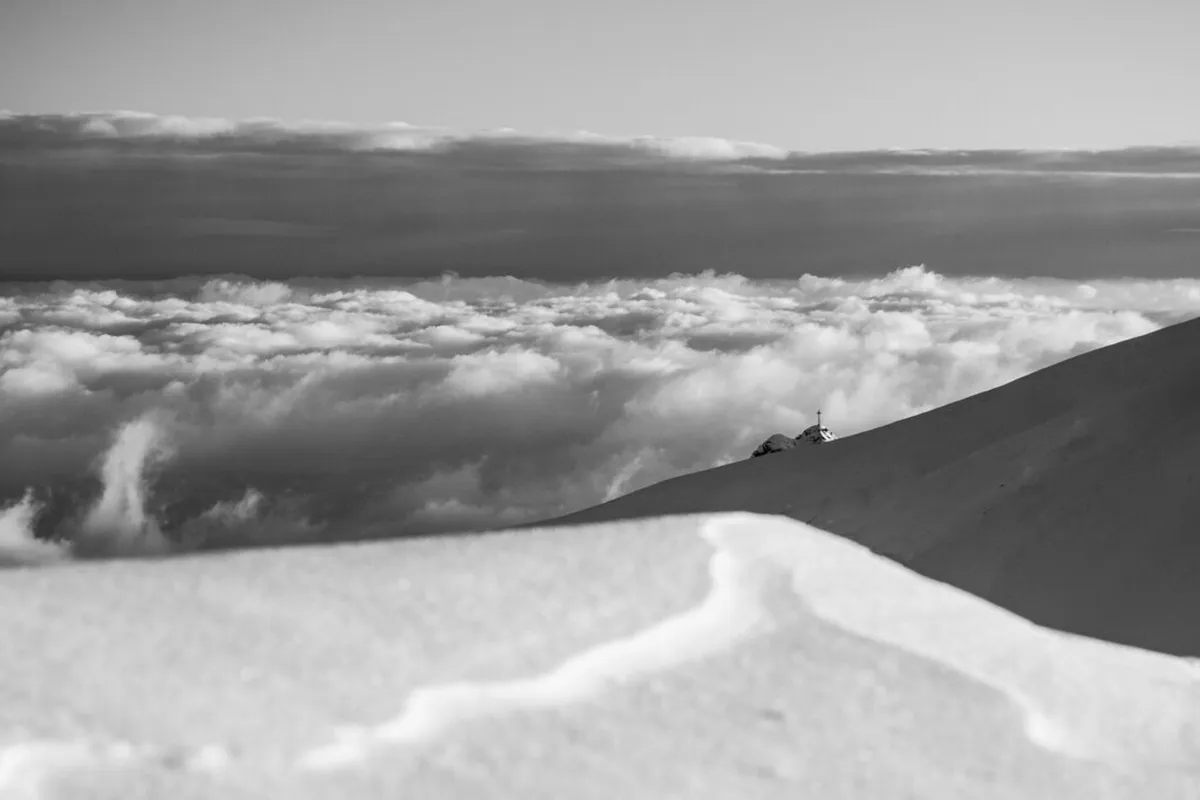
Kasprowy Wierch
Kasprowy Wierch is a 1,987 m Tatra peak above Zakopane, reached by the historic PKL aerial cable car from Kuźnice. It is one of Poland's most recognizable mountain viewpoints and a year-round skiing and hiking destination on the Polish-Slovak border.
Visitor guide →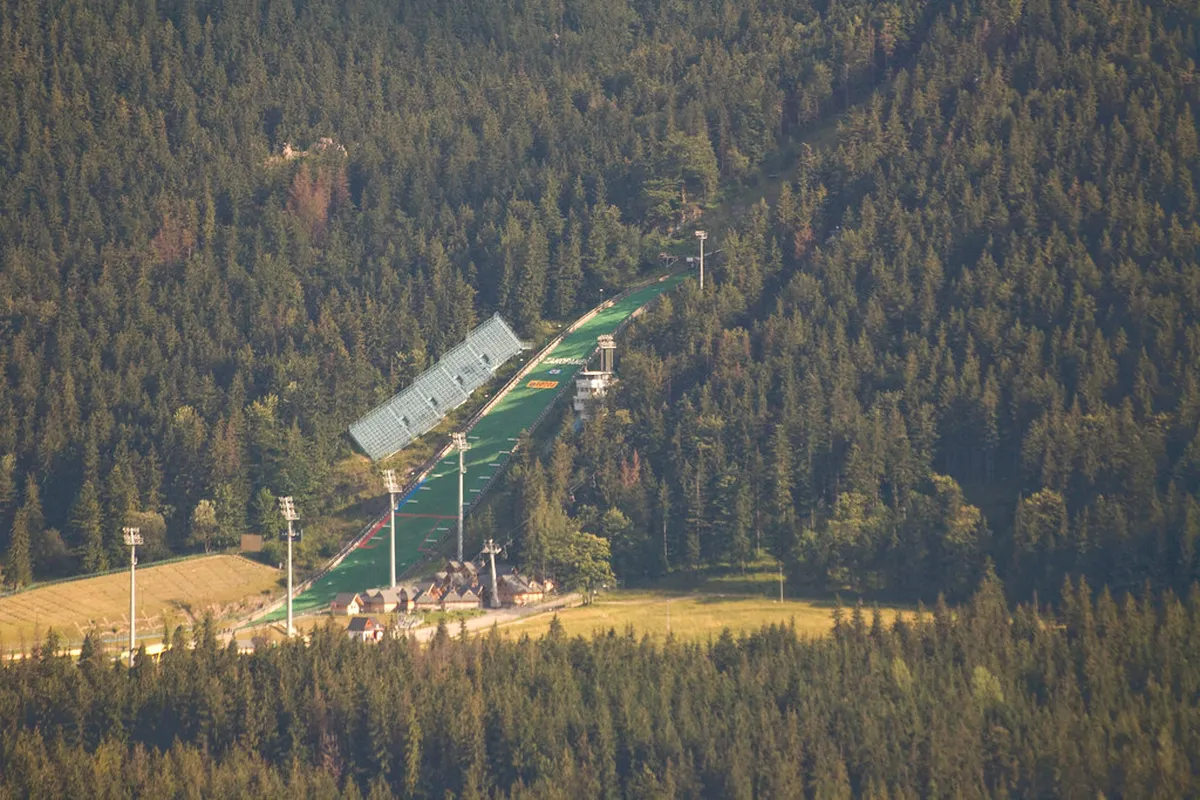
Gubałówka
Gubałówka is a 1,123 m hill rising over Zakopane, reached by the PKL funicular from beside the market below Krupówki or by marked walking routes. Its ridge offers broad views across the town toward the Tatra range.
Visitor guide →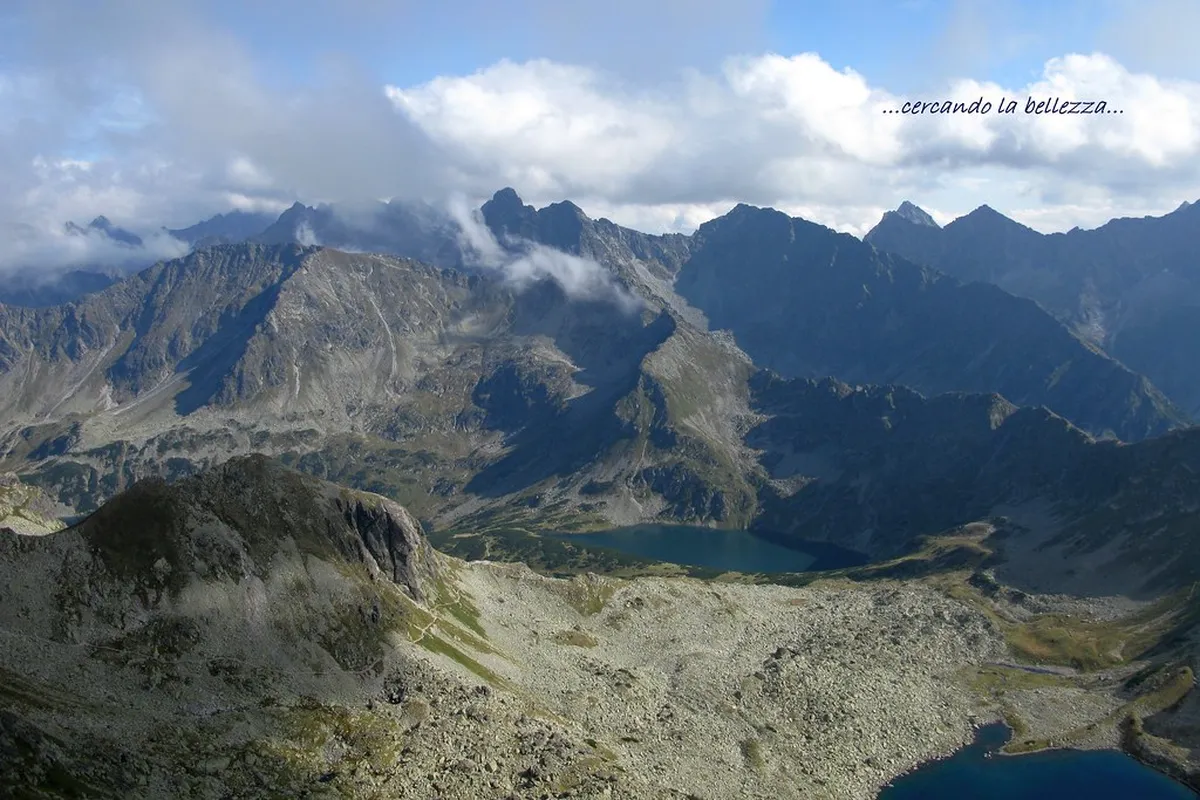
Tatra National Park
Tatra National Park (Tatrzański Park Narodowy) protects the dramatic Polish Tatra Mountains above Zakopane. Paid entry applies at park access points, and marked trails range from broad valley roads to technical high-mountain routes.
Visitor guide →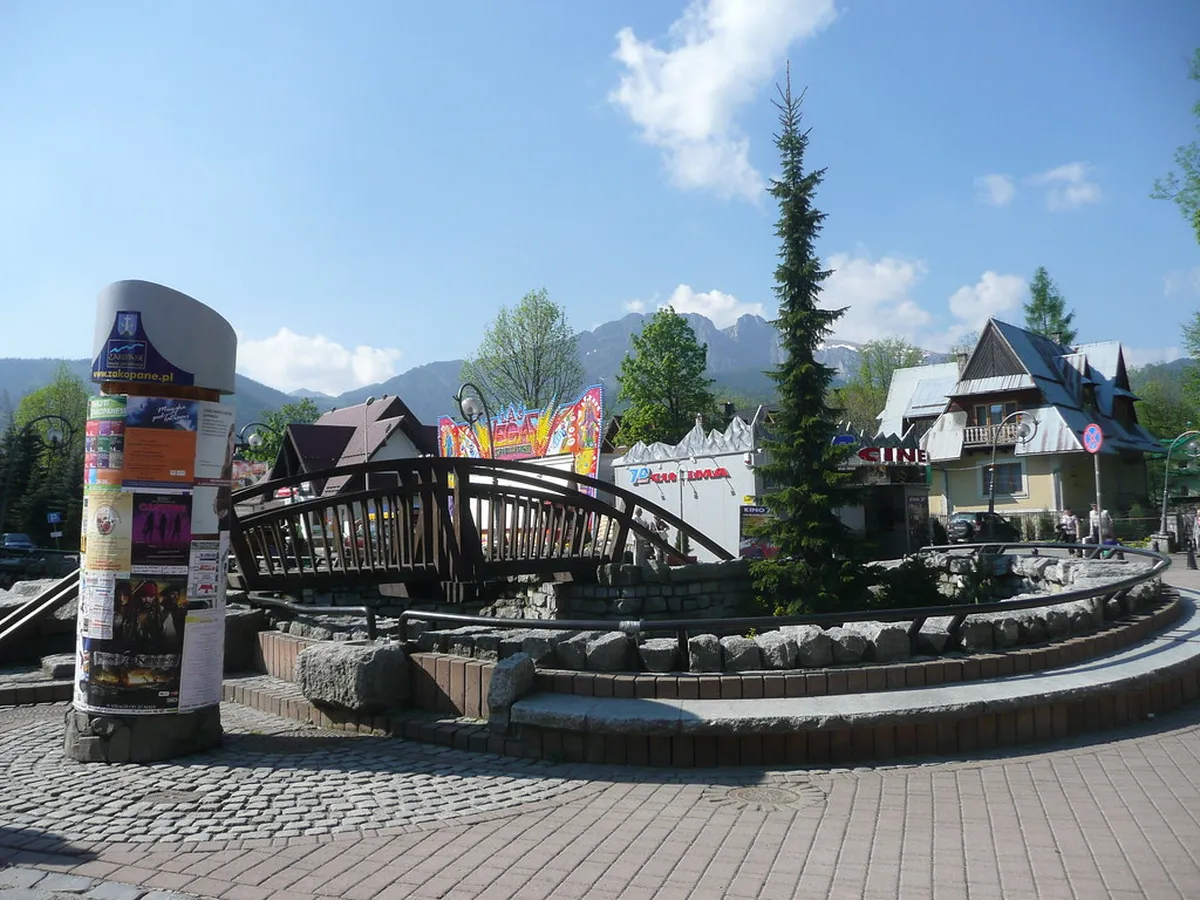
Krupówki
Krupówki is Zakopane's central pedestrian promenade, a roughly one-kilometre street lined with shops, restaurants, cafés, and highland-style architecture. It forms the social and commercial heart of the resort and is free to explore.
Visitor guide →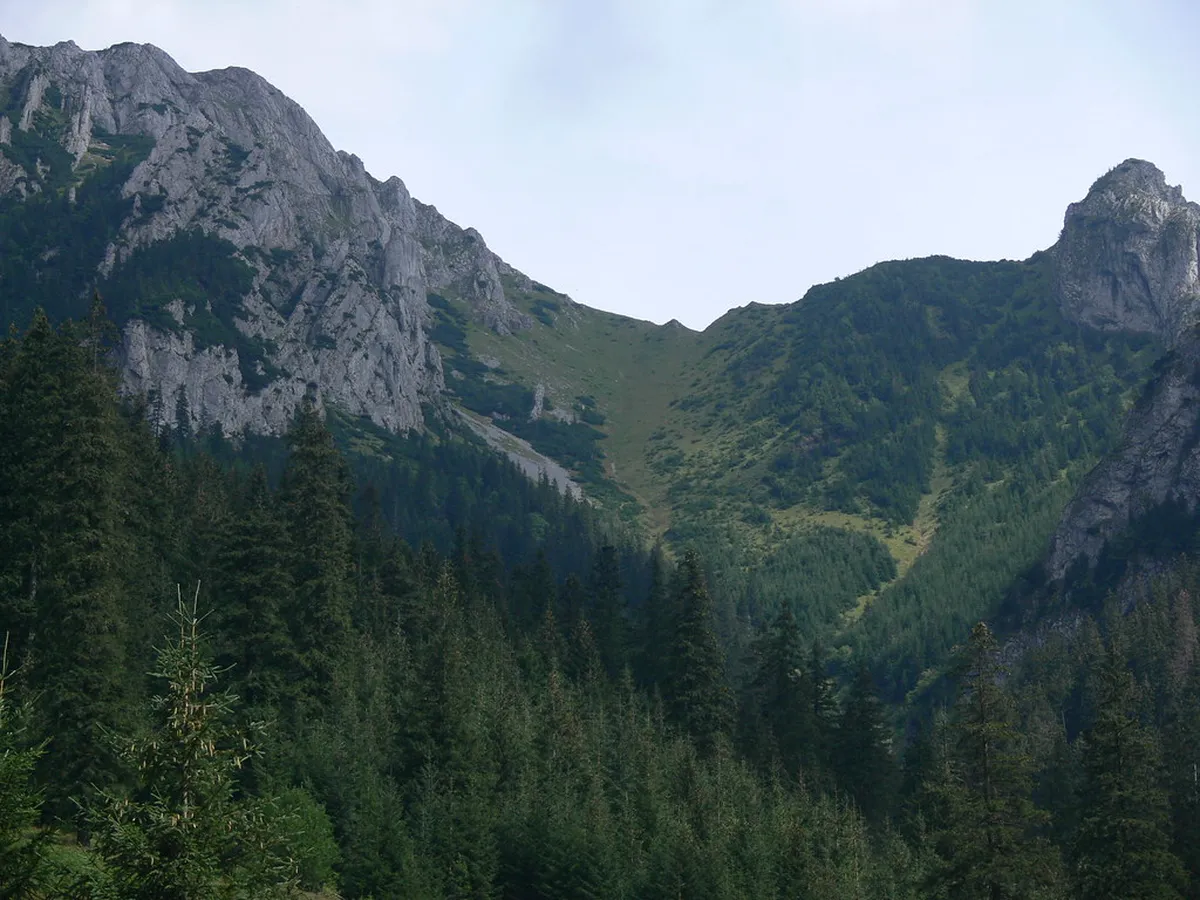
Kościeliska Valley
Kościeliska Valley is one of the most approachable valleys in the Polish Western Tatras, running from Kiry into Tatra National Park past limestone cliffs, caves, streams, and meadows. It suits travelers who want a flexible walk rather than a summit day.
Visitor guide →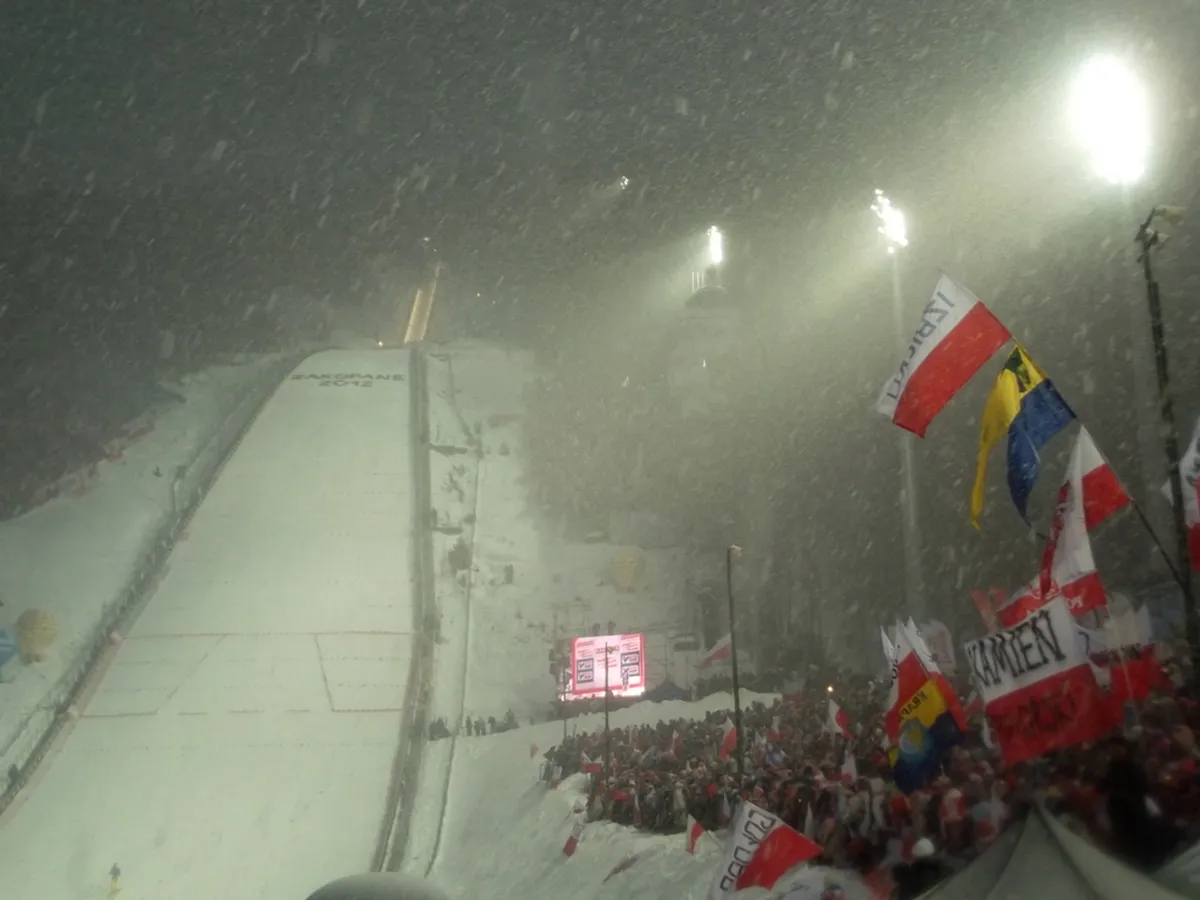
Wielka Krokiew
Wielka Krokiew is Poland's largest ski jump and a FIS World Cup venue on the edge of Zakopane. When visitor operations are running, a paid chairlift carries guests toward viewing areas above the stadium and landing slope.
Visitor guide →
Chochołowska Valley
Chochołowska Valley is the longest valley in the Polish Tatras. The broad route from Siwa Polana leads toward Polana Chochołowska and its mountain shelter, and the lower meadows are especially known for spring crocuses.
Visitor guide →Zakopane attractions by area
Thinking in zones prevents unnecessary travel across congested roads. These four groups are the practical building blocks for an itinerary.
Town center: Krupówki and Gubałówka
Krupówki ends near the market and lower Gubałówka funicular station, so these are the easiest two attractions to combine. Walk the promenade before shops and restaurants become busy, cross through the passage toward the market, and either ride the funicular or use an official marked route uphill. Zakopane's official Gubałówka walk describes the funicular ride as only a few minutes and suggests a longer ridge walk for visitors with more time.
Southern Zakopane and Kuźnice: Wielka Krokiew and Kasprowy Wierch
Wielka Krokiew sits near the end of ul. Bronisława Czecha, while the Kasprowy Wierch cable car departs from Kuźnice farther south. They can share one day, but do not schedule them back-to-back without a buffer. Cable-car boarding is tied to operations and ticket availability, and the mountain can be cloudy or windy even when central Zakopane is calm. Private cars are restricted on the road from the Kuźnice roundabout; use a city bus, regular minibus, taxi, or walk.
Western valleys: Kościeliska and Chochołowska
Both valleys begin west of town and offer non-technical lower-valley walking, but each deserves its own outing. Kościeliska has more frequent changes of scenery and optional cave or shelter detours. Chochołowska is broader and longer, with its strongest seasonal draw during the crocus bloom. Trying to complete both to their main shelters in one day creates a transport problem and turns two pleasant walks into a mileage exercise.
Eastern full-day trip: Morskie Oko
Morskie Oko is not near central Zakopane. The normal approach begins at Palenica Białczańska after a road transfer, followed by a long paved walk to the lake. Treat it as a full-day excursion once transport, breaks, lake time, and the return are included. Tatra National Park's official Morskie Oko planning page explains public transport, parking, entry tickets, and its reservation-based e-bus option.
Which attraction fits your trip?
- Classic first visit: Krupówki, Gubałówka, and one mountain or valley day provide a useful mix of town atmosphere, viewpoints, and nature.
- Major mountain panorama with less walking: Kasprowy Wierch gives fast access to high altitude by cable car, but weather and advance ticketing matter.
- Famous lake day: Morskie Oko is the iconic choice, with a long but mostly gradual paved approach from the trailhead.
- Flexible valley walk: Kościeliska Valley lets you turn around when time or weather changes, with several intermediate landmarks along the route.
- Long, steady valley route: Chochołowska Valley suits travelers happy with more distance and is especially popular in crocus season.
- Sports heritage: Wielka Krokiew is the specialist choice for ski-jumping fans and pairs naturally with a walk from town.
- Low-cost town time: Krupówki and the center-to-Gubałówka area can be explored without buying an attraction ticket if you skip the funicular.
Tatra National Park is not one stop to “complete.” It is the protected landscape containing Morskie Oko, Kasprowy Wierch, Kościeliska Valley, Chochołowska Valley, and many routes beyond this shortlist. Choose one route appropriate to the day's conditions instead of treating the park as an extra attraction after a full schedule.
Free versus paid Zakopane attractions
Free choices: Krupówki costs nothing to walk. You can also view Wielka Krokiew from public approaches without buying a chairlift ticket, and reach the Gubałówka ridge on foot using an official marked route rather than the funicular.
Park entry: Tatra National Park charges admission at its access points. Buy from the park's official TPN ticket portal or an authorized entrance point. A park-admission ticket is not the same as a Morskie Oko parking reservation, commercial transport ticket, guided tour, cave ticket, or mountain lift fare.
Lift and venue tickets: The Gubałówka funicular, Kasprowy Wierch cable car, and Wielka Krokiew visitor chairlift are paid. A dated Kasprowy Wierch cable-car ticket is treated as TPN admission on that date under the park's 2026 ticket instructions, so do not automatically buy a duplicate park ticket for the same cable-car visit. Check the current terms when purchasing because lift products and concessions can change.
Prices vary by season, ticket channel, and product. Instead of building a budget around an old screenshot, compare the live TPN portal with the official PKL Kasprowy Wierch ticket page. Buying the most expensive lift does not guarantee clear views, so keep a weather-independent town plan available.
Suggested Zakopane attraction routes
Half day: central Zakopane
Start on Krupówki, continue through the market to the Gubałówka lower station, and choose the funicular or marked uphill route. Spend time on the ridge only if visibility is worthwhile. This route has the least transport risk and is the easiest option for an arrival or departure day.
One day: first-time highlights
Use the morning for Kasprowy Wierch if you have a suitable forecast and timed ticket. Return through Kuźnice, stop at Wielka Krokiew if visitor operations are open, then finish on Krupówki. If the cable car is suspended or the summit is in cloud, switch to the central half-day route and save the mountain ticketed activity for another day.
One full nature day
Choose exactly one: Morskie Oko, Kościeliska Valley, or Chochołowska Valley. Morskie Oko has the most famous destination but the heaviest visitor flow. Kościeliska offers the most adjustable route. Chochołowska rewards walkers who prefer a longer broad valley. Start early enough to return before the applicable trail-closing time.
Two days: balanced essentials
On day one, combine Krupówki, Gubałówka, and Wielka Krokiew. On day two, choose one park excursion based on the current conditions. Add Kasprowy only if the second day remains clear and you are willing to reduce the valley walk; it should not be forced into a Morskie Oko day.
Getting between Zakopane attractions
Walk the center. Krupówki, the market, and the Gubałówka lower station form one compact pedestrian zone. Wielka Krokiew is also reachable on foot from the upper part of central Zakopane, although the return adds distance after a mountain outing.
Use public transport for Kuźnice. The city publishes live route information on its official Zakopane bus timetable. Line 10 currently links the railway/bus station and central stops with Kuźnice, but schedules changed in July 2026 and may change again. The road beyond the Kuźnice roundabout restricts ordinary private-car traffic; the park's official Kuźnice access guidance recommends collective transport.
Use trailhead transport for the valleys. Regular minibuses serve Kiry for Kościeliska Valley, Siwa Polana for Chochołowska Valley, and the Morskie Oko area. Operators and frequencies vary by season, so confirm the destination displayed on the vehicle and the last practical return before starting your walk. A taxi may save waiting time for a group, but it does not remove park-entry or trail restrictions.
Reserve Morskie Oko parking. If driving, use the official TPN Morskie Oko parking page. Capacity is limited, online prices vary with demand and timing, and arriving without a reservation risks no suitable space. A parking ticket does not include park admission.
What to book ahead
- Kasprowy Wierch: Book ahead for a specific date and departure time in busy periods. PKL notes that online allocations are limited and that on-site sales cover current available departures rather than guaranteeing your preferred time.
- Morskie Oko parking or e-bus: Reserve online before travel. These are capacity-controlled services and remain separate from TPN admission.
- TPN entry: An e-ticket reduces time at busy entrances, though staffed points may also sell admission. Keep the ticket available offline in case mobile reception is weak.
- Gubałówka and Wielka Krokiew: Same-day purchase is often practical, but opening hours and operations are seasonal. Confirm before walking over, especially outside summer and ski-event periods.
Weather-sensitive bookings deserve a backup plan. Read the cancellation or change rules before paying, especially for cable cars and parking. High wind, thunderstorms, maintenance, competitions, or park safety decisions can change access without matching conditions in central Zakopane.
Seasonality, conditions, and mountain safety
Summer: Long daylight supports valley trips, but popular routes and transport fill early. Mountain thunderstorms can develop quickly, so start early and avoid exposed terrain when storms are forecast.
Autumn: Cooler air and changing foliage can make valley walks rewarding, while shorter days reduce itinerary margins. Check the last lift, bus, and legal trail-use times before departure.
Winter: A broad valley road is still a mountain route when covered by snow or ice. Higher terrain requires winter skills and equipment, and avalanche conditions can affect routes. Do not infer summit conditions from the town center.
Spring: Snow can remain high in the mountains after paths in town are clear. Crocus season draws exceptional traffic to Chochołowska Valley; stay on marked paths and never step into flower meadows for photographs.
Before every park outing, read Tatra National Park's current tourist bulletin for hazards, closures, and recommendations. TPN closes all tourist trails from dusk to dawn between 1 March and 30 November, and applies different winter night restrictions plus specific seasonal closures. Conditions and emergency closures override any itinerary suggested here.
Frequently Asked Questions
What are the essential attractions in Zakopane for a first visit?
A balanced first visit combines Krupówki and Gubałówka with one mountain or valley outing. Choose Kasprowy Wierch for a high viewpoint, Morskie Oko for the famous lake, or Kościeliska Valley for a more flexible walk.
How many days do I need for Zakopane attractions?
Two full days cover central Zakopane plus one substantial nature outing without rushing. Three or four days give you weather flexibility and room for a second valley, thermal baths, museums, or a longer hike.
Do I need a Tatra National Park ticket for the valleys and Morskie Oko?
Yes. Tatra National Park charges admission at access points for Morskie Oko, Kościeliska Valley, and other park routes. Parking, private transport, e-buses, cave entry, and commercial lifts are separate products unless the operator explicitly states otherwise.
Does a Kasprowy Wierch cable-car ticket include park entry?
Under TPN's 2026 ticket instructions, a dated Kasprowy Wierch cable-car ticket is equivalent to park admission on that date. Check the current purchase terms before travel rather than buying a duplicate TPN ticket automatically.
Can I visit Zakopane attractions without a car?
Yes. Walk between Krupówki and the Gubałówka station, use city buses or minibuses for Kuźnice, and take trailhead minibuses toward Kiry, Siwa Polana, or Morskie Oko. A car requires parking planning and cannot normally continue from the Kuźnice roundabout to the cable-car station.
Which is better, Gubałówka or Kasprowy Wierch?
Gubałówka is easier, cheaper, and directly connected to the town center. Kasprowy Wierch reaches genuine high-mountain terrain and offers a more dramatic experience, but costs more and is more exposed to cloud, wind, and operational changes.
Should I visit Kościeliska and Chochołowska valleys on the same day?
No for most visitors. Each valley involves a separate trailhead transfer and enough walking to justify its own outing. Choose Kościeliska for route variety or Chochołowska for a longer broad valley and the seasonal crocus meadows.
Which Zakopane attractions should I book in advance?
Prioritize advance booking for a timed Kasprowy Wierch cable-car ride and for Morskie Oko parking or e-bus transport. TPN entry can also be bought online, while Krupówki is free and unticketed.
Build the itinerary around one mountain decision
The most reliable Zakopane plan starts with one major daily choice: a high viewpoint, Morskie Oko, or one western valley. Add compact town attractions around that anchor only after checking conditions and transport. This leaves enough margin for mountain weather and avoids spending the day moving between opposite sides of the resort.
Use the linked attraction guides for stop-level details, then continue to the things to do in Zakopane guide for food, culture, wellness, and multi-day planning beyond these eight headline sights.
Official planning sources
- Tatra National Park current conditions, hazards, and closures
- Tatra National Park official tickets
- Tatra National Park Morskie Oko planning information
- PKL Kasprowy Wierch tickets
- City of Zakopane public transport timetables
- City of Zakopane official Gubałówka walk
Operational details were checked on 1 August 2026. Reconfirm prices, opening times, transport, trail conditions, and closures shortly before visiting.