Is Zakopane Worth Visiting? Pros, Cons, and an Honest Verdict
Last updated August 2026, is Zakopane worth visiting for a Poland itinerary built around Krakow? The short answer is yes for hikers and culture fans. Zakopianka traffic and Krupówki Street crowds make it a poor fit for a rushed two-day trip. This guide weighs the Tatra Mountains and Oscypek cheese against the logistics of getting from Krakow, so you can decide before you book.
Is Zakopane Worth Visiting in 2026? The Short Answer
Zakopane earns its reputation as Poland's winter capital and the main gateway to the Tatra Mountains. For most travelers weighing granite peaks against tourist crowds, the answer leans yes. Górale highlander culture and wooden Zakopane Style architecture justify the detour from Krakow for many visitors. So does access to high-altitude hiking trails in the Podhale region. Traffic and crowds are the real caveat here. How much kitsch and congestion you can tolerate shapes whether the trip feels worthwhile or exhausting. Activity-by-activity detail lives in the things to do in Zakopane guide, treated here as a companion rather than a duplicate.
The Case For Zakopane: Tatra Mountains, Górale Culture, and Local Food
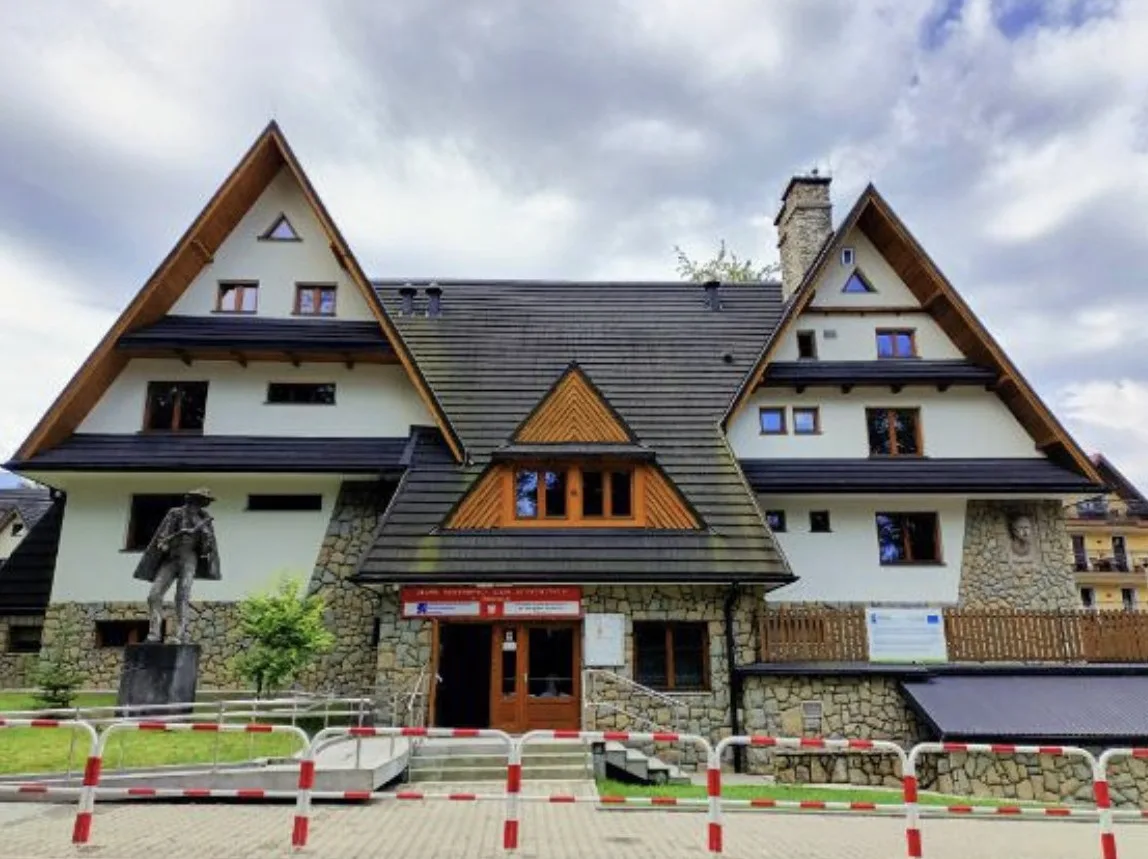
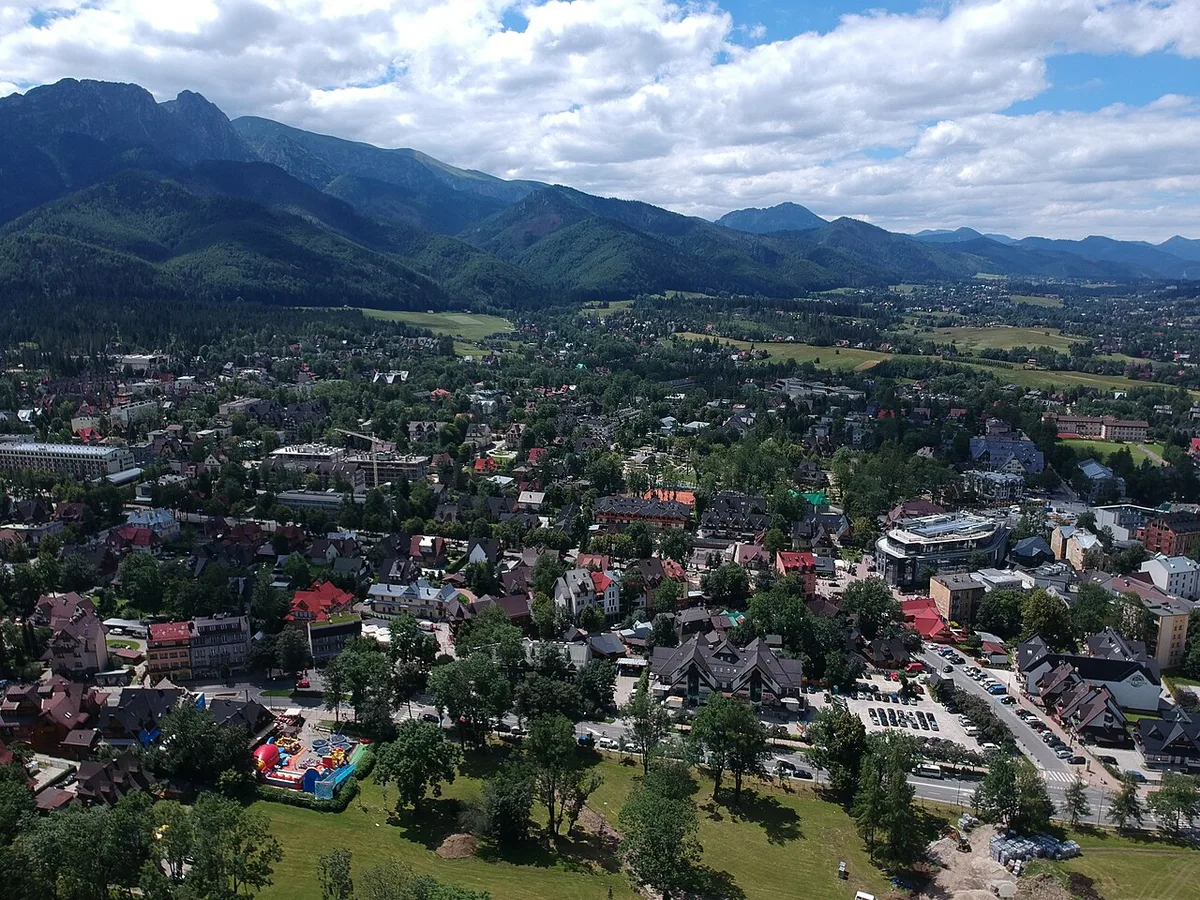
Tatra National Park is the main draw, and it delivers Poland's only high-alpine scenery. Peaks reach above 8,530 feet (2,600 meters) at their highest points. Rysy reaches 8,199 feet (2,499 meters) on the Polish side, commonly cited as the country's highest peak. The range's overall high point, Gerlach, tops 8,712 feet (2,655 meters) across the border in Slovakia. Morskie Oko, the largest lake in the Tatras, anchors one of the most popular hikes in the range. Giewont is another well-known peak nearby. Kasprowy Wierch and Nosal both draw skiers in winter. Riding the cable car up Kasprowy Wierch gets you above the tree line without the climb. Dedicated 10 Best Zakopane Hiking Trails to Explore in 2026 cover routes for casual walkers and experienced mountaineers alike. Beyond the mountains, Zakopane carries a distinct regional identity. The Podhale region is home to the Górale highlanders, whose wooden architecture defines the town. Willa Koliba is credited as the first building constructed in the Zakopane Style, the wooden architectural movement associated with Stanisław Witkiewicz. It now operates as a heritage museum. Food culture runs just as deep. Oscypek, a smoked sheep's cheese, appears in market stalls and highlander taverns known as karczmas. For a proper sit-down meal, check the Zakopane restaurants guide. Thermal baths such as Chochołowskie and Bukovina round out the appeal for a recovery day between hikes. Pool-by-pool details sit in the Zakopane thermal baths guide.
- Tatra National Park - Poland's only high-alpine range, peaks above 8,530 feet (2,600 meters)
- Morskie Oko - the largest lake in the Tatras and one of its most popular hikes
- Willa Koliba - the first Zakopane Style building, now a heritage museum
- Oscypek and karczma taverns - the region's signature smoked cheese and highlander food
The Case Against: Crowds, Kitsch, and the Krakow-Zakopane Traffic Problem
Krupówki Street draws the heaviest crowds in town, especially in the middle of summer and during peak ski weeks. Souvenir stalls line the street selling similar wooden trinkets and sheepskin slippers, and the kitsch factor is real. Visitors touring the Krupówki Street town centre should expect a market atmosphere rather than a quiet mountain retreat. Trail crowding follows the same pattern. Even strenuous routes in Tatra National Park fill with hikers, school groups, and tour parties on a typical weekday in July or August. Getting there adds its own friction. Zakopane sits roughly 62 miles (100 kilometers) from Krakow. The drive routinely takes 2.5 to 3 hours each way, sometimes longer, because of congestion on the Zakopianka, the main access road. Weekend traffic and holiday periods push that timing higher still. For a full comparison of that congestion, check the Krakow to Zakopane transport guide.
Getting There and Around: What the Logistics Actually Look Like
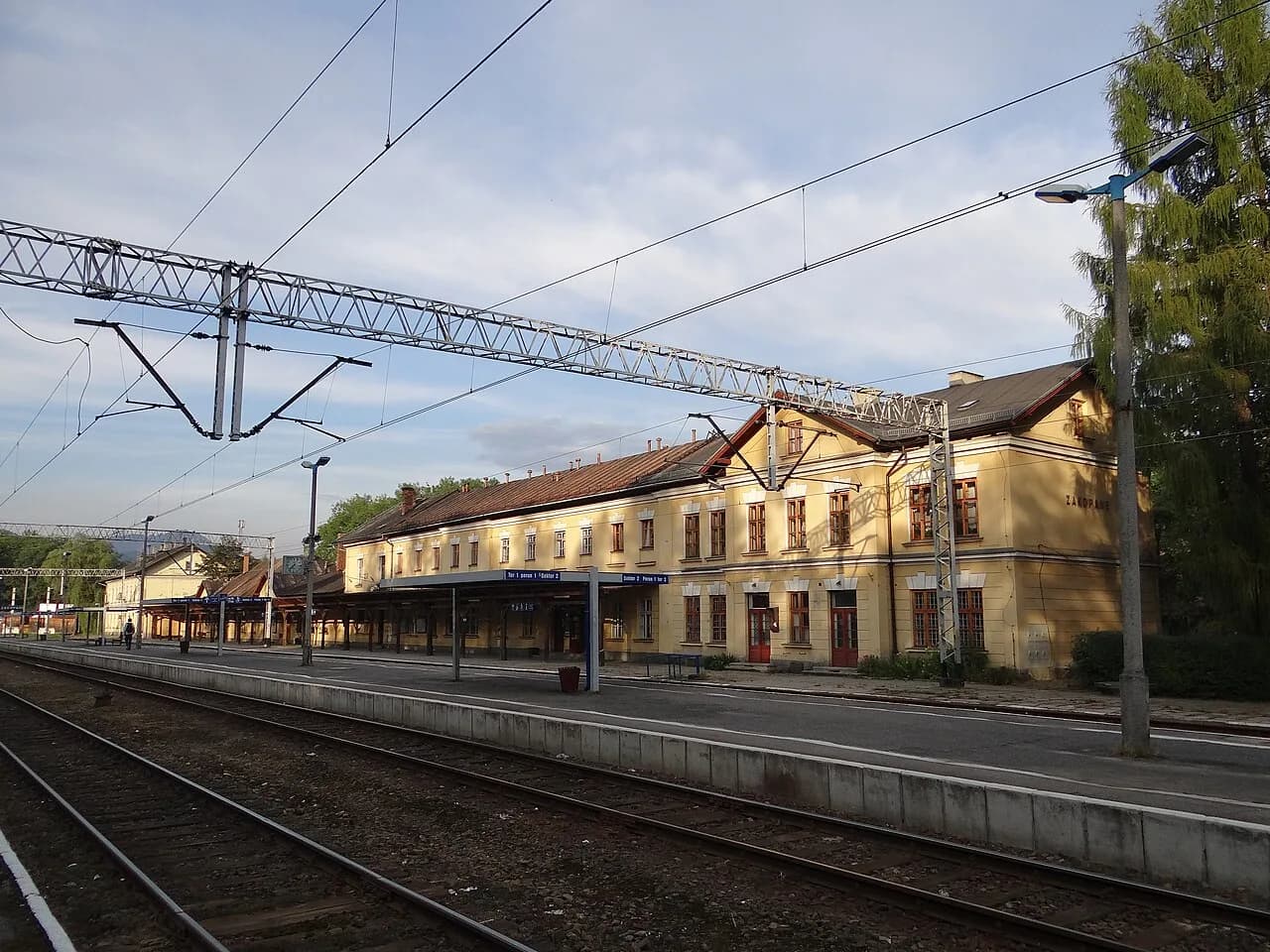
Three main options connect Krakow and Zakopane. Direct buses operated by companies such as FlixBus and Szwagropol are the most common choice and run frequently through the day. Trains exist but usually require a change, which adds time compared with a direct bus. Driving offers the most flexibility but exposes you to the same Zakopianka congestion described above, especially on weekend afternoons. Once in town, walking covers the center. Local buses and taxis reach the ski lifts and trailheads beyond walking distance. Route and fare detail sits in the getting around Zakopane guide. Single-day visits work but stay tight on time. One well-traveled account of the route called one night enough for a first look. Longer stays leave room for an actual hike above the tree line. If Zakopane is a single stop on a short Poland trip, weigh a dedicated Zakopane Day Trip from Krakow: The Ultimate Guide against staying overnight. That trade-off gets a fuller treatment in the how many days in Zakopane guide. That two-night version appears in a weekend itinerary template, with room for a hike and a thermal bath afternoon.
| Option | Typical journey time | Good to know |
|---|---|---|
| Direct bus (FlixBus, Szwagropol) | About 2.5-3 hours | Most frequent option; book ahead in peak season |
| Train | Longer than the direct bus | Usually requires a change en route |
| Private car or transfer | About 2.5-3 hours off-peak | Weekend and holiday traffic add real delay |
When to Visit: Matching the Season to What You Want to Do
Hiking season runs roughly June through September, when most high-altitude trails are clear of snow. Some routes, including the exposed ridge trail Orla Perć, stay closed or dangerous outside of mid-summer conditions. Winter draws the ski crowd, with Kasprowy Wierch and Nosal serving as the main resorts. Shoulder months carry real risk. October and May often bring cold rain, lingering snow, and closed trails. Plan for possible weather delays if you travel during those months. Month-by-month detail lives in the best time to visit Zakopane guide. Season-specific expectations are covered in the Zakopane weather guide.
The 62 miles (100 kilometers) journey from Krakow compounds seasonal risks: October and May shoulder months add weather delays to an already long commute, making shoulder-season travel particularly challenging.
Who Should Go, Who Should Skip It, and What to Do Instead
Adventure travelers get the clearest yes. High-altitude hikers can push into terrain most of Poland cannot offer. Kasprowy Wierch's cable car offers a lower-effort alternative for similar views. Skiers have a full season to work with. Lift access and resort choices for winter visitors are covered in the Zakopane Skiing Guide: The Ultimate Winter Travel Resource. Families do well too. Sleigh rides known as kulig run through winter. Thermal parks give kids a break from trail walking. How kulig outings work is covered in a Zakopane sleigh ride guide. Age-appropriate options are listed in a dedicated Zakopane with kids guide. Culture-focused travelers have their own reasons to visit. Pęksowy Brzyzek cemetery and the town's small museums document Górale history in more depth than a quick walk down Krupówki Street allows. Budget-conscious travelers can lean on a free things to do in Zakopane guide to fill a day without paying for lift tickets or museum entry. Solitude seekers should think twice. If crowds are the dealbreaker, a Zakopane hidden gems guide points toward quieter corners of town. The core streets stay busy in peak season regardless. Some travelers skip Zakopane for quieter alternatives nearby. Szczawnica, a smaller spa town about an hour away, is often mentioned as a less commercial alternative with similar mountain scenery. The Slovak side of the Tatras is another option for the same reason. Multi-night stays also open up trips beyond town. Options like Szczawnica get fuller treatment in a day trips from Zakopane guide. Travelers who would rather skip the mountain detour entirely can spend that time in another Polish city instead. See 15 Best Things to Do in Wrocław (2026 Guide) for one alternative city break.
Skiers have a full season to work with, but the 2.5 to 3 hours commute each way means most visitors benefit from overnight stays rather than day trips for actual slope time.
Final Verdict: Go If, Skip If
Weighing the trade-offs comes down to what you want from a Poland itinerary. Zakopane rewards hikers, skiers, and culture-focused travelers willing to handle crowds and a slow road from Krakow. It works just as well for families and budget travelers, provided expectations about Krupówki Street match reality. The table below breaks the decision down by traveler type. For a deeper look at everything the town offers once you commit, the things to do in Zakopane guide covers activities by season. Accommodation prices skew inexpensive relative to Krakow, according to travel accounts, which makes a central location worth the small premium. Neighborhood comparisons, including areas near Krupówki Street, appear in a where to stay in Zakopane guide. General etiquette and planning notes live in a separate Zakopane travel tips guide.
| Go if... | Skip it if... |
|---|---|
| You want alpine hiking or a full ski season in Tatra National Park | You have only one or two days total in Poland |
| You enjoy Górale culture, wooden architecture, and regional food | Crowds and souvenir stalls are dealbreakers for you |
| You can spend at least one full day, ideally two | You already have a packed Krakow-only schedule |
| You want thermal baths or a kulig sleigh ride on the trip | You would rather add a full alternative city to the itinerary |
Frequently Asked Questions
Is Zakopane worth visiting if you only have one day free from Krakow?
Hikers can fill a single day with just the cable car or one trail. That still leaves little time for the thermal baths or a sit-down highlander meal. Compare a Zakopane Day Trip from Krakow: The Ultimate Guide against staying one night before deciding. Most accounts of the route recommend at least one overnight stay for a fuller trip.
How long does it actually take to get from Krakow to Zakopane?
Zakopane sits about 62 miles (100 kilometers) from Krakow. The drive or bus ride typically takes 2.5 to 3 hours each way because of congestion on the Zakopianka road. Bus, train, and car options are compared in the Krakow to Zakopane transport guide.
What is the best time of year to visit Zakopane?
Hiking season runs roughly June through September, when the high trails are clear of snow. Winter is the main ski season around Kasprowy Wierch and Nosal. October and May are riskier shoulder months, with cold rain and possible trail closures. Further calendar detail sits in the best time to visit Zakopane guide.
Is Zakopane too touristy and crowded to be worth it?
Krupówki Street gets crowded and commercial, especially during peak summer and winter weeks. Trails higher into Tatra National Park see fewer people the farther you hike. Expectations for the town center are set in a Krupówki Street guide. Quieter alternatives exist nearby, including Szczawnica.
What can you do in Zakopane besides hiking and skiing?
Thermal baths such as Chochołowskie and Bukovina offer a non-hiking day. Winter sleigh rides, known as kulig, are a popular family activity. Highlander cooking, including oscypek cheese, rounds out a rest day with a sit-down meal. Where to find it is listed in a Zakopane restaurants guide.
You might also like
Continue reading
More guides you'll find useful