

Best Time to Visit Częstochowa, Month by Month
The best time to visit Częstochowa is late April to May, or mid-September to mid-October. These shoulder windows bring mild weather and far smaller pilgrim crowds than midsummer. Poland's busiest pilgrimage city swings between quiet cathedral courtyards in winter and dense processions in August.
This guide was last updated in July 2026, reflecting current Jasna Góra visiting patterns and typical seasonal pricing. Weather figures below reflect typical Central European climate data for southern Poland, not exact daily forecasts. Crowd levels are shaped less by season alone than by two fixed dates on the religious calendar.
Two feast days, August 15 and August 26, draw huge pilgrim crowds and reshape any summer visit. If quiet streets matter more than festival energy, plan around those two dates rather than around temperature alone. For context on weather across the rest of the country, see our when to visit Poland guide.
Best Time to Visit Częstochowa: Season Comparison
Częstochowa's calendar splits cleanly into four seasons, but only two dates truly control the crowd size. The table below groups typical weather, crowd levels, and price patterns by season, based on regional climate data. Use it as a starting point, then adjust around the specific pilgrimage dates covered in the next section.
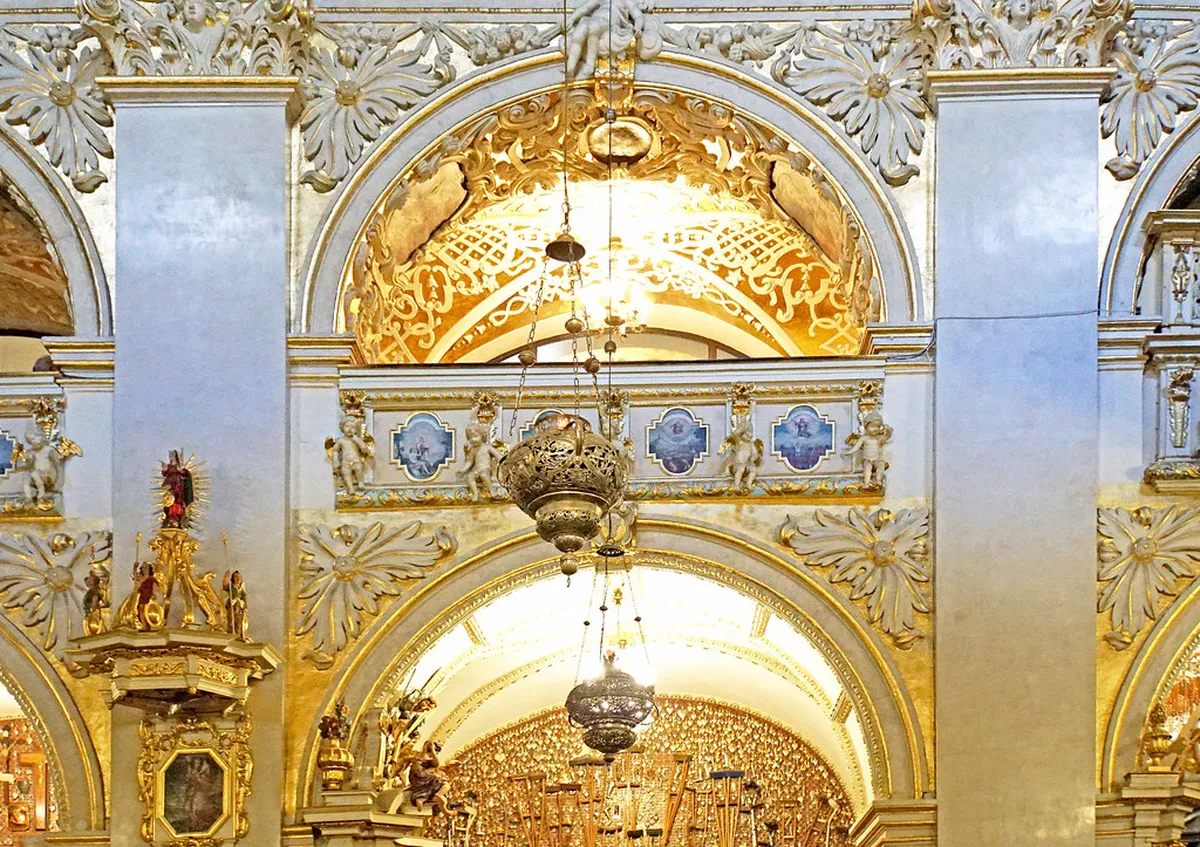
Prices at hotels near the Jasna Góra monastery move more with the pilgrimage calendar than with the thermometer. A room that costs around 250 zł in October can double or triple during the August feast weekends. Restaurants along the main pilgrim route extend their hours through summer to handle the extra demand. Staypoland.com has helpful background on the city's layout for first-time planners.
Rainfall peaks in July, matching the busiest pilgrim traffic, so pack a light rain jacket even in high summer. Snow is possible from December through February and can settle on the approach paths to the monastery hill. None of these patterns are exact forecasts; they reflect typical Central European climate data for southern Poland.
| Season | Weather | Crowds | Prices | Events | Best For |
|---|---|---|---|---|---|
| Spring (April to late May) | 5-20°C / 41-68°F | Low to moderate | Budget to mid-range | Easter services at Jasna Góra | Mild sightseeing before peak season |
| Summer (June to August) | 14-26°C / 58-79°F | Very high around Aug 15 and 26 | Peak-season rates | Assumption Day (Aug 15), Our Lady of Częstochowa feast (Aug 26) | Festival atmosphere and long days |
| Fall (September to early November) | 2-19°C / 36-66°F | Low to moderate | Below-peak rates | Harvest markets, quieter monastery tours | Photography and calm exploring |
| Winter (December to February) | -6 to 3°C / 21-37°F | Lowest of the year | Lowest rates | Christmas services, quiet New Year at Jasna Góra | Budget trips and solitude |
Spring and fall stand out as the quietest seasons, with mild temperatures and a fraction of the summer pilgrimage traffic. Late May offers the best balance of warm weather and manageable crowds, while late September pairs crisp air with some of the year's clearest photography light at Jasna Góra.
Spring in Częstochowa: Mild Days Before the Rush
Spring arrives slowly in Częstochowa, with April mornings still cool and afternoons warming toward the high teens Celsius. By mid-May, daytime highs typically reach 18-20°C, or roughly 64-68°F, with noticeably longer daylight hours. Snowmelt and spring rain keep the Warta River valley green, and morning fog is common on cooler mornings.
Easter week brings a modest bump in visitors to Jasna Góra, well below the August peaks. Holy Week services draw local families more than international tourists, so lines at the monastery gates stay short. Hotel rates in April typically sit at the low end of the year, a useful detail for budget travelers.
Arguably, late May offers the best single month for first-time visitors who want mild weather without festival crowds. Terrace cafes along the pilgrim route reopen fully by this point, and the monastery gardens look their greenest. Layered clothing still helps, since evening temperatures can drop by 8-10°C after a warm afternoon.
Summer and the Pilgrimage Peaks: August 15 and 26
June and July bring Częstochowa's warmest, most humid weather, with highs commonly reaching 24-26°C, or the mid-to-upper 70s Fahrenheit. These two months also carry the heaviest rainfall of the year, often as short, heavy afternoon storms. Crowds build steadily through July before reaching their annual peak in mid-August.
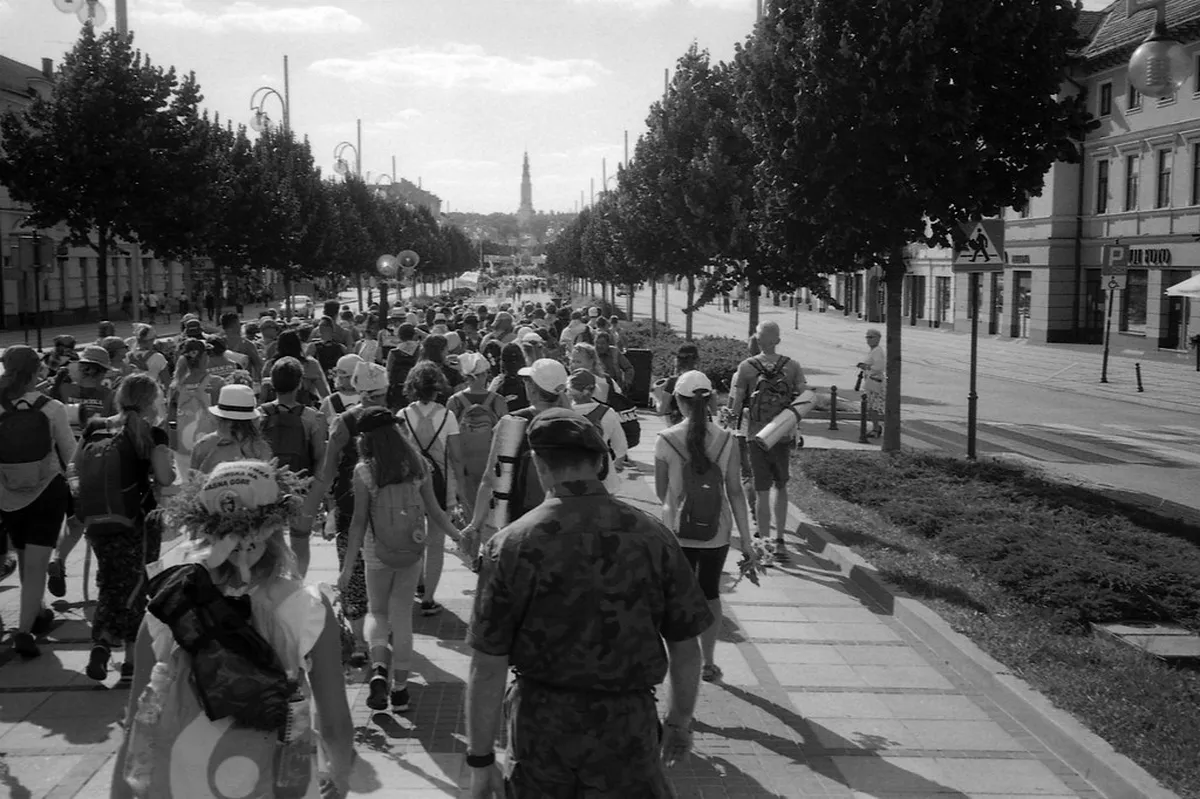
August 15, the Assumption of Mary, is the single busiest day of the Częstochowa calendar. Organized walking pilgrimages from across Poland converge on Jasna Góra that week, some walking for over a week. August 26, the feast of Our Lady of Częstochowa, brings a second, slightly smaller surge about eleven days later. Together these two dates can pull crowd sizes several times higher than a typical July weekend.
Travelers who want to witness the processions should book accommodation three to six months ahead of either date. Those who prefer a quieter visit should avoid the week around August 15 and the days around August 26. Our guide to the Black Madonna pilgrimage covers the processions and viewing etiquette in more depth. Outside those windows, late August afternoons still run warm, with highs near 22-24°C, or the low 70s Fahrenheit.
August 15 and August 26 bring the year's highest pilgrim traffic and hotel prices, with crowds several times larger than typical summer weekends. Hotels fill 3–6 months in advance, and queues at Jasna Góra can run for hours. If you prefer solitude and shorter lines, plan a visit outside these two feast weeks instead.
Fall and Winter: Quiet Months and What's Closed
September cools quickly, with highs near 19°C (66°F) early in the month, dropping toward 13°C (55°F) by month's end. October and early November turn crisp and often foggy, with daytime temperatures commonly between 6°C and 13°C, or roughly 43-55°F. This is one of the quietest stretches of the year at Jasna Góra, ideal for unhurried exploring.
Some Jasna Góra museum wings and the treasury exhibits reduce their opening hours from November through March. A few seasonal food stalls along the pilgrim route close for winter, reopening closer to Easter. Check current hours on Tripadvisor.com before a winter visit, since holiday closures shift year to year.
Winter's coldest stretch runs from December through February, with typical highs of -1 to 3°C, or 30-37°F. January lows can dip to about -6°C, or 21°F, based on typical regional climate data. Icy paths on the monastery hill call for sturdy, grippy footwear during these months. Hotel rates in January and February typically sit at their lowest point of the year.
Christmas services fill the basilica courtyard, drawing a small, devoted crowd rather than summer's dense processions. New Year's Eve stays notably quiet compared to the pilgrimage surges of mid-August.
Which Season Is Right for You?
Picking a season comes down to your tolerance for crowds versus your appetite for festival energy. The list below matches common traveler priorities to the season that fits best.
Families with young children often do best avoiding the August peak, since crowds and heat can overwhelm little ones. Photographers, on the other hand, may specifically want the August processions for their scale and color. Budget travelers benefit most from winter's lower hotel rates and near-empty pilgrim route.
History and faith-focused travelers who want to witness the pilgrimage itself should target the days immediately around August 15. Those simply wanting to see Jasna Góra's art and architecture without a religious agenda fare better in shoulder months. Whichever profile fits, book monastery-adjacent hotels well ahead for any date in the second half of August.
- Choose late spring or early fall for
- Mild temperatures paired with noticeably smaller crowds around Jasna Góra.
- Choose mid-August for
- Witnessing the full Assumption Day pilgrimage and its dense evening processions.
- Choose winter for
- The lowest hotel rates of the entire calendar year in Częstochowa.
- Choose late September for
- Quiet monastery visits paired with cool, clear photography light.
- Choose any week away from August 15 and 26 if
- Traveling with young children who struggle with dense crowds and heat.
What to Pack for Częstochowa by Season
Częstochowa's layered climate means a single packing list rarely covers the whole year. What you need in January looks nothing like what suits a humid July afternoon.
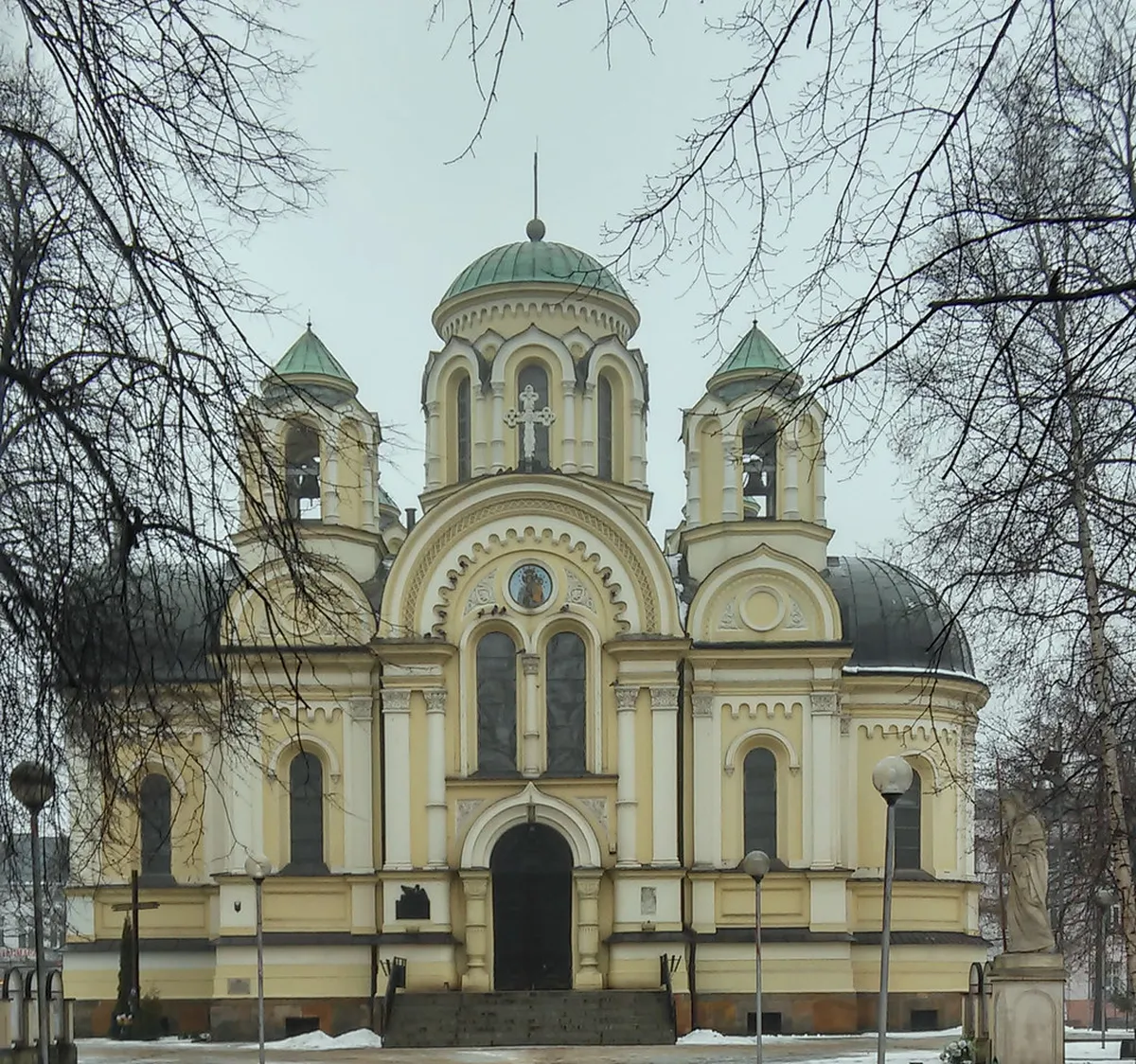
Comfortable walking shoes matter in every season, since much of the pilgrim route and monastery grounds are cobblestone. A reusable water bottle helps during the August heat, when queues near Jasna Góra can run long. Modest clothing, meaning covered shoulders and knees, is expected inside the monastery basilica year-round.
The list below breaks down season-specific essentials beyond the year-round basics. Pack according to the month you are traveling, not just the general season label.
- Pack for spring (April to May) with
- A packable rain jacket and a light sweater for cool evenings.
- Pack for summer (June to August) with
- Breathable fabrics, sun protection, and a compact umbrella for storms.
- Pack for fall (September to November) with
- A warm layer, waterproof shoes, and a scarf for foggy mornings.
- Pack for winter (December to February) with
- A heavy coat, thermal layers, and shoes with real winter traction.
Frequently Asked Questions
Is Częstochowa worth visiting?
Yes, Częstochowa is worth visiting for the Jasna Góra monastery and the Black Madonna icon, one of Poland's most significant religious sites. Even travelers with no religious interest often find the basilica's art and the hilltop views worthwhile. Plan at least a half-day, more if you visit during a feast.
When is the cheapest time to visit Częstochowa?
Winter, from December through February, typically brings the lowest hotel rates of the year. Late fall, especially November, is also affordable once the shoulder-season crowds thin out. Avoid the weeks around August 15 and 26, when peak-season pricing takes over.
What is Częstochowa famous for?
Częstochowa is famous for the Jasna Góra monastery and its icon of the Black Madonna, a Catholic pilgrimage destination for centuries. Millions of pilgrims, many on foot from across Poland, visit each year. The city's identity is closely tied to this single religious landmark.
Should I avoid Częstochowa around August 15 and 26?
Not necessarily, since these two feast days show the pilgrimage's most dramatic atmosphere and are worth seeing once. Expect dense crowds, higher hotel prices, and long queues at the monastery gates on both dates. If you prefer quieter conditions, target late September or October instead.
How do I get to Częstochowa, and how many days do I need?
Częstochowa sits about 70 minutes from Katowice and roughly two and a half hours from Krakow or Warsaw by direct train. Most visitors need one full day for Jasna Góra and the old town. Our guide to how many days in Częstochowa breaks down longer itineraries.
There is no single best time to visit Częstochowa, only the best time for your priorities. Late spring and mid-fall reward travelers who want mild weather and manageable crowds at Jasna Góra. The two August feast days reward those chasing the pilgrimage's full scale and atmosphere.
Whichever month you choose, pair this guide with our Częstochowa attractions guide before you book. Many visitors combine Częstochowa with a Krakow or Warsaw trip; community.Ricksteves.com has traveler-shared routing tips worth reading. Check exact opening hours close to your trip, since seasonal schedules can shift from year to year.
You might also like


Continue reading
More guides you'll find useful


