The Best Time to Visit Poland (Month-by-Month, 2026)
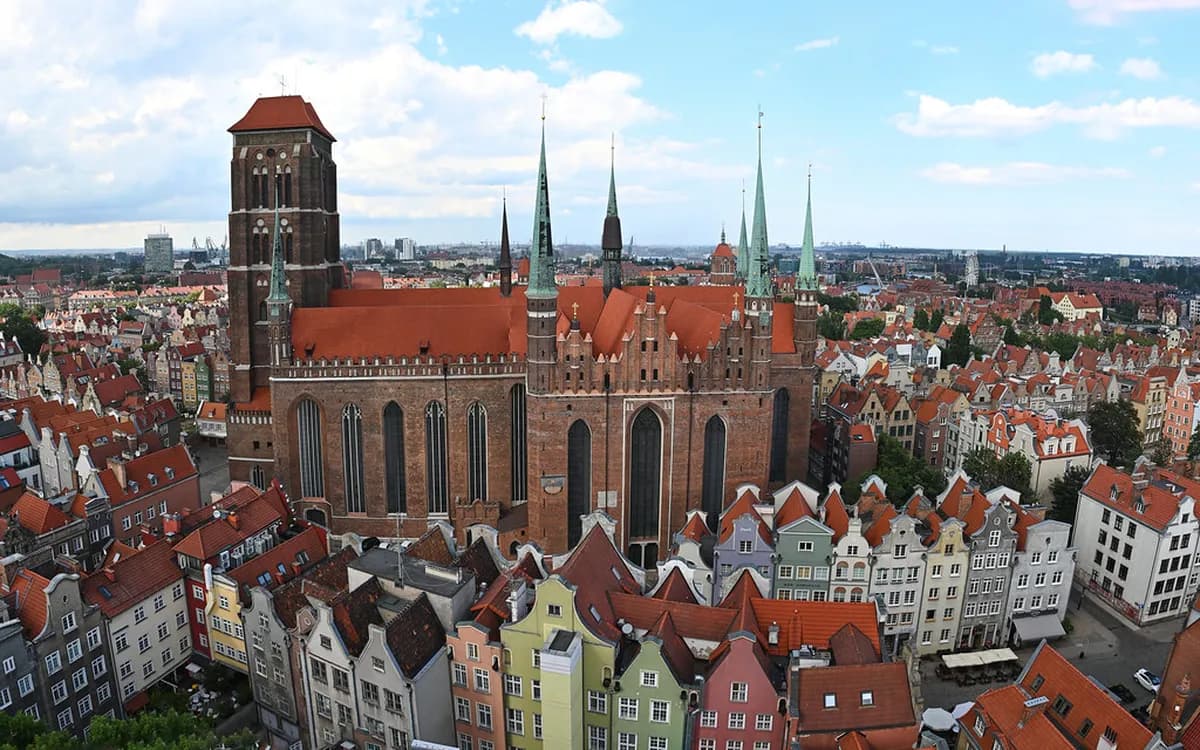
Late May through early June and the whole of September stand out as the finest windows to visit Poland. In September, along the classic two-week loop from Gdansk down to the Tatras, the light is extraordinary, the queues at Wawel run at a fraction of August levels, and hotel rates have already softened from peak. That sweet spot between summer heat and autumn rain is genuinely hard to beat anywhere in Central Europe.
Poland stretches far enough from north to south that the Baltic coast, the Mazovian plains, and the Tatra highlands behave like almost separate climate zones. A July heat wave that makes Warsaw feel sticky can leave Zakopane pleasantly cool at altitude, while a Baltic storm in October has little effect on a weekend in Krakow. Matching your itinerary to the right region and the right month is what separates a frustrating trip from a great one.
This guide works through the calendar month by month, then zooms into regional differences across the coast, the highlands, and the major cities. Whether you are chasing folklore festivals, ski slopes, Christmas markets, or simply the lowest possible prices, you will find the answer here. For the full picture of where to go once you have fixed your dates, see our overview of the best places to visit in Poland.
The single best all-round window is mid-May to mid-June: temperatures sit at a comfortable 16–22°C across most of the country, crowds are well below August levels, and prices have not yet reached peak. September runs it close and often beats it for photography — golden light, clear skies, and the first cool evenings that make long walks a pleasure.
Poland's Four Seasons: An Overview
Poland has a temperate continental climate with genuinely distinct seasons. Winters can drop well below freezing, especially in the east and south; summers are warm and occasionally hot, with thunderstorms a regular feature of July and August. Rainfall is spread fairly evenly through the year, with a secondary peak in early summer.
The country's size means regional variation is real and worth planning around. The Baltic coast around Gdansk is windier and wetter than Krakow, and the Tatra mountains can see snow as early as October and as late as May. Warsaw, sitting in the flat Mazovian Plain, is exposed to cold eastern air in winter but warms up faster than the coast in spring.
The tourist industry runs on two peaks: a long summer peak from late June through August, and a shorter festive peak in December centred on Christmas markets. Shoulder months — May, June, September, and early October — offer the best ratio of good weather to manageable crowds. January and February are the quietest months everywhere, which means the best prices but also the shortest days and the coldest temperatures.
Month-by-Month Guide: January to April
January and February are the deep off-season. Average temperatures in Warsaw hover around -2 to 2°C, and Zakopane in the Tatras can dip to -10°C on clear nights. These are the cheapest months across the board — budget roughly 20–35% below July rates for accommodation, and flights from Western Europe are often half the peak price. The trade-off is short days, icy pavements, and some seasonal attractions closed until spring. The reward for those who do visit is a Poland the big crowds never see: snow-covered Krakow's Old Town, almost empty baroque interiors, and local cafes serving zurek soup to warm you up.
March brings the first signs of thaw. Average highs creep to 7–9°C in Warsaw and Krakow, and Baltic breezes in Gdansk keep it chillier. Easter falls somewhere in March or April and brings colourful folk markets to the main squares of most cities. Crowds start building around Easter week, so book accommodation a few weeks ahead if your dates overlap. April is when Poland begins to feel genuinely spring-like: parks bloom, outdoor terraces reopen, and daytime temperatures reach 12–16°C on good days. It is still notably cheaper than May or June, making it a genuine value window for anyone comfortable with changeable weather and the occasional cold snap.
May and June: The Sweet Spot
This is the window seasoned Poland travellers consistently recommend, and the data backs it up. Temperatures across the central cities run 16–22°C, daylight extends to 9 PM by the June solstice, and tourist numbers are meaningful but not overwhelming. You can walk the Krakow Planty gardens or the Gdansk Long Market in the morning without feeling pushed along by tour groups. For a detailed look at how these months play out specifically in the south, the best time to visit Krakow guide covers microclimate quirks and timed-entry booking advice.
May Day (1 May) and Constitution Day (3 May) are national holidays that create long weekends and a spike in domestic travel — Warsaw and Krakow fill up on those specific weekends, so check the calendar before booking. Outside those dates, May is remarkably calm. June picks up as school holidays begin across Western Europe around the 20th, so the first three weeks of June feel more like May than like peak summer. Book accommodation a month in advance for June dates; two months for anything over a major Polish holiday.
The Corpus Christi procession (a public holiday in June, date varies) is one of Poland's most photogenic folk-religious events. Krakow's procession from Wawel Cathedral through the Old Town is particularly striking, and the streets are lined with birch branches and flowers. Check the 2026 date before you book if you want to catch it.
July and August: Peak Season Trade-offs
Peak summer is Poland at its most energetic and also its most expensive and crowded. Warsaw's outdoor music scene along the Vistula beaches, Gdansk's packed Long Street, the Open'er Festival in Gdynia in early July, and dozens of folk festivals across the countryside make this the richest calendar of events. If festivals and long evenings on outdoor terraces are your priority, mid-July through early August delivers like no other season.
The costs are real, though. Hotel rates in Krakow and Gdansk hit their annual ceiling, flights are priciest, and the most popular attractions require timed-entry tickets booked weeks ahead. Afternoon thunderstorms are frequent across the interior from late June through August — usually brief but occasionally severe, so always have a plan B for outdoor itineraries. The Baltic coast is the biggest draw for Polish families in August, which means Gdansk's beaches and the Kashubian lake district are busiest in late July and the first two weeks of August. For timing specifics on the coast, check the best time to visit Gdansk guide, which covers the sea-breeze effect and the quieter shoulder within peak season.
| Month | Avg High (Warsaw) | Crowds | Relative Price | Highlights |
|---|---|---|---|---|
| January–February | 0–3°C | Very low | Budget (−30%) | Snow scenery, ski season |
| March–April | 7–16°C | Low–moderate | Value | Easter markets, spring bloom |
| May–mid-June | 16–22°C | Moderate | Mid-range | Corpus Christi, long evenings |
| Late June–August | 22–27°C | High–peak | Peak (+25–40%) | Open'er Festival, beach season |
| September–October | 13–20°C | Moderate | Mid-range | Golden autumn, hiking |
| November | 4–8°C | Low | Value | Quiet museums, early markets |
| December | 0–4°C | Moderate (markets) | Mid (festive) | Christmas markets |
September and October: Golden Autumn
Poles call it Złota Polska Jesień — the Golden Polish Autumn — and it earns the name. September brings clear blue skies, temperatures between 14–20°C in the cities, and the first real relief from summer crowds. Museum queues shorten, accommodation prices ease back by 15–25%, and the countryside takes on amber and copper tones that make even a simple drive through Mazovia or the Bieszczady highlands look like a postcard.
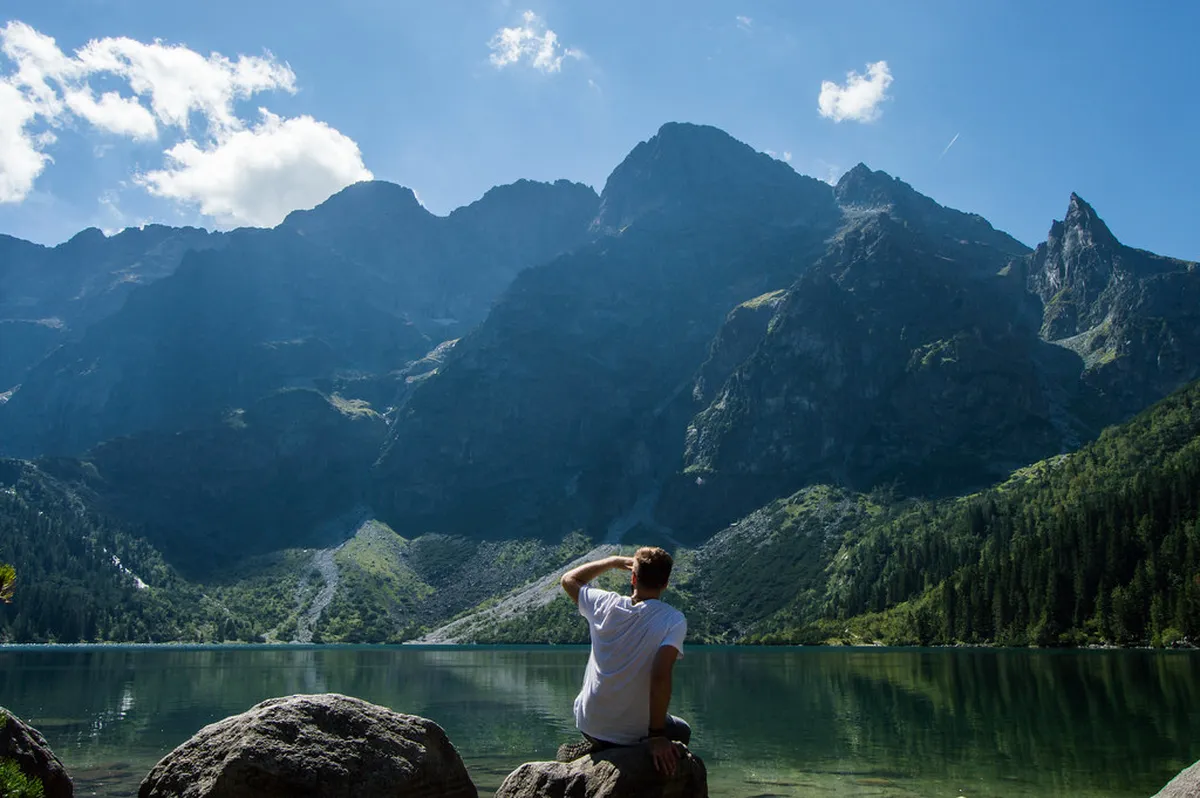
September is also the prime hiking window for the Tatras. Snowfall above 2,000 metres is rare before mid-October, the alpine meadows (hale) have their last green flush, and the Orla Perć ridge route is walkable without winter gear — though it is always worth checking current trail conditions with the Tatra National Park (TPN) before setting out on exposed routes. For everything you need to know about timing a Zakopane visit — including the difference between early September hiking weather and late October ski-prep season — the best time to visit Zakopane guide is the right starting point.
October grows progressively wetter and greyer, especially in Warsaw and along the coast. It is still a solid value month if your trip is mostly museum and food-focused, but outdoor itineraries become hit-or-miss after mid-October. The Tatra trails above 1,500 metres often have their first permanent snow by late October and require crampons.
November and December: Markets and Winter Atmosphere
November is the quietest month in the Polish travel calendar and, apart from the short grey days, arguably underrated. Museums are uncrowded, restaurant bookings are effortless, and domestic accommodation is cheapest of any non-January month. All Saints' Day on 1 November is a national holiday with a distinct atmosphere: Poles visit cemeteries carrying candles and flowers, and the evening light across a Polish graveyard — thousands of flickering lights in the dark — is one of the most moving sights the country offers.
December transforms Poland's city centres into some of Europe's best Christmas market destinations. The Krakow market on the Main Square opens in late November and runs to 26 December; Warsaw's several competing markets span the Old Town and beyond; and Wroclaw's market, though outside the scope of this guide, is arguably the most elaborate in the country. If festive markets are your main draw, read the dedicated Krakow Christmas market guide before you book — it covers stall layout, the best evenings to visit, and how to handle the mid-December crowds. Hotel prices in December are mid-range rather than bargain: the festive demand more than offsets the low-season baseline, so book accommodation four to six weeks ahead for December weekends.
Regional Weather: Coast vs Tatras vs Cities
Poland's geography creates three meaningfully different climate experiences. The Baltic coast around Gdansk and the Tri-City is the most maritime zone: milder winters than Warsaw (rarely below -5°C at the coast), cooler summers (sea temperatures peak around 18–20°C in August), and significantly more wind year-round. The sea-bathing season runs roughly mid-June through August; before or after that the beaches are stunning but bracing. For a coastal focus, the best time to visit Gdansk guide maps the sea-temperature curve precisely.
The Tatra mountains in the far south operate on a completely different rhythm. Snow can fall at altitude any month of the year; the high trails above 1,800 metres are snowbound from November through April. The ski season in Zakopane typically runs December through March, with January and February offering the most reliable snow cover. Summer in the Tatras (mid-June to mid-September) is glorious but thunderstorm-prone in the afternoons — plan your ridgeline walks for before noon. Winter in Zakopane is a full-scale experience of its own; the Zakopane in winter guide covers the ski runs, the Krupówki street scene in snow, and how to dress for sub-zero ridge walks.
The major inland cities — Warsaw, Krakow, Wroclaw, Poznan — follow the continental pattern closely. Warsaw is slightly colder in winter and hotter in summer than Krakow, which sits lower in the river valley and benefits from some Carpathian shelter. Both cities see their rainy peak in July. Spring warms up fast: Krakow in May feels noticeably warmer than Warsaw at the same date, which matters when you are deciding whether to pack a fleece or rely on a light jacket. The best time to visit Warsaw guide has a month-by-month breakdown specific to the capital.
Shoulder Season Value and Crowd Patterns
In May, a central Krakow apartment typically books for roughly 40% less than the same property quotes for August. That gap is typical across Poland's main tourist cities. The shoulder windows — April through mid-June, and September through mid-October — consistently offer the strongest combination of reasonable weather and meaningful savings. Budget roughly 250–350 PLN per person per day for mid-range travel (accommodation, meals, transport, entry fees) in the shoulder months; in peak August that figure rises to 350–500 PLN for equivalent comfort.
Crowd patterns follow a predictable logic. Polish school summer holidays run from late June to the end of August, driving domestic demand on top of international arrivals. September is the single best decompression month: international visitors thin out, school is back, and the weather holds. The Corpus Christi and All Saints' Day holidays create short domestic peaks in June and November respectively, but neither approaches the sustained pressure of July–August. If your trip is flexible by even two weeks — shifting from late July to mid-September, for instance — you will notice the difference immediately in queue lengths, service quality, and price. Once the season is settled, check the exact dates in our Poland Sunday and holiday checker, which catches the statutory holidays and non-trading Sundays that a seasonal average cannot show you.
Festivals and Events Calendar
Poland's festival calendar is one of Central Europe's richest. In early July the Open'er Festival in Gdynia brings major international acts to the Baltic coast; Krakow's Wianki midsummer floating-wreath festival in late June is one of the most distinctive folk celebrations in the country. The Warsaw Summer Jazz Days run through much of July. Corpus Christi processions in Krakow and Lowicz in June are the most photogenic folk-religious events on the calendar. Exact dates shift year to year, so cross-check your travel window against the events calendar on Poland.travel, the official tourism board portal, once your plans firm up.
Autumn brings Krakow's Unsound Festival (experimental music, late October) and the All Saints' Day candlelit cemetery vigils on 1 November — not a festival in the commercial sense, but one of Poland's most powerful cultural experiences. December is dominated by Christmas markets in every major city, with Krakow's market on the UNESCO-listed Main Square widely regarded as the country's finest. January brings the Grand Orchestra of Christmas Charity (WOŚP) fundraiser, one of the world's largest charity events, held on the third Sunday of January across thousands of locations simultaneously.
If your dates are fixed around a major Polish public holiday — Easter Monday, Corpus Christi, All Saints' Day, or Independence Day (11 November) — book accommodation at least four to six weeks ahead. These holidays drive sharp domestic demand spikes in Krakow and Warsaw, and last-minute prices can double the normal shoulder-season rate.
Pick Your Window
The right month depends almost entirely on what kind of trip you want. Here is a quick decision framework based on common travel priorities.
- Pick May–mid-June if you want
- Pleasant weather, long evenings, moderate crowds, and mid-range prices
- Pick July–August if you want
- Festivals, beach season on the Baltic, and the most energetic city atmosphere
- Pick September if you want
- The single best balance of good weather, low crowds, and post-peak prices
- Pick late November–December if you want
- Christmas market atmosphere and a festive, cosy Poland
- Pick January–February if you want
- Ski slopes in Zakopane, the cheapest prices of the year, and a snow-covered Old Town
Best Time to Visit Poland by Activity
Timing your trip around a specific activity narrows the choice considerably. Poland's geography supports a wider range of outdoor pursuits than most first-timers expect, and each has its own optimal window.
Hiking in the Tatras is best from mid-June through September. The high-altitude trails above 1,800 metres are snow-covered and require crampons until late May; the window from July to mid-September offers the most reliable conditions, though afternoon thunderstorms are common above the treeline. The valley walks around Morskie Oko and the Dolina Chochołowska are accessible from May. October is transitional — lower paths stay good, but anything above 1,500 metres can have early snow from mid-month onward.
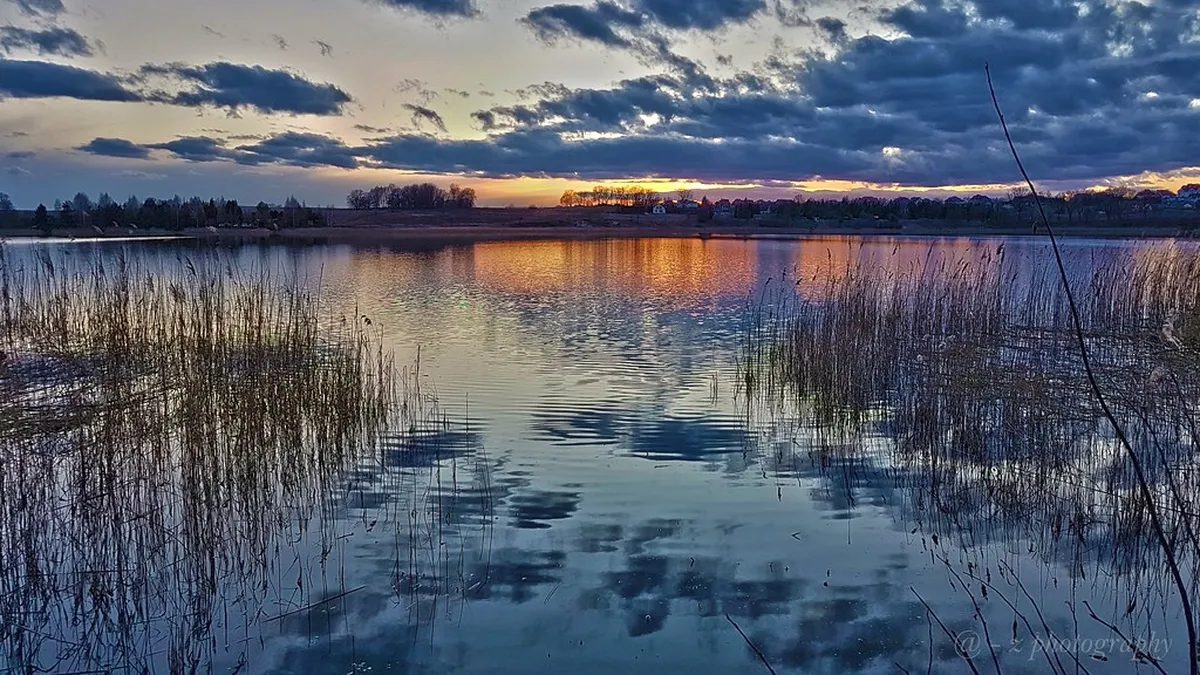
The Mazury Lake District in northeastern Poland has its own ideal window: late May through early September. The network of lakes around Mikołajki and Giżycko is one of Europe's finest sailing and kayaking destinations, and the season effectively runs from when rental operators open (typically mid-May) to when they close for winter (late September). July and August are peak domestic season here — Polish families fill the lakeside resorts — so late June and early September offer the same good water temperatures with noticeably fewer crowds and better accommodation availability. Kayaking on the Krutynia river, one of the country's classic waterway routes, is best in June and September when water levels are good and the reeds are full of birds.
Wildlife watching centres on the Białowieża Forest on the Belarus border, one of the last primeval lowland forests in Europe and home to the European bison (żubr). The forest is accessible year-round, but late autumn (November) and winter give the best bison sightings: the animals are easier to spot with the undergrowth down, and guided dawn walks in a snow-covered Białowieża are among the quietest, most unusual experiences Poland offers. Spring (April–May) is prime for bird migration, with hundreds of species moving through the wetlands of the Biebrza Marshes. City sightseeing has no bad season, though Warsaw and Krakow reward slow walking in May and September when the light is best and the streets are not at peak capacity.
What to Pack for Poland by Season
Poland's climate swings hard enough between seasons that a single packing list serves no one well. The gap between a January low of -10°C in the Tatras and a July afternoon of 28°C in Warsaw is not an abstraction — it determines whether your trip is comfortable or miserable.
For spring (April–May), the key is layering. Daytime temperatures can reach 18°C one day and drop back to 8°C the next. A mid-weight fleece, a waterproof shell, and walking shoes that can handle a wet cobblestone street are the practical core. Evenings stay cold into late May — a light down jacket or wool layer earns its place. For summer (June–August), the core challenge is the afternoon thunderstorm: a compact umbrella and a packable waterproof are worth carrying even on sunny mornings. Comfortable city-walking shoes and sun protection matter more than in spring.
Autumn (September–October) mirrors spring in its unpredictability but leans cooler earlier. By mid-October in Warsaw, a proper coat is no longer optional. The Tatras in October require full mountain-weather kit — waterproof trousers, warm base layers, and sturdy boots with ankle support — even on lower trails. Winter (November–March) requires a serious approach: a wind-blocking outer layer rated to -15°C is practical rather than excessive for Zakopane, and thermal base layers matter in Warsaw and Krakow too. Good waterproof boots with grip are essential across all the major cities, where compacted snow and ice on pavements become genuinely hazardous from December onward. One often-missed item: hand warmers for outdoor Christmas market evenings, where standing still in -5°C for two hours calls for more insulation than sightseeing does.
Frequently Asked Questions
What is the best month to visit Poland overall?
September is the single best month for most travellers. The weather is mild at 14–20°C across the major cities, summer crowds have thinned, and accommodation prices ease back noticeably from the July–August peak. The countryside is at its most photogenic with golden autumn colours, and Tatra hiking trails are in excellent condition before the first mountain snows.
Is Poland cold in December?
Yes, December is genuinely cold across most of Poland, with average highs between 0 and 4°C in Warsaw and Krakow. Snow is possible though not guaranteed in the cities; the Tatra mountains will have reliable snow cover. Despite the cold, December is popular for Christmas market visits — the festive atmosphere, mulled wine, and illuminated squares make it a rewarding time to travel if you dress for the weather.
When is the cheapest time to visit Poland?
January and February are consistently the cheapest months. Hotel rates in Krakow and Warsaw can be 25–35% below July peak levels, and flights from Western European hubs are significantly cheaper. The trade-off is cold temperatures, short days, and some seasonal attractions on reduced hours. Museum-lovers and those after the ski slopes in Zakopane find genuine value in these months.
Does it rain a lot in Poland in summer?
July is the wettest month in most Polish cities, but the rain typically falls as short afternoon thunderstorms rather than all-day drizzle. Mornings are usually clear and sunny, making it practical to plan outdoor sightseeing in the morning and indoor activities or restaurant meals in the late afternoon. A compact umbrella and a light waterproof jacket are worth packing regardless of the month you visit.
Poland rewards visitors in every season, but the timing genuinely shapes the experience. For the broadest combination of good weather, manageable crowds, and fair prices, May through mid-June and September are the windows to target. December delivers the Christmas market magic that Krakow and Warsaw do better than almost anywhere in Europe, while January and February offer the ski slopes and the deepest discounts.
The country is large enough that a single trip rarely covers all of it, so use the regional guides to match your destinations to your dates. Whether you are planning a Baltic coast summer, a Tatra ski break, or a slow architectural wander through the old towns, the months above give you the clearest path to the version of Poland you are looking for.
Use this guide
Make the next planning decision
These tools use the same Poland-specific context, but turn it into an answer for your trip.
You might also like



Continue reading
More guides you'll find useful