
Poland Weather by Month: A Complete Seasonal Travel Guide
Last updated July 2026, this Poland weather by month guide breaks down average temperatures, rainfall, and daylight hours across the four traditional seasons plus the two shoulder periods locals call przedwiośnie and przedzimie. Whether you're chasing dry Tatra Mountain trails or weighing a Kraków December against a Gdańsk August, the month-to-month swings shape your packing list, your crowd tolerance, and your budget in roughly equal measure. Start with the season comparison table below, then use the month-by-month breakdown to pin down exactly when to book.
Poland Weather by Month at a Glance
Before the month-by-month detail, this snapshot compares Poland's four core seasons plus the two transitional periods you'll actually feel on the ground: przedwiośnie (early spring) and przedzimie (early winter). Together they explain why a March visit feels nothing like a mild Western European March, and why the shift from a warm June to a damp November matters as much for your itinerary as it does for your suitcase.
| Season | Months | Avg Temperature | Rainfall | Daylight Hours | Peak or Off-Peak |
|---|---|---|---|---|---|
| Early Spring (Przedwiośnie) | February-March | Still cold, warming late in the period | Light snow tapering to rain | Around 9-11 hours and lengthening | Off-peak, low prices |
| Spring | March-May | 5°C to 15°C (41°F-59°F) | Sunny spells with rain and light frost possible | Growing toward 15+ hours by May | Shoulder pricing, cheaper than summer |
| Summer | June-August | 20°C to 25°C (68°F-77°F); hot days top 28°C (82°F) | Short warm-season storms | Up to 16+ hours around the June solstice | Peak pricing, busiest season |
| Autumn | September-November | Mild through October, turning colder and rainier by November | Rising rainfall, especially in November | Falling toward 8-9 hours by late November | Shoulder pricing, cheapest as November arrives |
| Early Winter (Przedzimie) | Late November | Damp and increasingly cold | Rain turning to sleet and snow | Roughly 8 hours | Off-peak, low prices |
| Winter | December-February | January averages near -4°C (25°F); extreme lows have hit -35°C (-31°F) | Low precipitation, frequent snow | As short as 7-8 hours in December | Lowest prices outside holiday weeks |
The Six Seasons of the Polish Calendar
Travel planners in Poland often work with six seasons rather than four. Alongside the familiar spring, summer, autumn, and winter, you'll hear locals mark przedwiośnie (early spring, roughly February into March) and przedzimie (early winter, centered on late November) as distinct in-between windows. Neither shows up on a typical Western forecast app, but both explain the transitional weather you'll actually experience: przedwiośnie brings lingering cold cut with early sunshine, while przedzimie is the damp, grey run-up to the first real snow. Planning around these six windows rather than four broad seasons makes it far easier to set realistic expectations for what to pack and what you'll be able to do outdoors.
Poland Weather by Month: Month-by-Month Breakdown
Here's how the year unfolds nationwide, from the coldest depths of January to the market-lit streets of December. Keep regional variation in mind as you read: the Baltic coast tends to run a few degrees cooler than inland cities in summer and feels windier in winter, a pattern covered in more detail in the regional section below.
- January: The coldest month nationwide, with the average sitting near -4°C (25°F) and historic lows plunging to -35°C (-31°F). Skies stay grey and daylight is short, so plan on museums and indoor culture, but you'll also find some of the thinnest crowds and lowest prices of the year.
- February: Still deep winter and the bridge into przedwiośnie. Expect lingering snow and low light, with Warsaw's and Kraków's cafés and museums doing the heavy lifting for your itinerary.
- March: The traditional start of spring brings sunny stretches alongside rain and light frost, with daily temperatures spread across roughly 5°C to 15°C (41°F to 59°F). It's also one of the better months for low-cost flights and accommodation before the shoulder season fills in.
- April: A changeable, layer-heavy month as przedwiośnie gives way to full spring. Lower-elevation trails open up, though high routes in the Tatras can still hold snow.
- May: Warmth builds toward summer's 20-25°C (68°F-77°F) range and the first hot days above 28°C (82°F) start appearing. This is one of the two prime windows for Tatra Mountains hiking before peak-season crowds arrive.
- June: Full summer settles in with long daylight hours — up to 16-plus hours around the solstice — and warm, sometimes hot afternoons. Late May through August is peak season nationwide, so book Kraków and Gdańsk accommodation well ahead.
- July: The hottest month on record for the country, averaging 17.5°C (63.5°F) nationally, with central Poland regularly exceeding 18°C (64.5°F) and hot days climbing past 28°C (82°F). Coastal Gdańsk stays noticeably cooler thanks to Baltic sea breezes.
- August: Peak summer heat and peak crowds continue, with the highest hot-day counts occurring away from the coast. This is typically the priciest and busiest month for both flights and hotels.
- September: The weather turns moderately warm again as the Golden Polish Autumn begins. Alongside October, it's one of the two best windows for hiking, with far lighter crowds than summer.
- October: Autumn color and comfortable daytime temperatures continue, though daylight shortens quickly. It remains a strong shoulder-season pick for city breaks in Warsaw and Kraków.
- November: Often the most underestimated grey month, bringing rain and a real drop in temperature as przedzimie sets in. It's also one of the cheapest months to fly and book rooms, rewarding travelers who don't mind overcast skies.
- December: Short daylight hours frame the run-up to Christmas markets in Kraków and Warsaw, a strong reason to visit despite the cold. Layer up as the country slides from przedzimie into deep winter proper by month's end.
Regional Climate Nuances: Coast, Plains, and Mountains
Poland's weather isn't uniform, and the gap between regions can matter more than the calendar date. Distance from the Baltic Sea and elevation above sea level are the two biggest variables to plan around.
- The Baltic Coast (north): Sea breezes keep summers cooler and winters milder but windier than inland Poland. At the coastal point of Rozewie Cape, hot days above 28°C (82°F) average only around five per year, compared with more than 40 further inland in the Sandomierz Basin and Lublin Upland.
- Central Lowlands (Warsaw, Łódź): The most predictable, continental part of the country. The Silesian Lowland and Sandomierska Upland rank among Poland's warmest areas, with the average annual temperature nationwide running about 6°C to 8°C (43°F to 46°F).
- The Southern Highlands and Tatra Mountains: Expect the air temperature to drop by roughly 0.6°C (33°F) for every 100 meters of elevation gain. Zakopane and the trail approaches toward Morskie Oko sit well above Kraków, so under this rule pack for conditions noticeably colder than whatever forecast you're seeing for the lowlands — a key reason mountain snow can linger long after spring arrives elsewhere.
- Suwałki (the northeastern edge): Known informally as Poland's coldest corner, this northeastern region consistently registers the country's lowest temperatures — worth extra layers if your route runs that far north.
When Should You Go? Matching the Season to Your Trip
The right month depends on what you're prioritizing — a tight budget, dry hiking trails, festival energy, or thinner crowds. Here's how the trade-offs typically break down.
- Budget travelers: November and March are the strongest bets for low-cost flights and accommodation. A centrally located Kraków double room that often lists near 280 zł a night in November can climb past 550 zł during the July peak, and shoulder-season airfares typically undercut August fares by a wide margin.
- Outdoor enthusiasts: May-June and September-October are the best hiking windows, combining warm-but-not-scorching temperatures with lower tourist numbers than midsummer — ideal timing if you're building a route through the Tatras.
- Cultural seekers: Pair the stable weather of early autumn with the tail end of the outdoor festival season, or plan a December trip around Kraków's and Warsaw's Christmas markets.
- Crowd avoidance: March, September-October, and November offer the best combination of settled weather and thin crowds. If you're covering the country coast to mountains, a 10-day Poland itinerary timed for late spring or early autumn sidesteps both summer crowds and winter cold.
Packing and Practical Logistics by Season
Poland's changeable spring and autumn weather calls for a layering strategy rather than a single seasonal wardrobe, and waterproofing matters year-round regardless of when you travel. Lightweight clothing works for the summer months, while medium-to-heavy layers are advised for winter. Weather also shapes daily logistics: setting up a a Poland eSIM or SIM card before you land keeps real-time forecasts and navigation working the moment you touch down, which matters more in a country where conditions can shift within a single afternoon. Confidence with English fluency across Poland also varies more in rural or mountain areas than in Warsaw and Kraków, so it's worth checking before you rely on it for weather-related help off the beaten path. Social life follows the seasons too — beer gardens and outdoor terraces fill up in summer, while cozy cafés take over in the colder months — and it's worth understanding seasonal tipping norms for that shift in service style.
The Tatra Mountains cool roughly 0.6°C per 100 meters of elevation, keeping routes snow-covered into May despite spring conditions in Kraków and Warsaw below. Pack extra insulation and waterproofing for high-altitude sections even when lowland forecasts suggest mild weather.
- Spring/Autumn packing checklist: waterproof jacket, light-to-mid layers, sturdy walking shoes, a warm layer for evenings.
- Summer packing checklist: breathable clothing, sun protection, a light rain shell for short storms, swimwear if you're coast-bound.
- Winter packing checklist: insulated coat, thermal layers, waterproof boots, gloves and a hat for -4°C (25°F) mornings.
- Mountain packing add-on (any season): extra insulation and waterproofing for elevation-driven temperature drops, even when lowland forecasts look mild.
Seasonal Travel Mistakes to Avoid
A few recurring planning mistakes catch first-time visitors off guard. Avoiding them is mostly a matter of trusting the seasonal data over assumptions carried in from other European destinations.
Przedwiośnie (February-March) and przedzimie (late November) are seasonal windows locals distinguish but travelers often overlook. These shifting periods offer shoulder-season pricing: one bridges winter's cold into lengthening spring light, the other transitions autumn's mild days into damp, grey November cold.
- Underestimating the grey season: November and February in particular get dismissed as dead time, but they're genuinely good value if you plan indoor culture around the shorter daylight hours instead of fighting it.
- Assuming mountain trails are clear by spring: routes in the Tatras can stay snow-covered well into May, even when Kraków and Warsaw are already firmly in spring conditions.
- Overpacking heavy layers for summer: Poland's summer can hit 28°C-plus (82°F-plus) on hot days, so bring breathable clothing rather than defaulting to the heavier wardrobe winter requires.
Putting It All Together
Once you've matched a season to your priorities, layer this guide with the rest of your planning. For broader logistics beyond the forecast — transport, budgeting, and general trip structure — pair this monthly breakdown with broader Poland travel tips before you finalize dates.
What to Do During Poland's Grey Months
November, February, and early March are the months when Poland can feel damp, dark, and low-contrast, so build the trip around indoor anchors rather than long outdoor wandering. In Warsaw, the POLIN Museum of the History of Polish Jews and the Warsaw Rising Museum can each fill several hours, while the National Museum works well when daylight fades early. In Kraków, pair short Old Town walks with Wawel Castle interiors, the Rynek Underground Museum, or Oskar Schindler's Enamel Factory in Podgórze.
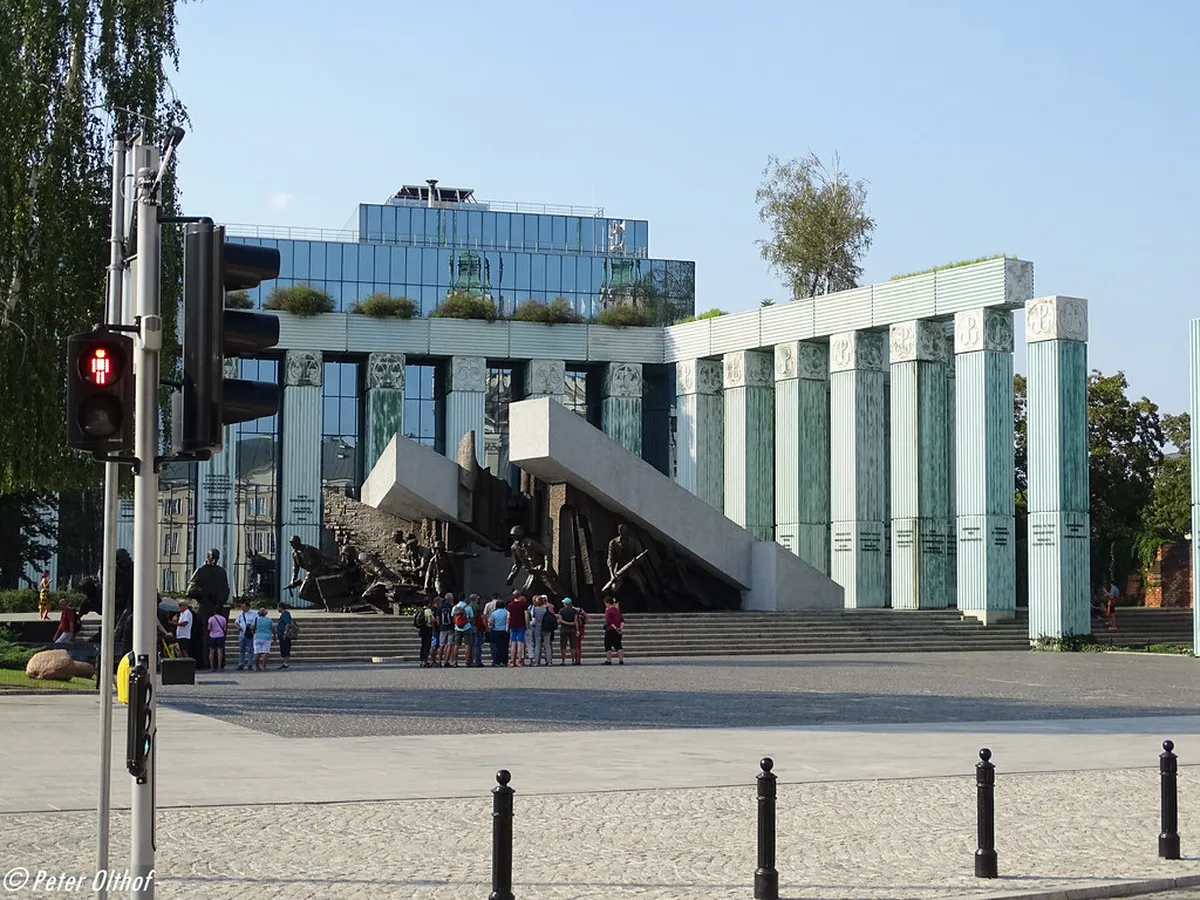
For a weather-proof day trip, the Wieliczka Salt Mine near Kraków is one of the most reliable choices because most of the route is underground. In Gdańsk, the Museum of the Second World War and European Solidarity Centre are better uses of a windy Baltic day than forcing a beach plan. These months suit travelers who value lower hotel rates and quieter museums, but they reward tight scheduling: put outdoor photos and viewpoints in the brightest midday window, then shift indoors by late afternoon.
Frequently Asked Questions
What is the best month to visit Poland for good weather?
May-June and September-October are generally the best windows: warm enough for sightseeing and hiking, without the peak-season crowds and pricing of July and August. Both windows also offer some of the best hiking conditions in the Tatra Mountains.
How cold does it get in Poland in winter?
January, the coldest month, averages around -4°C (25°F) nationwide, though extreme lows have historically dropped as far as -35°C (-31°F). Daylight also shrinks to as little as 7-8 hours a day in December, which affects sightseeing time as much as the cold does.
Does it rain a lot in Poland?
Poland's average annual rainfall runs around 700 mm, and waterproofing is recommended year-round rather than just in the rainier autumn months. November tends to bring the most noticeable rise in rain and cloud cover.
Is the weather colder in the Tatra Mountains than in Kraków or Warsaw?
Yes. Air temperature drops by roughly 0.6°C (33°F) for every 100 meters of elevation gain, so Zakopane and the trail approaches around Morskie Oko run noticeably colder than the lowland cities. That elevation effect is also why mountain trails can stay snow-covered well into May.
What should you pack for a trip to Poland in spring or autumn?
Plan on layering: a waterproof jacket, light-to-mid warmth layers, sturdy walking shoes, and something warm for evenings. Spring temperatures typically span 5°C to 15°C (41°F to 59°F), and conditions can shift within the same day, so waterproofing matters even on a sunny-looking morning.
You might also like


Continue reading
More guides you'll find useful