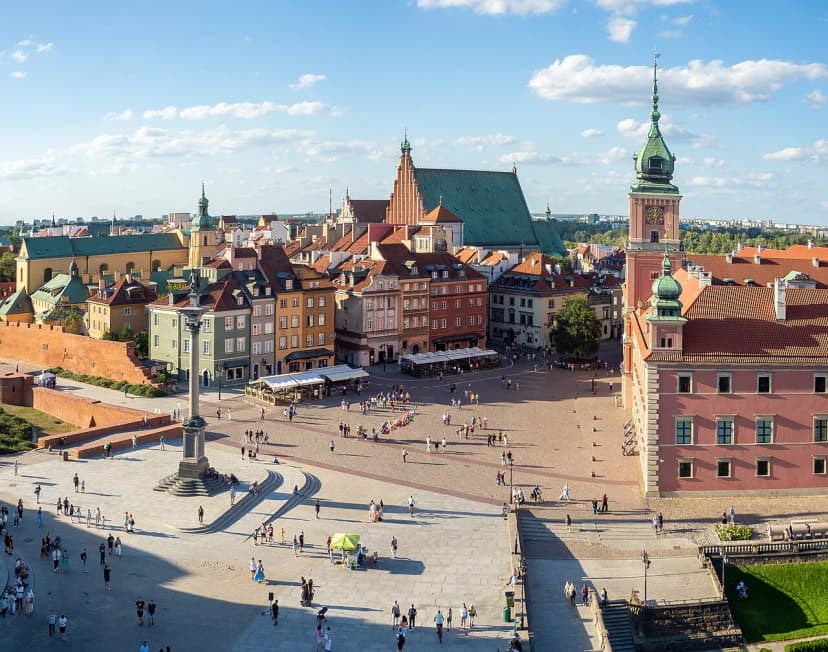
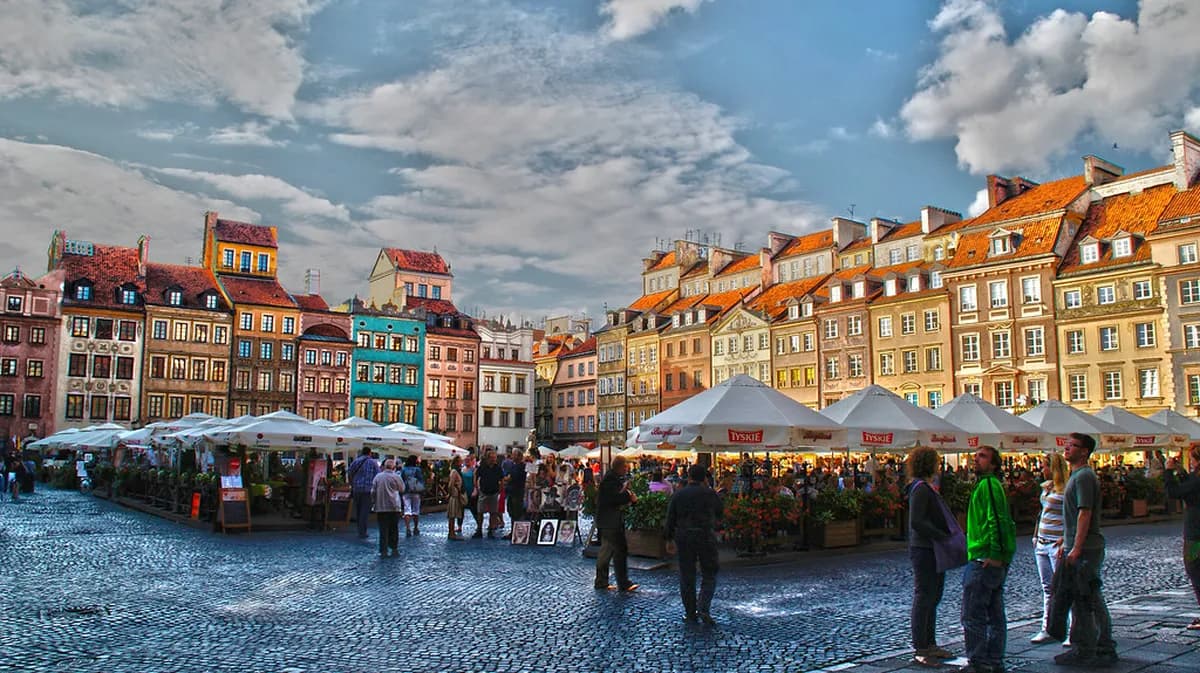
Warsaw is not a compact museum city where every headline sight sits around one square. Its attractions stretch from the reconstructed Old Town through the central business district and the history museums of Wola and Muranów to the royal gardens of Łazienki and Wilanów. The nine guides below cover the places most useful for a first visit, with a practical plan for grouping them instead of crossing the city repeatedly.
Use this page as the attraction directory: every card opens a detailed visitor guide for that place. For neighbourhood walks, food, viewpoints, riverfront time, and experiences beyond the nine landmarks, continue to our broader guide to things to do in Warsaw.
Top 9 attractions in Warsaw
Warsaw Old Town
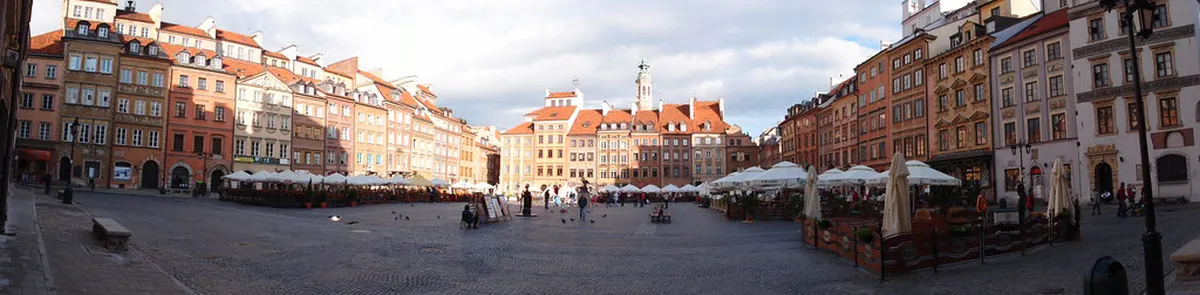
Warsaw Old Town (Stare Miasto) is a UNESCO World Heritage Site and the historic heart of the Polish capital, rebuilt from wartime rubble and free to explore around the clock in 2026.
Visitor guide →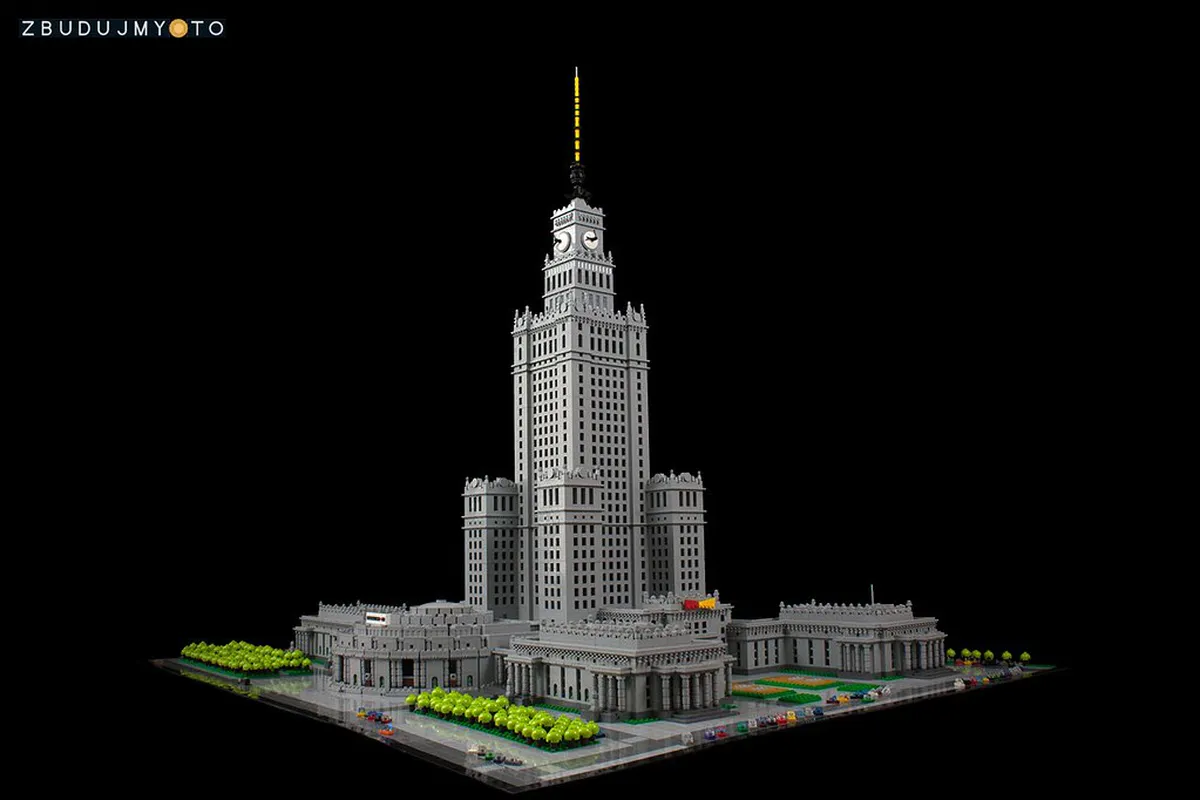
Palace of Culture and Science
The Palace of Culture and Science (Pałac Kultury i Nauki) is Warsaw's most iconic landmark — a 237-metre Stalinist skyscraper completed in 1955 that today houses theatres, museums, a cinema, and the city's most popular observation terrace on the 30th floor, offering a sweeping 2026 panorama of the Polish capital.
Visitor guide →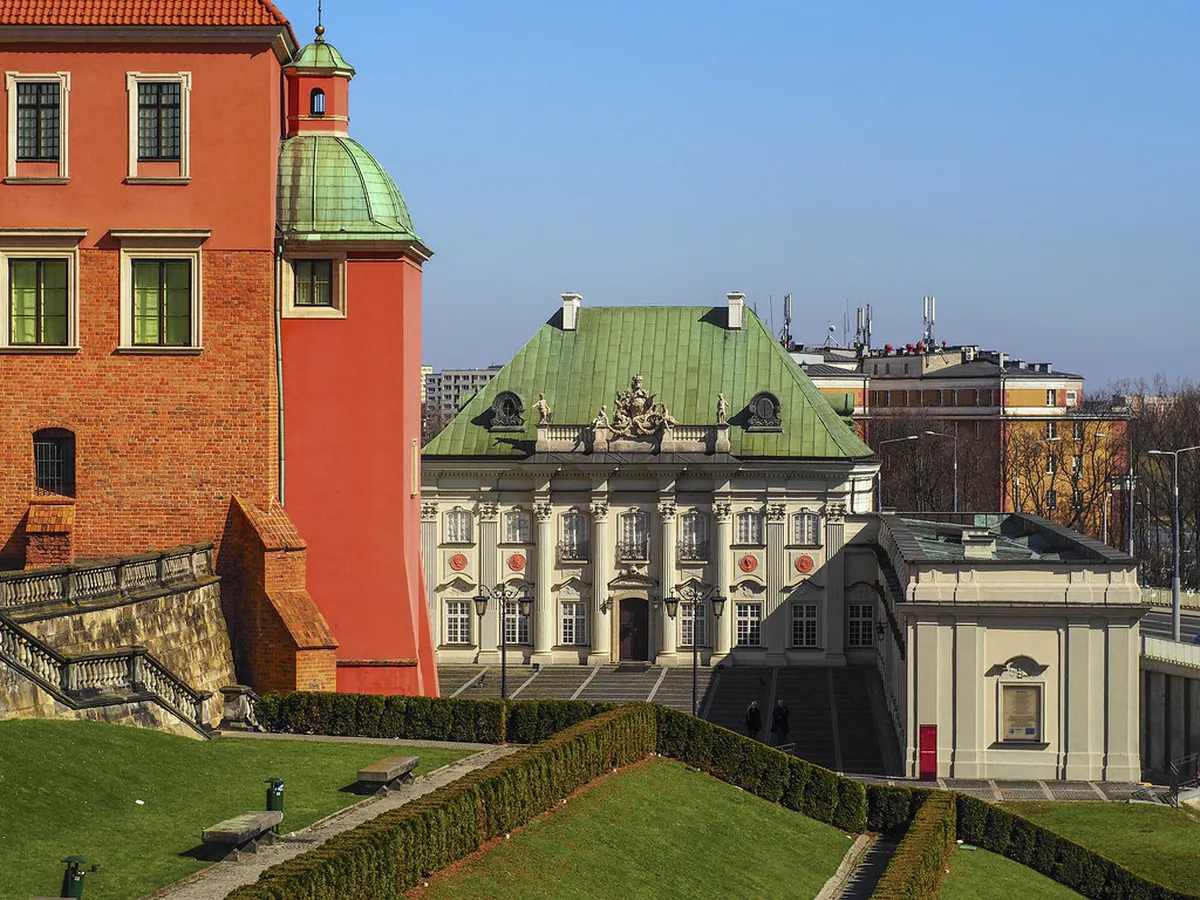
Royal Castle in Warsaw
The Royal Castle in Warsaw (Zamek Królewski w Warszawie), overlooking Castle Square in the Old Town, is Poland's most iconic royal residence and a UNESCO World Heritage Site — rebuilt after Nazi destruction and reopened in 1984. In 2026, visitors can explore its opulent state rooms, view Rembrandt masterpieces, and stand where Europe's first modern constitution was signed in 1791.
Visitor guide →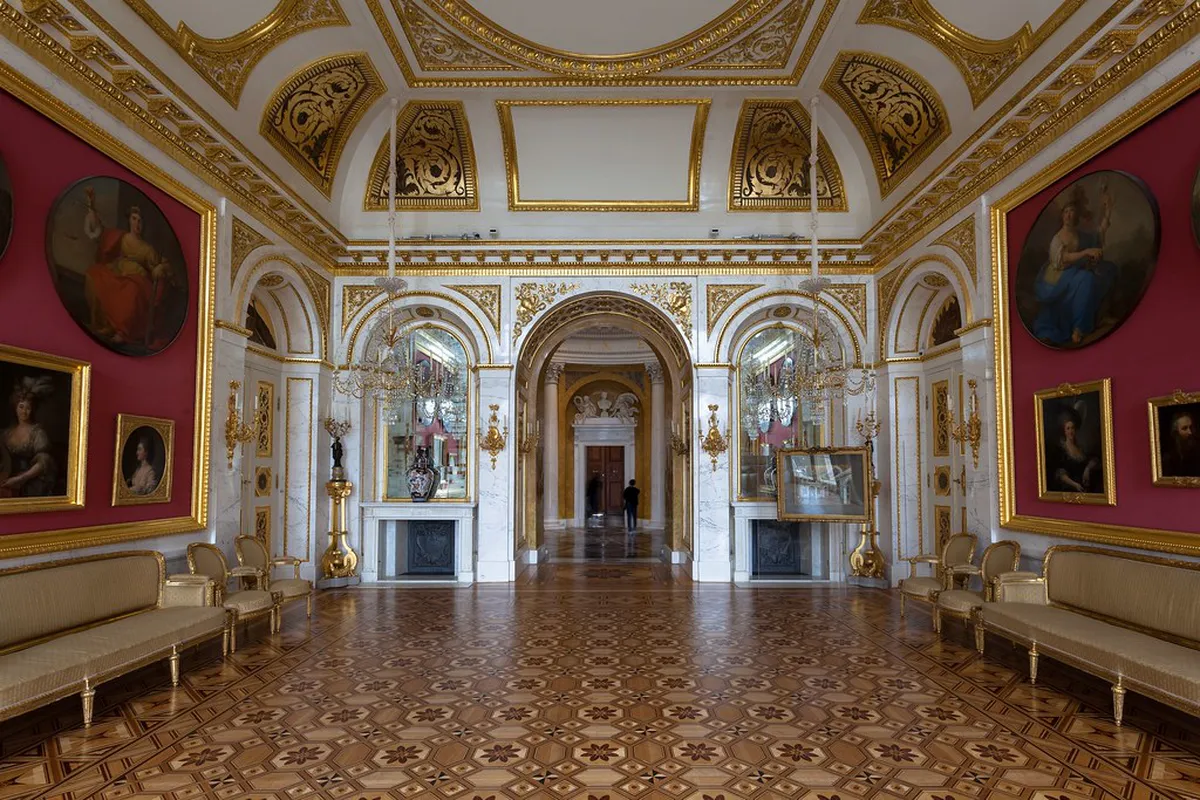
Łazienki Park
Łazienki Park (Łazienki Królewskie) is a 76-hectare royal landscape where the neoclassical Palace on the Isle overlooks the water, peacocks patrol the lawns, and free Chopin recitals fill selected summer Sundays. Shaped for King Stanisław II Augustus in the 18th century, the gardens are free to enter in 2026.
Visitor guide →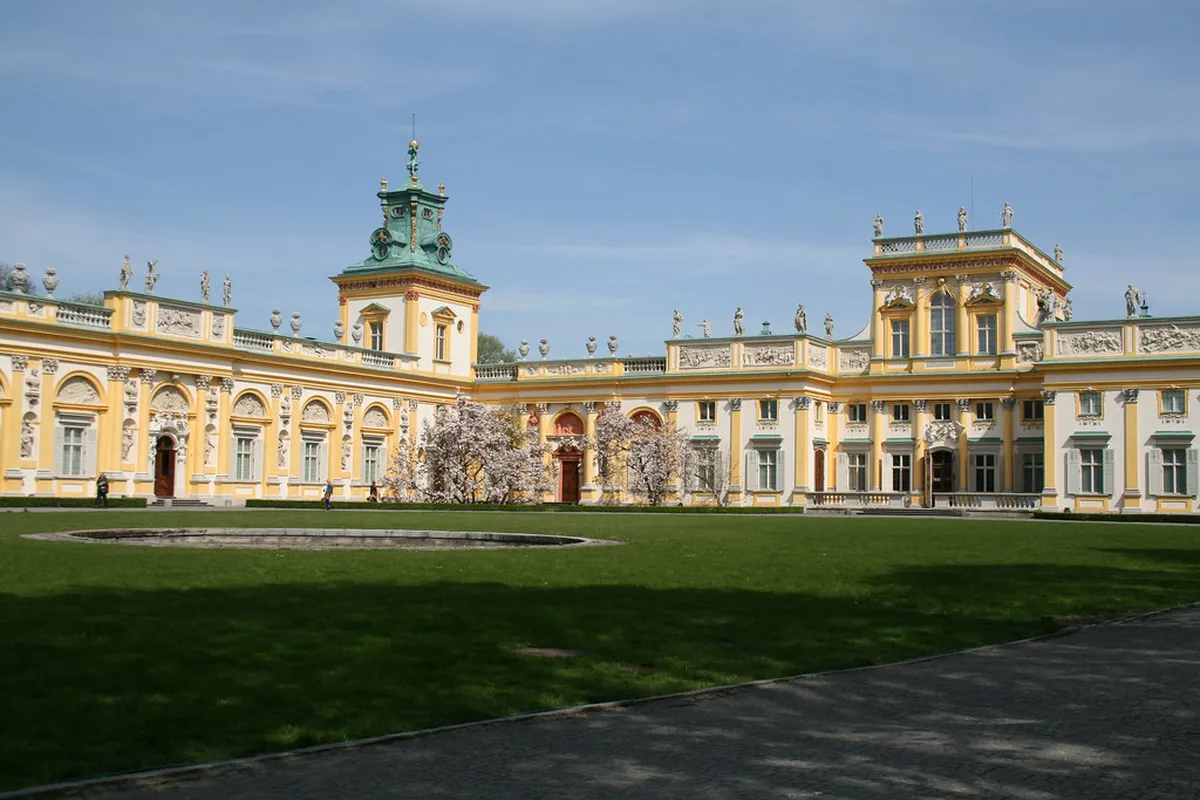
Wilanów Palace
Wilanów Palace is a magnificent Baroque royal residence built for King John III Sobieski in the late 17th century, often called the 'Polish Versailles' for its grand architecture and sweeping historic gardens. In 2026, it remains one of Warsaw's most visited landmarks, housing the Museum of King Jan III's Palace with opulent state apartments and beautifully landscaped grounds.
Visitor guide →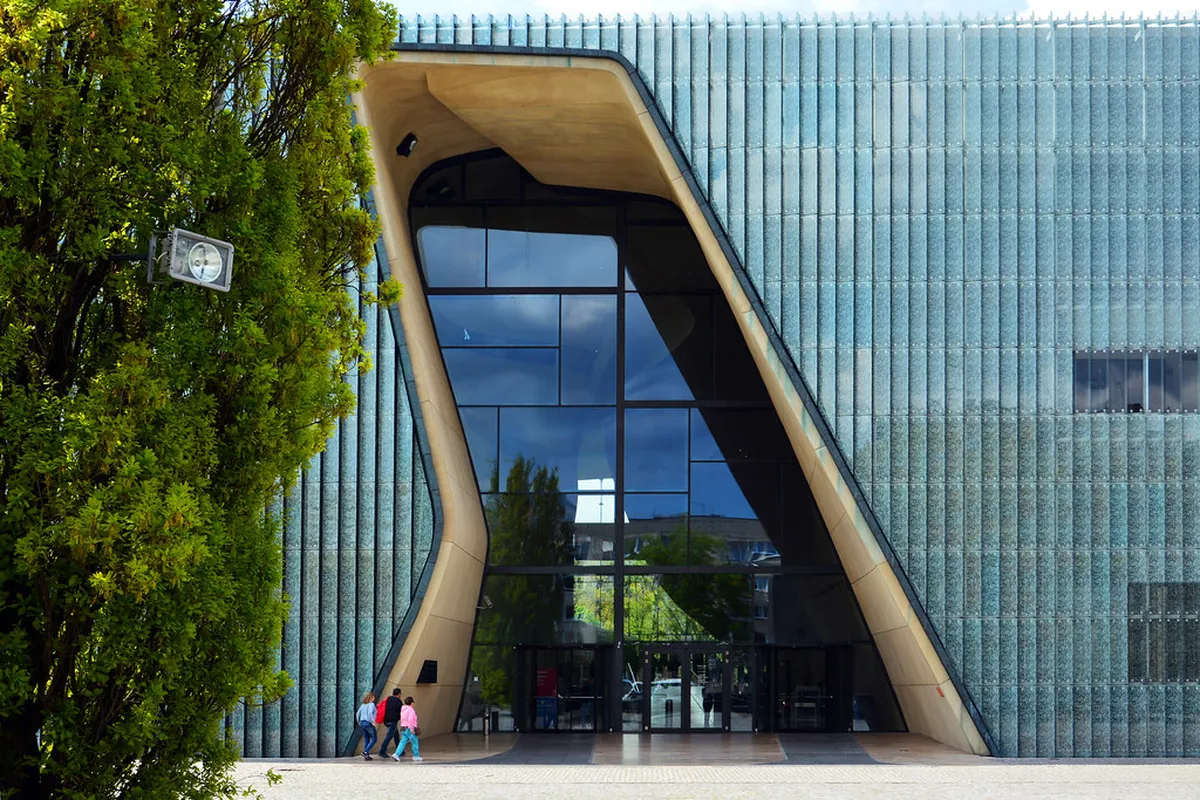
POLIN Museum of the History of Polish Jews
POLIN Museum of the History of Polish Jews is a world-class cultural institution on the site of the former Warsaw Ghetto, presenting 1,000 years of Jewish life in Poland through eight multimedia galleries. Winner of the European Museum of the Year Award 2016, it offers free Core Exhibition admission every Thursday and stands steps from the Monument to the Ghetto Heroes.
Visitor guide →
Warsaw Uprising Museum
The Warsaw Uprising Museum (Muzeum Powstania Warszawskiego) in Warsaw's Wola district is dedicated to the heroic 63-day Polish resistance against Nazi occupation in 1944, housing over 1,500 artefacts including a full-size B-24 Liberator replica and an outdoor Freedom Park. In 2026 it remains one of Central Europe's most visited WWII museums, with free entry every Thursday.
Visitor guide →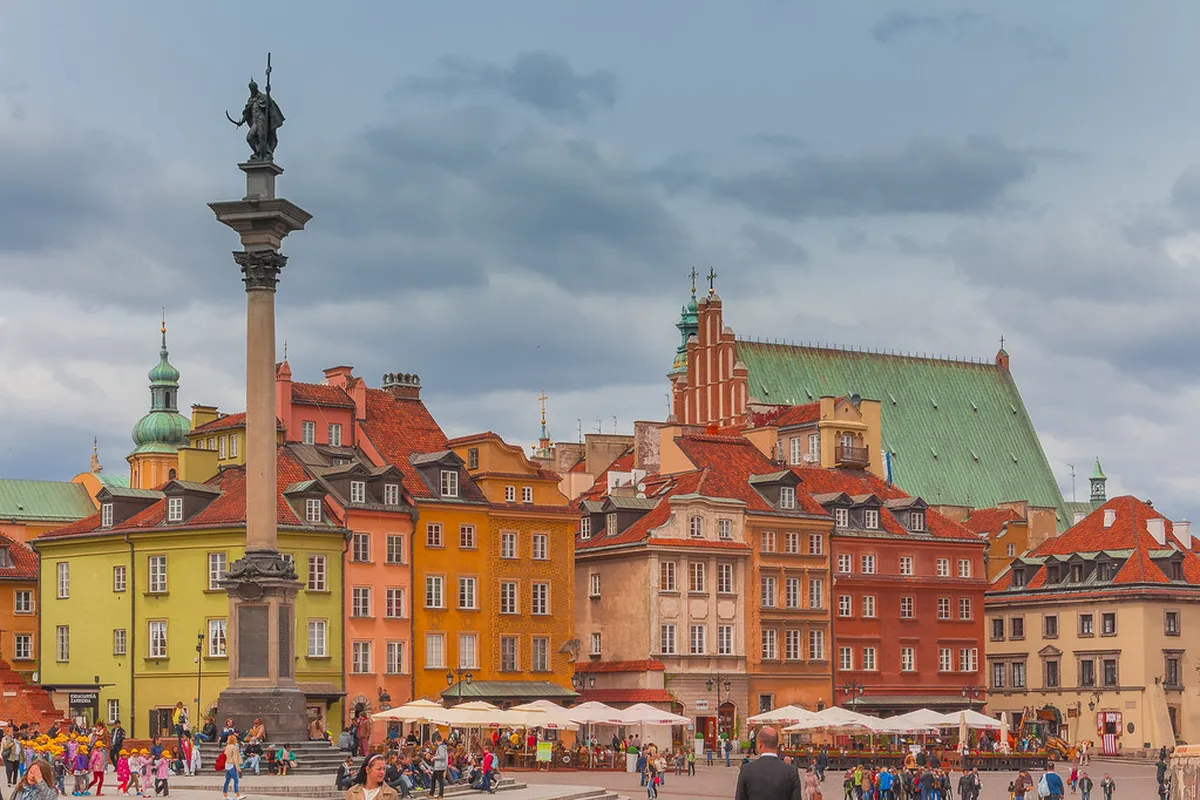
Castle Square
Castle Square (Plac Zamkowy) is Warsaw's most iconic historic plaza, standing before the Royal Castle and crowned by Sigismund's Column (1644) — the city's oldest secular monument. A free, always-open public space and the ceremonial gateway to the UNESCO World Heritage-listed Old Town, it remains a must-visit centrepiece of any Warsaw trip in 2026.
Visitor guide →
Copernicus Science Centre
The Copernicus Science Centre (Centrum Nauki Kopernik) is a hands-on science museum on the Vistula River, with around 400 interactive exhibits across six themed exhibitions, two demonstration theatres, a planetarium, and a rooftop garden. It is one of the strongest Warsaw choices for families, but its timed tickets require more planning than a walk through the Old Town.
Visitor guide →How to choose the right Warsaw attractions
Do not select all nine simply because they are on the list. Choose one geographic cluster and one major indoor attraction for each half-day. This keeps the route realistic and leaves enough time for the exhibitions that give Warsaw's reconstructed streets and monuments their meaning.
| Your priority | Best starting points | Planning note |
|---|---|---|
| First visit and historic Warsaw | Old Town, Castle Square, Royal Castle | The outdoor route is free; reserve several hours if you enter the castle. |
| Twentieth-century history | POLIN Museum, Warsaw Uprising Museum | Each deserves its own substantial museum block rather than a rushed hour. |
| Families and hands-on learning | Copernicus Science Centre, Łazienki Park | Book Copernicus first, then use the park as the flexible part of the day. |
| Royal Warsaw | Royal Castle, Łazienki Park, Wilanów Palace | These follow the city's royal axis, but Wilanów requires a separate transport leg. |
| Skyline view | Palace of Culture and Science | Use the observation terrace as a short central stop, ideally in clear weather. |
Warsaw attractions by area
Old Town and Castle Square
Warsaw Old Town, Castle Square, and the Royal Castle form the most efficient first-time cluster. Walk from the Barbican through the Market Square to Castle Square, then decide whether to enter the castle or continue down Krakowskie Przedmieście. The official Warsaw Tourism Office allows about three hours for the Old Town and castle together in its one-day Warsaw route; allow longer if you read exhibitions closely or stop for lunch.
Central Warsaw, Wola, and Muranów
The Palace of Culture and Science stands beside Warszawa Centralna station and makes an easy orientation stop. West of the centre, the Warsaw Uprising Museum occupies a former power station in Wola. North in Muranów, the POLIN Museum presents a much broader thousand-year history of Jewish life in Poland. Both museums are emotionally and intellectually demanding; seeing one properly is usually better than squeezing both into the same afternoon.
Powiśle and the Vistula
The Copernicus Science Centre sits beside the river and its namesake M2 metro station. Pair it with the Vistula boulevards or the rooftop garden of the nearby University Library rather than sending the family straight to another museum. The centre itself can absorb most of a morning or afternoon.
Łazienki and Wilanów on the Royal Route
Łazienki Park and Wilanów Palace lie south of the centre. They belong to the same royal story but are not next door: Łazienki works as a central garden break, while Wilanów is a dedicated half-day reached by bus. The official Royal Route guide connects both residences with the Royal Castle, but most visitors should divide that axis across two days.
Suggested Warsaw attraction itineraries
One day: Old Town and the royal core
Start before the busiest tour groups in the Old Town, cross the Market Square, and reach Castle Square for the opening of the Royal Castle. After the interior, follow Krakowskie Przedmieście and Nowy Świat south. End either at the Palace of Culture observation terrace for a city overview or in Łazienki Park for a slower garden walk. Trying to add Wilanów or a major history museum makes this day too fragmented.
Two days: add Warsaw's modern history
Keep the first day for the historic core. On day two, choose POLIN in the morning or the Warsaw Uprising Museum after opening, then use the Palace of Culture as the shorter second attraction. Visitors with a strong history focus can see both museums in one day, but should leave a long lunch and transport break between them.
Three days: add science or a royal residence
Use the third day for the attraction that best fits your group. Families can book Copernicus, walk the river afterward, and finish in Łazienki. Art and architecture visitors can travel to Wilanów Palace, explore its interiors and gardens, then return toward Łazienki or the Royal Route. This is also the first itinerary length that gives you room for poor weather or a sold-out time slot.
Getting around Warsaw's attractions
Walking is best inside the Old Town and along the central Royal Route, but the full attraction map requires public transport. Metro M2 serves Copernicus Science Centre and brings you close to the Warsaw Uprising Museum at Rondo Daszyńskiego; M1 serves the central area around the Palace of Culture. Trams and buses handle the Old Town edge, Łazienki, POLIN, and the longer ride to Wilanów.
All nine attractions on this page are within the normal city zone. At this 1 August 2026 update, the city's official transport guide lists the 75-minute Zone 1 ticket at 4.40 PLN; it permits transfers within its validity period. Validate a paper ticket immediately after boarding or before entering the metro paid area, and check the official planner on the day because works and event diversions can change the best route.
A car rarely improves this itinerary. Parking and restricted streets complicate the historic centre, while Wilanów is the only sight far enough south to tempt a taxi. Even there, a direct bus is usually simpler than finding parking at several stops in one day.
Tickets, free days, and advance booking
Book only the attractions that control entry by time or capacity, then keep the outdoor stops flexible. Prices and holiday schedules can change, so the official pages below are the final authority for your date.
- Copernicus Science Centre: buy online in advance for a selected entry time, especially for weekends, holidays, and school breaks. The centre warns that if tickets are unavailable online they will not be available at the desk; its official practical guide also explains the separate planetarium timing.
- Royal Castle: Wednesday offers a free special route rather than every gallery. Free tickets are collected at the castle ticket office on the day; confirm the route and closures on the official 2026 visitor notice.
- POLIN Museum: the core and temporary exhibitions are free on Thursday, but capacity remains limited. The museum estimates several hours for the core exhibition, so check POLIN admission information before building another major museum into the same day.
- Warsaw Uprising Museum: Thursday is the free day for individual visitors in 2026. Use the museum's official ticket service, since special events can change hours and free-ticket distribution.
- Wilanów Palace: admission to the palace, historic gardens, and park is free on Thursday, but palace tickets are limited for conservation reasons. The museum states that it does not sell through third-party operators, so use the official Wilanów ticket page.
The Old Town and Castle Square need no ticket, and the outdoor gardens at Łazienki are free. In the 2026 season, Royal Łazienki's official Chopin concert programme runs free recitals at the Chopin Monument on Sundays at 12:00 and 16:00 from 5 July through 27 September. Arrive early enough to find a comfortable place on the lawn.
Timing, crowds, and accessibility
Visit the Old Town early for quieter streets, then use the middle of the day for a pre-booked interior. Observation views from the Palace of Culture are most useful in clear weather, while Łazienki is pleasant late in the afternoon. Free museum days save money but concentrate demand; a paid slot on a quieter day may be better value if the exhibition is a priority.
Warsaw's modern museums and metro network remove many mobility barriers, but the Old Town still has cobbles, gradients, and uneven surfaces. Build extra transfer time into any accessible itinerary and consult the attraction's own guide before booking. Families should also avoid stacking Copernicus with another dense museum: its interactive galleries are a main event, not a brief stop.
Frequently asked questions about Warsaw attractions
How many days do you need for Warsaw's main attractions?
Two full days cover the Old Town, Royal Castle, one major history museum, and either Łazienki Park or the Palace of Culture without constant rushing. Three days are better if you also want Copernicus Science Centre, Wilanów Palace, or both POLIN and the Warsaw Uprising Museum.
Which Warsaw attractions should first-time visitors prioritize?
Start with Warsaw Old Town, Castle Square, and the Royal Castle because they explain the city's royal history and postwar reconstruction in one walkable area. Then choose POLIN or the Warsaw Uprising Museum for deeper history and Łazienki Park for a change of pace.
Which Warsaw attractions are free?
Warsaw Old Town, Castle Square, and the outdoor gardens at Łazienki Park are free. Several museums also have weekly free-entry periods, but the available route, ticket distribution, and capacity rules differ by institution.
Which Warsaw attractions need advance tickets?
Copernicus Science Centre is the strongest candidate for advance booking because it uses timed admission and can sell out. Advance planning is also wise for Wilanów Palace, the Royal Castle, and major museums during weekends, public holidays, and free-entry days.
What are Warsaw's museum free days in 2026?
The Royal Castle offers a special free route on Wednesday. POLIN Museum, the Warsaw Uprising Museum, and Wilanów Palace offer free admission on Thursday, subject to their own ticket, route, capacity, and closure rules. Always confirm the official calendar for your exact date.
Can you visit Warsaw's top attractions without a car?
Yes. Walk the Old Town cluster and use metro, tram, or bus for the museums, Copernicus Science Centre, Łazienki Park, and Wilanów Palace. A car usually adds parking friction and is not necessary for this nine-attraction itinerary.
Plan the rest of your Warsaw trip
Once the fixed-ticket attractions are in place, use our broader things to do in Warsaw guide to add neighbourhoods, food, and riverfront time. Then compare how many days to spend in Warsaw, follow the Warsaw weekend itinerary, or add no-cost stops from our guide to free things to do in Warsaw.