
POLIN Museum of the History of Polish Jews: 6 Key Visitor Insights
The POLIN Museum of the History of Polish Jews visitor guide helps you navigate one of the most significant cultural sites in Europe. Located in the heart of the former Warsaw Ghetto, this museum tells a vibrant story that spans over one thousand years. It serves as a place of memory and education for thousands of travelers who visit attractions in Warsaw every year. This guide provides the essential details you need to explore the rich heritage of the Polish Jewish community.
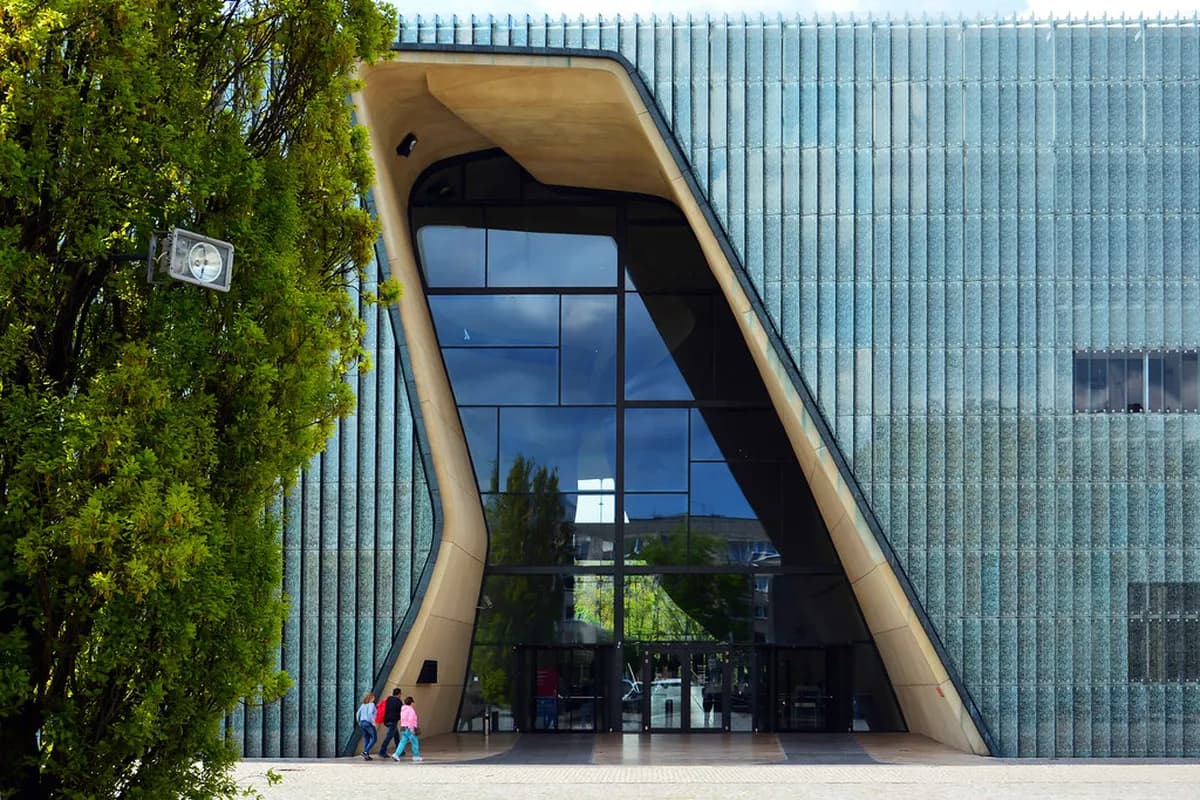
The building itself is a masterpiece of modern architecture that stands as a symbol of hope and resilience. Inside, you will find immersive galleries that bring historical eras to life through multimedia and rare artifacts. Whether you are a history enthusiast or a family traveler, the museum offers a profound and engaging experience. Prepare for a journey that covers everything from medieval legends to the challenges of the modern era.
Essential Logistics: Hours, Tickets, and Location
The museum is located at Mordechaja Anielewicza 6 in the historic Muranów district of Warsaw. Most visitors find that the site is easily accessible via the city's efficient public transportation network. You should check the Official POLIN Museum Website for the most current holiday hours and special closures. Planning your arrival early in the day helps you avoid the largest crowds during peak travel seasons.
Operating hours vary throughout the week, so it is important to check the schedule before you leave. The museum typically opens at 10 am and closes at 6 pm on most weekdays and Sundays. Saturday offers extended hours until 8 pm, while the entire facility remains closed on Tuesdays. Last entry to the core exhibition is strictly enforced two hours before the doors close for the evening.
A standard combined ticket (core plus temporary exhibitions) costs approximately 45 PLN, with reduced tickets around 35 PLN for students and seniors. Thursday is a popular day for budget travelers because entry to the core exhibition is free for everyone. You can also find detailed reviews and visitor photos on the TripAdvisor: POLIN Museum Reviews page. Booking your tickets online in advance is highly recommended to secure your preferred entry time slot.
- Transportation Comparison to POLIN
- Bus stop: Nalewki-Muzeum (Adjacent)
- Tram stop: Muranów (5-minute walk)
- Bus lines: 111, 180
- Tram lines: 15, 18, 35
- Ticket Pricing for 2026
- Standard combined ticket: 45 PLN
- Reduced: 35 PLN
- Family (2 adults + up to 4 children): 95 PLN
- Free Day: Every Thursday (core exhibition)
The 8 Core Exhibition Galleries: A 1,000-Year Journey
The core exhibition is the heart of the museum and consists of eight distinct, chronological galleries. Your journey begins in **The Forest**, a symbolic space that explores the legends of the first Jewish settlers. From there, you move into **First Encounters**, which covers the medieval period and the early roots of the community. Each gallery uses unique design elements to reflect the atmosphere of the specific historical era being presented.
The **Paradisus Iudaeorum** gallery highlights the golden age of Polish Jewry during the 16th and 17th centuries. In **The Jewish Town**, you can see a stunning reconstruction of a wooden synagogue ceiling from Gwoździec. **Encounters with Modernity** explores the changes brought by the industrial revolution and the partitions of Poland. The vibrant culture of the interwar period is captured beautifully in the **On the Jewish Street** gallery.
The final sections of the exhibition deal with the darker chapters and the subsequent rebuilding of the community. **The Holocaust** gallery provides a somber and detailed account of the tragedy within the context of occupied Poland. Finally, the **Postwar Years** section looks at the challenges and triumphs of those who remained after the war. Managing your time across these eight areas is essential for a fulfilling and educational museum visit.
- Gallery Time Allocation Table
- The Forest: 15 minutes
- First Encounters: 20 minutes
- Paradisus Iudaeorum: 30 minutes
- The Jewish Town: 30 minutes
- Encounters with Modernity: 30 minutes
- On the Jewish Street: 30 minutes
- The Holocaust: 45 minutes
- Postwar Years: 20 minutes
Architecture and the Monument to the Ghetto Heroes
The museum building is a striking example of modern design created by the Finnish architect Rainer Mahlamäki. Its glass facade is divided by a massive, curved opening that symbolizes the parting of the Red Sea. This architectural choice creates a sense of light and space that contrasts with the heavy history explored inside. Many visitors take a moment to admire how the building integrates with the surrounding park and memorial plaza.
Directly in front of the museum stands the Monument to the Ghetto Heroes, a powerful site of remembrance. This monument honors those who fought and died during the Warsaw Ghetto Uprising in 1943. It was sculpted by Nathan Rapoport and serves as the backdrop for many official commemorative ceremonies. The contrast between the historic monument and the modern museum creates a bridge between the past and present.
You can also find the statue of Jan Karski, a famous resistance fighter, located near the museum entrance. Karski was one of the first people to provide eyewitness reports of the Holocaust to the Western allies. The memorial plaza is a quiet space where you can reflect on the lessons learned within the galleries. It is a common starting point for a Warsaw Old Town walking tour that includes Jewish history.
- Key Exterior Features
- Architect: Rainer Mahlamäki
- Symbolism: Parting Red Sea
- Material: Glass and copper
- Monument: Ghetto Heroes
Family-Friendly Visiting Options: Audio Guides and Games
Traveling with children to a history museum requires a specialized approach to keep them engaged and informed. The museum offers a dedicated family audio guide that lasts approximately 90 minutes for younger visitors. This guide focuses on daily life and legends while skipping the more intense Holocaust and Postwar galleries. It is an excellent way to introduce complex history in a manner that is age-appropriate and educational.
King Matt's Cafe is a great spot for families to take a break and enjoy a snack during their visit. There is also an educational space where kids can participate in workshops and interactive games. The museum staff often provides activity sheets that turn the exhibition into a fun treasure hunt. These resources ensure that children leave with a positive and meaningful understanding of the culture.
Parents should note that some parts of the core exhibition may be too graphic for very young children. The family guide helps you navigate around these sections without missing the overall narrative of the museum. You can also explore the Virtual Tour of POLIN to preview the layout before your trip. Planning for short breaks every hour helps maintain the energy levels of younger travelers throughout the day.
Practical Tips for a Smooth Museum Experience
A full visit to the core exhibition usually takes between two and three hours for most adult visitors. If you prefer to read every display and watch all the videos, you should set aside at least four hours. The museum is fully accessible with elevators and ramps available for those with mobility challenges. Sensory-friendly hours are sometimes offered for visitors who prefer a quieter and less crowded environment.
You can easily combine your visit with other nearby historical sites in the Muranów district. The Umschlagplatz memorial and the Mila 18 bunker site are both within a short walking distance. These locations provide further context to the events described in the museum's later galleries. Consider visiting the Warsaw Uprising Museum on a different day to complete your historical journey.
The museum shop offers a wide selection of books, jewelry, and unique souvenirs related to Jewish heritage. It is a great place to find meaningful gifts that support the ongoing educational mission of the institution. Small lockers are available near the entrance for storing heavy bags and coats during your tour. Remember that photography is allowed in most areas, but you should always disable your flash out of respect.
Wear comfortable walking shoes as you will be on your feet for several hours across multiple levels. The climate inside the museum is strictly controlled, so a light sweater might be useful even in summer. Check the official website for any temporary exhibitions that might be running during your stay in Warsaw. These special displays often focus on specific artists or niche historical events not covered in the main tour.
Frequently Asked Questions
How long does the POLIN museum take to visit?
Most visitors spend between 2 and 3 hours exploring the core exhibition galleries. If you are a history enthusiast who enjoys reading every detail, you should plan for at least 4 hours. Families using the specialized audio guide often complete their tour in about 90 minutes.
Is the POLIN museum free?
Entry to the core exhibition is free for all visitors every Thursday. On other days, you must purchase a standard or reduced ticket to enter. It is wise to book these free tickets online in advance, as they are very popular and can sell out quickly.
What is the meaning of POLIN?
In Hebrew, the word Polin translates to 'Poland' and also sounds like the phrase 'rest here.' According to legend, the first Jewish settlers heard this word in the forest and decided to stay. This symbolic name reflects the long and deep history of the community in the country.
Is the POLIN museum worth visiting?
Yes, it is widely considered one of the best museums in Europe and won the European Museum of the Year award. It provides a comprehensive and moving look at a thousand years of history. You can find more recommendations on our list of top Warsaw attractions.
The POLIN Museum offers an unforgettable journey through the complex and beautiful history of Polish Jews. By following this visitor guide, you can ensure a smooth and meaningful experience in the Muranów district. From the stunning architecture to the interactive galleries, every detail is designed to educate and inspire. We hope your visit to this world-class institution becomes a highlight of your time in Warsaw.
Continue exploring Warsaw
Planning your trip? Browse all our Warsaw attractions, or read our guides to best museums in Warsaw and things to do in Warsaw.
Official sources: POLIN Museum of the History of Polish Jews official site · Wikipedia.


