

Where to Stay in Wrocław: Best Areas and Hotels (2026)
After spending many weeks exploring Lower Silesia, I can tell you that choosing where to stay in Wrocław shapes everything — from how far you walk to breakfast to whether you stumble home easily after a late night on the Rynek. Wrocław is a city of distinct neighbourhoods, each with its own personality, and your choice of base will colour the whole visit in ways you might not anticipate until you are actually there unpacking your bag.
This guide has been updated for the 2026 season to reflect new accommodation openings and current pricing across all budget levels. Wrocław is a student city of over 130,000 university enrolments, which means affordable eating, reliable public transit, and a genuine local scene exist alongside the polished tourist infrastructure of the Market Square. That combination makes finding the right neighbourhood unusually rewarding.
If you are still weighing up what to do once you arrive, our full things to do in Wrocław guide covers the city's highlights by district and season. Read on for a neighbourhood-by-neighbourhood breakdown of where to stay, who each area suits best, and what to budget for accommodation in 2026.
First-time visitors should base themselves in or within a few minutes' walk of the Old Town Rynek (Market Square). You will be within easy reach of the Cathedral Island, the main tram stops, and the best concentration of restaurants, bars, and museums. It is the most forgiving neighbourhood for orientation, especially if you are arriving late or leaving early.
Old Town Rynek: Best for First-Time Visitors
The Market Square — Rynek — is the centrepiece of Wrocław and the neighbourhood that most visitors instinctively choose. Staying here means your front door opens onto one of the largest medieval market squares in Central Europe, ringed by pastel-coloured townhouses, outdoor café terraces, and the soaring Gothic Town Hall. The energy in summer is electric, and even in January the Christmas market atmosphere gives way to a quieter, frost-lit beauty.
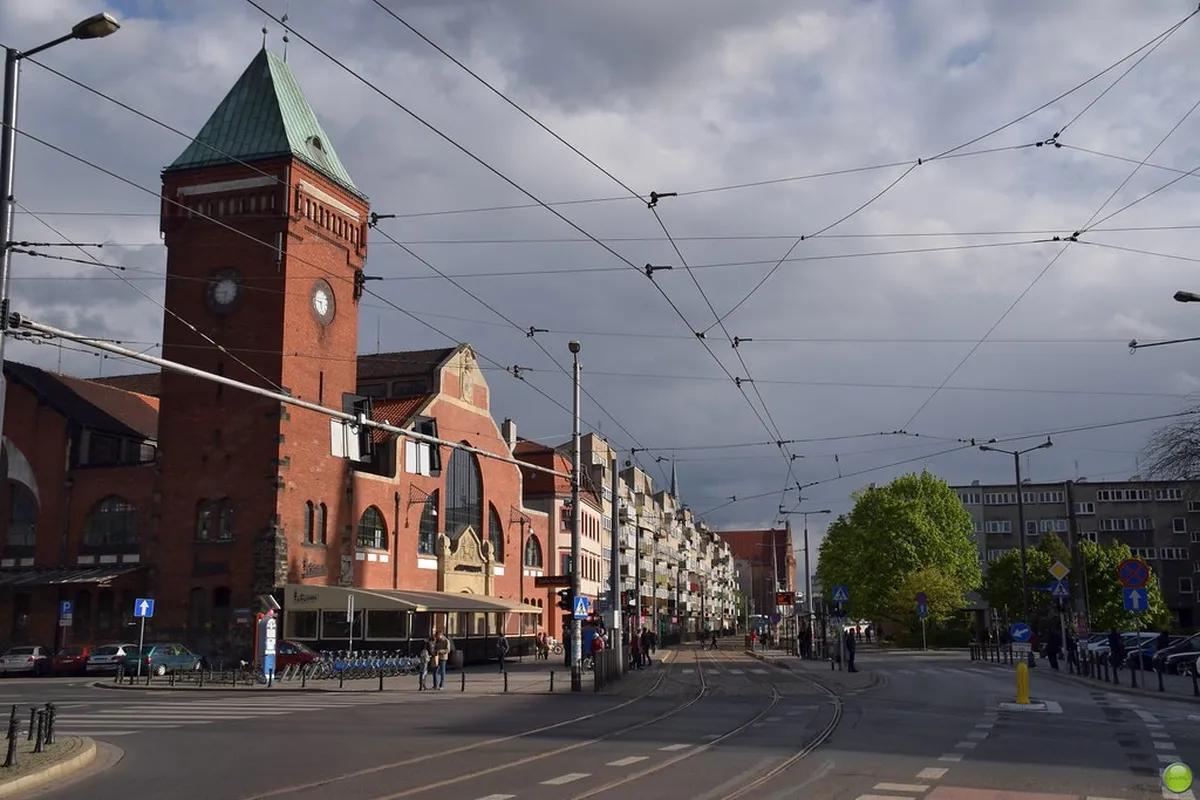
Mid-range hotels in this zone typically run between 350–600 PLN per night (roughly €80–€135), while boutique guesthouses tucked into the side streets off the square can be found at the lower end of that range. Budget hostels with private rooms exist within ten minutes' walk but are rarer directly on the Rynek itself. What you pay for is pure location: the Ostrów Tumski bridge, the most photogenic streets in the city, and the tram hub on Świdnicka Street are all walkable.
The trade-off is noise. Weekend nights in particular bring significant bar traffic along the surrounding streets, and rooms facing the square will hear it. Ask for a rear-facing or upper-floor room — it cuts the sound dramatically. Explore the detailed street-by-street layout in our Wrocław Old Town guide before you book so you know exactly which blocks are quietest.
If you are planning nights out in the bars around the Rynek or the Świdnicka Street cellar bars, staying within the Old Town means a five-minute walk home regardless of the hour. Our Wrocław nightlife guide covers the best venues by area — most of the highest-rated spots are clustered within 400 metres of the Market Square.
Nadodrze: The Bohemian Choice
Nadodrze sits roughly fifteen minutes north of the Rynek by tram or a twenty-minute walk across the Oder bridges, and it has become the neighbourhood that independent travellers and longer-stay visitors favour most in 2026. The streets are lined with pre-war tenement buildings undergoing creative renovation, and the neighbourhood now hosts some of the city's best independent coffee shops, natural wine bars, and street-art murals.
Accommodation here skews toward apartment rentals and boutique guesthouses rather than large hotels. Prices average 220–380 PLN per night (€50–€85), making it considerably more affordable than the Old Town. You do trade some convenience — the Rynek is a tram ride rather than a stroll away — but the local scene more than compensates. The area around Plac Staszica and Ulica Roosevelta is the heart of the neighbourhood's café culture and is lively from mid-morning well into the evening.
Nadodrze is also the best base if you plan to spend time hunting Wrocław's famous gnome statues, since many of the dwarfs (krasnale) are scattered through these northern streets. Our Wrocław dwarfs guide maps the full trail, and starting from Nadodrze puts you ahead of the crowds that work outward from the Rynek.
Near Wrocław Główny Station: Convenience First
Wrocław Główny is the main railway station and sits about a ten-minute walk south-west of the Rynek along Świdnicka Street. The cluster of hotels in this zone — ranging from large international chains to solid mid-range Polish brands — caters primarily to business travellers and those making day trips to Ksiaz Castle, Karpacz, or the Sudeten Mountains — PKP Intercity and regional timetables make it easy to check connections before you commit to this base. If you are arriving late, departing early, or spending significant time on regional trains, this location saves real stress.
Prices here are competitive: expect 280–500 PLN per night (€63–€112) for mid-range comfort, and some of the city's better-value three-star options are within a five-minute walk of the platforms. The surrounding streets have improved considerably over the past few years as the city has invested in the pedestrian zone linking the station to the historic core.
The one downside is atmosphere. The neighbourhood is functional rather than characterful, and the first impression of Wrocław from this pocket of the city undersells it. I recommend using the station-area hotels for arrival and departure nights if you are doing a longer regional trip, and basing the bulk of your stay in the Old Town or Nadodrze instead. For planning your wider itinerary, see our Wrocław two-day itinerary for a realistic schedule of what you can cover from each base.
Ostrów Tumski Area: Peaceful Cathedral Retreat
Cathedral Island — Ostrów Tumski — is technically a peninsula today, though it retains the island designation from its medieval origins. It is the oldest part of Wrocław, home to the Cathedral of St John the Baptist and a cluster of churches that are still illuminated by gas lamps after dark. The atmosphere is unlike anywhere else in the city: quiet, cobbled, and genuinely historic in a way that the reconstructed Old Town simply cannot replicate.
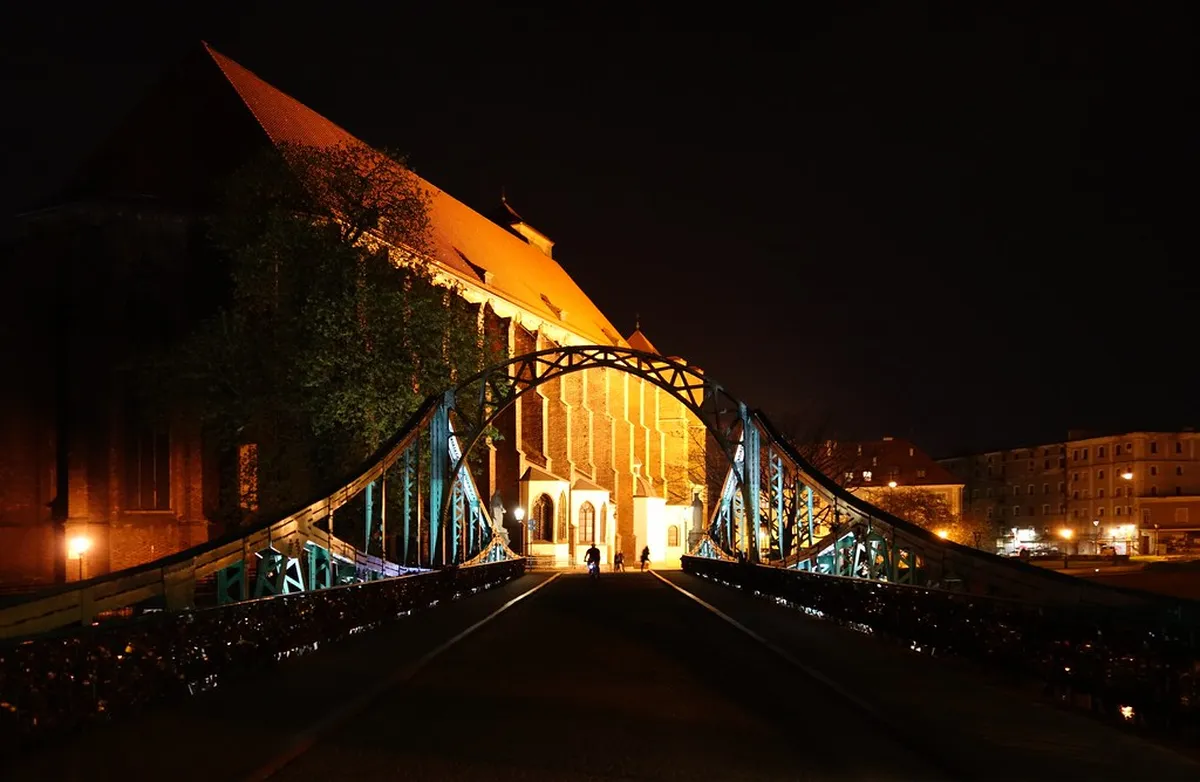
There are relatively few accommodation options directly on the island, but the area immediately across the Oder on the Śródmieście side — particularly around Plac Biskupa Nankiera and Ulica Katedralna — offers some well-regarded guesthouses and small hotels. Prices tend to be moderate, in the 300–480 PLN range (€67–€108), partly because you are slightly removed from the main tourist drag. The walk across the pedestrian Piasek footbridge to the Old Town takes about twelve minutes.
This area suits couples looking for a romantic, low-key base, solo travellers who want quiet evenings, and anyone visiting specifically for the cathedral and the Archdiocesan Museum. Early mornings on the island — before the day-trippers arrive — are genuinely magical, and waking up a short walk from that experience is one of the best things about choosing accommodation on this side of the river.
Budget Accommodation: Hostels and Apartments
Wrocław punches well above its weight for budget accommodation, and 2026 has seen several new hostel openings that offer excellent quality at low prices. The student population keeps standards competitive, and the best hostels in the Old Town and Nadodrze areas provide private rooms with en-suite bathrooms for 160–240 PLN per night (€36–€54) — genuinely good value for a European city of this quality.
Apartment rentals have become increasingly popular and represent the best value for stays of three nights or more. A well-located one-bedroom apartment in the Old Town or Nadodrze typically runs 250–380 PLN per night, but you gain a kitchen, a living room, and the ability to shop at the local Hala Targowa market hall for morning provisions. Platform availability is strong, and many hosts speak English.
The areas to avoid for budget stays are the outer ring roads east and south of the station, where prices drop further but the distance from any sights requires paid transit every trip. The cost savings disappear quickly when you factor in tram tickets and the time overhead. For the full picture on how long to budget for the city, our how many days in Wrocław guide breaks down realistic timelines by travel style and budget.
| Area | Vibe | Best For | Price Per Night (PLN) |
|---|---|---|---|
| Old Town Rynek | Historic, vibrant, central, touristy | First-timers, short stays, couples, sightseers | 350–600 PLN |
| Nadodrze | Bohemian, creative, café culture, local | Independent travellers, longer stays, night owls | 220–380 PLN |
| Near Główny Station | Convenient, functional, business-friendly | Early/late arrivals, day-trip bases, business travel | 280–500 PLN |
| Ostrów Tumski area | Peaceful, historic, gas-lit, romantic | Couples, quiet stays, cathedral visitors | 300–480 PLN |
| Ołbin | Quiet, residential, pre-war character | Budget-conscious, longer stays, local feel | 200–340 PLN |
| Biskupin / Sępolno | Leafy, suburban, family-friendly | Families, Zoo / Centennial Hall visitors | 260–420 PLN |
| Hostels / Apartments | Flexible, social or self-catering | Budget travellers, families, 3+ night stays | 160–280 PLN |
Ołbin: The Quieter Alternative to Nadodrze
Ołbin is the district that sits between Nadodrze and the Old Town, roughly a ten-minute walk north of the Rynek across the inner ring road. It is less talked about in most accommodation guides, but the top-ranking editorial resources covering Wrocław now consistently list it as a genuine option — particularly for travellers who want Nadodrze's lower price point without the extra tram stop separating them from the city centre.
The neighbourhood is primarily residential and pre-war in character, with ornate tenement facades that have been gradually restored over the past decade. Accommodation here is almost entirely apartment-based — serviced flats and privately let units that rarely appear on the main OTA front pages, which keeps prices competitive at around 200–340 PLN per night (€45–€76). The streets around Plac Strzelecki are the most liveable pocket, with a couple of cafés and a local market within a short walk.
The main trade-off is that Ołbin has far less evening life than Nadodrze, so if you are planning regular late nights out, the extra walk back from the Rynek is noticeable. For visitors who want a quiet base, a genuine neighbourhood feel, and easy access to both the Old Town and Nadodrze's café strip, it is an underrated choice that rarely gets overcrowded even in peak season.
Biskupin and Sępolno: Best for Families and UNESCO Visitors
The eastern residential districts of Biskupin and Sępolno are overlooked by most short-stay visitors but make an excellent base for families with children or anyone whose itinerary centres on three of Wrocław's biggest draws: the Wrocław Zoo (one of the largest in Europe by species count, home to over 10,000 animals across 1,200 species), the Centennial Hall UNESCO World Heritage Site, and the Japanese Garden in Szczytnicki Park. All three are within walking distance of each other in this part of the city, and staying here means reaching them before the day-trip crowds.
Accommodation in these districts runs 260–420 PLN per night (€58–€94) and skews toward apartment rentals, small family-run guesthouses, and a handful of mid-range hotels near the Grunwald bridge. The river promenade on the Odra is accessible on foot, and the tram connections along Mickiewicza and Legnicka streets link the area to the Old Town in around fifteen to twenty minutes. The atmosphere is calm, leafy, and genuinely suburban — a sharp contrast to the Rynek but ideal if you have young children who need park space and lower noise levels.
One detail most guides miss: the area around Sępolno was designed in the 1920s as a garden suburb, and its grid of low-rise houses and tree-lined streets has a distinctly different feel from the tenement blocks closer to the centre. If you are visiting Wrocław partly for its architectural variety, basing yourself here for even two nights adds a dimension to the trip that the Old Town alone cannot offer. The walk from Sępolno to the Japanese Garden takes under ten minutes, and entry to both the Garden and the nearby Centennial Hall can be combined into a single half-day without any transit.
Getting Around Wrocław from Each Neighbourhood
Wrocław has a reliable tram network that connects all four main neighbourhood zones described in this guide. A single tram ticket purchased via the app or at kiosk costs around 4–5 PLN, while a 24-hour pass runs approximately 15 PLN — excellent value given the frequency of services during daytime hours. Trams run from around 5:00 AM to midnight on most lines, with night buses covering the gaps on weekend evenings.
From the Old Town Rynek, you are already at or near several key tram stops on Świdnicka and Piłsudskiego streets, making the entire city accessible within twenty to thirty minutes. From Nadodrze, lines heading south bring you to the Rynek in under fifteen minutes. The station area is served by the greatest concentration of routes, making it genuinely well-connected despite its less charming surroundings.
Cycling is increasingly viable: Wrocław's bike-share scheme (Wrocławski Rower Miejski) has expanded its docking stations to all the areas in this guide. For summer stays especially, a bicycle is the fastest way to move between Ostrów Tumski, the Old Town, and Nadodrze, and the riverside paths are flat and well-maintained. Taxis and rideshare apps operate normally throughout the city and are inexpensive by Western European standards.
Best Time to Book and Seasonal Pricing
Wrocław peaks in late November and December thanks to its celebrated Christmas market, which draws visitors from across Europe and drives Old Town hotel prices up by 30–50% above the autumn baseline. If you are visiting for the market, book at least two to three months in advance and consider basing yourself in Nadodrze or near the station for better rates. Our Wrocław Christmas market guide covers the best stalls and timing in detail.
Summer (June–August) is the second peak, driven by the university festival calendar and leisure tourism. Prices across all neighbourhoods climb by 20–35% compared to spring. The shoulder seasons — April to May and September to October — offer the best combination of pleasant weather, manageable crowds, and competitive accommodation rates. Spring in particular is underrated: the Botanical Garden near Ostrów Tumski is at its best, and the Rynek café terraces open from late April onward.
For the full seasonal breakdown including weather, events, and crowd patterns, our best time to visit Wrocław guide will help you time your trip to match your priorities. Whatever season you choose, booking at least four to six weeks ahead for Old Town properties is wise, as the best rooms fill faster than the headline availability suggests. It is also worth scanning the events calendar on the official Wrocław tourism portal before fixing dates — trade fairs and festivals can spike rates city-wide with little warning.
Where to Eat Near Your Wrocław Hotel
Food quality in Wrocław is high across all price points, and your neighbourhood choice directly affects your morning and evening options. In the Old Town, the streets immediately behind the Rynek — particularly Ulica Świdnicka and the passages around the Hala Targowa market hall — offer everything from a 12 PLN bowl of żurek (sour rye soup) at a milk bar to a full tasting menu at one of the city's newer upscale restaurants.
Nadodrze is the best neighbourhood for independent café culture. You will find third-wave coffee roasters, bakeries using local grain, and wine bars with curated natural lists that would hold their own in Warsaw or Kraków. Prices in this area are noticeably lower than the Old Town equivalent: a solid sit-down lunch typically runs 35–55 PLN versus 60–90 PLN for similar quality on the Rynek. Our where to eat in Wrocław guide covers the best spots across all budgets and neighbourhoods.
Near the station, the dining scene has improved but remains largely functional — chain restaurants, kebab spots, and hotel breakfasts. For anything beyond quick refuelling, the ten-minute walk or one tram stop to the Old Town is worth it. The Ostrów Tumski area has very few restaurants immediately on the island itself; most visitors eat in the Old Town and walk back across the bridge in the evening, which is a perfectly pleasant routine given the gas-lamp atmosphere of that crossing.
Practical Tips for Booking Wrocław Accommodation in 2026
Check-in at most Wrocław hotels runs from 3:00 PM, but luggage storage is almost universally available for early arrivals. If you are coming in on a morning train or flight, drop your bags, head straight to the Rynek, and your room will be ready by early afternoon. Many smaller guesthouses in Nadodrze offer flexible arrangements if you communicate ahead — Polish hospitality is notably relaxed about this.
Read cancellation policies carefully: the Christmas market and summer festival periods often attract non-refundable rates from properties that normally offer free cancellation. Booking directly with the hotel frequently unlocks a slightly better rate than third-party platforms, and many properties in the Old Town now offer a small discount or room upgrade for direct reservations made via email or phone.
Finally, confirm whether your accommodation includes breakfast. In the 280–400 PLN price band, breakfast is sometimes included and sometimes a paid add-on at 35–55 PLN per person. Given the strength of Wrocław's café scene, paying for hotel breakfast is rarely the best-value option unless you value the convenience of not going out in the morning. Consult our getting around Wrocław guide for transit card options that pair well with any of the neighbourhoods above.
Frequently Asked Questions
What is the best area to stay in Wrocław for first-time visitors?
The Old Town Rynek area is the best choice for first-timers. It puts you within walking distance of the Market Square, the Cathedral Island, and the main tram stops. Most travellers find it the most convenient and atmospheric base for a short stay in Wrocław.
Is Nadodrze safe for tourists staying overnight?
Yes, Nadodrze is safe and increasingly popular with independent travellers. The neighbourhood has seen significant renovation investment over the past several years, and its streets are lively with cafés and bars well into the evening. Standard urban precautions apply, as they would in any European city neighbourhood.
How much does it cost to stay in a hotel in Wrocław?
Mid-range hotels in the Old Town typically cost 350–600 PLN (around €80–€135) per night. Budget hostels and apartment rentals can be found for 160–280 PLN per night. Prices rise by 30–50% during the Christmas market season in late November and December.
Can I get around Wrocław easily from Ostrów Tumski?
Yes. The Cathedral Island area is a twelve-minute walk from the Old Town Rynek, and several tram stops on the Śródmieście side of the bridges connect you to the wider city. The neighbourhood is peaceful but not remote, and the walk across the gas-lit bridges is one of the most enjoyable commutes in any Polish city.
Choosing where to stay in Wrocław is one of the most enjoyable decisions in planning a visit to this city, because all of the main options are genuinely good. The Old Town Rynek suits those who want to be inside the action from the moment they step outside; Nadodrze suits those who want to live like a local; the station area suits pragmatists and regional explorers; and the Cathedral Island area suits anyone who values atmosphere and calm above all else.
Book early for Christmas market and summer periods, aim for rear-facing or upper-floor rooms in the Old Town if noise is a concern, and do not underestimate how enjoyable a slightly-off-centre neighbourhood like Nadodrze can be. For everything else you need to plan your time in the city, start with our complete guide to things to do in Wrocław and build your itinerary outward from there.
You might also like


Continue reading
More guides you'll find useful


