
Wrocław Dwarfs: The Complete Gnome-Hunting Guide (2026)
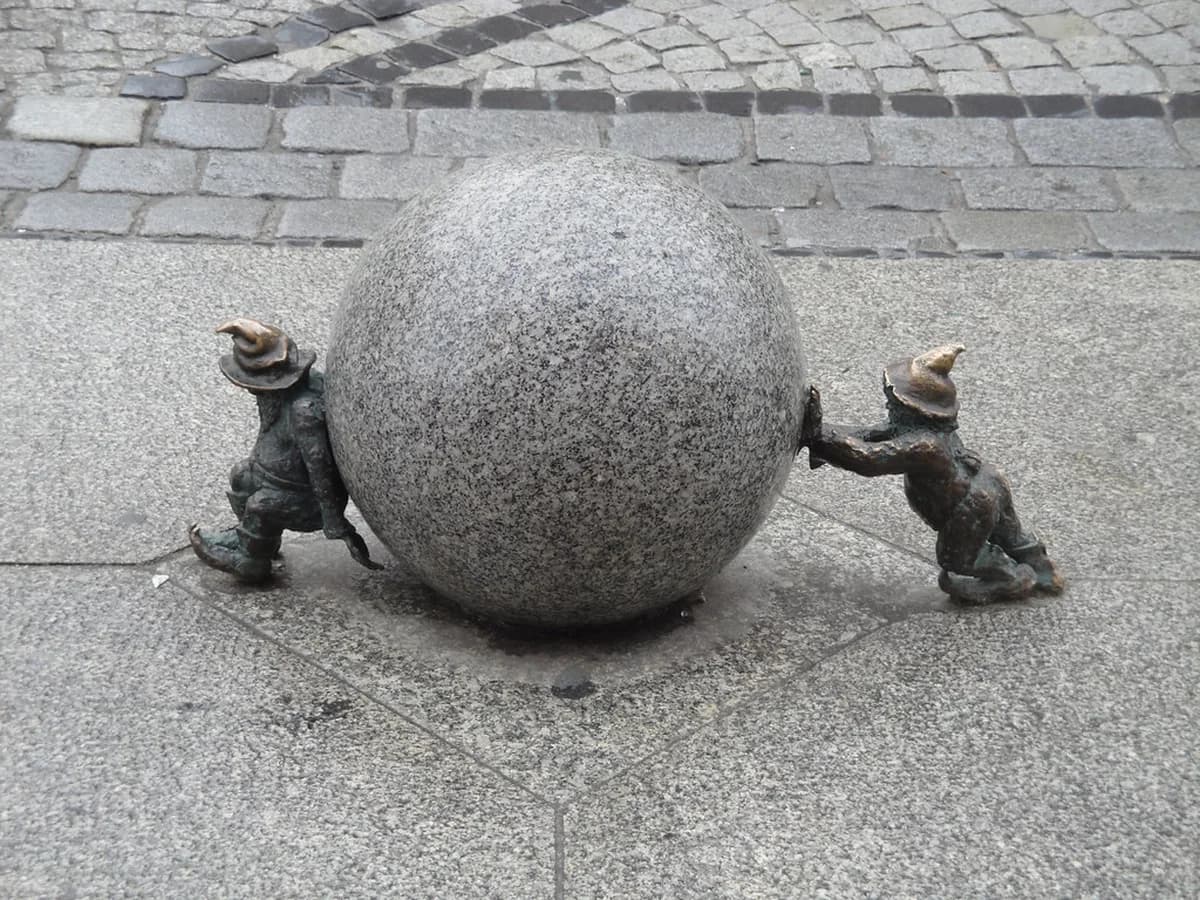
The first time I spotted a Wrocław dwarf, I nearly stepped on it. Tucked against the base of a bank building on Świdnicka Street, the bronze figure — no taller than a shoe — was clutching a tiny briefcase and scowling at the pavement. Within the hour, I had found seven more, and my perfectly organized sightseeing plan had completely unravelled. That is exactly the point. Wrocław's krasnale (Polish for dwarfs or gnomes) are one of the most joyful urban scavenger hunts in Europe, and in 2026 the city has more than 400 of them hidden across its streets, squares, courtyards, and bridges.
What began as a quiet act of political protest is now the city's most recognizable symbol. The dwarfs transform an already beautiful city into an interactive adventure — one that works equally well for solo travellers with a sharp eye, couples who want an excuse to wander the Wrocław Old Town, and families whose children suddenly become expert spotters. This guide covers everything: the origin story, how to use the official map and app, the most famous individual figures, a practical self-guided walking route, and a few tips that will put you several gnomes ahead of the average tourist.
If this is your first time visiting, it is worth reading our overview of things to do in Wrocław alongside this guide so the dwarf hunt fits naturally into your wider itinerary. Whether you have two hours or two days to dedicate to the krasnale, you will leave with a new appreciation for how deeply embedded these tiny figures are in the city's identity and history.
Key Takeaways
- Quick Pick (Most Famous Dwarf): Papa Dwarf (Tata Krasnolud) on Świdnicka Street — the original that started the modern craze.
- Quick Pick (Best for Families): The Market Square cluster, where a dozen gnomes are within a five-minute walk of each other.
- Quick Pick (Oddest Find): The dwarf diving into a drain cover near the City Museum — easy to walk past entirely.
- Practical Tip: Download the free official Wrocław Dwarfs app before you arrive — it works offline and marks every registered gnome with GPS coordinates.
- Important Reminder: Most dwarfs are on or near the ground; look low, not at eye level, and check doorsteps, lamp post bases, and kerb edges.
The History: Orange Alternative and Communist Protest
To understand why a major Polish city is covered in bronze gnomes, you need to go back to the 1980s and a subversive art movement called the Orange Alternative (Pomarańczowa Alternatywa). Founded by Waldemar Fydrych — known universally as "Major" — the movement used absurdist street theatre and happenings to mock communist authority in a way that was difficult for the state to suppress without looking ridiculous. Arresting someone for painting dwarfs on walls was, frankly, hard to justify even under martial law.
Throughout the mid-1980s, Orange Alternative activists painted small dwarf figures on walls across Wrocław, particularly over spots where the authorities had painted out anti-government graffiti. The symbolism was pointed: the regime could erase dissent, but it could not erase whimsy without appearing absurd. In 1988, the movement organized a happening in which thousands of people dressed as dwarfs marched through Wrocław's streets, daring the police to arrest anyone carrying a pointy red hat. The events directly preceded the Round Table negotiations that ended communist rule in Poland.
The modern bronze dwarfs began appearing in 2001, when artist Tomasz Moczek created the first official sculpture to honour that legacy. The first figure, placed near the Świdnicka underpass, kickstarted what became a city-wide cultural phenomenon. Individual businesses, banks, restaurants, and residents began commissioning their own custom dwarfs to place outside their premises, each reflecting the character of its location. The gnome outside a bookshop reads; the one outside a hairdresser holds scissors; the one near the university wears a mortarboard.
The Orange Alternative Museum: For a deeper dive into the movement's history, look for exhibitions at the Wrocław City Museum (Muzeum Miejskie Wrocławia). The story of Major Fydrych and his happenings is told through original photographs and artefacts that give the dwarfs a much richer context.
How Many Wrocław Dwarfs Are There?
The honest answer is: nobody knows exactly, and that is part of the fun. The official registry managed by the city and the Wrocław Tourist Organisation listed over 400 individual figures as of early 2026, but new gnomes are commissioned and installed throughout the year. Some are sponsored by businesses, some by community groups, and a few have appeared without any official announcement at all. By the time you read this, a handful more will almost certainly have joined the ranks.
The registered dwarfs span the entire city, from the Old Town core to the distant residential suburbs. However, the overwhelming majority — probably 150 to 200 — are concentrated in an area roughly bounded by Świdnicka Street, the Market Square, the Cathedral Island, and the Odra River. This is good news for visitors with limited time: you can find an enormous number of gnomes without ever needing public transport.
Each dwarf has a name, a backstory, and in many cases a sponsor. The city occasionally retires gnomes that become too damaged or lose their commission, and a small number have gone missing over the years — some to theft, some to construction work. This means no single map or app is ever fully up to date, but the official sources come closest. Treat any count you read online with gentle scepticism; the true number is always slightly higher than the last published figure.
The Official Map and App: How to Find the Dwarfs
The best starting point is the free official map produced by the Wrocław Tourist Organisation, which is available as a printed fold-out from the tourist information office on the Market Square and as a downloadable PDF from the official Wrocław tourism portal. The printed map covers the Old Town core in detail and marks the most famous individual dwarfs by name, making it ideal for visitors who prefer navigating without a phone screen.
For the full experience, download the dedicated Wrocław Dwarfs (Krasnale Wrocławskie) app before your trip. The app uses GPS to show your location relative to every registered gnome, works offline once downloaded, and includes the name and short description of each figure. It also allows you to mark gnomes as found, which gives the hunt a satisfying completionist quality — particularly appealing for children. The app is available for both iOS and Android and is free at the time of writing.
A few practical notes on using the map and app together: GPS accuracy on older smartphones can drift by 10–15 metres, which is enough to put you on the wrong side of a building. If the app says a gnome is nearby but you cannot see it, look very carefully at all ground-level surfaces — bases of lampposts, building plinths, low window ledges, and drain covers. Some of the most cleverly placed figures are genuinely easy to overlook even when you are standing directly next to them. Patience and a slightly lower viewing angle than you expect are your best tools.
Tourist office tip: The tourist information centre on Rynek (Market Square) distributes free printed dwarf maps and can answer questions about recently added gnomes not yet on the app. Staff there are used to helping gnome hunters and can point you toward any seasonal or temporary installations.
The Most Famous Wrocław Dwarfs and Where to Find Them
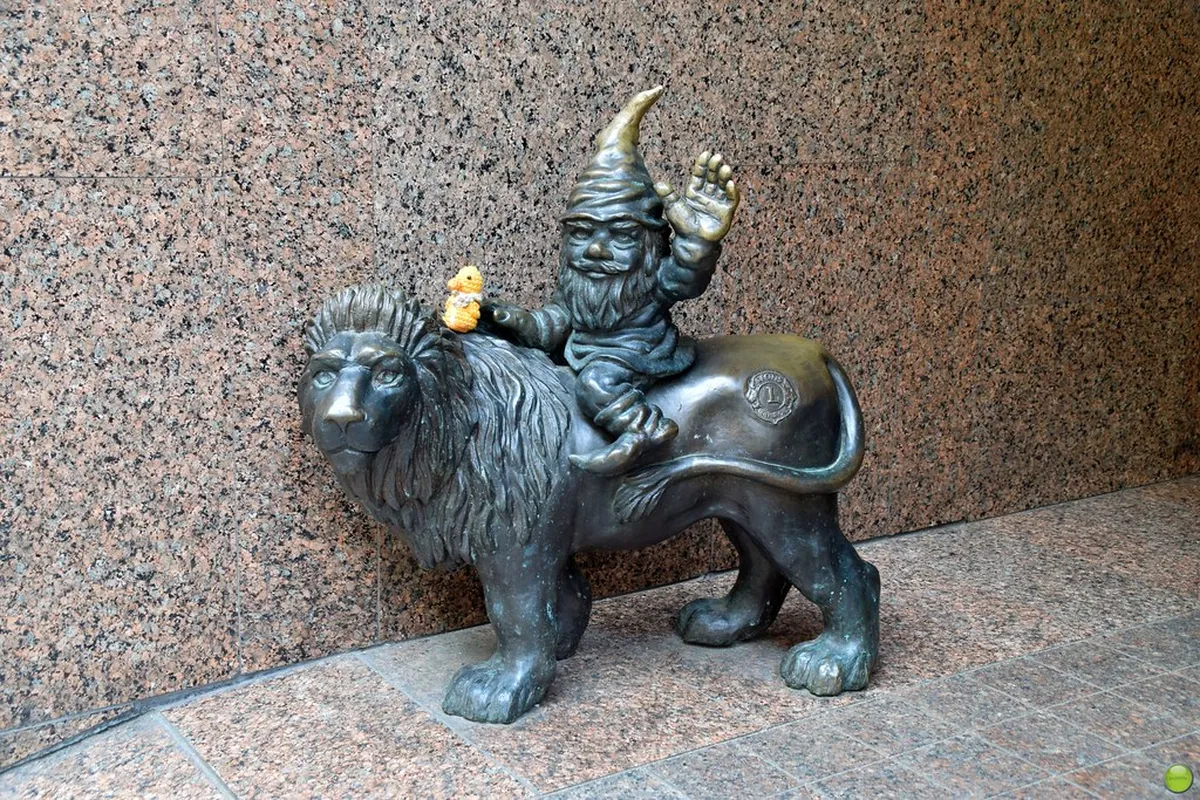
With more than 400 to choose from, a few have achieved genuine celebrity status. Knowing the most famous gnomes by name and location turns a meandering wander into a structured treasure hunt, and these landmarks anchor the best self-guided routes through the city.
| Name | Location | Why It Is Famous |
|---|---|---|
| Papa Dwarf (Tata Krasnolud) | Świdnicka Street underpass | The original 2001 sculpture by Tomasz Moczek; considered the patriarch of all Wrocław dwarfs |
| Sleepy Dwarf (Śpioch) | Rynek, near the Town Hall | Curled up asleep on a tiny bed — among the most photographed gnomes in the city |
| Drunk Dwarf (Pijaczek) | Świdnicka Street | Slumped against a bottle; a cheeky favourite with tourists and locals alike |
| Banker Dwarf | PKO Bank, Rynek | Wears a tiny suit and carries a briefcase; one of the earliest business-sponsored gnomes |
| Fencer Dwarf | Near Galeria Dominikańska | Poised mid-lunge with a foil; one of the most action-packed sculptures in the set |
| Sewer Dwarf (Kanciarz) | Near City Museum on Sukiennice | Half-submerged in a drain cover — easy to miss, beloved when found |
| Firewoman Dwarf | Near the fire station on Podwale | One of the few female figures; holds a tiny hose and wears a miniature helmet |
| Goldsmith Dwarfs | Świdnicka jewellery quarter | A cluster of three gnomes working at a tiny anvil — great for a single photograph |
Beyond the famous names, some of the most rewarding finds are the anonymous gnomes placed by local businesses with no publicity at all. A bakery on a side street off Oławska has a dwarf clutching a tiny bread roll; a tailor's near the University Bridge has one threading a needle roughly the size of a grain of rice. These spontaneous commissions are often the most creative and are almost never on the tourist maps.
Self-Guided Dwarf-Hunting Route: Old Town Core
This two-to-four-hour walking route covers the highest density of dwarfs in the city and connects naturally with the main sights of the Wrocław Old Town. Start at the Świdnicka Street underpass near the junction with Piłsudskiego, where Papa Dwarf and several of his earliest companions are clustered. This small area holds more than a dozen gnomes within 100 metres and is the logical birthplace of any dwarf tour.
Walk north along Świdnicka toward the Market Square, checking doorsteps and lamp bases as you go. The Drunk Dwarf appears near a bar entrance; the Banker Dwarf stands guard outside the PKO branch; the Goldsmith Dwarfs work their tiny forge outside a jewellery shop. By the time you reach Rynek, you should have found 20 to 30 gnomes without any serious effort. Spend time at the Market Square itself — the Sleepy Dwarf near the Town Hall is one of the best photo opportunities in the city, and several more are scattered around the square's perimeter arcades.
From the Market Square, head east toward the Salt Square (Plac Solny), where a flower market operates daily and several gnomes are embedded among the stalls. Continue north across the river toward Cathedral Island (Ostrów Tumski) — the walk across Tumski Bridge is pleasant and there are gnomes at both ends. The island holds fewer dwarfs than the Old Town core, but the ones here tend to be in quieter spots and are more satisfying to discover. Return via Świdnicka or loop back through the university quarter, where academic-themed gnomes are dotted around the main building on pl. Uniwersytecki.
Best time to hunt: Early morning (before 9am) gives you the quietest streets and the best light for photographs. Many gnomes are at ground level and benefit from low-angle morning sunlight that makes them easier to spot against stone paving. Weekend afternoons bring larger crowds, which can make it harder to crouch down for photos without disrupting pedestrian flow.
Why the Dwarfs Exist: Cultural Significance Today
It would be easy to dismiss the krasnale as clever city marketing — a photogenic hook that fills Instagram feeds and keeps tourists wandering for an extra half-day. That reading is not entirely wrong, but it misses the genuine affection Wrocław residents have for their gnomes. The dwarfs work because they exist at the intersection of three things the city cares about deeply: its history of resistance, its reputation as a creative and eclectic place, and its pride in being European Capital of Culture in 2016.
Local businesses commission dwarfs partly for footfall and partly because the gnome outside your premises signals that you are part of the city's fabric. There is genuine competition among shops and institutions to have the wittiest or most beautifully executed figure. The silversmith on ul. Świdnicka had their gnome redesigned twice before they were satisfied. A technology firm in the business district commissioned one clutching a laptop. These small acts of participation mean the dwarfs grow organically, driven by civic pride rather than top-down tourism strategy — even as Poland's national tourism portal poland.travel now showcases the krasnale among the country's most distinctive urban attractions.
For children growing up in Wrocław, the dwarfs are simply a fact of the streetscape — part of what makes their city different from every other city. School trips that incorporate gnome hunting are common. Adults who grew up in the Orange Alternative era see the figures as a living memorial to the movement's legacy. For visitors, they offer something rarer than most tourist attractions: genuine surprise. You cannot anticipate where the next one will be, and that uncertainty keeps you present and attentive to the city in a way that following a numbered list of sights never quite achieves.
Family-Friendly Tips: Gnome Hunting with Children
The Wrocław dwarf trail is genuinely one of the best family activities in Poland, and it requires no advance booking, no museum queues, and no minimum age. Children who are old enough to walk independently — roughly four and up — tend to be fiercely competitive gnome spotters, and their low eye level actually gives them a natural advantage over adults. Toddlers in pushchairs need a little help but can participate in the "I found one!" celebrations without any difficulty.
The key to keeping younger children engaged is to set a target that feels achievable before it feels exhausting. Aiming for ten gnomes in an hour works better than promising "as many as possible all day." The app's check-off feature functions like a real-time reward system — children can mark each one as found and watch their total grow, which motivates continued looking without any cajoling from adults. The Sleepy Dwarf near the Town Hall and the Sewer Dwarf near the City Museum are particular favourites with young visitors because they are both surprising and easy to photograph dramatically.
Pack the same things you would for any urban walking day with children: water, snacks, comfortable shoes, and a spare layer. The Old Town core is entirely flat, which means pushchairs and prams navigate it easily. Public toilets are available near the Market Square and in the shopping centre on Świdnicka. If energy flags, the Rynek has plenty of milk bar cafes and ice cream shops where a short break resets enthusiasm for another hour of hunting. For a full family itinerary in the city, see our guide to things to do in Wrocław, which weaves the dwarf route into a broader family-friendly day.
Dwarf passport: The tourist information office on Rynek sells a collectible "Dwarf Passport" booklet in which children can stamp or record each gnome found. It makes a far better souvenir than a plastic figurine from a gift shop and encourages a methodical approach that older children in particular enjoy.
Beyond the Old Town: Dwarfs Across the Whole City
Committed gnome hunters who exhaust the Old Town core can spend an entire additional day exploring the dwarfs scattered across Wrocław's outer districts. The Nadodrze neighbourhood, a gritty and gentrifying area northwest of the city centre, has developed its own cluster of gnomes reflecting its mix of artists, students, and long-term residents. A dwarf holding a paintbrush outside a community arts space is one of the most charming in the city and virtually unknown to short-stay tourists.
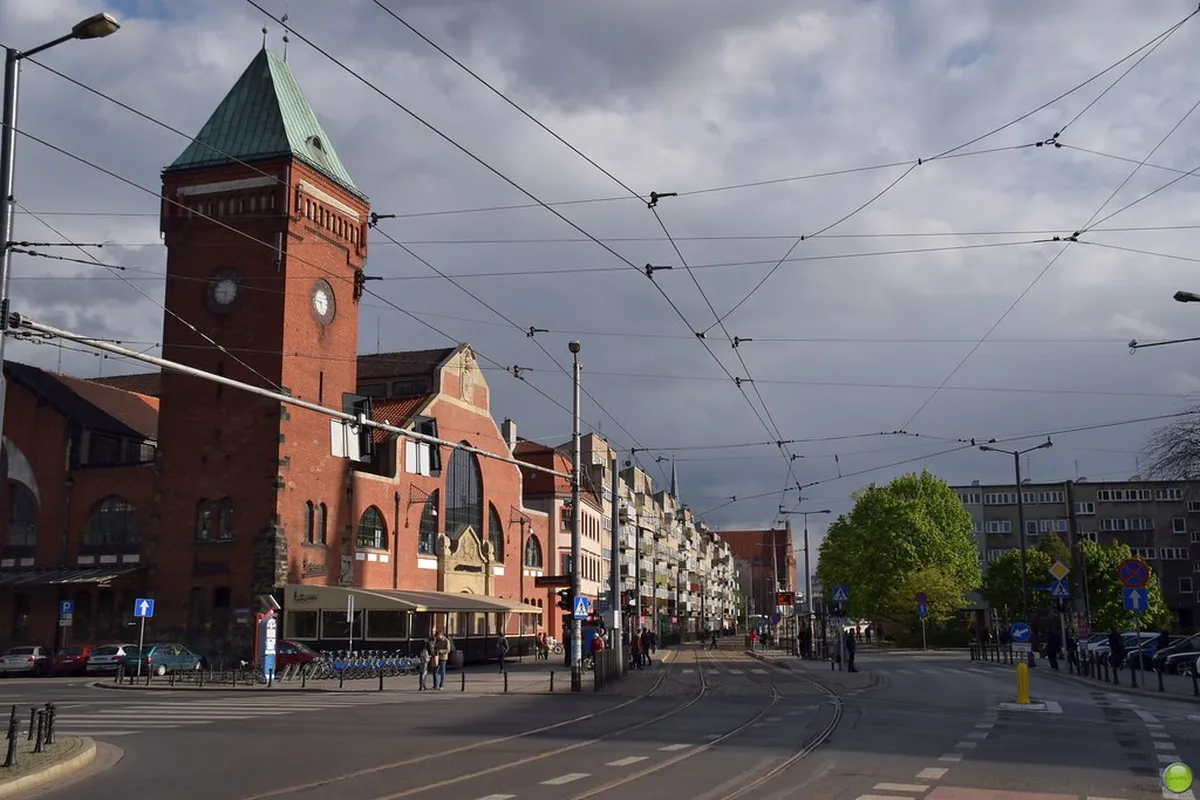
The Nowy Targ area, near the Galeria Dominikańska shopping centre, holds a dense cluster that includes the Fencer Dwarf and several gnomes commissioned by the adjacent businesses. The area around pl. Wróblewskiego, near the main railway station, has a handful more that reward anyone arriving or departing by train. The Hala Targowa market hall has gnomes both inside and outside the building — the indoor ones are particularly well executed and often go unnoticed by visitors focused on the food stalls.
For those combining the dwarf hunt with wider sightseeing, the route from Rynek to Cathedral Island naturally passes several mid-journey gnomes along Mostowa and Grodzka streets. The Millennium Bridge area also has a small gnome cluster near the riverside path. If you are spending multiple days in the city — and our Wrocław Old Town guide covers the broader sights well — dividing the dwarf hunt across two sessions prevents fatigue and ensures you approach each area with fresh eyes rather than gnome-spotting tunnel vision.
Practical Tips for Your Dwarf-Hunting Day
Wear comfortable walking shoes with flat soles — you will be bending down, crouching, and occasionally getting surprisingly close to pavement level to examine small bronze figures from the best angle. The Old Town's streets are cobbled in many sections, and while the surfaces are well maintained, heels or thin-soled shoes make a long walking day uncomfortable. A small daypack for water and snacks is preferable to carrying bags that restrict your ability to crouch or move freely in narrow doorways.
The best photographs of individual dwarfs come from getting low and shooting at their eye level — usually somewhere between 10 and 40 centimetres from the ground. A smartphone is perfectly adequate for this; the newer generation of phones handles low-light stone surfaces better than most compact cameras. Avoid using flash, which flattens the bronze texture; the natural detail of the casting is much more visible in ambient light, even on overcast days. Early morning and late afternoon light produces the most dramatic shadows that show up individual features.
Weather considerations: the dwarf hunt is one of the few Wrocław activities that works in any weather. Rain makes the bronze figures gleam more distinctly against wet stone, which actually improves photographs. Wind and cold are non-issues since you are never stationary for long. The only weather that genuinely hampers the hunt is heavy snow, which can bury ground-level gnomes entirely — though this creates its own entertaining challenge of spotting a hat or an outstretched hand poking through a light covering. For context on what Wrocław weather looks like across the year, our best time to visit Wrocław guide covers the seasonal breakdown in detail.
Guided Dwarf Tours and Organized Scavenger Hunts
Self-guided wandering works well for most visitors, but Wrocław also has a small industry of organized experiences built specifically around the dwarfs. Free walking tours of the city — several operators run daily departures from the Market Square — typically incorporate a dwarf-focused segment covering the Orange Alternative history and the most famous figures along Świdnicka. These tours last two to three hours and cost nothing upfront, though a tip of 40–60 PLN per person is standard. They are best suited to visitors who want the historical context delivered in person rather than read from a screen.
Private scavenger hunt experiences have grown significantly since 2022. Several Wrocław-based operators offer structured hunts in which participants receive a printed or app-based clue sheet and compete (individually or in teams) to find a set number of dwarfs within a fixed time. These work particularly well for groups of four or more, for corporate team-building days, and for families with older children who respond better to a competitive format than to open-ended wandering. Prices typically run from around 30 to 80 PLN per person depending on group size and whether a guide accompanies the hunt.
If you prefer a hybrid approach, the tourist information office on Rynek occasionally runs short themed walks focused exclusively on the dwarfs — check their notice board when you collect your printed map. These are usually free and require no booking. Whatever format you choose, the organized options add something the solo hunt cannot: local anecdotes about specific gnomes, insider knowledge of recently added figures that have not yet appeared on the app, and the satisfaction of knowing you have not missed something obvious while spending twenty minutes in the wrong courtyard.
When Dwarfs Disappear: Theft, Replacement, and Seasonal Additions
One thing that does not appear in any official guide is the uncomfortable reality that Wrocław's most beloved gnomes get stolen with surprising regularity. The Drunk Dwarf (Pijaczek) on Świdnicka has been taken at least three times over the years. Each time, the city and the original commissioning business have replaced the figure — typically within a few weeks — which means the gnome you photograph today may technically be the third or fourth iteration of the original casting. Locals treat this with a mixture of exasperation and dark amusement; the thefts have never stopped the tradition, and the replacements are usually identical to the originals.
Construction work removes gnomes temporarily. When Wrocław undertakes major paving or building work in a section of the Old Town — which happens regularly in a city that has been continuously renovating since the early 2000s — dwarfs in the affected zone are collected by the city and stored safely until the work is complete. If a specific gnome appears absent from a location you expected, this is the most likely explanation. The app does not always flag these temporary absences, so do not assume a blank GPS location means the figure has been permanently retired.
Seasonal and event-specific dwarfs add another layer for visitors who return to the city more than once. During the Wrocław Christmas Market in November and December, temporary themed gnomes — dressed in seasonal costumes or placed in miniature Christmas scenes — appear around the Rynek and on Świdnicka. These are not registered on the official app and are removed once the market ends, which makes them genuinely rare finds. The year 2025 saw the addition of several new permanent dwarfs to mark the anniversary of Wrocław's European Capital of Culture designation, and further commemorative additions are expected across 2026. If you visited two or three years ago, it is worth hunting the outer districts again — the map has changed.
Reporting missing dwarfs: The Wrocław Tourist Organisation encourages visitors to report a missing gnome via their website or at the tourist information desk on Rynek. They cross-reference reports against known construction schedules and theft incidents, which helps keep the official registry as accurate as possible.
Frequently Asked Questions
How many dwarfs are there in Wrocław in 2026?
There are over 400 registered dwarfs in Wrocław as of 2026, with new ones added throughout the year by local businesses, community groups, and individual commissions. The official app and printed map from the tourist information office on Rynek carry the most up-to-date count, though no single source can claim to list every gnome since unofficial figures appear without announcement.
What is the history behind the Wrocław dwarfs?
The dwarfs trace their origin to the Orange Alternative movement of the 1980s, a group of anti-communist activists who painted dwarf graffiti on walls across Wrocław to mock government censorship. The movement's happenings, including a famous 1988 march where thousands dressed as dwarfs, contributed to the political pressure that ended communist rule. The first bronze dwarf sculpture was installed in 2001 to honour that legacy, and the tradition of commissioning new figures has grown ever since.
Is there an official app or map for finding the Wrocław dwarfs?
Yes. The free official Wrocław Dwarfs app (available for iOS and Android) marks every registered gnome with GPS coordinates, names, and descriptions, and works offline once downloaded. The Wrocław Tourist Organisation also produces a printed fold-out map available from the tourist information office on the Market Square. Using both together gives the most complete coverage.
Is the Wrocław dwarf hunt good for families with young children?
It is one of the best family activities in the city. Children as young as four can participate, and their lower eye level gives them a natural advantage at spotting ground-based figures. The app's check-off feature works as an effective reward system. The Old Town route is entirely flat and pushchair-friendly, and the hunt can be broken into short sessions with cafe stops at the Market Square to keep energy levels up.
Wrocław's dwarfs are far more than a tourist gimmick. They are a living link to a courageous episode in Poland's history, a canvas for the city's wit and creativity, and one of the most genuinely engaging urban experiences you will find anywhere in Central Europe. Whether you hunt methodically with the app and a checklist, or wander and let discoveries come to you, the krasnale have a way of making the city feel intimate and surprising in equal measure. By the time you leave, you will almost certainly be looking for gnomes in every other city you visit — and finding, a little sadly, that none of them have any.
Start on Świdnicka Street, look low, and keep the app charged. The dwarfs are waiting.
More Wrocław Guides
Planning the rest of your Wrocław trip? These guides cover what to see, where to eat, and how to make the most of your time in the city.
- Best Things to Do in Wrocław: Complete 2026 Guide
- Wrocław Old Town Guide: Essential Sights and Tips
- Wrocław Itinerary: 2 Days in the City
- Wrocław Christmas Market Guide
- Where to Eat in Wrocław: Best Restaurants and Cafes
- Where to Stay in Wrocław: Best Areas and Hotels
- Best Day Trips from Wrocław
- Wrocław Nightlife Guide
- Best Time to Visit Wrocław
- How Many Days in Wrocław Do You Need?
- Getting Around Wrocław: Transport Guide
- Is Wrocław Worth Visiting?
You might also like


Continue reading
More guides you'll find useful