Wrocław Christmas Market 2026: A Complete Guide to the Rynek Festivities
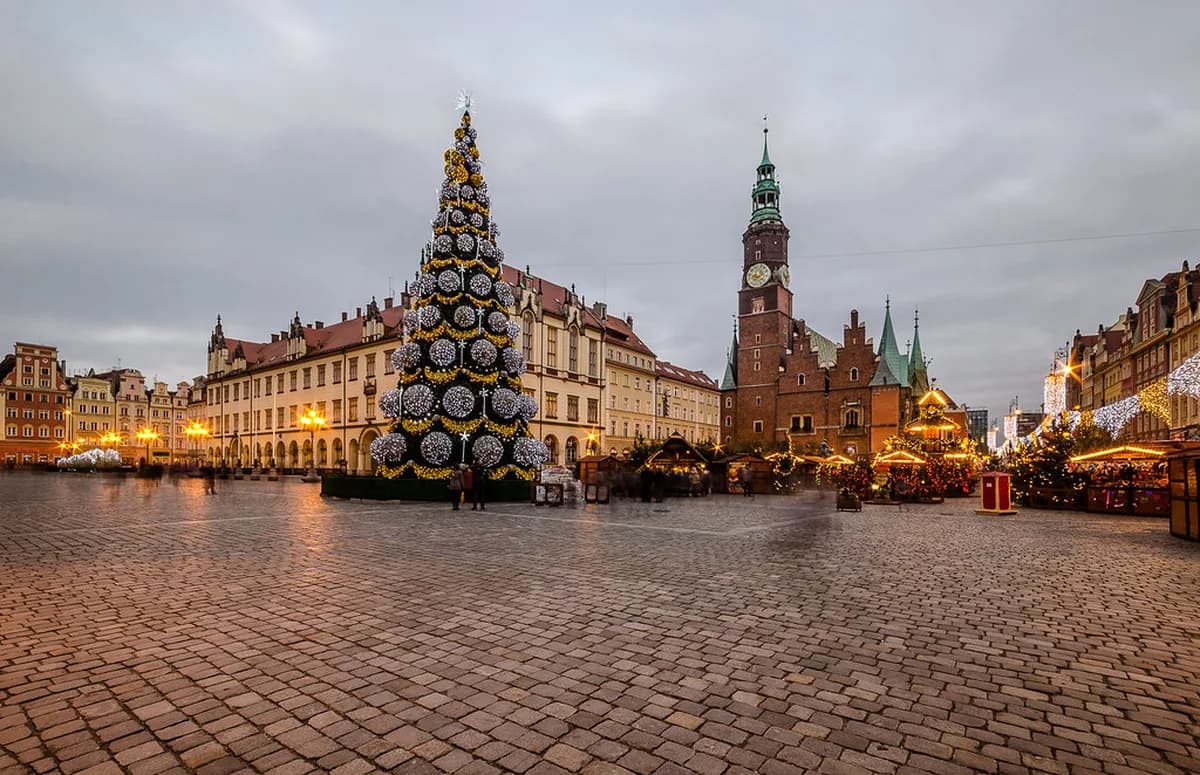
Every November, Wrocław's vast Market Square — the Rynek — undergoes a quiet transformation. Strings of warm lights appear between Gothic townhouses, the smell of spiced wine drifts across the cobblestones, and row upon row of wooden stalls begin to take shape around the central fountain. By the time the official opening weekend arrives, the Rynek looks like something lifted straight from a fairy-tale illustration.
The Wrocław Christmas Market has earned a devoted following among both Polish families and international visitors, and for good reason. It combines a genuinely beautiful historical setting with food and craft traditions that feel rooted rather than manufactured. This guide covers everything you need to plan a visit in 2026 — dates, layout, what to eat, what to buy, and how to weave in Wrocław's beloved dwarf hunt.
If you are still deciding whether to add Wrocław to your winter itinerary, our guide to things to do in Wrocław shows just how much the city has to offer beyond the market itself. Spoiler: the answer is a great deal.
2026 Dates, Opening Hours, and Market Layout
The Wrocław Christmas Market traditionally opens in the last days of November and runs until early January. For 2026, expect the market to open around 27–28 November and to close on or around 1 January 2027. Stalls are generally open daily from approximately 10:00 to 20:00, with food and drink vendors staying open until 22:00 on busy evenings. Always verify exact dates on the official Wrocław tourism website closer to your visit, as they can shift by a day or two each year.
The market occupies the full length of the Rynek — one of the largest medieval market squares in Europe at roughly 213 by 178 metres — and spreads into adjacent side streets. The layout is loosely divided into zones: food and drink stalls cluster around the central Old Town Hall and the Neptune Fountain, while craft and gift vendors tend to occupy the outer ring near the painted townhouses. An ice rink is installed in one corner of the square, adding a focal point for families and couples throughout the season.
Weekday mornings between 10:00 and 13:00 are the calmest time to browse. Weekend afternoons and the two weeks immediately before Christmas see the heaviest crowds. If atmosphere is more important to you than elbow room, a Friday or Saturday evening — when the square is fully lit and musicians are performing — is genuinely spectacular.
What to Eat and Drink at the Market
The food at the Wrocław Christmas Market is where first-time visitors often linger longest, and rightly so. The anchor drink is grzaniec — Poland's mulled wine — served hot in small ceramic mugs you can often keep as a souvenir for a small deposit. Wrocław's grzaniec tends to be spiced with cinnamon, cloves, and sometimes a measure of honey, and it costs in the range of 10–18 PLN per cup depending on the stall. There is also hot grzaniec made from apple juice for those who prefer a non-alcoholic version.
Oscypek is the market's most photographed food: a dense, smoked sheep's cheese from the Tatra Mountains, sliced and grilled on a small grill until the exterior caramelises. It is almost always served with a spoonful of sweet cranberry jam alongside. A portion runs roughly 10–14 PLN. If you have never tried it, start here — the combination of smokiness and sweetness is unlike anything else at a European winter market.
Pierogi appear at several stalls in both boiled and pan-fried form. Winter fillings tend toward ruskie (potato and white cheese), kapusta i grzyby (sauerkraut and mushroom), and occasionally meat. A plate of five or six pierogi costs around 18–30 PLN. Żurek — a sour rye soup served in a hollowed bread roll — is another warming option that many visitors overlook but should not. For the sweet-toothed, gingerbread (piernik) baked in the local Wrocław style is sold both as a simple snack and as decorated gift boxes. Roasted almonds with cinnamon sugar fill the air with a scent that is almost impossible to resist.
Stalls on the outer edges of the Rynek near the townhouses are generally a few zloty cheaper than those directly fronting the Old Town Hall. It is worth a quick walk around the full perimeter before committing to a particular food stall.
The Wooden Stalls: What to Buy
Around 150 to 200 wooden stalls are erected on the Rynek each year, and while some sell broadly similar items — amber jewellery, linen tablecloths, embroidered woollen scarves — the craft quality at Wrocław's market is generally high. A few categories stand out.
Hand-painted ornaments are Wrocław's unofficial Christmas Market signature. Look for blown-glass baubles produced by artisans from Lower Silesia: many feature local motifs — the Cathedral Island bridges, the Old Town Hall facade — that make for distinctive souvenirs. Prices range from around 15 PLN for a single small bauble to 80–120 PLN for larger hand-decorated pieces.
Amber jewellery, sourced from the Baltic coast, ranges from simple stud earrings at 30–50 PLN to elaborate silver-set pendants at 200 PLN and above. Ask vendors about the amber's provenance: reputable stalls will specify that pieces are made from natural rather than pressed amber. Sheepskin slippers and felted wool items from mountain craft workshops in southern Poland are practical and good value. Hand-carved wooden figures — nativity scenes, animal sculptures, intricate puzzles — come from a tradition of woodwork that predates the market by centuries.
If you are buying food as a gift, vacuum-packed oscypek (available at several stalls) travels well and keeps for several weeks. Wrocław-branded piernik gingerbread in decorative tins is another reliably well-received option.
Ice Rink, Live Music, and Seasonal Entertainment
The open-air ice rink on the Rynek is one of the market's most popular features for families and groups. Skate hire is available on-site, and sessions typically last 45 to 60 minutes. The rink operates throughout market hours and into the early evening; it tends to be busiest on weekend afternoons, so aim for a weekday slot if possible. Prices are modest — budget around 20–35 PLN for ice hire — and the backdrop of illuminated Gothic architecture makes for memorable skating.
Live entertainment runs throughout the season on a small outdoor stage near the Old Town Hall. Carol singers, folk ensembles, and children's choirs perform most evenings from early December. On weekends, the programme often includes theatrical performances and puppet shows aimed at younger visitors. Check the Visit Wrocław events calendar in late November for the confirmed 2026 schedule, as acts and timings are finalised close to the opening date.
One event worth planning around: the official market opening ceremony, usually held on the last Friday of November, includes a large fireworks display over the Rynek. Arriving early secures a good vantage point near the central fountain.
Combining the Market with the Wrocław Dwarfs Hunt
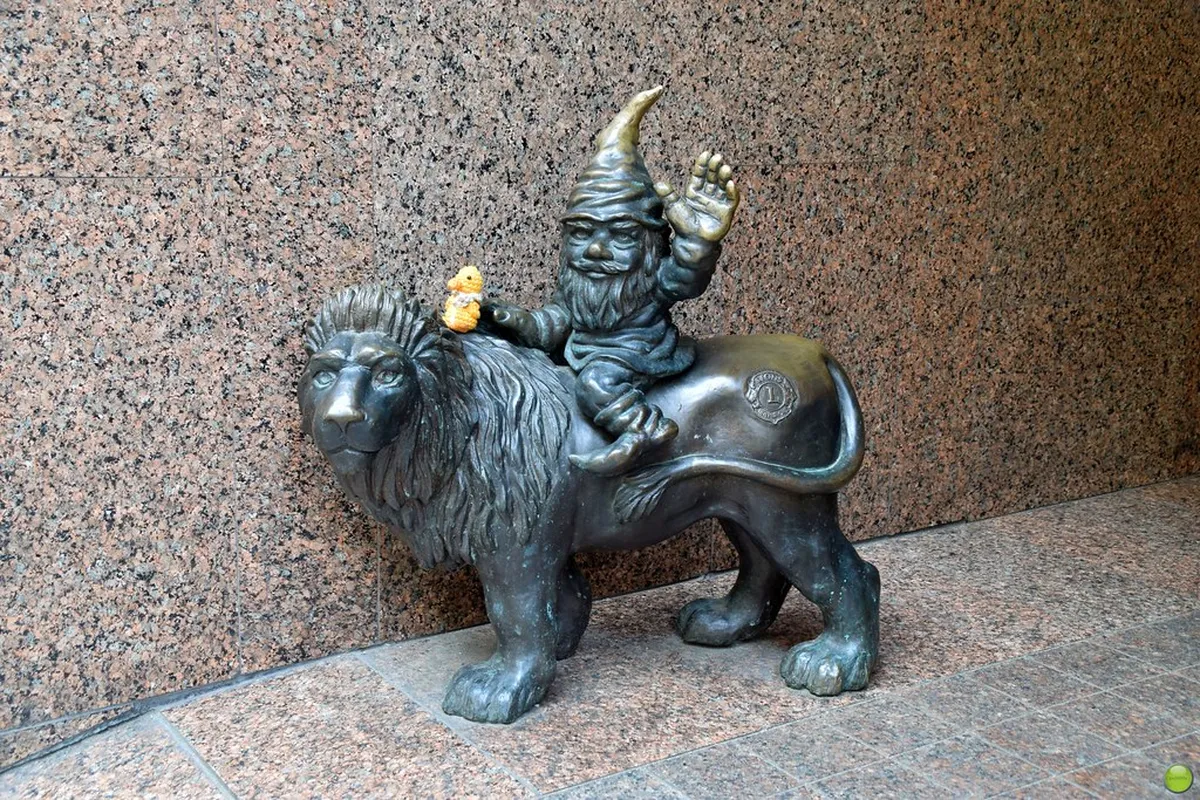
Wrocław's cast of small bronze dwarfs — scattered across the city on pavements, window ledges, and bridges — has grown to more than 600 figures, and the Christmas season is an excellent time to hunt for them. Several dwarfs appear near or on the Rynek itself, so you can begin a hunt without leaving the market area. The dwarf on the Neptune Fountain plinth, the baker dwarf outside a nearby café, and the market-stall dwarf holding a tiny Christmas tree are particular favourites during December.
Extending the hunt into the Wrocław Old Town takes you naturally past other highlights: the Cathedral Island (Ostrów Tumski) with its gas lanterns glowing in winter dusk, the elegant Jatki butchers' arcade lined with small animal sculptures, and the colonnaded surroundings of the Solny square, which hosts its own smaller seasonal market. A dedicated dwarf trail app is available for iOS and Android and marks every known location on an interactive map — a genuinely useful tool when navigating the Old Town's lanes in cold weather.
If you want to pace your visit properly across several days, our Wrocław Old Town guide covers the key streets and sights in detail, and pairs well with a morning at the market followed by an afternoon exploring on foot.
When to Visit and What to Expect from the Weather
December in Wrocław is cold. Average daytime temperatures sit between -2°C and 4°C, with nights dropping further. Snow is possible throughout the month and is most likely in the second half of December. When it does fall, the market becomes genuinely magical — lantern light on fresh snow around the Old Town Hall is the kind of scene that justifies a long journey. That said, wet and grey days are equally common, so waterproof boots and layered clothing are non-negotiable.
In terms of timing within the season, the first two weeks of December offer a good balance: stalls are fully stocked, the crowds have not yet peaked, and accommodation prices are somewhat lower than in the run-up to Christmas. The period from around 20–26 December is the busiest and most expensive. The days between Christmas and New Year tend to be quiet again, and many stalls run clearance pricing on remaining stock.
For a broader view of when Wrocław rewards visitors most, including how winter compares to other seasons, see our guide on the best time to visit Wrocław.
Where to Stay Near the Christmas Market
Staying within walking distance of the Rynek gives you the freedom to return in the evening when the market is at its most atmospheric, and to pop out early in the morning before the crowds build. The Old Town has a good spread of options from budget hostels in converted merchant houses to boutique hotels in renovated tenements just off the main square.
If the Old Town is fully booked — which is common for the weekends before Christmas — the area around Świdnicka Street and the train station is a 10–15 minute walk from the Rynek and generally offers better availability at lower prices. The tram network connects outlying neighbourhoods to the Old Town quickly; Wrocław's public transport is reliable and inexpensive.
Our dedicated guide to where to stay in Wrocław breaks down each neighbourhood with specific hotel and hostel recommendations across different budgets, including options that are particularly convenient during the Christmas Market season.
Book accommodation at least 6–8 weeks ahead for any December weekend. Prices for central Wrocław hotels can double in the fortnight before Christmas compared to early November rates.
Practical Tips Before You Go
Poland uses the Polish Złoty (PLN), not the Euro. Card payments are widely accepted at market stalls in Wrocław — more so than at some other Polish Christmas markets — but carrying 100–150 PLN in cash is sensible for smaller purchases and stalls that have card reader issues in cold weather. ATMs are readily available on streets bordering the Rynek, though our złoty payment calculator is worth a look first if your card charges an FX fee or the machine offers to bill you in your home currency. Shop hours are the other December trap: only three Sundays trade in 2026, which our Sunday and holiday checker will confirm for your dates.
The nearest car parks to the Rynek are underground on Świdnicka and near the Galeria Dominikańska shopping centre, but both fill quickly on weekends. Arriving by train is genuinely the easier option: Wrocław Główny station is about 15 minutes on foot from the market, or two tram stops. From most major Polish cities, Wrocław is well connected by PKP intercity services.
A practical daily budget for the market itself — two mulled wines, a plate of oscypek, a bowl of żurek, and a small craft purchase — comes to roughly 80–130 PLN per person. Adding an ice-skating session and a sit-down lunch in a nearby restaurant brings the total to around 150–250 PLN. The market itself is free to enter.
| Item | Approximate Price (PLN) |
|---|---|
| Grzaniec mulled wine (cup) | 10–18 |
| Grilled oscypek with cranberry | 10–14 |
| Plate of pierogi (5–6 pieces) | 18–30 |
| Żurek in bread roll | 18–25 |
| Gingerbread (piernik) | 5–15 |
| Ice rink entry + skate hire | 20–35 |
| Hand-painted glass bauble | 15–120 |
| Amber pendant (natural) | 50–200+ |
Beyond the Rynek: The Market's Four Locations
Most visitors arrive expecting a single square and discover something considerably larger. The Wrocław Christmas Market sprawls across four connected areas, and understanding the layout helps you plan your time rather than stumbling between them.
The Rynek is the centrepiece, but Plac Solny — the Salt Square, a smaller medieval trading square just one minute's walk from the Rynek's southwest corner — runs its own cluster of stalls with a noticeably quieter atmosphere and marginally lower prices. It is worth seeking out deliberately rather than happening upon it. Świdnicka Street, which connects the Rynek toward the Opera House, was extended in recent years and now carries festive decoration and food stalls along much of its length. Oławska Street, heading northeast from the square, hosts additional vendors and provides a natural route toward Cathedral Island.
The practical upshot: if the Rynek feels crowded, the Salt Square almost never is. Locals use it as their preferred spot for mulled wine precisely because the tourist pressure is lower. The stalls there tend to favour food and local produce over the souvenir-heavy mix of the main square.
The four market zones are all within a five-minute walk of each other. A full circuit — Rynek, Plac Solny, Świdnicka Street, Oławska Street — takes about 90 minutes at a comfortable browsing pace, not counting time spent eating or drinking.
The Boot Mug, the Deposit, and Key Closure Dates
One thing that catches first-time visitors off guard is the mulled wine mug system. At Wrocław's market, grzaniec is served in a ceramic mug shaped like a festive boot, stamped with the current year. When you order, you pay for the drink plus a deposit of 20 PLN for the mug. You have two options: return the mug to any stall and get your 20 PLN back, or keep it as a souvenir at no additional charge beyond the deposit.
The boot mugs have become something of a collector's item — the year changes annually and the design evolves slightly, which is why you will see people carrying theirs around the whole evening rather than returning them immediately. If you are visiting for multiple days, there is no reason to redeem the deposit on day one. Note that the official mulled wine stalls typically accept cash only for these transactions, even when other purchases at the same stall are card-friendly. Bring at least 100 PLN in small notes on your first evening.
On dates: the market is closed on 24 and 25 December and on 1 January. On 26 December, stalls reopen from 13:00. On New Year's Eve, the retail stalls close around 17:00 but food and drink vendors continue into the early hours. The large-scale New Year's fireworks party on the Rynek that the city once hosted has not returned since 2019; the square on 31 December is lively but no longer an organised public event. The Christmas tree lighting ceremony — a genuine crowd moment — traditionally takes place on or around 5–6 December and is worth timing your trip around if flexibility allows.
The Garden of Lights at Wrocław Zoo
Running concurrently with the Christmas Market each winter, the Garden of Lights at Wrocław Zoo is the city's best-kept festive secret and a genuine evening alternative when the Rynek crowds peak. The zoo transforms its grounds into an illuminated trail with large-scale light installations: glowing animal sculptures, lit forest paths, and themed sections that change each year. It runs from late November through early January, typically on evenings from around 16:30.
The zoo is located in the Szczytnicki district, roughly 3 kilometres from the Old Town, reachable in about 20 minutes by tram from the Rynek (trams 1, 2, 4, and 10 serve stops close by). Entry to the light trail is separate from zoo admission and costs in the range of 35–55 PLN per adult; children under three enter free. Pre-booking online via the official Wrocław Zoo website is advisable for weekends in December, as capacity is limited and it sells out. Combining an early evening at the Garden of Lights with a later return to the Rynek — which is at its most beautiful after 19:00 when the crowd thins slightly — makes for an unusually full and varied winter day.
This combination works especially well on weekdays: fewer people at both venues, and the tram back from the zoo deposits you at the market with a full evening of mulled wine and browsing still ahead. No other winter event in Wrocław offers quite the same contrast — the quiet of a lantern-lit zoo path versus the noise and warmth of a packed medieval square — within the span of a single evening.
Frequently Asked Questions
When does the Wrocław Christmas Market open in 2026?
The Wrocław Christmas Market is expected to open around 27–28 November 2026 and run until approximately 1 January 2027. Stalls are generally open daily from 10:00 to 20:00, with food and drink vendors often staying open until 22:00 on busy evenings. Check the official Visit Wrocław website closer to your travel date for confirmed 2026 opening details.
What is the best food to try at the Wrocław Christmas Market?
The must-try items are grzaniec (Polish mulled wine), grilled oscypek sheep's cheese served with cranberry jam, and pierogi dumplings with winter fillings such as sauerkraut and mushroom. Żurek sour rye soup in a bread bowl is also excellent and often overlooked by first-time visitors. Wrocław-style piernik gingerbread makes a good sweet treat or gift to take home.
Is the Wrocław Christmas Market worth visiting?
Yes, the Wrocław Christmas Market is widely considered one of the best in Poland and among the top Christmas markets in Central Europe. The combination of one of the largest medieval market squares in Europe, high-quality local crafts, genuine Polish food traditions, and the surrounding Gothic architecture makes it genuinely special. It is equally rewarding for solo travellers, couples, and families with children.
Can I combine the Christmas Market with other things to do in Wrocław?
Absolutely. The market pairs naturally with a dwarf hunt around the Old Town, a visit to Cathedral Island (Ostrów Tumski), and exploring the side streets of the historic centre. Many visitors also use the Christmas Market as a base for a broader Wrocław winter break. Our guide to things to do in Wrocław covers all the main attractions within easy walking distance of the Rynek.
The Wrocław Christmas Market is one of those rare seasonal events that holds up in person as well as it looks in photographs. The Rynek's sheer scale means it never feels claustrophobic even on busy evenings, the food is genuinely excellent, and the surrounding Old Town provides a backdrop that no purpose-built market can replicate. Whether you are after a single afternoon of mulled wine and browsing, or building a longer winter city break around it, Wrocław delivers.
Dress for the cold, arrive on a weekday morning if you can, eat the oscypek, and do not leave without hunting at least a few dwarfs in the side streets. The market is free, the trams are cheap, and the city repays every extra hour you give it.
Start your planning with our overview of things to do in Wrocław and use the where to stay in Wrocław guide to lock in accommodation before the good central rooms sell out. The Rynek will be waiting.
You might also like


Continue reading
More guides you'll find useful