

18 Best Things to Do in Gdansk
Even frequent visitors to this Baltic port keep finding new corners of the Main City to explore. Gdansk offers a rare blend of Hanseatic architecture, gritty shipyard history, and a vibrant modern culinary scene. This guide covers the essential sights while helping you navigate the common confusion between the Old Town and the Main City. Updated July 2026, this list reflects the latest opening hours and pricing for the 2026 travel season.
Many first-time visitors head straight to the 'Old Town' only to realize the most iconic buildings are in the 'Main City'. Główne Miasto (Main City) holds the Royal Route, while Stare Miasto (Old Town) is quieter and home to the Great Mill. Understanding this distinction is the first step toward a successful itinerary in this resilient Polish port city. Whether you are here for the history or the amber, Gdansk consistently rewards those who wander off the primary path.
Key Takeaways
- Quick Pick (Best Overall): The Museum of the Second World War for its incredible depth and modern curation.
- Quick Pick (Best for Families): Oliwa Park and Cathedral for the gardens and the famous organ concerts.
- Quick Pick (Best Free Activity): Walking the Royal Route and Motława waterfront at sunset.
- Practical Tip: Most museums are closed on Mondays; plan your shopping or day trips for this day.
- Important Reminder: Use the SKM train for fast and cheap travel between Gdansk, Sopot, and Gdynia.
Planning Your Visit to the Tricity Hub
Deciding Is Gdansk Worth Visiting? 7 Key Things to Know Before You Go usually takes just one look at the colorful facades of Long Market. Most travelers find that three full days allow enough time to see the core sights and take one day trip. The city is exceptionally walkable, though the SKM train system makes reaching Sopot or Gdynia very simple. According to the Official Visit Gdańsk Portal, the summer months bring the most crowds and festivals.

If you prefer quieter streets, consider visiting during the shoulder seasons of May or late September. The weather remains mild enough for walking, but the lines for the major museums are significantly shorter. Winter visitors can enjoy the famous Christmas Market, which is often ranked among the most beautiful in Europe. Knowing Best Time To Visit Gdansk Travel Guide helps you balance weather preferences with your budget.
Budgeting for your trip is straightforward as Poland remains more affordable than most Western European destinations. Typical daily spending for a mid-range traveler ranges from $60 to $90 including meals and museum entries. Credit cards are accepted almost everywhere, from high-end boutiques on Mariacka Street to small milk bars. Always keep a few coins handy for public restrooms or small tips for street performers along the river.
Skip museums on Mondays: Many state-run museums close on Mondays. Plan shopping, amber hunting on Mariacka Street, or day trips to Sopot/Malbork for these days to maximize your itinerary.
18 Best Things to Do in Gdansk
The following list represents a curated mix of historical landmarks, cultural institutions, and local hidden gems. I have grouped these items to help you plan your walking route through the Main City and beyond. Each entry includes practical details like typical costs and operating hours to assist with your daily scheduling. Remember that many museums offer free entry on specific days, so check official websites before booking.
To maximize your time, start your mornings at the larger museums like the Second World War site or Solidarity Centre. These locations require several hours to fully appreciate and tend to get crowded by early afternoon. Afternoons are better spent wandering the historic streets or browsing the amber shops on Mariacka. This balance ensures you see the heavy history without feeling overwhelmed by information by the end of the day.
If you are traveling with family, the maritime exhibits and the Oliwa Park offer great outdoor spaces. Solo travelers will find the city very safe and easy to navigate at night, especially around the Motława River. Couples often prefer the sunset views from the high towers or a romantic dinner in the cellar restaurants. This list ensures there is something for every type of traveler visiting the Polish coast.
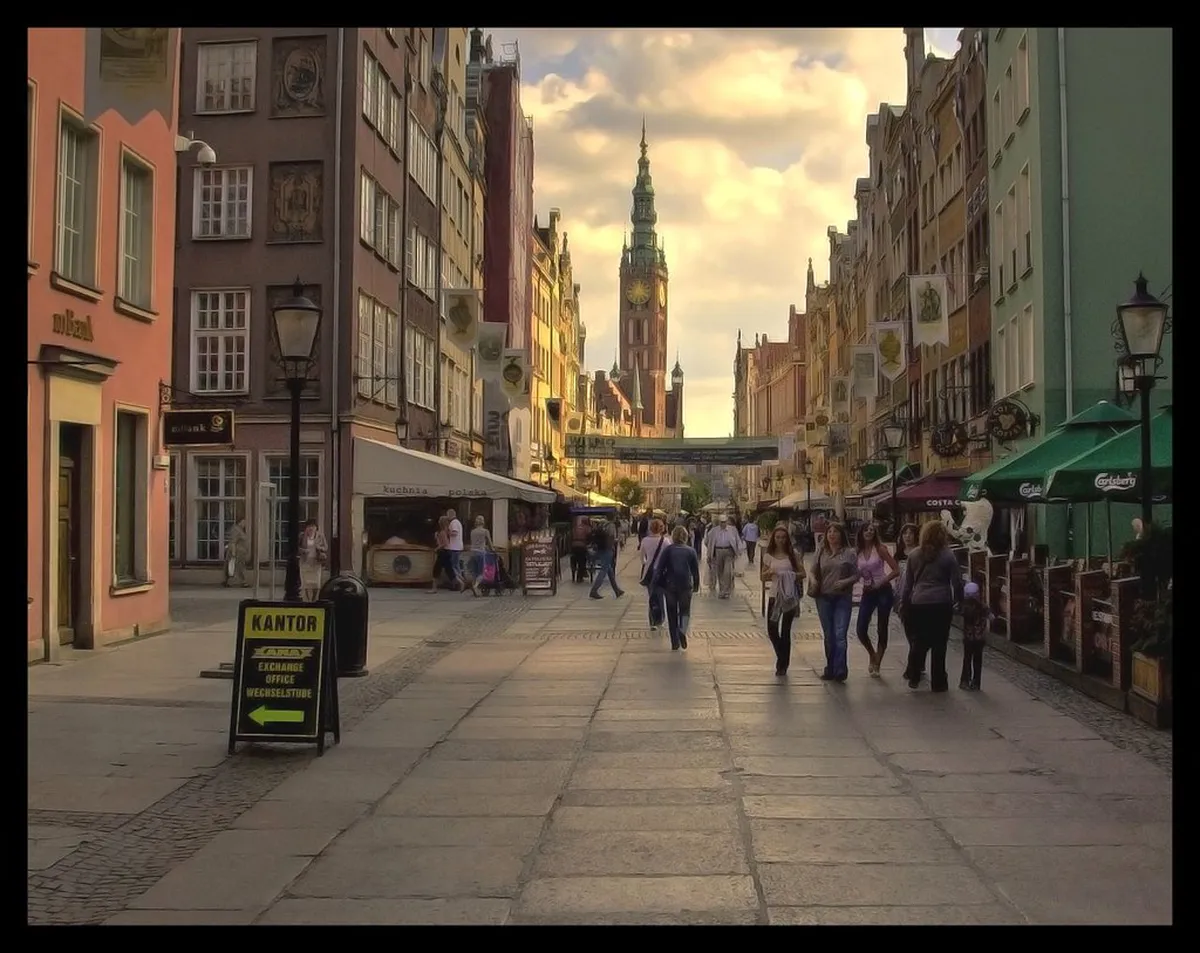
- Walk the Royal Route along Długa Street
- This historic thoroughfare serves as the city's primary artery and features stunningly restored Hanseatic architecture.
- Expect to spend about an hour walking from the Golden Gate to the Green Gate at no cost.
- The street is open 24/7 and is best visited in the early morning to avoid the largest tour groups.
- Visit the Museum of the Second World War
- This world-class institution provides a comprehensive and moving look at the global conflict from a Polish perspective.
- Tickets cost approximately 30–40 PLN ($8–$10) and the museum is open Tuesday through Sunday from 10am to 6pm.
- Set aside at least three hours for the main exhibit as the underground galleries are vast and detailed.
- Climb the Tower of St. Mary’s Basilica
- Scaling the 400 steps of this massive brick church rewards you with the best panoramic views of the city.
- Entry to the tower is roughly 15–20 PLN ($4–$5) and it typically opens daily from 9am to 6pm.
- The climb is narrow and steep, so wear comfortable shoes and avoid bringing large backpacks into the stairwell.
- Explore the European Solidarity Centre
- Located near the shipyards, this interactive museum tells the story of the movement that ended communist rule.
- Standard admission is about 30 PLN ($8) and the center is open daily from 10am to 6pm.
- Do not miss the rooftop terrace for a unique view of the industrial shipyard cranes and the monument nearby.
- Find the Iconic Gdansk Crane (Żuraw)
- This medieval port crane is the most recognizable symbol of the city and houses part of the Maritime Museum.
- Viewing the exterior is free, while interior maritime exhibits cost around 15 PLN ($4) with 10am to 4pm hours.
- The structure is currently undergoing periodic renovations, so check the official site for interior access updates before visiting.
- Stroll Along the Motława River Waterfront
- The riverside boardwalk is lined with restaurants, street performers, and beautiful views of the historic Granary Island.
- Walking the promenade is free and accessible 24/7, though the atmosphere is most vibrant at sunset.
- Keep an eye on the footbridge schedule as it opens and closes every 30 minutes to allow boat traffic.
- Shop for Amber on Mariacka Street
- Known as the most beautiful street in Gdansk, Mariacka is famous for its ornate terraces and amber jewelry.
- Window shopping is free, while jewelry prices vary wildly from small silver rings to expensive museum-grade pieces.
- Most workshops open around 10am and close by 6pm, offering a chance to see artisans at their craft.
- See the Amber Altar at St. Bridget’s Church
- This church features a spectacular 12-meter high altar made entirely of Baltic amber, a true hidden gem.
- A small donation of 5–10 PLN ($1.50–$2.50) is requested for entry, usually between 10am and 6pm.
- The altar is still a work in progress and represents a modern masterpiece of Polish religious and decorative art.
- Visit the Museum of the Polish Post
- This site commemorates the heroic defense of the post office during the first hours of World War II.
- Admission is approximately 15 PLN ($4) and the museum is open from 10am to 4pm, closed on Tuesdays.
- The monument outside is a powerful tribute and is one of the most photographed spots for history buffs.
- Take a Photo on the Bread Bridge
- Most Chlebowy is a small bridge over the Radunia Canal famous for its 'love locks' and view of the Mill.
- Access is free and open 24/7, located just a short walk from the main tourist crowds of Długa.
- Visit during the 'blue hour' just after sunset for the best lighting on the historic Great Mill building.
- Admire Neptune’s Fountain and Artus Court
- This bronze statue of the sea god has stood as a city protector since the 17th century in Long Market.
- Viewing the fountain is free, while entering the adjacent Artus Court costs about 20 PLN ($5) during daytime hours.
- The fountain is a popular meeting point and is surrounded by some of the most intricate facades in Poland.
- Relax at Oliwa Park and Cathedral
- Located in a quiet northern district, this park features French-style gardens and a famous organ in the cathedral.
- Park entry is free and the cathedral is open 7am to 7pm, with organ demonstrations occurring frequently in summer.
- Take the SKM train to the Gdansk Oliwa station for a quick 15-minute journey from the city center.
- Visit the Westerplatte Peninsula
- This is the site where the first shots of WWII were fired and now serves as a memorial park.
- The outdoor monument area is free and open 24/7, while the small seasonal museum has varying hours.
- Take the water tram from the Motława riverfront for a scenic and historical approach to the peninsula.
- Experience the Gdansk Christmas Market
- Running from late November through December, this market transforms Coal Market into a festive winter wonderland.
- Entry is free, though you will want to bring cash for traditional snacks like oscypek or hot mulled wine.
- Try to visit on a weekday evening to avoid the massive weekend crowds from across Poland and Scandinavia.
- Take a Day Trip to Sopot Pier
- Sopot is a seaside resort town featuring the longest wooden pier in Europe and a sandy Baltic beach.
- Entry to the pier costs about 10 PLN ($2.50) during the high season and is free in winter months.
- The town is easily reached via a 20-minute train ride, making it a perfect afternoon escape from the city.
- Explore Malbork Castle
- This UNESCO World Heritage site is the largest brick castle in the world and a former Teutonic stronghold.
- Tickets range from 70–80 PLN ($18–$20) and include a high-quality audio guide for the four-hour tour.
- Catch a direct train from Gdansk Glowny; the journey takes about 45 to 60 minutes depending on the service.
- Discover the Wisłoujście Fortress
- This unique circular fortification once guarded the entrance to the Gdansk harbor from the Baltic Sea.
- Admission is around 20 PLN ($5) and the site is typically open from 10am to 6pm during the summer.
- It is one of the few surviving maritime fortresses of its kind and offers a gritty, unpolished historical experience.
- Visit the Amber Museum in the Great Mill
- Housed in a massive medieval mill, this museum showcases the history and artistry of 'Baltic Gold'.
- Tickets cost roughly 25 PLN ($6) and the museum is open daily from 10am to 6pm.
- The modern exhibits inside the historic brick walls provide a fascinating contrast and some of the world's best specimens.
Use the SKM train: The fast regional train (SKM) connects Gdańsk, Sopot, and Gdynia for just 6–9 PLN per trip. It's the cheapest and fastest way to reach Oliwa Park, the seaside beaches, and day trips — avoid expensive taxis or tourist coaches.
Is the Gdansk Tourist Card Worth Buying?
The Gdańsk Tourist Card Official Site offers several tiers that can save you significant money if planned correctly. For a 48-hour trip, the 'Sightseeing' package covers major entries like the WWII Museum, the Crane, and St. Mary's Tower. If you plan to visit at least three major paid attractions per day, the card usually pays for itself by the second afternoon. The card is most valuable for travelers who also want the public transport add-on for Sopot trips.
| Attraction | Admission | Hours | Duration |
|---|---|---|---|
| Museum of the Second World War | 30–40 PLN | Tue–Sun 10am–6pm | 3+ hours |
| Tower of St. Mary's Basilica | 15–20 PLN | Daily 9am–6pm | 1 hour |
| European Solidarity Centre | 30 PLN | Daily 10am–6pm | 1.5–2 hours |
| Gdansk Crane Maritime Museum | 15 PLN | Daily 10am–4pm | 45 mins |
| Museum of the Polish Post | 15 PLN | Daily 10am–4pm (closed Tue) | 45 mins |
| Malbork Castle | 70–80 PLN | Daily varies | 4 hours |
| Amber Museum (Great Mill) | 25 PLN | Daily 10am–6pm | 1–2 hours |
A 24-hour card starts around 80 PLN, while the 72-hour version offers the best value at approximately 150 PLN. Keep in mind that many museums are closed on Mondays, which can diminish the card's value if your trip overlaps. Always calculate your must-see list against the individual ticket prices before making the purchase. The card also provides discounts at several local restaurants and amber shops, which is a nice secondary bonus.
A common first-timer mistake is buying the card without checking the free museum days. Many state-run museums offer free entry on Tuesdays or Sundays, making the card redundant for those specific days. Check the current schedule on the official portal to ensure you are not paying for what you could get for free. The digital version of the card is very convenient and can be managed entirely through your smartphone.
What to Skip: Avoiding the Tourist Traps
While Długa Street is beautiful, it is also home to some of the most overpriced and mediocre food in the city. Many restaurants here cater specifically to day-trippers and cruise ship passengers who won't return. You will often find better quality and lower prices by walking just two blocks north or south of the main thoroughfare. Avoid the generic 'International Cuisine' spots and look for places with shorter, more focused Polish menus.
The 'Amber' shops located directly on the main square often carry mass-produced items at a significant markup. For authentic pieces and better prices, I recommend the smaller galleries tucked away on Mariacka Street or Piwna Street. Ask the shopkeepers for a certificate of authenticity to ensure you are buying genuine Baltic amber rather than plastic imitations. Local artisans are usually happy to explain the differences in amber colors and the inclusion of ancient insects.
Some of the 'Pirate Ship' cruises on the Motława can feel a bit gimmicky and loud with blaring music. If you want a boat experience, the public water tram or a smaller private electric boat offer a more peaceful perspective. These alternatives allow you to actually hear the history being shared or simply enjoy the sound of the water. The water tram is also significantly cheaper and follows a similar route toward Westerplatte or the shipyards.
Where to Eat and Stay in Gdansk
For the best culinary experience, head to Pierogarnia Mandu for creative takes on traditional Polish dumplings. Expect a wait at peak times, but the handmade quality and variety of fillings make it well worth the patience. If you want a more casual 'Milk Bar' experience, Bar Turystyczny offers massive portions of home-cooked food for under $8. This is where locals eat, and the atmosphere is unpretentious and authentically Polish.
When choosing 10 Best Areas for Where to Stay in Gdansk, the Main City is the best choice for first-timers. Staying near the river puts you within walking distance of almost every item on this list. If you prefer a quieter, more local vibe, the Wrzeszcz district offers trendy cafes and better access to the SKM train. This area is becoming a hub for young professionals and features some of the city's best modern architecture.
Luxury travelers should look at the boutique hotels along the waterfront for the best views and service. Budget travelers will find excellent hostels and apartments in the Old Town area, which is just a 10-minute walk from the center. Booking at least two months in advance is recommended if you are visiting during the St. Dominic's Fair in August. This massive street fair brings millions of visitors and fills the city's accommodation to capacity.
Explore things to do in other cities
Frequently Asked Questions
What is the difference between Gdansk Old Town and Main City?
The Main City (Główne Miasto) contains the most famous landmarks like the Royal Route and Neptune's Fountain. The Old Town (Stare Miasto) is actually a separate district to the north, home to the Great Mill and St. Catherine's Church.
How many days do you need in Gdansk?
Three days is ideal for seeing the city's main historical sites and museums. This timeframe also allows for a half-day trip to Sopot or the Malbork Castle, which is a must-see UNESCO site nearby.
Is Gdansk walkable for tourists?
Yes, the central historic districts are very compact and entirely pedestrian-friendly. You only need public transport or the SKM train to visit outlying areas like Oliwa Park, the shipyards, or the seaside beaches.
Gdansk is a city that wears its complex history on its sleeve, offering a depth that many other European destinations lack. From the medieval crane to the modern shipyard monuments, every corner tells a story of resilience and rebirth. By following this guide, you can navigate the crowds and find the authentic experiences that make this city special. Whether you are here for the architecture or the history, Gdansk is sure to leave a lasting impression on your travels.
Don't forget to leave some time in your schedule for unplanned wandering through the side streets. The best moments in Gdansk often come from stumbling upon a small basement cafe or a quiet courtyard. Enjoy your journey through this Baltic treasure and safe travels on your Polish adventure.
Top Gdańsk Guides
The guides we reach for most when planning a Gdańsk trip — what to see, when to visit, where to stay and eat, and how to get around.
- Gdansk Old Town Visitor Guide: 8 Essential Sights & Tips
- Gdansk Neighborhoods Guide: Explore Diverse Districts
- Gdansk Beaches and Sopot Day Trip: 8 Essential Planning Tips
- Gdansk Itinerary 3 Days: Your Ultimate Guide
- Best Time To Visit Gdansk Travel Guide
- 10 Best Areas for Where to Stay in Gdansk (2026)
- 10 Best Day Trips from Gdansk: A 2026 Planning Guide
- 12 Best Places Where to Eat in Gdansk (2026 Guide)
- Visit Malbork Castle From Gdansk: Ultimate Day Trip Guide
- Getting Around Gdansk: Your Ultimate Transport Guide
- Best Cafés in Gdańsk
- Gdańsk in Winter
- Gdańsk Weather by Month
- Discover Amber in Gdansk: A Buyer's Guide for 2026
- Best Area to Stay in Gdansk: Top Neighborhoods Guide
- Best Hotels in Gdansk: Your Ultimate 2026 Guide
- Top Free Things to Do in Gdansk (2026 Guide)
- Gdansk Airport to City Centre: Your Best Transport Guide
- 12 Best Gdansk Festivals and Events: The Ultimate Guide (2026)
- Perfect Gdansk Itinerary: 2 Days Exploring History & Charm
- 10 Essential Gdansk Travel Tips: A Complete Guide to Poland’s Baltic Gem
- Your Ultimate Gdansk Weekend Trip Planner 2026
- Gdansk with Kids: Ultimate Family Guide to Fun
- Gdynia from Gdansk: Your Essential Day Trip Guide
- Traditional Polish Food in Gdansk: A Culinary Guide
- Gdansk Boat Trips
- Gdansk Christmas Market 2026
- Gdansk Nightlife Guide
- Gdansk Stag Do Guide
- Gdansk Walking Tour
- How Many Days In Gdansk Travel Guide
- How to Get to Gdansk
- Is Gdansk Worth Visiting? 7 Key Things to Know Before You Go
- Is Gdansk Safe? A 2026 Traveler's Safety Guide
- Shopping in Gdansk
Explore More of Poland
Planning a wider Poland trip? These related guides connect this destination with the rest of the country.
You might also like


Continue reading
More guides you'll find useful