
10 Essential Things to See at Sopot Pier (Molo w Sopocie)
The Sopot Pier, known locally as Molo w Sopocie, reaches just over 511 metres into the Baltic Sea. That makes it the longest wooden pier in Europe, and the calm walk out to the marina is the town's signature experience.
This guide covers ten essential things to see around the pier, from Monte Cassino Street to the Forest Opera in the hills. Sopot rewards even a single afternoon trip from Gdansk or Gdynia - its compact footprint means you can walk the pier, Monciak, and the Forest Opera hills in one day. We also cover ticket prices, opening hours, and the SKM train connections you need for a smooth day trip from Gdansk or Gdynia. Start at the wider Sopot attractions guide if you want the full lay of the town first. Last updated July 2026.
The Sopot Pier (Molo): Europe's Longest Wooden Pier
French physician Jean Georges Haffner built the first version of this pier in 1827 as a small hydrotherapy jetty. His original structure measured just over 31 metres, and workers took it apart every winter to protect it from ice. Sopot rebuilt and extended it in stages, first to 150 metres, then 315 metres, before it reached 511 metres in 1928.
Today's pier is a Grade I listed structure that runs 511 metres out over the Gulf of Gdansk. It links Spa Square, with its historic fountain and concert shell, to Marina Sopot at the far end. The marina holds up to 100 vessels, so you'll see yachts, water taxis, and cruise boats docked at the pier's tip. The Sopot Lighthouse sits right at the landward end of the pier, making it an easy add-on stop.
A paid ticket covers roughly April through September, and the pier reopens for free once the off-season begins in October. In summer, the pier stays open around the clock and the marina fills with sailors and windsurfers preparing for regattas. Winter brings quieter, free access, and the town has used nearby Kuracyjny Square for a seasonal outdoor ice rink in past years.
- Standard And Reduced Tickets
- A standard adult ticket costs 10 PLN during the paid season from April to September.
- Reduced tickets cost 5 PLN for children between three and sixteen years old.
- Seniors aged seventy and older pay 8 PLN for a ticket.
- Family Ticket Bands
- A family ticket for two adults plus one child costs 21 PLN at the gate.
- Two adults with two children pay 22 PLN for a shared family ticket.
- Larger families with three children pay 23 PLN for full pier access.
- Free And Off-Season Entry
- Children under three years old always enter the pier for free.
- Sopot Card holders and most disabled visitors get free entry year round.
- The pier waives its entry fee completely during the off-season each winter.
Monte Cassino Street (Monciak): The Social Spine
Bohaterow Monte Cassino Street, known to locals as Monciak, runs about 800 metres from the SKM station straight to the pier gates. It works as Sopot's main pedestrian spine, lined with restaurants, amber jewelry shops, and street musicians. Most visitors walk its full length on their way to or from the beach and the pier.
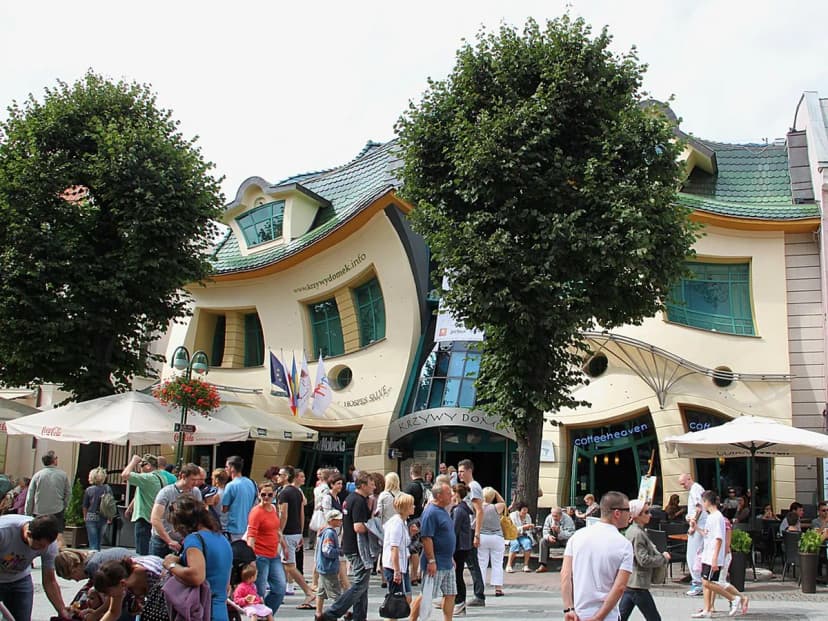
Halfway along the street stands the Crooked House on Monciak, completed in 2004 with a facade that ripples like an illustration. Its warped, cartoonish design nods to the work of Polish illustrator Jan Marcin Szancer. The street gets busiest on summer evenings, when cafes fill outdoor tables and street performers gather crowds. Arrive earlier in the day if you prefer a quieter walk before the crowds build.
The Grand Hotel (Sofitel Grand Sopot): A Century of History
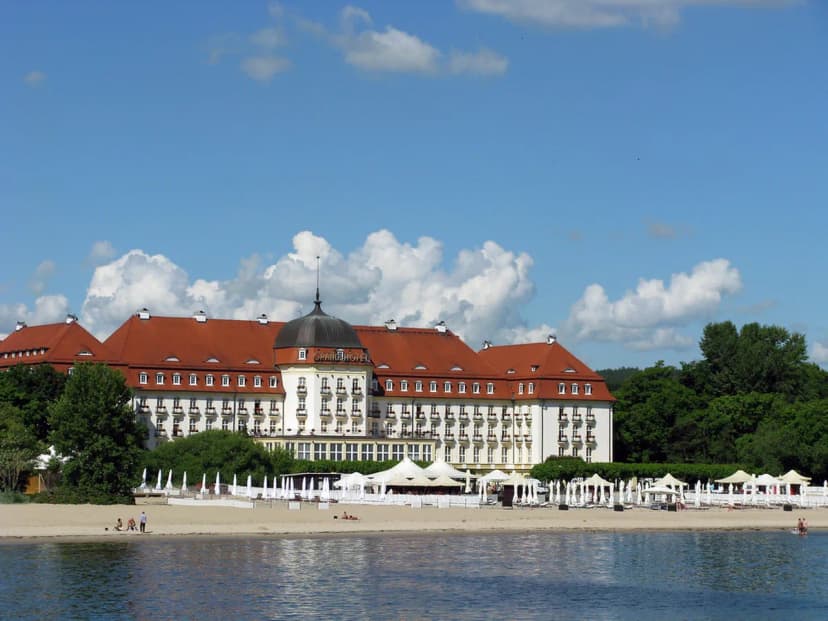
The Grand Hotel, now run as the Sofitel Grand Sopot, opened its doors in 1927 as the resort's flagship building. Its guest book reportedly holds a century of signatures, from prewar entertainers like Marlene Dietrich to postwar statesmen. That history makes the hotel a worthwhile stop for travelers interested in the resort's older, grander era.
You do not need to book a room to appreciate the building. The terrace and lobby bar sit open to non-guests, with clear views toward the pier and beach. Stop in for a coffee if you want a quieter break from the crowds on Monciak.
The Forest Opera (Opera Lesna): Culture in the Woods
The Forest Opera is an open-air amphitheater tucked into wooded hills west of the town center. Its stage seats more than 5,000 people and has hosted the Sopot International Song Festival since 1961. Many guides suggest a taxi, but the walk itself is part of the experience.
From Monciak, head west and follow the residential streets uphill for about 25 minutes on foot. The route climbs gently past villas and gardens before the road curves into the forest. Wear comfortable shoes, since the last stretch runs on a packed dirt path through the trees.
The Lighthouse and the Northern Beach: Panoramic Views
The pier gives you a sea-level view straight down the Baltic coast. For a different perspective, climb the nearby Sopot Lighthouse and its observation deck instead. From up there, you get a full panorama of the pier, the marina, and the rooftops of the old spa district.
If the central beach around the pier feels crowded, walk north instead. The Northern Beach trades some convenience for open sand and far fewer sunbathers. It suits travelers who want quiet sea air without giving up a short walk back to town. Check our Sopot beach guide for more on which stretch of sand fits your trip.
Parks, Gardens, and the Sandy Beach
Sopot keeps two large parks on either side of the pier, both shaded by mature trees. Northern Park sits near the lighthouse and blends into the dunes above the beach. Southern Park spreads out near the Grand Hotel, with benches and quiet gravel paths.
Both parks work well for a slow walk after a busy morning on Monciak. Families often bring a picnic and let kids run around away from the beach crowds. Joggers use the paths early in the morning, before the day's foot traffic picks up.
The beach itself runs about 4.5 kilometres along the Baltic shoreline and stays genuinely sandy right up to the pier. Water in July and August sits around 18-22degC - cold next to the Mediterranean, comfortably swimmable by Baltic standards. The stretch closest to the pier draws the biggest crowds; walk a few hundred metres and the sand thins out fast. Deck chairs and umbrellas rent by the hour in season; the beach is always free.
Museums and Art: The Cultural Side of the Resort
The Sopot Museum occupies a restored nineteenth-century villa a short walk from the pier. Its rooms cover the resort's spa history, from Haffner's original bathhouse to its interwar heyday. It works well as a rainy-day option or a break from the beach.
For contemporary work, the BWA Sopot gallery shows rotating exhibitions in the spa park. Neither venue takes more than an hour to see properly. Check opening days before you go, since smaller museums often close on Mondays.
Family-Friendly and Budget-Friendly Sopot Tips
Sopot works well for families, since most of its main sights sit within easy walking distance. The beach itself is free to use, and the shallow Baltic water suits younger children. Playgrounds sit tucked along the side streets off Monciak, handy for a break between sights.
- Free And Low-Cost Activities
- The sandy beach and both parks cost nothing to enter at any time of year.
- The pier itself becomes free once the off-season begins in October each year.
- Window shopping along Monciak costs nothing beyond the price of an ice cream.
- Practical Family Tips
- Bring water shoes, since the Baltic shoreline can get pebbly near the pier.
- Water taxis from the marina offer a cheap, short boat ride for curious kids.
- Visit before 10am in summer to grab a spot on the beach easily.
Beyond Sopot: Oliwa Cathedral and Botanical Gardens
Oliwa Cathedral sits about 20 minutes away by SKM train, making it an easy extension of a Sopot day trip. This 12th-century Cistercian cathedral is known for its Baroque organ, built with more than 7,800 pipes. Short organ recitals run through the summer season, and Park Oliwski's botanical garden sits right next to the cathedral.
Travelers who want a longer day can book an organized tour further afield from the Tri-City, and each of the three main options suits a different interest. Malbork Castle, the world's largest brick fortress, runs about five to six hours round trip and rewards anyone drawn to medieval architecture. Stutthof Memorial covers similar travel time but centers on a quiet, contemplative visit to the first concentration camp built outside Germany's prewar borders. Wolf's Lair sits furthest out in the Masurian forest and typically fills a full eight-to-ten-hour day once transit is counted. Pick one rather than combining them.
Best Time to Visit: Summer Yachting vs Winter Ice Rink
Sopot runs on two distinct seasonal identities, and picking one changes the day more than any single sight does. From late June through August, Marina Sopot fills with yachts prepping for regattas, the pier stays open around the clock, and Monciak's outdoor terraces run past midnight - the town's busiest, warmest stretch of the year.
Come back between November and February and the town flips. Kuracyjny Square, right off the pier's landward end, has hosted a seasonal outdoor ice rink in recent winters, and the pier itself turns free and stays open 24 hours once the paid season ends. Hotel rates drop and you can walk the full 511 metres without dodging a crowd. Neither season beats the other outright: summer suits swimmers and nightlife, winter suits anyone chasing the architecture and views without the queues.
Practical Notes: Getting There and Getting Around
The SKM commuter rail is the easiest way to reach Sopot from anywhere in the Tri-City. Trains from Gdansk Glowny take about 20 minutes, and trains from Gdynia Glowna take about 15 minutes. Both routes run trains roughly every 10 to 20 minutes at peak times, thinning to about every 30 minutes late in the evening, so a missed train rarely costs more than a short wait.
Once you arrive, everything worth seeing sits within a comfortable walking radius. Summer weekends bring the heaviest crowds, so early mornings and weekday visits feel calmer. For the full list of nearby sights, browse our Poland attractions guide before you finalize your itinerary.
- From Gdansk Glowny
- The SKM ride from Gdansk Glowny to Sopot takes about 20 minutes each way.
- Trains run about every 10-20 minutes at peak times, so timetables rarely need advance planning.
- From Gdynia Glowna
- The SKM ride from Gdynia Glowna to Sopot takes about 15 minutes each way.
- This makes Sopot an easy stop between Gdansk and Gdynia on the same day.
- Walking Within Sopot
- Sopot's train station sits about 800 metres from the pier along Monciak.
- Most central sights sit within a 15 minute walk of each other.
Frequently Asked Questions
How much does it cost to visit Sopot Pier?
During the paid season (April 10 - September 30, 2026), a standard adult ticket costs 10 PLN and a reduced ticket (children 3-16) costs 5 PLN. Seniors 70+ pay 8 PLN, and family tickets range from 21-23 PLN depending on group size. Children under 3 and Sopot Card-holding residents enter free.
Is Sopot Pier free in winter?
Yes. Outside the paid season, roughly from October 1 to early April, entry to Sopot Pier is free and the pier is open 24 hours a day. Ticketed entry only applies during the spring-summer season.
How long is Sopot Pier?
Sopot Pier measures 511.5 metres (1,678 feet), making it the longest wooden pier in Europe. It was originally just 31.5 metres when built in 1827 and reached its current length in 1928 after several extensions.
Can you take a boat trip from Sopot Pier?
Yes. Marina Sopot at the far end of the pier is a departure point for sightseeing cruises around the Gulf of Gdansk, boat trips to Gdansk's Old Town, speedboat excursions to Hel, and sunset yacht cruises.
What is the best time to visit Sopot Pier?
Early morning and late afternoon are popular for sunrise and sunset views with smaller crowds. Summer evenings bring free open-air cinema screenings and Wednesday concerts on the pier's wide platform, while visiting outside peak season (October-April) means free entry, though some cafes and boat services scale back hours.
What is the history behind Sopot Pier?
The pier was first built in 1827 by French physician Jean Georges Haffner as a small jetty to let spa guests access seawater for hydrotherapy treatments. It was lengthened several times over the 19th and early 20th centuries - to 150 m, then 315 m - before reaching its present 511.5 m in 1928. Today it is a Grade I listed historic structure.
What are Sopot Pier's opening hours?
Hours vary by season: from April 10 to June 26 and September 1-30, 2026 it's open Sunday-Thursday 8:00-20:00 and Friday-Saturday 8:00-21:00/22:00; from June 27 to August 31, 2026 it is open 24 hours. From October through early April, the pier is unticketed and accessible around the clock.
Where is Sopot Pier located?
Sopot Pier sits at Plac Zdrojowy 2 in Sopot, Poland, at the end of the town's main pedestrian street, ulica Bohaterow Monte Cassino, directly on the Gulf of Gdansk (Baltic Sea).
The Sopot Pier earns its reputation as the anchor of this Baltic resort town. Its 511 metres link a historic spa square to a working marina at the tip. Monciak, the Grand Hotel, and the Forest Opera all sit within easy walking distance.
Plan your visit around the SKM train schedule, and give yourself time to walk rather than rush. Check current ticket prices and hours before you go, since seasonal schedules can shift year to year. With a bit of planning, Sopot delivers a full, memorable day trip on Poland's Baltic coast.
To verify current details, consult the Sopot Pier (Molo w Sopocie) on Wikipedia and Sopot Pier (Molo w Sopocie) official site.
For more Sopot planning, read our 13 Best Things to Do in Sopot, Poland (2026 Guide) and Gdansk Beaches and Sopot Day Trip: 8 Essential Planning Tips guides.