10 Best Day Trips from Wrocław for Every Traveler
After spending considerable time exploring Lower Silesia across multiple visits, I can say with confidence that Wrocław sits at the centre of one of Poland's most rewarding regions for day trippers. Between the best things to do in Wrocław within the city itself and the remarkable landscapes and castles that begin just an hour's drive away, the surrounding area keeps surprising you at every turn. This guide covers the most rewarding escapes, from a UNESCO-listed baroque church to the jagged granite peaks of the Sudety mountain range.
I last updated this guide in early 2026 after revisiting several of these destinations to verify transport connections and opening seasons. Planning your time well matters here because Lower Silesia packs an extraordinary density of history, hiking trails, and medieval architecture into a relatively compact area. Most destinations are reachable in under two hours, which makes it entirely realistic to see a castle in the morning and be back in Wrocław for dinner.
Whether you are building on a longer stay outlined in my 2-day Wrocław itinerary or simply looking for ways to stretch a long weekend into something unforgettable, these day trips will reward the effort. Check out the Poland travel blog for deeper dives into individual destinations across the country. Now let us look at the logistics and the top spots that make this corner of Silesia so compelling.
Getting Around: Transport and Logistics
Wrocław's main railway station, Wrocław Główny, is a beautifully restored 19th-century building and the starting point for most of these excursions. Direct PKP Intercity and regional REGIO trains reach Świdnica, Kłodzko, and Jelenia Góra with reasonable frequency throughout the day. For mountain destinations and castle routes with limited rail access, renting a car unlocks far more flexibility. The A4 motorway heading southwest gives you a swift departure from the city before the smaller Sudety roads begin.
Buses operated by FlixBus and regional Sudety carriers serve routes that trains do not, including direct services to Szklarska Poręba and Kudowa-Zdrój. Booking tickets a day or two in advance through the PKP Intercity website or the Koleo app is strongly recommended during summer weekends, when trains to mountain destinations fill up fast. For groups of three or four, splitting the cost of a day car rental often works out cheaper than four individual rail tickets, and gives you complete freedom over timing.
Fuel stations are plentiful along the main roads, and parking near most attractions is well-signposted. If you are driving into the Karkonosze or Góry Stołowe national parks, note that some trailhead car parks charge a small seasonal fee. Always carry some Polish złoty in cash for mountain toll roads, small kiosks, and rural parking metres that do not yet accept card payments. Understanding the geography before you go makes a real difference to how smoothly the day flows.
Regional REGIO trains to Świdnica take around 50 minutes and run roughly every two hours. For Kłodzko, journey times are about 1 hour 45 minutes. Karkonosze destinations like Szklarska Poręba are fastest by car (about 1 hour 30 minutes via the S3 expressway) but also reachable by train via Jelenia Góra.
10 Best Day Trips from Wrocław (2026)
The list below covers the most iconic and varied escapes within a reasonable day-trip radius of the city. I have balanced grand castle architecture, UNESCO heritage, high-altitude hiking, and quieter spa towns to give something for every type of traveller. Distances range from roughly 55 to 130 kilometres, so none of these require an overnight stay unless you want to linger. For the most current visitor information, check the Polish Tourism Organisation website, which maintains up-to-date park fees and attraction hours. Always verify opening days before travelling, as some castle interiors close on Mondays.
A handful of these trips pair naturally together if you plan your route carefully. Książ Castle and Świdnica sit just 15 kilometres apart, for instance, making them an easy double-header. Similarly, Karpacz and Szklarska Poręba are both mountain resorts in the Karkonosze range and can be combined with some advance planning. The table below gives you an at-a-glance comparison of key logistics for each destination.
The diversity here genuinely sets Lower Silesia apart from other Polish regions. You can be standing on a granite peak at 1,602 metres above sea level in the morning and admiring baroque woodcarving in a UNESCO church by mid-afternoon, then back in the city in time for dinner at one of the great spots in my guide to where to eat in Wrocław. Keep in mind that mountain weather changes rapidly, so always pack an extra layer and a waterproof jacket regardless of the morning forecast.
| Destination | Travel Time | How to Get There | Highlight |
|---|---|---|---|
| Książ Castle | 60–70 min | Car or bus to Wałbrzych | Largest castle in Silesia |
| Świdnica Church of Peace | 50 min | REGIO train | UNESCO World Heritage |
| Karkonosze / Śnieżka | 90–120 min | Car / train via Jelenia Góra | Highest peak in Sudety |
| Szklarska Poręba | 90 min | Car or direct bus | Waterfalls + ski resort |
| Kłodzko Old Town | 105 min | REGIO train | Fortress and Gothic bridge |
| Góry Stołowe | 110 min | Car via Kłodzko | Flat-top rock plateau |
| Trzebnica | 35 min | Bus 130 or car | Oldest Cistercian abbey |
| Grodno Castle + Zagórze | 90 min | Car | Riverside ruin & reservoir |
| Bolków & Książ Loop | 70 min | Car | Two castles in one day |
| Kudowa-Zdrój & Błędne Skały | 120 min | Bus or car | Labyrinth rock formations |
- Książ Castle: The Giant of Silesian Castles
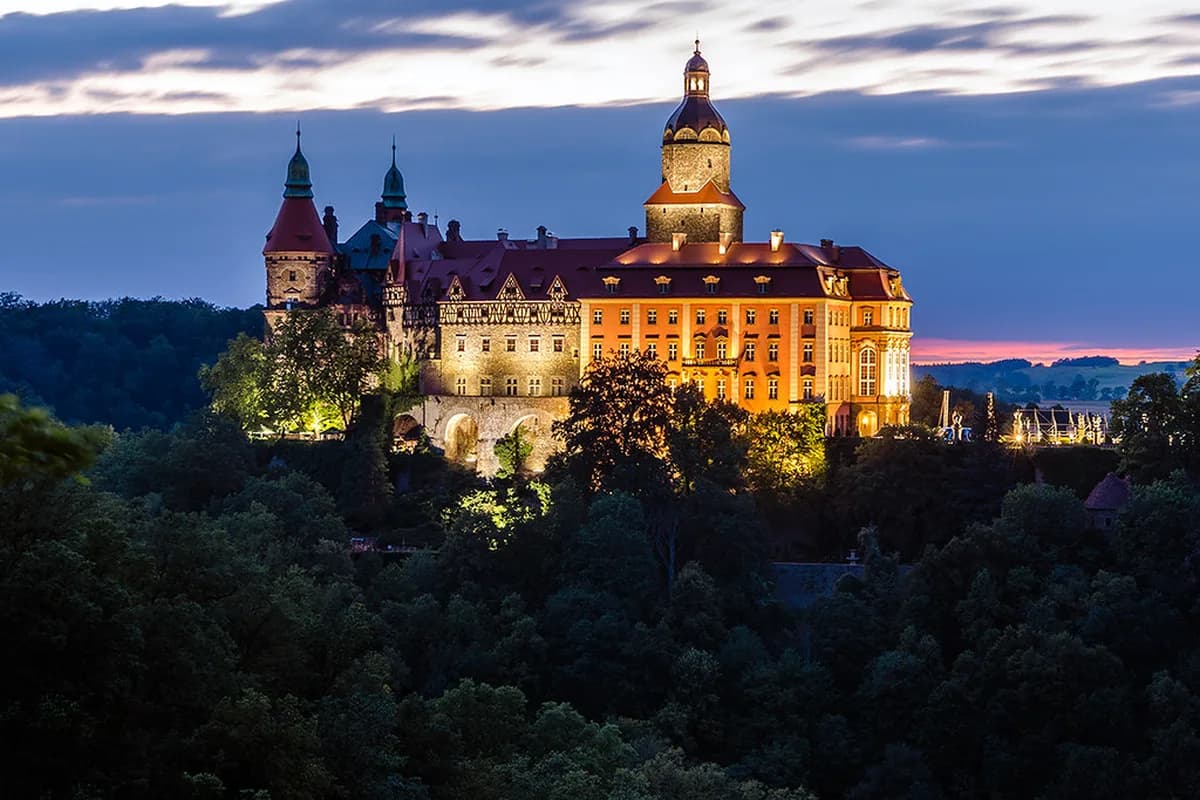
- Perched above the Pełcznica river gorge, Książ is the third-largest castle in Poland and the largest in Silesia, with over 400 rooms spread across several wings.
- Entry to the main historic apartments costs roughly 35–50 PLN per adult in 2026 depending on the tour option chosen; the gardens surrounding the castle are included.
- The easiest approach is by car to Wałbrzych (about 65 km) or by bus from Wrocław bus station followed by a local connection to the castle hill.
- Look for the mysterious Nazi-era tunnels beneath the castle, known as Project Riese, which add a fascinating and eerie Cold War chapter to the medieval history above.
- Świdnica Church of Peace: A UNESCO Baroque Masterpiece
- Built in 1657 under strict treaty conditions that forbade stone, the Church of Peace is an extraordinary half-timbered structure seating over 7,000 people.
- Entry is inexpensive and includes a self-guided tour; the interior baroque painting programme covering the ceilings and galleries is genuinely breathtaking.
- REGIO trains run directly from Wrocław Główny to Świdnica Miasto in around 50 minutes, making this one of the most accessible day trips by rail.
- Combine the church with a walk through Świdnica's pleasant market square and a visit to the armour-museum in the Crown Gate for a full half-day.
- Karkonosze National Park and Śnieżka Peak
- At 1,602 metres, Śnieżka is the highest mountain in the entire Sudety range and offers panoramic views stretching into the Czech Republic on clear days.
- The main base for Śnieżka hikes is Karpacz, reachable by car in about 90 minutes via the S3 expressway or by train to Jelenia Góra then a local bus.
- A cable car runs from Karpacz up to Kopa (1,377 m), cutting the ascent time significantly if your knees need a rest; full summit hiking adds another 45 minutes.
- The Norwegian-style Wang Chapel near Karpacz, a 12th-century stave church relocated from Norway in 1844, is worth the short detour on your way up or down.
- Szklarska Poręba: Waterfalls and Mountain Air
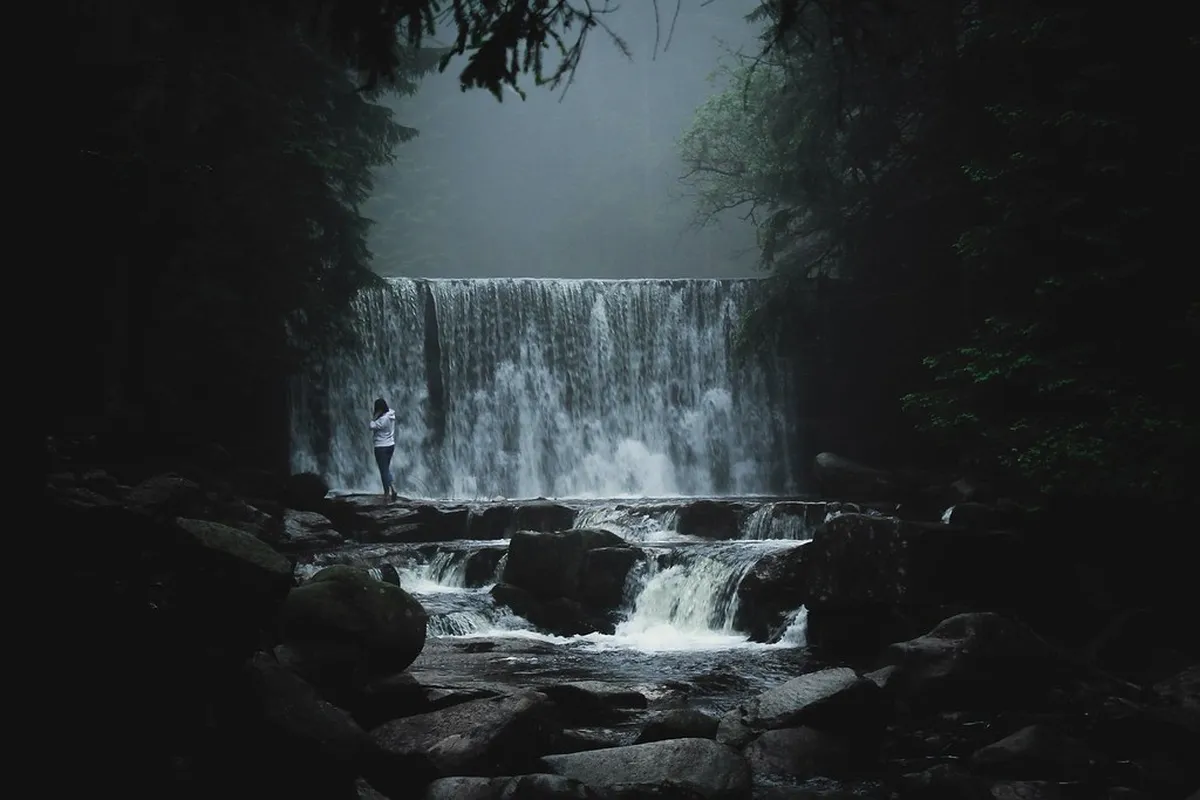
- This lively mountain resort town at the western end of the Karkonosze is the gateway to the Kamieńczyk Waterfall, the highest free-falling waterfall in the Polish Sudety at around 27 metres.
- The trail from town to the waterfall takes about 40 minutes each way through pine forest and is well-marked and suitable for most fitness levels.
- Direct FlixBus services connect Wrocław to Szklarska Poręba in roughly 90 minutes, or you can drive via the S3 and join at Jelenia Góra.
- In winter the town becomes a busy ski resort; in summer it is a peaceful hiking and cycling base with excellent mountain restaurants and cafes.
- Kłodzko Old Town and Fortress
- Kłodzko's 16th-century Baroque fortress dominates the town from a hilltop above the Nysa Kłodzka river, and the Gothic bridge across the river echoes Prague's Charles Bridge on a smaller scale.
- Fortress entry costs approximately 20–30 PLN per adult and includes access to the network of underground tunnels built into the rock.
- REGIO trains from Wrocław take around 1 hour 45 minutes; aim for the morning departure to give yourself time for both the fortress and the old town streets below.
- Kłodzko is also the gateway to the wider Kłodzko Valley, a spa-resort region with several health towns that have been attracting visitors since the 18th century.
- Góry Stołowe (Table Mountains) National Park
- The flat-topped sandstone plateau of Góry Stołowe produces one of the most unusual landscapes in Poland, with rock labyrinths and vast table-like summit meadows.
- The most popular trail is the Błędne Skały (Errant Rocks) labyrinth near Karłów, where narrow passages through towering sandstone boulders feel genuinely other-worldly.
- A national park entry fee of around 10 PLN applies at Błędne Skały; the Szczeliniec Wielki plateau nearby charges a similar fee and rewards visitors with sweeping 360-degree views.
- Driving from Wrocław via Kłodzko takes roughly 1 hour 45 minutes; combining Kłodzko town with an afternoon at Góry Stołowe makes a superb full-day itinerary.
- Trzebnica: The Oldest Cistercian Abbey in Silesia
- Just 25 kilometres north of Wrocław, Trzebnica makes for an easy half-day trip built around the magnificent Cistercian basilica founded by St Hedwig of Silesia in 1203.
- The basilica's interior is a serene mix of Romanesque and Gothic elements, and the crypt containing St Hedwig's tomb remains an active pilgrimage destination.
- Bus 130 from Wrocław's Dworzec Autobusowy reaches Trzebnica in about 35 minutes and drops you a short walk from the abbey.
- The small town market square is charming for a coffee stop before catching the bus back; it rarely feels overcrowded even in summer.
- Grodno Castle and the Bystrzyca Kłodzka Reservoir
- Grodno Castle near Zagórze Śląskie is one of the best-preserved 14th-century Gothic fortresses in Lower Silesia, sitting dramatically above the Bystrzyca river valley.
- Entry to the castle is very affordable and includes a walk along the outer walls with views over the man-made reservoir, which is popular with local kayakers in summer.
- The drive from Wrocław takes around 90 minutes via Świdnica; the route passes through attractive rolling Silesian countryside with good roadside food stops.
- Pair Grodno with a stop at Świdnica's Church of Peace on the return journey for an efficient combination that covers both architecture and landscape.
- Bolków Castle Loop
- Bolków Castle is a ruined 14th-century stronghold on a basalt hill above a small market town about 70 kilometres from Wrocław, best reached by car.
- Entry is low-cost and the views from the keep across the Sudety foothills are excellent, particularly in the golden light of late afternoon.
- Combine Bolków with Książ on the same day by looping south through Wałbrzych; the two castles are about 25 kilometres apart and the route through the hills is scenic.
- The town of Bolków itself has a well-preserved market square with a handful of good cafes and a small local museum covering the castle's medieval history.
- Kudowa-Zdrój Spa Town
- One of the most popular health resorts in Poland, Kudowa-Zdrój sits near the Czech border in the Kłodzko Valley and has been a spa destination since the 17th century.
- The colonnaded Pump Room in the town park is free to enter and you can sample the mineral spring waters that once attracted spa-goers from across Central Europe.
- The nearby Chapel of Skulls in Czermna, built from the bones of plague and war victims, is one of the most macabre and memorable sights in the entire country.
- Direct FlixBus services connect Wrocław to Kudowa-Zdrój in about two hours; the return journey can include a stop at Kłodzko to break the drive.
Best Season for Day Trips from Wrocław
Lower Silesia rewards visitors across all four seasons, but each period suits a different type of traveller. Summer from June through August is peak season for Karkonosze hiking and Góry Stołowe exploration, with long days and warm temperatures making the most of the mountain scenery. Train and bus services run at maximum frequency during this window, though popular trailheads can become crowded by mid-morning. Arriving at the Karkonosze cable car station before 9am on a summer weekend makes a significant difference to your queuing time.
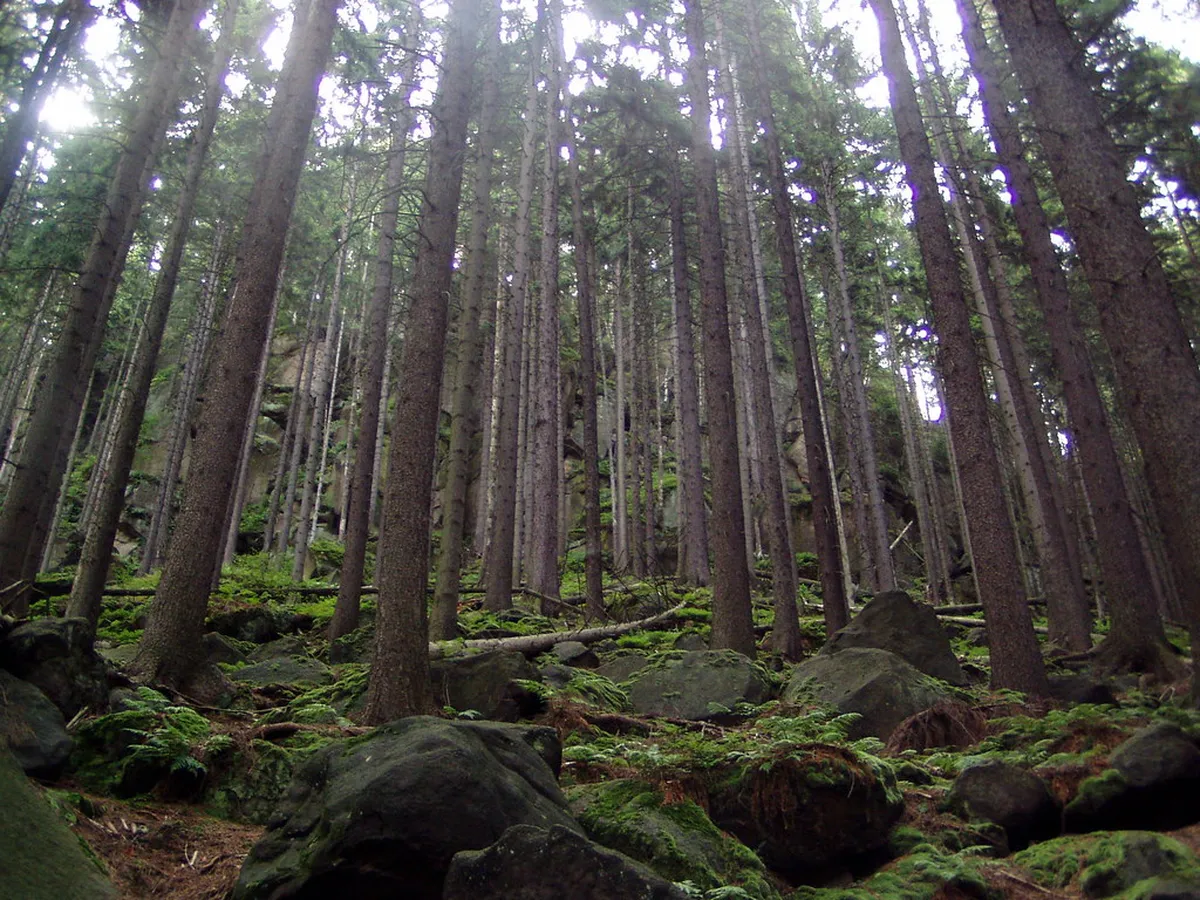
Autumn from September through October brings spectacular foliage to the Sudety valleys and far fewer visitors at every castle and national park. The light is particularly beautiful at Książ and Grodno in October when the surrounding forests turn amber and gold. This is also the season I personally prefer for Kłodzko because the historic fortress looks its most atmospheric shrouded in morning mist. Temperatures are cooler but hiking conditions are often ideal, especially at altitude.
Winter trips focus naturally on skiing at Szklarska Poręba and Karpacz, and on the historic interiors that remain open year-round. If you are planning a Wrocław Christmas market visit, adding a day trip to Świdnica's Church of Peace or Trzebnica abbey makes a peaceful contrast to the city crowds. Spring from April onwards sees the castle gardens at Książ come to life with rhododendron and azalea blooms, and trail erosion from snowmelt has typically dried out by mid-April at lower altitudes.
The Karkonosze and Góry Stołowe national parks charge seasonal entry fees that are highest in July and August. Castle museums in Poland often close on Mondays, and some mountain attractions (Śnieżka cable car) close for maintenance in November. Always check ahead before travelling out of season.
Combining Day Trips with Wrocław City Days
If you are working with a compact itinerary, the most efficient approach is to anchor the heavier city sightseeing on your arrival and departure days, then push out to the surrounding region in between. On day one, explore the Wrocław Old Town and track down the hidden dwarfs scattered across the historic centre. Day two is then free for your top priority day trip, whether that is Książ Castle or the Karkonosze peaks. Finishing back in the city on the final evening lets you catch dinner without a rushed journey.
Two-castle loops are particularly satisfying for history enthusiasts. The Książ-Bolków route described above fits neatly into a single long day with a car, covering approximately 130 kilometres total including the return to Wrocław. Alternatively, a culture-and-spa loop combining Świdnica's Church of Peace with a spa afternoon in Kudowa-Zdrój gives a varied and relaxed pace that suits those who prefer a mix of heritage and wellness.
Mountain lovers should prioritise Karkonosze for the big peak experience and Góry Stołowe for the rock labyrinth, treating them as two separate days if possible. The two parks have very different characters — Karkonosze is open, windswept, and alpine in feel, while Góry Stołowe feels forested and mysterious. If you need to choose just one, consider what the weather is doing: Śnieżka is frequently clouded over in unsettled weather whereas Góry Stołowe's sandstone trails remain enjoyable even in light rain. Planning more time in the city? My guide on how many days to spend in Wrocław helps you calibrate the right balance for your trip.
Exploring the Lower Silesia Castle Trail
Lower Silesia holds more medieval and Renaissance castles per square kilometre than almost any other region in Poland, a legacy of its complex layered history under Piast dukes, Bohemian kings, Habsburg emperors, and Prussian princes. The official Silesian Piast Route links several of these sites into a self-guided heritage circuit, and a car-hire day exploring a section of it is one of the most rewarding things a history-minded traveller can do from Wrocław.
Beyond Książ and Bolków, the castles of Leśna, Czocha, and Kliczków lie in the far western corner of the region near the Nysa Łużycka river. Czocha Castle is particularly dramatic, a 13th-century lakeside fortress that has been fully restored and now operates as a hotel where you can stay within the original walls. The drive from Wrocław takes about two hours, which puts it at the outer limit of a comfortable day trip, but the sight of the castle reflected in the lake is genuinely memorable.
Closer to the city, the ruins of Grodno discussed earlier and the hilltop Rogowiec tower near Nowa Ruda are both within 90 minutes and pair well together. Lower Silesia's castle density means you can build almost any circular driving route of 100–150 kilometres and pass through at least two or three significant fortresses along the way. The official Lower Silesia Castle Trail website provides a mapped route with opening hours and visitor details for each site.
Practical Tips for Day Trips from Wrocław
Carrying a portable charger and a paper map (or an offline Google Maps download) is genuinely useful in mountain areas where mobile signal drops out in valleys. The national park zones around Karkonosze and Góry Stołowe have limited network coverage on the exposed plateau sections, so do not rely on live navigation once you are on the trail. Downloading the trail maps from the Polish hiking app Mapa Turystyczna before you leave the city hotel takes about two minutes and saves real stress on the day.
Mountain weather in the Sudety changes fast. Clear skies in Wrocław do not guarantee visibility on Śnieżka, and afternoon thunderstorms are common in July and August above 1,000 metres. The general rule of thumb locals use is to be off the high ridge trails by 1pm in summer to avoid the afternoon storm window. Starting early from Wrocław — catching the first direct service or leaving by car at 7am — gives you a substantial safety margin.
For castle visits, arriving within the first hour of opening is almost always a better experience than the midday rush. Książ in particular fills up fast on summer weekends when coach tours arrive from both Polish and Czech cities. Pre-booking tickets online through the castle's official site saves time at the box office, and the castle gift shop stocks some genuinely high-quality Silesian ceramics if you are looking for an unusual souvenir. If your broader Wrocław plans are still coming together, reading up on where to stay in Wrocław will help you choose a base with easy early-morning access to the main station.
Is Wrocław a Good Base for Day Trips?
Wrocław's position at the northern edge of the Sudety foothills makes it one of the very best bases for day trips in Central Europe. Few Polish cities can offer UNESCO heritage, 1,600-metre peaks, Gothic fortress ruins, spa towns, rock labyrinths, and the oldest Cistercian abbey in the country all within a two-hour radius. The combination of a well-connected main railway station and good motorway links in multiple directions means that getting out of the city and back again is rarely a logistical challenge.
The quality of Lower Silesia's attractions is also high by any European standard. Malbork Castle near Gdańsk rightly gets most of the international attention, but Książ Castle rivals it for atmosphere and historic depth. The Church of Peace in Świdnica is one of only two such structures surviving in the world (the other being in Jawor, also reachable as a Wrocław day trip), and its UNESCO status is entirely justified. These are not second-tier sights filling space on a list — they are genuine European highlights that most travellers outside Poland have never heard of.
Budget-conscious travellers will also appreciate that Lower Silesia remains significantly cheaper than equivalent mountain or heritage destinations in Austria or Germany. Entry fees to castles, national parks, and museums are a fraction of what you would pay in Western Europe, local restaurants near the attractions serve excellent food at modest prices, and the regional trains are affordable. Combined with the vibrant city base that Wrocław itself provides — great food, buzzing nightlife covered in my Wrocław nightlife guide, and one of Poland's prettiest market squares — the region stands as outstanding value for a longer trip.
Cross-Border Day Trips: Görlitz and Adršpach
Wrocław's position near both the German and Czech borders opens up day-trip options that most Polish cities cannot offer. Görlitz, just 110 kilometres west of Wrocław via the A4 motorway, is one of the best-preserved historic towns in Germany and sits literally on the Polish-German border — the Nysa Łużycka river divides Görlitz from its twin town Zgorzelec on the Polish side. The drive takes about 1 hour 20 minutes and requires no special paperwork for EU passport holders; non-EU visitors should confirm their visa allows free movement through Schengen zone borders.
Görlitz escaped World War II almost entirely intact, which means its Renaissance and Baroque townscape is genuinely unaltered — a rare thing anywhere in Central Europe. The upper town around the Untermarkt square, the Church of St Peter and Paul, and the extraordinary Renaissance Schönhof (now a Silesian museum) take about three to four hours at a relaxed pace. The town has appeared as a film set for productions including The Grand Budapest Hotel and Bridge of Spies, which gives it an almost uncanny cinematic quality in person. Cross back into Zgorzelec and you have effectively visited two countries before lunch.
Adršpach-Teplice Rocks in the Czech Republic are a spectacular sandstone rock city about 130 kilometres southwest of Wrocław, reachable in roughly 1 hour 40 minutes by car. The towering stone needles and pillars rise up to 80 metres above forested ravines, and the circular hiking circuit through the gorge takes about two to three hours. This is one of the most visually dramatic landscapes in the entire region and looks completely different from the plateau scenery of Góry Stołowe. Czech entry from Poland is seamless within Schengen; take enough Czech koruna (CZK) for the national park entry fee of roughly 80–100 CZK per adult, as cash is often the only option at smaller trailhead booths.
Dresden is technically feasible as a very long day trip (about 2 hours 15 minutes each way via Görlitz), though Prague at 3 hours by car is better treated as an overnight. Both cities are well served by direct coach from Wrocław bus station if you prefer not to drive. The Görlitz route works brilliantly paired with a morning stop in Bolesławiec, the blue-and-white pottery town about 80 kilometres from Wrocław, whose distinctive stoneware is sold throughout Central Europe and is far cheaper to buy at source.
Moszna Castle and Ślęża Mountain: Two Underrated Escapes
Moszna Castle in western Silesia is one of the most extraordinary buildings in Poland and remains genuinely underappreciated outside the country. The fairy-tale castle evolved over three centuries from a Baroque manor into a Neo-Gothic and Neo-Renaissance palace with 365 rooms and 99 towers, giving it a profile that looks more like a stage set than a real building. It sits about 120 kilometres west of Wrocław (roughly 1 hour 30 minutes by car via the A4) and can be visited on a self-guided tour of the grounds or with a guided interior tour available at weekends. Entry to the park grounds is free; guided interior tours cost approximately 30–40 PLN per adult in 2026.
Unlike Książ, which draws large coach tour groups in peak season, Moszna still receives relatively few foreign visitors and retains a serene, slightly surreal atmosphere that makes it feel like a genuine discovery. The surrounding English-style landscape park covers over 200 hectares and includes a rose garden and a small lake that reflects the castle's towers in calm weather. Combine Moszna with a stop in Opole on the return leg — the Piast Tower and the Cathedral of the Holy Cross are both worth an hour — and you have a satisfying westward loop through Silesia's cultural heartland.
Ślęża Mountain, rising to 718 metres from the flat Silesian plain about 35 kilometres south of Wrocław, offers something completely different: a short but atmospheric forest climb to a summit that has been considered sacred since prehistoric times. Slavic tribes left mysterious carved figures on the slopes that are still visible today, and the 11th-century Romanesque church at the summit is one of the oldest in Silesia. The return hike from the village of Sulistrowice takes about three hours at a gentle pace, and the contrast between the flat agricultural plain stretching to Wrocław and the sudden wooded volcano cone is striking from the top.
A lesser-known detour worth building into the Ślęża day is Miedzianka, a small town about 60 kilometres from Wrocław with one of the most haunting histories in the whole region. It was a prosperous German town called Kupferberg before 1945, then became a secret Soviet uranium-mining site, and was subsequently almost entirely demolished — its existence was literally removed from Polish maps for decades. Today the church and a few scattered buildings survive amid empty lots where a functioning town once stood, and a thoughtful small exhibition documents what happened. It takes less than an hour to walk through and leaves a far deeper impression than most tourist attractions in the area.
Frequently Asked Questions
What is the best day trip from Wrocław for first-time visitors?
Książ Castle is the single best day trip for first-time visitors because it combines spectacular architecture, dramatic riverside scenery, and an intriguing wartime history all in one place. The drive takes about 65 to 70 minutes each way and can be paired with a stop in Świdnica to see the UNESCO Church of Peace on the return journey. This double-header gives you both a castle and a world heritage site in a single manageable day.
Can you visit Karkonosze and Śnieżka as a day trip from Wrocław?
Yes, the Karkonosze summit including Śnieżka is reachable as a day trip, but an early start is essential. Leaving Wrocław by car before 7am gets you to Karpacz by around 8:30am, giving you time to take the cable car to Kopa and hike to the summit before the afternoon weather risk window. The full return journey including hiking time fits into a 12-hour day, though staying one night in Karpacz allows a far more relaxed experience.
Which day trips from Wrocław are possible without a car?
Several excellent day trips are fully accessible by public transport. Świdnica and its Church of Peace is the easiest, reached by REGIO train in about 50 minutes. Kłodzko Old Town and fortress is served by direct trains in under two hours. Trzebnica is reachable by bus in 35 minutes. For Szklarska Poręba, direct FlixBus services run from Wrocław's bus station in roughly 90 minutes. All of these destinations reward a car-free visit.
How many day trips can you fit into a 3-day visit to Wrocław?
In a 3-day visit you can realistically fit one full day trip alongside two days of city exploration. A smart approach is to spend day one and day three in Wrocław itself covering the Old Town, the cathedral island, and the main museums, and dedicate day two to a single well-planned excursion such as the Książ-Świdnica loop or a full Karkonosze hiking day. Trying to squeeze in two separate day trips on consecutive days without a car tends to feel rushed.
Wrocław is far more than a beautiful island city with a fairy-tale market square; it is the gateway to one of Poland's richest and most diverse travel regions. By venturing into the Sudety mountains, the spa valleys, and the castle-dotted Silesian hills, you gain a much fuller picture of this part of Central Europe and its layered, turbulent history. The accessibility of these day trips — many reachable in under two hours — means there is no reason to spend every day within the city ring road.
I hope this guide helps you choose the right mix of excursions for the time you have and the type of travel you enjoy most. Whether you end up chasing the view from Śnieżka, walking the sandstone labyrinth of Góry Stołowe, or standing in awe inside a baroque half-timbered church that has survived three centuries, Lower Silesia will not disappoint. Safe travels, and enjoy every corner of this remarkable region.
You might also like


Continue reading
More guides you'll find useful