How Many Days in Wrocław? The Perfect Trip Length (2026)
Wrocław catches most first-time visitors off guard. Two days is the standard allocation people book out of habit, and by mid-afternoon on day two many are still hunting gnomes, lingering over coffee on Market Square, and planning a boat ride through the city's canal network. If you are asking how many days in Wrocław you actually need, the honest answer depends on how you like to travel — but most visitors leave wishing they had booked one more night. This guide is last refreshed for 2026 conditions and designed to help you choose the right length before you book.
The city rewards slow exploration. Wrocław's Old Town is compact enough to walk end-to-end in an afternoon, yet layered enough to absorb three full days without feeling repetitive. For a complete picture of what to fill each day with, start at our things to do in Wrocław guide, which organizes the city's highlights by category and neighborhood. Here we focus specifically on matching your available time to a realistic, enjoyable pace.
Below you will find the case for each trip length — one day, two days, and three days — along with what each unlocks, when to add a day trip, and a sample daily structure you can adapt to your own interests. Whether you are an architecture enthusiast, a foodie, or a history lover chasing Silesian stories, this breakdown will help you land on the right number of nights.
One Day in Wrocław: The Rush Option
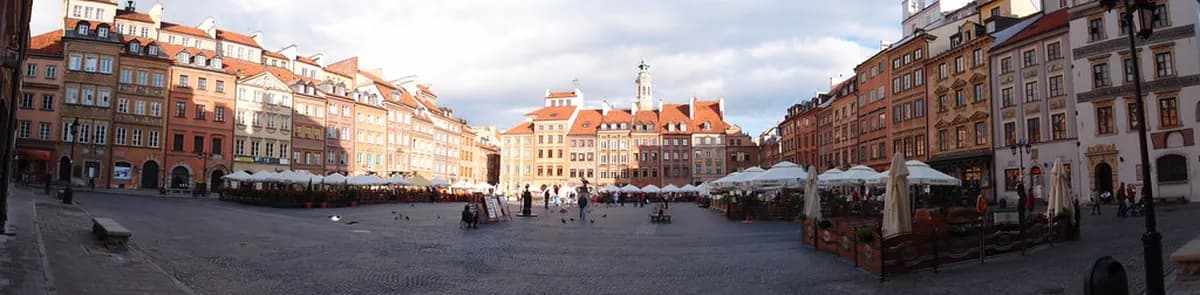
A single day in Wrocław is doable, but it requires ruthless prioritization and a willingness to skip anything that does not make the shortlist. Start at the Rynek, Wrocław's enormous Market Square, as early as you can manage. The pastel townhouses glow differently in morning light, and the cafes filling up with locals provide a glimpse of real daily life before the tour groups arrive. Give yourself an hour just to walk the perimeter and duck into the Town Hall courtyard.
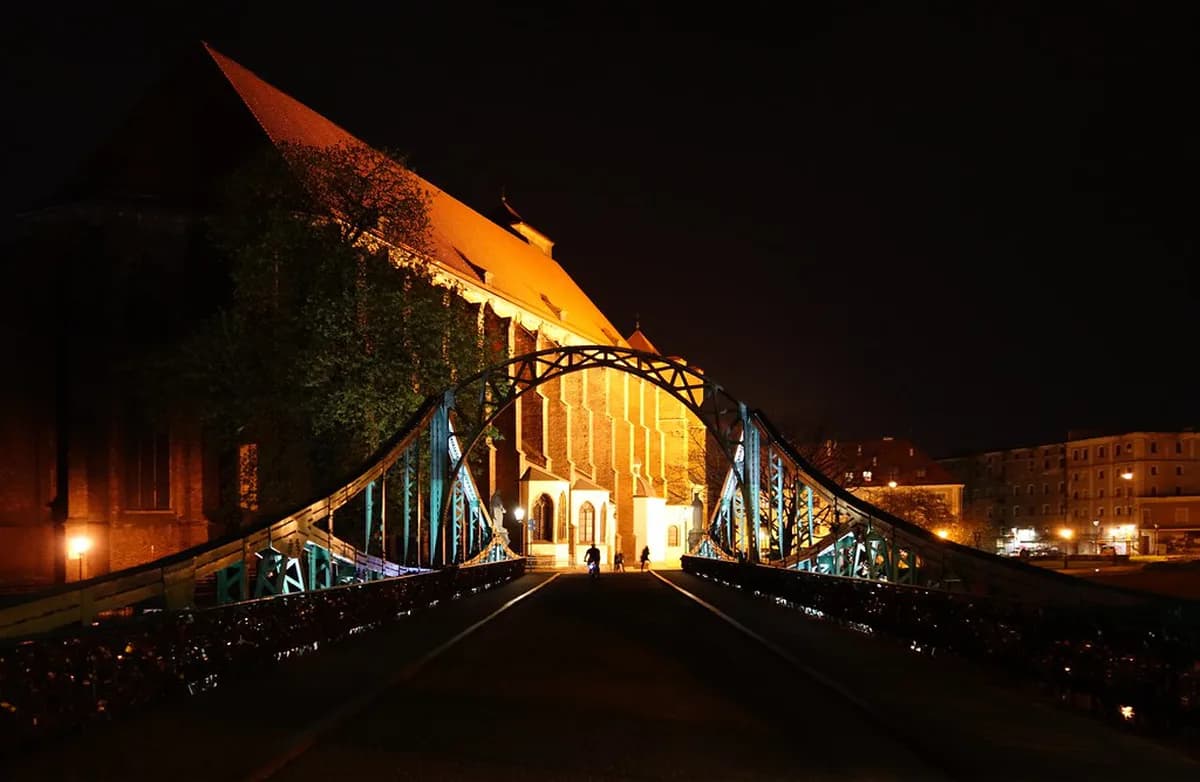
From the Rynek, head north-east on foot to Cathedral Island (Ostrów Tumski) in under fifteen minutes. This cluster of Gothic spires rising from the Oder River is one of the most atmospheric corners of any Polish city and absolutely worth prioritizing even on a tight schedule. Cross the bridges, circle the Cathedral of St. John the Baptist, and allow at least forty-five minutes here before retracing your steps.
Spend your afternoon on a gnome hunt along ul. Świdnicka and around the university district. Wrocław has over 600 bronze dwarfs hidden across the city — tracking even a dozen or so on foot is a fun way to navigate the Old Town and stumble onto squares and courtyards you would otherwise miss. Finish the evening with dinner on or near the Rynek. One day is a taster, not a full meal, but it leaves a strong enough impression that you will immediately start planning your return.
If you only have one day, skip the museums entirely. The National Museum and the Panorama of the Battle of Racławice each need two to three hours to appreciate properly. Save them for a longer visit and use your single day for walking and atmosphere instead.
Two Days in Wrocław: The Sweet Spot
Two days is where Wrocław starts to make real sense. You can see the architectural highlights without rushing, visit the city's most important museum, and still have an evening free to explore the bar scene around pl. Solny or the bohemian Nadodrze neighborhood. Our dedicated Wrocław 2-day itinerary maps this out hour by hour, but the broad shape looks like this: Old Town and Cathedral Island on day one, with the Panorama of the Battle of Racławice and the Centennial Hall on day two.

The Panorama is the experience that most surprises first-time visitors. It is a 360-degree oil painting from the late nineteenth century depicting a key 1794 battle, housed in a purpose-built rotunda. The scale is extraordinary — the canvas is over 100 metres wide — and the combination of painting and sculpted foreground creates a convincing illusion of standing inside the battle itself. Tickets sell out during peak season, so book a timed slot the night before. Budget roughly ninety minutes for the full experience.
The Centennial Hall, a UNESCO World Heritage Site on the eastern edge of the city, is a short tram ride from the center. Its enormous reinforced-concrete dome was revolutionary when it opened in 1913, and the surrounding park grounds are pleasant for an afternoon stroll. This two-attraction afternoon rounds out day two without feeling rushed, leaving you time to find dinner in the university district, where restaurants tend to be excellent value and the atmosphere is lively year-round.
Two days also gives you one full evening to explore Wrocław's nightlife scene, which centers on the basement bars and clubs around ul. Ruska and the canal-side venues near Most Piaskowy. The city has a young, student-driven energy after dark that is unlike anything you find in Kraków or Warsaw. Even a single evening out here adds a completely different dimension to your impression of the city.
Three Days in Wrocław: The Full Picture
Three days is the length that finally lets Wrocław breathe. You can cover everything a two-day visitor covers, add a slower morning coffee on the Rynek, explore the Wrocław Old Town in genuine depth, and still have a half-day free for the Japanese Garden in Szczytniki Park or an afternoon canal boat cruise through the waterways connecting the city's dozen-plus islands. Wrocław sits on the Oder River and its tributaries, and seeing the city from the water changes your mental map of the place entirely.
Day three also opens up the Nadodrze district properly. This up-and-coming neighborhood north of the Old Town is full of Art Nouveau tenements being lovingly restored, independent coffee shops, vintage stores, and galleries that cater to the city's significant art school population. It does not make most first-draft itineraries, but anyone who spends three days here invariably ends up here and is glad they did. Give it an afternoon, eat at one of the small restaurants on ul. Roosevelta, and you will feel like a local rather than a tourist.
A third day is also when you can properly sit down for a pierogi lunch — not the tourist-facing version on the Rynek but at one of the old-school milk bars (bary mleczne) that still operate in the streets south of the center. Wrocław has a distinct Silesian culinary identity shaped by the city's post-war population resettlement, and three days gives you enough time to actually eat well rather than just fuel between sights. For a curated list of where to go, see our where to eat in Wrocław guide.
| Trip Length | What It Unlocks | What You Miss | Best For |
|---|---|---|---|
| 1 day | Rynek, Cathedral Island, gnome trail | Museums, Nadodrze, canal boat | Transit stop or weekend add-on |
| 2 days | Panorama, Centennial Hall, nightlife | Slow mornings, Szczytniki Park | Most first-time visitors |
| 3 days | Full city depth, day trip potential | Nothing essential | History buffs, foodies, repeat visitors |
Sample Itinerary Structure for Each Length
For a one-day visit, treat the Rynek as your anchor and do not stray far. Morning on the Market Square and Town Hall, mid-morning walk to Cathedral Island, afternoon gnome hunt through the Old Town grid, evening dinner back on the Rynek or pl. Solny. This loop covers under four kilometres on foot and keeps the day manageable even with luggage or young children in tow.
A two-day structure works best when you save the Panorama rotunda and Centennial Hall for day two, because both require planning and transit rather than casual walking. Day one: arrive, check in, walk Cathedral Island before the evening crowds, dinner in the university district. Day two: Panorama booking (morning slot), tram to Centennial Hall and park, afternoon back in the Old Town for gnome trail and shopping, evening out in the bar district. Our 2-day Wrocław itinerary fills in the timing and transit details.
For three days, add Nadodrze and the Japanese Garden to the two-day structure. Morning of day three: slow coffee on the Rynek, walk north to Nadodrze, lunch on ul. Roosevelta. Afternoon: tram east to Szczytniki Park and the Japanese Garden (open May–September, small admission fee). Evening: canal boat cruise if season permits, or a long dinner at one of the Old Town restaurants. This structure leaves you relaxed rather than exhausted and makes the most of the city's walkable layout.
Wrocław's tram network is excellent and cheap. A single ticket costs around 4–5 PLN in 2026 and day passes are available. Use trams to reach the Centennial Hall (lines heading east on ul. Świdnicka) and Nadodrze (lines north from the Rynek), and walk everywhere else.
When to Add a Day Trip
If you have a fourth day or an early checkout with a late train, Wrocław makes an excellent base for day trips into Lower Silesia. The region around the city is dense with castles, manor houses, and dramatic mountain scenery within ninety minutes by rail. Our full day trips from Wrocław guide covers the best options in detail, but three destinations stand out above the rest for a single-day excursion.
Książ Castle, perched dramatically above a wooded gorge near Wałbrzych, is one of the largest castles in Poland and comes loaded with wartime mystery — the Nazis tunneled deep beneath it during World War II, and tours of the underground Project Riese are genuinely spine-tingling. Trains from Wrocław Główny to Wałbrzych run regularly and take around ninety minutes. Plan to spend a full day here rather than rushing it into a half-day. Budget around 40–60 PLN for combined castle and tunnel tickets in 2026.
Karkonosze National Park, home to the Sudeten Mountains and the dramatic cliffs of Szrenica and Śnieżka, is another outstanding option for walkers and nature lovers. Bus or train connections from Wrocław reach the gateway town of Szklarska Poręba in under two hours. The trails range from gentle valley walks to a full summit ascent of Śnieżka, the highest peak in the range. This is best done in good weather, so check the forecast the evening before.
For a shorter and more urban day trip, the city of Opole is just forty-five minutes south by express train. It has a picturesque Old Town of its own, a strong Silesian heritage museum, and far fewer tourists than Wrocław. It pairs well with a half-day itinerary if you want a taste of a smaller Polish city without committing to a full excursion. Return by late afternoon and spend your final evening back in Wrocław.
Best Time to Visit and Seasonal Considerations
The length of your trip interacts with the season more than most visitors expect. Wrocław in December is a completely different city to Wrocław in July, and the right trip length shifts accordingly. The Wrocław Christmas market runs from late November through December and is one of the finest in Central Europe — but it compresses your useful touring hours because the market itself absorbs half your time and energy in the best possible way. Allow at least two nights during the Christmas season just for the market experience alone.
Spring (April to May) and early autumn (September to October) are the best months for a two-day or three-day visit. The weather is mild, the crowds are manageable, and the Rynek cafes have their outdoor tables out without the July heat that can make afternoon sightseeing uncomfortable. The Japanese Garden in Szczytniki Park is at its most beautiful in late April when the cherry blossoms flower, and the autumn color in the parks around Cathedral Island is outstanding in October.
Summer (June to August) brings the longest days and the liveliest outdoor scene but also the largest crowds at the Panorama rotunda and the Centennial Hall. If you are visiting in July or August, book the Panorama at least two days ahead online and arrive at your chosen slot five minutes early — the rotunda fills to capacity and latecomers are turned away. Longer summer days are an advantage for three-day visitors because you effectively get more usable hours per day. For a full breakdown of seasonal pros and cons, see our best time to visit Wrocław guide.
Winter outside the Christmas market window (January to early March) is the quietest period and suits budget travelers who do not mind cold weather. Museums are uncrowded, restaurant tables are available without booking, and the city's Gothic architecture looks striking against a grey sky or light snowfall. A two-day winter visit covers everything a typical visitor needs with almost no queues, making it one of the most efficient times to come.
Where to Stay in Wrocław
Accommodation choice matters more when your trip is short. For a one-day or two-day visit, stay as close to the Rynek as your budget allows — being within a five-minute walk of the Market Square means you can head out early, return for a midday break, and stay out late without worrying about transit. The Old Town has a good range of boutique hotels and apartment rentals at prices that remain competitive with Western European cities. Our full where to stay in Wrocław guide breaks down the best neighborhoods and property types.
For a three-day visit, you have more flexibility. The area around pl. Grunwaldzki and the university district is a ten-minute walk from the Rynek and tends to be slightly cheaper, with a denser concentration of good restaurants and coffee shops at street level. This neighborhood has a genuine student-town energy that feels more local than the immediate Old Town surroundings. Tram connections are excellent if you need to reach the Centennial Hall or the Panorama rotunda.
Nadodrze is an emerging option for visitors who want to feel on the edge of something new. Hotels and apartments here are the most affordable of the three areas and the neighborhood is safe and well-connected. The trade-off is a fifteen-minute tram or twenty-minute walk to the Rynek, which is fine for a three-day stay but less convenient on a tight one-day schedule. If Nadodrze interests you as a destination in its own right, staying here makes perfect sense.
Wrocław hosts large trade fairs and student events throughout the year, and hotel prices can spike dramatically on those weekends. Check the city's events calendar when booking and if rates look unusually high, try shifting your dates by a day or two in either direction.
Is Two Days or Three Days Better for Wrocław?
This is the question most visitors are actually asking, and the honest answer is that it depends almost entirely on pace. Two days is the rational minimum for a first-time visitor who wants to leave with a genuine sense of the city rather than just a handful of photos. You will see the Rynek, Cathedral Island, the Panorama, and the Centennial Hall, and you will have one evening free to eat well and explore a little. That is a satisfying and complete experience for most people.
Three days is better if you have any interest in the city beyond the headline sights. Wrocław has an unusually rich layered identity — it was German Breslau until 1945, then resettled almost entirely by Poles expelled from Lwów and Vilnius, giving it a cultural complexity that takes more than two days to appreciate. The third day is when you start to see that complexity in the architecture, the food, the museums, and the conversations you have with locals. It is also when the city stops feeling like a checklist and starts feeling like a place.
If you are combining Wrocław with Kraków or Warsaw on a longer Poland trip, two days is a perfectly sensible allocation. If Wrocław is your primary destination or you are traveling specifically for the Christmas market, three days is the right call. Either way, the city is compact, easy to navigate, and genuinely welcoming — you will not waste a day here regardless of how many you book.
Practical Tips for Planning Your Wrocław Trip
Book the Panorama of the Battle of Racławice online before you arrive. This is the single most important planning step for any two-day or three-day visit. Timed slots fill up quickly during summer and around the Christmas market season, and there is no meaningful same-day availability once peak season kicks in. The official museum website accepts bookings in English. Aim for a morning slot to leave your afternoon flexible.
Wrocław Airport (WRO) is small and manageable, with direct connections to major European hubs. The airport bus runs to the city center in about thirty minutes for a few PLN, making it one of the least stressful city arrivals in Poland. If you are arriving by train, Wrocław Główny station is centrally located and the walk to the Old Town takes about fifteen minutes on foot. Getting around Wrocław is straightforward once you understand the tram grid.
The Wrocław City Card (available for 24, 48, or 72 hours in 2026) bundles unlimited public transit with free or discounted museum entry. For a two-day or three-day visitor planning to hit the Panorama, Centennial Hall, and National Museum, the math usually works in the card's favor. Pick one up at the tourist information office on the Rynek or buy online before arrival via the official Wrocław tourism portal. Keep the card on your phone if you opt for the digital version.
Finally, wear comfortable shoes. Wrocław's cobblestones are charming to look at and hard on feet that are not used to them. The Old Town is entirely walkable, but the stones are uneven and slippery after rain. A pair of flat, well-soled shoes will make every length of trip more enjoyable than smart leather or thin-soled trainers. This is unglamorous advice, but every Wrocław visitor who ignores it regrets it by day two.
Getting to Wrocław
Wrocław is easier to reach than most visitors expect, which is one reason trip lengths here are often spontaneous. Wrocław Nicolaus Copernicus Airport (WRO) handles direct flights from London, Edinburgh, Dublin, Amsterdam, and most major European hubs. The journey from London takes roughly two hours. The airport sits about ten kilometres west of the city centre, and a dedicated bus line (line 106) connects it to the main railway station in around thirty minutes for a few PLN. Taxis and rideshare apps are also readily available outside arrivals.
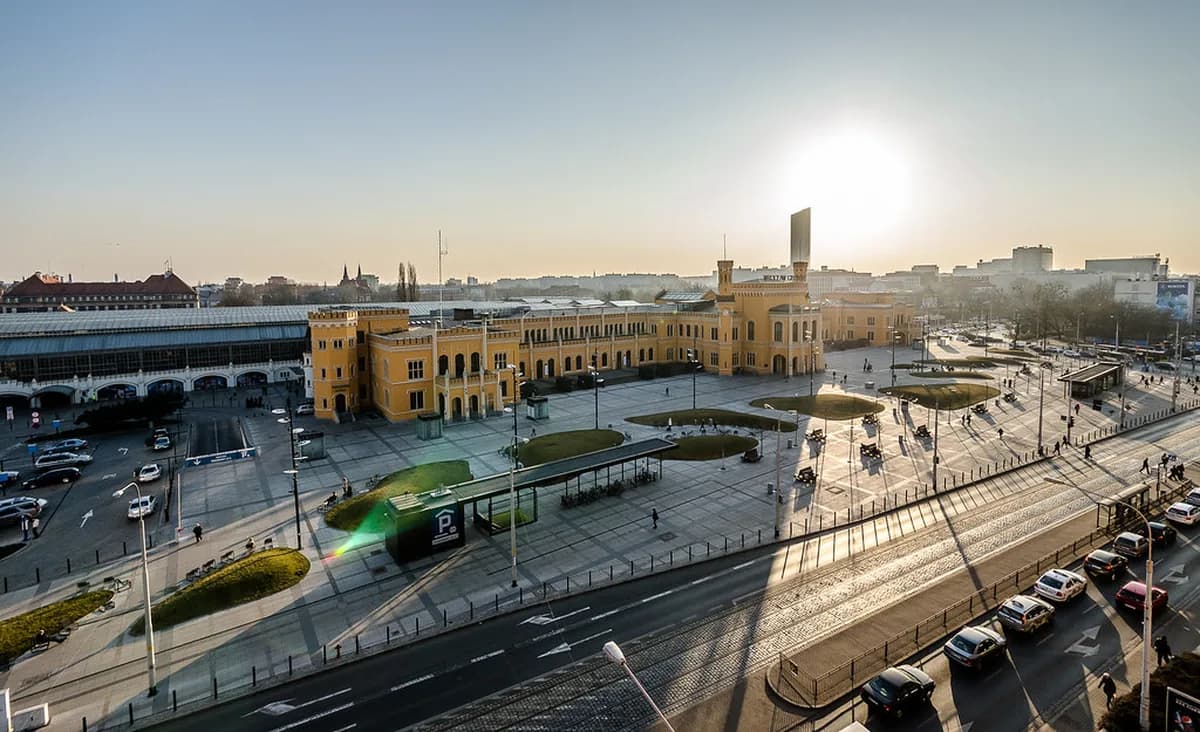
By train, Wrocław sits on Poland's main rail corridor and benefits from fast PKP Intercity connections. Warsaw takes around three hours and forty minutes by express train; Kraków is about three hours ten minutes. Berlin Hauptbahnhof to Wrocław is roughly four hours, making it a natural stop on a cross-border itinerary. All inter-city trains use Wrocław Główny, the main station, which is a fifteen-minute walk or a single tram stop from the Rynek. The station itself is an architectural landmark worth a few minutes of your time on arrival.
If you are driving, Wrocław sits on the A8 ring road which connects to the A4 motorway (Kraków to the east, Dresden and Berlin to the west). Parking in the Old Town is expensive and limited — book accommodation with a car park or use one of the paid municipal car parks just outside the pedestrian zone and walk in. Most visitors on a two-day or three-day trip find they do not need a car at all once they arrive.
Wrocław on a Rainy Day
Rain in Wrocław is not the disaster it is in cities built around outdoor markets. The city has an unusually strong collection of indoor attractions that reward a wet afternoon, and knowing about them in advance can save a trip from feeling like a washout. If your two-day or three-day visit catches bad weather, this is actually a good time to visit the Panorama of the Battle of Racławice — the rotunda is always indoors and the experience loses nothing in poor conditions. Queues are also shorter when it rains.

Hydropolis is the indoor attraction most visitors overlook and most regret missing. It is an underground multimedia museum built inside a nineteenth-century water cistern beneath the Oder embankment, dedicated entirely to the theme of water — its science, history, and mythology. The space is dramatic, the installations are genuinely inventive, and it takes about ninety minutes to explore properly. It is excellent for children and adults in equal measure. Tickets cost around 25–30 PLN in 2026 and the museum is a short tram ride from the Rynek.
The National Museum on pl. Powstańców Warszawy holds one of the best collections of medieval Silesian art in Europe, including the remarkable collection of polychrome wooden sculptures that survived the destruction of the region's churches. Budget two hours for the permanent galleries. The University of Wrocław's Aula Leopoldina — an elaborately frescoed Baroque hall — is open for visits most days and takes about forty minutes. Both are perfect for a wet morning when outdoor sightseeing feels uninviting. Wrocław also has several covered market halls, including Hala Targowa near Cathedral Island, where local food stalls and artisan vendors make for an atmospheric hour of browsing whatever the weather.
Frequently Asked Questions
Is 2 days enough for Wrocław?
Two days is enough to see the essential highlights including the Rynek, Cathedral Island, the Panorama of the Battle of Racławice, and the Centennial Hall. You will have one evening free and leave with a genuine feel for the city. For a deeper experience of Nadodrze or a day trip into Lower Silesia, a third day is worthwhile.
What is the best time of year to visit Wrocław?
May, June, September, and October offer the best combination of mild weather, manageable crowds, and open outdoor attractions. December is excellent for the Christmas market but cold. July and August are busy and warm with longer daylight hours. Winter (January to March) is quiet and affordable for those who do not mind the chill.
Is Wrocław worth visiting for just one day?
Yes, one day in Wrocław is worth it if it is the only option. Focus on the Market Square, Cathedral Island, and the gnome trail on foot. Skip the museums, which need two to three hours each to appreciate properly. One day gives you a strong enough taste to want to return for longer.
How do I get from Wrocław to Książ Castle for a day trip?
Take a train from Wrocław Główny to Wałbrzych, which takes roughly ninety minutes and runs several times daily. From Wałbrzych station, local buses or taxis reach the castle in about fifteen minutes. Alternatively, organized day trips depart from Wrocław and handle all logistics for you. Budget a full day rather than a half-day to explore the castle and the underground tunnels properly.
Wrocław is one of the most rewarding cities in Poland and one that genuinely scales well to the time you give it. A single day leaves you curious. Two days leaves you satisfied. Three days leaves you reluctant to go. Whatever length you choose, the city's compact Old Town, extraordinary Panorama rotunda, and layered Silesian identity make every hour well spent. Start planning your visit at our things to do in Wrocław guide and build outward from there.
Remember to book the Panorama timed slot before you arrive, wear comfortable shoes for the cobblestones, and leave at least one evening without a plan — some of the best Wrocław moments happen when you simply follow your feet off the Rynek. The gnomes, the Gothic spires, the student-town energy, and the unexpectedly good food will do the rest. Safe travels in Lower Silesia.
You might also like

Continue reading
More guides you'll find useful