Is Wrocław Worth Visiting? An Honest 2026 Verdict
Yes, Wrocław is absolutely worth visiting — and in many ways it quietly outshines better-known Polish cities. With its fairy-tale market square, hundreds of hidden bronze dwarfs, and a charming tangle of river islands, it offers a genuinely unique experience at prices that still feel like a bargain by European standards. As of early 2026 the city's energy is unmistakable — new openings keep arriving faster than guidebooks can track them.
That said, no destination suits every traveler. Wrocław is a lively university city that rewards curiosity and slow exploration. If you are looking for beach access or a single unmissable monument that justifies a trip on its own, you may need to adjust your expectations. This guide gives you an honest case for and against the city so you can decide with confidence.
The short version: if you loved Krakow but wish it were a little less crowded and a little more surprising, Wrocław is likely your next great Polish discovery. Read on for the full picture, including how long to stay, who will thrive here, and a few honest downsides.
What makes Wrocław special?
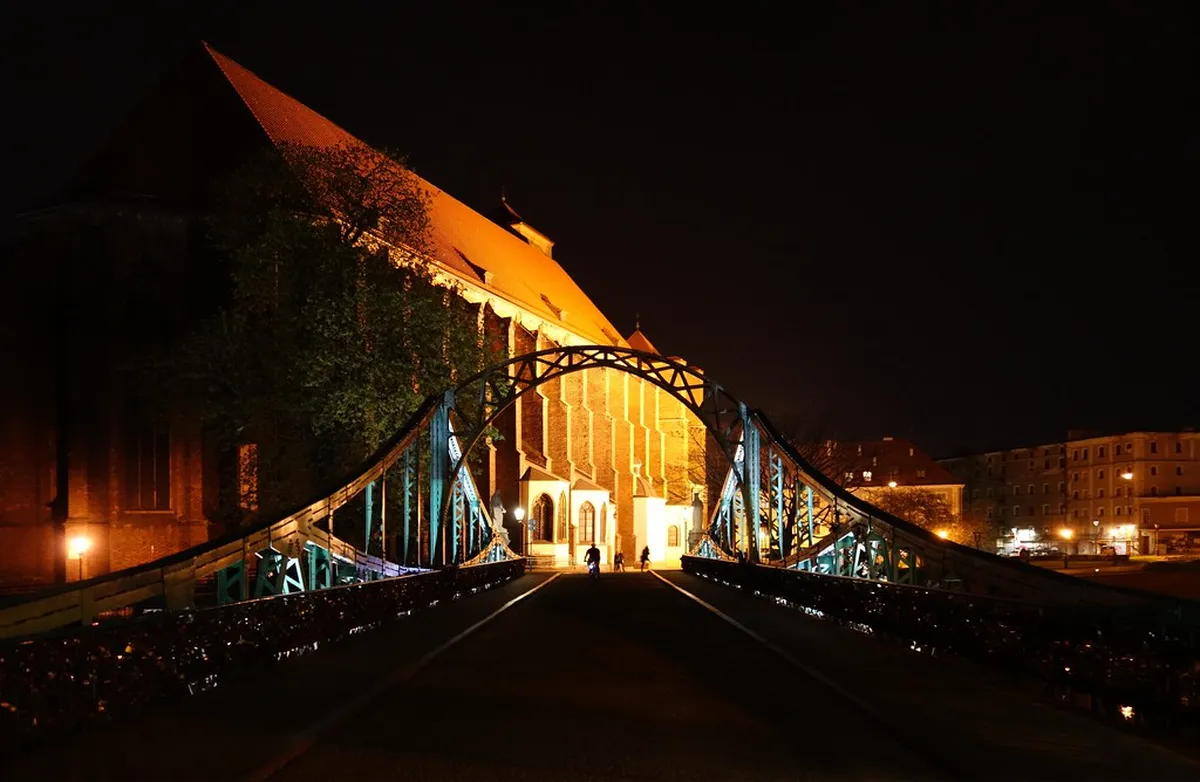
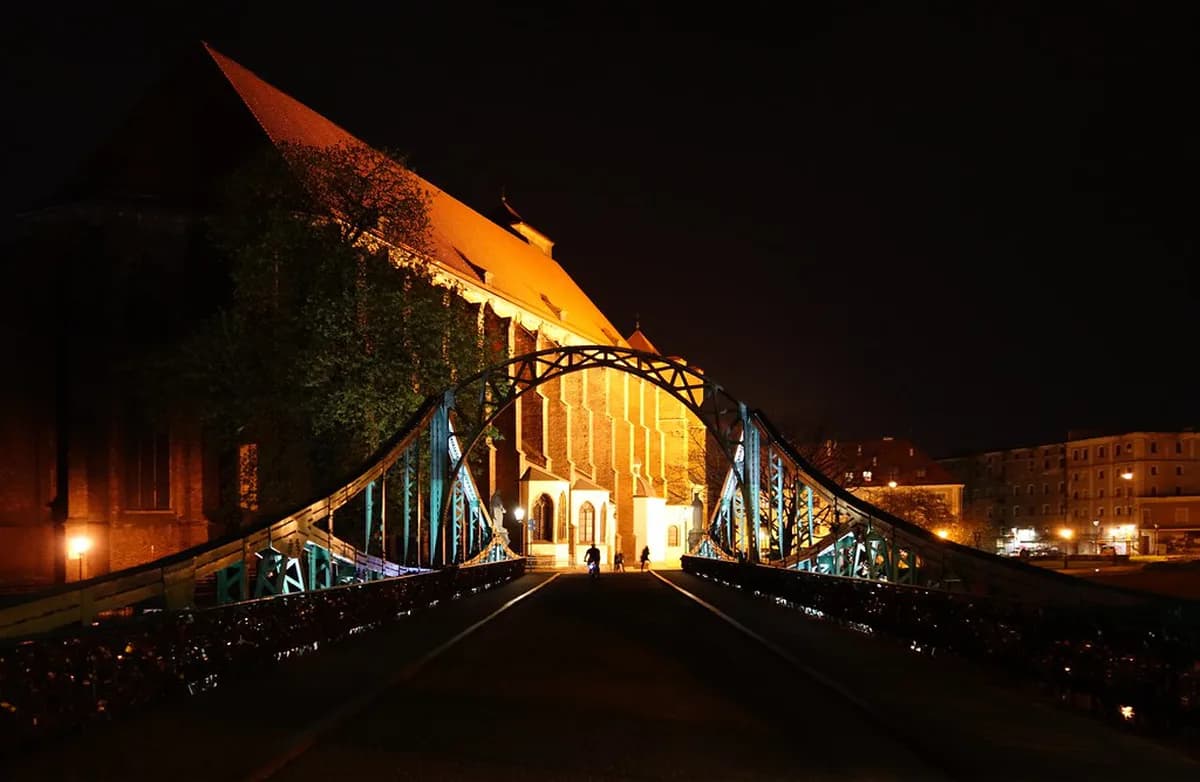
Wrocław sits at the confluence of five rivers on the Odra, which means the city is laced with bridges, canals, and small islands that give it a vaguely Venetian atmosphere in miniature. The most famous of these is Ostrów Tumski, the Cathedral Island, where gas lamps are still lit by hand each evening. Walking across the footbridge onto the island at dusk is one of the most atmospheric moments you can have in Poland.
The Rynek, or Main Market Square, is one of the largest medieval market squares in Central Europe. The Gothic town hall that anchors it dates to the 13th century and is spectacular at any time of day, but the square really comes alive in the late afternoon when the terrace cafés fill up and the light turns golden on the pastel facades. For a full picture of the city center, the Wrocław Old Town guide covers every corner worth exploring.
Then there are the dwarfs. More than 600 small bronze figurines are hidden across the city, each with a different personality and occupation. Hunting them is genuinely fun for adults and children alike. It turns an ordinary walk into a treasure hunt, and locals take pride in the tradition. Our dedicated Wrocław dwarfs guide maps the best routes if you want to find as many as possible.
Wrocław vs Krakow: an honest comparison
This is the question most travelers ask, and it deserves a straight answer. Krakow has Wawel Castle and a more famous Old Town, and it sees the crowds to match. During peak summer, the main streets of Krakow can feel genuinely overwhelming, with tour groups queuing at every major sight and restaurants raising prices accordingly. Wrocław still has a healthy tourist scene, but the ratio of visitors to locals feels far more balanced, especially outside the Christmas market season.
Architecturally, both cities are beautiful, but they are beautiful in different ways. Krakow is more uniformly Gothic and Renaissance. Wrocław is architecturally eclectic — you find Gothic churches, Baroque palaces, Jugendstil apartment buildings, and modernist university buildings all within a few blocks of each other. This reflects the city's complex history: it was German Breslau for centuries before becoming Polish Wrocław after 1945, and the layered identity gives it a cultural depth that rewards curious visitors.
On value, both cities are affordable by Western European standards, but Wrocław edges ahead in certain categories. Craft beer bars around the university district charge noticeably less than equivalent venues in Krakow's Kazimierz. Hotel prices are generally a touch lower for comparable quality. If budget is a significant factor, Wrocław gives you more per złoty.
Wrocław changed hands between German and Polish rule several times over the past millennium. After 1945, the formerly German population was expelled and replaced with Poles relocated from Lwów (now Lviv in Ukraine). This extraordinary history — two displaced populations sharing the same buildings — gives the city an unusual cultural openness that you can still feel in the local attitude toward visitors.
Who will love Wrocław (and who might not)?
Wrocław is a near-perfect fit for travelers who enjoy wandering without a rigid agenda. The city rewards the kind of exploration where you turn down an unfamiliar alley and stumble across a Baroque courtyard or a canal-side beer garden you never planned to find. Architecture enthusiasts, history lovers, and anyone with an interest in Central European culture will find it endlessly engaging.
It also works extremely well for couples, solo travelers, and small friend groups. The dining and nightlife scenes are vibrant but not overwhelming — check the Wrocław nightlife guide if evenings out are important to your trip. The city has a large student population from Wrocław University and the Polytechnic, which keeps the social energy high year-round without veering into the pure-party-destination territory of some other European cities.
Families with young children tend to have a surprisingly great time thanks to the dwarf hunt, which keeps kids engaged at street level while parents enjoy the architecture above. The compact Old Town is very walkable and largely flat, which helps with pushchairs.
Best for: Architecture fans, history seekers, couples, curious solo travelers, and those who want Krakow's charm without Krakow's crowds. Consider elsewhere if: You need beach access, a single landmark to anchor your trip, or you want the most famous highlights Poland has to offer. Alternative: If UNESCO World Heritage sites and castle views are the priority, Krakow remains the stronger call.
How long should you stay in Wrocław?
Two full days is enough to see the highlights without rushing: the Rynek and town hall, Ostrów Tumski, the Panorama of Racławice, and a dwarf hunt along the main routes. But two days will leave you feeling like you only scratched the surface, especially if you want to explore the smaller neighborhoods or linger over meals.
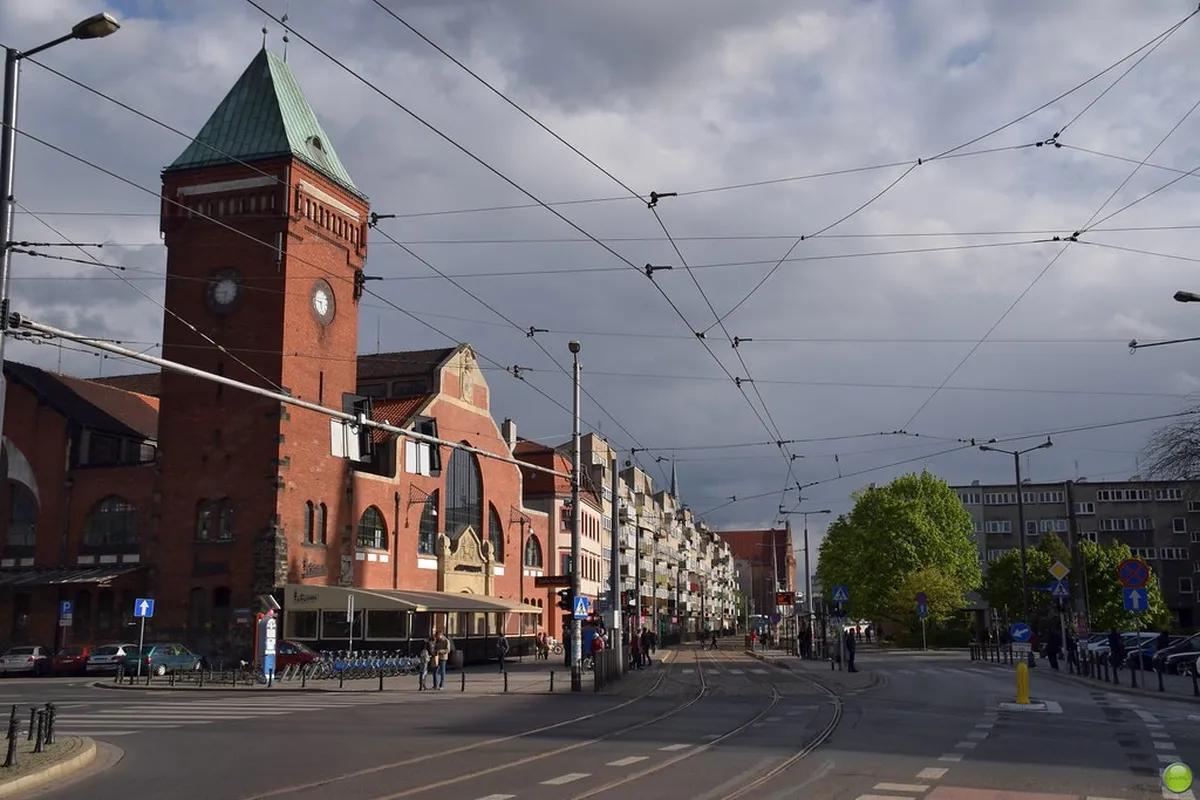
Three to four days is the sweet spot for most visitors. This gives you time to visit one or two of the excellent museums, take an evening stroll on the islands, eat your way through the food market at Hala Targowa, and still have energy left for a day trip. For a detailed breakdown of how to structure your time, the how many days in Wrocław guide lays out itinerary options by trip length.
If you have more time, Wrocław also makes an excellent base for Lower Silesia. The region around the city is genuinely underexplored: fortified Baroque churches, the Karkonosze mountains, Książ Castle, and the underground tunnel complex at Osówka are all within reach. Our day trips from Wrocław guide covers the best options with practical transport advice.
Wrocław vs Gdańsk: which to choose?
Both cities offer a stunning Old Town and a strong sense of historical identity, but they deliver very different atmospheres. Gdańsk is a coastal city shaped by its role as a Baltic trading port and the birthplace of the Solidarity movement. It has an unmistakably maritime feel, and the access to nearby beaches at Sopot gives it an outdoor dimension that Wrocław lacks.
Wrocław is more of an inland, university-driven cultural city. Its strengths lie in architecture, museums, and a buzzing café and bar scene rather than sea and history museums. If you are choosing between the two for a single Polish city break, consider whether you prioritize waterfront atmosphere and WWII history (Gdańsk) or architectural eclecticism and a more local vibe (Wrocław).
Ideally, visit both. They are only around five hours apart by train, and pairing them creates a genuinely rounded picture of what modern Poland looks like beyond Warsaw and Krakow.
Is Wrocław good value for money?
Yes, Wrocław remains one of the better-value city break destinations in Central Europe in 2026. A sit-down dinner for two with drinks at a mid-range restaurant typically comes in well under 200 PLN (roughly €45–50 at current rates). Street food and market lunches are significantly cheaper — a portion of zapiekanka or a bowl of żurek from the Hala Targowa food market will rarely cost more than 20–25 PLN.
Accommodation options range from well-priced hostels near the university district to design hotels overlooking the Rynek. Compared with equivalent properties in Warsaw or Krakow, you generally pay slightly less for the same level of comfort. For advice on the best neighborhoods and options, the where to stay in Wrocław guide breaks it down by budget and location.
Trams are the easiest way to move around if you want to venture beyond the walkable center, and the network is comprehensive and inexpensive. Most of the major attractions in the Old Town and on Ostrów Tumski are free to access from outside — admission fees apply to the interiors of major museums and the Cathedral tower, but the street-level experience costs nothing.
The Panorama of Racławice is one of the most unusual museum experiences in Poland — a 360-degree oil painting 15 meters high and 114 meters in circumference depicting an 18th-century battle, displayed in a purpose-built rotunda. It is technically a painting you stand inside. Book tickets in advance during peak season, as entry is timed and slots fill quickly.
Honest downsides of visiting Wrocław
No destination is without its frustrations, and Wrocław has a few worth knowing about before you book. The most common complaint from visitors is that the city can feel difficult to pin down as a destination — it lacks a single headline attraction like Krakow's Wawel Castle or Warsaw's Royal Route. For travelers who want a clear narrative thread to their sightseeing, this looseness can feel unsatisfying.
The traffic in parts of the city center is also heavier than you might expect for a place with so much pedestrian-friendly Old Town. Some of the bridges and junctions around the islands see significant car traffic, and the noise and fumes can break the mood in otherwise beautiful spots. This is improving as tram and cycling infrastructure expands, but it is worth noting.
During the Christmas market season in late November and December, the Rynek becomes extremely crowded and prices across the city rise noticeably. The market itself is among the most beautiful in Poland, but if you are visiting primarily for atmosphere rather than the event itself, the shoulder months of October or early March will give you the city without the crowds.
- Pros: What visitors love
- Spectacular Rynek and Gothic town hall
- The dwarf hunt — genuinely fun for all ages
- Excellent value for food, drink, and accommodation
- Fewer crowds than Krakow year-round
- Beautiful river islands and canal atmosphere
- Strong café and restaurant scene near the university
- Cons: What may disappoint
- No single headline monument to anchor the visit
- City center traffic heavier than expected near some islands
- Christmas market brings large crowds and price spikes
- No beach or coastal access
- Some outer neighborhoods feel unremarkable
Top things to do: where to start
The logical starting point is the Rynek, where the Gothic town hall, the colonnaded Renaissance burghers' houses, and the lively terrace scene combine to give you the full Wrocław experience in one square. Spend a morning here, then cross to Ostrów Tumski in the afternoon for the Cathedral of St John the Baptist and the hand-lit gas lamps at dusk.
After that, let the dwarfs take you wherever they want. The tourist office — whose official visitwroclaw.eu portal is also the best source for current events — produces a free map, and the figures are dense enough around the Old Town that you can discover a dozen without trying. For everything the city has to offer in a structured form, the things to do in Wrocław guide is the best starting point, with the full list of attractions organized by type and neighborhood.
Food deserves its own plan. The city has a strong regional food culture built around Silesian dishes: roladki śląskie (beef rolls with buckwheat), Silesian dumplings, and local soups that differ from what you find elsewhere in Poland. The where to eat in Wrocław guide covers both traditional spots and the newer restaurant scene that has emerged around the university district and the refurbished Nowy Targ square.
Final verdict: is Wrocław worth visiting in 2026?
Yes, without hesitation. Wrocław is one of the most rewarding and underrated city breaks in Central Europe, and it performs especially well for travelers who have already done Krakow and Warsaw and want something that surprises them. The combination of a stunning medieval square, island atmosphere, architectural eclecticism, genuine value for money, and the sheer fun of the dwarf hunt makes it a destination that earns repeat visits.
The city is not trying to be Krakow, and that restraint is part of what makes it so enjoyable. It has its own identity — Central European, multilayered, welcoming, and unhurried — and that identity rewards travelers who come to explore rather than tick boxes.
Plan for at least three nights. Use the how many days in Wrocław guide to build your schedule, spend a day on a regional excursion from the day trips from Wrocław guide, and start your sightseeing planning with the full things to do in Wrocław guide. You will almost certainly wish you had booked one more night.
The best time to visit Wrocław for a balance of good weather and manageable crowds is May or September. July and August bring peak summer visitors and higher accommodation prices. The Christmas market in December is spectacular but extremely busy — book accommodation months in advance if that is your window.
Best time to visit Wrocław
May and early June offer the best overall conditions. Temperatures sit comfortably in the low-to-mid 20s Celsius, the outdoor terraces on the Rynek are open and busy, and accommodation prices have not yet hit their July–August peak. The city's parks — Szczytnicki in particular, which surrounds the Japanese Garden — are at their most vivid in late spring.
September is the second-best window. The summer crowds have thinned, the weather stays warm enough for evenings outside, and prices ease back. This is the sweet spot if you want the full café-terrace experience without competing for space.
July and August are perfectly manageable but bring the highest visitor numbers and accommodation rates. If you are visiting in peak summer, book at least six to eight weeks ahead. December brings the Christmas market to the Rynek, which genuinely is one of the most beautiful in Central Europe — but the square fills up quickly at weekends and nearby hotels often charge a significant premium. If you plan to go specifically for the market, book accommodation three to four months in advance.
January and February are the quietest and coldest months. Hotel rates drop considerably and the city has a different, quieter character. The Panorama of Racławice and the university museums are far easier to visit without queuing. Winter is underrated if you tolerate cold and prefer local haunts to tourist crowds.
Getting to Wrocław: flights, trains, and connections
Wrocław Copernicus Airport (WRO) receives direct flights from London Stansted, London Luton, Manchester, and Edinburgh via Ryanair and Wizz Air, with return fares frequently available under £60 when booked a few weeks ahead. Flight time from the UK is around two hours. The airport is compact and sits around 10 km from the city center; a taxi or ride-share costs roughly 30–40 PLN and takes 20 minutes outside rush hour.
From within Poland, Wrocław is well connected by PKP Intercity trains. The journey from Warsaw takes around three and a half to four hours on the express IC service, and Krakow to Wrocław runs around three hours on the better connections. Trains are comfortable, reliable, and considerably cheaper than in Western Europe — a second-class Warsaw–Wrocław ticket booked a few days out typically costs 60–90 PLN. Booking through the PKP Intercity website or the Koleo app gives you the best fares.
From Germany, Wrocław is around two hours by car from the Dresden area and under three hours from Berlin. FlixBus operates a direct coach service from Berlin that takes three to four hours and costs as little as €5–15 booked in advance, making it a practical option for budget travelers already in Germany.
Beyond the Old Town: the university district and alternative scene
Most visitors spend almost all their time in the Old Town and on Ostrów Tumski, which is understandable. But the area around Wrocław University — particularly the streets around plac Nankiera and the riverside south of the Rynek — is where the city's own residents actually eat, drink, and socialise. The bars here charge noticeably less than the tourist-facing venues on the market square and have a completely different atmosphere.
Wrocław has a serious street art scene that has developed organically across the Nadodrze district, a formerly run-down area north of the Old Town that has gentrified gradually over the past decade. The murals here are not decorative filler — several were commissioned from internationally recognised artists, and walking the district takes around 45 minutes. It is visually striking and almost entirely absent from standard tourist itineraries.
The city also has a cluster of independent bookshops, vintage record stores, and small gallery spaces concentrated around ulica Świdnicka and the side streets off plac Bema. This part of the city — low-key, genuinely local, not optimised for Instagram — is arguably what Wrocław does better than any other Polish city. If the tourist-polished Rynek starts to feel a little too curated after a day or two, Nadodrze is a 15-minute walk that resets the experience entirely.
Frequently Asked Questions
Is Wrocław worth visiting compared to Krakow?
Wrocław is absolutely worth visiting and arguably better than Krakow for travelers who want fewer crowds and a more local atmosphere. Krakow has the edge on headline monuments like Wawel Castle, but Wrocław offers a more relaxed experience, strong value for money, and the unique dwarf trail that you will not find anywhere else. If you have already visited Krakow, Wrocław should be your next Polish city.
How many days do you need in Wrocław?
Three to four days is the ideal length for a Wrocław visit. Two days covers the main highlights at a brisk pace, but three nights gives you time to explore the islands, visit a major museum, enjoy the food scene, and take a short day trip into Lower Silesia. See the how many days in Wrocław guide for detailed itinerary options.
Is Wrocław safe for tourists?
Yes, Wrocław is a very safe city for tourists. Violent crime is rare, the city center is well-lit and busy at night, and locals are generally helpful and accustomed to visitors. The usual common-sense precautions apply in crowded areas during peak season, but overall it feels as safe as any major Western European city.
What is Wrocław famous for?
Wrocław is famous for its magnificent Market Square (Rynek), the atmospheric Cathedral Island (Ostrów Tumski), the quirky bronze dwarf figurines hidden around the city, and its layered German-Polish history. The Panorama of Racławice — a massive 360-degree oil painting housed in a rotunda — is also one of the most unusual museum experiences in Poland.
Wrocław earns its place on any Poland itinerary with a combination of beauty, value, and genuine surprise that few Central European cities can match. Its market square rivals any in the region, its island atmosphere is wholly its own, and the dwarf trail turns even a short visit into something memorable.
Whether you come for a weekend or use it as a base for exploring Lower Silesia, you will leave with a long list of reasons to return. Start planning today — Wrocław is one of those cities that tends to convert visitors into advocates.
| Cost | Typical price | Notes |
|---|---|---|
| Mid-range dinner for two | Under 200 PLN | Roughly €45–50 with drinks |
| Street food / market lunch | Significantly cheaper | Zapiekanka or żurek at Hala Targowa |
| Airport transfer | 30–40 PLN | ~10 km, 20 minutes outside peak |
| Warsaw–Wrocław train | Cheaper than Western Europe | Second class, booked a few days out |
You might also like


Continue reading
More guides you'll find useful