
Is Krakow Worth Visiting? 10 Things to Know Before You Go
Yes, Krakow is absolutely worth visiting because it offers a rare blend of medieval charm and affordable luxury. If you prefer a more modern, fast-paced business vibe, consider visiting Warsaw instead. Late May brings weather that is perfect for exploring the cobblestone streets. Updated July 2026.
The city feels like an open-air museum where history meets a vibrant student population. Walking through the main square at night is a truly magical experience for any traveler. Many people wonder if the city is still cheap compared to other European capitals. My honest opinion is that it remains one of the best value destinations in Europe.
What is Krakow Like?
Krakow feels much more intimate than the sprawling capitals of Western Europe. The city center is compact and mostly pedestrianized, making it very easy to navigate. Ancient brick buildings stand next to trendy cafes and hidden basement bars. This contrast creates a unique atmosphere that appeals to both history buffs and younger travelers. Learn more about Kraków's rich history from authoritative sources.
The Vistula River loops around the city, providing a scenic spot for evening walks. Locals often gather on the grassy banks to watch the sunset during the summer months. Residents show a strong sense of pride in their local traditions. You will find that the pace of life here is slower than in Berlin or Prague.
Most major attractions are within walking distance of the central district. The surrounding Planty Park provides a green ring around the historic Old Town area. This layout ensures that you never feel overwhelmed by urban sprawl or heavy traffic. It is a city that rewards those who take the time to explore side alleys.
The Historic Heart: Rynek Główny and the Cloth Hall
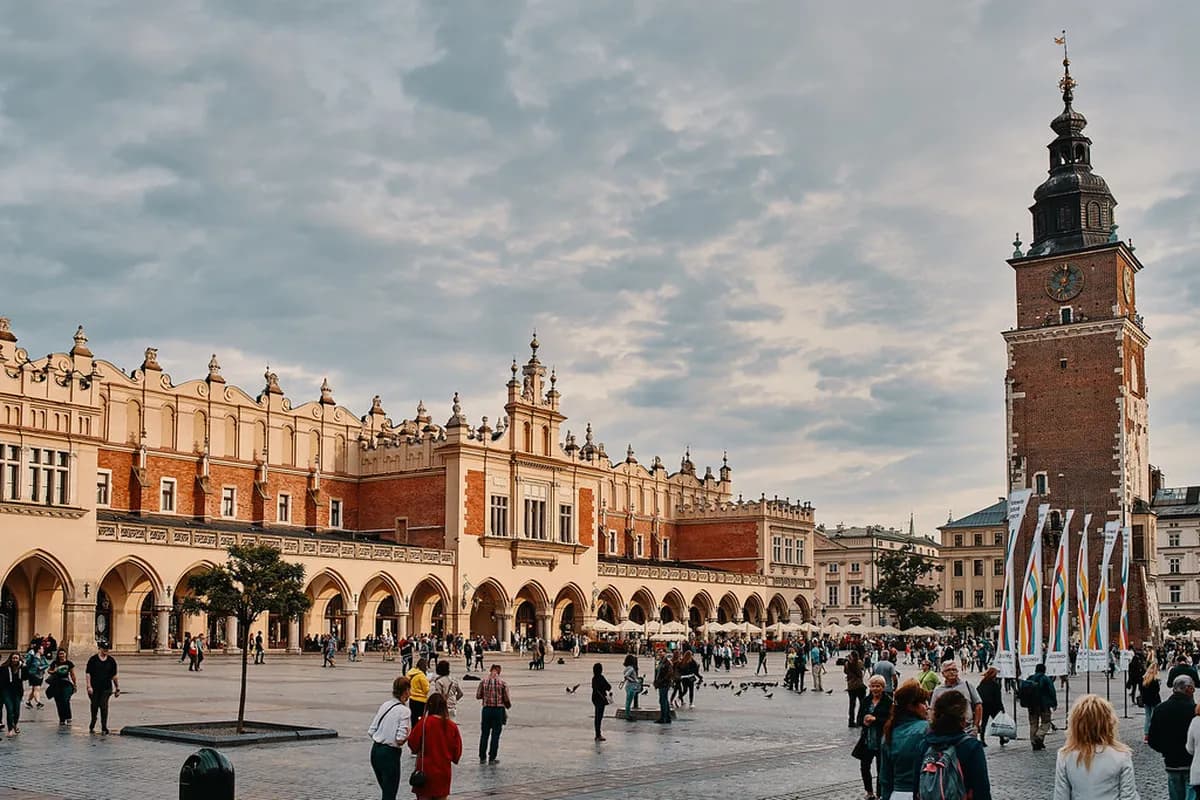
The Rynek Główny is one of the largest medieval town squares in all of Europe. The massive Cloth Hall sits in the center, housing dozens of local souvenir stalls. Prices inside the hall are surprisingly reasonable for such a touristy spot. You can find high-quality amber jewelry and hand-carved wooden crafts here.
Every hour, a trumpeter plays a famous broken melody from the St. Mary’s Basilica tower. The best viewing spot is right in front of the church entrance at the hour mark. Watching the trumpeter wave to the crowd after the performance is a charming local tradition. This Krakow Old Town Visitor Guide: The Ultimate Travel Resource offers more details on the square's history.
Beneath the square lies a high-tech underground museum showcasing the city's medieval foundations. It can feel a bit claustrophobic during the mid-afternoon rush when crowds are at their peak. I recommend booking your entry for early morning or late evening to avoid the groups. The square is open 24 hours, but most shops close by 8 or 9 pm.
Royal Heritage: Wawel Castle and Cathedral
Wawel Hill is the symbolic heart of Polish national identity and royal history. The castle courtyard features stunning Italian Renaissance architecture that feels very Mediterranean. The intricate details of the Royal Private Apartments reward a slow, unhurried walkthrough. You should expect to spend at least three hours exploring the entire hill complex.
The cathedral on the hill is where Polish kings were crowned and buried for centuries. Climbing the Sigismund Bell tower provides a fantastic panoramic view of the surrounding city. Be aware that the stairs are very narrow and steep for those with mobility issues. Admission to the cathedral grounds is free, but the museum and tombs require a ticket.
At the foot of the hill, you will find the famous bronze Wawel Dragon statue. It breathes real fire every few minutes, which is always a hit with younger visitors. The dragon's cave is a fun, quick walkthrough that leads you toward the riverbank. Prices for individual castle exhibitions range from $7 to $12 per person.
Wawel Castle has been the residence of Polish kings for over 500 years and represents the heart of Polish national identity. The cathedral grounds are free to explore, but the museum exhibitions and tower climbs require admission. Plan 3-4 hours for a thorough visit, and arrive early to beat afternoon crowds.
The Soul of the City: Kazimierz (Jewish Quarter)
Kazimierz is where you will find the most authentic and gritty side of the city. This neighborhood served as the center of Jewish life for over five hundred years. Today, it is a hub for independent boutiques, street art, and legendary nightlife. The bohemian vibe sets it apart from the more formal Old Town.
Plac Nowy is the center of the district and the best place for cheap eats. You must try a 'Zapiekanka', which is a large open-faced toasted baguette with toppings. These snacks usually cost less than $4 and are a staple of the local diet. The area comes alive after dark with dozens of candlelit bars and music venues.
Many visitors come here to see the filming locations from the movie Schindler’s List. The Old Synagogue and the Remuh Cemetery offer deep insights into the area’s tragic history. The quiet courtyards are a peaceful escape from the busy main streets. Check out this Krakow Nightlife Guide: Best Bars, Clubs & Districts for the best bar recommendations in Kazimierz.
Auschwitz-Birkenau, one of the most significant Holocaust memorials, is located just 70 km southwest of Krakow and is easily accessible by train or organized tour (typically 2-hour journey). Most visitors book guided tours in advance to secure entry and gain deeper historical context during the visit.
Is it worth the money? Costs and Milk Bars
Krakow remains an incredibly budget-friendly destination for most international travelers. A mid-range traveler can comfortably get by on $50 to $70 per day including meals. Luxury experiences like fine dining or upscale hotels are also much cheaper than in London. You will get significantly more value for your money here than in Western Europe.

For the most authentic and cheapest meals, you must visit a 'Bar Mleczny' or Milk Bar. These are government-subsidized cafeterias that serve traditional Polish comfort food like pierogi. A full two-course meal with a drink can cost as little as $6 at a local spot. Ordering can be a bit intimidating as the menus are often only in Polish.
Beer and vodka are also very affordable, often costing less than $3 in local pubs. Museum entry fees are modest, typically ranging from $5 to $15 depending on the site. Many museums even offer free entry on specific days of the week for all visitors. Explore these 15 Essential Tips and Free Things to Do in Krakow to save even more money.
Essential Day Trips: Auschwitz and the Salt Mine
Most visitors use the city as a base for two major day trips nearby. The Auschwitz-Birkenau memorial is a somber but necessary experience for understanding history. I recommend booking a guided tour at least one month in advance to secure a spot. The emotional weight of the visit is significant, so plan a quiet evening afterward.
The Wieliczka Salt Mine is a surreal underground world filled with statues and chapels. You will have to descend over 800 steps, which can be physically demanding for some. The temperature underground stays around 14°C, so bring a light jacket even in summer. Standard tours take about three hours and cover several kilometers of underground tunnels.
Both sites are easily reachable by local train or organized bus tours from the center. If you only have one day, it is possible to combine both into a long trip. However, I think each site deserves its own day to avoid feeling rushed or exhausted. Tickets for the Salt Mine usually cost around $30 for international visitors.
Practical Tips: Costs, Timing, and Getting Around
The best time to visit is during the shoulder seasons of May or September. July and August are very crowded and can be uncomfortably hot for walking. January and February offer great deals, but the weather is very cold. Check this guide on the 10 Key Factors for Choosing the Best Time to Visit Krakow for more seasonal advice.
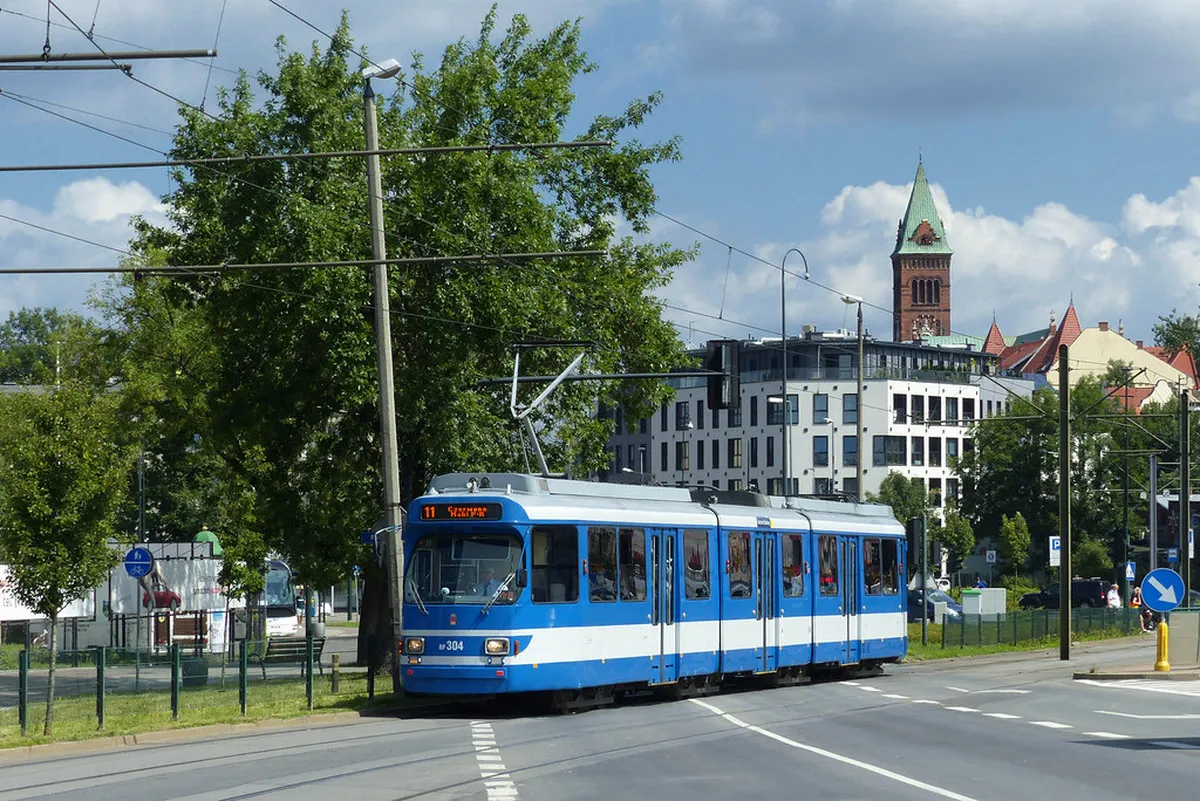
Public transport in the city consists of an efficient network of trams and buses. You can buy tickets at kiosks or directly on the vehicles using a card. The city is also very safe for solo travelers, even late at night in Kazimierz. Late-evening walks back to your hotel through the well-lit center generally feel comfortable.
Most shops and attractions are open daily from 10 am to 6 pm. Some smaller museums may close on Mondays or Tuesdays, so check the official sites. English is widely spoken in the tourist areas and by the younger generation. You will have no trouble communicating in restaurants, hotels, or major museums.
Final Verdict: Is Krakow Worth Visiting?
Verdict: Yes, Krakow is one of the most rewarding cities to visit in Central Europe. It combines a deep, often tragic history with a modern and youthful energy. The city is affordable, beautiful, and offers world-class dining and nightlife options. According to Poland's official tourism board, it should be on every European travel itinerary at least once.
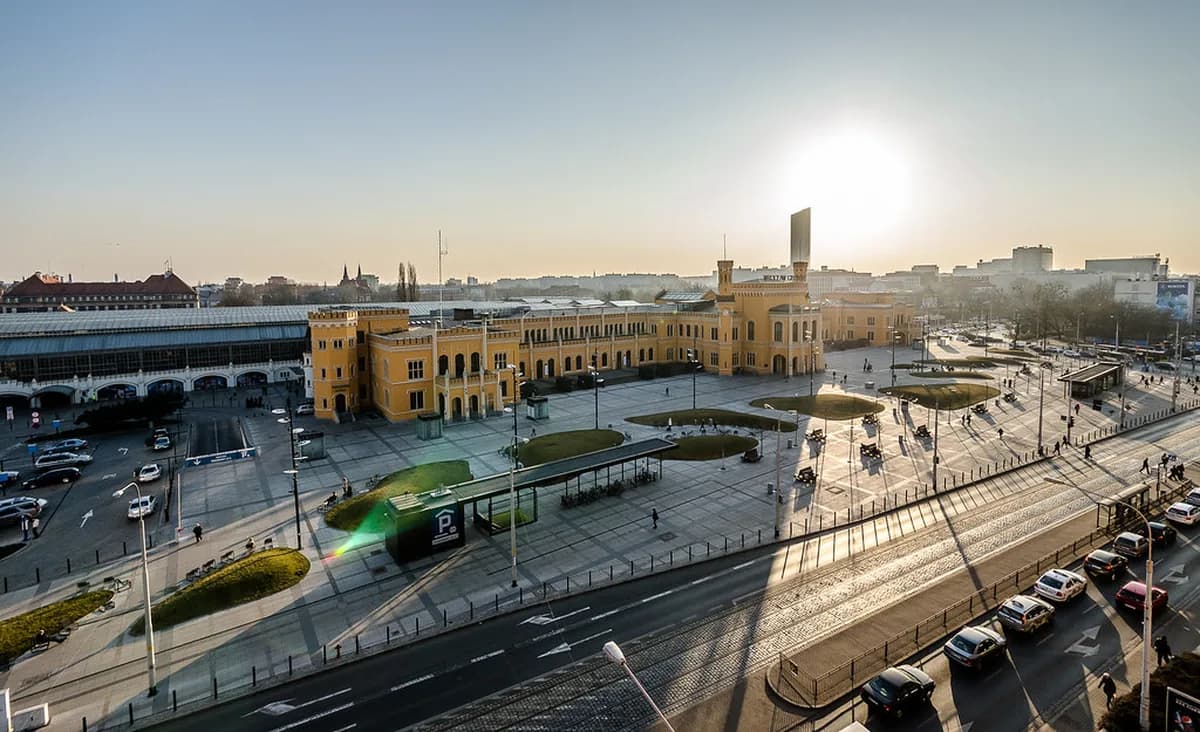
Best for: History enthusiasts, budget-conscious travelers, and those who enjoy walkable, atmospheric cities. Skip if: You dislike crowds, prefer modern architecture, or are looking for a beach-style relaxation holiday. Alternative: If you want a similar vibe but with fewer tourists, consider visiting Wroclaw instead. Both cities share a similar history but Wroclaw feels more like a hidden gem.
Ultimately, the city's ability to preserve its medieval soul while moving forward is impressive. You will likely leave the city already planning your next trip back to Poland. Whether you stay for two days or a week, the city never feels boring. It is a destination that truly lives up to the high praise it receives.
- Pros: Why you should go
- Incredible value for your money
- Extremely walkable city center
- Rich and diverse historical sites
- Delicious and affordable local food
- Vibrant nightlife in Kazimierz district
- Cons: Potential downsides
- Heavy crowds in peak summer
- Air quality issues in winter
- Somber emotional weight of day-trips
- Narrow stairs in historic towers
- Tourist traps in the main square
Frequently Asked Questions
How much time do you need in Krakow?
I recommend spending at least three full days in the city. This allows one day for the Old Town, one for Kazimierz, and one for a day trip. If you want to see both Auschwitz and the Salt Mine, four days is better.
Is Krakow safe for solo travelers?
Krakow is considered very safe for solo travelers. Violent crime is rare and the city center is well-lit at night. You should still use common sense and watch your belongings in crowded areas like the Cloth Hall.
What is the best month to visit Krakow?
May and September are the best months to visit. You will enjoy mild temperatures and fewer crowds than in the summer. The city's parks are also beautiful during these shoulder seasons.
Krakow is a city that manages to be both a living history book and a fun party destination. The affordability of the city makes it accessible to almost any type of traveler. The local food and friendly atmosphere consistently win over even skeptical first-time visitors. It is a place where every corner seems to have a story to tell.
If you are looking for a destination that offers culture, beauty, and value, this is it. Pack your walking shoes and prepare for a memorable trip to Poland's cultural capital. You can read more about Ricksteves.com for additional historical context. I hope this review helps you decide if Krakow is the right choice for your next adventure.
You might also like

Continue reading
More guides you'll find useful