

Where to Eat in Wrocław: 15 Best Restaurants (2026)
Whatever time of year you visit, Wrocław punches well above its weight as a food destination in Central Europe. The dining scene here blends deep Silesian culinary heritage with a modern, student-city energy that keeps things fresh and adventurous. From steaming bowls of żurek served inside hollowed bread loaves near the Wrocław Old Town to inventive tasting menus overlooking the Market Square, there is something genuinely exciting happening in every neighbourhood.
This guide was last reviewed in June 2026 to keep pricing, hours, and restaurant details as current as possible for your visit. Each recommendation here is thoroughly researched and cross-referenced against local opinion and recent visitor reports. Whether you have two days or two weeks, these picks will help you spend your dining budget wisely and eat extraordinarily well.
Wrocław rewards explorers who wander beyond the immediate Rynek perimeter. The best value meals, the most creative chefs, and the most authentic atmosphere tend to appear in the quieter streets of Śródmieście or the lively Nadodrze district just north of the centre. Keep reading for the full breakdown, neighbourhood by neighbourhood, budget to splurge.
Silesian Classics You Must Try First
Silesian cuisine is the culinary backbone of Wrocław and differs meaningfully from what you might expect from generic Polish food. The region's cooking reflects centuries of German, Czech, and Polish influence, producing hearty, layered flavours built around pork, sauerkraut, root vegetables, and slow-braised meats. Before exploring the wider restaurant scene, it is worth grounding yourself in these staples so you know what to order.
Rolada śląska — a thin slice of beef rolled around bacon, onion, and pickle then braised in a dark gravy — is the dish every first-time visitor should order first. Pair it with kluski śląskie, the indented potato dumplings that look like small flying saucers, and red braised cabbage. You will find this combination at virtually every traditional Polish restaurant in the city, and it costs roughly 35–55 PLN for a full plate. Żurek, a sour rye soup served with hard-boiled egg and sausage, makes a perfect lunch starter and often comes inside a small bread bowl for added theatre.
Many Wrocław restaurants offer a daily lunch special (zestaw dnia) from noon to 3pm — typically a soup plus main course for 25–40 PLN. This is the best way to eat well on a tight budget and try dishes that do not always appear on the evening menu. Ask at the counter even if you do not see it advertised on the door.
Silesian cheesecake (sernik) and poppy-seed roll (makowiec) are the desserts to seek out, particularly from one of the city's excellent bakeries. Piekarnia Aromat near the market hall is a local favourite for pastries and fresh bread that gives you an honest taste of everyday Wrocław. For context on how the food scene fits into a wider trip, the full things to do in Wrocław guide has neighbourhood breakdowns and activity pairings worth reading before you arrive.
15 Best Restaurants in Wrocław (2026)
This list covers the full range from budget milk bars to fine dining, with practical details on cost, location, and what to order. It prioritises spots that offer a genuine sense of place rather than generic tourist menus. Prices are in Polish Złoty (PLN) — at 2026 exchange rates, roughly 4 PLN to the US dollar and 5 PLN to the euro, though always check the current rate before your trip.
The city's dining geography matters. The Rynek (Market Square) and its immediate surrounds host the most celebrated restaurants and the highest prices. Śródmieście, the broader city centre, offers mid-range gems with strong local regulars. Nadodrze, north of the centre, is the creative and slightly grungy district where craft beer meets experimental food. Understanding these zones will help you match your mood and budget to the right area each evening.
- Konrad Restaurant for Silesian Fine Dining
- Consistently ranked among the top restaurants in the city, Konrad serves elevated Polish cuisine with impeccable service on ul. Świdnicka.
- Expect to spend 120–200 PLN per person for a three-course dinner; lunch tasting menus offer better value at around 80–100 PLN.
- Reserve well in advance for weekends and ask about seasonal game and mushroom specials, which are outstanding in autumn.
- Restauracja Jadka for Traditional Polish
- Housed in a medieval cellar near the Rynek, Jadka is the city's benchmark for honest Polish home cooking served in atmospheric surroundings.
- Main courses run 45–75 PLN, and the braised beef rolada with Silesian dumplings is the dish that keeps regulars coming back.
- Walk south from the Market Square toward ul. Rzeźnicza and look for the stone staircase leading down to the entrance.
- Bernard Restaurant and Brewpub
- One of the best spots on the Rynek for craft Czech-style beer brewed in-house alongside hearty Central European food.
- Prices sit at 35–60 PLN for mains, and the atmosphere peaks on weekend evenings when the square fills with life.
- The smoked pork knuckle and fresh-poured dark lager is the combination that locals recommend most often to visitors.
- Bar Mleczny Miś for Budget Polish
- This beloved milk bar is a window into everyday Polish eating culture — self-service, cash-friendly, and deeply cheap.
- You will rarely spend more than 20–28 PLN for a full meal of soup, main, and kompot fruit drink.
- It sits on ul. Świdnicka and fills up fast at lunch; arrive before noon or after 1:30pm to skip the longest queues.
- Pierogarnia Stary Młyn Wrocław for Dumplings
- A dedicated pierogi restaurant serving dozens of filling combinations from classic potato-cheese to duck and cranberry.
- Plates of 8–12 dumplings cost 28–45 PLN, making it an excellent mid-morning second breakfast or afternoon snack.
- Try the ruskie (potato, cheese, onion) alongside one of the sweet dessert pierogi filled with strawberries and cream cheese.
- Hana Sushi and Asian Fusion
- The most consistent Japanese and Asian fusion kitchen in the city, popular with Wrocław's large international student population.
- Sushi sets run 55–90 PLN; ramen bowls come in at 38–52 PLN for a generous serving.
- Booking ahead is essential on Thursday and Friday evenings when the university crowd descends; located near ul. Świdnicka.
- Przedwojenna for Retro Polish Atmosphere
- A nostalgic restaurant styled after pre-war Polish interiors, serving recipes drawn from early 20th-century cookbooks.
- Mains cost 50–80 PLN, and the menu rotates seasonally to reflect what would have been available at different times of year.
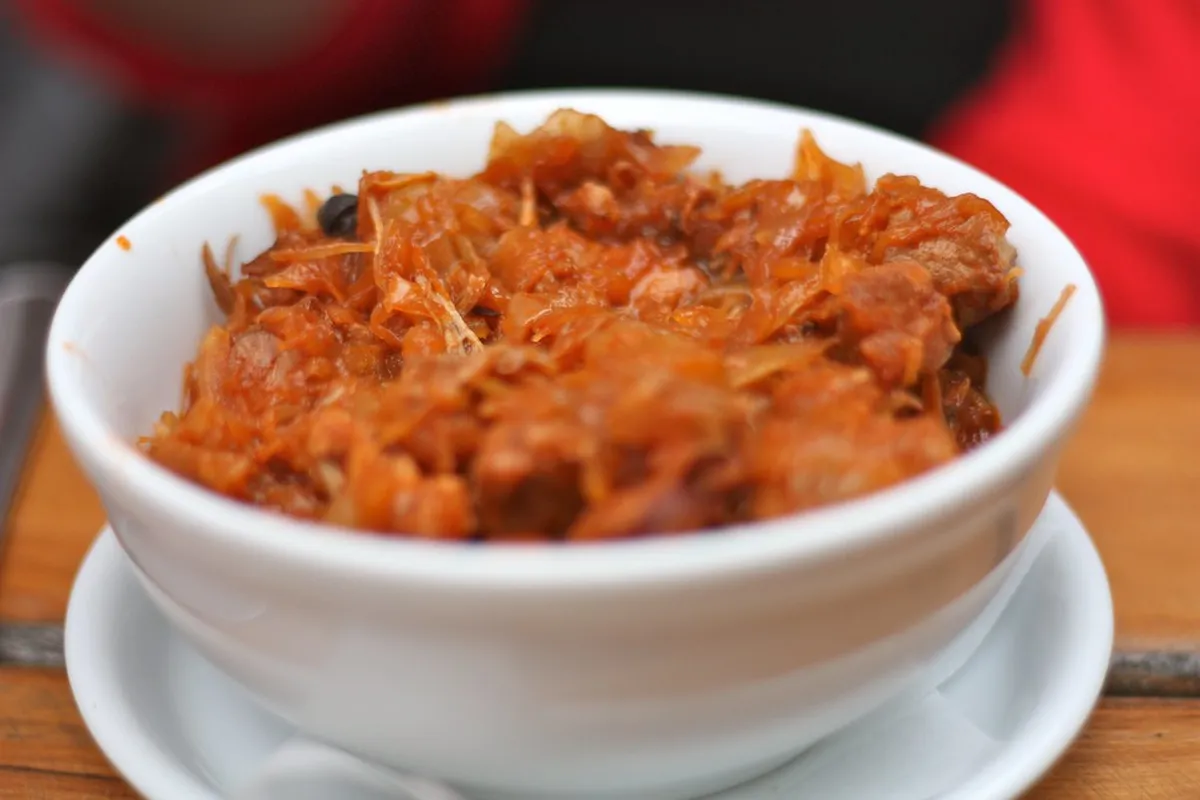
- The beet-and-herring salad and hunter's stew (bigos) here are among the most carefully prepared versions you will find anywhere in Poland.
- Hala Targowa Market Hall for Street Food
- Wrocław's renovated 19th-century market hall is one of the city's great food experiences, hosting dozens of vendors under one vast iron roof.
- Individual stalls sell everything from smoked meats and artisan cheeses to Vietnamese pho and fresh juice for 10–35 PLN per item.
- Saturday morning is the best time to visit when farmers bring seasonal produce and the atmosphere is at its most vibrant; located on ul. Piaskowa.
- Stół Polski for Regional Tasting Menu
- A modern interpretation of Polish regional cooking, presenting Silesian, Mazovian, and Podlaskie flavours in a stylish tasting format.
- The six-course tasting menu runs approximately 180–240 PLN per person, with wine pairing available for an additional charge.
- This is the restaurant to choose for a special occasion meal in Wrocław, and bookings should be made several days ahead.
- Ramen Shop Wrocław
- A stripped-back specialist ramen kitchen that has built a loyal following for its rich tonkotsu and miso broths made from scratch daily.
- Bowls cost 38–52 PLN and portions are generous; expect a short queue at peak lunch and dinner hours.
- Located in Śródmieście, it is a great warm-up meal before a night exploring the city according to our Wrocław nightlife guide.
- Bułkę Przez Bibułkę for Vegetarian and Vegan
- The city's most celebrated vegetarian and vegan restaurant, serving creative plant-based dishes made with seasonal Polish ingredients.
- Mains run 35–55 PLN, and the menu changes frequently to reflect what is available at the local market that week.
- Even committed meat-eaters tend to leave impressed; the wild mushroom risotto and beetroot tartare are the standout dishes.
- Browar Stu Mostów Taproom for Craft Beer and Food
- The taproom of Wrocław's most acclaimed craft brewery, pairing fresh-poured IPAs, stouts, and seasonal brews with shareable bar food.
- Beer flights cost 30–45 PLN; food plates like smoked ribs and loaded fries range from 25–50 PLN.
- Located in Śródmieście at ul. Świdnicka 8, it is essential for craft beer lovers and the beer itself is genuinely world-class.
- Akropol Greek Restaurant for International
- A long-established Greek restaurant beloved by locals for generous portions of souvlaki, moussaka, and mezze plates.
- Mains sit at 45–70 PLN, and the set lunch menu offers a two-course meal for around 35 PLN on weekdays.
- The vine-covered terrace is a lovely spot for a summer evening meal after a day of sightseeing around the Wrocław Old Town.
- Młoda Polska Bistro for Modern Polish
- A relaxed bistro that reimagines Polish classics with lighter, more contemporary technique — popular with a younger professional crowd.
- Dishes cost 40–65 PLN and the wine list is short but well-chosen, with a good selection of Georgian and Bulgarian natural wines.
- Arrive without a reservation on weekday lunches for the best chance of a walk-in seat; evenings get busy quickly.
- Café Arlekin on the Rynek for Coffee and Cake
- The Market Square has many cafés but Arlekin stands out for honest espresso, homemade cakes, and a terrace with unbeatable views of the Gothic Town Hall.
- Coffee costs 12–18 PLN and a slice of sernik (Polish cheesecake) runs 14–20 PLN — ideal for a mid-morning break between sightseeing.
- It opens early at around 8am, making it perfect for breakfast before the main tourist crowds arrive on the square.
Konrad, Stół Polski, and Jadka fill up by 7pm on Friday and Saturday nights; book at least 3–5 days ahead via their websites or Resy. For walk-in dining, milk bars and the Hala Targowa market hall are your best options at any hour. Many mid-range restaurants accept same-day bookings via phone if you call before noon.
| Restaurant | Cuisine | Price Range (PLN) |
|---|---|---|
| Konrad | Polish Fine Dining | 120–200 |
| Restauracja Jadka | Traditional Polish | 45–75 |
| Bernard | Czech / Brewpub | 35–60 |
| Bar Mleczny Miś | Polish (Milk Bar) | 15–28 |
| Pierogarnia Stary Młyn | Polish (Pierogi) | 28–45 |
| Hana Sushi | Japanese / Asian | 38–90 |
| Przedwojenna | Retro Polish | 50–80 |
| Hala Targowa | Mixed (Market Hall) | 10–35 |
| Stół Polski | Modern Polish | 180–240 |
| Ramen Shop Wrocław | Japanese (Ramen) | 38–52 |
| Bułkę Przez Bibułkę | Vegetarian / Vegan | 35–55 |
| Browar Stu Mostów | Craft Beer and Food | 25–50 |
| Akropol | Greek | 35–70 |
| Młoda Polska Bistro | Modern Polish | 40–65 |
| Café Arlekin | Café / Pastry | 12–20 |
The Wrocław Market Hall and Street Food Scene
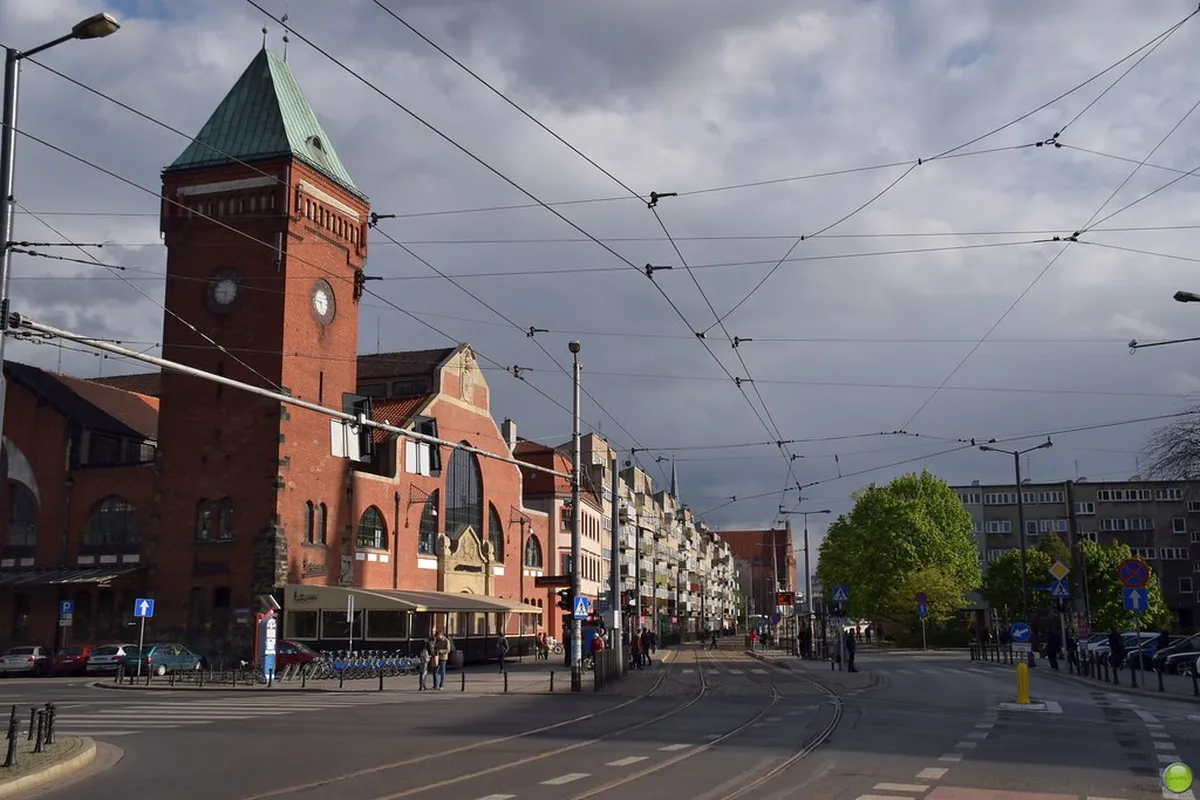
Hala Targowa on ul. Piaskowa is the city's finest food market and one of the most rewarding things to do on any visit. Built in 1908 and lovingly restored, the iron-and-glass hall now hosts a mix of permanent traders selling meats, cheeses, pickles, and produce alongside pop-up food stalls that change seasonally. A Saturday morning browse here typically ends with a bag of smoked sausage, a jar of forest mushroom paste, and a container of fresh twaróg cheese — picnic provisions that can carry you through two happy days. The official Wrocław tourism portal lists the city's rotating food festivals and seasonal market events if you want to time your visit around one.
Street food in Wrocław has diversified enormously since 2020. Food trucks cluster near the University of Wrocław and along the Oder riverbanks on warm evenings, serving everything from Korean fried chicken to artisan zapiekanki (Polish open-faced baguettes with mushroom, cheese, and toppings). The zapiekanka stalls near the Market Square stay open late and are a beloved after-pub ritual for locals. A generous portion costs 12–20 PLN and is entirely worth the queue.
For a structured market hall experience, arrive at Hala Targowa between 9am and 11am on a Saturday. Vendors are freshest, producers are most likely to chat, and the pickled vegetable selection is at its peak. If you are self-catering or assembling a picnic to eat on the Oder islands — a lovely option on sunny afternoons — this is where to stock up. The market sits a short walk from Cathedral Island, so it pairs naturally with a morning exploring the area on foot.
Milk Bars and Budget Dining in Wrocław
Bar mleczny (milk bar) culture is alive and well in Wrocław, and these canteen-style eateries are the best antidote to tourist-zone price fatigue. Milk bars originated in communist-era Poland as subsidised workers' canteens serving meat-free dishes at low cost — the name comes from dairy-heavy menus of the past. Today they survive as beloved community institutions, and several in Wrocław are genuinely excellent.
Bar Mleczny Miś on ul. Świdnicka is the most accessible for visitors, with a menu board translated into English and a predictable daily rotation of barszcz (beetroot soup), gołąbki (stuffed cabbage rolls), kotlet schabowy (breaded pork cutlet), and dessert kompot. A complete three-course lunch rarely exceeds 25 PLN. The atmosphere is unvarnished and canteen-like but that is entirely the point — you are eating exactly what a Wrocław office worker eats at noon, and that honesty is its own kind of charm.
Beyond milk bars, the city's bakeries and grocery delis offer outstanding budget eating. A fresh obwarzanek (ring bread) with butter and radishes from a bakery counter costs almost nothing. University district cafes in Śródmieście serve generous breakfast plates of eggs, kielbasa, and bread for 18–30 PLN. If budget is a priority, do your research before you arrive — the where to stay in Wrocław guide also covers neighbourhood value signals that will help you choose an area with good affordable eating options nearby.
Fine Dining on the Rynek and Special Occasion Spots
Wrocław's Market Square is one of the largest and most beautiful medieval squares in Europe, and dining here on a warm evening with the illuminated Gothic Town Hall in view is a genuinely memorable experience. The restaurants directly on the Rynek charge a premium for this setting, but a handful deliver food and service that justify the higher prices. Knowing which ones to choose and which to avoid can make the difference between a wonderful evening and an overpriced disappointment.
Konrad on ul. Świdnicka, just a minute's walk from the square, is the gold standard for special occasion dining without the pure tourist markup of Rynek-facing addresses. The kitchen produces refined Polish and European dishes with impeccable technique — the roasted duck breast with wild blueberry reduction and braised savoy cabbage is one of the finest plates served anywhere in Poland. Reservations are essential and dress code is smart-casual at minimum.
For the experience of actually sitting on the Market Square, Bernard Brewpub threads the needle well — it serves genuinely good Czech-influenced food and house-brewed beer at prices that are elevated but not outrageous. The smoked pork knuckle and dark lager combination is excellent and the open terrace on warm evenings buzzes with a mix of locals and visitors. It is not a fine dining temple, but it is an authentic and satisfying splurge for the location. If your trip extends beyond the Old Town, consider reading our Wrocław Old Town guide for the full picture of what surrounds these dining options.
Craft Beer and Food Pairings in Wrocław
Wrocław has become one of Poland's leading craft beer cities over the past decade, and the scene has matured to a point where food and beer pairings are taken seriously. Browar Stu Mostów — which translates as the Brewery of a Hundred Bridges, a nod to Wrocław's famous island geography — is the brewery that put the city on the international craft beer map. Their taproom on ul. Świdnicka pours an ever-rotating selection of IPAs, stouts, sours, and seasonal releases that stand comparison with the best breweries in Europe.
The food at Stu Mostów is designed to complement rather than compete with the beer. Smoked meats, loaded fries, and shareable platters of charcuterie work well alongside the hoppier pours, while the richer dark beers pair naturally with bigos (hunter's stew) or aged cheeses from the market hall. A flight of four 100ml pours lets you compare styles before committing to a full pint — the smart approach on a first visit.
Beyond Stu Mostów, the Nadodrze district north of the centre has a cluster of craft beer bars that combine good pours with food trucks and bar snacks. The neighbourhood has a slightly rougher, more creative energy than the tourist centre, and prices are noticeably lower. An evening starting with dinner in Śródmieście and then migrating north to Nadodrze for craft beer and late-night snacks is a classic Wrocław itinerary that locals would recognise and approve of. Learn more about Wrocław's history and culture to understand why the city has always been a hub for artisan craft traditions.
Vegetarian and Vegan Eating in Wrocław
Poland has a reputation for being meat-heavy territory, but Wrocław is genuinely one of the most plant-friendly cities in the country. The large university population and a cosmopolitan demographic have driven real demand for vegetarian and vegan options, and the restaurant scene has responded accordingly. You will not struggle here, even as a committed vegan — the challenge is narrowing down the choices.
Bułkę Przez Bibułkę is the city's most acclaimed vegetarian restaurant and a genuine destination rather than a fallback. The kitchen sources ingredients directly from regional farmers and crafts dishes that celebrate Polish seasonal produce with creativity and skill. Their roasted beetroot tartare with horseradish cream and rye cracker is one of those dishes with a reputation for converting committed meat-eaters. Prices are reasonable at 35–55 PLN for mains, and the atmosphere is warmly casual. For more on Poland's culinary traditions, including the plant-based threads that run through traditional Polish cooking, Wikipedia's overview is a solid starting point.
Traditional Polish cuisine also offers more vegetarian options than people expect. Pierogi ruskie (potato and cheese dumplings) are meat-free; barszcz (beetroot soup) is often vegan; kapuśniak (sauerkraut soup) is typically made without meat in home kitchens even if restaurant versions sometimes add sausage. When eating at traditional restaurants, asking the staff whether a dish contains meat will usually produce a helpful and honest answer. The Hala Targowa market hall is also excellent for building a vegetarian picnic from artisan cheeses, pickled vegetables, and fresh bread.
Neighbourhood Dining Guide: Where to Eat by Area
Wrocław's dining geography rewards a little advance planning. The Rynek and Old Town (Stare Miasto) are the most convenient for tourists but carry a location premium of roughly 20–40% on most dishes. This is the area to choose for a special evening out or to experience the Market Square atmosphere — but not where you want to eat every meal of your trip.
Śródmieście, the broader city centre stretching south and west from the Old Town, is where most locals actually eat. The density of mid-range restaurants, cafes, and milk bars here is remarkable, and competition keeps quality high and prices honest. If you are staying in the centre, this is your daily-driver dining district. The ul. Świdnicka corridor in particular has an excellent concentration of options at varying price points.
Nadodrze, north of the centre via ul. Świdnicka and across the Oder, is the city's most interesting neighbourhood for evening food and drink. The area has gentrified thoughtfully, retaining its working-class character while adding craft breweries, wine bars, and independent bistros. It is a 15-minute walk or a short tram ride from the Rynek — entirely manageable and worth making the effort. Krzyki, a residential district to the south, has a quiet neighbourhood restaurant scene that locals love but that rarely appears on tourist itineraries. If you have three or more days, explore Krzyki for an evening to see a different side of the city's food culture. For a full trip framework, the Wrocław 2-day itinerary has meal timing built around the key sights.
Budget vs Splurge: How to Eat Well for Any Budget
Wrocław is significantly cheaper than Western European capitals, and even a mid-range budget stretches surprisingly far here. A realistic daily food budget for a traveller eating well but not extravagantly — milk bar breakfast, market hall lunch, sit-down dinner at a mid-range restaurant — comes in at 80–130 PLN per day (approximately 20–33 USD). This is genuinely excellent value for the quality and variety on offer.
Budget travellers should anchor their days around milk bars, bakeries, and the Hala Targowa market hall. Lunch at Bar Mleczny Miś (20–28 PLN), a zapiekanka from a street stall as an afternoon snack (12–18 PLN), and a self-assembled dinner from market hall provisions (25–40 PLN) gives you a full and satisfying food day for under 90 PLN. You will eat authentically and well without spending more than you need to.
Splurge travellers should target Konrad for their best dinner, Stół Polski for a tasting menu experience, and Bernard for a convivial evening on the Rynek. These three restaurants collectively represent the peak of what Wrocław currently offers at the high end, and none of them will feel overpriced relative to comparable restaurants in Prague, Vienna, or Warsaw. A combined budget of 600–900 PLN for two people covers a proper fine dining evening with drinks at any of these addresses. The value proposition is exceptional by European standards, which is one of the most compelling reasons to visit — as explored further in our is Wrocław worth visiting guide.
Konspira: Wrocław's Most Talked-About Traditional Restaurant
No food guide to Wrocław is complete without Konspira, and it is conspicuously absent from too many lists written without actually visiting the city. The restaurant's theme is Poland's communist-era underground resistance — the word means "conspiracy" — and the atmosphere commits to it fully: exposed brick walls, period propaganda posters, ageing military jeeps parked in the courtyard, and staff who lean into the theatrical setting without letting it overshadow the cooking. It is the kind of place that sounds like a tourist trap until you sit down and eat.
The menu is uncompromisingly traditional Polish. Pierogi arrive with crispy fried onions on top; ribs are slow-braised over cabbage; breaded pork chops come with proper mashed potato. The standout is the jacket potato served with gzik — a Silesian speciality of white curd cheese mixed with sour cream and spring onion that you will not find described on many English-language menus. Ask for it specifically if it is not listed; it is cheap, deeply satisfying, and genuinely local. Portions throughout are enormous, so order conservatively or come hungry. Main courses run 45–75 PLN.
Locals bring family here, which tells you what you need to know about its longevity and quality. Yes, it draws tourists — the Rynek-adjacent location sees to that — but the food has not slipped to accommodate them, and the kitchen still cooks as if reputation depends on every plate. Book a table for Friday or Saturday evenings, when the courtyard fills up and the atmosphere reaches its peak. The courtyard seating in warmer months, surrounded by the military memorabilia, is one of those dining experiences that stays with you long after the meal ends.
Breakfast and Brunch in Wrocław: Where to Start the Day Well
Wrocław has quietly developed a genuinely good brunch and breakfast scene that most visitors stumble into accidentally rather than planning for. The city's large student population and growing cohort of young professionals have created real demand for all-morning eating, and the neighbourhood cafes that cater to them are among the most pleasant places to spend a slow morning. The gap between a bad breakfast and a great one here is just knowing which streets to wander.
Dinette, near the Rynek, is consistently the most recommended breakfast spot among recent visitors and younger locals. The room is bright and open, the cooking is lighter than the traditional Polish canon — think blinis with crème fraîche and smoked salmon, poached egg salads, and excellent coffee — and the menu is designed for lingering rather than rushing. It fills up by 10am on weekends, so arriving early or booking ahead saves frustration. Expect to spend 35–55 PLN for a full breakfast with coffee.
Stół Na Szwedzkiej (not to be confused with Stół Polski) is a cafe-bistro on ul. Szwedzka in Śródmieście that has built a loyal neighbourhood following for its simple, well-sourced breakfast sets: homemade bread, good butter, seasonal jams, and strong filter coffee. The atmosphere is unshowy and local — no tourist menu, no English signage at the counter — which is precisely the appeal. A breakfast set costs 28–40 PLN and gives you a quiet, honest start to a day of sightseeing. For a wider sense of how to structure your mornings, the Wrocław 2-day itinerary slots breakfast spots into the broader sightseeing flow across both days.
The Four Denomination District (Dzielnica Czterech Świątyń), the neighbourhood built around four churches of different faiths standing close together near ul. Świdnicka, has quietly become one of the best areas for a late breakfast or brunch walk. The streets here have international cafes, wine bars, and independent bistros that the main tourist maps tend to overlook. If you are staying in the centre and want to eat somewhere that feels genuinely Wrocław rather than generically European, a morning wander through this district with coffee in hand is the local recommendation that rarely appears in the guidebooks.
Frequently Asked Questions
What are the best restaurants in Wrocław for first-time visitors?
First-time visitors should start with Restauracja Jadka for authentic Silesian cooking in a medieval cellar setting and Bar Mleczny Miś for a genuine milk bar lunch. These two experiences cover the full range of traditional Polish dining culture at very different price points. Both are centrally located and easy to reach on foot from the Market Square.
How much does it cost to eat out in Wrocław in 2026?
Budget meals at milk bars and market stalls cost 15–35 PLN per person. Mid-range restaurant mains run 40–80 PLN, while fine dining tasting menus range from 180 to 250 PLN per person. A realistic full day of eating well — breakfast, lunch, and dinner — costs 80–130 PLN per person without drinks.
Where can vegetarians eat well in Wrocław?
Bułkę Przez Bibułkę is the best dedicated vegetarian and vegan restaurant in the city, with creative seasonal dishes made from regional Polish produce. The Hala Targowa market hall also has excellent options for self-catering vegetarians, including artisan cheeses, pickles, and fresh bread. Traditional Polish menus also include several naturally meat-free dishes such as pierogi ruskie and barszcz soup.
What Silesian dishes should I try while eating in Wrocław?
The essential Silesian dishes are rolada śląska (braised beef roll with bacon and pickle), kluski śląskie (indented potato dumplings), żurek (sour rye soup with egg and sausage), and bigos (hunter's stew with sauerkraut and mixed meats). For dessert, seek out Silesian sernik (cheesecake) and makowiec (poppy-seed roll) from any good local bakery.
Wrocław is one of those rare cities where excellent food is neither expensive nor hard to find — it is simply woven into the daily fabric of life here. From the Silesian classics at a candlelit cellar restaurant to the Saturday morning buzz of Hala Targowa market hall, eating your way around the city is one of the most rewarding ways to understand it. The combination of deep culinary heritage, a lively student food culture, and a genuinely improving fine dining scene makes this a destination that serious food travellers should not overlook.
Plan at least one meal at each end of the price spectrum — a milk bar lunch and a proper sit-down dinner in Śródmieście or on the Rynek. Between those two anchors, let curiosity guide you into the side streets, the market stalls, and the craft breweries. There is always something new to discover in Wrocław, and the city's kitchens are reliably generous with good food and warm welcome. Safe travels and smacznego — enjoy every bite.
You might also like

Continue reading
More guides you'll find useful


