

Toruń packs an entire UNESCO World Heritage Site into a compact, walkable Old Town that survived World War II almost untouched — one of the few historic centers in Poland that can make that claim. Its medieval brick-Gothic streets were inscribed on the UNESCO list in 1997, and the city has two claims to fame that show up in every guidebook: it's the 1473 birthplace of astronomer Nicolaus Copernicus, and it's been baking spiced honey gingerbread (pierniki) since at least 1380, when Hanseatic trade routes first brought exotic spices to the Vistula River port.
Toruń's 8 essential attractions split cleanly between free and paid sightseeing. Wandering the Old Town's Market Square and cobbled lanes costs nothing, and so does leaning against the tilted outer wall of the Leaning Tower for its famous "test of virtue." The paid side covers a Gothic Town Hall you can climb for a rooftop view, a multimedia museum inside Copernicus's presumed birth house, a hands-on gingerbread-baking workshop led by costumed "Gingerbread Masters," a Cathedral tower with one of Europe's largest surviving medieval bells, open-air Teutonic Castle ruins on the riverside, and a planetarium built inside a converted 19th-century gasworks.
This guide organizes those 8 attractions by neighborhood, category, and budget below, then lays out ready-to-use 1- and 2-day itineraries built around each site's real 2026 opening hours. Every price and time on this page is verified against each attraction's own visitor guide — use this hub to plan your trip, then click through to the full guide for any site that makes your list.
Top 8 attractions in Torun
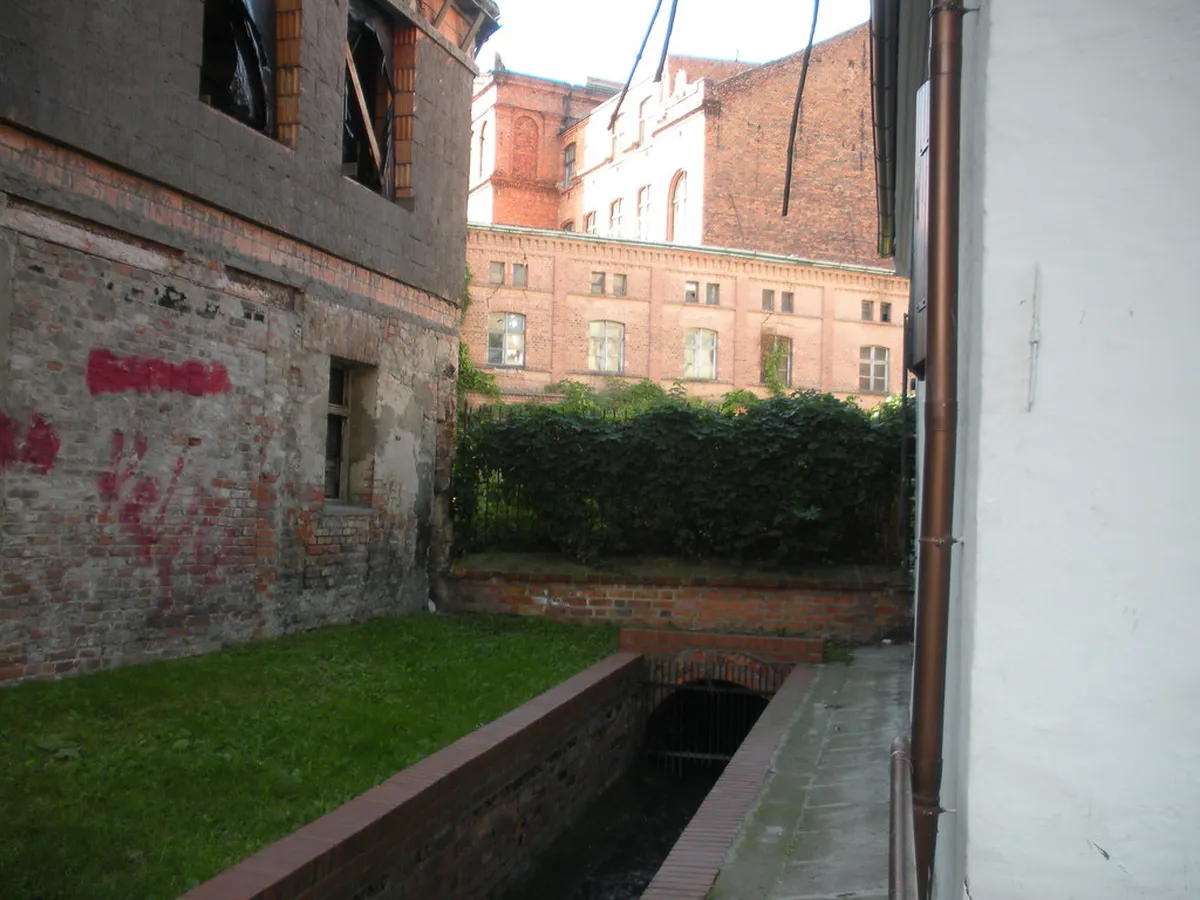
Toruń Old Town
Toruń Old Town (Stare Miasto) is a UNESCO World Heritage Site since 1997, celebrated for its exceptionally well-preserved medieval brick Gothic street layout, Old Town Hall, and churches — one of the few Polish city centers to survive World War II unscathed. It is the birthplace of astronomer Nicolaus Copernicus in 1473 and world-famous for its centuries-old gingerbread (pierniki) tradition.
Visitor guide →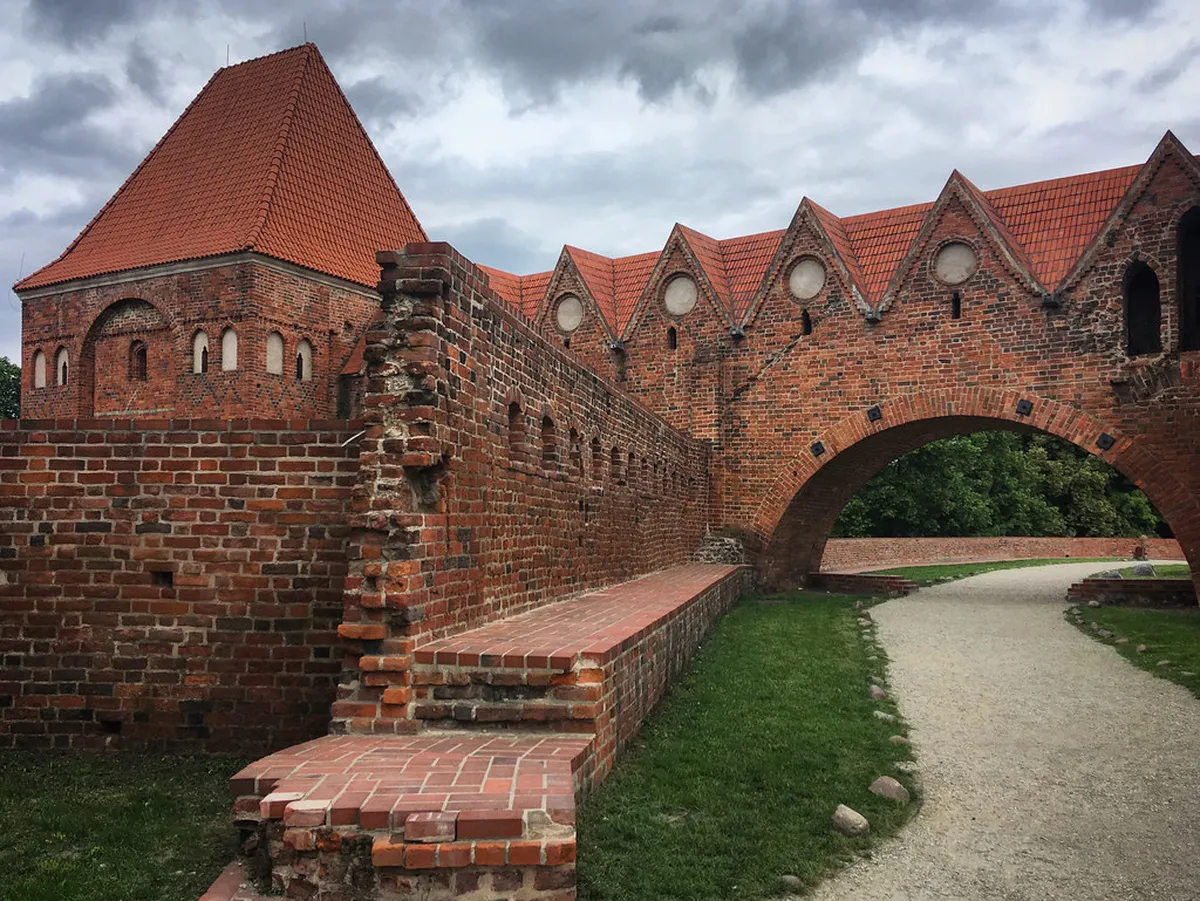
Copernicus House (Dom Kopernika)
A 15th-century Gothic merchant house in Toruń's Old Town traditionally cited as Nicolaus Copernicus's birthplace, though some historians dispute the exact house. Today it houses a multimedia museum on the astronomer's life and work, including interactive exhibits, a scale model of medieval Toruń, and a 3D cinema experience.
Visitor guide →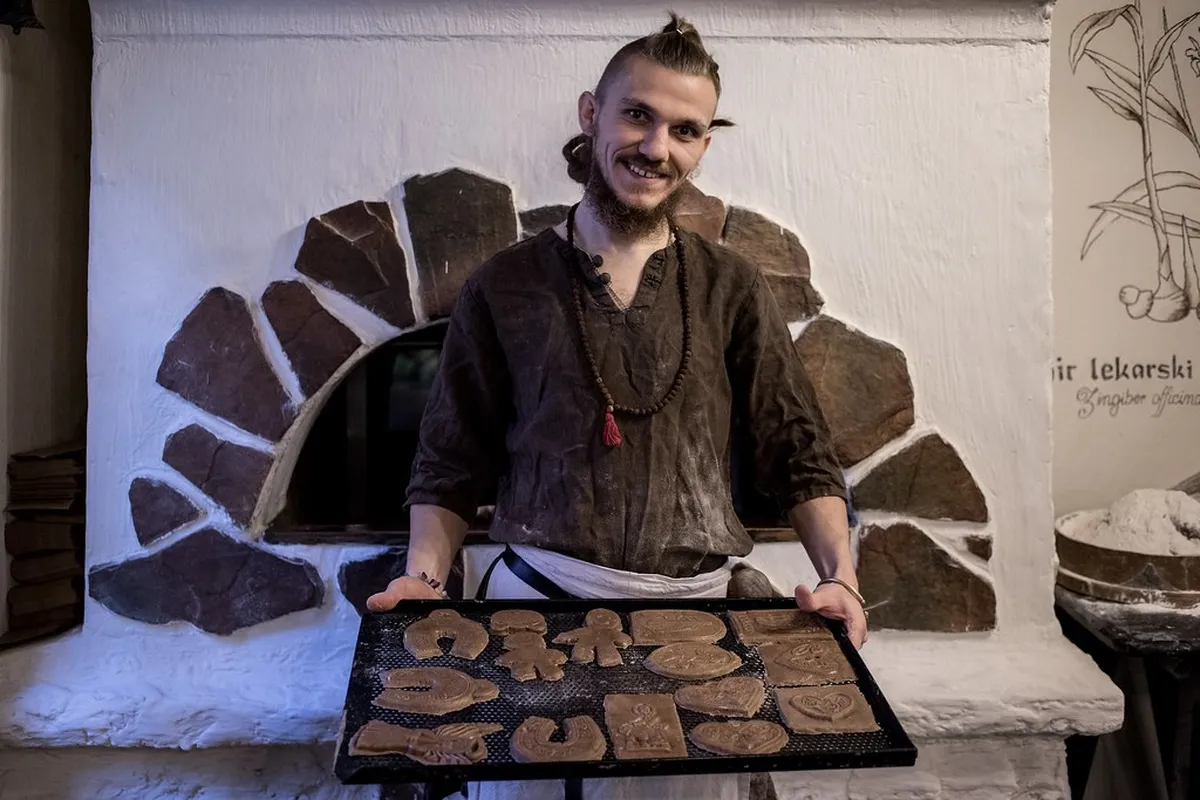
Gingerbread Museum (Muzeum Piernika)
Toruń has baked spiced honey gingerbread (pierniki) since at least 1380, when exotic spices reaching the city via the Hanseatic League's Baltic and Black Sea trade routes met local rye flour and honey to create the town's signature delicacy. At the Żywe Muzeum Piernika, costumed 'Gingerbread Masters' and a 'Gingerbread Witch' lead visitors through a roughly 75-minute live workshop spanning two floors — hand-kneading and stamping dough using traditional wooden molds in a recreated medieval bakery, then icing and decorating their own gingerbread to take home in a 19th-century granary fitted with antique baking equipment.
Visitor guide →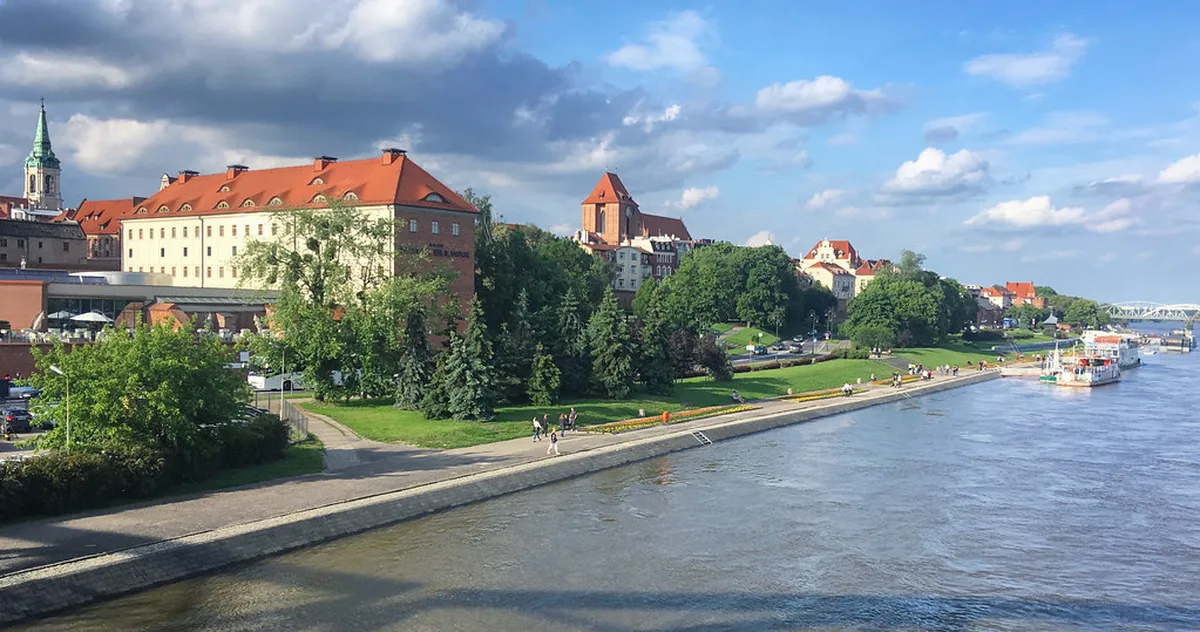
Leaning Tower of Toruń (Krzywa Wieża)
Built around the end of the 13th century as part of Toruń's medieval defensive city walls, the Leaning Tower (Krzywa Wieża) tilts roughly 1.5 meters off vertical because it was built on unstable, sandy/loamy ground near the old moat. Local legend claims a Teutonic knight was ordered to build it deliberately crooked as penance for breaking his monastic vows over a forbidden romance, and today it's one of Toruń's most photographed landmarks, famous for the "test of virtue" where visitors lean against its outer wall to see if they can keep their balance.
Visitor guide →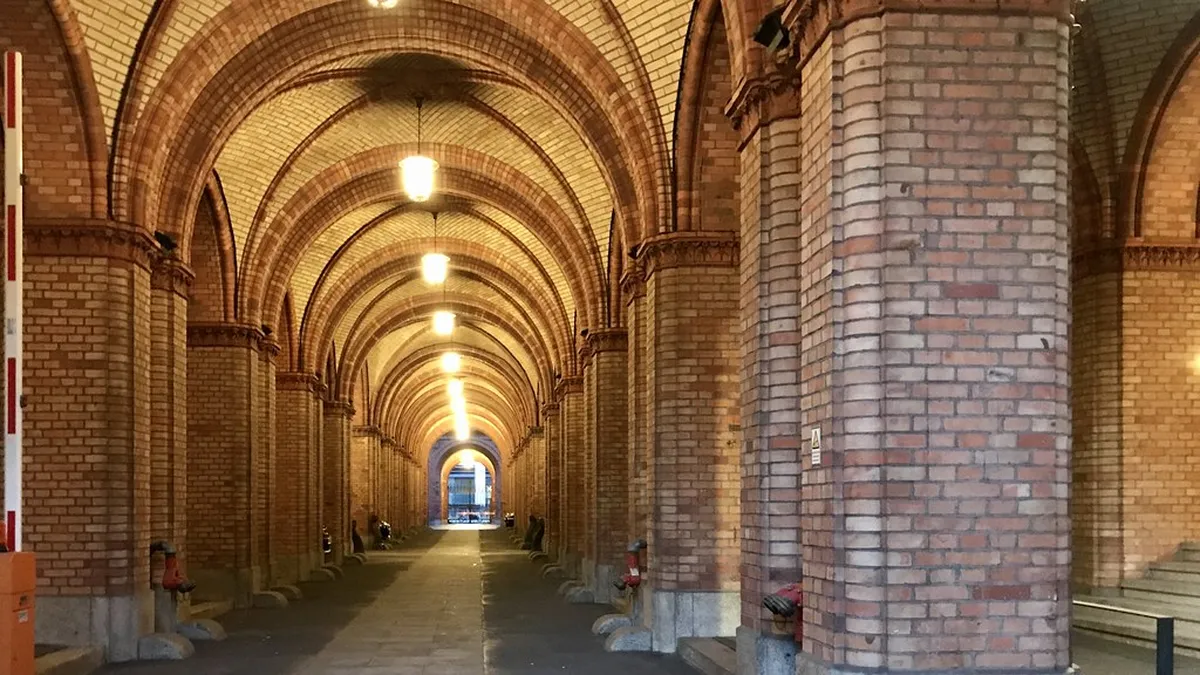
Toruń Old Town Hall
Built up in stages from the 13th–14th centuries and enlarged into its present four-winged Gothic form by 1399, the Toruń Old Town Hall on the Old Town Market Square is one of the largest and best-preserved Gothic town halls in Central Europe. It now houses the District Museum's Gothic art and Nicolaus Copernicus portrait galleries, and visitors can climb its 40-metre tower for a panoramic view over the UNESCO-listed old town.
Visitor guide →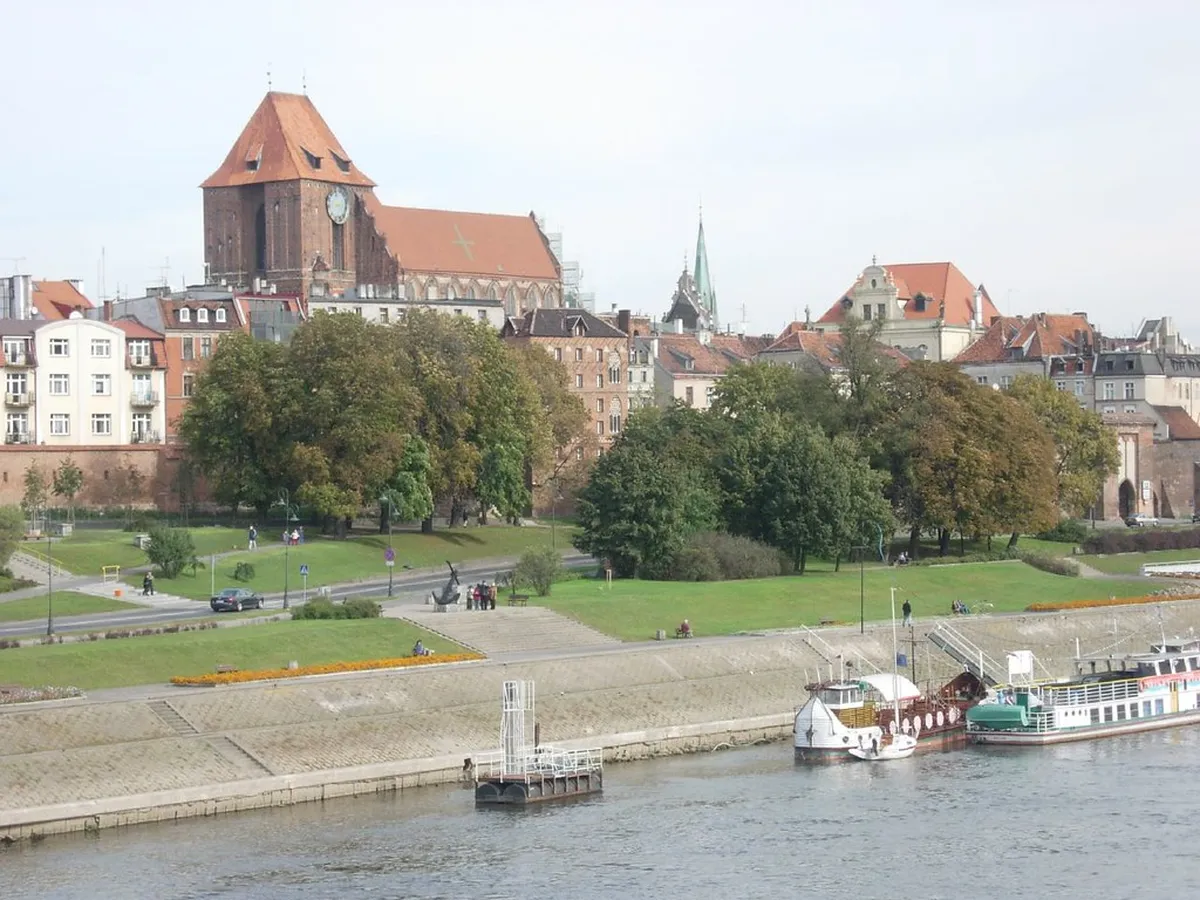
Toruń Cathedral
Toruń Cathedral (Cathedral Basilica of St. John the Baptist and St. John the Evangelist) is a massive Gothic brick basilica in Toruń's UNESCO-listed Old Town, built in stages from the 13th century to its present form at the end of the 15th century. It holds the Gothic baptismal font where Nicolaus Copernicus was baptized in 1473, and its tower houses Tuba Dei ("God's Trumpet"), a nearly 7.5-tonne bell cast in 1500 by founder Martin Schmidt that remains one of the largest surviving medieval bells in Europe. Elevated to minor basilica status in 1935, the cathedral became the seat of the Diocese of Toruń in 1992.
Visitor guide →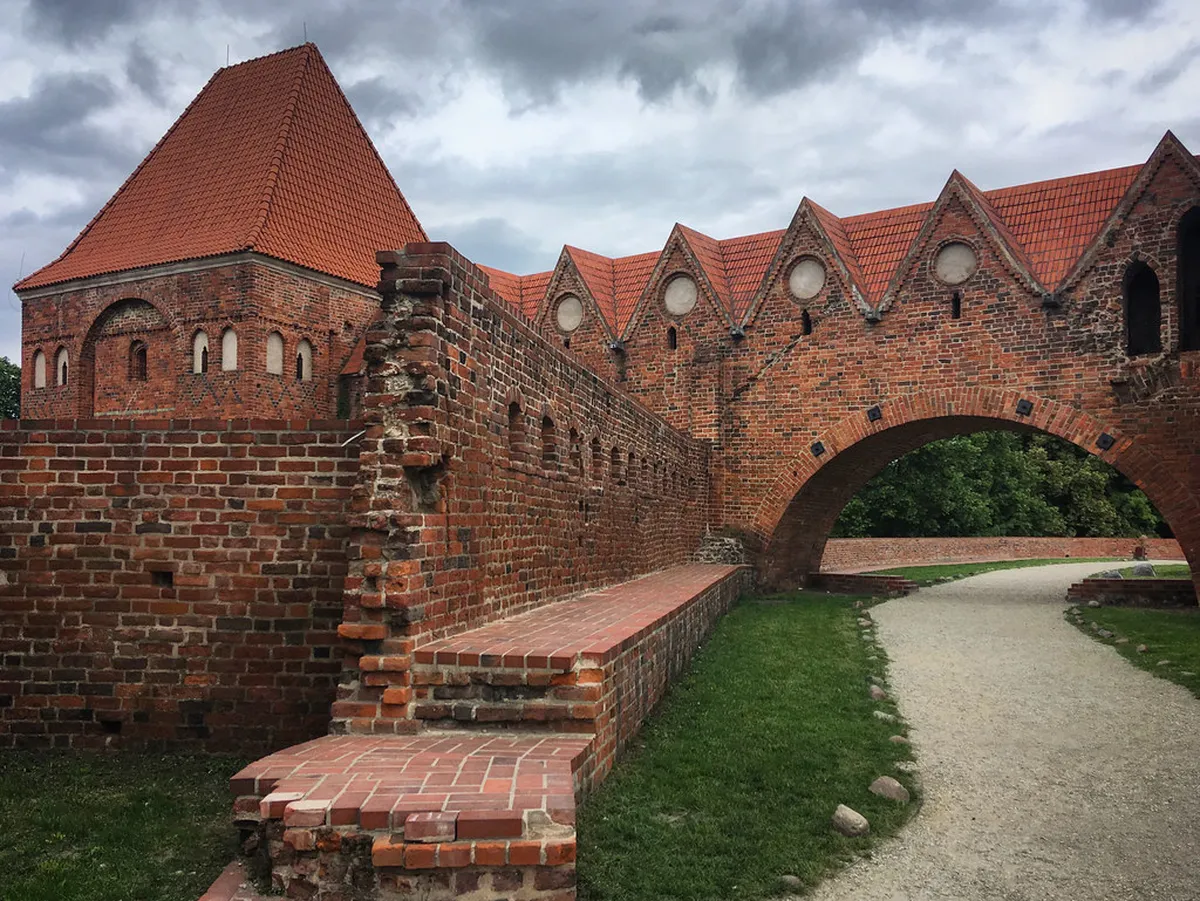
Teutonic Castle Ruins (Toruń)
Built starting in the mid-1250s as the seat of a Teutonic Order commandery and the launch point for the conquest of Prussia, this two-winged, horseshoe-shaped castle was torn down by Toruń's own townspeople in February 1454 after they rebelled against the Order — the opening act of the Thirteen Years' War. Today it survives as an open-air archaeological site centered on the dansker (latrine/garderobe tower), with cellar-level exhibitions on castle life and a scale model of the original fortress.
Visitor guide →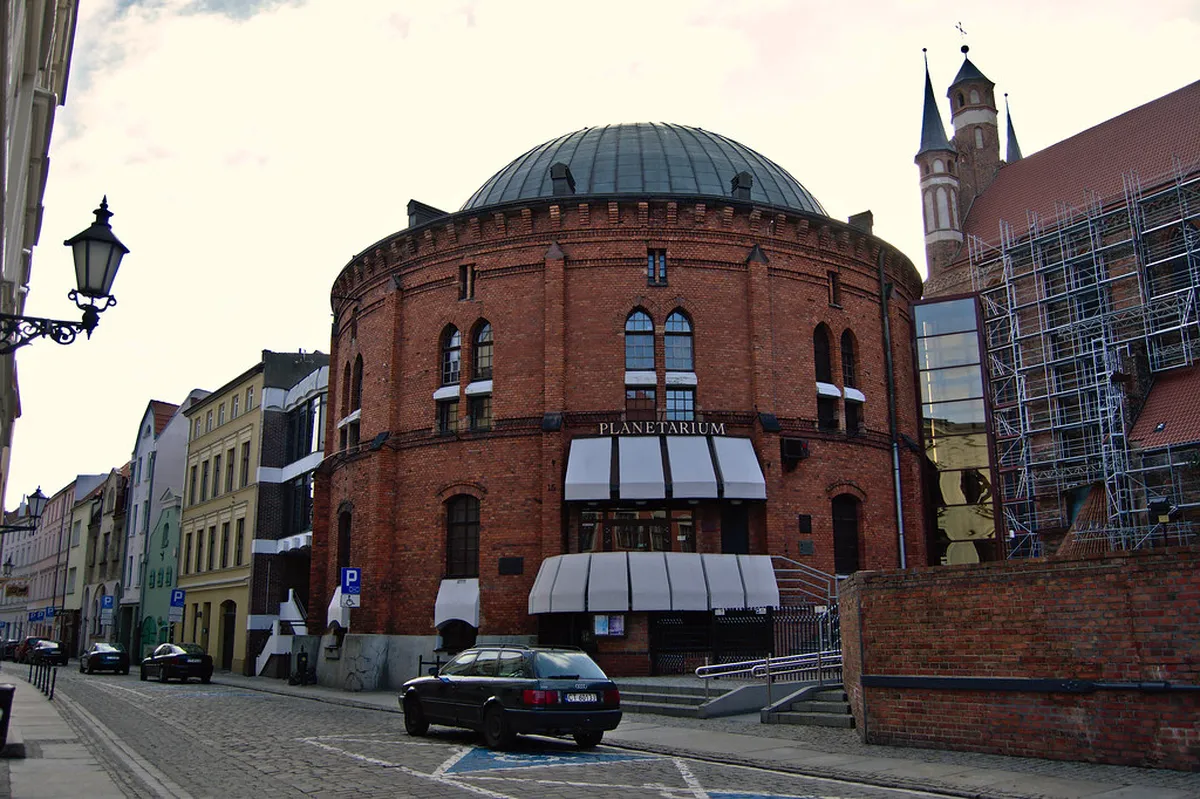
Toruń Planetarium
Opened in February 1994 inside a restored 19th-century municipal gasworks storage tank on the edge of Toruń's Old Town, the Toruń Planetarium honors the city's most famous native son, astronomer Nicolaus Copernicus, with full-dome astronomy and space films projected beneath its 15-meter dome. Operated by the Nicolaus Copernicus Municipal Cultural Centre, it pairs the star-show theater with two interactive exhibitions, MARS#17 Base and Geodium.
Visitor guide →Toruń attractions by neighborhood
Toruń's Old Town measures barely 1 square kilometer, so nearly all 8 attractions sit within a 10-minute walk of each other — mapping them by neighborhood mostly just tells you the order to visit them in.
Old Town Market Square core
Toruń Old Town centers on the Market Square, and the Toruń Old Town Hall sits at its exact middle, one of the largest and best-preserved Gothic town halls in Central Europe. The Leaning Tower is a few minutes' walk southwest, built into the old defensive walls near the former moat.
Kopernika–Rabiańska corridor
South of the square, the Copernicus House on ul. Kopernika is traditionally cited as the astronomer's birthplace, and the Gingerbread Museum (Żywe Muzeum Piernika) sits directly behind it on ul. Rabiańska — the two make an easy combined stop.
Cathedral and riverside walls
The Toruń Cathedral stands a short walk east on ul. Żeglarska, holding the font where Copernicus was baptized. Continue toward the Vistula and you'll reach the Teutonic Castle Ruins, just outside the Old Town's original walls on ul. Przedzamcze ("outside the castle"), the site townspeople themselves tore down in 1454.
Edge of the Old Town
The Toruń Planetarium sits at the northern edge of the Old Town on ul. Franciszkańska, inside a converted 19th-century municipal gasworks storage tank — the one sight on this list that isn't a Gothic building.
Toruń attractions by category
If you're planning around interests rather than geography, the 8 attractions split into four clear categories.
History and Gothic landmarks
Toruń Old Town, the Old Town Hall, Toruń Cathedral, and the Teutonic Castle Ruins anchor the city's medieval story — from a 13th-century defensive foundation to the 1454 uprising that tore the castle down. These four are the priority stops for first-time visitors.
Copernicus heritage
The Copernicus House and the Toruń Planetarium both trade on the city's most famous native son — one with a multimedia museum inside his presumed birth house, the other with full-dome astronomy shows named in his honor.
Food and culture experience
The Gingerbread Museum's costumed, hands-on workshop turns a 650-year-old baking tradition into the city's most family-friendly ticketed activity.
Only-in-Toruń oddity
The Leaning Tower stands apart as Toruń's photo-op landmark — a genuinely tilted medieval tower with a local legend and a "test of virtue" every visitor tries at least once.
Free vs paid Toruń attractions
Toruń splits fairly evenly between free public space and modestly priced tickets — nothing on this list costs more than a casual dinner back home.
Free to visit
- Toruń Old Town streets and Market Square — an open public district with no gate or entrance fee, walkable at any time.
- Leaning Tower exterior — free to view and to try the "test of virtue" lean against the outer wall; only the interior art exhibition is ticketed.
- Toruń Cathedral nave — free entry to the church interior (donations welcomed); only the bell tower climb is ticketed.
- Teutonic Castle Ruins exterior — the open-air grounds and ruin silhouette can be viewed free from the surrounding area; only the fenced site with the cellar exhibitions and dansker tower charges admission.
Paid attractions
- Toruń Old Town Hall — District Museum 30 PLN adult / 25 PLN reduced; tower climb 28 PLN / 24 PLN reduced; combined ticket 49 PLN / 39 PLN reduced.
- Copernicus House — exhibition 31 PLN adult / 26 PLN reduced; 3D cinema film 29 PLN / 24 PLN reduced, sold separately.
- Gingerbread Museum (Żywe Muzeum Piernika) — 42 PLN adult / 37 PLN concession for the full 75-minute workshop; 35 PLN for adults with disabilities.
- Leaning Tower interior — around 20 PLN standard / 10–12 PLN reduced for the art exhibition inside.
- Toruń Cathedral tower — around 20 PLN normal / 15 PLN reduced to climb past the Tuba Dei bell (April–October only).
- Teutonic Castle Ruins fenced site — 20 PLN normal / 12 PLN reduced for the cellar exhibitions and dansker tower.
- Toruń Planetarium — 25 PLN standard show / 20 PLN reduced (30 PLN / 25 PLN for foreign-language or audio-described shows); MARS#17 Base and Geodium exhibits 12 PLN / 10 PLN each.
Suggested itineraries
1 day: the compact loop
Start at the Old Town Hall right at its 10:00 AM opening to climb the tower before tour groups arrive, then browse the District Museum's Gothic art galleries. Walk south to the Copernicus House for the multimedia exhibits, then continue a few steps to the Gingerbread Museum for an 11:00 AM or noon workshop slot. In the afternoon, walk to Toruń Cathedral, try the "test of virtue" at the Leaning Tower, and close the day at the riverside Teutonic Castle Ruins for sunset over the Vistula.
2 days: add the Planetarium and a fuller workshop
Day 1 covers the Old Town Hall, Copernicus House, Leaning Tower, and Cathedral at an unhurried pace, without rushing the Gingerbread Museum's 75-minute show. Day 2 starts with a morning Planetarium show, then adds the Teutonic Castle Ruins and any Old Town streets you skipped on Day 1 — a pace that also leaves room for a day trip; see our day trips from Toruń guide if you want to use part of Day 2 for that instead.
Getting around Toruń's attractions
Toruń's Old Town core is fully walkable — all 8 attractions sit within roughly a 10-minute walk of the Market Square, and the district is pedestrianized, so a car adds nothing once you're inside the walls. You won't need a bus or tram between any of the 8 sights on this list.
Arriving by train is where Toruń trips get tripped up: Toruń Główny, the main station, sits about 3 kilometers south, across the Vistula River from the Old Town, and requires a short bus ride over the Piłsudski Bridge. Toruń Miasto station sits much closer, within an easy 10-minute walk of the Market Square — check your ticket carefully, since some trains stop at only one of the two stations.
Best time to visit Toruń's attractions
Summer (May–September) brings the longest hours across the board — the Old Town Hall tower stays open until 8:00 PM, the Teutonic Castle Ruins run daily 10:00 AM–6:00 PM, and the Cathedral tower is only open April through October, so summer is the only season that guarantees every paid sight on this list is accessible.
Christmas market season (late November–December) fills the Market Square with wooden stalls and mulled wine right around the Old Town Hall's base, pairing naturally with the gingerbread tradition the city is famous for.
Winter (November–March) trims hours at several sights: the Old Town Hall's museum and tower both shorten to 10:00 AM–4:00 PM, the Cathedral tower closes entirely, and the Teutonic Castle Ruins shift to a shorter Monday–Friday schedule. Crowds thin out considerably in exchange.
How to save money on Toruń attractions
- Lean on the free sights first. The Old Town's streets and Market Square, the Leaning Tower's exterior and "test of virtue," the Cathedral nave, and the Teutonic Castle Ruins' exterior grounds cost nothing before you buy a single ticket.
- Visit the Old Town Hall's District Museum on a Wednesday, when its permanent exhibitions are free to enter (the tower climb still charges).
- Visit Copernicus House on a Thursday, when the permanent exhibition is free (the 3D cinema film still charges separately).
- Buy the Old Town Hall's combined museum-and-tower ticket (49 PLN adult / 39 PLN reduced) instead of two separate tickets if you plan to do both.
- Ask for the reduced rate. Students, seniors, and visitors with disabilities qualify for discounted admission at nearly every paid site on this list — bring ID to the ticket desk.
Frequently asked questions about Toruń attractions
How many days do you need in Toruń?
One full day covers all 8 attractions at a brisk pace, since the entire Old Town core is walkable in under 10 minutes end to end. Two days lets you add the Planetarium's morning show and the Gingerbread Museum's full 75-minute workshop without rushing, or leaves room for a day trip.
What is the number one must-see attraction in Toruń?
The Old Town Hall is the city's signature stop — its 40-metre tower climb delivers the best rooftop view over the UNESCO-listed Old Town, and the building anchors the Market Square that every other attraction on this list sits within a few minutes of.
Is Toruń's Old Town free to visit?
Yes. The Old Town is an open public district with no entrance fee or gate — you can walk its streets and the Market Square at any time. Individual sights inside it, such as the Copernicus House museum, the Old Town Hall tower, and the Gingerbread Museum, charge their own separate admission, typically 10–42 PLN.
Do you need to book Toruń attractions in advance?
Not usually for solo travelers or couples — the Gingerbread Museum runs a new show every hour and individuals can generally just show up, and the other paid sights sell tickets at the door. Organized groups (up to 75 people at the Gingerbread Museum) should reserve ahead, and booking online is the safer bet in July and August when shows can sell out by early afternoon.
What is the best time of year to visit Toruń?
May through September offers the longest hours at every paid attraction, including the only months the Cathedral tower is open at all. Late November and December add the Christmas market around the Old Town Hall, while winter (November–March) trims several sites' hours but brings noticeably thinner crowds.
Is Toruń expensive for tourists?
No — most paid attractions cost between 20 and 42 PLN (roughly €4.50–€9.50), the Old Town itself is free to explore, and free-day museum admission (Wednesdays at the Old Town Hall, Thursdays at Copernicus House) can push a full day of sightseeing well below what comparable-sized cities in Western Europe charge.
Can you see Toruń's main attractions in one day?
Yes. All 8 attractions sit within a roughly 10-minute walk of the Market Square, so a well-paced single day covers the Old Town Hall, Copernicus House, Gingerbread Museum, Leaning Tower, Cathedral, and Castle Ruins. Only the Planetarium's timed shows make a second day worth adding if your schedule is tight.
What's the best way to get around Toruń's Old Town?
On foot. The pedestrianized Old Town core holds all 8 attractions on this list within about a 10-minute walk of each other, so no bus or tram is needed between them. The only transit decision that matters is which train station you arrive at — Toruń Główny is roughly 3 km south across the Vistula, while Toruń Miasto sits a 10-minute walk from the Market Square.
Plan your Toruń trip
These 8 attractions are the backbone of any Toruń itinerary, but they're only part of the picture. For a broader rundown of the city's food, day trips, and practical logistics alongside these landmarks, see our full things to do in Toruń guide. If you're still deciding whether the city earns a spot on your Poland trip, is Toruń worth visiting? weighs it against Kraków and Warsaw, and our Toruń Old Town guide goes deeper on the UNESCO-listed neighborhood that anchors every attraction above.


