

Krakow vs Warsaw: Which Polish City Should You Visit? (2026)
Poland has two cities that dominate every travel shortlist, and choosing between them is genuinely difficult. Krakow seduces you with medieval lanes, a royal castle on a limestone hill, and a compact old town that never feels touristy enough to put you off. Warsaw hits differently: rebuilt from rubble after World War II, it wears its scars and its ambition openly, mixing brutalist palaces with glass-and-steel towers and one of Central Europe's most electric food scenes.
Fly into Warsaw, spend four days there, then catch the intercity express to Krakow for another four, and the contrast registers almost immediately. Warsaw feels like a capital city in the fullest sense — urgent, cosmopolitan, and proud. Krakow feels like a living museum that has somehow also become a world-class party destination. Both impressions are accurate, and both cities are memorable in entirely different ways.
This guide is a decision-stage breakdown for first-time visitors to Poland. It compares both cities across history and atmosphere, things to do, food and nightlife, day trips, daily costs, and how long to stay. As part of our broader look at the best places to visit in Poland, this is the head-to-head that matters most. Our verdict: visit both if you can — but if you only have one, here is exactly how to decide.
History and Atmosphere: Old Soul vs Rebuilt Spirit
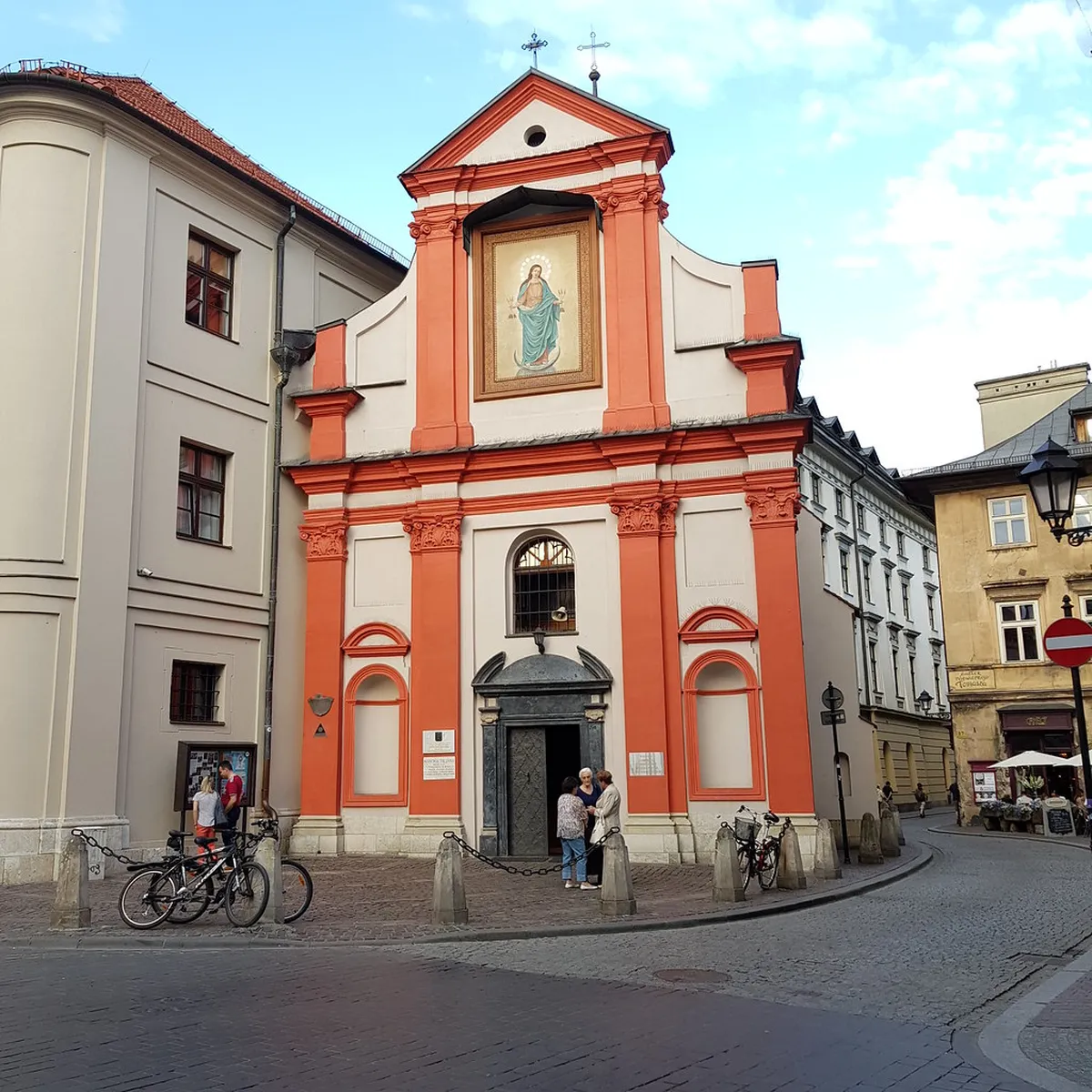
Krakow is one of the few major Polish cities to survive World War II largely intact. That fact alone explains most of what you feel walking through its streets. The Rynek Główny, the vast medieval market square at the city's heart, is ringed by townhouses that date back to the 14th and 15th centuries. The Wawel Royal Castle looms above everything on a limestone outcrop over the Vistula, a complex that served as the seat of Polish kings for five centuries. Walking the Old Town at dusk, with the Cloth Hall glowing and street musicians echoing off the cobblestones, it is easy to understand why Krakow consistently tops polls of Europe's most beautiful cities.
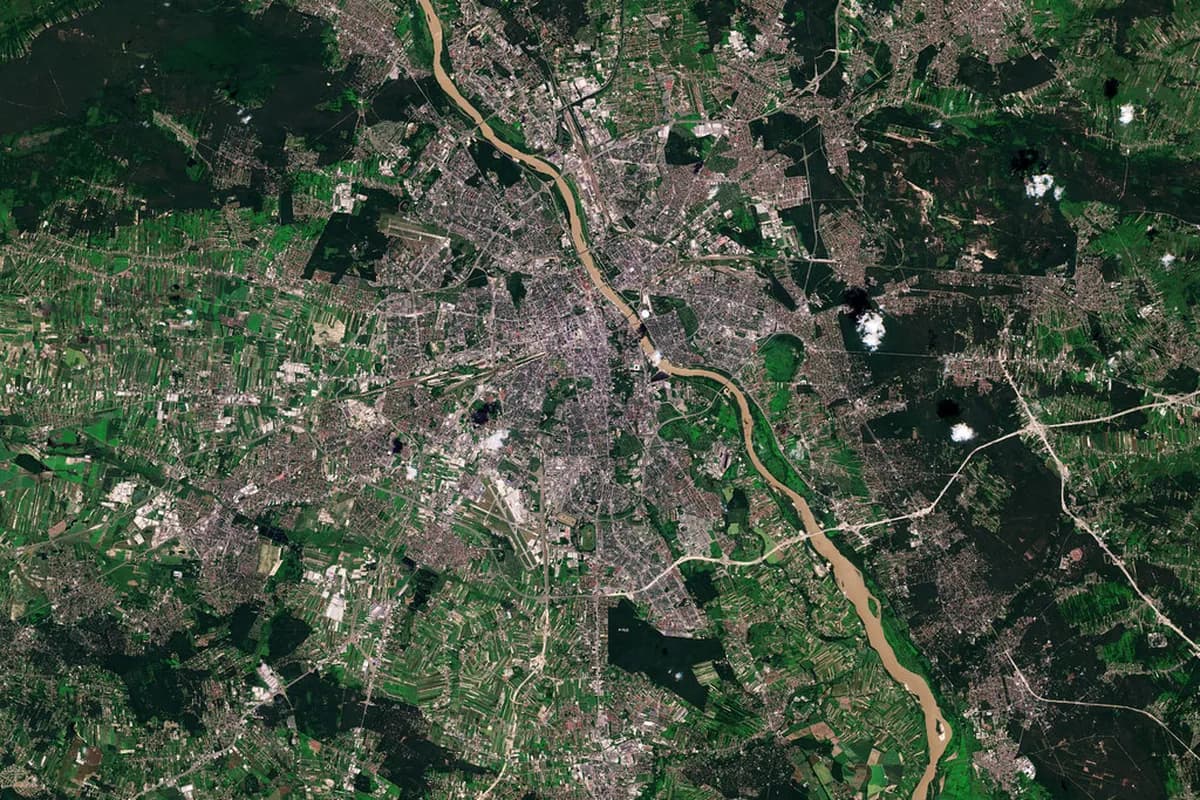
Warsaw's relationship with history is more complicated and, I would argue, more moving. The Nazis destroyed roughly 85 percent of the city during the war — a deliberate act of erasure. What stands today is a feat of reconstruction and willpower. The Stare Miasto (Old Town) was painstakingly rebuilt brick by brick from historical records and 18th-century paintings by Bernardo Bellotto, and it was awarded UNESCO status precisely for that achievement. The Palace of Culture and Science, a Stalinist skyscraper gifted by the Soviet Union, dominates the skyline and divides opinion among locals to this day. Warsaw's atmosphere is one of survival, ambition, and reinvention — qualities you feel in the pace of the streets and the energy of its residents.
Atmosphere in a sentence: Krakow is a medieval city with a student heartbeat; Warsaw is a 21st-century capital that remembers what it lost. Neither is better — they are simply different kinds of remarkable.
Things to Do: Depth vs Breadth
Krakow packs an extraordinary density of sights into a walkable core. The top things to do in Krakow include Wawel Castle and Cathedral, the underground Rynek Underground museum beneath the market square, the haunting Schindler's Factory museum in Kazimierz, and the salt mine at Wieliczka — one of the most unusual UNESCO sites anywhere. The Jewish Quarter of Kazimierz deserves at least half a day on its own: the synagogues, the cafes, the street art, and the open-air antique markets create an atmosphere that is unlike anywhere else in Europe.
Warsaw's list of things to do in Warsaw is broader and less concentrated. The Warsaw Rising Museum is one of the finest historical museums on the continent — genuinely moving and meticulously produced, it tells the story of the 1944 uprising in a way that stays with you long after you leave. POLIN, the Museum of the History of Polish Jews, is equally exceptional. Beyond museums, Warsaw offers the Royal Route, the Łazienki Park with its island palace, the Praga district across the Vistula (raw, creative, authentically un-touristy), and a street art and gallery scene that punches well above its weight. The official Warsaw tourism portal keeps a current calendar of temporary exhibitions and events worth scanning before your dates.

If you are a museums-and-history traveller, Warsaw offers the greater depth of serious cultural institutions. If you prefer wandering, stumbling into beautiful corners, and letting atmosphere do the work, Krakow wins on sheer charm. Both cities reward aimless walking enormously.
Food and Nightlife: Tradition vs Modernity
Polish food has changed dramatically in the last decade, and both cities reflect this — but in different ways. In Krakow, the best eating happens when you leave the Rynek and head into Kazimierz, where a cluster of restaurants along Szeroka Street and the side streets around Plac Nowy serve everything from proper pierogi and żurek (rye soup served in a bread bowl) to creative contemporary Polish cuisine. Milk bars — bar mleczny — are communist-era canteens still serving hearty, dirt-cheap meals: think bigos, gołąbki, and kotlet schabowy for under 25 PLN. The zapiekanka at Plac Nowy (a long baguette topped with mushrooms and melted cheese, eaten standing up at midnight) is mandatory. For more on what to eat in Kraków, our comprehensive food guide provides detailed recommendations.
Warsaw's food scene feels more international and experimental. The Hala Koszyki food hall and the Hala Mirowska market anchor a restaurant culture that now includes Michelin-starred tasting menus, serious natural wine bars, Vietnamese street food, and outstanding ramen. Praga district on the east bank has become the city's creative dining frontier — rougher around the edges, more adventurous, and usually cheaper than the centre. For coffee culture specifically, Warsaw is ahead: the specialty coffee scene here rivals Prague and Vienna.
For nightlife, Krakow holds a unique record — it is said to have more bars per square metre than almost any city in Europe. The basement bars of the Old Town and the clubs around Kazimierz keep going until dawn with almost no effort required: you simply walk out of your hotel and the night finds you. Warsaw's nightlife is excellent but more spread out; you need to know where you are going. Clubs in the Żoliborz and Wola districts cater to a younger, more underground crowd. Both cities are outstanding for a night out — Krakow edges it for effortlessness, Warsaw for variety and edge.
Budget tip: In both cities, eating at bar mleczny (milk bars) for lunch cuts your food costs dramatically. Budget roughly 15-25 PLN for a full hot meal. Look for the red-and-white sign and a handwritten menu board — quality is consistently better than the price suggests.
Day Trips: Which City Has the Better Surroundings?
Krakow has a decisive advantage for day trips. Within 90 minutes you can reach Auschwitz-Birkenau (around 1.5 hours by organised transfer or bus to Oświęcim), Wieliczka Salt Mine (30 minutes), the Tatra Mountains and Zakopane (around 2 hours by bus), the Ojców National Park with its limestone gorges and Pieskowa Skała Castle (45 minutes), and the Czestochowa monastery — home of the Black Madonna, one of Poland's most significant pilgrimage sites. If you are basing yourself in one city and want to maximise what you see of southern Poland, Krakow is the obvious choice. You can spend an entire morning at Wieliczka and be back in Kazimierz for lunch — that kind of efficiency is hard to match.
Warsaw's day-trip options are solid but less spectacular for most tourists. Łódź (about 1.5 hours by train) is a fascinating post-industrial city with a major film school and a revived art scene — worth a day if you have more than five days in Poland. Toruń (2 hours), the birthplace of Copernicus, is a gorgeously preserved Hanseatic city. Żelazowa Wola, the birthplace of Frédéric Chopin, is a pleasant half-day about an hour west by car or organised tour. For nature, the Kampinos National Forest sits right on the city's western edge and is popular with cyclists and walkers. None of these quite match the gravitational pull of Auschwitz or the Tatras, but they are genuinely worthwhile if Warsaw is your base.
| Day Trip | From Krakow | From Warsaw | Travel Time |
|---|---|---|---|
| Auschwitz-Birkenau | Yes (1.5h) | Possible but long (3h+) | Best from Krakow |
| Wieliczka Salt Mine | Yes (30 min) | No | Krakow only |
| Zakopane / Tatras | Yes (2h) | No | Krakow only |
| Łódź | 2.5h by train | Yes (1.5h) | Better from Warsaw |
| Toruń | 4h+ | Yes (2h) | Better from Warsaw |
| Chopin birthplace | No | Yes (1h) | Warsaw only |
Cost of Travel: How Do the Budgets Compare?
Poland is still one of the most affordable countries in the EU for Western European and North American visitors, and both cities represent excellent value — but they are not identical. Warsaw is Poland's capital and its financial centre, and prices reflect that. Accommodation in Warsaw tends to run 15-30 percent higher than equivalent options in Krakow. A mid-range hotel room in Warsaw's centre costs roughly 350-550 PLN per night in 2026; in Krakow, the same quality often runs 280-420 PLN. Both cities have excellent hostel options for budget travellers in the 70-110 PLN per bed range.
Day-to-day spending on food is similar in both cities if you eat smartly. A milk bar lunch costs under 25 PLN anywhere in Poland. A sit-down dinner at a mid-range restaurant in Kazimierz or Warsaw's Śródmieście runs 60-100 PLN per person including a beer. Craft beer prices have risen in both cities — expect 18-28 PLN for a pint at a decent bar. Public transport is cheap in both: a single tram or metro ride costs around 3.40-4.40 PLN, and a 24-hour ticket is excellent value at roughly 15 PLN.
Overall, budget roughly 250-350 PLN per day in Krakow and 300-420 PLN per day in Warsaw for a comfortable mid-range experience including accommodation, meals, transport, and one or two paid attractions. Krakow saves you money on the base cost of accommodation; Warsaw may cost slightly more but also offers more free or low-cost attractions (many of Warsaw's best parks and some excellent galleries are free to enter). Neither city will break the bank compared to Prague, Vienna, or Berlin.
How Long to Stay in Each City
Getting the length of your stay right is one of the most underrated parts of trip planning. For Krakow, three days is the comfortable minimum that lets you cover the Old Town and Wawel, spend time in Kazimierz, and do one day trip — either Auschwitz or Wieliczka, not both. Four days lets you do both major day trips without feeling rushed. The full breakdown of how many days in Krakow you actually need is worth reading before you book, because the city rewards slow travel: you will find more on day three and four than day one and two.
Warsaw is a larger city and it gives up its best secrets more gradually. Three days covers the major museums — the Rising Museum, POLIN, and the Old Town — plus a walk along the Royal Route and an evening in one of the bar districts. Four to five days lets you add Praga, Łazienki Park, Wilanów Palace on the southern edge of the city, and an evening at one of Warsaw's excellent jazz venues. The guide to how many days in Warsaw goes deeper on this — the city genuinely rewards the visitors who give it time.
If you are combining both cities, six to seven days total is a reasonable minimum: three to four in Krakow, three to four in Warsaw. The intercity express train between them takes around 2.5 hours and runs frequently — book in advance and the fare is very manageable. I would recommend flying into whichever city you start with and out of the other, rather than doubling back.
Where to Stay: Neighbourhood Picks for Both Cities
Location matters more in some cities than others, and in both Krakow and Warsaw it makes a meaningful difference to your experience. Krakow's Old Town is the obvious choice for first-timers — you wake up inside the medieval centre and everything is walkable. The full guide to where to stay in Krakow maps out the trade-offs between the Old Town, Kazimierz (better for nightlife, slightly cheaper, still walkable to all sights), and Podgórze (quieter, local feel, across the river). Kazimierz is the standout base for repeat visitors: the neighbourhood has a personality all its own and puts you directly in the best bar and restaurant zone.
Warsaw's geography is less forgiving for tourists. The city is large and spread out, so staying centrally matters. The guide to where to stay in Warsaw covers the main options: Śródmieście (the central district, practical and well-connected), the Old Town area (very atmospheric but small), and up-and-coming areas like Żoliborz and Praga for visitors who want to go local. Avoid staying far from the metro line — Warsaw's metro is fast and clean, and being on it saves significant time. For most first-time visitors, Śródmieście or the area around Nowy Świat street gives the best balance of access and atmosphere.
Who Each City Suits Best
Choosing one over the other usually comes down to what kind of traveller you are, not which city is objectively better — which is exactly what our Poland city base finder scores, weighing both cities against your interests, season, budget and arrival airport. Krakow is the better choice if you are visiting Poland for the first time and want the most concentrated, immediately beautiful experience. It suits travellers who love walkable historic centres, students of Jewish history and the Holocaust (Schindler's Factory and Auschwitz are both extraordinary), anyone who wants serious hiking in the Tatras, and visitors who prioritise atmospheric bar-hopping over club culture. If you are asking yourself whether Krakow is worth visiting, the honest answer is almost always yes — it is one of the most complete European city-break destinations at any budget.
Warsaw suits visitors who want to understand modern Poland and its capital-city energy, travellers interested in 20th-century history and architecture (the Warsaw Rising is one of the defining events of European history and the museum here is unmissable), food lovers who want the most adventurous and international dining scene in the country, and anyone who enjoys cities that feel genuinely alive rather than prettified for tourists. If you are asking whether Warsaw is worth visiting, the answer is equally yes — but it requires slightly more effort than Krakow to unlock, and it rewards that effort generously.
Quick decision guide: First-time in Poland, want medieval beauty and easy day trips → Krakow. Interested in 20th-century history, modern food scene, capital-city energy → Warsaw. Have 7+ days → do both, Krakow first then Warsaw by train.
The 'Do Both' Verdict: Krakow Then Warsaw
The honest recommendation is to do both cities on a single visit whenever your schedule allows. The 2.5-hour express train journey between them is comfortable, affordable (book in advance for the best fares), and frequent — it effectively makes a Krakow-Warsaw pairing the natural itinerary for a week in Poland. Seven days total gives you three nights in Krakow, one major day trip, then four nights in Warsaw with enough time to feel the city rather than just tick boxes.
If you are forced to choose one, here is the tiebreaker: how long do you have? If you have four days or fewer, choose Krakow — its compact size and density of excellent sights means you will leave satisfied. If you have five days or more and you are the kind of traveller who wants to understand a country through its capital, start with Warsaw and add Krakow if time permits. Either way, you are choosing between two of Central Europe's finest cities — which is a wonderful position to be in.
For more inspiration on structuring your Polish adventure, the guide to the best places to visit in Poland covers the wider country including Gdańsk, Wrocław, and the Tatra highlands. Poland has been one of Europe's most rewarding travel destinations in 2026 and neither Krakow nor Warsaw will disappoint.
Getting There and Getting Between the Two Cities
Both cities have international airports, but they are not equivalent. Warsaw Chopin Airport (WAW) is the larger hub, handling far more direct long-haul routes from North America, the Middle East, and Asia. Krakow John Paul II Airport (KRK) is well connected to Western Europe — especially London, Dublin, and Amsterdam — but has fewer direct routes overall. If you are flying from outside Europe, you will likely land in Warsaw first regardless of which city you want to visit.
The train between Warsaw and Krakow is fast, frequent, and comfortable. PKP Intercity runs express EIC and TLK services throughout the day; the fastest take around 2 hours 20 minutes. Book on the PKP Intercity website or the Koleo app — advance tickets can be as low as 29–49 PLN one way, while walk-up same-day fares run 89–129 PLN. The main station in Warsaw is Warszawa Centralna, which is right in the city centre and on the metro line. In Krakow, trains arrive at Kraków Główny, a five-minute walk from the Old Town.
Buses via FlixBus and PolskiBus are slower (around 3–4 hours) but cheaper still, with advance fares from around 19 PLN. They are worth considering if you are on a very tight budget or if all advance train tickets for your date are already sold. For most travellers, the train is the right call — the time saving is significant and the comfort level is meaningfully higher. Do not fly between the two cities: the travel time including airport transfers is longer than the train, and the cost is rarely lower once you factor in checked bags and airport buses.
Safety and Practical Tips for First-Time Visitors
Both cities are generally safe by European standards, but Krakow's Old Town has a well-documented bar and nightlife scam problem that catches first-time visitors off guard. The pattern is consistent: a friendly stranger (often a young woman) approaches you near the Rynek and suggests moving on to a private bar. Drinks appear without prices mentioned, and the bill at the end is wildly inflated — sometimes 500–1,000 PLN for a round. Stick to bars where the menu prices are clearly displayed, never follow strangers to new venues, and if something feels wrong, pay only what seems fair in local terms and leave. The legitimate bars of Kazimierz and the established cellar bars of the Old Town are fine; it is the "come to my friend's bar" approach you need to decline.
ATM usage deserves a note in both cities. Standalone ATMs in tourist areas — especially around the Rynek in Krakow and near Warsaw's Old Town — sometimes offer dynamic currency conversion, which charges a hidden fee by converting your withdrawal to your home currency at a poor rate. Always choose to be charged in Polish złoty (PLN) and let your own bank handle the conversion. Planet Payment and Euronet ATMs are the most common culprits; bank-branded ATMs (PKO BP, Santander, mBank) are more straightforward.
Public transport in both cities is reliable and very cheap. In Warsaw, download the Jakdojade app — it handles journey planning across the metro, tram, and bus network and lets you buy tickets directly on your phone. In Krakow, trams cover the key routes and the Old Town is walkable, so you will use public transport mainly for reaching Kazimierz or the train station. Always validate your ticket when you board: inspectors are active in both cities and fines for unvalidated tickets start at around 266 PLN. Tap-to-pay contactless (Visa/Mastercard or Apple Pay) is accepted on Warsaw's transit network; Krakow still requires a paper or app ticket in most cases.
Krakow bar scam warning: If a stranger near the Main Square invites you to a "private bar" or "after-hours club," decline politely. The drinks-bill scam is the most commonly reported tourist crime in the city. Legitimate bars are everywhere — you do not need a guide to find them.
Frequently Asked Questions
Is Krakow or Warsaw better for a first visit to Poland?
Krakow is generally better for a first visit to Poland if you want immediate beauty, a walkable historic centre, and easy access to day trips like Auschwitz and the Wieliczka Salt Mine. Warsaw suits first-timers who are particularly interested in 20th-century history, a more cosmopolitan dining scene, or the energy of a working capital city. If you have seven days or more, visiting both is the ideal introduction to the country.
How far apart are Krakow and Warsaw, and is it easy to travel between them?
Krakow and Warsaw are about 300 km apart. The intercity express train takes around 2.5 hours and runs frequently throughout the day. Book tickets in advance on PKP Intercity's website for the best fares — last-minute prices are higher but still very reasonable by Western European standards. Flying between them is not practical given the short distance and airport transfer times.
Which city is cheaper: Krakow or Warsaw?
Krakow is modestly cheaper than Warsaw, primarily because accommodation costs run around 15-30 percent lower for equivalent options. Day-to-day food and transport costs are similar in both cities. Budget roughly 250-350 PLN per day in Krakow for a mid-range experience including accommodation, meals, transport, and attractions; plan for around 300-420 PLN per day in Warsaw for the same standard.
Which city is better for nightlife: Krakow or Warsaw?
Both cities have outstanding nightlife, but they have different characters. Krakow is famous for having one of the highest densities of bars in Europe concentrated in the Old Town and Kazimierz — you can walk out of your hotel and stumble into excellent venues with no planning required. Warsaw's nightlife is more spread out but offers greater variety, with underground clubs in Wola and Żoliborz, a strong jazz scene, and a more experimental bar culture overall. Krakow edges it for effortlessness; Warsaw wins on variety.
Krakow and Warsaw are both outstanding cities that reward every kind of traveller differently. Krakow offers medieval beauty, extraordinary day-trip options, and the most atmospheric bar scene in the country — all in a compact, walkable package that works beautifully for shorter visits. Warsaw offers a more complex, layered experience: a city that was destroyed and rebuilt itself, now pulsing with creative energy, world-class museums, and one of Central Europe's most exciting food scenes.
The good news is that you rarely have to choose definitively. Poland's excellent rail network makes combining both cities into a single trip genuinely easy, and the contrast between them — old soul versus rebuilt spirit, charm versus ambition — makes each one sharper and more meaningful in the light of the other. Whichever you visit, or whichever you visit first, you are going to leave wanting to come back for the other.
Use this guide
Make the next planning decision
These tools use the same Poland-specific context, but turn it into an answer for your trip.
You might also like


Continue reading
More guides you'll find useful


