Gdańsk vs Warsaw: A Detailed Comparison for Travelers
Last updated July 2026: the Gdańsk vs Warsaw decision usually comes down to pace, scale, and the type of history you want to walk through. Gdańsk offers a compact Baltic port city with brick Gothic streets, wartime history, and quick beach access, while Warsaw offers a faster-paced capital with deeper museum options and a broader nightlife scene. A roughly 2.5-hour PKP Intercity Pendolino link between the two cities means you can treat Gdańsk vs Warsaw as a sequence rather than a strict either-or choice.
Gdańsk vs Warsaw: Quick Verdict for First-Time Visitors
For first-time visitors weighing the best Polish cities to start with, Gdańsk and Warsaw represent two distinct entry points into the country. Gdańsk fits travelers who want a walkable old town, maritime and WWII history, and a shorter list of sights to work through in three or four days. Warsaw fits travelers who want a fast-paced capital, a longer museum list, and more nightlife variety once the sun goes down. Warsaw also rewards a longer stay, since its neighborhoods and sightseeing sit further apart than Gdańsk's compact core. A three-night stay works well for either city on its own, while a full week supports visiting both comfortably. This guide is part of a broader lineup of Polish city match-ups; see the Poland travel comparisons hub for more.
| Category | Gdańsk | Warsaw |
|---|---|---|
| Atmosphere | Hanseatic, Dutch-influenced, maritime | Reconstructed Old Town mixed with Socialist-era and modern towers |
| Signature landmark | St. Mary's Church and Długi Targ | Royal Castle and the Palace of Culture and Science |
| Best for | Compact history plus coast | Museums, nightlife, fast city pace |
| Day-trip base | Tricity: Sopot, Gdynia, plus Malbork Castle | Żelazowa Wola, Kampinos National Park, Łódź |
| Main airport | Gdańsk Lech Wałęsa (GDN) | Warsaw Chopin (WAW) |
| Train link | About 2h 30m via PKP Intercity EIP Pendolino | About 2h 30m via PKP Intercity EIP Pendolino |
- Choose Gdańsk if: you want a compact, walkable, maritime atmosphere with easy access to Baltic beaches and WWII history sites.
- Choose Warsaw if: you want a fast-paced metropolis, extensive museums, varied nightlife, and a mix of wartime history and modern recovery.
- Can you do both: yes. The PKP Intercity EIP Pendolino links the two cities in about 2 hours 30 minutes, so splitting a 5-7 day trip between them is realistic.
Which City Fits Your Travel Style
Beyond the general verdict, matching the trip to a traveler profile makes the choice faster. The table below breaks down three common trip types and which city tends to serve each one better. To score your own profile instead of picking the closest match, our Poland city base finder weighs both cities against your season, interests, budget and arrival gateway.
Gdańsk's beach access advantage applies mainly to July and August, when the Baltic coast turns warm. Visiting for beach weather outside these months risks cool, windy conditions, whereas Warsaw's inland location keeps it milder year-round.
| Traveler Profile | Better Fit | Why |
|---|---|---|
| History Buff | Both, for different eras | Gdańsk covers WWII and Solidarity-era history; Warsaw covers the 1944 Uprising and Jewish heritage through the POLIN Museum |
| Digital Nomad or City Break | Warsaw | Larger scale, more neighborhoods, and a broader dining and nightlife scene |
| Family Traveler | Gdańsk | Compact old town, beach access nearby, and a slower daily pace |
Atmosphere and Architecture: Hanseatic Port vs Rebuilt Capital
Gdańsk carries a Hanseatic League-era feel, shaped by centuries as a Baltic trading port during its historic Golden Age. Brick Gothic churches and merchant houses line the Długi Targ, or Long Market, the old town's central artery. Dutch-influenced facades along the waterfront reflect that trading history, since Gdańsk merchants dealt heavily with Low Countries ports. Both cities sit along the Vistula River, though Gdańsk meets it near the river's mouth on the Baltic Sea while Warsaw sits further inland. Warsaw tells a different architectural story. Its Old Town (Stare Miasto) was rebuilt after wartime destruction and now holds UNESCO World Heritage status for that reconstruction effort. Warsaw layers that rebuilt core against the Palace of Culture and Science, built in the 1950s, and a modern glass-and-steel skyline downtown. That mix of reconstruction, Socialist-era landmarks, and modern towers invites comparison with other Central European capitals rebuilt from a difficult past. See how it compares in the Warsaw vs Prague comparison.
Top Attractions and Sightseeing in Each City
Gdańsk's sightseeing concentrates on maritime and wartime history inside a walkable core. Most major sights sit within a 15 to 20-minute walk of each other, which keeps a Gdańsk itinerary light on transit planning. Warsaw's sightseeing spans royal history, Jewish heritage, and 20th-century political history across a much larger footprint, so plan for public transit between stops or budget extra walking time.
- Gdańsk: Museum of the Second World War, covering the outbreak and course of the war from a Polish perspective.
- Gdańsk: European Solidarity Centre, built near the former Gdańsk Shipyards where the Solidarity (Solidarność) movement began.
- Gdańsk: St. Mary's Church, a large brick Gothic church at the heart of the old town.
- Warsaw: Warsaw Uprising Museum, focused on the 1944 uprising against German occupation.
- Warsaw: Royal Castle, the restored seat of Poland's former monarchy in the Old Town.
- Warsaw: POLIN Museum, covering the history of Polish Jews.
- Warsaw: Wilanów Palace, a Baroque royal residence outside the city center.
Getting Between Gdańsk and Warsaw: Trains, Flights, and Costs
Gdańsk Lech Wałęsa Airport (GDN) and Warsaw Chopin Airport (WAW) are the two cities' main air gateways for international arrivals. The Warsaw to Gdańsk train route runs on the PKP Intercity EIP Pendolino, covering roughly 210 miles in about 2 hours 30 minutes. As of 2026, Super Promo fares on this route typically start around 60-99 zł one-way when booked well ahead. Flexible Base-tier fares typically run 150-230 zł one-way instead, with no advance-purchase restriction. Promo seat allocations are limited and change often, so confirm current fares directly with PKP Intercity before booking. Both airports connect to their respective city centers by train or bus in under an hour, so factor that transfer time into same-day connections. On daily costs, Warsaw typically carries a 10-15% premium over Gdańsk across dining out and mid-range hotels, though both cities remain affordable next to major Western European capitals.
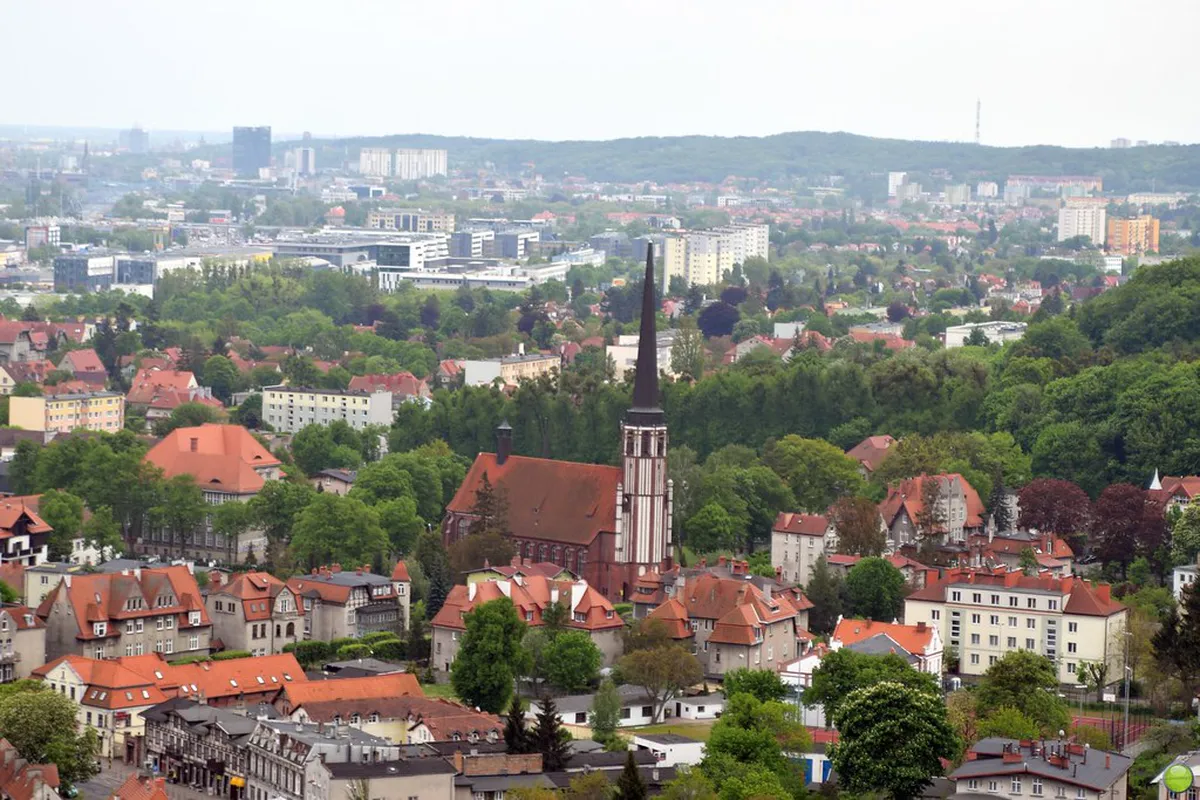
- Gdańsk Lech Wałęsa Airport (GDN) serves the north; Warsaw Chopin Airport (WAW) serves the capital.
- PKP Intercity EIP Pendolino: about 2h 30m, Super Promo fares typically 60-99 zł, Base fares typically 150-230 zł.
- FlixBus: a slower, lower-cost road alternative between the two cities.
- Budget flights: about one hour in the air, plus airport transfer time on both ends.
Food, Nightlife, and Social Scene
Gdańsk's food scene centers on Baltic seafood and amber-hued craft beer, often served in cellar bars tucked below the old town's merchant houses. The city's amber trade history shows up on menus and in gift shops alike, since Baltic amber has been collected along this coast for centuries. Warsaw's dining scene runs broader and includes a strong plant-based restaurant presence alongside its own growing craft beer scene. Warsaw's cocktail bars cluster in the Śródmieście district, drawing a later, dressier crowd than Gdańsk's harbor-side pubs. Warsaw's larger population base gives it more venues overall, simply due to scale, while Gdańsk's smaller, denser old town keeps most nightlife within easy walking distance.
Day Trip Potential: Polish Tricity vs Capital-Region Mazovia
Gdańsk's position inside the Tricity changes the day-trip math compared to a single-city capital stay in Warsaw. Sopot and Gdynia sit a short regional-rail ride from central Gdańsk, so a Tricity day easily becomes three destinations in one outing. A single Tricity day trip from Gdańsk typically covers Sopot's pier area and Gdynia's modernist waterfront without an overnight stay. That density makes Gdańsk's surrounding area feel richer for a short trip than its city size alone suggests. Warsaw's day trips instead reach into rural Mazovia and the neighboring Łódź Voivodeship, each requiring a longer, more dedicated outing. Travelers with more time to extend their route westward can compare two more Polish cities in the Poznań vs Wrocław guide.
- From Gdańsk: Sopot, known for its pier and nightlife.
- From Gdańsk: Gdynia, known for interwar modernist architecture.
- From Gdańsk: Malbork Castle, a Teutonic Order fortress with deep medieval history.
- From Warsaw: Żelazowa Wola, composer Fryderyk Chopin's birthplace.
- From Warsaw: Kampinos National Park, a forested park bordering the city.
- From Warsaw: Łódź, a former textile-industry city with an active gallery and museum scene.
Common Mistakes to Avoid When Choosing
Warsaw is not a fully walkable city the way Gdańsk's old town is. Its neighborhoods spread across a much larger footprint, so budget time and a transit pass accordingly rather than planning to walk everywhere. Visiting Gdańsk purely for beach weather outside July and August often disappoints. The Baltic coast runs cool and windy for much of the rest of the year, unlike Warsaw's milder inland climate. Overlooking Praga, Warsaw's east-bank district, or Gdańsk's former Shipyards area means missing the local culture behind the postcard core of each city. Both areas reward a slower, less touristed visit than the main old-town circuits. Booking accommodation without checking which district you land in causes similar frustration in both cities. Those planning a longer Central European loop can also weigh the Poland vs Czech Republic comparison. A similar breakdown exists for the Poland vs Hungary comparison. For current festival and event listings in either city, check the official Gdańsk Tourism Board or Warsaw Tourism sites before finalizing travel dates.
Gdańsk's major sights sit within 15–20 minutes walking distance of each other, making a 3-day visit realistic. Warsaw's neighborhoods are spread farther apart and require transit, which is why three days tends to feel rushed even though the cities are only 2.5 hours apart.
How to Split 5–7 Days Between Gdańsk and Warsaw
With five days, spend two nights in Gdańsk and three in Warsaw. Gdańsk’s compact center makes Długi Targ, St. Mary’s Church, and the waterfront manageable within one day. Use the second day for the Museum of the Second World War or European Solidarity Centre.

For a seven-day trip, add Sopot or Malbork before taking the direct PKP Intercity train south. Reserve Warsaw’s extra time for museums and districts beyond the Old Town.
- Days 1–2: Explore central Gdańsk, the former Shipyards, and one major museum.
- Day 3: Visit Sopot and Gdynia by regional train, or tour Malbork Castle.
- Day 4: Travel to Warsaw and walk the Royal Route and Old Town.
- Days 5–6: Choose the Warsaw Uprising Museum, POLIN Museum, Wilanów Palace, or Praga.
- Day 7: Depart Warsaw, or visit Żelazowa Wola or Kampinos National Park.
Book an early train to avoid losing the middle of a sightseeing day. Staying near Gdańsk Główny and Warszawa Centralna also simplifies transfers with luggage.
Further reading: Poland on Wikivoyage · Poland on Wikipedia
Frequently Asked Questions
Is Gdańsk cheaper than Warsaw?
In relative terms, yes. Warsaw typically carries a 10-15% premium over Gdańsk for dining out and mid-range hotels. Both cities stay affordable compared to major Western European capitals, so the difference matters more for longer stays than short weekend trips.
How long is the train from Warsaw to Gdańsk?
The PKP Intercity EIP Pendolino covers the route in about 2 hours 30 minutes. Fares vary by tier: Super Promo seats run cheaper than flexible Base-tier tickets, so booking ahead usually saves money on this route.
Can you visit both Gdańsk and Warsaw in one trip?
Yes. The 2.5-hour train link makes a split itinerary realistic on a 5-7 day trip. A common split is 2-3 nights in each city, with a Tricity side trip from Gdańsk added if time allows.
Is Gdańsk or Warsaw better for a 3-day trip?
Gdańsk fits a 3-day trip more comfortably, since its old town and nearby Tricity day trips are compact. Warsaw's museums and spread-out neighborhoods tend to feel rushed on only 3 days.
What's the best time to visit Gdańsk for beach weather?
July and August are the reliable window for warm Baltic beach weather. Outside those months, expect cooler temperatures and wind along the coast, even when Warsaw's inland climate feels milder at the same time of year.
Which city has better public transit for getting around?
Warsaw runs a larger metro, tram, and bus network suited to its bigger footprint. Gdańsk relies more on trams and buses plus the Tricity's regional rail line to reach Sopot and Gdynia, which works well since its core sights sit closer together.
What is the Tricity, and does it affect a Gdańsk visit?
The Tricity groups Gdańsk with neighboring Sopot and Gdynia along the same stretch of coast. That grouping means a Gdańsk-based trip can cover beach, nightlife, and modernist architecture across three towns without changing hotels, unlike a single-city stay in Warsaw.
You might also like



Continue reading
More guides you'll find useful