Visiting the Warsaw Uprising Museum: A Complete Traveler's Guide
Last updated July 2026, the Warsaw Uprising Museum remains one of the most immersive and emotionally demanding museums in Poland, and this guide covers exactly what to know before walking through its doors. Built around the 1944 uprising rather than the separate 1943 Warsaw Ghetto Uprising, the museum combines multimedia exhibits, a full-scale B-24 Liberator replica, and a sewer replica to recreate the experience of the Polish Underground State's 63-day fight. Use this guide to plan tickets, timing, and a route that avoids the worst bottlenecks.
Warsaw Uprising Museum vs. Warsaw Ghetto Uprising: Clearing Up the Confusion
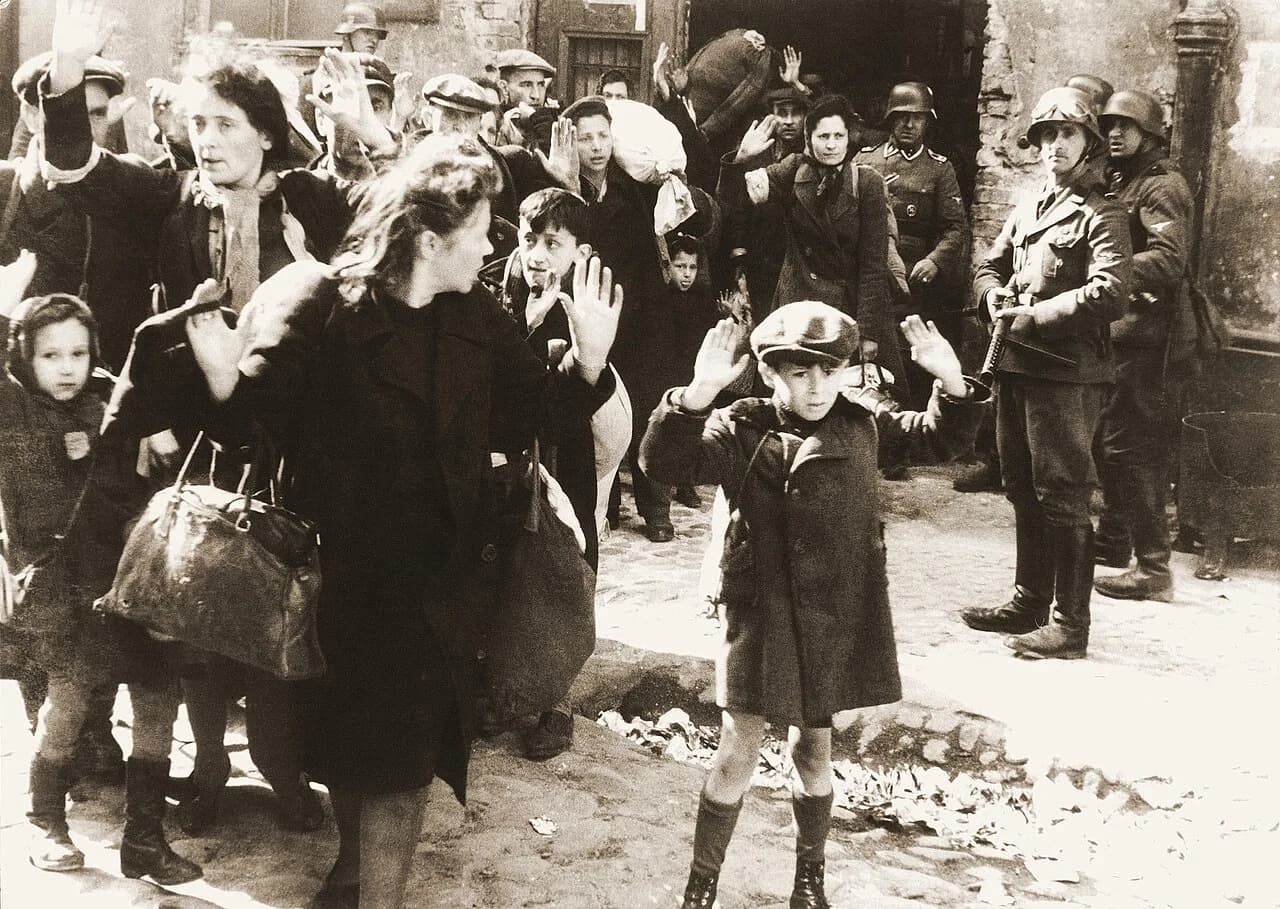
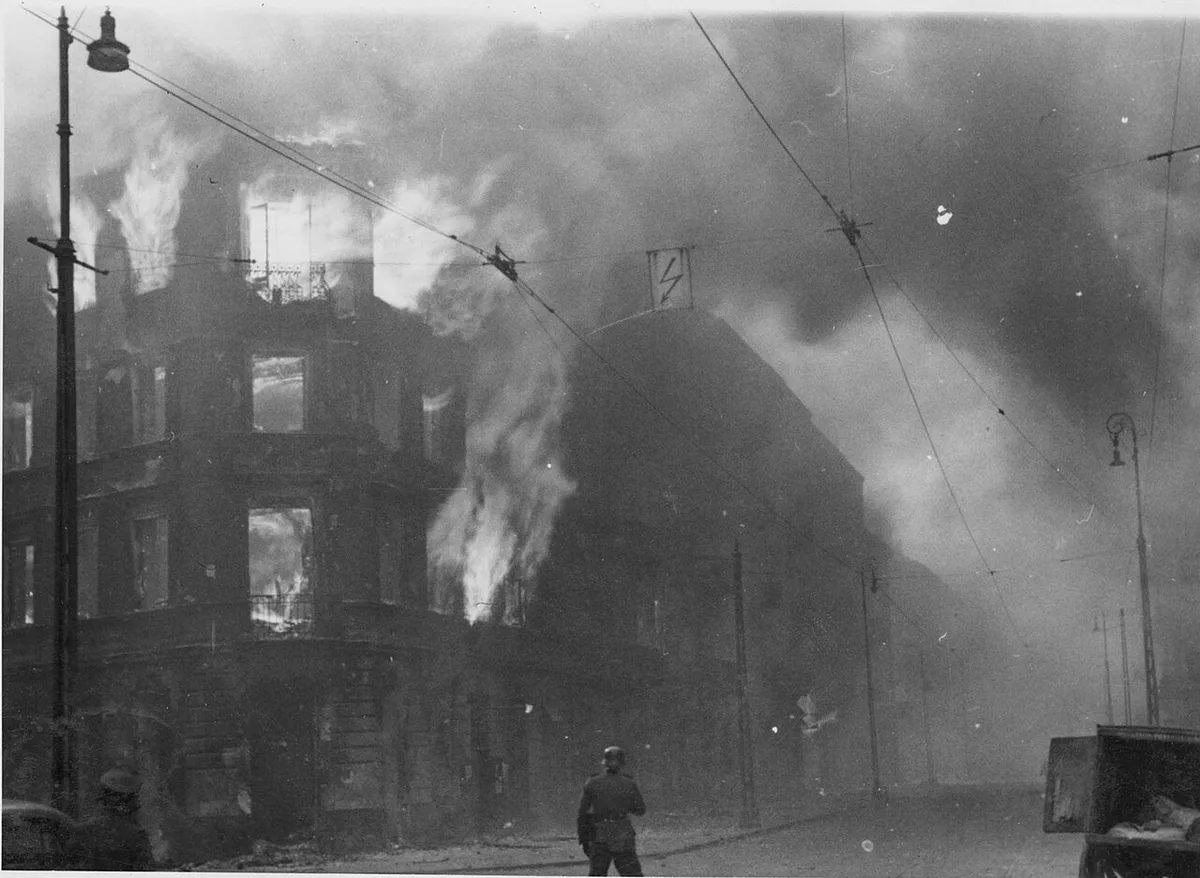
Travelers frequently mix up two distinct events. The Warsaw Ghetto Uprising took place in April-May 1943, when Jewish resistance fighters rose against the Nazi liquidation of the Warsaw Ghetto. The Warsaw Uprising, the subject of this museum, began on 1 August 1944 and lasted 63 days, as the Polish Home Army and the broader Polish Underground State attempted to liberate the city before the arrival of the Red Army. The Warsaw Uprising Museum, known in Polish as Muzeum Powstania Warszawskiego, focuses exclusively on the 1944 fight and its aftermath, including the near-total destruction of the city. For broader context on how this event fits into the country's wartime history, see the Poland WWII history guide.
Planning Your Visit to the Warsaw Uprising Museum: Location, Hours & Tickets
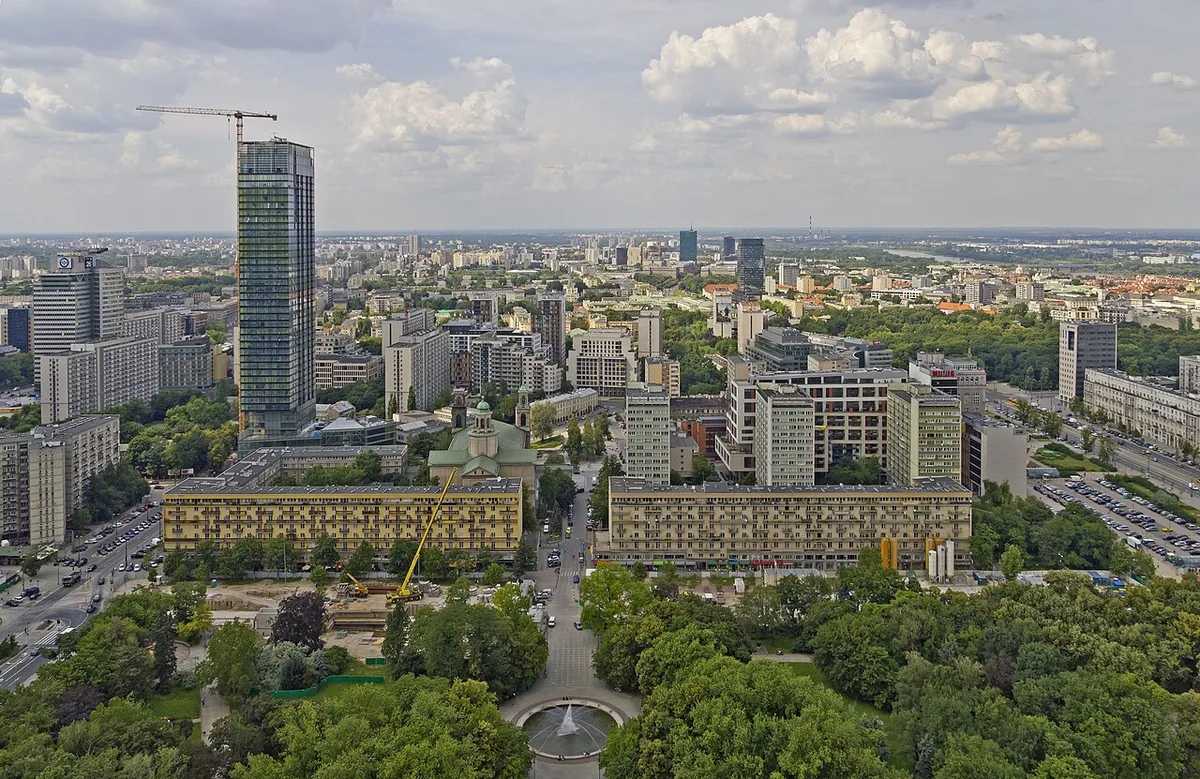
The museum sits at Grzybowska 79 in the Wola district, reached via the Rondo Daszyńskiego stop on Warsaw Metro line M2 (confirm connections via wtp.waw.pl before traveling). Opening hours follow a split schedule: Monday 8 am-6 pm, Tuesday closed all day, Wednesday through Friday 8 am-6 pm, and weekends 10 am-6 pm. Admission tickets can be purchased up to 30 minutes before closing, so plan a last entry with real time to explore rather than rushing the final hall. As of 2026, general admission runs 35 PLN for a normal ticket and 30 PLN for a discounted ticket, with a 10 PLN rate for Large Family Card holders and 35 PLN group tickets when booked with a museum guide through the online system. Verify current pricing against 1944.pl before finalizing plans, since rates are periodically revised.
Free Thursday admission lowers cost but concentrates crowds, forcing visitors into either abbreviated express routes or extended waits at bottlenecks. Paid weekday visits permit the slower, more reflective pace that emotionally demanding content requires.
- Monday: 8 am-6 pm
- Tuesday: closed
- Wednesday-Friday: 8 am-6 pm
- Saturday-Sunday: 10 am-6 pm
- Normal ticket: 35 PLN | Discounted: 30 PLN | Large Family Card: 10 PLN
The Thursday Free Admission Hack (And Its Trade-Off)
On Thursdays, admission to the Warsaw Uprising Museum is free, which makes it tempting to build an entire Warsaw itinerary around that single day. The trade-off is significant: free admission draws far heavier crowds, including school groups, which slows movement through narrow corridors and creates long waits at popular stops like the sewer replica. If a flexible schedule allows it, weigh a paid weekday visit outside the free window against the crowding of a Thursday visit, especially if the goal is a slower, more reflective pace through the exhibits.
Must-See Exhibits at the Warsaw Rising Museum
The museum spans several floors and covers each district's wartime experience in detail, but a handful of exhibits define the visit. Budget extra time for these before moving on to secondary rooms.
- The Liberator Hall - a hangar containing a full-size B-24 Liberator, one of the most photographed spaces in the museum
- The sewer replicas - mezzanine and basement passages recreating the cramped underground routes insurgents used to move through German-held territory
- City of Ruins - a short 3D aerial film of Warsaw's ruins filmed in 1945, shown in a dedicated screening area that can queue separately from the main exhibit flow
- The Little Insurgent Room - dedicated to the youngest participants in the uprising, including a colourised photograph of a young nurse; generally suitable for children
- The Memorial Wall - described as the heart of the museum, combining thousands of names of the fallen with ambient battle sounds and heartbeats emanating from the wall itself
Preparing for the Museum's Sensory Intensity
Unlike a standard historical exhibit, the Warsaw Uprising Museum is deliberately immersive, and first-time visitors benefit from knowing what to expect. The wall known as the heart of the museum plays looping battle sounds and heartbeats, and several rooms are kept dark and loud to mirror the atmosphere of the underground fight. Visitors sensitive to loud or sudden sound, or to dim lighting in enclosed spaces such as the sewer replica, should pace the visit accordingly and take breaks in quieter rooms like the print shop or the observation tower.
How to Plan Your Time: Suggested Routes Through the Museum
The museum's industrial, multi-level layout can feel disorienting without a plan. Two general approaches work well depending on available time.
The museum's most immersive spaces—the sewer replica and Memorial Wall—combine emotional intensity with afternoon congestion. Begin with the City of Ruins film, then tackle sensory-heavy exhibits early before bottlenecks intensify, allowing breaks between intense rooms.
- The express route (roughly 2 hours): Prioritize the Liberator Hall hangar and the City of Ruins 3D film, then move quickly through the ground-floor cinema and Nazi occupation section.
- The deep-dive route (roughly 4 hours): Add the Cells of Secret Service exhibition, the observation tower for panoramic views over Warsaw, the print shop with original underground-press equipment, and the full sewer replica experience.
- Starting with the City of Ruins film before working toward the sewer replica can help avoid the bottleneck that tends to form there later in the day.
Practical Tips: Audio Guides, Photography & On-Site Cafe
A few logistics decisions shape the visit before arrival. Audio guide devices rent for 13 PLN, or visitors can access the same audio content on a personal smartphone for 10 PLN; audio guides are available in English, French, German, Greek, Italian, Slovak, Spanish, and Ukrainian. Photography is generally permitted throughout the permanent exhibition for personal use. Between exhibits, the on-site 1940s-style cafe, referred to informally as the Pół Czarnej cafe, offers a themed break that fits the museum's period atmosphere without requiring an exit and re-entry.
Mistakes to Avoid at the Warsaw Uprising Museum
A few avoidable errors trip up first-time visitors to the Warsaw Uprising Museum.
- Arriving too close to closing: last entry is 30 minutes before the posted closing time, and rushing the Liberator Hall or Memorial Wall undercuts the experience.
- Confusing the museum with the separate Warsaw Uprising Monument in the Old Town area; the museum itself is located in Wola, not the historic center.
- Overlooking the Cells of Secret Service exhibition, a separate branch at 11 Ujazdowskie Avenue with its own ticket pricing (10 PLN normal, 8 PLN discounted), distinct from the main Grzybowska 79 site.
Beyond the Museum: Connecting Wola District to Warsaw's Wartime History
The Wola district surrounding the museum carries its own wartime significance, having suffered heavily during the 1944 uprising. Visitors building a broader WWII-themed itinerary through Poland often pair this museum with the Royal Castle in Warsaw, whose meticulous post-war reconstruction reflects the same rebuilding effort that followed the city's near-total destruction. For a wider circuit connecting major wartime sites, consider extending the trip toward the Wolf's Lair bunker complex, the Majdanek concentration camp memorial, or the Stutthof concentration camp near Gdansk, each offering a different angle on Poland's WWII history.
Use the Calendar Pages to Follow the 63 Days
One easy detail to miss is the museum’s set of 63 calendar-style pages, each tied to a day of the Warsaw Uprising from 1 August to 2 October 1944. These tear-off leaflets help turn the exhibition from a single overwhelming story into a day-by-day sequence: the first mobilization, the fighting in Wola and the Old Town, the use of sewer routes, the failed outside relief, and the final capitulation.
Collecting or reading them as you move through Muzeum Powstania Warszawskiego is especially useful if you are visiting without a guide. They give quick context for what was happening across Warsaw while you stand among larger set pieces like the B-24 Liberator replica, the print shop, and the City of Ruins film. For travelers who want a compact memory aid after the visit, the calendar pages are more meaningful than a standard brochure because they preserve the uprising’s defining structure: 63 separate days of resistance, collapse, and survival.
Further reading: Poland on Wikivoyage · Poland on Wikipedia
Frequently Asked Questions
Is the Warsaw Uprising Museum the same as the Warsaw Ghetto Uprising memorial sites?
No. The Warsaw Uprising Museum covers the 1944 Warsaw Uprising led by the Polish Home Army and Underground State, while the 1943 Warsaw Ghetto Uprising is a separate event commemorated at different sites in the former ghetto area. Confirm which history a planned stop covers before visiting.
How much time should I plan for the Warsaw Uprising Museum?
A focused express visit covering the Liberator Hall and City of Ruins film takes roughly 2 hours, while a deep dive including the observation tower, print shop, and Cells of Secret Service branch can take around 4 hours.
Is the Warsaw Uprising Museum free on Thursdays?
Yes, admission is free on Thursdays, though this draws heavier crowds and longer waits at popular exhibits like the sewer replica compared to a paid weekday visit.
How do I get to the Warsaw Uprising Museum by public transport?
The museum is located at Grzybowska 79 in the Wola district, accessible via the Rondo Daszyńskiego stop on Warsaw Metro line M2; check wtp.waw.pl for current transit routes and schedules.
Is the Warsaw Uprising Museum suitable for children?
The Little Insurgent Room is designed with younger visitors in mind, but several other sections, including the Memorial Wall's ambient sound design and the darker, loud sewer replicas, may be intense for young or sound-sensitive children.
You might also like


Continue reading
More guides you'll find useful