Visiting Stutthof Concentration Camp: History, Logistics, and Memorial
Last updated July 2026. Stutthof concentration camp sits roughly 34km east of Gdańsk near the village of Sztutowo, and it holds a grim double distinction: it was the first Nazi concentration camp established outside German borders, opening on 2 September 1939, and the last camp liberated by the Allies, on 9 May 1945. The former camp has operated as a memorial museum since 1962, and this guide covers how to get there from Gdańsk, what the grounds contain, and how to plan a respectful visit that fits into a wider WWII-focused itinerary through northern Poland.
What Is Stutthof Concentration Camp and Why It Matters
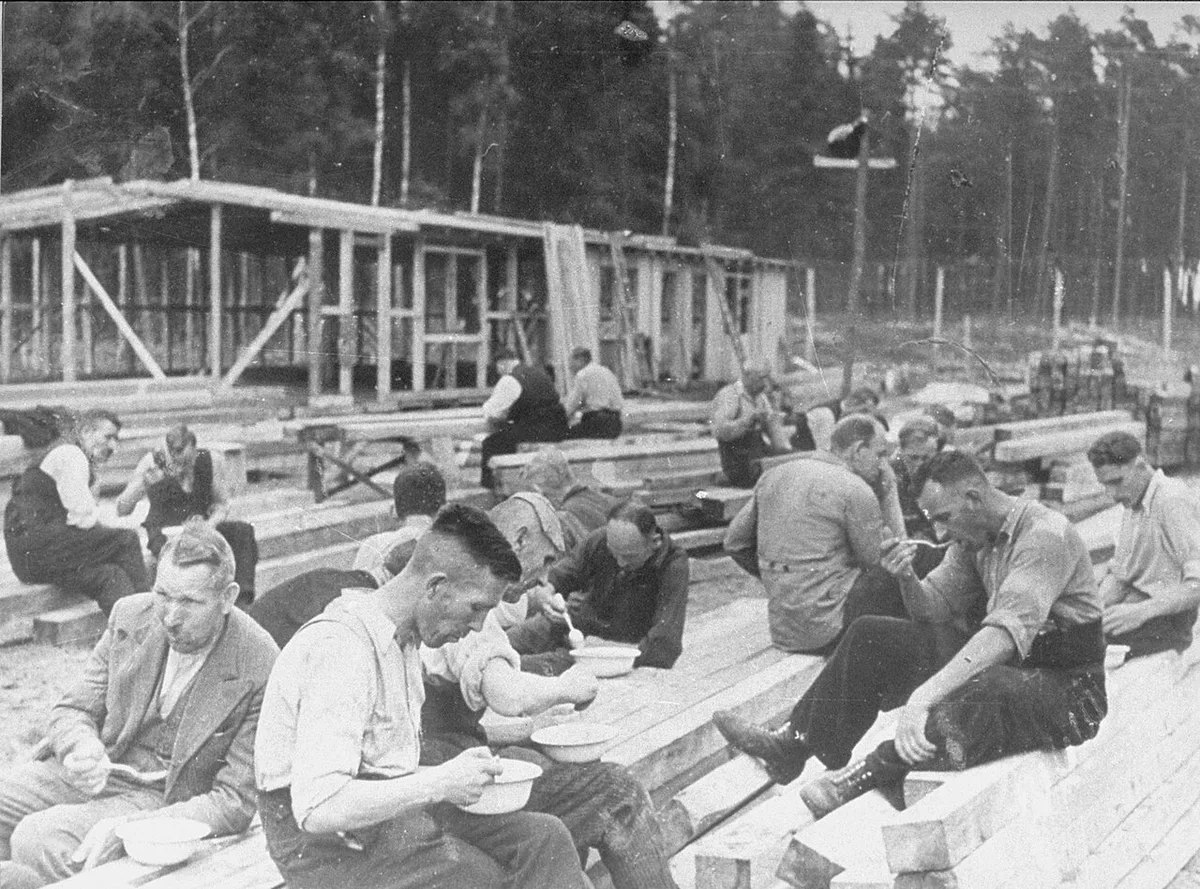
Stutthof was established by Nazi Germany in a secluded, marshy, wooded area near the village of Stutthof (now Sztutowo, Pomeranian Voivodeship) in the German-annexed Free City of Danzig. It was set up around existing structures immediately after the invasion of Poland, initially to imprison Polish leaders and intelligentsia as part of a broader ethnic cleansing campaign against Polish elites in the Danzig and Western Prussia region — a program historians refer to as the Intelligenzaktion. The camp evolved through several administrative phases: a civilian internment camp under the Danzig police chief, then a labor education camp from November 1941, and finally a full concentration camp from January 1942. Over its operational life, an estimated 110,000 people were deported to Stutthof and its subcamps, with 63,000 to 65,000 dying from murder, starvation, disease, forced labor, and brutal evacuations, including around 28,000 Jewish victims. For readers building out a fuller picture of the invasion and occupation, the Poland WWII history guide provides the national-level context this camp sits within.
Planning Your Visit to Stutthof: Transport, Timing, and Costs
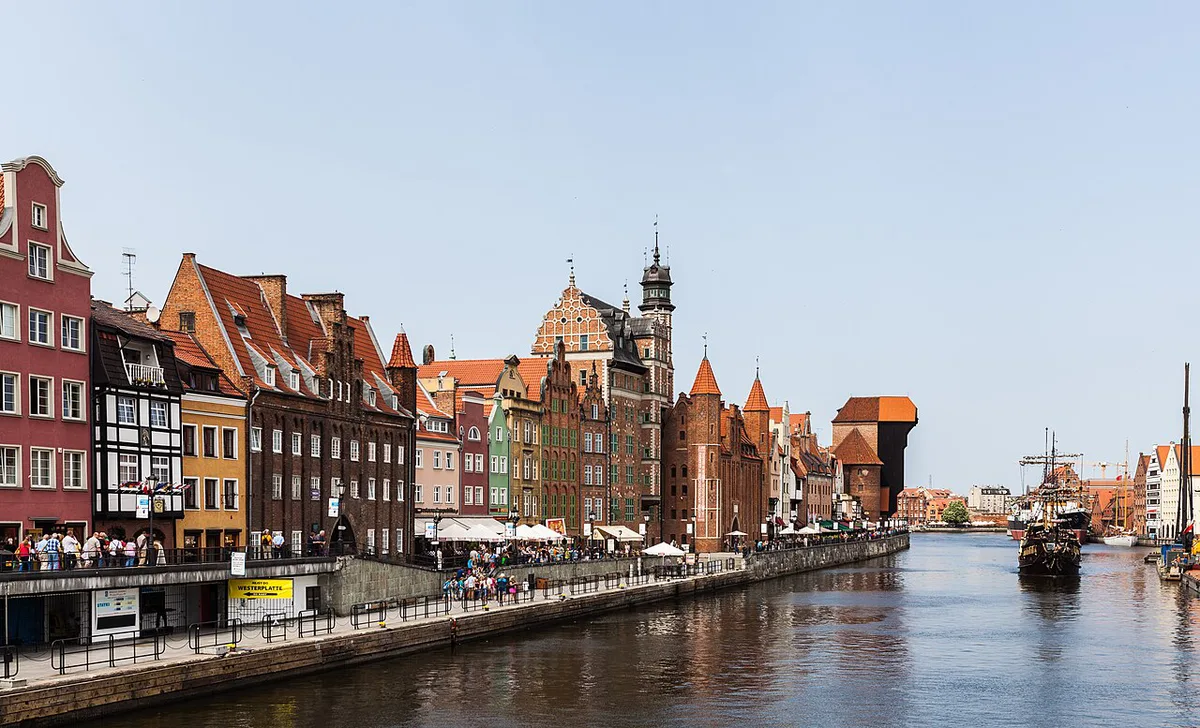
Most visitors base themselves in Gdańsk and travel out for a half-day trip. Local buses run from Gdańsk Główny (the main train station area) toward Sztutowo, with route 870/871 and PKS regional coaches among the options travelers use to reach the site — check current ZTM Gdańsk and PKS timetables before departure, since seasonal schedules shift between summer and winter. Driving is straightforward via regional roads along the Vistula Spit direction and gives more control over timing, while organized day tours from Gdańsk bundle transport with a guide, which suits travelers who want historical narration without navigating bus connections themselves. Budget 2 to 3 hours on site to see the grounds and core exhibitions properly; arriving earlier in the day tends to mean smaller crowds than midday. Museum entry to the grounds and permanent exhibitions is typically free, though the documentary film screening and guided tour options may carry a separate fee — confirm current 2026 pricing and hours directly on the official museum site (stutthof.org) before setting out, since these details change seasonally.
| Transport Option | Route and Logistics | Key Details |
|---|---|---|
| Regional Bus | Routes 870/871 and PKS coaches from Gdańsk Główny | Verify current timetable with ZTM Gdańsk or PKS; seasonal schedules shift between summer and winter |
| Self-Drive | Regional roads via Vistula Spit direction | Straightforward route; provides control over timing; allows combination with other northern Poland stops |
| Organized Tour from Gdańsk | Transport and guide included from Gdańsk | Bundles historical narration; no schedule-watching required; documentary screening and guided tours may carry separate fees |
- Bus: regional routes from Gdańsk Główny toward Sztutowo/Stutthof — verify current timetable with ZTM Gdańsk or PKS
- Driving: self-paced route toward the Vistula Spit area, useful for combining with other northern Poland stops
- Organized tour: guided narration and transport bundled, no schedule-watching required
- On-site time: plan 2–3 hours for the grounds and main exhibitions
- Cost: grounds and permanent exhibition entry is typically free; documentary screening and guided tours may carry separate fees
Key Areas of the Memorial Museum
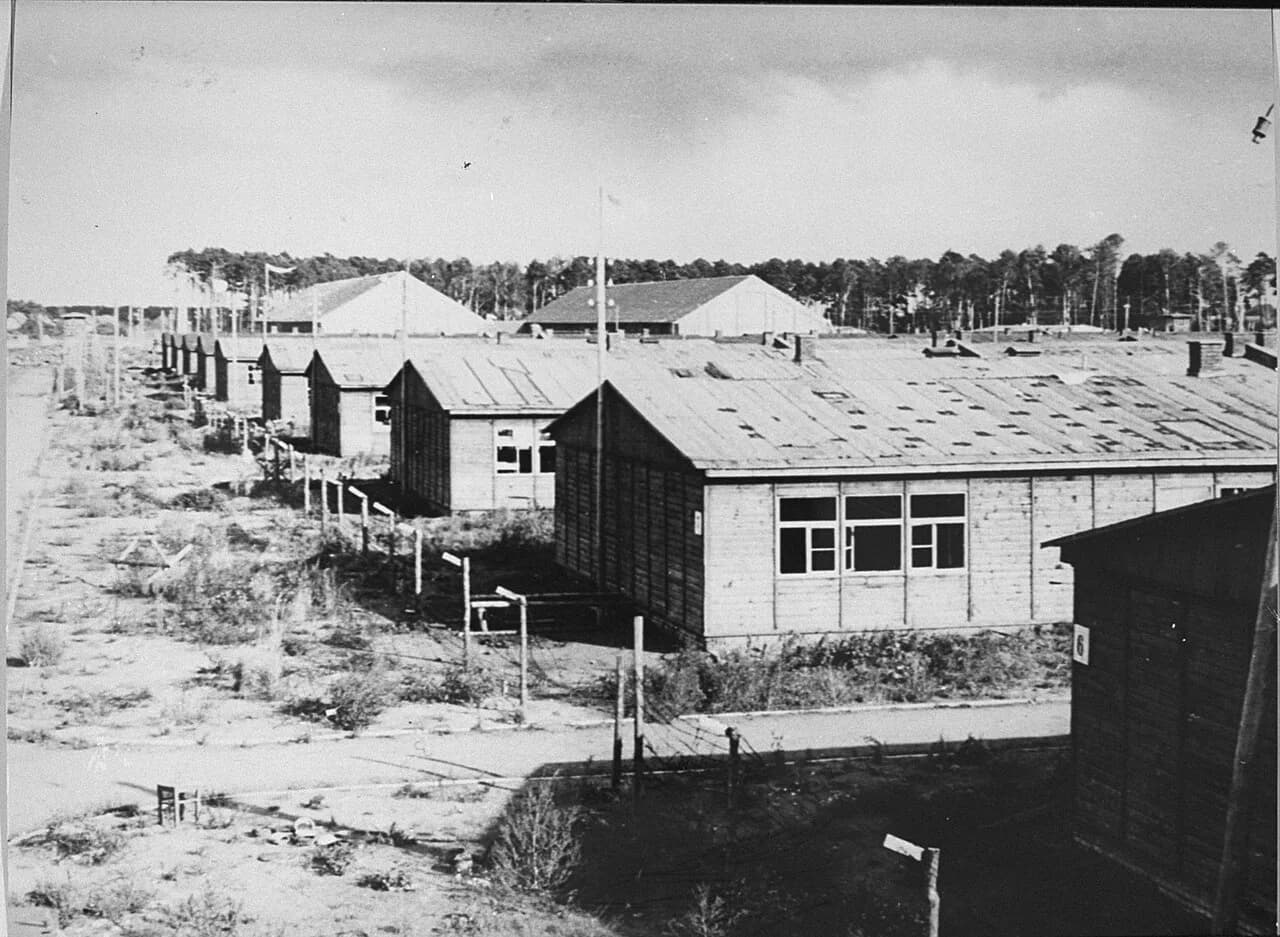
The preserved and reconstructed camp grounds are organized around several key areas that trace the camp's expansion and function. The Death Gate marks the historic entrance and carries significant symbolic weight as the threshold prisoners crossed into the camp system. The gas chamber and crematorium were added in 1943, becoming operational for mass executions once Stutthof was incorporated into the Final Solution in June 1944; mobile gas wagons supplemented the gas chamber's capacity when needed. The barracks are split between the Old Camp — the original section enclosed by barbed wire, comprising eight barracks and an SS Kommandantur — and the New Camp, a 1943 expansion with thirty additional barracks surrounded by electrified fencing that brought the total site to roughly 1.2 square kilometers. The former Commandant's Villa, associated with Paul-Werner Hoppe, who led the camp from August 1942 to January 1945, also remains part of the site's historical layout.
- The Death Gate — the historic camp entrance
- The gas chamber and crematorium — added 1943, active in the 1944 Final Solution phase
- The Old Camp barracks — eight original barracks and SS administration building
- The New Camp barracks — thirty additional barracks from the 1943 expansion
- The Commandant's Villa — associated with camp leadership
Historical Context: The Intelligenzaktion and the Death Marches
Stutthof's earliest purpose tied directly into the Intelligenzaktion, the campaign to eliminate Polish political, religious, and intellectual leaders in the Danzig-West Prussia region; German Selbstschutz units in Pomerania had compiled arrest lists even before the war began. As Soviet forces advanced in early 1945, the SS evacuated the camp population in what are known as the death marches, forcing prisoners toward Lauenburg and, in some cases, moving them by sea — conditions that killed many before liberation reached the camp on 9 May 1945, making Stutthof the last camp the Allies liberated. Notable inmates across the camp's history included religious and political figures alongside the thousands of Polish and later Jewish prisoners who passed through its gates. Travelers assembling a broader northern-Poland WWII circuit often pair this history with the Wolf's Lair bunker complex, Hitler's Eastern Front headquarters, for a fuller sense of the war's regional footprint.
Stutthof was established in September 1939 to suppress Polish intelligentsia but later became incorporated into the Final Solution in June 1944—a shift from ethnic persecution to genocide that the preserved gas chamber and crematorium at the memorial museum now documents.
The Stutthof Trials and Post-War Justice
After the war, the Stutthof trials held in Gdańsk examined crimes committed at the camp, part of the wider postwar reckoning with camp staff and administrators. Commandant Max Pauly, who led Stutthof from September 1939 to August 1942, and his successor Paul-Werner Hoppe both faced justice for their roles in the camp's operation. Separately, the Institute of National Remembrance (IPN) has investigated the historically alleged involvement of the Danzig Anatomical Institute in producing soap from human remains — a claim that requires factual caution, since the extent and confirmation of this practice has been a subject of documented IPN inquiry rather than settled certainty. Readers researching the machinery of Nazi occupation and postwar accountability across Poland can cross-reference the Poland WWII history guide for how Stutthof's trials fit the broader pattern of postwar tribunals.
Stutthof Concentration Camp Visitor Etiquette and Mistakes to Avoid
Stutthof is a memorial and mass grave site, not a standard tourist attraction, and visitor conduct should reflect that: keep voices low, follow posted photography guidelines, and treat the barracks, gas chamber, and grounds with the gravity they warrant. The site is generally recommended for visitors aged 13 and up given the intensity of the subject matter and exhibition content, so consider that when traveling with younger children. A common planning mistake is underestimating the emotional weight of the visit and scheduling something lighthearted immediately afterward — build in unstructured time to process the experience before moving to the next stop. On the logistics side, always check seasonal opening hours before departure, since summer and winter schedules differ, and confirm current times on the official museum site rather than relying on older printed guides.
The site's historical intensity—63,000 to 65,000 deaths, preserved gas chamber and crematorium, and the Death Gate—explains why age 13 and older is recommended, and why building unstructured processing time after the visit prevents the mistake of pairing it directly with lighthearted activities.
- Keep a respectful, quiet demeanor throughout the grounds and exhibition buildings
- Follow posted photography rules rather than assuming general tourist-site norms apply
- Recommended minimum age is generally 13+ given the subject matter
- Avoid pairing the visit immediately with an unrelated lighthearted activity
- Confirm seasonal opening hours on the official museum site before traveling
Comparing Stutthof With Other Poland WWII Sites
Deciding between Stutthof and Poland's other camp memorials often comes down to geography and itinerary shape. Stutthof works well as a focused half-day trip from Gdańsk for travelers already exploring northern Poland and the Baltic coast, while other major memorial sites sit further south and suit a separate leg of a trip. For a comparison of preservation approach and museum presentation, the Majdanek Concentration Camp Memorial: A Practical Visiting Guide covers a camp with a notably different physical footprint and exhibition style. Travelers building a dedicated WWII-history route through the country can also connect this stop with the Warsaw Uprising Museum for the 1944 uprising narrative and the Royal Castle in Warsaw for pre-war and reconstruction history, rounding out how occupation, resistance, and postwar rebuilding connect across the country's major historical sites.
Seasonal Narrow-Gauge Railway Option
In summer, the Żuławska Kolej Dojazdowa narrow-gauge railway can be a memorable add-on for travelers already moving around the Vistula Spit, but it is not the simplest direct route from Gdańsk to Stutthof. The heritage line normally serves places such as Nowy Dwór Gdański, Stegna, Jantar, Mikoszewo, and Sztutowo, depending on the seasonal timetable, so it works best if you are combining the memorial with a slower coastal day rather than trying to minimize travel time.
Before relying on it, check the current operating dates and exact stops, because service is seasonal and less frequent than regular road transport. For most visitors, the practical plan is still bus, car, or organized tour from Gdańsk; the narrow-gauge train is better treated as a regional experience after the museum visit or as part of a broader Stegna/Sztutowo itinerary.
Further reading: Poland on Wikivoyage · Poland on Wikipedia
Frequently Asked Questions
How far is Stutthof concentration camp from Gdańsk?
The former camp, near the village of Sztutowo, sits roughly 34km east of Gdańsk, making it a feasible half-day or full half-morning trip by bus, car, or organized tour.
Is entry to Stutthof concentration camp free?
Access to the grounds and permanent exhibitions is typically free, though the documentary film screening and guided tour options may carry a separate fee — confirm current 2026 pricing on the official museum site before visiting.
How much time should I plan for visiting Stutthof?
Plan on roughly 2 to 3 hours on site to see the Death Gate, barracks, gas chamber and crematorium, and the main exhibition areas without rushing.
Why is Stutthof historically significant?
Stutthof was the first Nazi concentration camp established outside German borders, opening on 2 September 1939, and it was also the last camp liberated by the Allies, on 9 May 1945 — a rare double distinction among Nazi camps.
Is Stutthof appropriate for children?
The site is generally recommended for visitors aged 13 and older given the intensity of the historical content and exhibitions; families should weigh this before bringing younger children.
How do you get to Stutthof from Gdańsk without a car?
Regional buses run from the Gdańsk Główny area toward Sztutowo, and organized day tours from Gdańsk bundle transport with guided narration — check current ZTM Gdańsk or PKS timetables before departure since schedules shift seasonally.
You might also like


Continue reading
More guides you'll find useful