Majdanek Concentration Camp Memorial: Essential Visitor Guide
Last updated July 2026: The Majdanek concentration camp memorial sits on the eastern edge of Lublin, close enough to the city's apartment blocks that the proximity itself becomes one of the most unsettling parts of a visit. Unlike Auschwitz-Birkenau, retreating German forces did not have time to destroy the camp's infrastructure before the Red Army arrived on 23 July 1944, which is why Majdanek survives as one of the best-preserved examples of a Nazi death camp anywhere in Poland. This guide covers current opening patterns, guided tour times, transport from Warsaw and Lublin, and what to expect inside the memorial grounds in 2026.
What Is the Majdanek Concentration Camp Memorial?
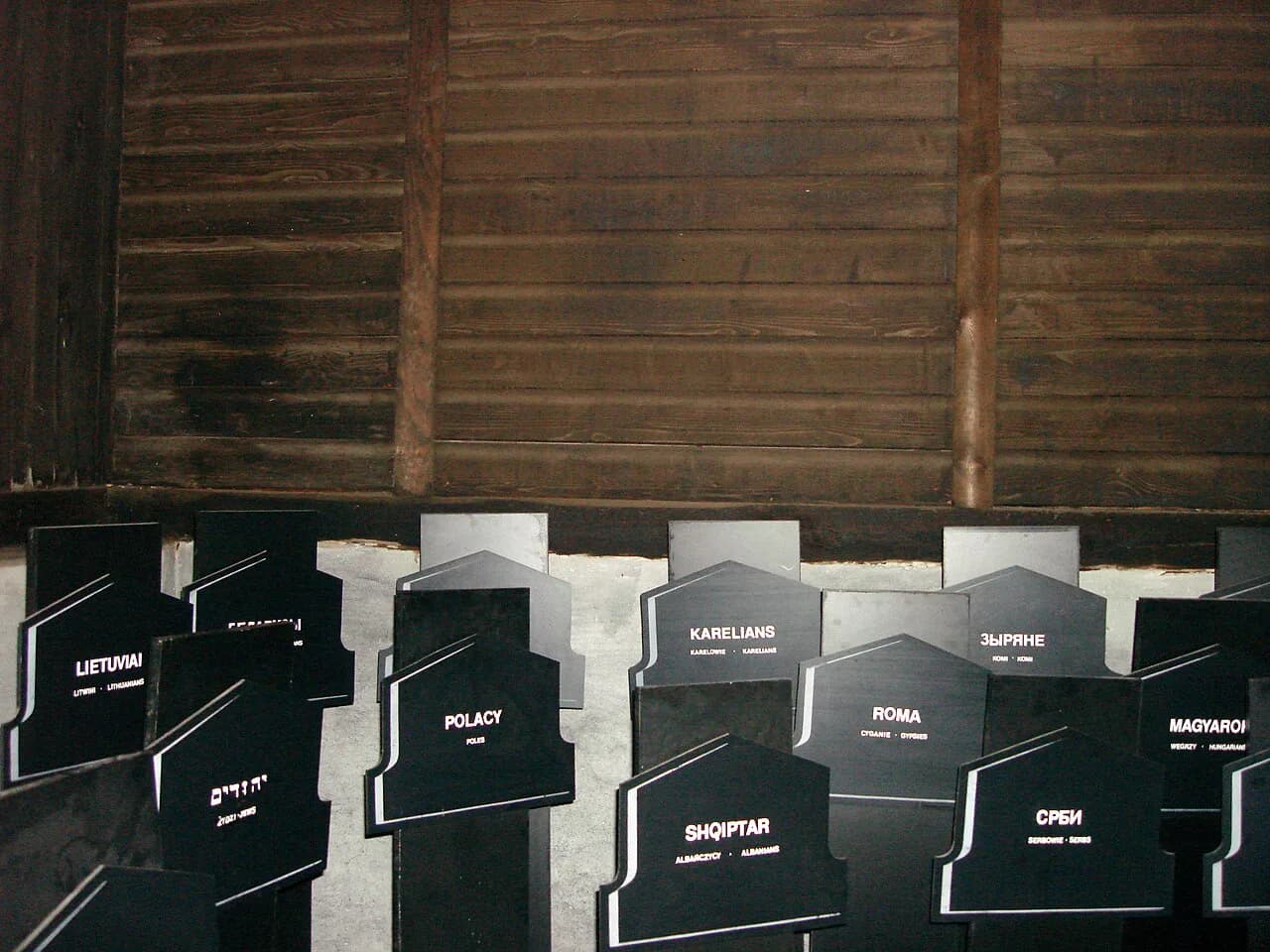
Majdanek State Museum was founded in the autumn of 1944 on the grounds of the German Nazi camp, making it the first museum of its kind in the world dedicated entirely to the memory of a concentration and extermination camp. The Polish parliament confirmed its status as a state monument of martyrology by decree on 2 July 1947. Nearly 80,000 people were murdered at Majdanek during its roughly 34 months of operation, around 59,000 of them Polish Jews, alongside Polish, Belarusian, Ukrainian, and Russian prisoners. The single deadliest day came on 3 November 1943, when close to 18,400 Jewish prisoners were shot in what became known as Aktion Erntefest, or the Harvest Festival massacre, the largest single-day, single-camp killing operation of the Holocaust. For the wider context of how Majdanek fits into the German occupation of Poland, the Poland WWII history guide traces the broader network of ghettos, camps, and resistance movements that shaped the country between 1939 and 1945.
Essential Logistics for the Majdanek Concentration Camp Memorial
Entry to the memorial grounds is free, which sets Majdanek apart from many Western European Holocaust sites that charge for general admission. Guided tours in Polish are available without advance reservation for individual visitors on Saturdays and Sundays at 11:00; between 1 July and 28 August, tours run daily except Mondays, with an additional 14:15 slot added during those summer months. Guided tours cost 25 PLN for a regular ticket and 20 PLN for a reduced ticket, and this pricing does not apply to organized groups, which need separate arrangements. Because the grounds are largely open and exposed, with little shade between the barracks, the crematorium, and the Mausoleum, visiting earlier in the day is more comfortable than a midday arrival during Polish summer heat. Opening hours shift seasonally, with shorter winter hours than the extended summer schedule, so confirming the current calendar on the museum's own site before traveling is worthwhile, particularly around Polish public holidays.
Ground entry is free. A three-hour allocation allows viewing the Pylon, barracks exhibitions focused on individual prisoner stories, original gas chambers and crematoria, and the Mausoleum without rushing through any section.
- Grounds entry: free
- Guided tour: 25 PLN regular / 20 PLN reduced
- Individual tours: Saturdays and Sundays at 11:00 year-round
- July to August: daily except Mondays, plus a 14:15 tour
- Best visited in the cooler morning hours given the exposed terrain
Key Sites Within the Memorial Grounds
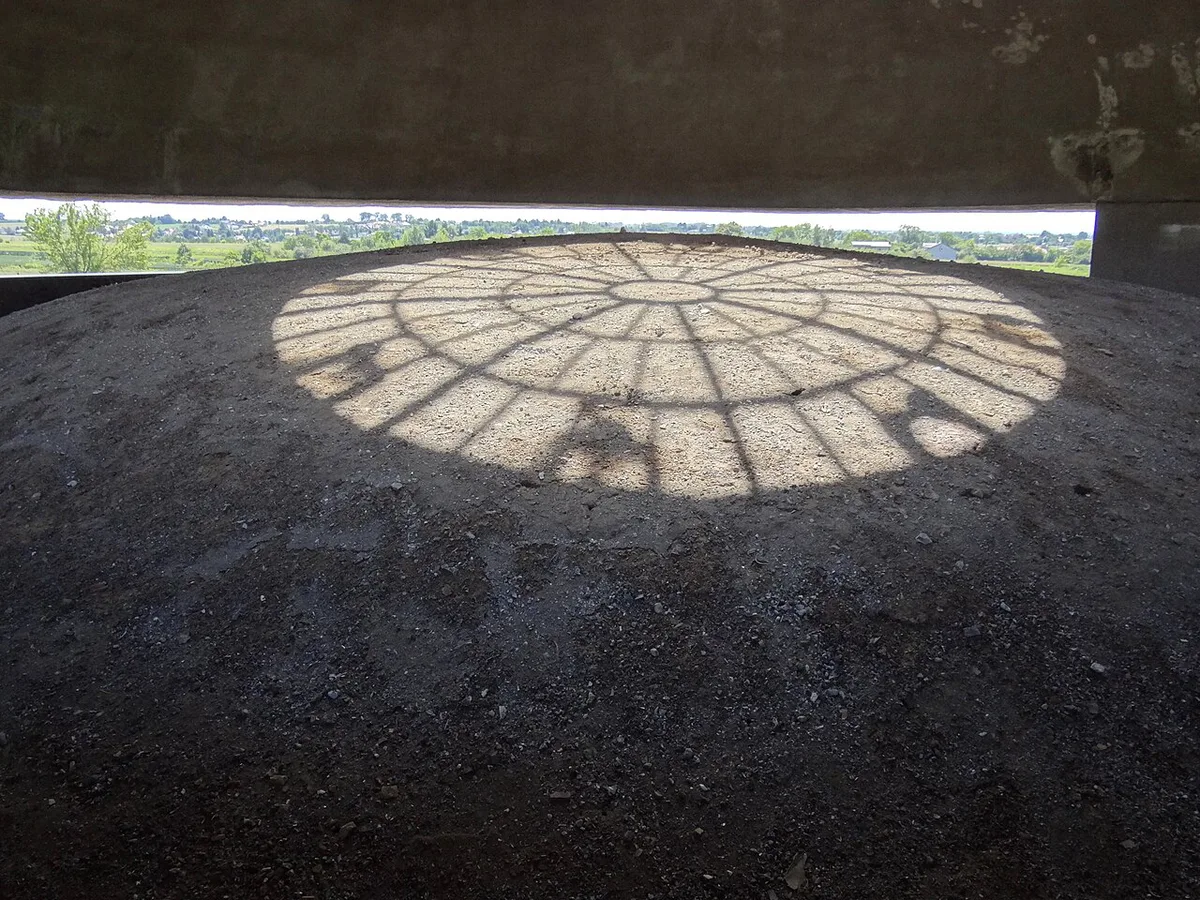
The Pylon, or Gate-Monument, greets visitors at the entrance to the grounds: an 11-meter-tall, 35-meter-wide concrete structure designed by Polish sculptor and architect Wiktor Tolkin and unveiled in 1969 on the 25th anniversary of the camp's liberation. Its abstract relief is often read as a depiction of mangled bodies, and it marks the start of a symbolic road leading toward the Mausoleum, which shelters a large mound of ashes and bone fragments gathered from the site's grounds in 1947. Tolkin also designed the memorial at Stutthof near Gdansk, and travelers comparing the visual language of Poland's camp memorials can read more in the Stutthof concentration camp guide. Inside the barracks, the permanent exhibition The Prisoners of Majdanek focuses on individual stories, while the Former Camp Grounds exhibition preserves authentic camp infrastructure, including original gas chambers where Zyklon B staining is still visible on the interior walls, and crematoria that survived the German retreat largely intact.
How to Get to Majdanek from Warsaw and Lublin
From Lublin city center, the memorial is reachable by local trolleybus and bus, with routes including lines 21, 23, 47, 153, 156, and 158 running toward the museum area; checking the current stop and schedule locally is sensible since route numbers can shift with city transit updates. Travelers coming from Warsaw typically take the train to Lublin, a journey of roughly two hours, then connect to one of the local bus or trolleybus lines for the final leg to the memorial. Those spending a day in the capital first can pair a morning at the Royal Castle in Warsaw with an afternoon train south. Drivers can reach Lublin via the S12 and S17 expressways, and on-site parking is available for a fee rather than being included with grounds entry.
Majdanek vs. Auschwitz-Birkenau: Which Should You Visit?
Both sites carry the weight of Poland's wartime history, but the practical experience differs. Auschwitz-Birkenau, located near Krakow, draws far larger crowds and typically requires advance timed-entry booking, while Majdanek is significantly less crowded and, for individual visitors, does not require reservations for its Polish-language guided tours. Majdanek's location on the outskirts of a working city, rather than in rural isolation, also makes for a different kind of visit; the camp's fences and watchtowers are visible from nearby residential streets. Because the site is compact but dense with original structures, plan for a minimum of three hours to see the Pylon, the barracks exhibitions, the gas chambers and crematorium, and the Mausoleum without rushing. Travelers building a wider itinerary around Nazi-era sites in Poland can also compare the isolated forest setting of the Wolf's Lair bunker complex, which offers a very different, more remote kind of historical site.
Majdanek survives as one of Poland's best-preserved Nazi camps with significantly lighter visitor numbers than Auschwitz-Birkenau, allowing examination of original gas chambers with visible Zyklon B staining, intact crematoria, and barracks exhibitions without the crowding of larger sites.
Researching Family History: Prisoner Records
For travelers with a personal or family connection to Majdanek or the wider Operation Reinhardt camp system, the museum maintains a searchable prisoner records tool alongside its Digital Majdanek portal, which hosts scanned archival material online. These resources draw on SS documentation that survived a failed German attempt at destruction, along with postwar research compiled by the museum since its founding. Searching before a visit can help identify which barracks, transport records, or camp documents relate to a specific individual, and staff at the museum can sometimes point visitors toward relevant physical exhibits once on site.
Visitor Etiquette and Mistakes to Avoid
Majdanek is a site of mass murder and functions as a place of mourning as much as a museum, so visitor conduct matters. The museum advises against bringing children under 14 given the graphic nature of the exhibitions and the need for quiet, respectful behavior throughout the grounds. Dress modestly and avoid loud conversation, photography with poses, or food and drink inside the barracks and Mausoleum. Since 7 April 2026, the side entrances to the museum from ul. Cmentarna and ul. Tetmajera have been closed, so arrive via the main entrance rather than planning a route through those streets. Finally, resist the urge to rush: allocating less than three hours means missing either the permanent exhibitions in the barracks or the full walk from the Pylon to the Mausoleum.
- Avoid bringing children under 14
- Dress respectfully; keep noise to a minimum
- Use the main entrance only, not ul. Cmentarna or ul. Tetmajera
- Budget at least three hours for a full visit
- No posed photography inside the barracks or Mausoleum
Beyond the Camp: Other WWII Sites in Poland
Majdanek pairs naturally with a broader look at wartime Poland. Travelers focused on resistance history rather than the camp system can extend the trip with the Warsaw Uprising Museum, which documents the 1944 uprising against German occupation from the perspective of the city's civilian population. After a morning or afternoon at the memorial, many visitors choose to spend the rest of the day in Lublin's Old Town, where cafes, restaurants, and the castle district offer a quieter contrast before continuing on to Warsaw or elsewhere in Poland.
Warsaw Day Trip: Train, Car, or Private Tour?
Majdanek can work as a long day trip from Warsaw, but the logistics shape the experience. The train route is usually the simplest independent option: take an intercity train from Warszawa Centralna to Lublin Główny, then continue by local bus or trolleybus toward the museum area on the eastern edge of Lublin. This keeps costs predictable and avoids driving after a heavy visit, but it requires checking both railway and Lublin transit schedules carefully.
A private car or driver gives more control over timing, especially if you want to combine the memorial with Lublin Old Town, Lublin Castle, or a quiet meal before returning to Warsaw. The trade-off is that you handle expressway traffic, parking, and a potentially tiring return journey. A private guided tour is the least flexible but easiest option for travelers who want door-to-door transport and historical context without managing connections.
Further reading: Poland on Wikivoyage · Poland on Wikipedia
Frequently Asked Questions
How much time should you plan for a visit to Majdanek?
Plan for a minimum of three hours to see the Pylon, the permanent barracks exhibitions, the original gas chambers and crematorium, and the Mausoleum without rushing through any section.
Is the Majdanek concentration camp memorial free to visit?
Entry to the grounds is free. Guided tours cost 25 PLN for a regular ticket and 20 PLN for a reduced ticket, and individual Polish-language tours run Saturdays and Sundays at 11:00, with daily tours except Mondays and an added 14:15 slot from 1 July to 28 August.
How do you get from Warsaw to Majdanek?
Take the train from Warsaw to Lublin, a journey of roughly two hours, then connect to a local trolleybus or bus route such as 21, 23, 47, 153, 156, or 158 to reach the memorial grounds.
Is Majdanek appropriate to visit with children?
The museum advises against bringing children under 14 due to the graphic nature of the exhibitions and the need for a quiet, respectful atmosphere throughout the site.
Should you visit Majdanek or Auschwitz-Birkenau?
Majdanek is significantly less crowded, sits closer to Warsaw via a roughly two-hour train ride, and does not require advance booking for individual guided tours, while Auschwitz-Birkenau near Krakow typically requires timed-entry reservations and draws much larger crowds.
You might also like


Continue reading
More guides you'll find useful