Wolf's Lair (Wilczy Szaniec): A Complete Visitor Guide to Hitler's Eastern Front HQ
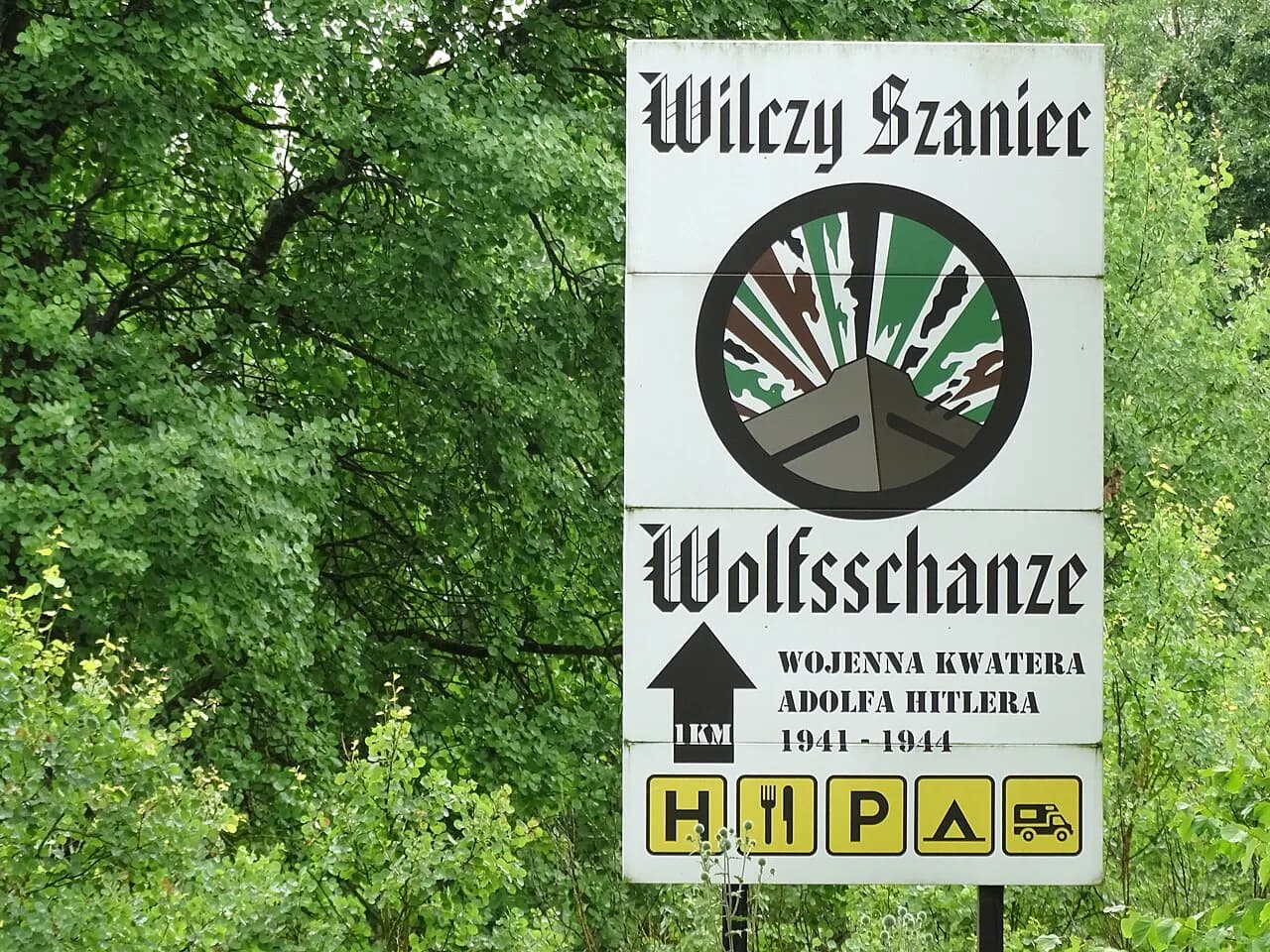
Last updated July 2026: the Wolf's Lair, known in Polish as Wilczy Szaniec and in German as Wolfsschanze, is the sprawling ruin of Adolf Hitler's Eastern Front military headquarters, hidden in the Masurian woods near Kętrzyn. Visiting the wolf's lair wilczy szaniec today means walking a forest trail scattered with dynamited concrete bunkers, some walls up to 8 meters thick, at the exact site where Claus von Stauffenberg's July 1944 bomb plot nearly ended the war early. This guide sets the history against the practical realities of reaching a remote Masurian Lake District site, so you can decide whether it works as a day trip from Warsaw or deserves an overnight stay.
What Is Wilczy Szaniec? The Hidden Heart of the Third Reich
Wilczy Szaniec was Adolf Hitler's first and longest-used Eastern Front headquarters, occupied for roughly 800 days between June 1941 and November 1944. It sits in dense forest near the former village of Görlitz, now Gierłoż, about 8 kilometers east of Kętrzyn (formerly Rastenburg) in the Masurian Lake District. What draws visitors today is the contrast between reclaiming nature and the sheer scale of the complex's bunker architecture, described by historians as a kind of megalomaniac concrete townscape swallowed by forest. For context on how this site fits into the wider story of the German occupation, see the Poland WWII history guide.
History of Wilczy Szaniec: 800 Days of Command
The Masurian woods were chosen deliberately: the location offered secrecy, proximity to the Soviet border for the coming invasion, and natural defenses from surrounding swamps and lakes. Locals were reportedly told the construction was for a cement factory. The Organisation Todt, working with contractor Hochtief AG, completed the entire 6.5 square kilometer complex by 21 June 1941, and Hitler arrived just three days later, two days after Operation Barbarossa began. At its peak the site housed more than 2,000 people living and working within its perimeter, including food-tasters assigned to guard Hitler against poisoning. Additional reinforcement work began in mid-1944 but was never finished as the Red Army's advance overtook the schedule.
- Location: Gierłoż, Masurian Lake District, roughly 8 km east of Kętrzyn
- Construction: completed by 21 June 1941 under the Organisation Todt
- Scale: approximately 6.5 square kilometers, around 200 buildings and bunkers
- Hitler's stay: about 800 days total between June 1941 and November 1944
The 20 July Plot: The Stauffenberg Assassination Attempt
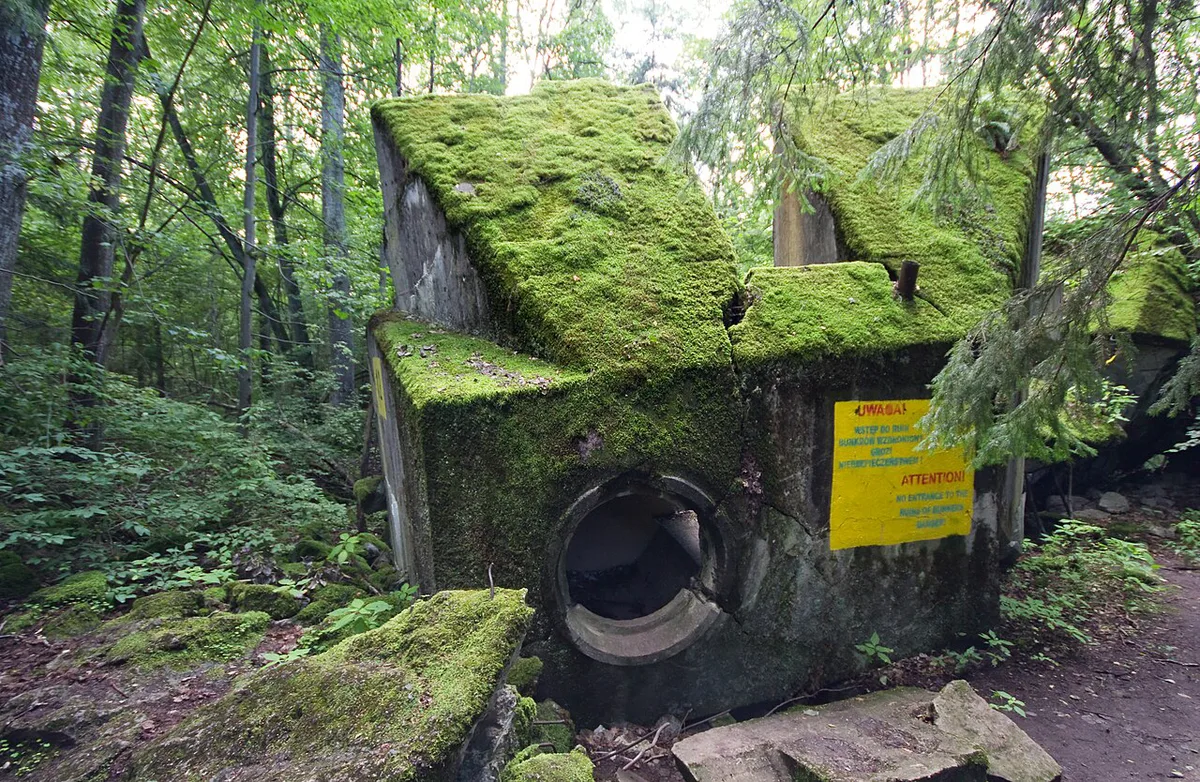
On 20 July 1944, Claus von Stauffenberg carried a briefcase bomb into a map conference inside the complex's briefing barrack, part of a wider conspiracy to kill Hitler and negotiate an end to the war. The blast severely damaged the barrack but Hitler survived, and the conspiracy's collapse led to a wave of executions across the Wehrmacht and German government. On site today, a memorial marker and the shattered concrete of the conference barrack mark where the explosion occurred, and the ruin remains one of the most visited points on the walking trail. Readers building a broader wartime itinerary can pair this stop with the Warsaw Uprising Museum, which covers the Polish resistance events of the same war.
Planning Your Visit: Logistics and Costs
Reaching Wilczy Szaniec is the main planning hurdle, since it sits roughly 3 to 4 hours by car from Warsaw in the Masurian countryside, with routes also running from Gdańsk and directly through Kętrzyn, the nearest town. Because the journey is long, weigh whether a single day trip or an overnight stay in the Masurian Lake District suits the itinerary better; travelers combining this with other WWII sites, such as the Majdanek concentration camp or the Stutthof concentration camp near Gdańsk, should factor the extra driving hours into a multi-day route rather than a single rushed day. Current seasonal opening hours and ticket pricing are published on the official site, wolfsschanze.pl, and should be checked before travel since hours shift with the season. Within the former staff quarters, a hotel and restaurant now operate on site, making an overnight stay logistically straightforward for those who choose it.
The 3-4 hour drive from Warsaw suits either a full day trip with early start or overnight stay; combining this visit with nearby Mamerki, Święta Lipka, and Kętrzyn Castle justifies the journey.
- Distance from Warsaw: approximately 3-4 hours by car
- Nearest town: Kętrzyn, roughly 8 km from the site
- On-site amenities: hotel and restaurant in the former staff quarters
- Tickets and hours: seasonal, confirm current 2026 rates via wolfsschanze.pl
Guided vs Solo: Why a Guide Matters at Wolfsschanze
The ruins are, in essence, massive unlabeled concrete fragments scattered through forest, and without narration many visitors walk past the exact locations of the Stauffenberg blast or Hitler's private bunker without recognizing them. A guide can also explain the site's security zone layout before you set foot on the trail, which makes the scale of the complex far easier to visualize. In our editorial assessment, a guided walk adds meaningfully more context here than at more clearly signposted historical sites, given how thoroughly the retreating German army destroyed the buildings in 1945.
Dynamited concrete fragments lack on-site labels, making guides valuable for identifying key locations like the Stauffenberg blast site and Hitler's bunker that remain otherwise easy to miss.
Understanding the Security Zones: Sperrkreis 1 and 2
The complex was organized into concentric security zones, camouflaged so heavily with netting and artificial cover that it resembled unbroken forest from above. Sperrkreis 1, the innermost zone, held the Führer Bunker and roughly ten other bunkers with walls up to 2 meters of steel-reinforced concrete, sheltering figures such as Hermann Göring, Martin Bormann, Wilhelm Keitel, and Alfred Jodl alongside Hitler. Sperrkreis 2 surrounded it and housed Reich ministers including Albert Speer and Joachim von Ribbentrop, plus staff quarters and RSD barracks. Visualizing these rings before arrival makes it far easier to understand why certain ruins sit closer to the center of the trail than others.
Essential Sites Within the Complex
A handful of structures anchor the walking trail and reward slower attention. The Bunker of Adolf Hitler, sometimes numbered as bunker 13, is the most imposing structure, with concrete walls reaching up to 8 meters thick in the reinforced sections built late in the war. Hermann Göring's house stands out for its footprint and the defenses built around it. The communication center functioned as the nerve center coordinating orders across the Eastern Front, and ruins identified with a former cinema and tea house round out the main points of interest.
- Bunker of Adolf Hitler: reinforced concrete walls up to 8 meters thick
- Hermann Göring's house: notably large footprint with dedicated defenses
- Communication center: the operational nerve center for Eastern Front orders
- Cinema and tea house ruins: smaller structures along the walking trail
Visitor Decision Criteria and Mistakes to Avoid
Budget at least 2 to 3 hours for the main trail, more if joining a guided tour or exploring further into the forest sections. The site is mostly flat, but the forest paths are uneven and often muddy, which can make things difficult for visitors with limited mobility. A short mistakes-to-avoid list helps first-time visitors prepare properly.
- Skipping bug spray: Masurian mosquitoes are aggressive, especially in summer
- Expecting pristine buildings: these are ruins, dynamited by retreating German forces on 24 January 1945
- Wearing the wrong shoes: sturdy, closed footwear is essential on uneven, often muddy ground
- Underestimating the season: heavy snow can limit access in winter, so check conditions before a winter visit
Nearby Attractions in the Masurian Lake District
Wilczy Szaniec sits within a cluster of sites worth combining into one Masurian itinerary. Mamerki, also known as Mauerwald, was the nearby headquarters of the German Army High Command (OKH) and offers better-preserved bunkers than the Wolf's Lair itself. Święta Lipka's Baroque Jesuit shrine is a common stop on regional tours and offers a striking contrast to the wartime ruins. Kętrzyn itself, the closest town, has its own Teutonic Order castle worth a short stop. For travelers weighing the region's wartime sites against Poland's broader national heritage, the Royal Castle in Warsaw offers a useful cultural counterpoint on the same trip.
How to Reach Wilczy Szaniec Without a Car
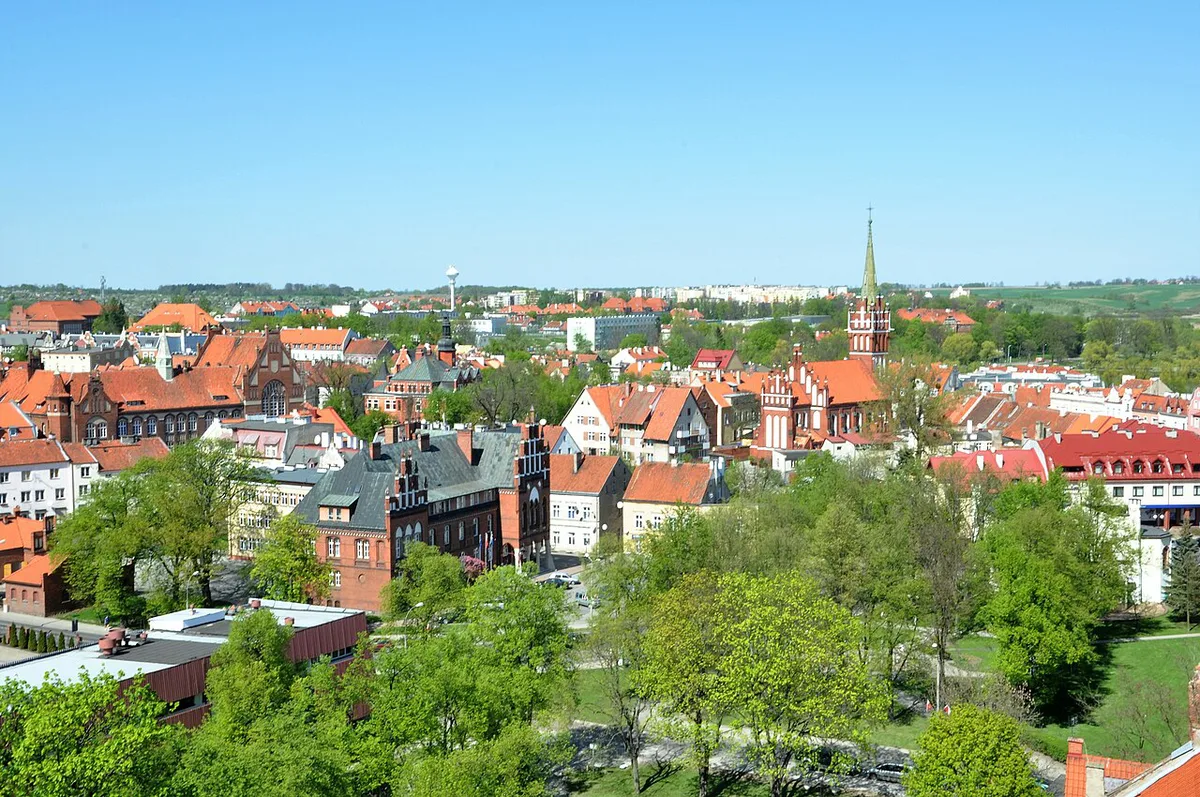
Independent visitors without a rental car should treat Kętrzyn as the practical gateway to Wilczy Szaniec. The town has rail and bus links with larger Masurian hubs such as Olsztyn and Giżycko, but the final stretch to Gierłoż is still the awkward part: the entrance to the Wolf’s Lair is about 8 kilometers east of Kętrzyn, beyond the town edge and into forested countryside.
A taxi or pre-arranged transfer from Kętrzyn is usually the simplest option, especially if you want enough time for the full trail rather than rushing around a return bus. In good weather, confident cyclists can also make the short ride from Kętrzyn, but the route uses ordinary local roads, so visibility and traffic matter. Local buses may run at limited times and should be checked shortly before travel. For visitors coming from Warsaw or Gdańsk, an organized day tour can remove the transport problem, though it gives you less flexibility for pairing the site with Mamerki, Święta Lipka, or Kętrzyn Castle.
Further reading: Poland on Wikivoyage · Poland on Wikipedia
Frequently Asked Questions
How long does it take to visit the Wolf's Lair?
Plan at least 2 to 3 hours for the main walking trail through Wilczy Szaniec; a guided tour or a fuller exploration of the forest sections can take longer.
Is the Wolf's Lair worth the drive from Warsaw?
The site sits roughly 3 to 4 hours from Warsaw by car, so it works best either as a full day trip with an early start or as part of an overnight stay in the Masurian Lake District, especially if combined with nearby sites like Mamerki or Święta Lipka.
Do you need a guide to visit Wilczy Szaniec?
A guide is not required, but the concrete ruins carry little on-site labeling, so a guide helps identify specific locations such as the Stauffenberg blast site and Hitler's private bunker that are otherwise easy to walk past unrecognized.
What should you wear or bring to the Wolf's Lair?
Bring sturdy, closed footwear for uneven and often muddy forest paths, and pack insect repellent, since Masurian mosquitoes are especially aggressive in summer.
Why was the Wolf's Lair destroyed?
Retreating German forces blew up much of the complex on 24 January 1945 to prevent the advancing Red Army from making use of it, which is why most structures on site today are heavily damaged ruins rather than intact buildings.
What is the difference between the Wolf's Lair and Mamerki?
The Wolf's Lair was Hitler's personal Eastern Front headquarters, while nearby Mamerki (Mauerwald) served as the headquarters of the German Army High Command (OKH); Mamerki's bunkers are generally better preserved and make a natural pairing with a Wilczy Szaniec visit.
You might also like


Continue reading
More guides you'll find useful