
Warsaw Ghetto Uprising Sites: Monuments, Museums, and a Walking Route
Last updated July 2026, the Warsaw Ghetto Uprising began on April 19, 1943, when fighters resisted the ghetto's final liquidation. The Warsaw Ghetto Uprising sites worth prioritizing on a tight schedule are the Monument to the Ghetto Heroes, the Anielewicz Mound, and the Umschlagplatz Monument. A deeper visit adds the POLIN Museum of the History of Polish Jews, because almost none of the ghetto's physical fabric survived past 1945.
Warsaw Ghetto Uprising Sites Worth Prioritizing
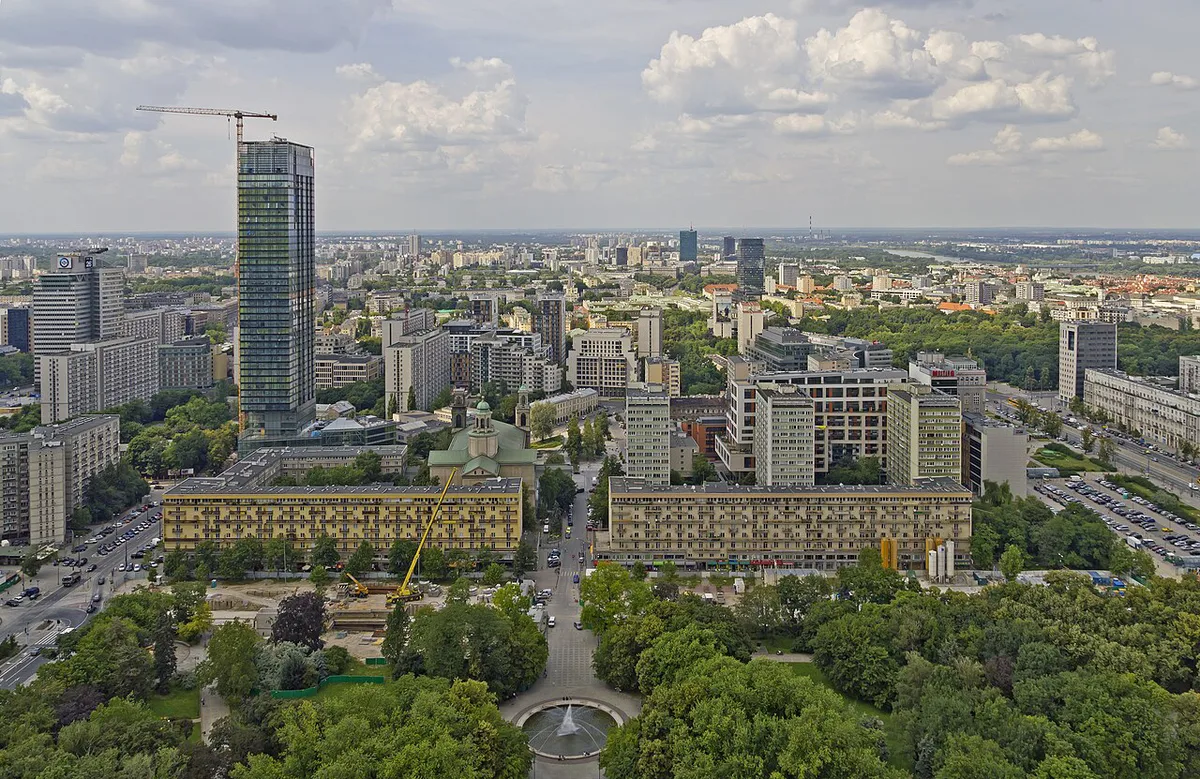
Visitors with only a few hours in Warsaw should concentrate on the sites most directly tied to the April 1943 fighting. These sites cluster inside the Muranów district, the area rebuilt directly on ghetto rubble after 1945. Almost no wartime buildings remain standing here, so the district rewards visitors who read it as a layered site rather than a preserved historic quarter. Street level in Muranów today looks like an ordinary postwar Warsaw neighborhood, and most of what happened here in 1943 is marked rather than physically preserved. The list below moves in a logical order: resistance sites first, deportation sites second, then the museums that add depth to what the monuments only summarize.
Muranów appears as ordinary postwar architecture because it was rebuilt directly on ghetto rubble after 1945. Almost no wartime buildings remain, yet the district's layered history rewards visitors who interpret its streets as memorial ground beneath modern construction.
- Monument to the Ghetto Heroes: the memorial plaza that faces the POLIN Museum directly.
- Anielewicz Mound at Miła 18: the buried command bunker of the Jewish Combat Organization.
- Umschlagplatz Monument: the deportation departure point that helped trigger the Uprising.
- Path of Remembrance: black granite blocks naming resistance figures along the route between the two monuments.
- POLIN Museum of the History of Polish Jews: the Holocaust gallery that covers the Uprising in depth.
Core Sites of the 1943 Uprising
The Uprising's sites split into two categories: places of resistance and places of deportation. That distinction matters, because the fighting broke out only after mass deportations had already emptied most of the ghetto in 1942. Reading these sites in order, resistance sites followed by the deportation site, clarifies why the Uprising happened when it did, rather than earlier or later in the German occupation of Warsaw.
- Monument to the Ghetto Heroes (Pomnik Bohaterów Getta): Nathan Rapoport's bronze sculpture faces the POLIN Museum directly, turning the plaza between them into the focal point of ghetto memory in Warsaw.
- Anielewicz Mound / Miła 18: a grass-covered mound marks the bunker where Mordechaj Anielewicz and the Jewish Combat Organization staff made a final stand. It sits inside a residential courtyard, with no facade or museum entrance, so visitors can walk past it without noticing.
- Umschlagplatz Monument: a white marble monument marks the square from which German forces deported large numbers of Warsaw's Jewish population to Treblinka in 1942. That mass deportation is what pushed the ghetto's remaining population toward armed resistance the following spring.
- Path of Remembrance (Trakt Pamięci Męczeństwa i Walki Żydów): individual black granite blocks line the route between the Monument to the Ghetto Heroes and Umschlagplatz. Each block names a specific figure, including Janusz Korczak, who accompanied the children in his care to the deportation trains.
What's Visible Today vs What Needs a Museum Visit
Almost the entire ghetto was demolished after the war, so what survives above ground is a mix of monuments, markers, and a handful of physical fragments. Outdoors, and free to see at any time, are the Monument to the Ghetto Heroes, the Anielewicz Mound, the Umschlagplatz Monument, the Path of Remembrance blocks, and the boundary markers set into the sidewalks. None of these require a ticket or a fixed schedule, and all are within an easy walk of each other in Muranów. The narrative behind them belongs indoors. The POLIN Museum's Holocaust gallery and the Jewish Historical Institute explain why the Uprising happened and what the Ringelblum Archive preserved from inside the ghetto. Treat the outdoor circuit as the map, and the museums as the explanation of what that map means.
Outdoor monuments are free and always accessible; museums provide the context explaining what those sites mean. Combining both creates a complete narrative; plan 2 to 3 hours for the outdoor circuit alone, or 4 or more hours if adding a museum visit.
| Visible Outdoors (Free) | Requires a Museum Visit (Ticketed) |
|---|---|
| Monument to the Ghetto Heroes | POLIN Museum Holocaust gallery |
| Anielewicz Mound (Miła 18) | Ringelblum Archive documents, Jewish Historical Institute |
| Umschlagplatz Monument | Warsaw Rising Museum (1944 Uprising) |
| Path of Remembrance granite blocks | Guided interpretation of ghetto-era photographs and testimony |
| Sidewalk boundary markers and wall fragments | Temporary exhibitions; check each institution's official website for current 2026 listings |
Fragments of the Ghetto Wall Still Standing
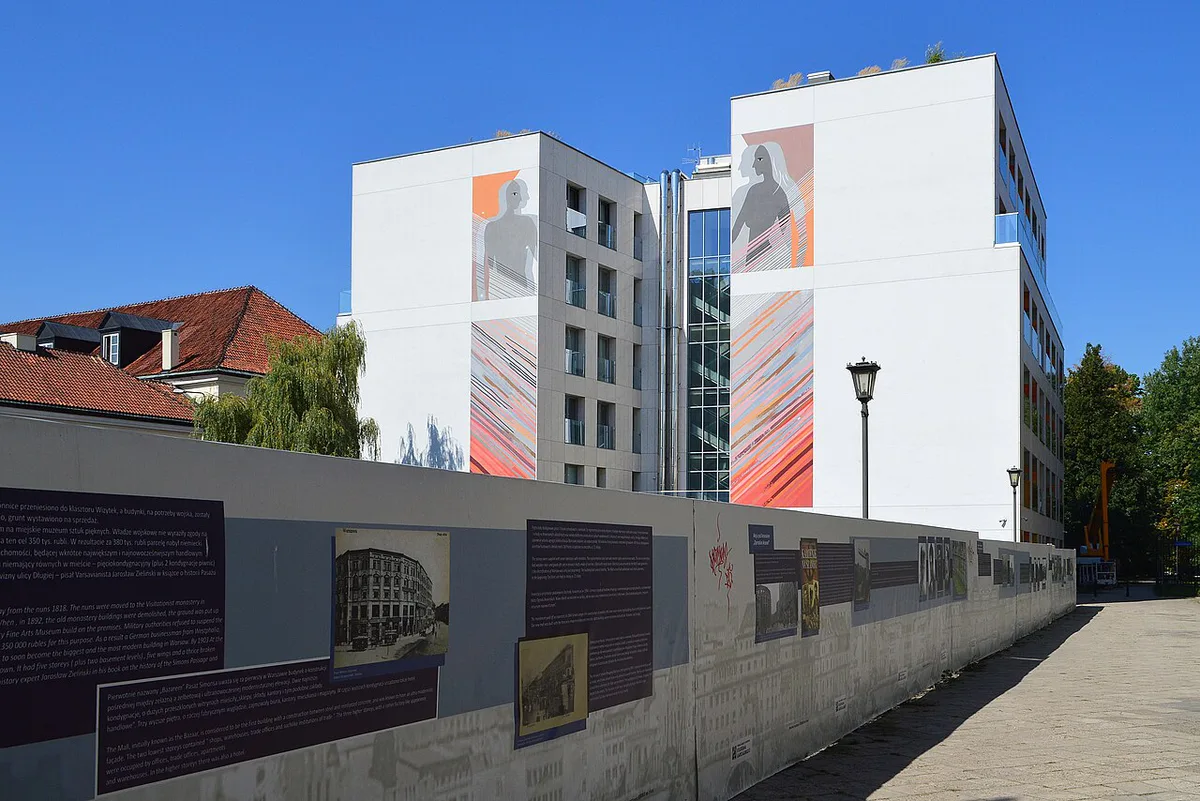
Almost the entire ghetto wall was torn down after the war, along with most of the buildings inside its perimeter. A small number of fragments survive, tucked into courtyards that are easy to miss without specific directions. Finding them takes some patience, since none of the fragments face a main street directly, and none carry large signage visible from the sidewalk.
- Sienna 55: a wall fragment set inside a courtyard behind an apartment building, reached through a shared entrance passage rather than a street-facing doorway.
- Złota 62: a second surviving fragment nearby, also set inside a residential courtyard instead of facing the street.
- Boundary markers: brass strips embedded in Warsaw's sidewalks trace the former wall's perimeter, with plaques at intervals marking the ghetto boundary through the modern street grid. Following this line on foot shows how far the ghetto extended compared with today's Muranów district.
Museums That Add Context to the Uprising
Warsaw's outdoor monuments mark specific events. Its museums explain how those events fit into the broader history of Polish Jews and wartime Warsaw. Two museums get confused often, so keep their dates straight before planning a visit. The POLIN Museum of the History of Polish Jews covers roughly a thousand years of Polish Jewish life, and its core Holocaust gallery addresses the 1943 Uprising specifically. The Warsaw Rising Museum, despite the similar name, documents the 1944 Warsaw Uprising, a separate event led by the Polish Home Army against German occupation. The Jewish Historical Institute (ŻIH) holds the Ringelblum Archive, the underground Oneg Shabbat collection that remains a primary documentary source for ghetto history. Researchers and serious history readers often add the Institute to a POLIN Museum visit on the same day.
| 1943 Ghetto Uprising | 1944 Warsaw Uprising | |
|---|---|---|
| Led by | Jewish Combat Organization and Jewish Military Union | Polish Home Army (Armia Krajowa) |
| Museum to visit | POLIN Museum, Holocaust gallery | Warsaw Rising Museum |
| Primary district | Muranów | Central Warsaw |
| Related archive | Ringelblum Archive, Jewish Historical Institute | Warsaw Rising Museum's own collections |
Planning a Self-Guided Walking Route
A logical route starts at the Monument to the Ghetto Heroes, follows the Path of Remembrance to Umschlagplatz, then loops back toward the wall fragments and the POLIN Museum. Budget 2 to 3 hours for the outdoor monument circuit alone. Add the POLIN Museum's Holocaust gallery, and plan for 4 or more hours in total. The outdoor circuit sits on public streets and squares, so it stays accessible at any hour, though early morning or late afternoon light makes the granite blocks along the Path of Remembrance easier to read. Muranów's apartment blocks were built directly on ghetto rubble after the war, which gives the district its plain, utilitarian look rather than a restored historic quarter. For broader trip planning around Poland's wartime history, Poland's WWII history guide covers additional sites worth combining with a Warsaw visit. Travelers interested in large-scale twentieth-century Polish architecture can also compare Muranów's postwar rebuilding with Centennial Hall in Wrocław, a UNESCO-listed structure from a different but related period of Polish architectural history.
- Access: the monuments, Path of Remembrance blocks, and wall fragments are outdoors and free to visit at any time.
- Museums: POLIN Museum, the Warsaw Rising Museum, and the Jewish Historical Institute are ticketed. Check each institution's official website for current 2026 hours before visiting.
- Transport: the Metro M1 line and Warsaw trams serve the Muranów district.
- Timing: plan 2 to 3 hours for the monument circuit, or 4 or more hours if adding a museum visit.
Broadening the Journey: WWII History Across Poland
Warsaw's Uprising sites sit within a larger network of WWII history across Poland. Kraków's Ghetto Heroes Square marks a comparable memorial ensemble in that city's former ghetto, not far from the Płaszów concentration camp, where many of Kraków's Jewish residents were sent after the ghetto's liquidation. Schindler's Factory Museum, set inside Oskar Schindler's former enamel works, covers the same period from the perspective of wartime rescue. The Rynek Underground Museum, beneath Kraków's main market square, adds pre-war and wartime context for visitors extending a trip beyond Warsaw. Together, these stops build a fuller picture of how the war reshaped Polish cities well beyond Warsaw's ghetto district, and pairing Warsaw with a Kraków stop is a common way to structure a longer Poland WWII itinerary.
How to Find the Miła 18 Anielewicz Mound
The historic Miła 18 address can mislead visitors because Warsaw's postwar street numbering no longer matches the ghetto-era address. The bunker site is marked by the Anielewicz Mound (Kopiec Anielewicza), near the junction of Miła and Dubois streets in Muranów, not by the present apartment block numbered Miła 18 farther west. Search for "Bunkier Anielewicza" or "Kopiec Anielewicza" rather than relying only on the street number.
On arrival, look for a low grass-covered mound with a commemorative stone and a small granite obelisk listing known ŻOB fighters who died there, including Mordechaj Anielewicz. The site is open-air and modest rather than museum-like, which is part of why it is easy to miss. It works best as a stop between the Monument to the Ghetto Heroes and Umschlagplatz, where the route shifts from armed resistance to deportation memory.
Further reading: Poland on Wikivoyage · Poland on Wikipedia
Frequently Asked Questions
Is any of the original Warsaw Ghetto wall still standing?
Yes, though only in small fragments. Sections survive at Sienna 55 and Złota 62, both tucked inside residential courtyards rather than facing the street directly. Brass strips embedded in Warsaw's sidewalks also trace the former wall's perimeter, marking the ghetto boundary through streets that were rebuilt after the war.
What is the difference between the Warsaw Ghetto Uprising and the Warsaw Uprising?
The Warsaw Ghetto Uprising took place in April and May 1943, led by the Jewish Combat Organization against the ghetto's final liquidation. The Warsaw Uprising was a separate, larger event in August 1944, led by the Polish Home Army against German occupation of the whole city. The POLIN Museum covers the first event; the Warsaw Rising Museum covers the second.
How much time should you plan for the Warsaw Ghetto Uprising sites?
Budget 2 to 3 hours for the outdoor monument circuit: the Monument to the Ghetto Heroes, the Anielewicz Mound, the Path of Remembrance, and Umschlagplatz. Add the POLIN Museum's Holocaust gallery for a deeper visit, and plan for 4 or more hours in total.
Are the Warsaw Ghetto Uprising sites accessible by public transport?
Yes. The Metro M1 line and Warsaw trams serve the Muranów district, where most of the sites are located. Since the outdoor monuments sit within walking distance of each other, a single transit trip into the district covers the whole circuit.
Where should first-time visitors start?
Start at the Monument to the Ghetto Heroes, which faces the POLIN Museum directly. From there, the Path of Remembrance leads on foot toward Umschlagplatz, giving the visit a clear chronological and physical direction.
What should visitors keep in mind when visiting these memorial sites?
These are active memorial and historic sites, not general tourist attractions. Keep voices low near the monuments and the Anielewicz Mound, and treat the wall fragments at Sienna 55 and Złota 62 with the same care given a museum interior, even though they sit in ordinary residential courtyards.
You might also like


Continue reading
More guides you'll find useful