Poznań vs Wrocław: A Detailed Comparison for Travelers
Last updated July 2026: the poznan vs wroclaw question comes up often for travelers building a Western Poland city break. Poznań runs on a tidier, business-oriented rhythm with a compact center, while Wrocław sprawls further across its river islands with a larger, more tourist-facing core. This comparison, part of the Poland travel comparisons hub, breaks down atmosphere, sights, transit, and cost so the choice, or the case for visiting both, is clear before you book.
Poznań vs Wrocław: Quick Verdict for Every Traveler
Neither city objectively wins the poznan vs wroclaw debate. The right pick depends on trip length and travel style more than any fixed ranking. Wrocław suits travelers who want more days of sightseeing, a livelier tourist core, and a base for day trips into Lower Silesia. Poznań suits travelers who prefer a compact, walkable center and quick access to early Polish history sites along the Piast Trail. Both work as a single city break or as two stops on one Western Poland itinerary.
- Have 3-4 days and want maximum sightseeing: pick Wrocław.
- Have a 48-hour city break and want an easy-to-cover center: pick Poznań.
- Traveling with kids: both cities work well. Wrocław's dwarf-hunting doubles as a scavenger hunt, and Poznań's noon goat show gives a fixed daily highlight.
- Working remotely for a week or more: Wrocław's larger size gives more long-stay options, though Poznań's compact center cuts commute time.
- Interested in early Polish history: Poznań's Piast Trail access gives it the edge.
- Only have time for one Polish city break: combine both instead, since the direct PKP Intercity train link runs roughly 2 to 2.5 hours.
Atmosphere and Vibe: Prussian Order vs Bohemian Charm
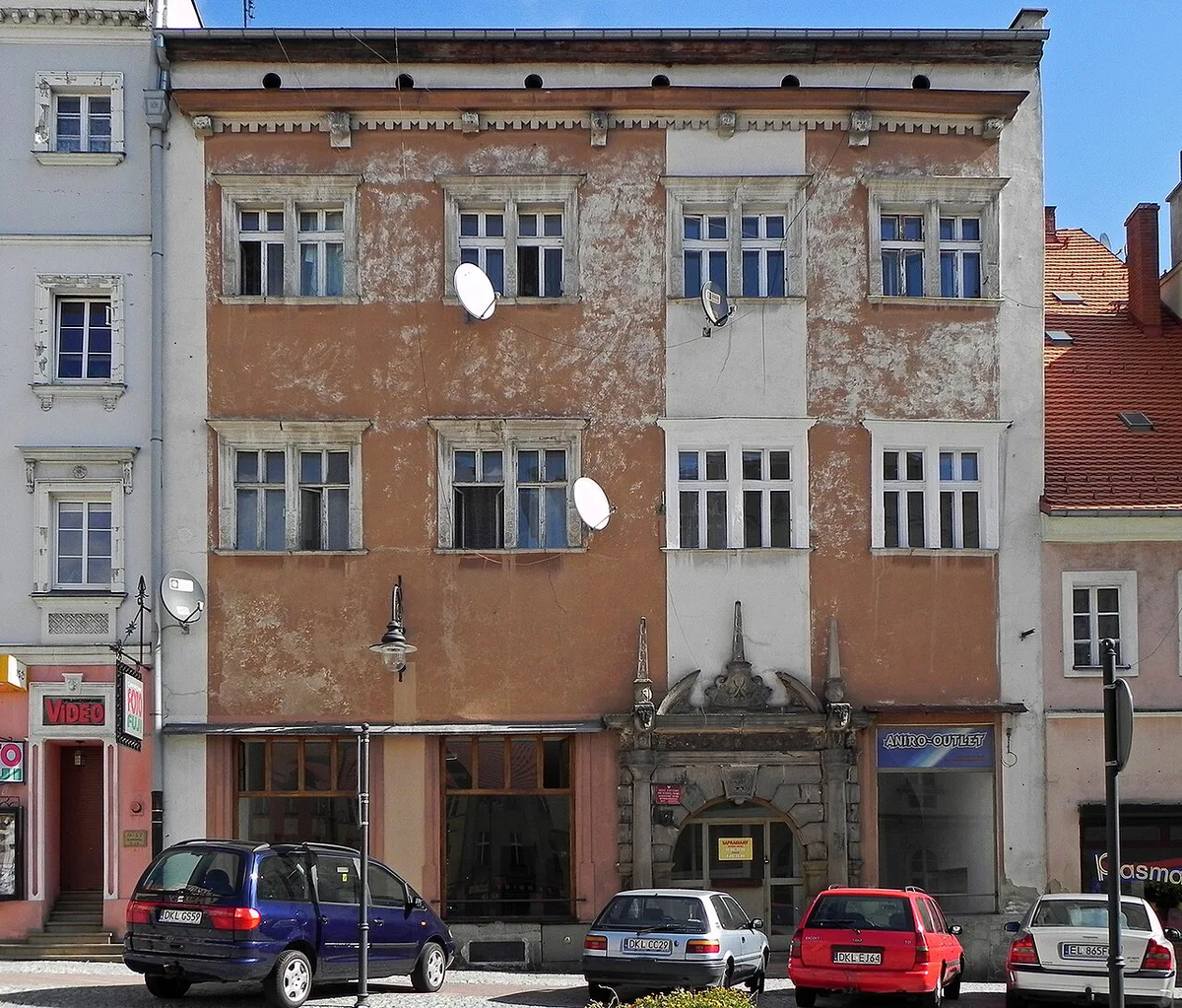
Online traveler discussions frequently describe Wrocław as feeling larger, with more neighborhoods and sights to work through, while Poznań reads as cleaner and more pedestrian-friendly. Poznań's population skews toward students and business travelers, and that mix shapes a center that feels orderly on weekdays and quieter on weekends. Poznań's Stary Rynek (Old Market Square) anchors a tight, orderly center lined with tall, narrow merchant houses. Confirm the current status of any square renovation work before you go, since city-square construction schedules shift year to year. Wrocław's Rynek is busier and more tourist-facing, ringed by cafes and a denser sightseeing loop than Poznań's center offers. Summer weekends bring heavier crowds to Wrocław's Rynek than to Poznań's, since Wrocław's tourist volume runs higher across the year. For local-feel neighborhoods away from the tourist core, Poznań's Jeżyce district carries a foodie, independent-shop identity, while Wrocław's Nadodrze is grittier and more artistic, with a growing gallery and mural scene. Old Town character varies a lot across Poland. See how it plays out in the Gdańsk vs Warsaw comparison for a third reference point.
Wrocław's tourist-oriented Rynek translates to higher meal prices (25–35 PLN on waterfront terraces) versus 15–25 PLN on side streets across both cities. Poznań's smaller visitor base keeps premium pricing confined to fewer locations, making the city's broader center more budget-friendly.
| Aspect | Poznań | Wrocław |
|---|---|---|
| Overall feel | Orderly, business-centric, student-heavy | Sprawling, tourist-centric |
| Best for | Short, efficient city breaks | Longer, sightseeing-heavy stays |
| Old Town square | Stary Rynek: compact and tidy | Rynek: larger, livelier, more tourist traffic |
| Standout neighborhood | Jeżyce (foodie, local) | Nadodrze (artistic, gritty) |
| Civic symbol | Mechanical goats at the Town Hall | Bronze dwarf statues citywide |
Top Sightseeing Highlights: Goats, Dwarfs, and Cathedral Islands
Both cities center sightseeing on a historic Rynek with a restored Town Hall, but the signature draw differs. Poznań's Town Hall stages mechanical goats that butt heads above the clock at noon, a ritual tied to a local legend. Wrocław scatters small bronze dwarf statues through its streets, an ever-growing citywide hunt. Check Visit Wrocław's current map before you go, since new dwarfs are added regularly. Both squares are ringed by cafes where you can watch the crowds without joining the busiest walking routes. Each city also has its own Ostrów Tumski, or Cathedral Island. Wrocław's version adds a cluster of Gothic and Baroque churches linked by pedestrian bridges over the Oder River. Poznań's own Ostrów Tumski holds Poznań Cathedral, tied to the country's earliest rulers and the Piast Trail theme covered later in this guide. Budget at least half a day for either island if church interiors and river views are a priority.
Logistics and Accessibility: Getting There and Around
Direct PKP Intercity trains connect Poznań and Wrocław in roughly 2 to 2.5 hours, making a same-trip combination straightforward rather than an either/or choice. Both cities also sit on routes toward Warsaw. Travelers comparing major Central European hub cities before locking flights can see the wider trade-offs in Warsaw vs Prague: Which City Should You Visit in 2026?. Each city also has its own airport, Poznań-Ławica and Wrocław Copernicus, so flying into one and training to the other is a common pattern. Local transit within each city runs on trams and buses rather than a metro system, since neither city operates one. Once you arrive, both centers are walkable. Poznań's old town core is small enough to cross entirely on foot, while Wrocław's larger center favors a mix of walking and tram rides between Rynek and Ostrów Tumski.
Cost and Budget Comparison: Accommodation and Dining Prices
Neither city publishes a single official cost index, so treat these figures as a general guide rather than a fixed rate. As of 2026, a milk-bar-style lunch plate away from the main square typically costs 15–25 PLN in either city. Order the same style of dish facing the Rynek in Wrocław's busiest tourist stretch, and expect a menu closer to 25–35 PLN. That gap reflects the kind of 'tourist premium' locals describe on main-square terraces. Poznań's smaller tourist core means fewer streets carry that markup, so side-street pricing is easier to find near Stary Rynek than around Wrocław's Rynek. Accommodation rates move with local event calendars in both cities. Poznań sees business-week demand spikes, and Wrocław sees festival-driven ones. Book either city early, since rates can rise during a major convention or festival week. If traveling during a major event in either city, book accommodation several weeks ahead rather than the usual few days, since both centers have a limited supply of central, Rynek-adjacent rooms. Compact Old Town cores in both cities also keep taxi and rideshare needs low, which helps offset the square-side dining premium.
Food and Nightlife: Regional Specialties Compared
Poznań's signature food tradition is the St. Martin's croissant (rogal świętomarciński), a poppy-seed pastry tied to St. Martin's Day celebrations each November 11. The pastry carries EU protected-origin status, so only bakeries following the registered regional recipe can use the name. Check Visit Poznań's event calendar for the current year's parade route and stall list. Jeżyce carries Poznań's most concentrated independent food scene, a short tram ride from Stary Rynek. Wrocław's nightlife centers on a denser cluster of bars around Rynek, spilling into Nadodrze. That gives a broader spread of venues within walking distance than Poznań's more work-week-oriented center on a typical weeknight.
Access to Nature: Malta Lake vs the Oder River Islands
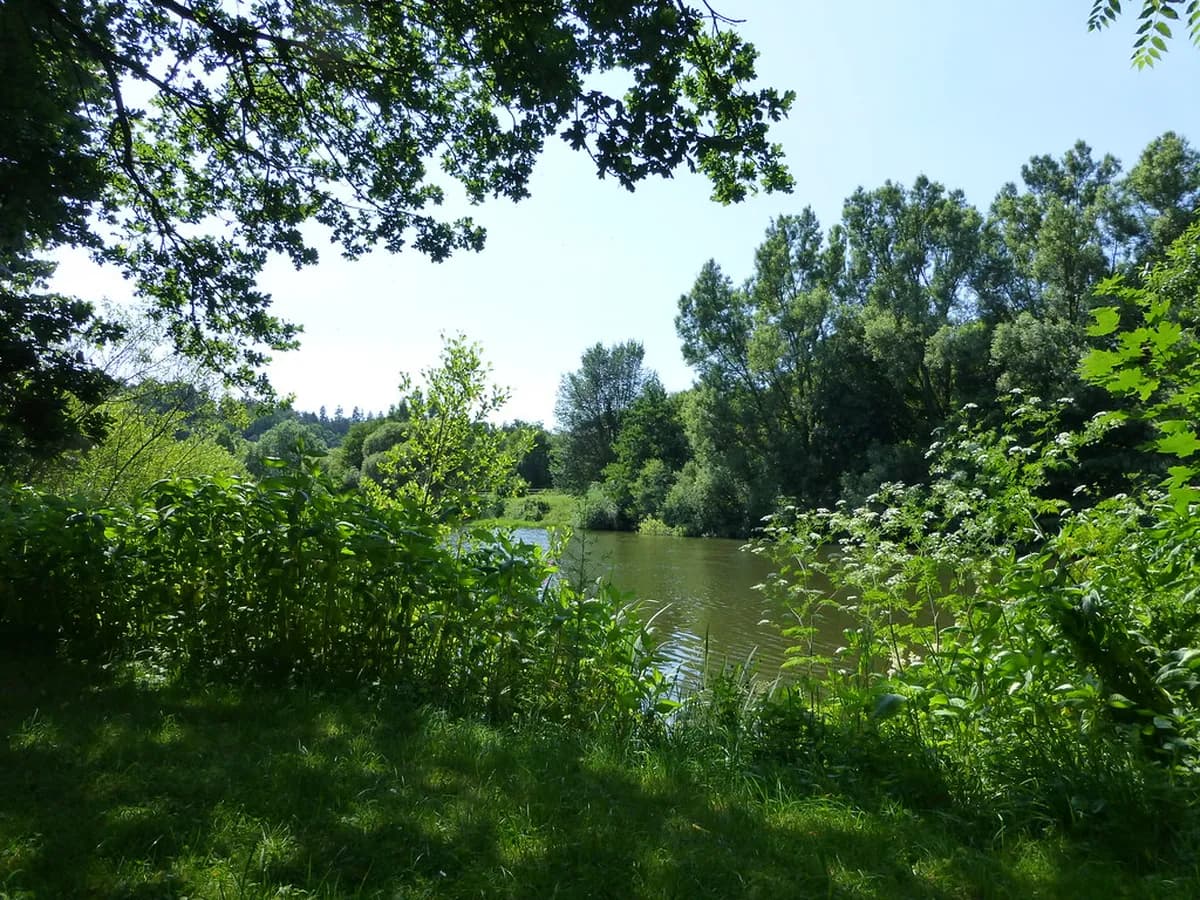
Poznań's green-space anchor is Malta Lake, used for rowing and for lakeside walking and cycling paths east of the center. Wrocław's equivalent is spread across the Oder River's islands and parks, including the green corridor around Ostrów Tumski and river-island paths linking several of the city's bridges. Poznań concentrates outdoor time in one identifiable spot. Wrocław spreads it across a longer, more fragmented river-park system. Either option works as a flat, bike-friendly half-day break from museum- and church-heavy sightseeing.
Poznań anchors outdoor breaks at Malta Lake in one concentrated zone east of center, while Wrocław spreads them across river islands and parks throughout its sprawling footprint. The same layout pattern shapes how sightseeing distributes in each city as well.
Day Trip Potential: Piast Trail vs Lower Silesia
Poznań functions as a gateway to the Piast Trail, a route of early Polish history sites that includes Gniezno, once an early Polish capital, and Kruszwica, home to the legendary Mouse Tower on Lake Gopło. Wrocław functions as a gateway to Lower Silesia's castles and mountains, including Książ Castle, with a shorter run toward the Czech border than Poznań offers. Wrocław's Bohemian-influenced history and border proximity make it worth reading the Poland vs. Czech Republic: Which Should You Visit? (2026 Guide) comparison before planning a longer Central European loop.
Who Each City Fits Best
Choose Poznań for a business trip extended into a weekend, a first-time compact city break, or a base for Piast Trail history sites. Choose Wrocław for a longer sightseeing-focused stay, a family dwarf hunt, or a jumping-off point into Lower Silesia's castles and mountains. Couples on a short, low-logistics break tend to prefer Poznań's compact center; groups wanting more restaurants and bars within walking distance tend to prefer Wrocław. Solo travelers on a tight budget can lean either way, since both cities offer hostel and budget guesthouse options within walking distance of the main square. To see where either city lands against Poland's better-known bases, run your dates and interests through the Poland city base finder. If Poland is one stop on a wider Central European trip, the Poland vs Hungary: Which Central European Destination Fits Your 2026 Trip? comparison covers a different set of trade-offs worth weighing before you fix an itinerary.
Common Mistakes to Avoid When Visiting Western Poland
A few planning mistakes come up repeatedly when travelers compare these two cities.
- Do not assume both old towns are the same size: Wrocław's core takes noticeably longer to cover on foot than Poznań's.
- Do not price a meal only from a Rynek-facing terrace, since side streets in both cities run cheaper.
- Do not skip verifying the current Stary Rynek construction status before finalizing a Poznań itinerary.
- Do not try to dwarf-hunt or goat-watch on a rushed layover; both activities reward at least half a day of unhurried walking.
- Do not book the PKP Intercity connection last-minute during a high-demand business week in Poznań or a festival week in Wrocław, since demand and prices rise.
- Do not skip Ostrów Tumski in either city; both cathedral islands sit slightly outside the main Rynek loop and get missed on rushed visits.
Further reading: Poland on Wikivoyage · Poland on Wikipedia
Frequently Asked Questions
Is Poznań or Wrocław better for a first trip to Poland?
Neither is objectively better. Wrocław gives more sightseeing volume and a livelier tourist core, while Poznań gives an easier-to-cover, orderly center. Travelers short on time often prefer Poznań's compact layout, while those with 3-4 days often prefer Wrocław's larger sightseeing loop.
How long does the train between Poznań and Wrocław take?
Direct PKP Intercity trains connect the two cities in roughly 2 to 2.5 hours, which makes combining both on one trip practical instead of choosing only one.
Which city is cheaper, Poznań or Wrocław?
Both run close in price. As of 2026, a side-street lunch plate typically costs 15–25 PLN in either city, while the same dish facing a main square can run 25–35 PLN, especially in Wrocław's busiest tourist stretch.
Can you visit both Poznań and Wrocław on one trip?
Yes. The roughly 2 to 2.5-hour direct PKP Intercity connection makes a combined itinerary straightforward, and many travelers split a week between the two rather than choosing just one.
What is the best time of year to visit Poznań vs Wrocław?
Time a Poznań trip around St. Martin's Day on November 11 for the croissant tradition, and check Visit Wrocław's event calendar for festival timing before booking either city, since accommodation demand rises during major local events.
What currency do you need in Poznań and Wrocław?
Both cities use the Polish złoty (PLN). Poland has not adopted the euro despite EU membership, so plan to withdraw or exchange PLN rather than relying on euros.
Is Wrocław or Poznań safer for tourists?
Both Old Town cores are straightforward for tourists to navigate. Standard city precautions apply, such as keeping an eye on belongings in busy stretches around either Rynek.
Use this guide
Make the next planning decision
These tools use the same Poland-specific context, but turn it into an answer for your trip.
You might also like



Continue reading
More guides you'll find useful