
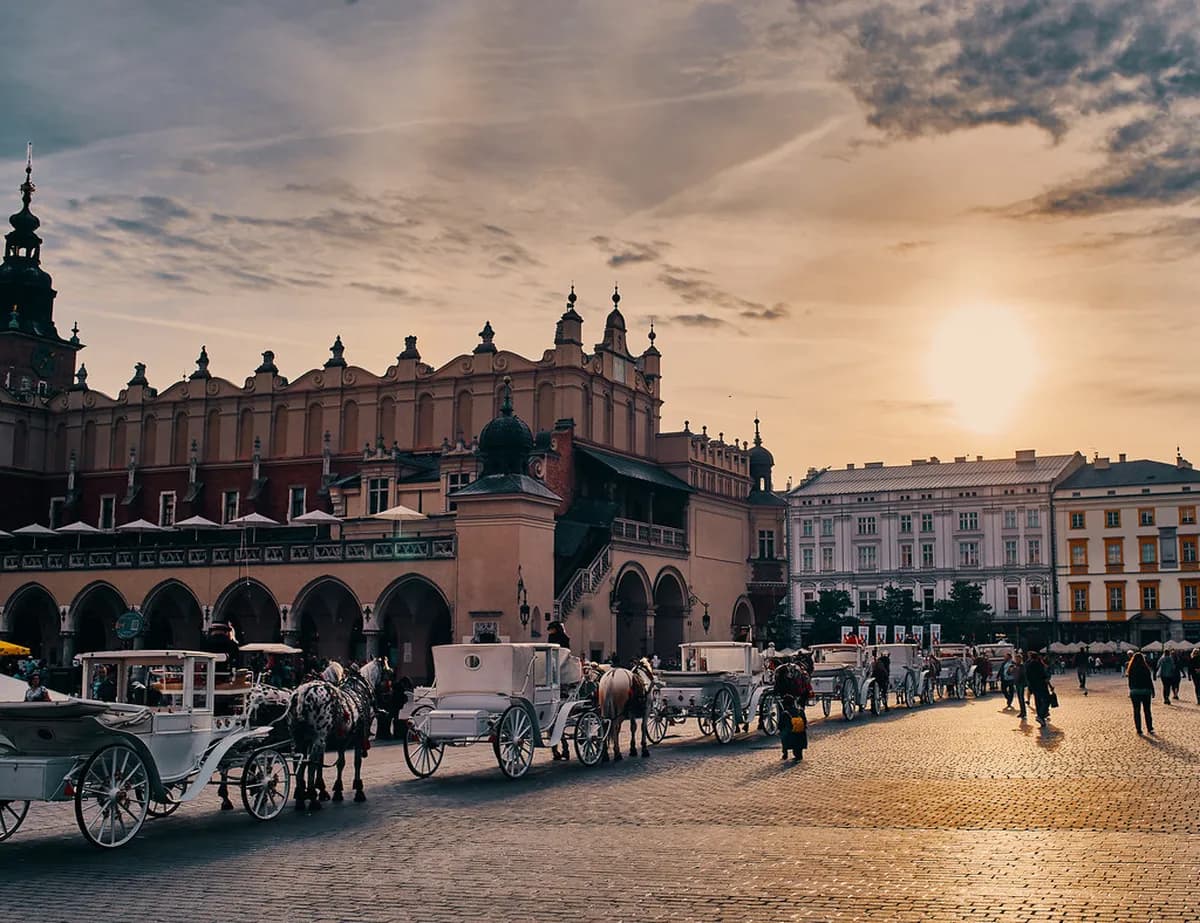
Is Poland Safe? A 2026 Travel Safety Guide
Poland is one of the most rewarding and underrated destinations in Europe, drawing millions of visitors each year to its medieval town squares, Baltic beaches, and Tatra Mountain peaks. Before booking a trip, many travellers naturally ask whether Poland is safe. The short answer is yes — consistently and comfortably so. Poland ranks among the top quarter of countries on the Global Peace Index, and most visits pass without any security incident whatsoever.
Travellers moving between Warsaw, Krakow, Wroclaw, and the Mazury lake district overwhelmingly report the same experience: no moments of feeling threatened or uneasy. Daily life hums along normally, tourist infrastructure is strong, and locals are genuinely hospitable towards foreign visitors. The risks that do exist are almost entirely confined to petty opportunistic crime rather than violence, and they are easy to manage with standard travel awareness.
This guide pulls together everything you need to know about staying safe across Poland in 2026 — from the country's overall security picture and common scams to solo female travel, public transport, health, and regional notes. Whether you are planning a city break to the capital or a road trip through the Carpathians, read on to travel with total confidence.
Poland's Overall Safety Picture in 2026
Poland is classified as a low-crime country by European standards. Violent crime against tourists is extremely rare, and the threat level from terrorism remains low according to the U.S. Department of State Poland Travel Advisory. Political life is active but stable, and public demonstrations — when they occur — are almost always peaceful and well-managed by authorities.
The crimes most likely to affect a visitor are opportunistic in nature: pickpocketing in crowded tourist zones, overcharging at unlicensed currency exchanges, and occasional taxi fraud. These are the same low-level risks you would encounter in any popular European destination. Awareness and a few simple habits eliminate the vast majority of them. For detailed planning on where to go, our guide to the best places to visit in Poland pairs well with this safety overview.
Poland's geographic position in Central Europe does mean it borders Ukraine to the east. That border region sees heightened military presence and is subject to periodic travel advisories, but the rest of the country — including all major tourist cities — is entirely unaffected by the conflict. Warsaw and Krakow are more than 300 km from the nearest border crossing, and tourism there is operating at full capacity in 2026.
Emergency numbers: The pan-European emergency number 112 connects you to police, ambulance, or fire services from any phone, including foreign SIMs, at no charge. English-speaking operators are available. Alternatively, dial 997 for police (Policja) or 999 for an ambulance directly.
Petty Theft and Pickpocketing Hotspots
Pickpocketing is the single most common crime affecting tourists in Poland, and it is almost entirely concentrated in predictable locations: busy market squares, crowded tram lines, main train stations, and popular Christmas markets in winter. Thieves work in pairs or small groups, using distraction to target unzipped bags, rear trouser pockets, and phones left on café tables.
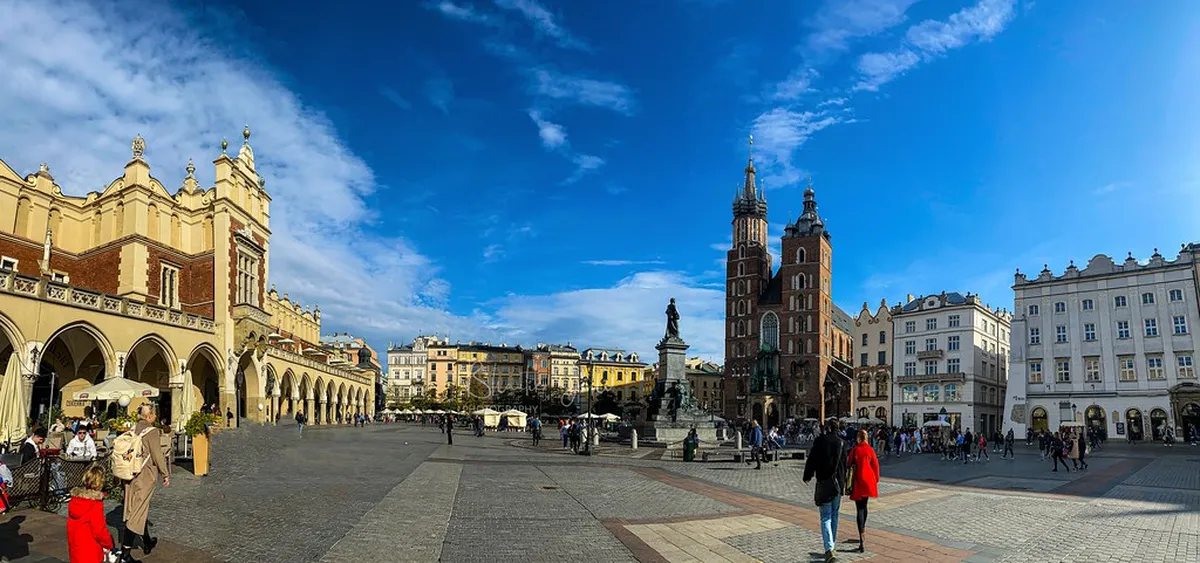
Warsaw's Central Station (Warszawa Centralna) and the surrounding Palace of Culture area deserve particular attention, especially late at night when foot traffic thins and opportunists become bolder. In Krakow, the Rynek Główny (Main Market Square) and the Kraków Główny train station are the primary hotspots — our detailed Krakow safety guide covers those specific risks in full. Similarly, if Warsaw is on your itinerary, the dedicated Warsaw safety guide maps out the capital's own risk zones district by district.
The fix is simple: use a zipped crossbody bag or a money belt for passports and bulk cash, keep your phone in a front pocket, and never leave valuables on a restaurant table. With those habits in place, petty theft becomes a very unlikely problem rather than an inevitable one.
Highest-risk spots nationwide: Warsaw Central Station and Palace of Culture surrounds, Krakow's Rynek Główny and Kraków Główny Station, Wroclaw's Market Square (Rynek) on busy summer evenings, and any overnight sleeper train compartment. Lock your luggage or use a luggage locker on overnight routes.
Common Scams Targeting Tourists in Poland
Poland's scam landscape is modest compared to many European destinations, but a handful of recurring tricks are worth knowing before you arrive. The most financially painful is the unlicensed taxi or "pirate cab." These drivers approach arrivals at airports and train stations, agree a fare verbally, then demand multiples of that amount at the destination. Always use the official taxi rank or a named ride-hailing app (Uber, Bolt, and FreeNow all operate in major Polish cities).
Currency exchange (kantor) fraud is the second common trap. Booths inside airports and train stations sometimes quote attractive headline rates but apply hidden commission fees that wipe out the advantage. The best kantors are the independent ones in city centres that display both buy and sell rates on a visible board with zero commission. Bank ATMs are an even safer option — just decline the machine's offer to convert into your home currency (Dynamic Currency Conversion), which locks in a poor rate.
In Krakow specifically, the "umbrella girl" invitation to a gentlemen's club is a long-running trap for male solo travellers, as covered in our Krakow safety guide. Warsaw has its own version — bar touts near Nowy Swiat who promise cheap entry and then present an outrageous bill. A simple rule works everywhere: if someone approaches you unsolicited with an offer, decline politely and walk on.
| Scam Type | How It Works | How to Avoid |
|---|---|---|
| Pirate Taxi | Unlicensed driver agrees verbal fare then demands 3-5x the amount on arrival | Use official taxi ranks or Uber/Bolt/FreeNow apps only; confirm fare in-app before riding |
| Kantor Currency Fraud | Airport/station exchange booth shows great rate but charges hidden commission | Use city-centre kantors displaying zero-commission boards, or withdraw from bank ATMs |
| Bar Tout Trap | Friendly stranger invites you to a "great bar," which then charges inflated prices or fake cover fees | Politely decline all unsolicited invitations; choose venues independently from reviews |
| Train Station Distraction Theft | One person distracts you with a question while an accomplice takes your bag or phone | Keep luggage between your feet and phone in a zipped pocket at all times in stations |
Is Poland Safe for Solo Travellers and Women?
Solo travel in Poland is genuinely comfortable, and many women rank it among their most relaxed independent travel experiences in Europe. The culture is reserved rather than aggressive, unwanted street harassment is uncommon, and Polish people tend to be helpful when approached with a question. Hostels and guesthouses in every major city run regular communal events that make it easy to meet other travellers without any safety trade-offs.
At night, the key is to stay within well-lit, populated zones. In both Warsaw and Krakow, the historic centres remain busy until late — restaurants, bars, and cafés are full on weekday evenings — so you are rarely genuinely alone on the street. Late-evening walkers in Warsaw's Old Town and along Krakow's Royal Mile will find other pedestrians and visible police patrols even on weeknights. Quieter residential districts or industrial fringes warrant more caution after midnight.
Standard nightlife precautions apply: watch your drink, stick with people you trust, and plan your return route before you head out. Ride-hailing apps make this straightforward — ordering a Bolt from inside a venue rather than hailing a car on the street is the safest and cheapest way to get home. Solo female travellers heading to the Baltic coast or the Tatra Mountains will find both areas equally relaxed and welcoming in 2026.
Transport Safety: Trains, Trams, and Taxis
Poland's inter-city rail network is extensive and generally safe. PKP Intercity operates express and fast trains between Warsaw, Krakow, Wroclaw, Gdansk, and Poznan, and the rolling stock on main routes is modern and well-maintained. The main precaution on overnight or long-distance trains is luggage security — use a small padlock on your bag and keep valuables on your person rather than in the overhead rack. Our guide to getting around Warsaw covers the capital's metro, tram, and bus network in detail, while the getting around Krakow guide maps out the tram and minibus options there.
Urban trams and buses are safe and widely used by locals of all ages. The only consistent issue is ticket validation — inspectors are active on all routes and issue on-the-spot fines of around 150-280 PLN for unvalidated tickets. Buy single-ride or day-pass tickets via the city's official app or from machines at major stops, and validate immediately on boarding. Keeping a validated ticket until you exit the vehicle is a legal requirement.
Ride-hailing apps (Uber, Bolt, FreeNow) are the recommended option for late-night or unfamiliar journeys. They provide GPS tracking, driver identification, and a digital fare record — all useful if anything goes wrong. If you use a street taxi, confirm it carries an official city taxi licence plate (the format varies by city but is always clearly displayed), a working meter, and a printed price list on the passenger window.
Regional Safety Notes: Warsaw, Krakow, Gdansk, and Beyond
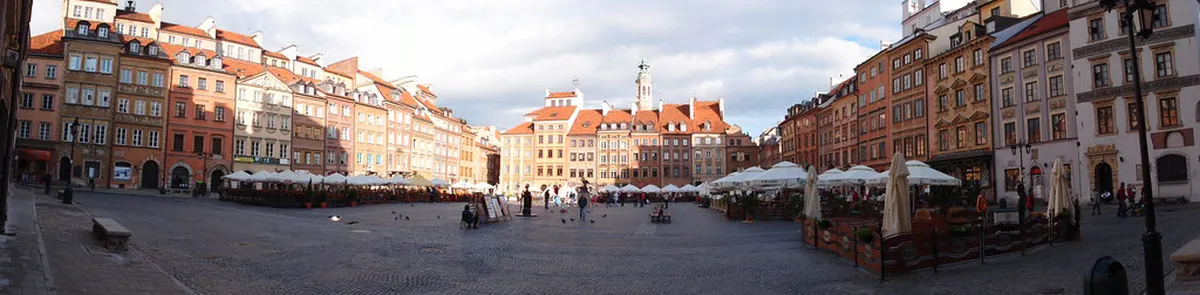
Poland's major cities each have their own safety character worth knowing. Warsaw is the busiest and most cosmopolitan, with the risks you would expect in any large European capital — petty theft around transit hubs and the occasional aggressive beggar in tourist zones. Praga, the gritty district east of the Vistula, has gentrified quickly but still warrants extra awareness on quieter side streets at night. The comprehensive Warsaw safety guide breaks this down neighbourhood by neighbourhood.
Krakow feels distinctly calmer than the capital, though the volume of weekend stag-party tourism does create occasional rowdy scenes around the Rynek Główny late on Friday and Saturday nights. The dedicated Krakow safety guide covers those dynamics in full. Gdansk on the Baltic coast is relaxed and family-friendly, with almost no security concerns beyond standard pickpocket vigilance in the Long Market (Dluga) during peak summer. Wroclaw, Poznan, and Lublin are all considered very safe mid-sized cities with minimal tourist-targeted crime.
Rural and mountain regions — the Tatra National Park, Bieszczady, and the Mazury lake district — are exceptionally safe from a crime perspective. The hazards there are environmental rather than human: mountain weather changes rapidly in the Tatras, and some trails above the treeline demand proper gear and a weather check before you set out. Always register your route with GOPR (mountain rescue) if heading into serious terrain. Timing your visit well matters too — see our best time to visit Poland guide for seasonal considerations including weather windows and crowd levels.
Health, Safety, and Medical Services in Poland
Poland's healthcare infrastructure is solid by Central European standards. Major hospitals in Warsaw, Krakow, Wroclaw, and Gdansk all have emergency departments capable of handling serious injuries or illness, and many doctors in urban centres speak functional English. Private clinics (such as LUX MED or Medicover) offer faster service with consistently English-speaking staff and are worth knowing about for non-emergency situations. Budget roughly 200-400 PLN for a private GP consultation without insurance.
Travel insurance is strongly recommended — European Health Insurance Card (EHIC) holders from EU countries receive access to public emergency care, but private or top-up insurance covers the private clinic access that dramatically reduces waiting times. Non-EU travellers should carry comprehensive medical cover as a baseline.
Pharmacies (Apteka) are identified by a green cross and are found on virtually every commercial street in Polish cities. At least one per district operates on a 24-hour rotation — a duty rota is usually posted on the door of any closed pharmacy directing you to the nearest open one. Pharmacists can advise on minor ailments and sell a wide range of medications over the counter that would require a prescription elsewhere. Tap water is safe to drink throughout the country; Poland meets EU water quality standards in all municipal areas.
Air quality note: Several Polish cities — Krakow, Katowice, and parts of Silesia — experience elevated smog levels during winter (November through February) due to coal heating. Travellers with asthma or other respiratory conditions should check the Airly real-time air quality map before heading outdoors on cold, still days. Spring and summer visits are much cleaner from an air-quality perspective.
Practical Safety Tips and Local Laws to Know
A few Polish laws catch foreign visitors off guard. Drinking alcohol in public spaces — parks, streets, squares — is prohibited and carries an on-the-spot fine. You must consume alcohol in licensed premises or on their permitted outdoor terraces. Jaywalking is similarly a fineable offence; always wait for the pedestrian green light. These rules are enforced in practice, not just on paper, so it is worth being mindful of them from day one.
Poland uses the 24-hour clock for official communications (transport timetables, pharmacy hours, event listings) and prices are quoted in Polish zloty (PLN). Card payments are widely accepted, but carry a small amount of cash for rural markets, toll roads, and smaller guesthouses that have not yet gone fully cashless. ATMs are abundant in all cities and most larger towns.
Travel insurance documentation, your passport (or a clear photo of it stored offline), and your accommodation address should all be accessible without an internet connection. If you are driving — worth considering for exploring the countryside around the best time to visit Poland guide's recommended seasonal routes — carry your licence, vehicle registration, and a fluorescent vest, all of which are legally required. Speed camera enforcement is active and consistent on Polish motorways.
- European Emergency Number
- Number: 112
- Best for: All emergencies
- Language: English available
- Cost: Free
- Police (Policja)
- Number: 997
- Best for: Reporting crime
- Where: Local stations nationwide
- Cost: Free
- Ambulance (Pogotowie)
- Number: 999
- Best for: Medical emergencies
- Where: Mobile dispatch
- Cost: Free
- Mountain Rescue (GOPR/TOPR)
- Number: 985 or 601 100 300
- Best for: Mountain incidents
- Where: Tatra and Bieszczady regions
- Cost: Free
Is Poland Safe Right Now? 2026 Update
Poland is fully open and operating normally for tourists in 2026. All major cities, national parks, UNESCO heritage sites, and transport networks are functioning at or above pre-pandemic capacity. The country's NATO membership and strong institutional governance provide a robust security backdrop that insulates tourist areas entirely from the regional tensions further east. The U.S. State Department and UK FCDO both categorise Poland as a Level 1 / standard precautions destination for most of its territory.
Tourism numbers have climbed strongly over the last two years, and the hospitality sector has responded with improved infrastructure, more English-language signage, and expanded transport links. Budget airlines now connect Poland to dozens of European cities direct, and the domestic rail upgrade programme means inter-city travel is faster and more reliable than it was even three years ago. Booking ahead for accommodation in peak summer (July-August) and during the Christmas market season (late November through December) is advisable.
Standard precautions — travel insurance, digital copies of documents, awareness in crowded tourist zones — cover the realistic risks that remain. Poland consistently rewards visitors with its architecture, food, and hospitality, and security concerns genuinely should not deter anyone from adding it to their travel list. For inspiration on where to start, explore our roundup of the best places to visit in Poland and plan your route with confidence.
LGBTQ+ Travellers and Visitors of Colour
Same-sex sexual activity is legal in Poland, but Polish law does not recognise same-sex marriages or civil partnerships. Warsaw and Krakow both have established and visible LGBTQ+ scenes — Warsaw Pride (Parada Równości) draws tens of thousands of participants each June — and major city-centre venues are generally welcoming and relaxed. Smaller towns and rural areas can be considerably less tolerant, and public displays of affection may attract unwanted attention outside the main urban centres. Travelling as a same-sex couple in cities is comfortable; in villages, a degree of discretion is practical rather than necessary.
For travellers of colour, the honest picture is similar: Warsaw and Krakow are diverse, international cities where most visitors report no difficulties at all. However, the UK Foreign Commonwealth and Development Office notes that crimes do occur and in some cases attacks have been racially motivated, particularly in smaller towns and at night. These incidents are not common, but they are not unknown. Sticking to busy, central areas after dark, using ride-hailing apps rather than walking isolated streets, and travelling with companions rather than alone at night are all practical mitigations. Reporting any incident to the Policja (997) or at a local station is straightforward; officers in major cities increasingly speak basic English.
Overall, the vast majority of LGBTQ+ travellers and non-white visitors to Poland have unremarkable, positive experiences. Awareness of the social geography — more liberal in the big cities, more conservative in rural areas — is the most useful thing to carry.
Drink Spiking and Nightlife Safety
Drink spiking is a documented risk in Polish bars and nightclubs, particularly in Krakow's Kazimierz district and Warsaw's central nightlife zones, where large volumes of tourists mix in high-energy venues. Victims of spiked drinks have been robbed — and in some cases assaulted — after accepting drinks from strangers or leaving their glass unattended. The UK FCDO specifically flags this for Poland, so it deserves more than a passing mention. Never accept an open drink from someone you do not know, keep your glass in hand or face-down on the table when not drinking, and watch for sudden unexplained dizziness or disorientation as a warning sign.
Alcohol pricing is another nightlife-specific risk. Always check your bill carefully in bars and clubs — over-charging for rounds or adding phantom service fees to the tab are tactics used in tourist-heavy venues, particularly in Krakow's Old Town. The bar-tout trap described in the scams section amplifies this: venues solicited from the street are disproportionately likely to inflate prices. Choose bars from independent review platforms, not from doormen or strangers.
If you or someone in your group is affected by a spiked drink, go immediately to a venue's security staff or a nearby pharmacist (Apteka), call 112 for emergency assistance, or ask bar staff to call an ambulance. Do not let the person leave alone. Polish hospitals can test for common spiking agents if you attend within a few hours. Taking a friend's photo of the venue and noting the time is useful if you later wish to file a police report.
Natural Disasters and Extreme Weather Risks
Poland is not a high-risk country for natural disasters, but a few environmental hazards are worth knowing about. Flooding is the most significant: the Vistula and Oder river valleys, including areas near Wroclaw and southern Poland, can flood during prolonged spring rainfall or rapid snowmelt from the mountains, particularly in April and May. Wroclaw experienced serious flooding in 1997 and again in smaller events since; flood barriers are now substantial, but checking local river-level alerts (available via the Polish Institute of Meteorology and Water Management, IMGW) is prudent if you are visiting in spring and the forecast includes sustained heavy rain.
Summer brings periodic severe thunderstorms across the whole country, and the Tatra Mountains in the south are particularly exposed to rapidly developing storms in the July–August peak season. Mountain weather can shift from clear to storm within 30 minutes. The Tatra rescue service (TOPR) responds to dozens of lightning-related incidents per year on exposed ridges. Check the TOPR weather warning page (topr.pl) before any ridge walk, descend immediately if you hear thunder, and avoid exposed summits after midday in summer when storm cells build fastest.
Extreme winter cold is a factor in January and February in the northeast — temperatures can drop below −20°C in Podlasie and Masuria. This is not dangerous for prepared visitors, but dressing in layers, avoiding alcohol before outdoor exposure, and keeping hotel or guesthouse contact details accessible are basic precautions if you are visiting for winter birdwatching in Białowieża or ice fishing on the Mazury lakes.
Frequently Asked Questions
Is Poland safe for solo female travellers?
Yes, Poland is widely considered safe for solo female travellers. Harassment on the street is uncommon, public transport is well-monitored, and major tourist areas in Warsaw and Krakow remain busy and well-lit well into the evening. Standard nighttime precautions — using ride-hailing apps, staying in populated areas, watching your drink in bars — are all that is needed. Both our dedicated Warsaw and Krakow safety guides provide city-specific advice for solo visitors.
What is the emergency number in Poland?
The primary emergency number in Poland is 112, the pan-European emergency line, which covers police, ambulance, and fire services and is available from any phone including foreign SIMs at no charge. English-speaking operators are available. You can also dial 997 for police directly or 999 for an ambulance. In mountain areas, call 985 or 601 100 300 for mountain rescue (GOPR/TOPR).
What are the most common scams in Poland?
The most common scams are pirate taxis (unlicensed drivers who agree a verbal fare then demand much more), poor-rate currency exchange at airport and station booths, and bar touts who invite tourists to venues with hidden inflated pricing. In Krakow, the so-called umbrella girl invitation to gentlemen's clubs is a well-known trap. Using ride-hailing apps, independent city-centre kantors, and venues you choose independently from reviews avoids almost all of these.
Is it safe to travel near the Ukraine border in Poland?
The areas immediately adjacent to the Ukrainian border in southeastern Poland (the Podkarpacie region) have heightened military presence and periodic travel advisories worth checking before visiting. However, all major Polish tourist destinations — Warsaw, Krakow, Wroclaw, Gdansk, the Tatra Mountains, the Mazury lakes — are hundreds of kilometres from the border and entirely unaffected. Check the U.S. State Department or UK FCDO travel advisory for the current situation in border areas before planning visits there.
Poland earns its reputation as one of Europe's most rewarding and genuinely safe travel destinations. Violent crime against tourists is rare, public transport is reliable, and the country's institutions are stable. The realistic risks — petty theft in crowded tourist zones and a handful of well-known scams — are easily managed with standard travel awareness and a few simple habits learned before you arrive.
Whether you are planning a heritage city break, a hiking trip in the Tatras, or a slow journey through the countryside, the security situation should not give you pause. Carry travel insurance, keep digital copies of your documents, use licensed transport, and stay aware in busy tourist areas. Beyond those basics, the overwhelming majority of visitors to Poland return home with nothing but excellent memories of the food, the architecture, and the warmth of Polish hospitality.
You might also like


Continue reading
More guides you'll find useful