Tatra National Park Visitor Guide
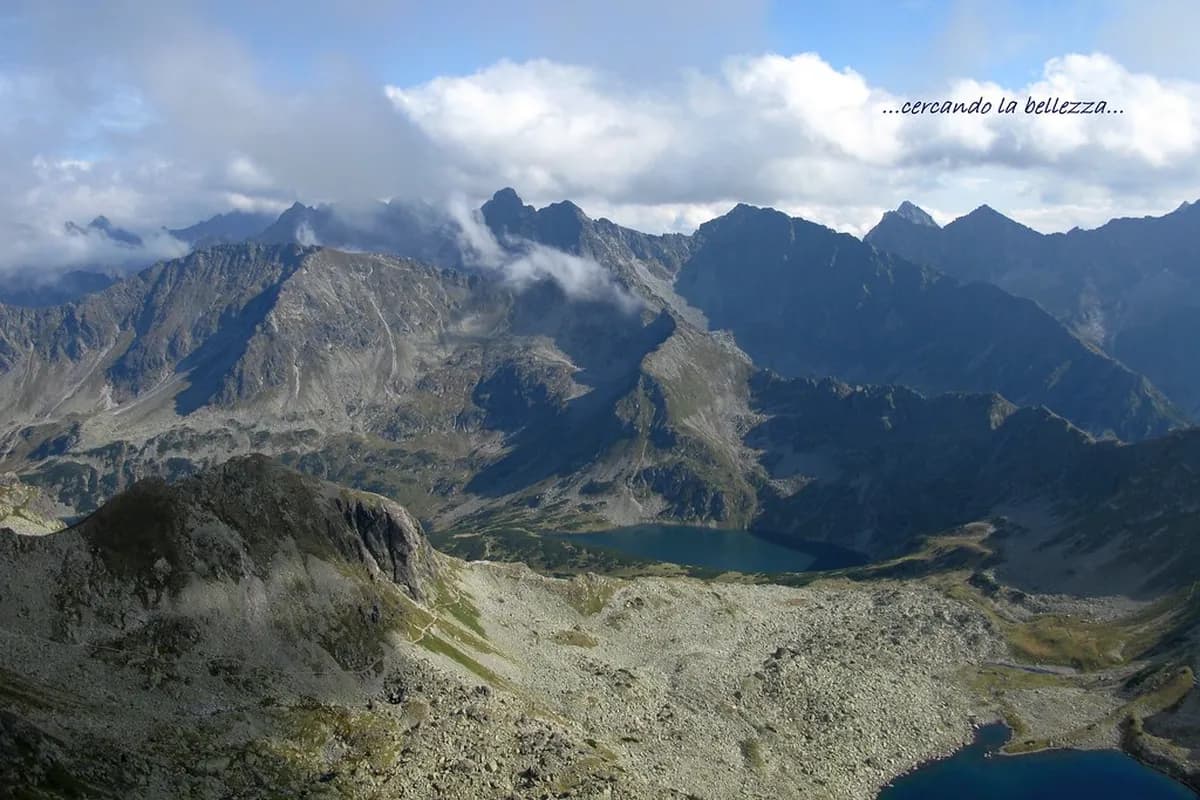
Tatra National Park is a stunning UNESCO Biosphere Reserve located in southern Poland. This protected area covers over 211 square kilometers of rugged mountain terrain. Visitors come from around the world to see the sharp granite peaks and deep glacial lakes. It remains the only alpine-style mountain range in the country.
This tatra national park visitor guide helps you navigate the diverse landscapes and logistics of the region. You will find jagged summits that reach over 2,400 meters in height. The park serves as a sanctuary for rare wildlife and ancient forests. Exploring these mountains offers a mix of challenging climbs and peaceful valley walks.
Planning a trip requires understanding specific rules and seasonal changes. Most travelers use the town of Zakopane as their primary base for exploration. This guide covers everything from mandatory parking rules to the best hiking trails. Prepare for an unforgettable journey into the heart of the Polish highlands.
Overview of Tatra National Park (TPN)
The Tatra Mountains form a natural border between Poland and Slovakia. About one-fifth of the range lies within the Polish borders as Tatra National Park. The highest peak in Poland is Rysy, which stands at 2,499 meters. You will find over 270 kilometers of marked hiking trails across the park.
UNESCO recognized this area for its unique ecological value and diverse species, as documented on the park's Wikipedia overview. The landscape features deep caves, waterfalls, and crystal-clear mountain tarns. There are over 600 documented caves within the park boundaries. The longest cave system spans 18 kilometers in length and reaches great depths.
The park protects rare animals like the Tatra chamois and the brown bear. Strict conservation efforts ensure these species thrive in their natural habitat. Visitors must follow specific paths to minimize their impact on the environment. This balance allows millions of people to enjoy the scenery each year.
Understanding the transboundary nature of the park is helpful for hikers. The Slovak side is called TANAP and covers a larger geographical area. While the mountains look similar, the rules and insurance requirements differ between nations. Always check which country you are in before crossing high mountain passes.
Getting to the Tatras: Transport from Krakow
Most international visitors begin their journey in the city of Krakow. Zakopane sits approximately 100 kilometers south of Krakow via the S7 expressway. The drive typically takes between 1.5 to 2 hours depending on traffic. Be aware that weekend congestion can significantly increase travel times.
Public transport is a popular and affordable way to reach the mountains. Frequent bus services run from the main Krakow bus station throughout the day. Tickets are inexpensive and can be purchased directly from the driver or online. Buses usually drop passengers at the central station in the heart of Zakopane.
Trains also connect Krakow to the mountains, offering a scenic but slower alternative. The rail journey can take up to three or four hours. However, recent track upgrades are slowly reducing the total travel time. Trains are a great choice for those carrying heavy hiking gear or bicycles.
Once you arrive in Zakopane, local minibuses provide transport to trailheads. These small vans wait near the train station and depart when full. They offer a quick way to reach spots like Kuznice or Palenica Bialczanska. This system makes it easy to explore various attractions without a private car.
Must-See Attractions and Highlights
No visit is complete without seeing the famous lake known as Morskie Oko. This 'Eye of the Sea' is surrounded by towering peaks and lush forests. The walk to the lake follows a paved road that is 9 kilometers long. It is accessible for most fitness levels and offers stunning views.
For those who prefer high altitudes without the climb, the cable car is ideal. A modern lift carries visitors from Kuznice to the summit of Kasprowy Wierch at 1,987 meters. Tickets often sell out, so booking online in advance is highly recommended. The view from the top spans both the Polish and Slovak Tatras. For an easier ride with sweeping town panoramas, the Gubałówka funicular just outside the park is a gentler alternative.
The valleys of the park offer a different kind of beauty and easier terrain. Chocholowska Valley is the largest and longest valley in the Polish Tatras. It is particularly famous for the purple crocuses that bloom every spring. Many visitors rent bicycles to explore the lower sections of this trail.
Another highlight is the Dolina Koscieliska, known for its impressive rock formations and caves. This valley provides access to several popular mountain huts and shorter side trails. It is a perfect spot for families or those looking for a relaxing day out. The trail ends at a beautiful mountain lodge serving local food.
- Morskie Oko Lake
- Type: Glacial lake
- Best for: Photography
- Where: Palenica trailhead
- Cost: Entry fee only
- Kasprowy Wierch Peak
- Type: Mountain summit
- Best for: Panoramic views
- Where: Kuznice cable car
- Cost: Approx 149 PLN
- Five Lakes Valley
- Type: High alpine valley
- Best for: Experienced hikers
- Where: Roztoka trail
- Cost: Entry fee only
Hiking in the Tatras: Top Trails for All Levels
The park uses a color-coded system to mark different hiking trails. These colors (red, blue, yellow, green, and black) do not indicate difficulty. Instead, they help hikers identify specific routes on their maps. Always carry a physical or digital map to stay on the correct path.
Beginners should start with the lower valleys or the path to Morskie Oko. These routes are well-maintained and do not require specialized climbing equipment. They provide a great introduction to the local flora and mountain atmosphere. Most of these trails take three to five hours to complete.
Intermediate hikers might enjoy the climb to Giewont, the 'Sleeping Knight' mountain. This peak is famous for the large iron cross at its summit. The final section involves some steep steps and metal chains for safety. It offers a bird's-eye view of Zakopane from over 1,800 meters up.
Advanced trekkers often aim for Rysy, the highest point in the country. This hike is physically demanding and requires a full day of effort. You will encounter steep rocky sections and significant exposure near the top. Ensure you have sturdy boots and check the weather forecast carefully before starting.
Essential Park Rules and Safety Regulations
Following the Tatra National Park Official Rules is vital for safety and conservation. One major rule is the ban on night hiking from April to November. Trails are closed from dusk until dawn to protect nocturnal wildlife. This policy reduces stress on animals during their most active hours.
Walking dogs is generally not allowed within the national park boundaries. Pets can disturb local wildlife and may carry diseases that affect native species. The only exception is the Chocholowska Valley, where dogs are permitted on the main path. Please respect this rule to help maintain the delicate mountain ecosystem.
Staying on marked trails is mandatory for every visitor in the park. Shortcutting paths causes soil erosion and destroys rare high-altitude plants. It also prevents hikers from getting lost in dangerous or restricted areas. Rangers frequently patrol the trails to ensure everyone follows these important guidelines.
The park charges a small entrance fee for all visitors. These funds support trail maintenance, nature protection, and educational programs. You can buy tickets at entry points or online through the official TPN website. Keep your ticket with you as you may be asked to show it later.
Wildlife Encounters and Environmental Protection
Tatra National Park is home to several large predators, including brown bears. While encounters are rare, you should know how to react properly. Never approach a bear or attempt to feed any wild animal. If you see one, stay calm and slowly back away without making sudden movements.
The Tatra chamois is a symbol of these mountains and often appears on high ridges. These agile goats are protected and should be observed from a distance. Marmots are also common in the higher alpine zones during the summer. Keep at least 50 meters away from any wildlife you encounter.
A unique feature of the park is the total absence of trash bins. Visitors must carry all their garbage back to town with them. This 'Leave No Trace' policy prevents animals from becoming dependent on human food. It also keeps the trails clean and beautiful for everyone to enjoy.
Feeding animals like foxes or birds is strictly forbidden by park authorities. Human food can make wild animals sick and change their natural behaviors. By keeping your snacks to yourself, you help protect the health of the ecosystem. Small actions like this ensure the park remains wild for future generations.
Where to Stay: Gateway Towns and Mountain Lodges
Zakopane is the most popular base for visiting the Polish Tatras. It offers a wide range of hotels, hostels, and traditional wooden guesthouses. You can enjoy local cuisine and shopping on the famous Krupówki street after a long hike, and our wider guide to things to do in Zakopane covers more in-town sights. Staying in town provides easy access to transport and amenities.
For a more immersive experience, consider staying in a mountain hut. These lodges, known as Schroniska, are located deep within the park. They offer simple dormitory beds and hot meals for tired hikers. Waking up in the mountains allows you to start your hike before the crowds arrive.
Booking mountain huts requires planning several months in advance for peak season. During the summer, these lodges often reach full capacity very quickly. If you cannot find a bed, most huts allow 'floor stays' for hikers in emergencies. However, this should only be a last resort for safety reasons.
Other nearby villages like Koscielisko or Bukowina Tatrzanska offer a quieter atmosphere. These towns are often less crowded than Zakopane but still close to trailheads. They are great choices for travelers who have a rental car. You can find beautiful villas with views of the high peaks here.
Practical Visitor Information
If you plan to visit Morskie Oko, you must pre-book your parking. The lot at Palenica Bialczanska often sells out days in advance during 2026. You can reserve your spot and check current entry fees online through the official Tatra National Park website. Without a reservation, you will be turned away at the entrance.
Weather in the Tatras can change rapidly even during the summer months. Always check the forecast from TOPR, the mountain rescue service, before heading out. Carry extra layers, a waterproof jacket, and plenty of water on every hike. Conditions at the summits are often much colder than in the valleys.
Travelers crossing into the Slovak side must have valid mountain insurance. While rescue services are free in Poland, they are very expensive in Slovakia. You can purchase specific insurance online for just a few euros per day. It is a small price to pay for peace of mind in the high mountains.
Check for seasonal trail closures if you visit between December and May. Several high-altitude paths close during winter to protect hikers from avalanches. Lower valleys remain open and are beautiful for winter walking or cross-country skiing. Always respect the 'closed' signs for your own safety.
Planning a Zakopane trip? See our full Zakopane attractions guide. For current details and prices, check the official site and Wikipedia. Read more in our day trips from Zakopane.
Frequently Asked Questions
Why is walking dogs in the Tatra National Park not allowed?
Walking dogs is banned to protect native wildlife from stress and potential diseases. Pets can disturb rare species like the Tatra chamois or marmots. The only exception in the park is the Chocholowska Valley. Check the Tatra National Park Official Rules for more details.
Do I need insurance to hike in the Slovak Tatras?
Yes, mountain rescue services in Slovakia (HZS) are not free for tourists. You must have specific mountain insurance to cover potential rescue costs. In contrast, rescue services in Poland (TOPR) are currently free of charge. Consult a High Tatras Slovakia Guide for insurance tips.
Why are there no trash bins in the Tatra National Park?
The park removed trash bins to prevent wildlife from scavaging for human food. This policy encourages visitors to carry their waste back to town. It helps keep the environment pristine and prevents animals from becoming aggressive. Always pack a small bag for your rubbish.
Why is visiting the Tatras at night not allowed?
Night hiking is prohibited from April to November to give animals space to roam. Many protected species are active at night and can be easily spooked by headlamps. Staying off the trails after dark reduces human impact on the ecosystem. It also keeps hikers safe from nighttime hazards.
Tatra National Park offers some of the most breathtaking scenery in Central Europe. Whether you seek a challenging summit or a quiet valley walk, there is something for everyone. Remember to follow the park rules to help preserve this unique landscape for the future. Always prepare for changing weather and respect the local wildlife.
Using this tatra national park visitor guide ensures a smoother and safer mountain experience. From booking your parking early to carrying your own trash, small steps make a big difference. These mountains are a treasure that rewards those who explore them with care. Start planning your adventure to the Polish highlands today.