Bialowieza Forest: A Complete Visitor Guide
Last updated July 2026. Białowieża Forest stretches across the Polish-Belarusian border as one of Europe's last primeval woodlands. Wisent, or European bison, roam here in numbers found nowhere else on the continent. This guide covers the national park, key trails, wildlife-watching rules, and practical planning details for 2026.
Białowieża National Park protects the strictly guarded core of this ancient forest. Visitors come for guided bison safaris, marked hiking trails, and rare bird sightings. The sections below break down what to see, how to get there, and what to budget.
The park anchors a UNESCO Biosphere Reserve that spans the Polish-Belarusian border. Expect strict entry rules, limited guide slots, and a genuinely different pace of travel. This guide breaks down costs, seasons, and trail choices before you book anything.
Read on for trail distances, guide costs, and where seasonal timing matters most. Every detail below reflects current park practice, though visitors should confirm specifics before travel. Białowieża Forest is not a quick day trip, so plan accordingly.
Białowieża Forest National Park Basics
Białowieża National Park protects the core of one of Europe's last primeval lowland forests. UNESCO lists the wider Białowieża Biosphere Reserve as a World Heritage site for its untouched ecology. The reserve straddles Poland and Belarus, though the Polish side offers the easiest access for travelers. Official rules and seasonal closures are listed on the Bialowieza Biosphere Reserve site.
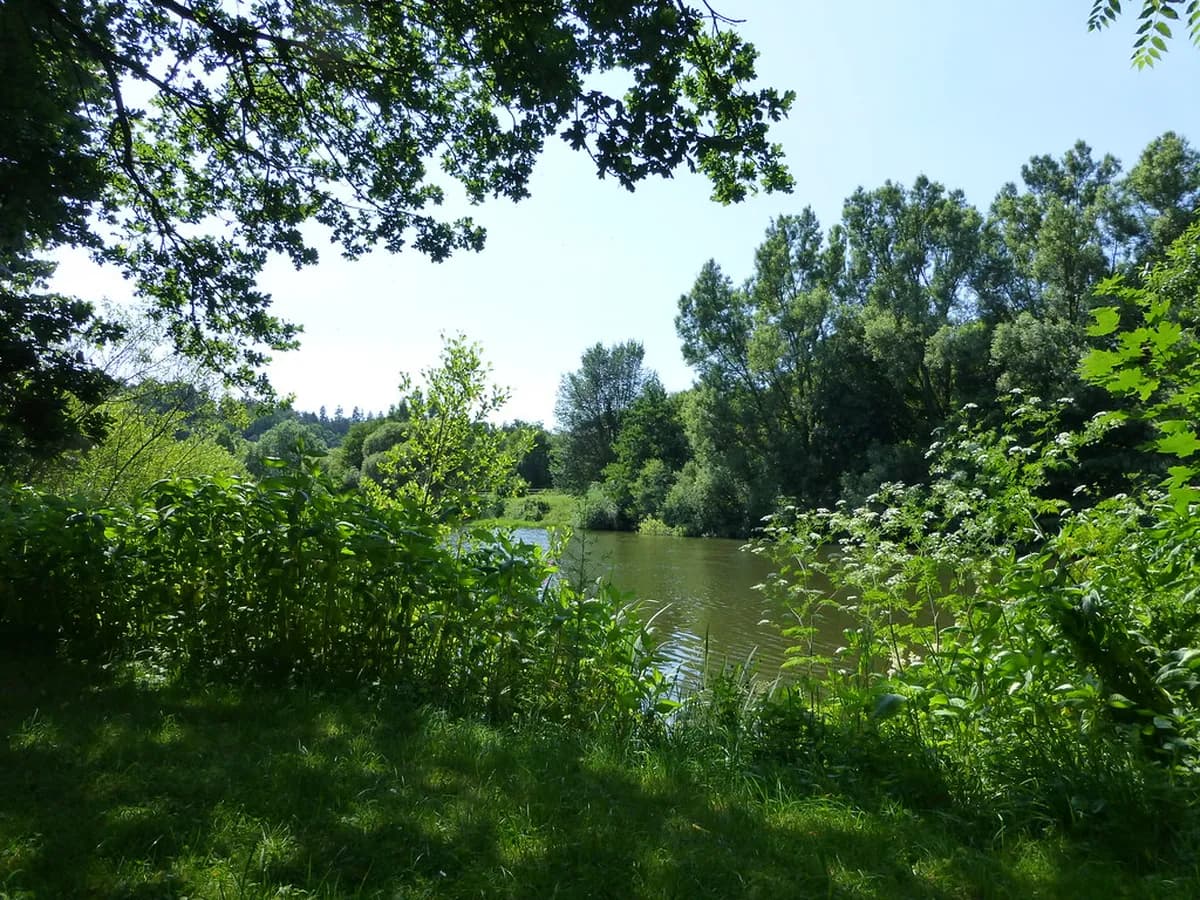
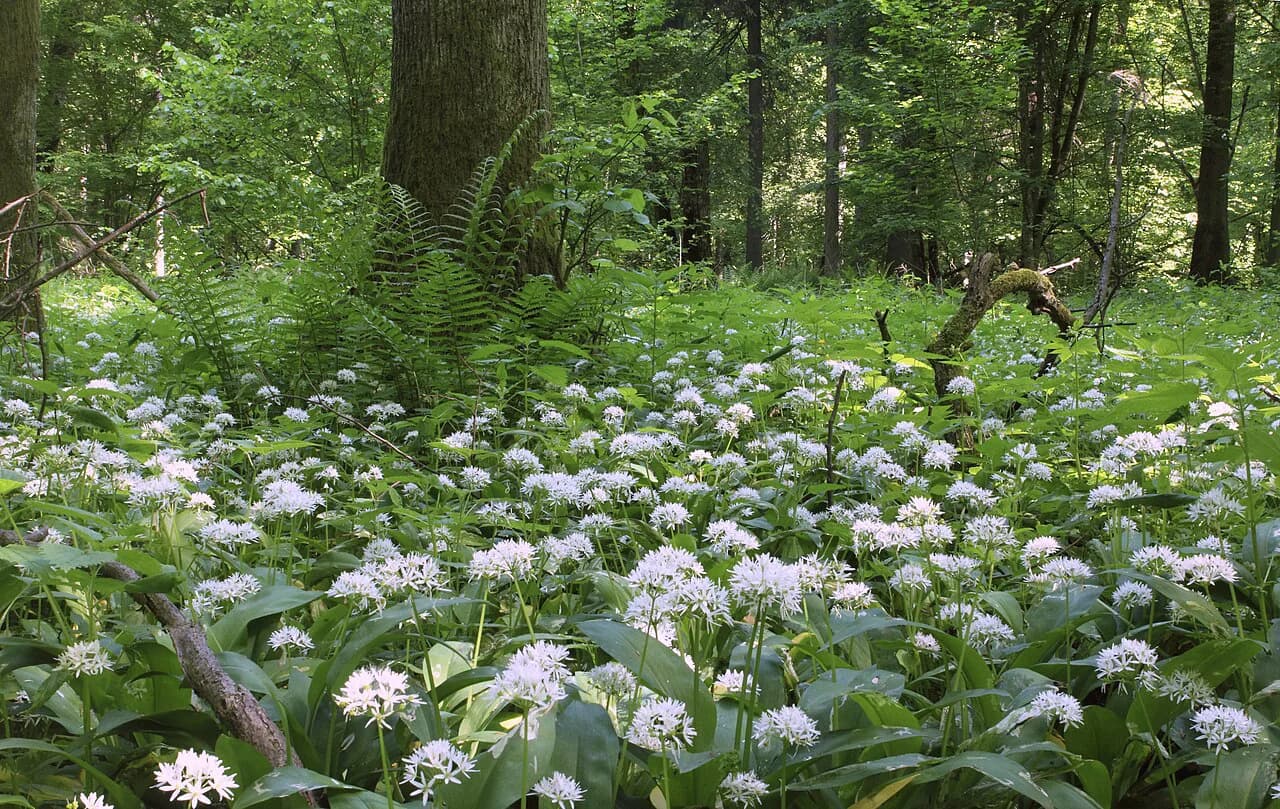
Old-growth stands, wetlands, and open meadows create a patchwork of habitats inside the park. This mix supports oaks and hornbeams that have grown undisturbed for centuries. Fallen trees are left to decompose naturally, which is rare for forests anywhere in Europe.
Wildlife includes wolves, lynx, otters, and the largest wild bison herd in the world. Birdwatchers track species such as white-tailed eagles and the elusive three-toed woodpecker. Sightings are never guaranteed, since animals move freely through unfenced habitat.
Entry to the strict reserve core requires a licensed guide by park regulation. This rule protects sensitive habitat and keeps disturbance to breeding wildlife low. For a broader look at protected landscapes, see this Nature in Poland: Travel Guide 2026.
The park's strict protection has kept genetic diversity high among its oldest tree stands. Some oaks and pines here are recorded at several hundred years old. That age and continuity is what draws researchers as well as travelers each year.
Rangers monitor visitor numbers closely to protect the forest's delicate balance. This is why guided access, rather than free roaming, defines most of the reserve. Respecting these limits helps keep Białowieża Forest intact for future generations of travelers.
Top Trails, Including the Wolf's Trail
Multiple marked trails fan out from Białowieża village into the surrounding forest. A short boardwalk loop near the park entrance takes about 40 minutes to walk. Forest Trees covers 4 kilometers, while Landscapes of the Forest covers 5 kilometers, both good for casual walkers.
The Wolf's Trail is the longest marked tourist route inside Białowieża National Park. It suits fit hikers who want a full-day trek deep into the protected zone. Expect long stretches with no facilities, so pack water, food, and proper footwear. Check current access rules before setting out, since sections can close for conservation work.
| Trail Name | Distance | Terrain | Best For | Access |
|---|---|---|---|---|
| Forest Trees | 4 km | Flat | Casual walkers, kids | No guide required |
| Landscapes of the Forest | 5 km | Mixed woodland path | Half-day nature walks | No guide required |
| National Remembrance Trail | 14 km | Forest and village roads | Full-day history-focused hikers | No guide required |
| Wolf's Trail | Longest in park | Remote, limited facilities | Experienced, well-prepared hikers | Check seasonal closures |
| Wheelchair-accessible boardwalk | 1 km | Flat boardwalk | Accessible short visits | Near main entrance |
The National Remembrance Trail forms a 14-kilometer loop starting and ending in Białowieża village. It passes historical sites tied to the region's wartime past. Nature lovers heading toward Zwierzyniec often follow the blue Białowieża to Zwierzyniec trail.
Combining two short trails in a single morning is realistic for most fitness levels. Trail markers use color-coded signs, so download or photograph a map before setting out. Mobile signal is patchy deep in the forest, so do not rely on it for navigation.
Guided full-day treks along the Wolf's Trail often include a packed lunch stop. Booking through a licensed operator ensures a knowledgeable guide familiar with seasonal closures. Independent hikers should stick to shorter trails unless specifically permitted on longer routes.
- Forest Trees educational trail
- Distance: 4 kilometers
- Terrain: flat, family-friendly
- Best for: casual walkers, kids
- Access: no guide required
- Landscapes of the Forest trail
- Distance: 5 kilometers
- Terrain: mixed woodland path
- Best for: half-day nature walks
- Access: no guide required
- National Remembrance Trail loop
- Distance: 14 kilometers
- Terrain: forest and village roads
- Best for: full-day history-focused hikers
- Access: no guide required
- Wolf's Trail, longest route in the park
- Distance: longest marked route in BNP
- Terrain: remote, limited facilities
- Best for: experienced, well-prepared hikers
- Access: check seasonal closures first
- Short wheelchair-accessible boardwalk section
- Distance: 1 kilometer of the longer path
- Terrain: flat boardwalk
- Best for: accessible short visits
- Access: near main park entrance
Bison Watching and the Pedigree Book
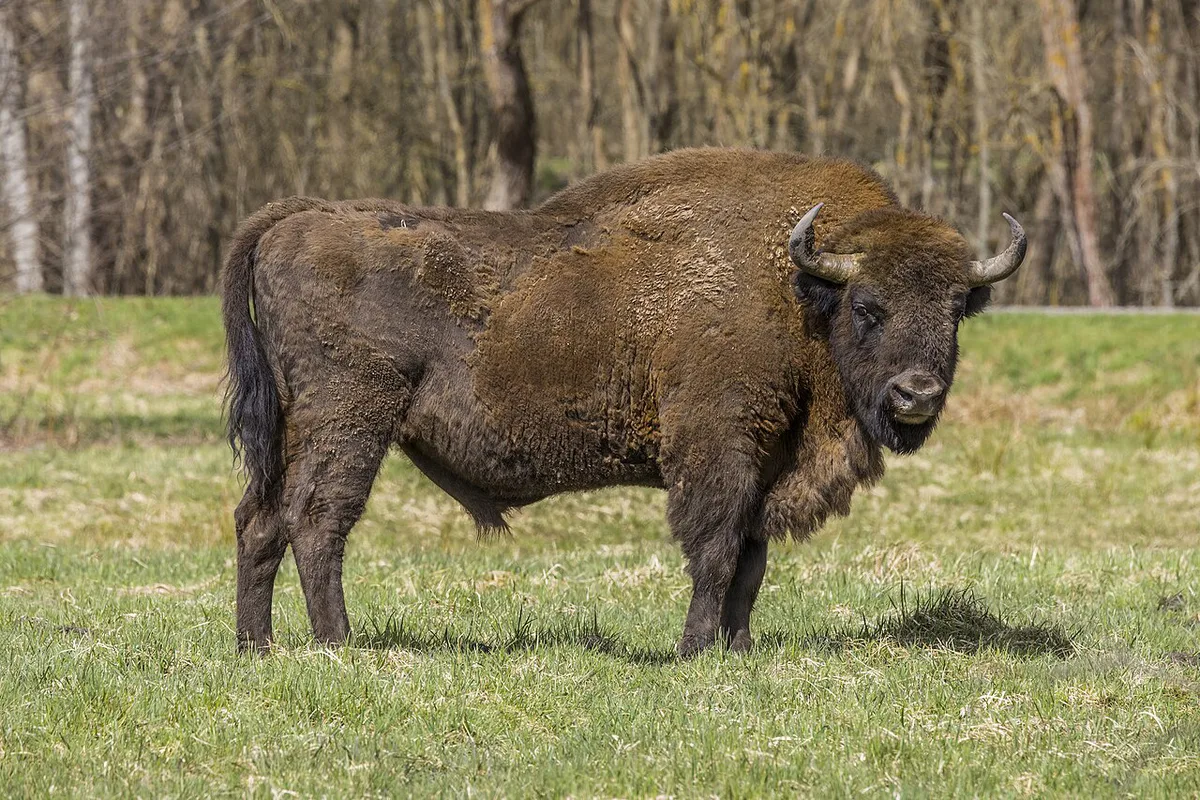
Wild bison in Białowieża Forest often stay deep in the reserve, away from trails. The Bison Show Reserve near Białowieża village offers a reliable way to see them up close. Enclosures here hold bison alongside other native species like tarpan-type horses and wisent-bison hybrids.
Guided bison safaris head out at dawn, when herds are most active and visible. Hiring a licensed guide typically costs around €100–€150 for a small group. That price often covers several hours of tracking plus insight into herd behavior. Confirm current rates and availability directly with a licensed operator such as Wild Poland.
Every European bison alive today is recorded in the European Bison Pedigree Book. Foresters started this registry in 1932, after hunting had wiped out wild herds by 1919. Białowieża's breeding program used the book to rebuild the species from a small founder population. That careful record-keeping is why Białowieża now holds the largest free-roaming bison herd anywhere.
Choose the Bison Show Reserve for a guaranteed sighting on a tighter schedule. Choose a wild safari for a more authentic, though less certain, encounter in open forest. Families with young children or limited time often prefer the enclosed reserve option.
Photography permits are not required for casual visitors carrying standard camera gear. Flash photography and close approaches to bison are discouraged for safety and animal welfare. Patience usually pays off better than chasing a herd across open meadow.
What Else Is Worth Visiting Nearby
The Nature and Forest Museum in Białowieża explains the ecosystem before you enter the trails. Interactive exhibits cover geology, plant life, and the history of bison conservation. It works well as a rainy-day option or a warm-up before a longer hike.
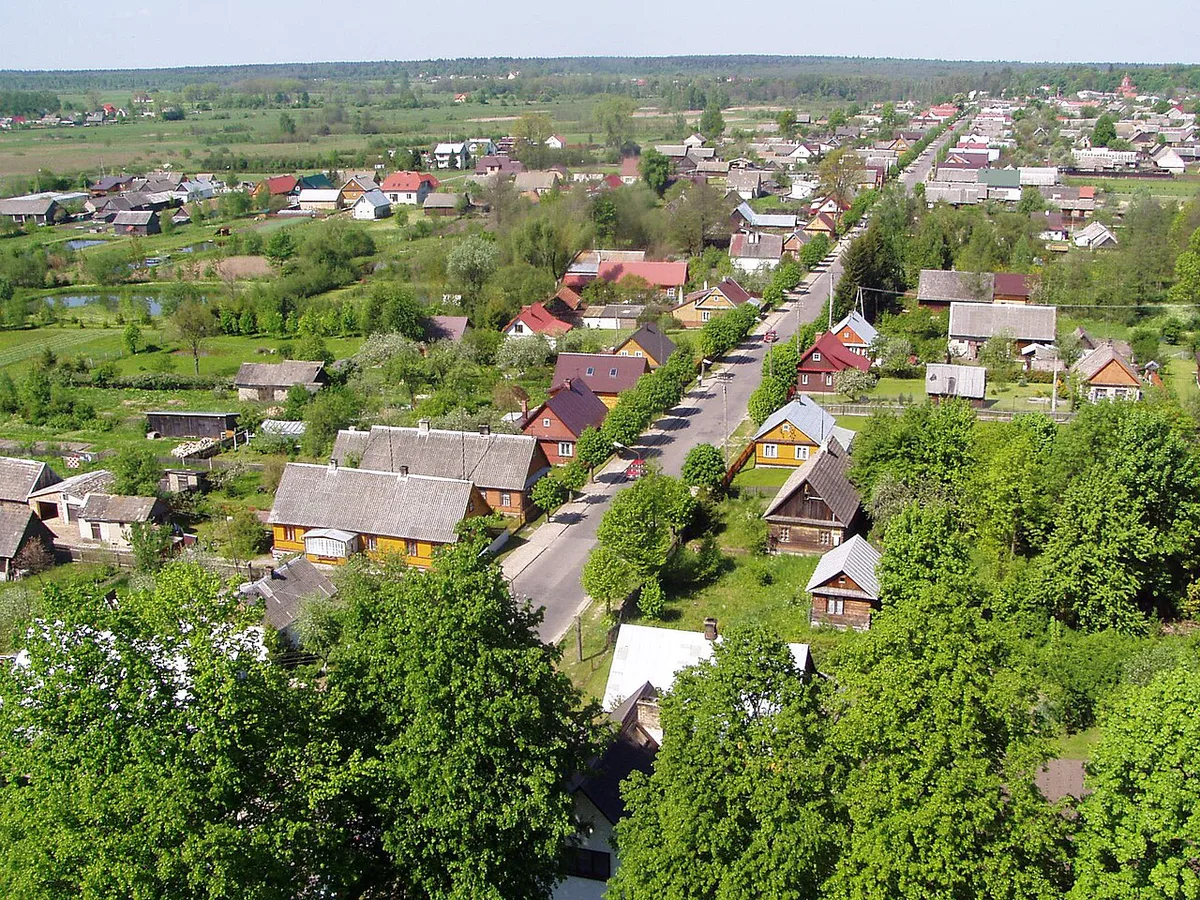
Traditional wooden houses and small Orthodox churches line villages around Białowieża. Driving or cycling between them offers an easy, low-cost way to see rural Podlasie. Local cuisine leans on hearty, forest-inspired dishes like wild mushroom soup and rye bread.
Deciding what is worth visiting depends on how much time is available in Białowieża. A half-day trip fits the museum, a short trail, and the Bison Show Reserve. A full day or more allows a guided safari, a longer trail, and village exploring. Budget travelers can skip paid tours and still enjoy free trails and the village itself.
Families traveling with kids can pair the museum with the easy boardwalk loop. Budget-conscious visitors can spend a full day here for the cost of trail access alone. For more Poland nature escapes, compare this trip with the Ojców National Park guide.
Travelers chasing varied landscapes often add a second stop after Białowieża Forest. Dune-backed coastlines offer a different kind of scenery at Słowiński National Park. Both parks reward slow travel over rushed, single-day itineraries.
- Nature and Forest Museum
- Type: indoor exhibits
- Best for: rainy days, first orientation
- Time needed: 1 to 2 hours
- Wooden village architecture routes
- Type: self-guided driving or cycling
- Best for: culture and photography
- Time needed: half a day
- The Bison Show Reserve
- Type: enclosed wildlife reserve
- Best for: guaranteed sightings, families
- Time needed: 1 to 2 hours
Getting to Bialowieza Forest and Staying
Trains connect Warsaw and Białystok with Hajnówka, the nearest rail hub to the forest. From Hajnówka, regular buses continue on to Białowieża village in under an hour. Travelers without a car can still reach the forest edge using this train-and-bus combination.
Book accommodations two to three months ahead during the summer bison-safari season. Parking near the park entrance fills up during peak summer weekends, so arrive early.
Driving gives far more flexibility for reaching scattered sights around the park. A private car also makes it easy to explore the wooden villages nearby at your own pace. Parking near the park entrance fills up during peak summer weekends, so arrive early.
The local PTTK Bialowieza office is a useful stop for maps and trail conditions. Staff there can confirm which trails are open and recommend licensed guides for the reserve core. This is especially helpful during shoulder seasons, when some paths close for maintenance.
Options range from mid-range hotels like Hotel Zubrowka to smaller guesthouses such as Enklawa Bialowieza. Booking two to three months ahead is wise during the summer bison-safari season. Budget travelers can also base themselves in Hajnówka, where rooms tend to cost less.
Renting a car in Białystok or Warsaw gives added flexibility for the final approach. Road signs near the park are clearly marked in both Polish and English. Fuel up before arriving, since options thin out closer to the forest.
Planning Your Bialowieza Forest Visit
Spring and early autumn bring milder weather and fewer crowds than midsummer. Winter safaris are colder but often reward visitors with clearer bison tracking in snow. Whichever season you choose, book guided tours well ahead, since spots are limited.
Layer clothing for cool mornings year-round. Wear sturdy waterproof boots for muddy sections. Pack insect repellent in late spring and summer—mosquitoes are common near wetlands.
Stick to marked trails to avoid damaging fragile moss and root systems underfoot. Keep a respectful distance from bison, since they can charge if they feel cornered. Choosing local guides and family-run guesthouses keeps tourism income inside the Białowieża community.
A day focused on free trails and the museum can cost very little beyond a train ticket. Adding a guided bison safari raises the budget by roughly €100–€150 per small group. Multi-day trips with a hotel stay and one guided tour suit most first-time visitors.
Białowieża Forest works well as a longer, nature-focused leg of a wider Poland itinerary. Coastal travelers can pair it with the very different scenery of the Hel Peninsula Travel Guide: Poland's Baltic Coast. Either way, planning ahead makes the most of a genuinely rare landscape.
Layer clothing for the cooler mornings, even during warmer months of the year. Sturdy waterproof boots handle muddy sections better than typical sneakers. Pack insect repellent in late spring and summer, since mosquitoes are common near wetlands.
Cell coverage improves near Białowieża village but stays weak deep in the forest. Download offline maps in advance to avoid relying on a signal that may drop. A physical trail map from the park office is a reliable backup option.
- Self-guided day, no tours
- Cost: trail access plus transport only
- Includes: museum, short trails
- Best for: budget travelers
- Guided bison safari add-on
- Cost: roughly €100–€150
- Includes: licensed guide, small group
- Best for: wildlife-focused visitors
- Overnight stay with one tour
- Cost: hotel plus one guided safari
- Includes: full day of activities
- Best for: first-time visitors
Belarus Border Zone Restrictions
Because Białowieża Forest straddles the Poland-Belarus frontier, part of the national park sits inside a restricted border zone that Poland's Straż Graniczna (Border Guard) has enforced since 2021 amid heightened security along this frontier. A no-entry buffer strip closest to Belarus is off-limits to visitors without special permission, and approaching border fencing, cameras, or patrol infrastructure is prohibited — do not photograph Border Guard personnel or equipment.
This restriction mainly affects the forest's easternmost fringe rather than the main visitor circuit: popular routes like the Wolf's Trail, the National Remembrance Trail, and the boardwalk loops near Białowieża village all run well clear of the buffer zone and operate normally. Still, trail closures near the border can shift with little notice during security operations.
- Confirm current restricted-zone boundaries at the PTTK Bialowieza office or the park visitor center before setting out
- Carry ID, since Border Guard checks occur periodically near the frontier
- Avoid off-trail routes anywhere close to the border markers
Frequently Asked Questions
What is unique about Białowieża Forest?
Białowieża Forest preserves one of Europe's last stretches of primeval lowland woodland. Fallen trees decompose naturally here instead of being cleared, which is rare across the continent. The forest also shelters the largest wild European bison herd anywhere. Visitors often compare it to how much of Europe looked centuries ago.
What animals live in Białowieża Forest?
European bison are the headline species, alongside wolves, lynx, otters, and wild boar. Birdwatchers also visit for white-tailed eagles and the elusive three-toed woodpecker. Sightings depend on season, weather, and time spent on the trails. None of these sightings are guaranteed, so patience matters on any visit.
How do you pronounce Białowieża Forest?
Białowieża is pronounced roughly byah-wo-vyeh-zha, with stress on the second syllable. Many English speakers simplify it to Bee-ah-wo-vyeh-zah in casual conversation. Either way, locals are used to visitors asking for help with the name. Practicing before your trip can make conversations with local guides easier.
Do you need a guide to enter the primeval forest core?
Yes, park regulations require a licensed guide inside the strictly protected reserve core. Guides typically cost around €100–€150 for a small group, covering several hours. Trails outside the core can usually be walked independently without a guide. Booking a guide at least a few weeks ahead is strongly recommended in summer.
What is the best time to visit Białowieża Forest?
Spring and early autumn bring comfortable temperatures and lighter crowds than midsummer. Winter suits bison tracking in snow, though safaris run colder and shorter. Peak summer brings the most services but also the largest crowds at trailheads. For more Poland trip ideas, check this Poland travel blog.
Białowieża Forest rewards travelers willing to make the journey into Poland's far east. Ancient trees, wild bison, and quiet trails offer a rare contrast to typical city breaks. Planning around guide availability and season keeps the trip smooth and worthwhile.
For a coastal change of pace afterward, browse the Kołobrzeg beach guide. Whichever route follows, Białowieża Forest earns its place on any serious Poland itinerary.
Book guides early, respect wildlife distance rules, and pack for changeable weather. These simple steps make a demanding destination feel manageable and deeply rewarding.
You might also like


Continue reading
More guides you'll find useful