
Exploring Ojców National Park
Last updated July 2026. Ojców National Park sits about 20 kilometers north of Kraków in the Kraków-Częstochowa Upland. Limestone rock towers, medieval castle ruins, and deep caves fill this compact stretch of the Prądnik and Sąspowska valleys. Despite its modest size, the park packs in more castles, caves, and cliffs than most first-time visitors expect.
Visitors can walk historic trails, tour underground chambers, and climb toward Renaissance castle walls in a single day. The park works well as a half-day trip from Kraków or a slower overnight stop for hikers and photographers. This guide covers the must-see caves, castles, and rock formations, plus the costs and timing details worth knowing before departure. For a broader look at where this park fits among Poland's nature and outdoor destinations, keep reading.
Ojców National Park: Location and Size
Ojców National Park protects a narrow band of limestone valleys carved by the Prądnik and Sąspowska rivers. Steep cliffs, forested slopes, and karst rock towers define the landscape across both valleys. At 21.46 square kilometers, it is the smallest national park in Poland, small enough to explore without a multi-day itinerary.
The park's location makes it an easy add-on to a Kraków trip rather than a separate multi-day destination. Regular buses connect Kraków to the park area, and driving typically takes less than an hour outside rush hour. Cyclists often prefer the park because a bike covers more ground between caves, castles, and rock formations in less time.
Rain changes plans quickly in this park, since smooth limestone trail sections turn slippery within minutes. Pack proper footwear and a rain layer even on forecasted-dry days, since valley weather shifts fast in this upland terrain. Trail railings help on the steeper cave approaches, but sturdy shoes still matter more here than on flatter Polish parks.
Caves to Explore in Ojcow National Park
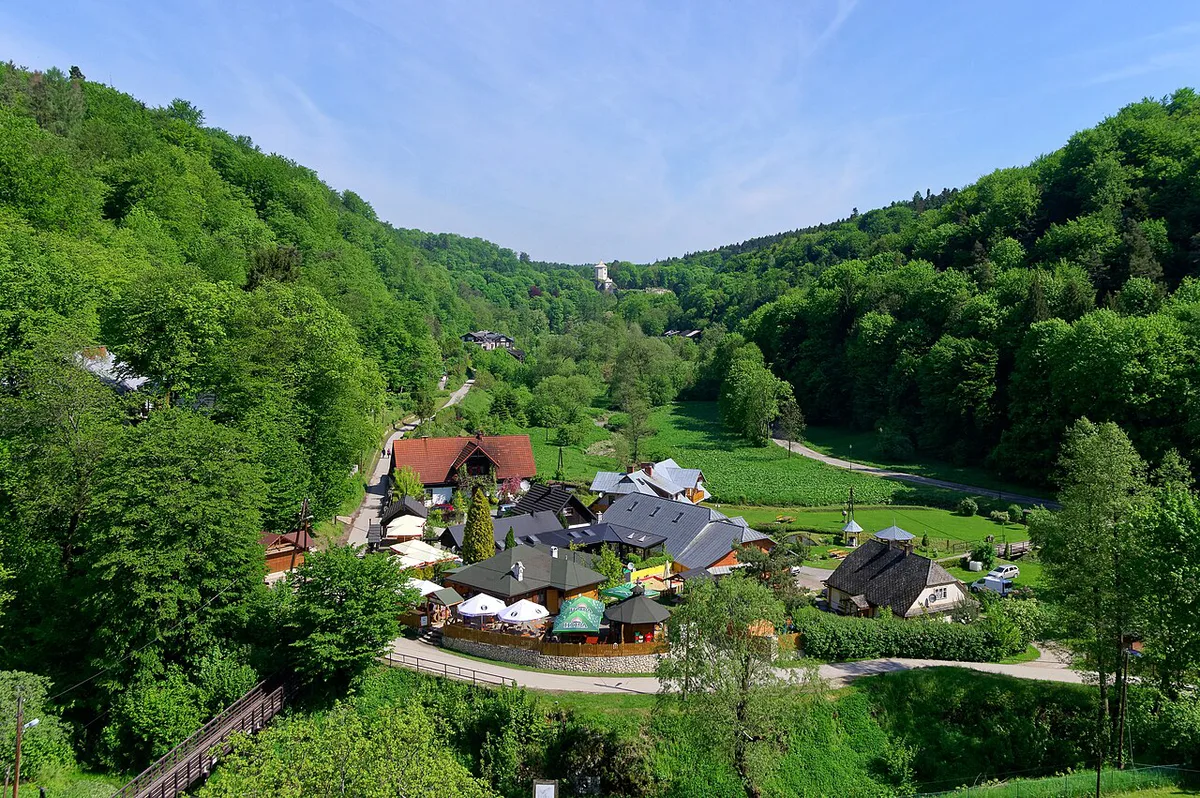
More than 1,000 caves have been recorded within Ojców National Park's limestone hills. Only a handful open to visitors, and each has a distinct legend, structure, and best-fit traveler profile. The three caves below cover most of what first-time visitors ask about before booking a ticket.
Łokietek's Cave opens daily during its season, though closing times shift earlier as autumn arrives. Entry happens in guided groups roughly every 30 minutes, so late afternoon visits can mean a short wait. Prices listed above date from recent seasons, so confirm current hours and tickets on the official Ojców National Park website before visiting.
| Cave | Size/Length | Notable Feature | Best For | Duration |
|---|---|---|---|---|
| King Łokietek Cave | About 270 meters | Legend: king hid from Czech soldiers | History and legend fans | Group tours ~30 min apart |
| Dark Cave (Ciemna) | About 80 meters, 10 meters high | Archaeological finds and research | Cave and history enthusiasts | Short walk off main trail |
| Cow Cave | Small, modest shelter space | Once sheltered grazing cattle | Quick photo stop | About 10 minutes |
- King Łokietek Cave (Grotto of Łokietek)
- Length: about 270 meters of tunnels
- Legend: king hid from Czech soldiers
- Season: open mid-April to mid-November
- Cost: roughly 30 zł per adult
- Best for: history and legend fans
- Dark Cave (Ciemna Cave) chamber
- Chamber size: about 80 meters long
- Height: roughly 10 meters inside
- Known for: archaeological finds and research
- Best for: cave and history enthusiasts
- Access: short walk off main trail
- Cow Cave near Krakow Gate
- Size: small, modest shelter space
- History: once sheltered grazing cattle
- Best for: quick photo stop
- Time needed: about 10 minutes
Castles in Ojcow National Park
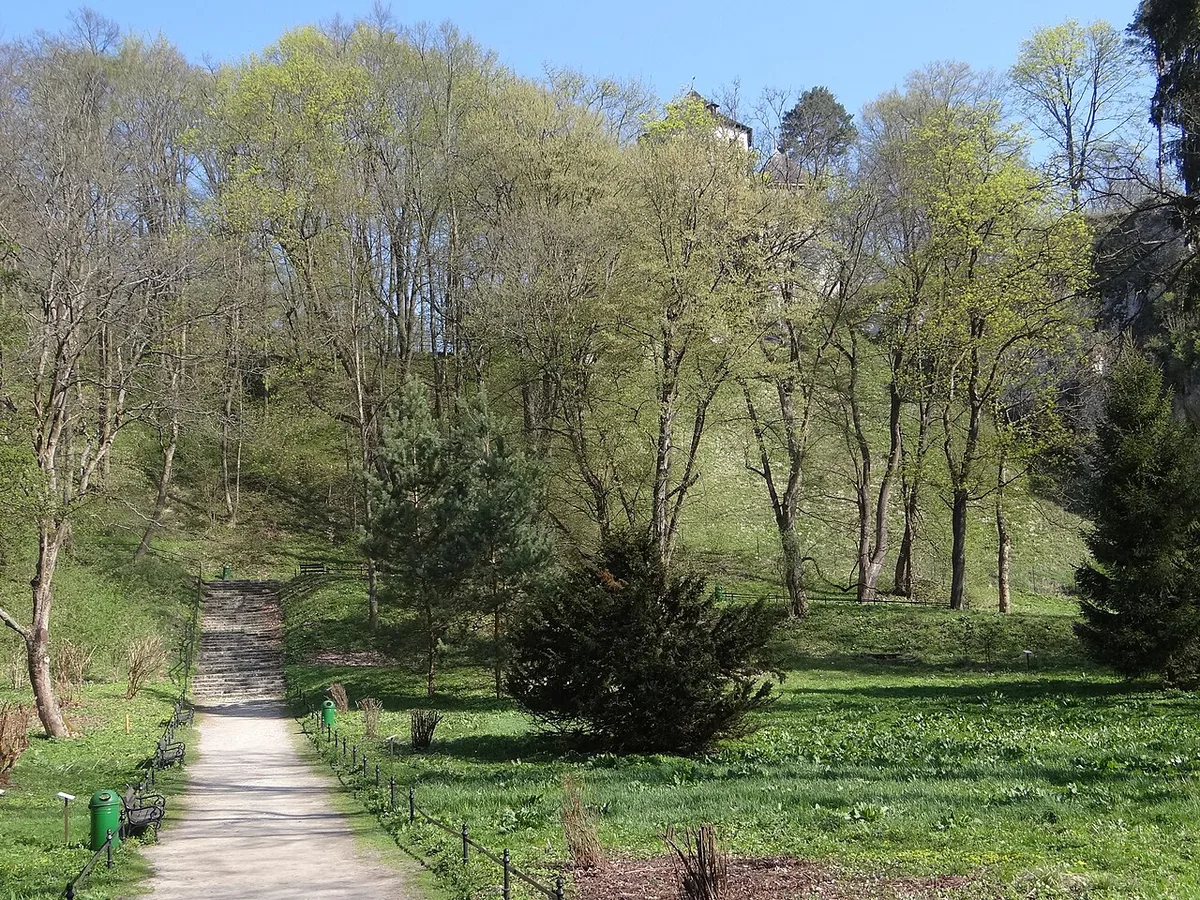
Two castles anchor the park's history, both once part of the medieval Eagle's Nests defense line. Pieskowa Skała Castle survives largely intact, while Ojców Castle remains a scenic ruin above the valley. Deciding which one to prioritize depends on how much time and walking travelers want to commit.
Travelers with only half a day often skip Pieskowa Skała's museum and focus on the Hercules Club view nearby. Those staying a full day can pair both castles with a cave stop in between without backtracking far. Neither castle requires advance booking for basic entry, though museum sections may have separate seasonal hours.
- Pieskowa Skała Castle and museum
- Built: 14th century by King Casimir
- Style: Renaissance, part of National Museum
- Inside: art collections from Wawel Castle
- Time needed: about 60 to 90 minutes
- Best for: history and art travelers
- Ojców Castle ruins above the valley
- Remains: walls, tower, and entrance gate
- Feature: viewing terrace over Prądnik Valley
- Time needed: about 30 to 45 minutes
- Cost: minimal, mostly exterior viewing
- Best for: photographers and quick stops
Rock Formations and Hiking Trails
Limestone erosion carved several rock towers that give Ojców National Park its distinctive skyline. The Hercules Club rises about 25 meters near Pieskowa Skała, its club-like shape formed by centuries of weather. Nearby, the Krakow Gate marks an old trade route and carries a local legend about its slowly narrowing pillars.
Smooth limestone trails turn slippery within minutes during rain. Sturdy shoes matter more than trail railings on steeper stretches. Plan extra time on wet days rather than rushing the loop.
Deotyma's Needle stands about 20 meters tall near Łokietek's Cave, recognizable by its narrow, pointed profile. The Rękawica, or Glove formation, resembles an open hand and sits close to the same trail junction. Most of these formations cluster along one stretch of trail, making a single loop hike efficient.
One popular loop starts at the Złota Góra parking area and runs about 10 kilometers total. A green trail leads through quiet forest before joining a yellow trail along the Sąspowska Valley. Full completion typically takes four to five hours, depending on pace and how many stops travelers make. Hikers drawn to dramatic landscapes elsewhere in Poland might also enjoy Słowiński National Park's shifting sand dunes further north.
Rain turns smooth trail rock slick, so plan for extra time on wet days rather than rushing the loop. Stroller users should stick to the valley's paved sections, since forest paths near some parking lots include steps. Trail railings help on steeper stretches, but sturdy footwear still matters more here than on flatter regional trails.
Family and Budget Tips for Ojcow Visits
Ojców National Park suits families well because its compact size keeps walking distances manageable for younger children. The paved valley path handles strollers comfortably, even though side trails near some parking areas include stairs. Shorter routes let families see a castle, a rock formation, and one cave without an exhausting full-day hike.
Budget travelers benefit from the park's low baseline costs, since walking the main trails typically carries no separate entry fee. Parking at the Czajowice lot costs a small daily fee, useful to plan for if arriving by car. Cave tours add a modest ticket cost on top of parking, so budget a little extra per person.
Visiting on a weekday morning often means shorter waits at the cave entrance and quieter castle terraces. Combining a bike rental with the valley path can cut costs compared to guided tour packages. Families short on time should prioritize one castle and one cave rather than attempting the full loop trail.
Plan Your Ojcow National Park Day Trip
Most travelers reach Ojców National Park from Kraków, roughly 20 kilometers away depending on the entry point used. Driving usually takes under an hour outside peak traffic, with several parking areas scattered around the park's edges. Regular bus service also connects Kraków with the park area for travelers skipping a rental car.
Visiting on weekday mornings means shorter waits at cave entrances and quieter castle terraces. Spring and autumn bring milder crowds than summer weekends. Arriving before mid-morning generally means easier parking.
Many visitors enter through Ojców village, one of the park's main access points with nearby dining options. The Eagle's Nests Trail, a longer regional route linking historic castles, also passes directly through the park. That trail stretches roughly 188 kilometers between Kraków's Wawel Castle and dozens of other fortified sites.
Guided day tours from Kraków bundle transport, a local guide, and sometimes cave tickets into one booking. Independent travelers can combine public buses with on-site ticket purchases for a more flexible, lower-cost visit. Either approach works, though guided tours suit travelers who prefer not to plan trail logistics themselves. Those extending a trip toward the Baltic coast afterward might check a Hel Peninsula Travel Guide: Poland's Baltic Coast for a contrasting coastal stop.
Spring and autumn tend to bring milder crowds than summer weekends, when parking fills earlier in the day. Winter visits skip most cave tours, since several close for the season, but trails and castle exteriors stay accessible. Arriving early, ideally before mid-morning, generally means easier parking and shorter waits at the busier stops.
Ojców National Park Nature Education Centre
The park runs a Nature Education Centre in Ojców village, a short walk from the main trailhead and close to the Łokietek's Cave ticket office. Exhibits cover the park's karst geology, its cave systems, and the wildlife tied to them, including displays on the bat colonies recorded in Łokietek's and Dark Cave. A paleontology section shows finds linked to bones uncovered in local caves, evidence of the bears and other Ice Age animals that once sheltered there before the caves became visitor attractions.
The centre works well as a rainy-day backup when limestone trails turn slick, or as a first stop before heading into the valley, since the displays give context that's easy to miss once out on the trail. Hours generally track the park's seasonal cave schedule, running spring through autumn and trimming back once the cave season ends in November. Entry is inexpensive and pairs easily with a same-day cave or castle ticket.
- Location: Ojców village, near the park's main entrance and bus stop
Frequently Asked Questions
What animals live in Ojców National Park?
Bats stand out most, with 17 of Poland's 25 bat species recorded inside the park's caves. Forest and valley habitats also support foxes, deer, and a wide range of birds. Wildlife sightings are more common early morning or near dusk along quieter trail sections.
What time does Ojców National Park open?
The park's outdoor trails stay accessible year-round with no fixed gate hours for general walking. Ticketed attractions like Łokietek's Cave run seasonal hours, typically starting around 9 a.m. from mid-April through mid-November. Closing times shift earlier heading into autumn, so confirm current hours before visiting.
Does Poland have other national parks worth visiting nearby?
Yes, Poland protects several national parks with very different landscapes than Ojców's caves and karst valleys. Białowieża Forest offers ancient woodland and free-roaming bison, a contrast to Ojców's compact limestone scenery. The Białowieża Forest bison guide covers what that different experience involves.
What is the largest national park in Poland?
Biebrzański National Park, in northeastern Poland, holds that title, covering wetlands far larger than Ojców's 21.46 square kilometers. Ojców actually ranks as the smallest national park in the country, making it easy to see in a single day. That size difference shapes how each park is best explored.
How much time should visitors plan for Ojcow National Park?
Budget at least four to five hours for the main hiking loop alone, based on typical pace and stops. Add extra time for cave tours, castle visits, or photography at rock formations along the way. A relaxed full day lets visitors cover the highlights without feeling rushed.
Ojców National Park packs castles, caves, and dramatic limestone scenery into one of Poland's smallest protected areas. A single day covers the highlights, though an overnight stay allows for a slower pace across both valleys. Checking seasonal hours before departure helps avoid disappointment at cave entrances or castle museum sections. Travelers craving more coastline afterward might enjoy a stop at the Kołobrzeg beach guide for a change of scenery.
Pack sturdy shoes, a light rain layer, and small cash for parking and cave tickets before setting out. Combine one castle, one cave, and a short trail stretch for a satisfying, budget-friendly day trip. For more inspiration across the country, browse the Poland travel guides on the blog before finalizing an itinerary.
You might also like


Continue reading
More guides you'll find useful