
Slowinski National Park: A Complete Visitor Guide
Slowinski National Park protects a rare stretch of shifting sand dunes along Poland's Baltic coast. Last updated July 2026, this guide covers the dunes, lakes, trails, and villages worth exploring. Coastal winds reshape these dunes constantly, with the fastest sections shifting several meters most years.
This guide breaks down the park's must-see spots, trails, wildlife, and nearby coastal towns. Families, hikers, and photographers all find something worth the trip inside Slowinski National Park. For broader trip planning, check our Nature in Poland: Travel Guide 2026 before you head north.
Must-See Attractions in Slowinski National Park
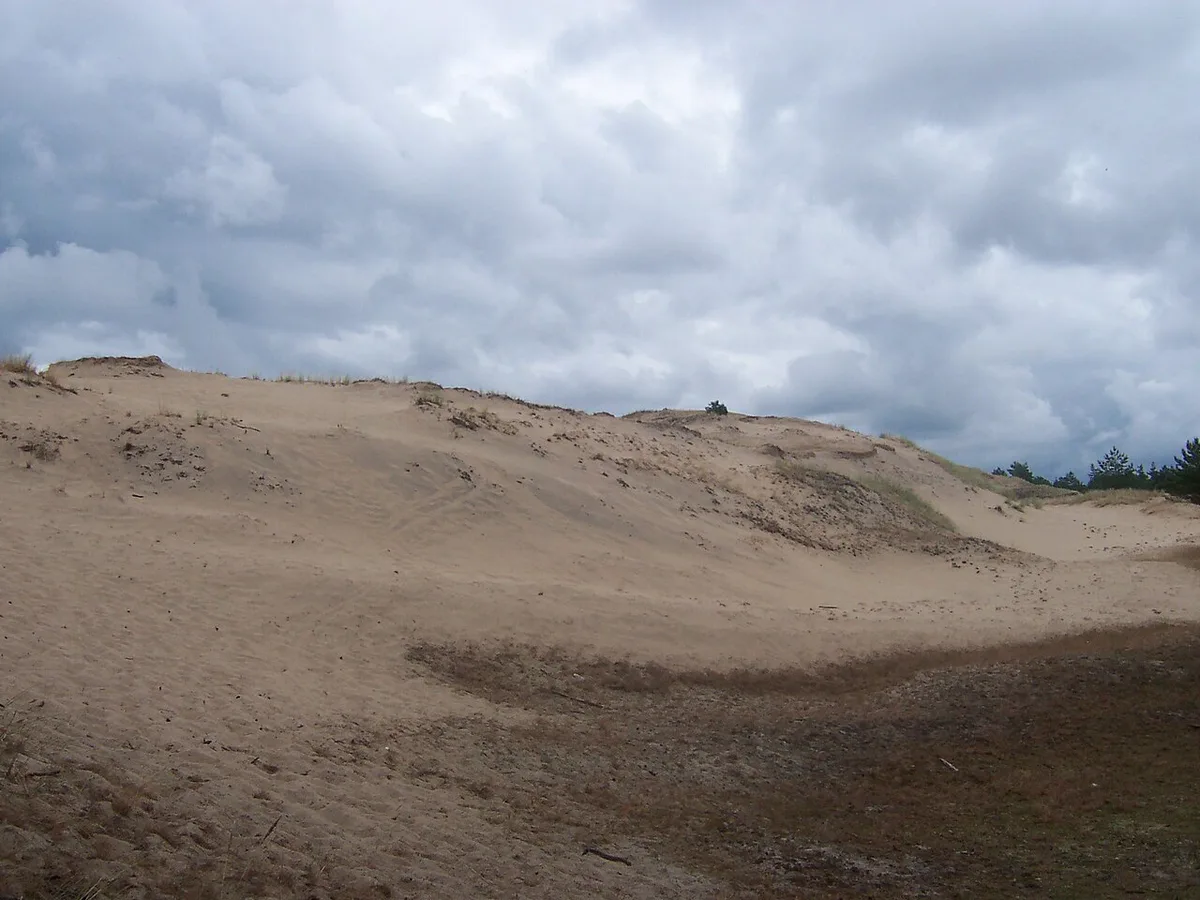
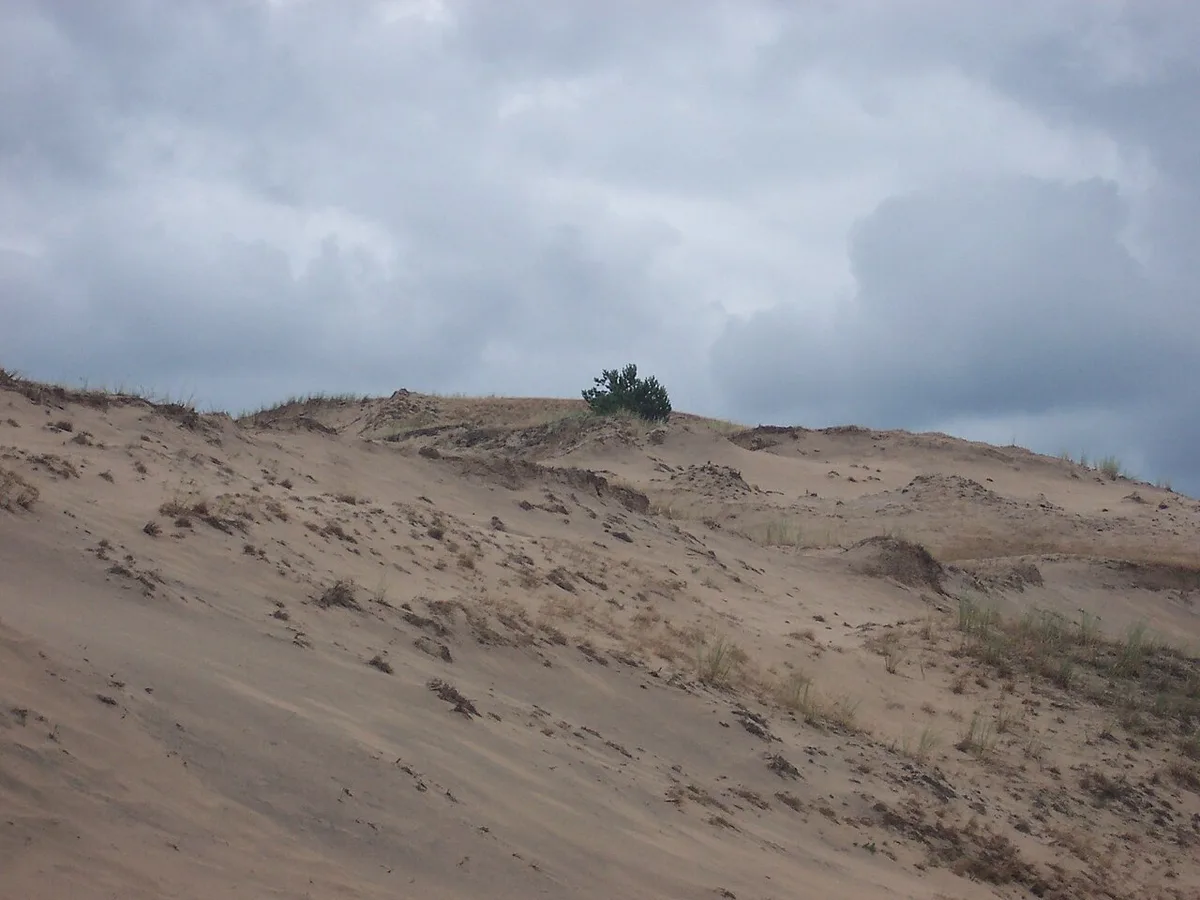
The moving sand dunes remain the signature draw inside Slowinski National Park. Czolpinska and Lacka dunes rise near the Lebska Spit, covering roughly 500 hectares of open sand. Older dunes turn grey as plants take hold, while the active white dunes keep marching north. According to Pomorskie.travel, the fastest dunes can move up to 10 meters in a single year.
The park's active sand dunes shift with coastal winds, with the fastest sections moving up to 10 meters yearly. Czolpinska and Lacka dunes span roughly 500 hectares of open sand, while older grey dunes stabilize further inland as plants take hold.
Two working lighthouses mark the park's coastline: Czolpino and Stilo, near the village of Sasino. Climbing either tower rewards visitors with wide views across dune fields and open sea. Both sit along marked trails, making them easy to combine with a longer dune walk.
Rowokol Hill rises near Smoldzino village, topped by a wooden viewing tower open to visitors. From the top, the view stretches over Lebsko Lake, the Baltic Sea, and surrounding forest. Lebsko Lake itself covers about 7,000 hectares, making it the third largest lake in Poland. Its shallow, reed-lined shores attract anglers and birdwatchers throughout the warmer months.
History, Culture, and Local Museums Near the Park
Kluki village sits just outside the park and holds an open-air museum on Slovincian life. Traditional wooden huts show how fishing families lived along this coast generations ago. Exhibits cover tools, furniture, and daily routines tied to the lakes and the sea.
Near Ustka, a small museum preserves the site's history as a wartime rocket testing ground. Displays include remnants of launch equipment and a preserved bunker from that period. History fans often pair this stop with a beach afternoon in Ustka itself.
Slowinski National Park holds UNESCO Biosphere Reserve status, recognizing its unusual habitats, as noted by Poland.travel. That designation reflects both the shifting dunes and the traditional villages that ring the park. Local culture here stays tied closely to the land, weather, and slow rhythm of the coast.
Parks, Trails, and Outdoor Spots Inside Slowinski
Slowinski National Park offers over 170 km of marked walking paths for visitors to explore. Popular routes link Old Leba, the seashore, Lacka dune, and back through quiet pine forest. Another favorite runs from Czolpino through beech woods to the Czolpino lighthouse.
Cyclists can follow route R10, part of a longer international cycling trail along the coast. Canoeists paddle the Lupawa, Leba, and Wieprza rivers as they wind toward the lakes. Water sports are allowed on Gardno and Lebsko lakes, though rules shift by season. Check with the park information office before planning canoe or paddling trips.
Birdwatchers have logged over 250 species here, with roughly half tied to water and marsh habitats. Seagulls, ducks, grebes, and common terns are common sightings around the lake edges. Forest areas shelter deer, roe deer, moose, otters, beavers, and several rare butterfly species. Travelers curious about Poland's larger wildlife reserves can compare notes with the Bialowieza Forest Travel Guide.
Heathland covers about 10% of the park, filled with moss, wild grasses, and hundreds of fungi species. Wet, marshy ground supports rare plants rarely seen elsewhere in Poland. In 2016, shifting winds uncovered an ancient forest buried under the dunes for centuries.
Family-Friendly and Budget-Friendly Ways to Visit
Slowinski National Park keeps costs low, since most trails are free to walk once inside. A modest entrance fee applies at staffed gates, with current rates posted on the spn.Gov.pl site. Checking prices before arrival helps avoid surprises at the ticket booth.
Families with young children often stick to the shorter Czolpino to lighthouse route. That path stays mostly flat and shaded, with a clear reward at the coast. Strollers can struggle on loose dune sand, so carriers work better for toddlers.
Nearby towns like Leba, Rowy, and Ustka offer budget guesthouses within walking distance of the park. Staying just outside the gates usually costs less than lodging inside larger coastal resorts. Public buses connect these towns to park entrances during the summer season.
How to Plan a Smooth Day at Slowinski National Park
Most visitors reach Slowinski National Park through Leba, the closest town to the main entrances. Gdansk sits roughly two hours away by car, making it a common day-trip starting point. Drivers should expect limited parking near the busiest trailheads during peak summer weekends.
Lake paths stay flatter and shadier than dune climbs, making them better suited to hot afternoons or tired legs. Dune hikes demand more stamina since loose sand significantly slows every uphill step.
| Route | Distance | Terrain | Best For | Tip |
|---|---|---|---|---|
| Old Leba to Lacka Dune Loop | About 15 km round trip | Forest, sea shore, and dune climb | Full-day hikers | Bring water and sun protection |
| Czolpino to Czolpino Lighthouse Trail | Shorter forest walk | Flat forest path to coast | Families and casual visitors | Pair with the lighthouse climb |
| Rowokol Hill Viewpoint Detour | Near Smoldzino village | Hill climb to a wooden tower | Panoramic photos | Visit at sunset for coastal views |
Early mornings bring softer light on the dunes and noticeably thinner crowds along the paths. Weather along this coast shifts quickly, so pack layers even during warmer months. The Mywanderlust.pl guide recommends allowing a full day for the dune walk alone.
A few standout routes cover most of what draws people to the park. Pick based on time available, fitness level, and whether kids are joining the walk.
- Old Leba to Lacka Dune loop
- Distance: about 15 km round trip
- Terrain: forest, sea shore, and dune climb
- Best for: full-day hikers
- Tip: bring water and sun protection
- Czolpino to Czolpino Lighthouse trail
- Distance: shorter forest walk
- Terrain: flat forest path to coast
- Best for: families and casual visitors
- Tip: pair with the lighthouse climb
- Rowokol Hill viewpoint detour
- Access: near Smoldzino village
- Terrain: hill climb to a wooden tower
- Best for: panoramic photos
- Tip: visit at sunset for coastal views
Nature and Relaxation Along the Baltic Coast
Beyond the dunes, Slowinski National Park rewards a slower pace built around water and quiet forest. Gardno Lake spans around 2,500 hectares and stays shallow, calm, and lined with reed beds. Paddling here feels different from the open sea just a short walk away.
Coastal resort towns nearby give travelers an easy way to pair hiking with beach downtime. The Hel Peninsula Travel Guide: Poland's Baltic Coast covers another stretch of this coast worth adding to a longer trip. Further west, the Kolobrzeg Travel Guide: Top Sights for 2026 outlines a popular spa-town alternative.
Choosing between a dune-focused day and a lake-focused day depends on energy and weather. Dune climbs demand more stamina, since loose sand slows every step uphill. Lake paths stay flatter and shadier, better suited to hot afternoons or tired legs. Mixing both across two shorter visits often beats rushing everything into one long day.
Best Time to Visit Slowinski National Park
Slowinski National Park stays open year-round, but each season changes the visit. Summer (June–August) brings the warmest weather, the busiest trails, and full access to swimming and paddling on Lebsko and Gardno lakes — expect crowded parking near Leba and Rowy on weekends. Spring (April–May) offers milder temperatures, blooming heathland, and thinner crowds, making it a good window for the Old Leba to Lacka dune loop without summer congestion. Autumn (September–October) draws birdwatchers, since migratory species pass through the lake wetlands in larger numbers, and cooler air suits the uphill dune climbs better than midsummer heat. Winter brings strong Baltic winds and colder temperatures; unpaved forest paths can turn muddy or icy, and seasonal buses between Leba and the park gates run less often, though the dune fields themselves stay open to properly dressed hikers.
- Summer: warmest, busiest, full lake access
- Spring: mild, quieter, blooming heathland
- Autumn: best for bird migration, cooler hiking weather
- Winter: fewer crowds and services, check bus schedules
Frequently Asked Questions
What animals live in Slowinski National Park?
Slowinski National Park supports over 250 recorded bird species, including seagulls, ducks, grebes, and common terns. Forest areas shelter deer, roe deer, moose, otters, and beavers. Wetland habitats also support rare butterflies and dozens of fungi species. This mix of coastal, forest, and wetland wildlife makes the park unusually diverse for its size.
What are the sand dunes in Slowinski National Park called?
The park's best-known dunes are Czolpinska and Lacka, both found near the Lebska Spit. These moving dunes cover roughly 500 hectares and shift with the wind, sometimes several meters a year. Older, plant-covered dunes sit further inland and move far more slowly. Climbing either active dune gives sweeping views over sand, forest, and open sea.
Is Slowinski the largest national park in Poland?
Slowinski National Park is not the largest national park in Poland by area. Biebrza National Park is often cited as Poland's largest, covering wetlands far inland from the coast. Slowinski instead stands out for its shifting dunes and rare coastal habitat mix. Size aside, its landscape has few direct comparisons anywhere else in Europe.
Does Poland have other national parks worth visiting nearby?
Poland runs 23 national parks, spread across mountains, forests, wetlands, and coastline. The Ojcow National Park Travel Guide covers limestone valleys near Krakow, a very different companion trip. Coastal travelers can also add Bialowieza Forest for old-growth woodland and bison herds. Each park favors a different season, so check trail conditions before a long drive.
How do you get to Slowinski National Park from Gdansk?
Gdansk is the nearest major city, sitting roughly two hours away from Leba by car. Regional buses and seasonal shuttles also connect Gdansk to Leba during summer months. From Leba, marked trails lead directly into the dune fields and toward the lakes. Confirm current schedules locally, since seasonal transport options can change year to year.
Slowinski National Park pairs shifting dunes with quiet lakes, forest trails, and small coastal villages. Few places in Europe let you watch a landscape change this visibly within a single visit. Planning around weather, trail choice, and travel time makes the day far more rewarding.
Start with one signature route, then build out from there based on time and energy. For more coastal and outdoor ideas across Poland, browse the Polandwander travel blog. A well-timed visit here tends to stay memorable long after the sand settles back down.
You might also like


Continue reading
More guides you'll find useful