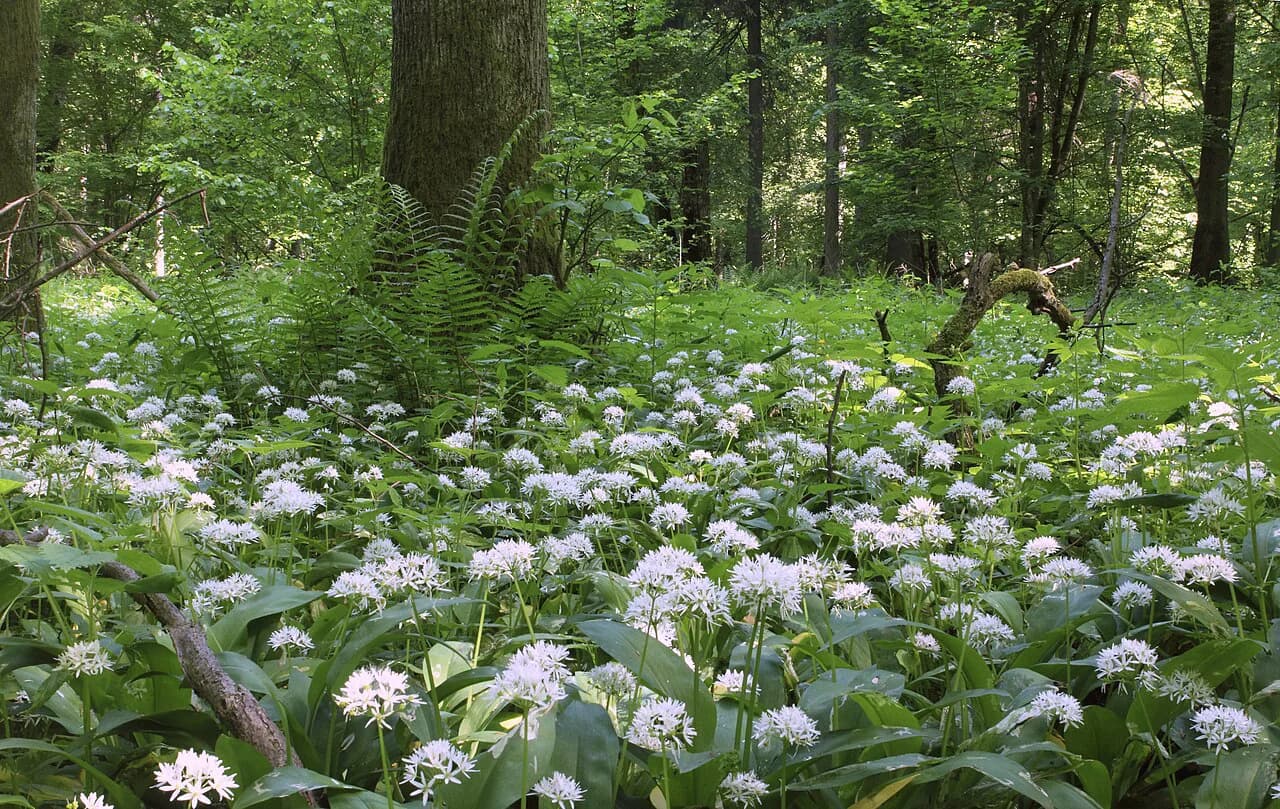

Best Nature in Poland: A Complete 2026 Guide
Nature in Poland stretches from Baltic dunes to alpine peaks in the south. Twenty-three national parks protect forests, lakes, and mountain ranges across the country. Seventeen sites carry UNESCO recognition, a sign of how varied these landscapes are. This guide covers the regions worth building a trip around.
Expect wild mountain trails in Bieszczady and calm sailing waters in Masuria. Budget travelers will find pricing friendlier here than in much of Western Europe. Practical sections below cover trains, currency, and timing so planning stays simple.
Key Takeaways
- Bieszczady and Roztocze offer the quietest hiking, while Masuria suits sailing and paddling trips.
- Book Polish train tickets early since fares climb as the departure date nears.
- Pair Kraków with Eagles' Nest castles, or head to Wrocław for Karkonosze access.
- Check mountain weather each morning, since conditions in Bieszczady and the Tatras shift fast.
- Budget three to seven days depending on how many regions fit into one trip.
Roztocze National Park
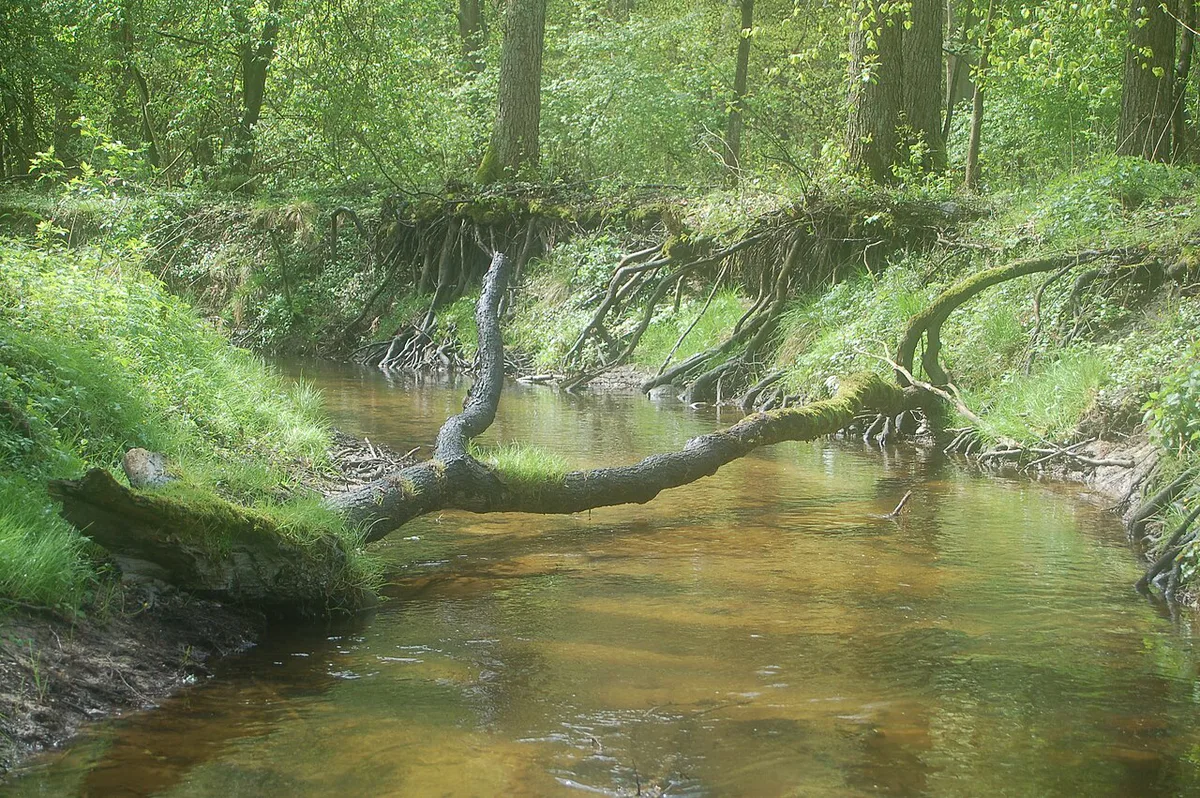
Roztocze National Park lies in southeastern Poland, near the historic town of Zamość. Rolling hills, beech forests, and quiet river valleys shape this understated landscape. The park also protects tarpan-descended horses that roam semi-wild through forest clearings. Crowds stay noticeably thinner here than in the busier Tatra Mountains further south.
Reaching Roztocze usually means driving, since direct rail links to the park remain limited. Zamość, a UNESCO-listed Renaissance town, makes a convenient base for exploring the region. Marked trails run from Zwierzyniec toward the Bukowa Góra viewpoint and surrounding forests. Cyclists often favor this area for its flat, well-signed forest paths.
Roztocze suits travelers who want silence over crowded viewpoints and long selfie lines. It does demand more driving time than mountain parks closer to Kraków or Zakopane. Travelers heading further east can explore best places in Podlasie, Poland for a fuller borderlands trip. Budget two to three days here rather than squeezing in a rushed afternoon stop.
Bieszczady Mountains
Bieszczady Mountains form Poland's wildest range, tucked into the southeastern corner near Ukraine and Slovakia. Tarnica, the highest peak in the range, reaches 1,346 metres above sea level. Most hikers begin the ascent from Wołosate, a small village close to the border. Trails stay noticeably quieter outside July and August compared with ranges further west.
Ustrzyki Dolne works as the most practical base for exploring the wider region. Public buses connect it to major Polish cities, though a rental car adds flexibility. Solina Lake, formed by damming the San River, covers roughly 22 square kilometres. Its maximum depth reaches about 60 metres, making it one of Poland's largest reservoirs.
Boating, sailing, kayaking, and fishing all draw visitors to Solina's shoreline through summer. History lovers can detour to wooden Orthodox churches scattered through nearby mountain villages. For a full breakdown of trails, seasons, and lodging, check the Bieszczady Mountains Travel Guide. Winter visits bring fewer crowds and a lower avalanche risk than the steeper Tatras.
Bieszczady rewards travelers willing to skip reliable Wi-Fi and lean into remoteness for a few days. Budget travelers benefit too, since prices here run cheaper than Zakopane or Kraków. Families with young children may find the longer trails and remote roads more demanding. Plan three to four days to properly cover the mountains and Solina Lake.
Masurian Lakes
Masurian Lakes, sometimes called the Land of a Thousand Lakes, spread across Poland's northeast. This lake belt sits just south of the Baltic coastal plain and stretches nearly 290 kilometres east. More than 2,000 lakes dot the forests and farmland between the Vistula River and Lithuania. Sailing, cycling, and canoeing set the pace for most visits to this district.
Giżycko sits at the center of the district and works as the main sailing hub. Śniardwy and Niegocin, two of the largest lakes, connect through canals near the town. Marinas rent sailboats and kayaks by the hour or by the full day. Read the Giżycko sailing guide before booking a boat for the first time.
| Activity | Best For | Season / Distance / Details | Access |
|---|---|---|---|
| Sailing | Sailing groups | May to September | Marina rentals by the hour |
| Cycling | Families and day trips | Routes from 10 to 40 km | Rental shops in Giżycko and Mikołajki |
| Climbing (Dylewska Góra) | Short scenic detours | About 300 metres elevation | Marked trail, no lift |
| Paddling | Kayakers avoiding crowds | Shoulder months are quieter | Canoe rental in small villages |
Southwest of Olsztyn, the moraine hill Dylewska Góra rises roughly 300 metres above the plain. It offers one of the few elevated viewpoints across an otherwise flat lake district. Olsztyn itself makes a workable base, since regional trains reach several smaller lake towns. Browse the Masurian Lakes Travel Guide: Poland's Lake District for a fuller regional overview before mapping a route.
Masuria suits travelers who want water activities more than mountain hiking or forest silence. July and August bring the busiest marina traffic and the highest boat rental demand. Late spring and early autumn keep prices lower and lake access easier to arrange. Families and sailing groups both find enough infrastructure here for a relaxed week.
- Sail between Giżycko's connected lakes
- Best for: sailing groups
- Season: May to September
- Access: marina rentals by the hour
- Tip: book earlier in August
- Cycle the lakeside forest trails
- Best for: families and day trips
- Distance: routes from 10 to 40 km
- Access: rental shops in Giżycko and Mikołajki
- Tip: flat terrain suits beginners
- Climb Dylewska Góra near Olsztyn
- Best for: short scenic detours
- Height: about 300 metres
- Access: marked trail, no lift
- Tip: pair with an Olsztyn stopover
- Paddle the quieter northern channels
- Best for: kayakers avoiding crowds
- Season: shoulder months are quieter
- Access: canoe rental in small villages
- Tip: check wind forecasts first
Eagles' Nest Trail and Karkonosze
Eagles' Nests Landscape Park links a chain of medieval castle ruins between Kraków and Częstochowa. Limestone rock formations rise sharply along the trail, several topped with defensive towers. The full route covers roughly 164 kilometres, though most visitors sample shorter sections by car. Ojców National Park anchors the southern end of the trail, close to Kraków.
Driving the route works best, since public transport between the castles runs infrequently. Ogrodzieniec Castle draws the most visitors, thanks to its dramatic hilltop ruins. A single day can cover three or four castles if stops stay brief. Climbing the rock formations near Podzamcze adds a scramble for more active visitors.
Travelers craving higher peaks can head further southwest to Karkonosze National Park instead. Szklarska Poręba serves as the main gateway town for hikes into that mountain range. The Szklarska Poręba guide covers trailheads, waterfalls, and seasonal access details. Choosing between the two regions depends on whether castles or alpine views matter more.
Eagles' Nest suits history-focused travelers working with limited time and a rental car. Karkonosze suits hikers chasing genuine mountain elevation and longer multi-day routes. Both regions get crowded on summer weekends, so weekday visits pay off. Budget a half-day for the castles alone, or two days pairing both stops.
Getting Around: Trains, Cars, and Money
Booking Polish train tickets early through the national carrier usually unlocks the lowest fares. Fares climb as the departure date approaches, similar to typical airline pricing patterns. Regional trains connect Kraków, Zakopane, and Zamość, though rural park access often needs a bus. A one-way regional fare from Kraków to nearby mountain towns often runs 15 to 18 PLN.
Book Polish train tickets early through the national carrier to access the lowest fares. Prices rise as departure dates approach. Regional hops from Kraków to mountain towns typically cost fifteen to eighteen PLN.
Kraków, Wrocław, and Poznań all work well as city break bases before heading into nature. Each city sits within a short train ride of at least one national park or lake district. Kraków connects most easily to Ojców National Park and the Eagles' Nest castles. Wrocław offers the fastest access toward Karkonosze and the wider Sudetes foothills.
Poland uses the złoty rather than the euro, so plan for a currency exchange step. Bank machines usually offer better rates than airport currency counters or hotel front desks. Card payments work at most hotels and larger shops, even in smaller towns. Carry some cash for rural buses, park entry fees, and small forest cafes.
A visual overview helps before committing to a route across such a spread-out country. See an interactive map of these natural wonders HERE. It plots major parks, lakes, and mountain trails across the whole country at once. Save a few favorites before finalizing which regions fit into a single trip.
Renting a car remains the easiest way to reach parks that trains simply skip. Compare rates through Poland cheap car hire Poland cheap car … before booking, since prices shift by season. Rural roads near Bieszczady and Roztocze are well maintained but often narrow and winding. A compact car handles most routes fine, though extra clearance helps during winter.
- Book train tickets early for savings
- Carrier: national rail network
- Fare example: 15 to 18 PLN regional hop
- Duration: about 1.5 hours
- Tip: prices rise closer to departure
- Budget for currency and card use
- Currency: Polish złoty (PLN)
- Best rate: bank ATMs over airport counters
- Cards: accepted in most hotels and shops
- Cash: keep some for rural stops
- Choose a city break base wisely
- Kraków: near Ojców and Eagles' Nest
- Wrocław: near Karkonosze foothills
- Poznań: central hub for western routes
- Tip: pick a base by target park
Best Time to Visit and Weather to Expect
Nature in Poland shifts noticeably by season, from snow-covered peaks to warm lake days. Summer, from June through August, brings the warmest weather and the busiest trails nationwide. Average summer highs sit in the low-to-mid twenties Celsius across most lowland regions. Mountain weather stays cooler and can change faster, even during July.
Mountain weather in Bieszczady and the Tatras can shift within an hour, even in July. Check forecasts each morning before hiking, not the night before. Pack sturdy boots and a rain layer in every daypack.
Spring and autumn offer a useful middle ground for travelers who dislike crowds. May and September combine milder temperatures with noticeably thinner numbers at major parks. Some cable cars and visitor centers run shorter hours outside the peak summer months. One well-known Tatra cable car operates from 7:00 AM to 5:30 PM in season.
Mountain weather in Bieszczady and the Tatras can turn within an hour, even in summer. Fog and sudden rain catch unprepared hikers off guard on exposed ridgelines. Checking forecasts the morning of a hike matters more than checking the night before. Sturdy boots and a rain layer belong in every daypack, regardless of season.
Winter turns Bieszczady and the Tatras into quieter, snow-draped landscapes with far fewer visitors. Avalanche risk stays lower in Bieszczady than in the steeper, more technical Tatra terrain. Masurian Lakes mostly freeze over, shifting activity toward ice fishing rather than sailing. Confirm seasonal closures on official park websites before finalizing a winter itinerary.
Tatra Mountains and Morskie Oko Lake
The Tatra Mountains, Poland's only true alpine range, rise above the resort town of Zakopane in the far south. Rysy, the country's highest peak at 2,499 metres, sits on the border ridge above Morskie Oko, a glacial lake often called the "Eye of the Sea." The lake sits inside Tatra National Park and ranks as the range's largest and most photographed body of water.
Most visitors start from the Palenica Białczańska car park near Łysa Polana, where private cars are barred beyond the gate. The walk in covers roughly 9 kilometres on a paved, gently graded road, taking about two hours each way; horse-drawn carriages and electric shuttles carry those who'd rather skip the hike. Energetic hikers continue past Morskie Oko to Czarny Staw pod Rysami, a smaller lake set higher in the cirque.
- Base town: Zakopane, reachable by bus or train from Kraków
- Trailhead: Palenica Białczańska, no private vehicles beyond parking
- Distance: about 9 km one-way, roughly 2 hours walking
- Extension: Czarny Staw pod Rysami for stronger hikers
Arrive early morning in summer, since the trail and parking area fill quickly by mid-morning.
Frequently Asked Questions
What is the nature like in Poland?
Nature in Poland ranges from Baltic sand dunes to alpine peaks over 2,400 metres. Twenty-three national parks protect forests, wetlands, mountain ranges, and more than 2,000 northern lakes. Regions like Bieszczady and Roztocze stay quiet even in summer, while Masuria draws sailors and paddlers each season.
How to be polite in Poland?
Greet people with a firm handshake and direct eye contact in most settings. Use formal titles like Pan or Pani until invited to use first names. Remove shoes when entering a Polish home, and always say dziękuję, meaning thank you, when receiving help.
What are popular Polish souvenirs to buy?
Amber jewelry ranks among the most popular souvenirs, since Poland sits along a major Baltic amber source. Bolesławiec pottery, hand-painted in blue and white patterns, also travels well. Regional food gifts like honey, dried mushrooms, or oscypek smoked cheese make practical, lighter options.
What is the prettiest part of Poland?
Opinions vary, but the Tatra Mountains and Masurian Lakes district draw the most consistent praise. The Tatras offer dramatic peaks like Rysy, reaching almost 2,499 metres near Morskie Oko lake. Masuria offers a gentler, water-based landscape that suits a slower, less strenuous pace.
How many days do you need for a nature trip in Poland?
Plan at least five to seven days to cover two nature regions without rushing. A short trip might pair Kraków with Eagles' Nest castles or Ojców National Park nearby. A longer week could add Bieszczady or Masuria, though both regions deserve three or four dedicated days each.
Nature in Poland rewards travelers willing to explore beyond the well-known city circuit. Mountains, lake districts, and quiet uplands each offer a distinct pace and price point. Roztocze and Bieszczady suit those chasing solitude, while Masuria suits water lovers instead. Eagles' Nest and Karkonosze fill the gap between castle history and higher elevation.
Start planning around train schedules, currency needs, and whichever season fits your pace. Booking key trains and rentals early keeps costs manageable across most of these regions. For more regional guides and city-specific tips, browse the Poland travel blog. A well-paced week can realistically cover two of these nature regions without feeling rushed.
Explore More Poland Guides
Keep planning your Poland trip with these guides.
Poland Guides
- Szklarska Poręba Travel Guide: Top Things to Do
- Bieszczady Mountains Travel Guide
- Masurian Lakes Travel Guide: Poland's Lake District
- Gizycko Travel Guide: Top Sights & 2026 Tips
- Bialowieza Forest Travel Guide
- Dunajec River Rafting Travel Guide
- Gory Stolowe Travel Guide: Trails, Tips, Weather
- Hel Peninsula Travel Guide: Poland's Baltic Coast
- Karkonosze National Park Travel Guide
- Karpacz Poland Travel Guide 2026
- Kolobrzeg Travel Guide: Top Sights for 2026
- Mikolajki, Poland Travel Guide
- Ojcow National Park Travel Guide
- Polonina Wetlinska Trail Guide 2026
- Slowinski National Park Travel Guide 2026
- Sniezka Mountain Travel Guide 2026
- Wolin National Park Travel Guide
You might also like


Continue reading
More guides you'll find useful